Simile reaches $2B valuation and Zepto IPO hits roadblock
Day’s Recap
“
”
Supporting Articles
Simile raised $200 million in Series B funding at a $2 billion valuation for its AI service, which simulates and predicts human behavior. The company plans to develop a confidence model intended to predict the accuracy of those forecasts.
3:44 PMPYMNTS
Shares of Swiggy and Eternal, major competitors to Indian rapid-commerce company Zepto, are headed for their strongest monthly performance in years after Zepto’s planned initial public offering hit a roadblock.
11:50 PMBloomberg Markets
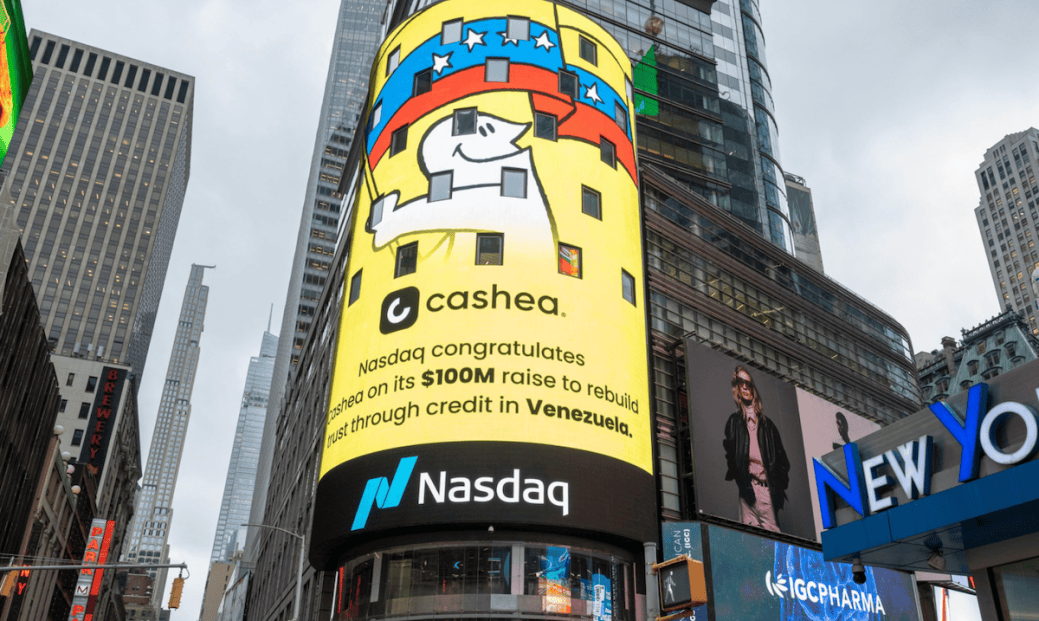
Venezuelan buy now, pay later company Cashea raised $100 million to develop new financial products and upgrade its technology. It also plans to support Generación Impulso, a program providing programming and robotics training to 7,800 teenagers.
4:26 PMPYMNTS
3:44 PMPYMNTS
Simile Raises $200 Million for AI Digital Twin Service
Summary
Simile raised $200 million in Series B funding at a $2 billion valuation for its AI service, which simulates and predicts human behavior. The company plans to develop a confidence model intended to predict the accuracy of those forecasts.
The valuation reflects investor confidence in behavioral simulation as a major AI application, but the
Unlock the full First Pass Analysis to get a better understanding of why this story matters
Why it matters
Simile's round shows that AI capital is moving toward prediction systems that claim to model people, not just generate content.
Swiggy, Eternal Stocks Surge as Zepto’s India IPO Hits Roadblock
Summary
Shares of Swiggy and Eternal, major competitors to Indian rapid-commerce company Zepto, are headed for their strongest monthly performance in years after Zepto’s planned initial public offering hit a roadblock.
Zepto’s IPO setback delays a key public-market test for the loss-making rapid-commerce sector and shifts
Unlock the full First Pass Analysis to get a better understanding of why this story matters
Why it matters
A delayed Zepto listing could reshape investor expectations and competitive valuations across India’s rapid-commerce market.
Venezuelan BNPL FinTech Cashea Raises $100 Million
Summary
Venezuelan buy now, pay later company Cashea raised $100 million to develop new financial products and upgrade its technology. It also plans to support Generación Impulso, a program providing programming and robotics training to 7,800 teenagers.
The size of the round gives Cashea the capital to expand beyond its core BNPL
Unlock the full First Pass Analysis to get a better understanding of why this story matters
Why it matters
Cashea's financing signals investor appetite for financial infrastructure serving underserved consumers in volatile markets.
Venezuelan buy now, pay later fintech Cashea has raised $100 million. It plans to use the funding to expand from installment lending into payments and savings products.
The raise signals a shift from a single credit product toward a broader consumer-finance platform.
Unlock the full First Pass Analysis to get a better understanding of why this story matters
Why it matters
Cashea is testing whether a BNPL business can become a wider financial-services provider in an underserved market.
A curated list of other prominent stories from this day.
Encore AI raised $30 million in a Series A round to expand global deployment of its agentic customer interaction platform. The software is designed to help companies increase revenue by improving the performance of sales and service agents during customer interactions.
4:07 PMPYMNTS
Dili raised $21.7 million in a Series A led by Khosla Ventures, with participation from Allianz, Rebel Fund, Brick and Mortar Ventures’ Darren Bechtel, and Y Combinator’s Garry Tan. The company plans to apply AI to compliance work supporting the expanding infrastructure sector.
9:00 AMTechCrunch
Foundational Industries is pursuing software-native factories in which AI manages the production system rather than simply controlling individual robots. The startup argues that this model could let new manufacturers leapfrog China's highly automated industrial base.
4:57 AMFortune
4:07 PMPYMNTS
Encore AI Raises $30 Million to Expand Enterprise AI Platform
Summary
Encore AI raised $30 million in a Series A round to expand global deployment of its agentic customer interaction platform. The software is designed to help companies increase revenue by improving the performance of sales and service agents during customer interactions.
The funding shifts Encore AI from product development toward enterprise-scale deployment. Its growth will depend
Unlock the full First Pass Analysis to get a better understanding of why this story matters
Why it matters
Enterprise AI investors are increasingly backing tools tied directly to sales outcomes and operating metrics.
Dili raises $21.7M to bring AI compliance to the infrastructure boom
Summary
Dili raised $21.7 million in a Series A led by Khosla Ventures, with participation from Allianz, Rebel Fund, Brick and Mortar Ventures’ Darren Bechtel, and Y Combinator’s Garry Tan. The company plans to apply AI to compliance work supporting the expanding infrastructure sector.
The financing gives Dili the resources to scale an AI product aimed at a costly,
Unlock the full First Pass Analysis to get a better understanding of why this story matters
Why it matters
AI is moving deeper into infrastructure operations, where reducing compliance friction could materially affect project speed and cost.
Forget robots on assembly lines. Foundational Industries wants AI to run the entire factory
Summary
Foundational Industries is pursuing software-native factories in which AI manages the production system rather than simply controlling individual robots. The startup argues that this model could let new manufacturers leapfrog China's highly automated industrial base.
The decisive shift is from automating factory tasks to coordinating the entire operation through software
Unlock the full First Pass Analysis to get a better understanding of why this story matters
Why it matters
The bet challenges the assumption that industrial competitiveness requires replicating the capital-heavy automation model used by established manufacturing powers.