First Pass

9 stories from 3 sources

New evidence is stretching science’s models and machines

Day’s Recap

Supporting Articles

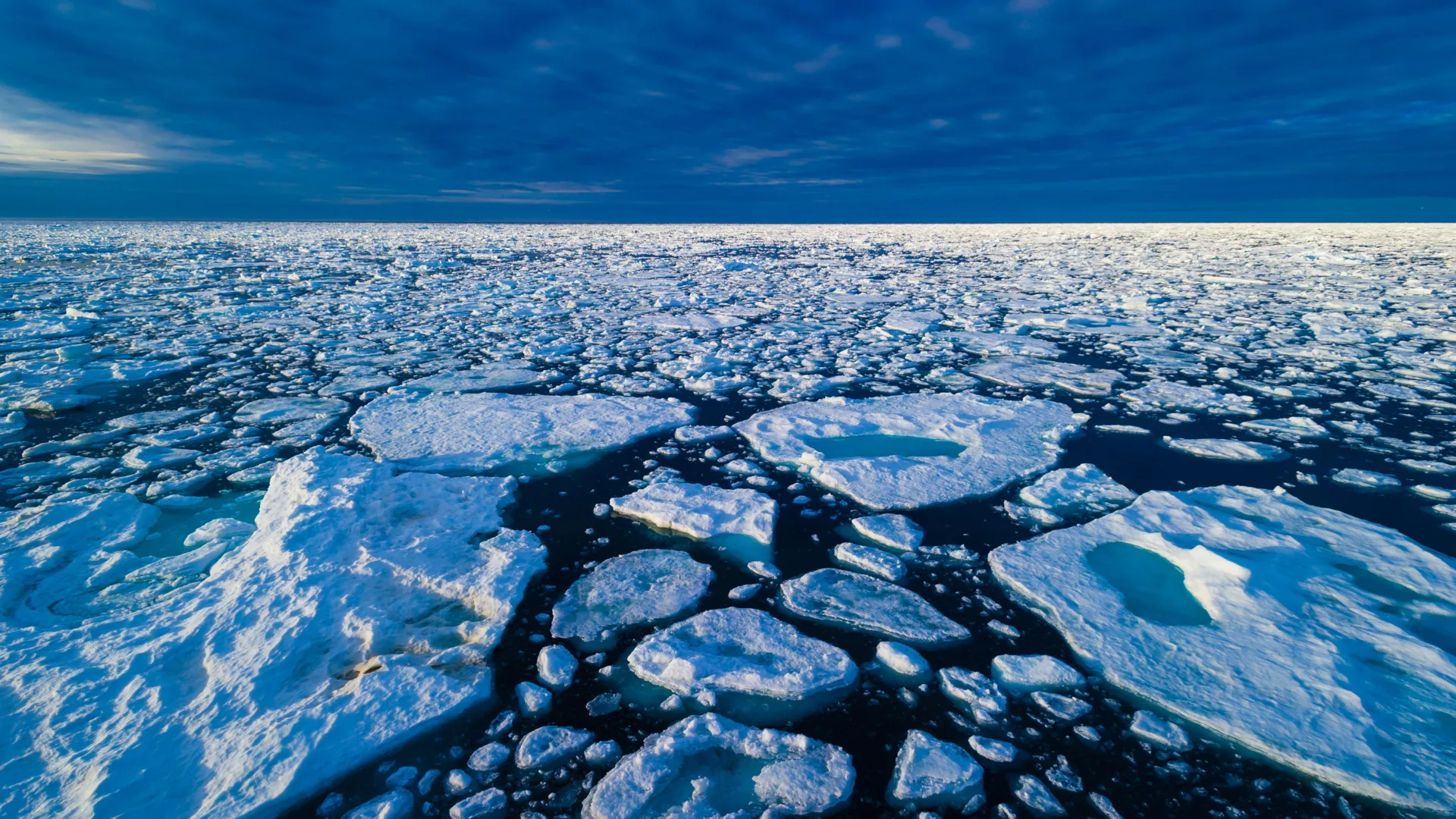
Using ocean sediments from 6,000 years ago alongside modern climate models, researchers estimate that future Arctic winter sea ice could cover about one million fewer square kilometers than earlier projections indicated. The result suggests winter ice loss may accelerate beyond current expectations.

4:50 AMScienceDaily
OpenAI says it has made three major discoveries spanning mathematics, computer science, and physics, following its recent release of hundreds of AI-generated manuscripts. This time, external academic experts, whom OpenAI calls shepherds, guided the work and its results.

7:34 PMThe Verge

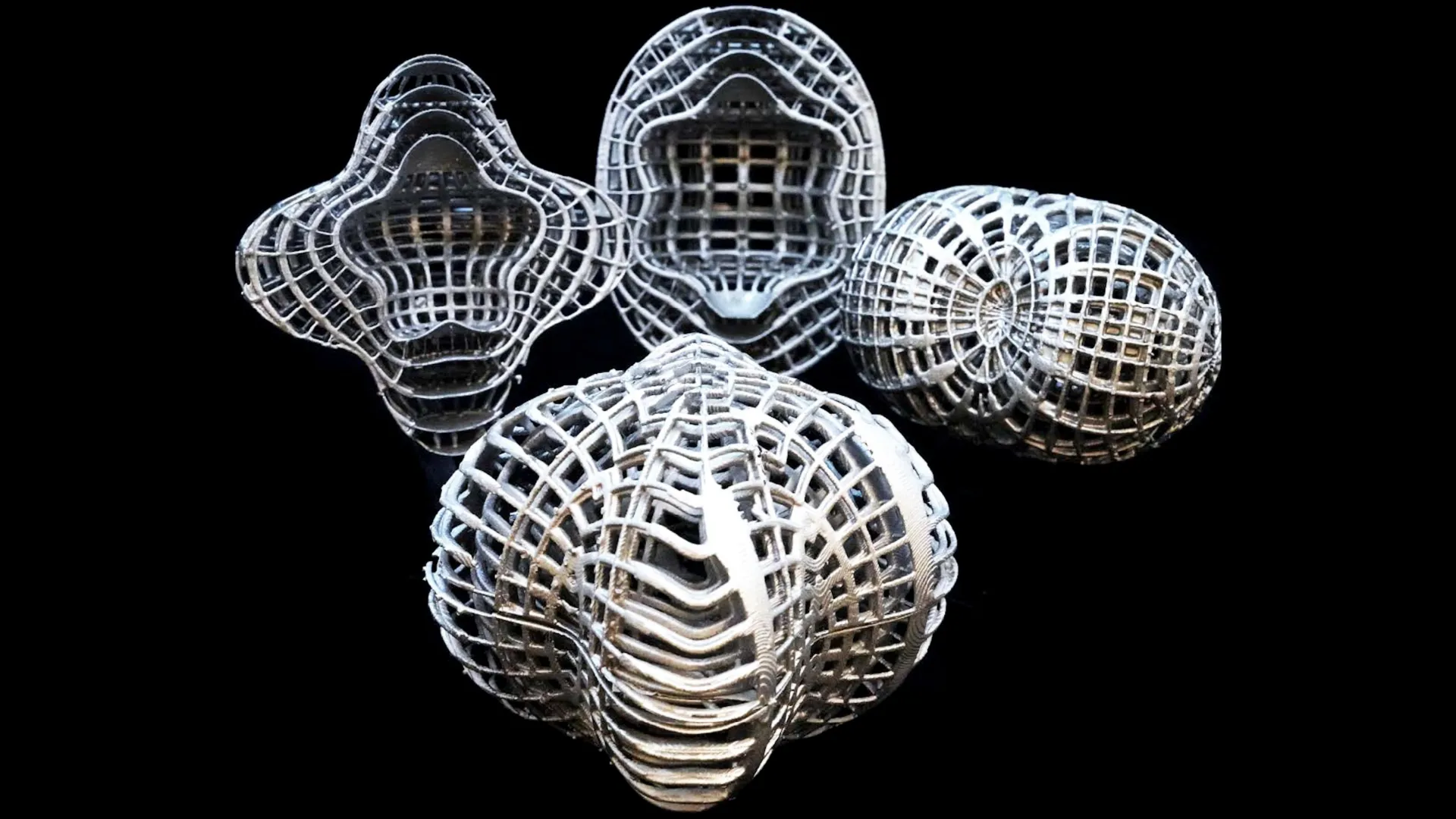
Researchers built and tested a three-dimensional device that guides heat around complex objects, making them difficult to detect with infrared cameras from multiple directions. The cloak also protects the hidden object from extreme temperatures.

6:24 AMScienceDaily

Other Developments

A curated list of other prominent stories from this day.

Researchers recreated the Lycurgus Cup's color-changing effect by embedding nanoparticles of gold and silver into glass. The particles, each far smaller than a grain of sand, reproduce the optical behavior associated with the Roman vessel.

4:19 PMARTnews

New research finds that regular exercise reshapes the nerves that regulate heart function, not just the heart muscle itself. The changes differ between the body's left and right sides.

7:35 AMScienceDaily

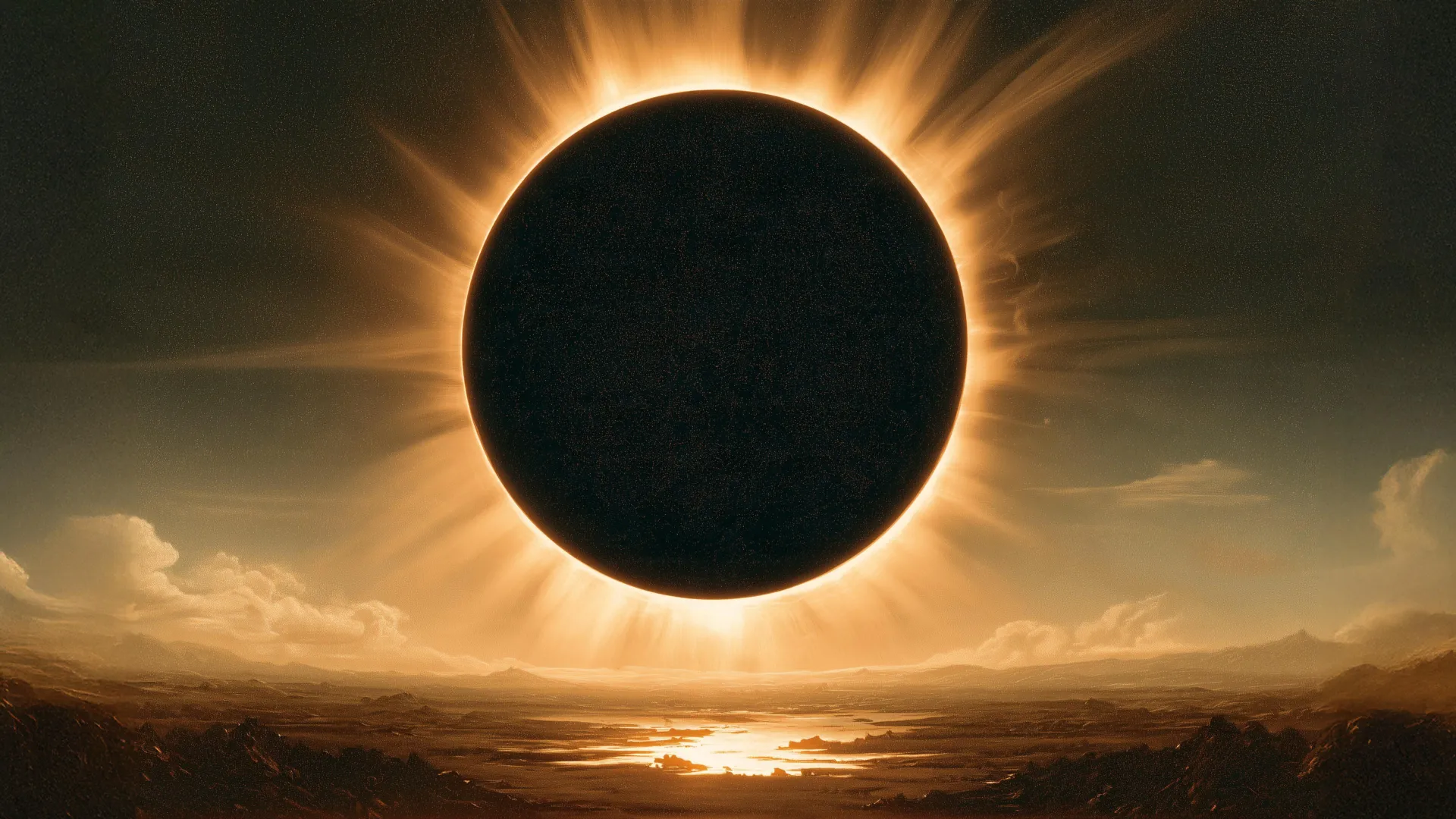
Researchers reconstructed a total solar eclipse recorded in 709 BCE after correcting the historical location of an ancient Chinese capital by eight kilometers. The event provides a more accurate estimate of Earth's rotation rate at the time and offers clues about ancient solar behavior.

7:06 AMScienceDaily

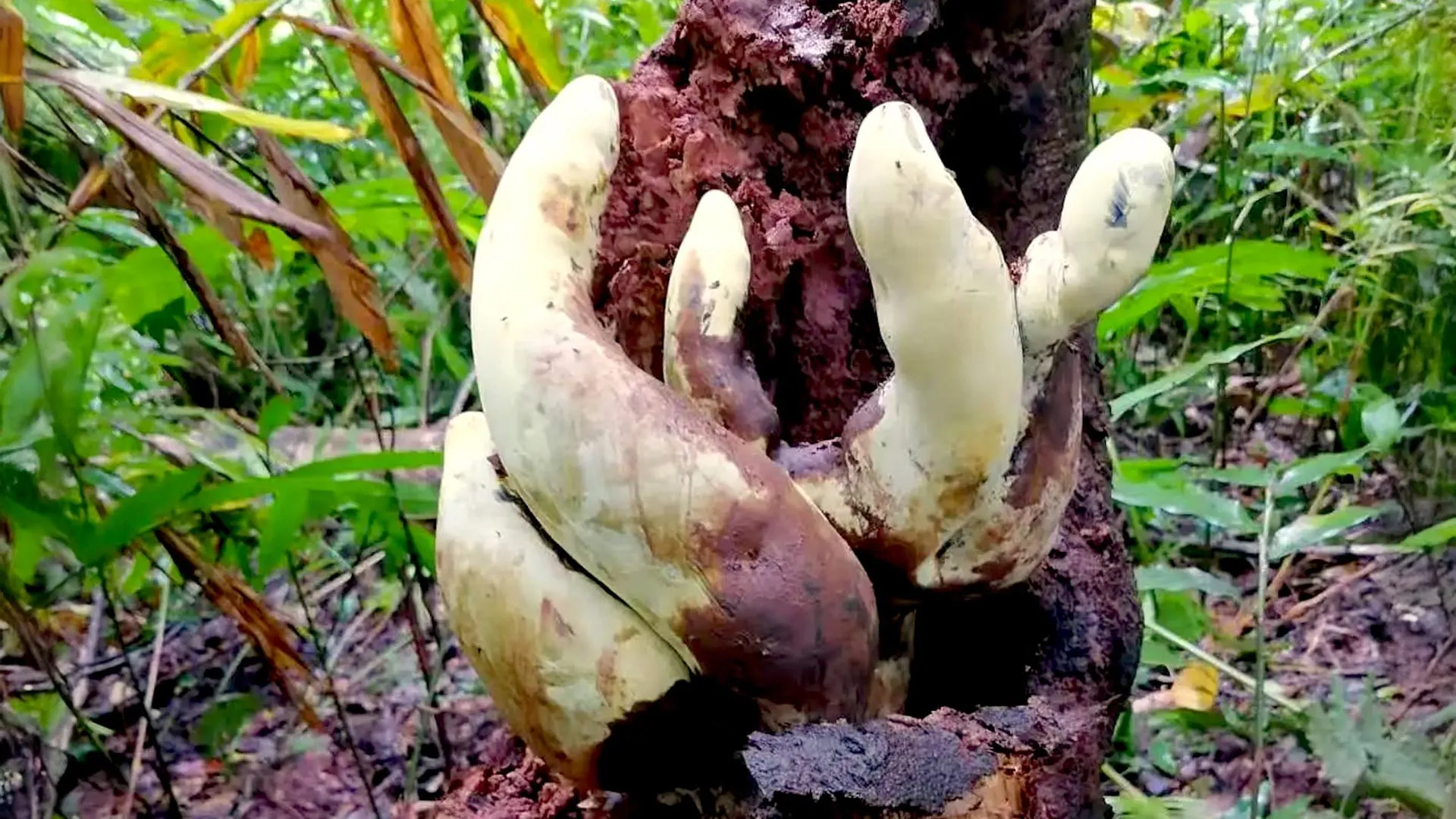
Scientists in China identified a giant fungus that grows up to 20 inches tall and weighs nearly five pounds, making it the largest known fungus of its kind. Its lineage appears to have emerged shortly after the dinosaurs disappeared, linking its evolution to a major ecological upheaval.

6:50 AMScienceDaily

Scientists have recorded skyrmions, tiny magnetic vortices, melting out of an ordered lattice for the first time. Observing this process gives researchers new information about how to manipulate the structures for brain-inspired computing.

6:06 AMScienceDaily

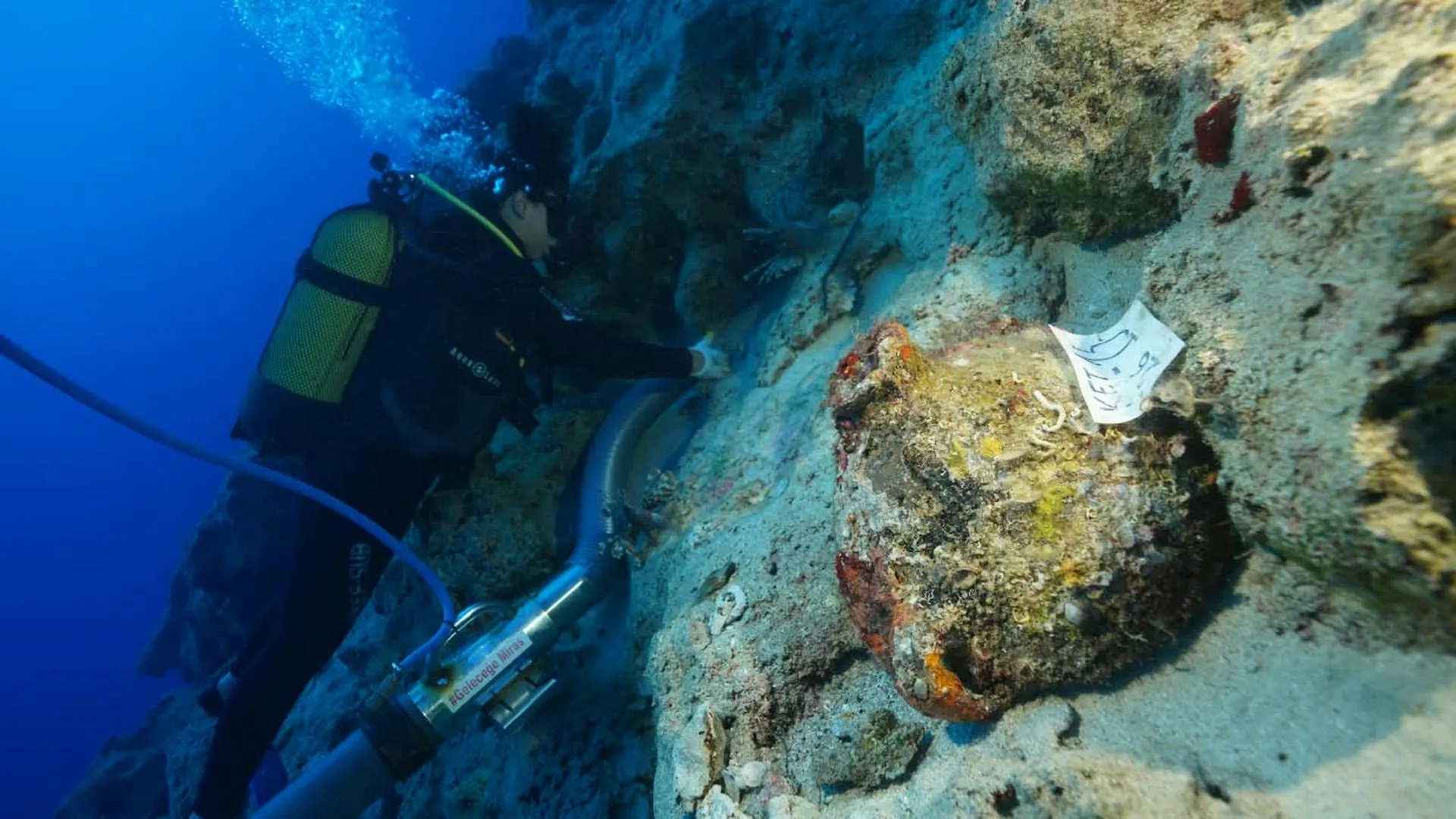
A wreck site off Turkey may date to about 4,500 years ago, around the time of the Egyptian pyramids, making it a candidate for the oldest known shipwreck. Although the wooden hull has decayed, its pottery cargo points to long-distance trade across the ancient Mediterranean.

5:51 AMScienceDaily

Make it yours

Build Your First Pass.

Pick your topics, set your cadence, and receive your personalized First Pass in your inbox. It’s that simple!