First Pass

5 stories from 2 sources

New experimental tools open fresh paths across science

Day’s Recap

Supporting Articles

The CHIME radio telescope detected faint hydrogen emission from roughly 9 billion years ago using its own observations, demonstrating a long-sought mapping technique. Hydrogen across cosmic time can reveal how matter is distributed and how the universe expanded, providing a new probe of dark energy.

4:53 AMScienceDaily


Researchers identified short-lived intermediate materials that form while chemical ingredients are heated and are often missed by conventional methods. They also found a new atomic form of bismuth vanadate whose unusual interaction with light could affect solar fuels, catalysts, and electronics.

6:20 AMScienceDaily

Scientists created and directly observed Bethe strings, unusual quantum states predicted by Hans Bethe in 1931. In an ultracold cesium gas, groups of atoms formed nonchemical bound clusters, including clusters of six or more particles that survived collisions.

4:25 AMScienceDaily

Other Developments

A curated list of other prominent stories from this day.

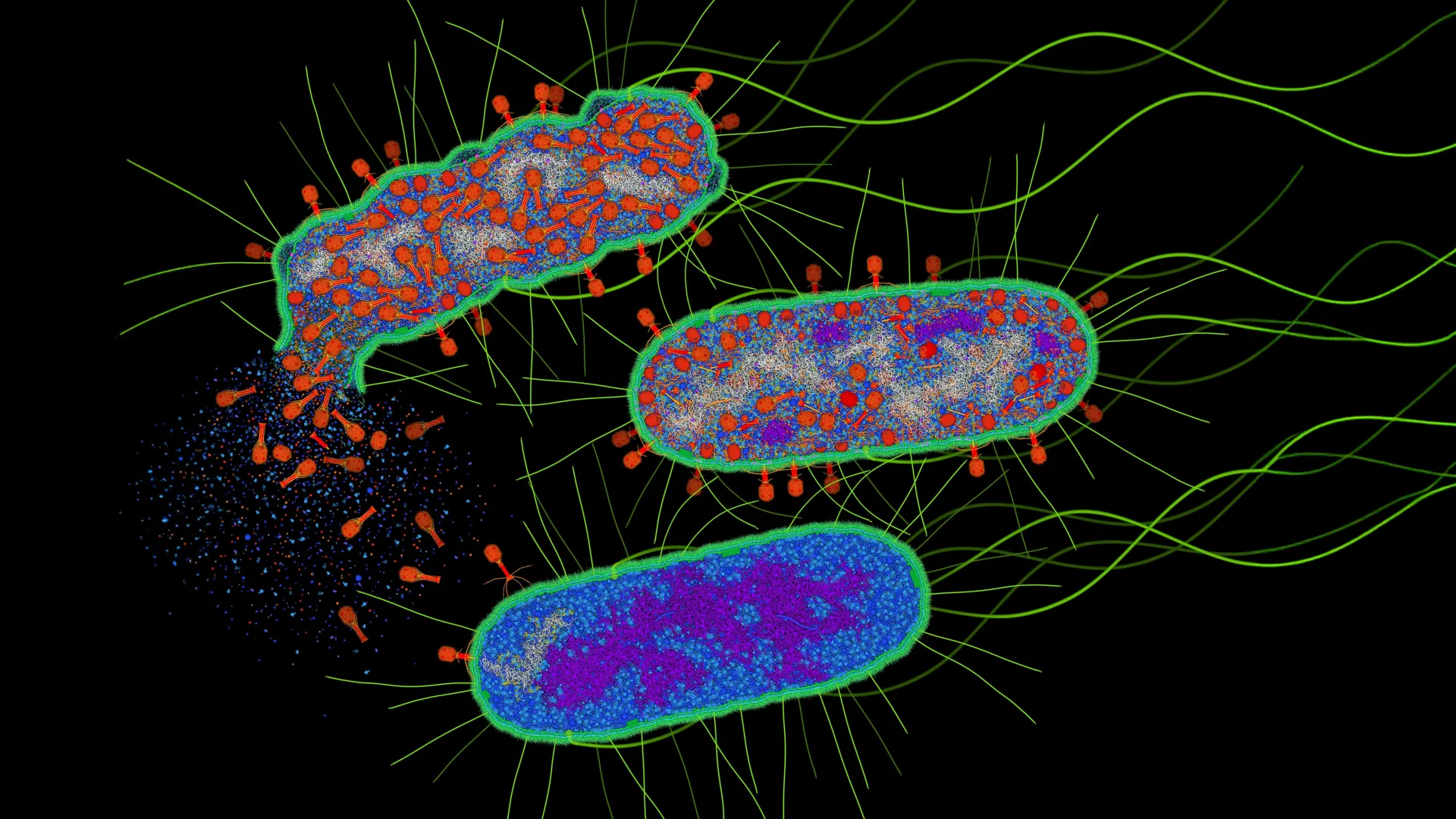
Researchers found that bacteria can detect a viral attack when a virus-produced enzyme cuts a bacterial sensor protein. That cleavage triggers a self-destruct response that prevents the infection from spreading.

5:51 AMScienceDaily

Robert Gallo reflects on how decades-old basic research into interleukin-2 produced clinical and translational advances that researchers could not have predicted at the outset.

4:30 AMStat News

Make it yours

Build Your First Pass.

Pick your topics, set your cadence, and receive your personalized First Pass in your inbox. It’s that simple!