First Pass

10 stories from 5 sources

Physics pushes observation into the universe’s hidden extremes

Day’s Recap

Supporting Articles

Francis Halzen won the Nobel Prize in Physics for helping build the Antarctic observatory that detects neutrinos from deep space. The observatory uses these elusive particles to study violent cosmic events and extreme astrophysical environments.

8:31 AMAl Jazeera
CERN researchers found the clearest evidence yet that quark-gluon plasma behaves as a liquid. Quarks moving through the plasma produced ripples and wakes, showing that the dense matter can slow particles and respond collectively.

8:04 AMScienceDaily

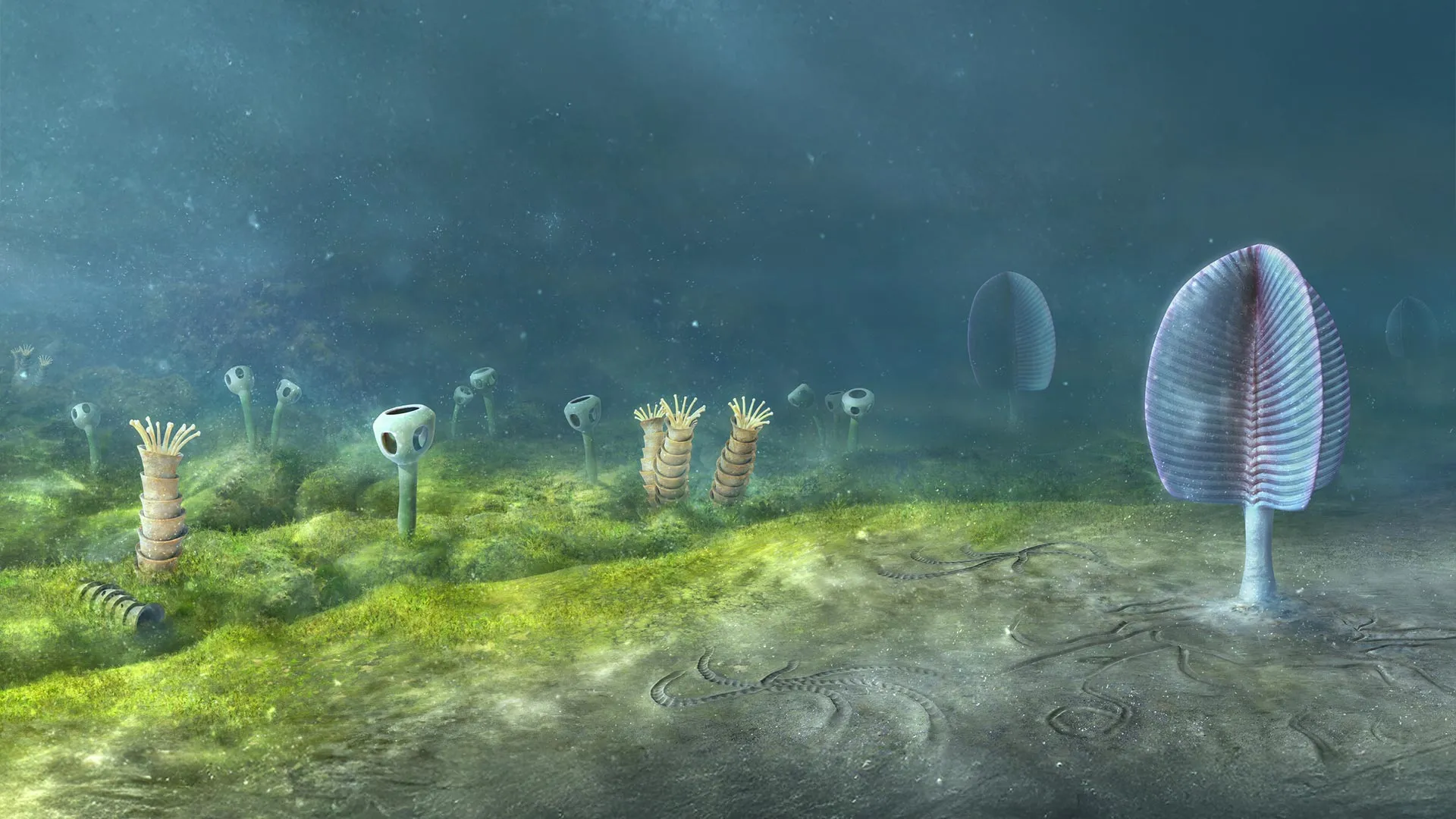
New research suggests animals may have emerged between 800 and 700 million years ago, up to 200 million years earlier than some previous estimates. Their early ancestors may have lived before or during Snowball Earth, but soft bodies would have left few fossils.

10:29 PMScienceDaily

Other Developments

A curated list of other prominent stories from this day.

A comparison of 100 primate species, including humans, finds no simple evolutionary link between routine aggression and lethal violence. Frequent fighting does not consistently predict killing, while infanticide and other extreme behaviors appear to have distinct evolutionary histories.

11:22 PMScienceDaily

Studies show that rising human activity is changing how the Himalayan monal lives and communicates. The bird's vocal behavior is adapting as its environment becomes more affected by people.

7:07 PMBBC

As Swiss glaciers retreat, archaeologists are finding artifacts preserved for centuries or millennia in mountain passes. The discoveries are revealing traces of travel and daily life from earlier eras.

11:01 AMThe New York Times

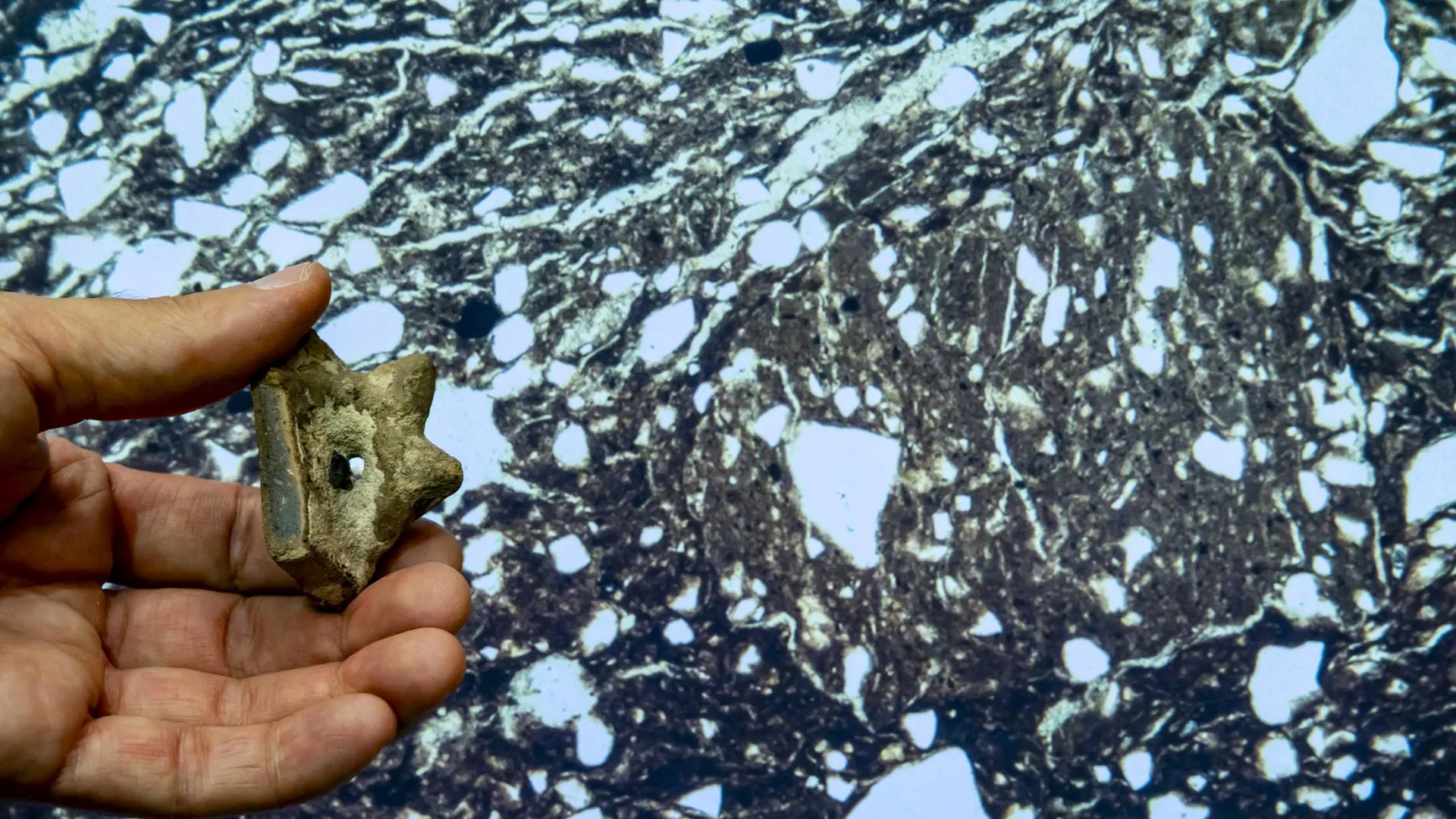
Ancient pottery from Tampa Bay appears to have been made by migrant craftspeople who carried specialized Mississippian techniques hundreds of miles south. The vessels also contain crushed pottery from their homeland, preserving a material connection across generations.

8:41 AMScienceDaily

A strong Kelvin wave is moving from South America toward California, carrying warm water that is normally held farther west. Despite alarming descriptions, the phenomenon is a recognized oceanic process rather than a mysterious or unprecedented event.

8:00 AMThe Verge

Ultrafast X-ray measurements captured key steps in a chemical reaction that transfers energy efficiently. The observations show electrons, protons and surrounding water molecules rearranging in a tightly connected process relevant to photosynthesis and other energy-conversion systems.

3:49 AMScienceDaily

Make it yours

Build Your First Pass.

Pick your topics, set your cadence, and receive your personalized First Pass in your inbox. It’s that simple!