First Pass

7 stories from 3 sources

Science gained new leverage over space, matter, and lunar history

Day’s Recap

Supporting Articles

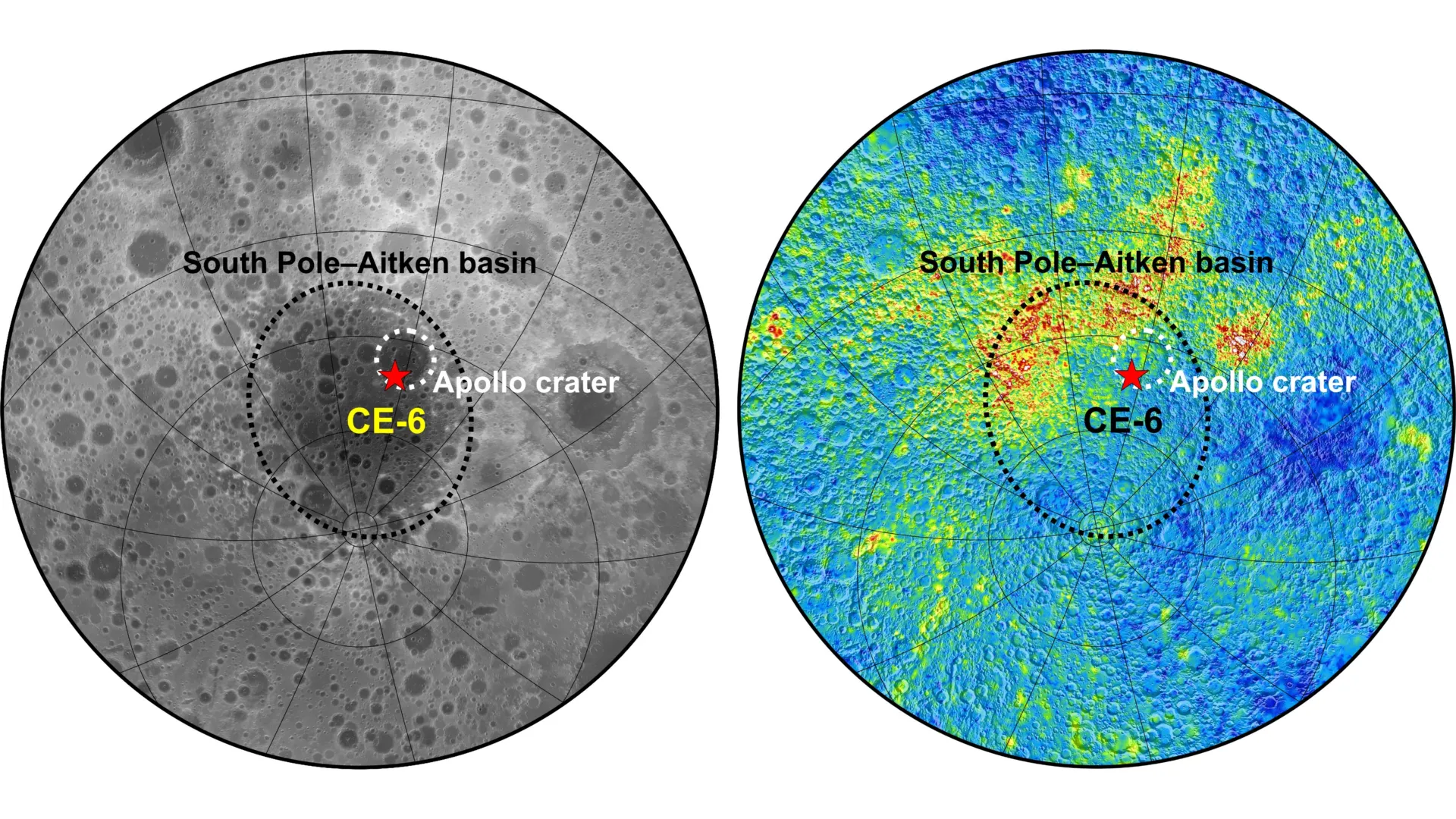
Researchers examining samples returned by China’s Chang’e-6 mission found a previously unknown natural occurrence of metallic gamma iron inside tiny impact-glass particles. Because the nanoscale material can retain a stable magnetic signal, it may preserve evidence of the Moon’s ancient magnetic field.

9:12 AMScienceDaily
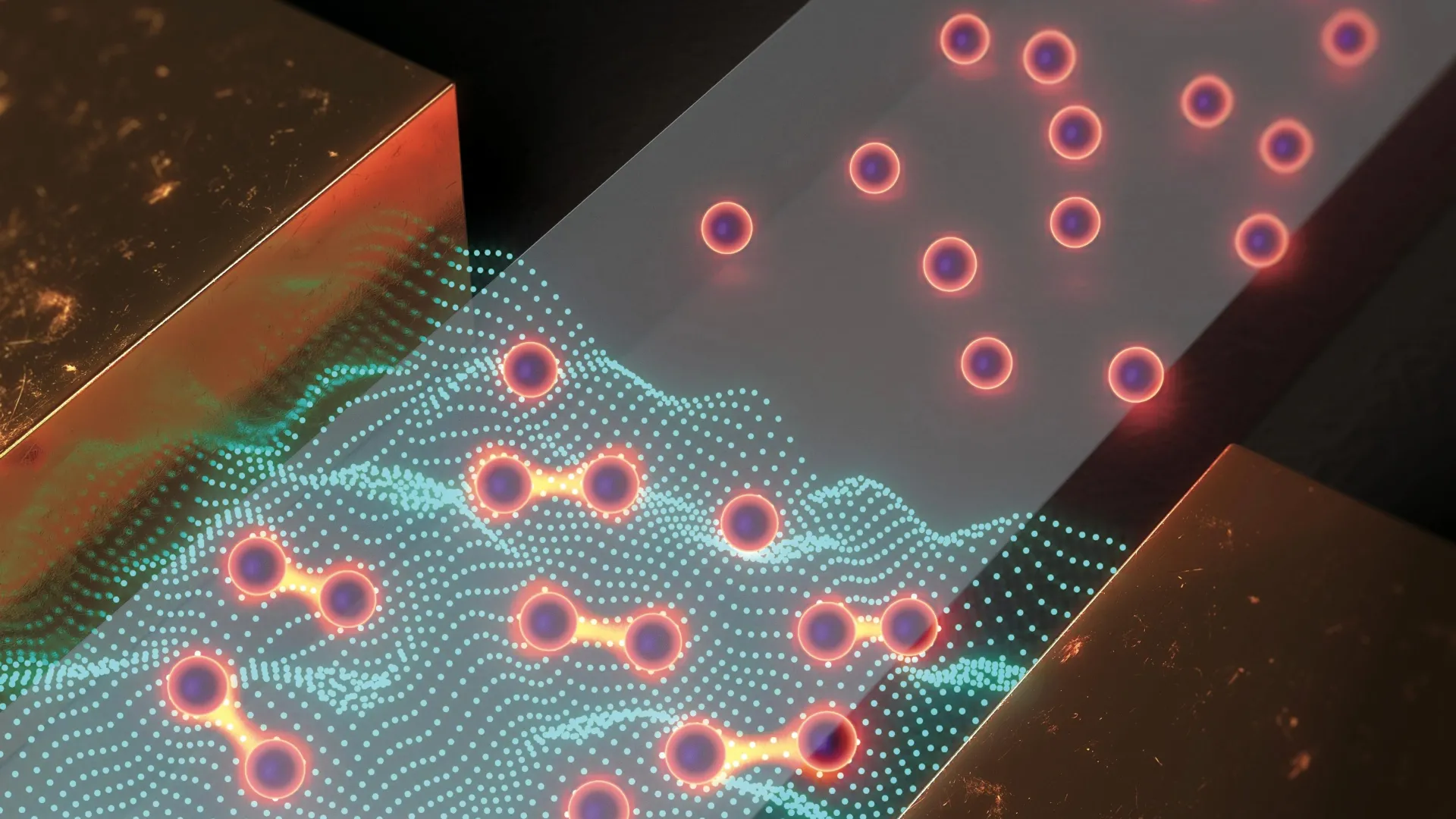
Researchers found that quantum fluctuations in vacuum can strengthen superconductivity in an ultrathin material, raising its transition temperature by as much as 5.4 percent. The experiment suggests that engineered electromagnetic environments can alter a quantum material without direct contact or conventional external driving.

8:03 AMScienceDaily

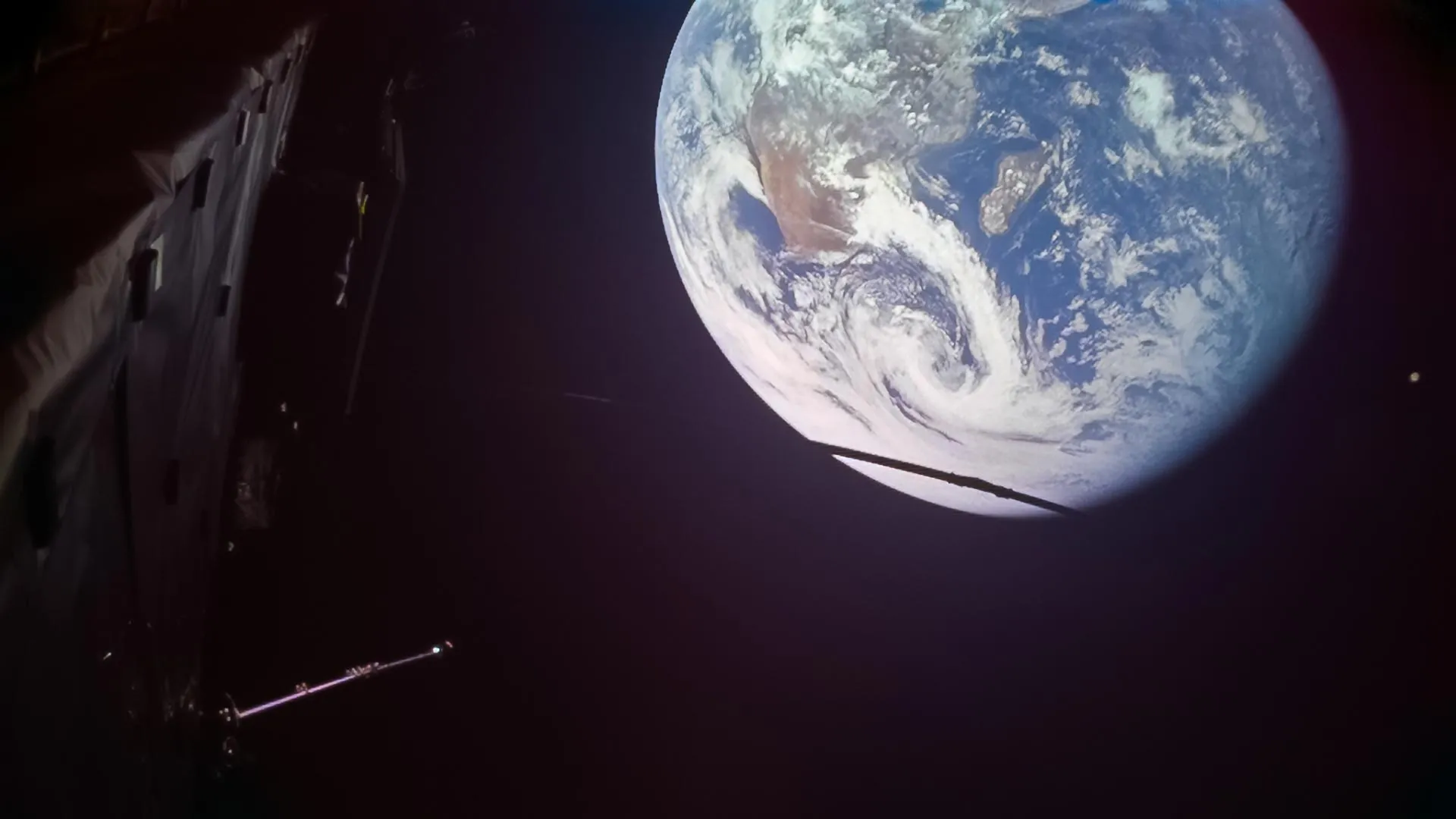
ESA’s Juice spacecraft flew past Earth on September 28, using the planet’s gravity to redirect its trajectory toward Jupiter while conserving fuel. The maneuver shifted its course by 20 degrees and increased its speed by 3.5 kilometers per second, while allowing engineers to test instruments against Earth and the Moon.

9:34 AMScienceDaily

Other Developments

A curated list of other prominent stories from this day.

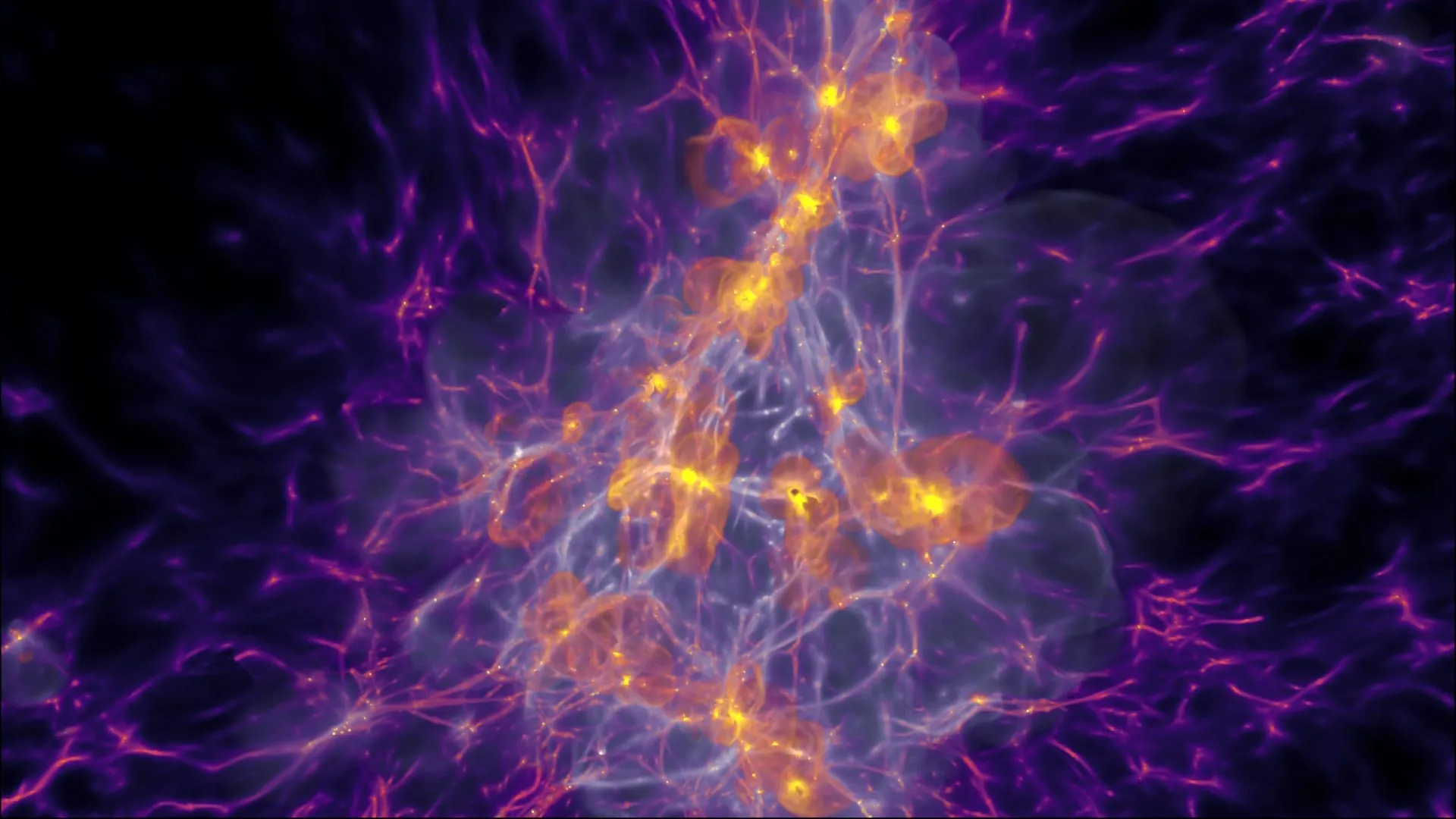
The MEGATRON project uses high-resolution simulations to model how the first stars transformed the early universe and dispersed elements such as carbon, oxygen, and iron. The results aim to connect observations of early galaxies by JWST with chemical signatures preserved in ancient stars today.

8:50 AMScienceDaily

Researchers found that the amino acid leucine can increase cellular energy production by protecting key mitochondrial proteins from degradation. The result identifies a direct link between an essential nutrient and the machinery that controls cellular metabolism, with possible implications for metabolic disease and cancer research.

8:33 AMScienceDaily

Saturn will be especially prominent for New York City stargazers in October, alongside two meteor showers.

6:00 AMGothamist

A new study identifies Brazil's bare-throated bellbird and red-legged seriema as the loudest animals recorded in nature.

8:03 AMThe New York Times

Make it yours

Build Your First Pass.

Pick your topics, set your cadence, and receive your personalized First Pass in your inbox. It’s that simple!