
Swiss glaciers lost nearly a fifth of their volume in recent years, prompting researchers to describe the decline as an urgent warning about human-driven climate change.
3:24 PMThe New York Times9 stories from 7 sources
Supporting Articles
Swiss glaciers lost nearly a fifth of their volume in recent years, prompting researchers to describe the decline as an urgent warning about human-driven climate change.
3:24 PMThe New York Times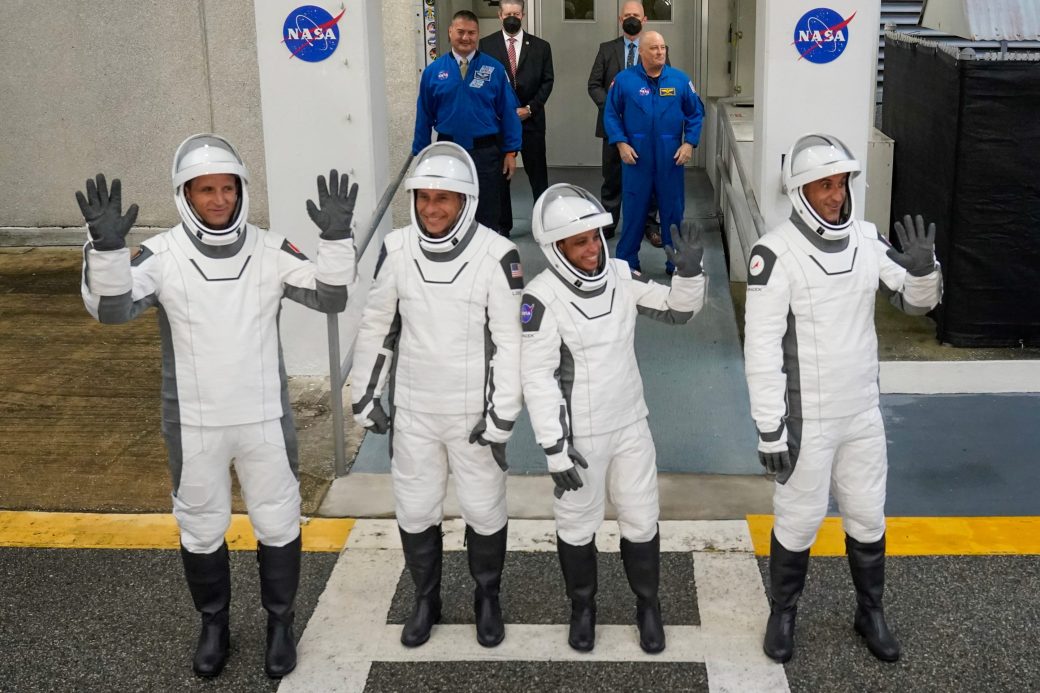
SpaceX delivered four Crew-13 astronauts to the International Space Station in a record-fast eight-hour trip. The crew will spend six months in orbit, with Jessica Watkins becoming the first Black woman to lead a crew there.
4:54 PMFortune
SpaceX launched four astronauts to the International Space Station aboard a Dragon capsule that is nearing retirement. The mission comes as uncertainty grows around the future direction of SpaceX's human spaceflight program.
1:42 PMBloomberg Markets
A SpaceX Falcon 9 launched from Cape Canaveral carrying two Americans, a Russian and a Canadian to the International Space Station. The crew is expected to remain aboard for up to six months.
12:32 PMBBC
Researchers propose a qubit based on superfluid helium that could reduce errors by roughly 100 times by shielding quantum information from common electromagnetic noise. If experiments validate the model, the qubit could complement superconducting systems or function as quantum memory.
9:17 AMScienceDailySummary
Swiss glaciers lost nearly a fifth of their volume in recent years, prompting researchers to describe the decline as an urgent warning about human-driven climate change.
The scale of the loss confirms that glacier retreat is accelerating beyond a gradual, reversible
Unlock the full First Pass Analysis to get a better understanding of why this story mattersWhy it matters
The collapse of Alpine ice is both a direct climate indicator and a growing threat to regional water security.
2 stories · 2 sources
Summary
SpaceX delivered four Crew-13 astronauts to the International Space Station in a record-fast eight-hour trip. The crew will spend six months in orbit, with Jessica Watkins becoming the first Black woman to lead a crew there.
The shorter transit time improves the reliability and flexibility of crew rotations, while reducing the
Unlock the full First Pass Analysis to get a better understanding of why this story mattersWhy it matters
Faster crew transport strengthens the station's operating cadence while expanding who holds leadership roles in human spaceflight.
Summary
SpaceX launched four astronauts to the International Space Station aboard a Dragon capsule that is nearing retirement. The mission comes as uncertainty grows around the future direction of SpaceX's human spaceflight program.
The launch extends Dragon's operational record while underscoring an approaching transition in NASA's crew transportation
Unlock the full First Pass Analysis to get a better understanding of why this story mattersWhy it matters
A routine crew launch is also a test of how smoothly NASA can move beyond the spacecraft that established its commercial crew program.
Summary
A SpaceX Falcon 9 launched from Cape Canaveral carrying two Americans, a Russian and a Canadian to the International Space Station. The crew is expected to remain aboard for up to six months.
The mission extends the routine use of commercial rockets for international human spaceflight and keeps
Unlock the full First Pass Analysis to get a better understanding of why this story mattersWhy it matters
Regular commercial crew flights have become essential to maintaining the ISS and sustaining shared space research.
Summary
Researchers propose a qubit based on superfluid helium that could reduce errors by roughly 100 times by shielding quantum information from common electromagnetic noise. If experiments validate the model, the qubit could complement superconducting systems or function as quantum memory.
The key advance is a proposed hardware architecture that addresses error at the physical level
Unlock the full First Pass Analysis to get a better understanding of why this story mattersWhy it matters
A substantially more stable qubit could reduce the engineering cost of useful quantum computers.
A curated list of other prominent stories from this day.

Large numbers of endangered Bogong moths have appeared across eastern Australian cities, including Sydney and Canberra, entering homes and cars and prompting widespread public attention. The swarm has raised questions about what is driving the unusual influx.
6:26 PMBBCArchaeologists discovered a rare group of ancient Roman sculptures at Chartres, along with evidence of a water system. The infrastructure may have supported rituals at the site.
11:12 AMARTnews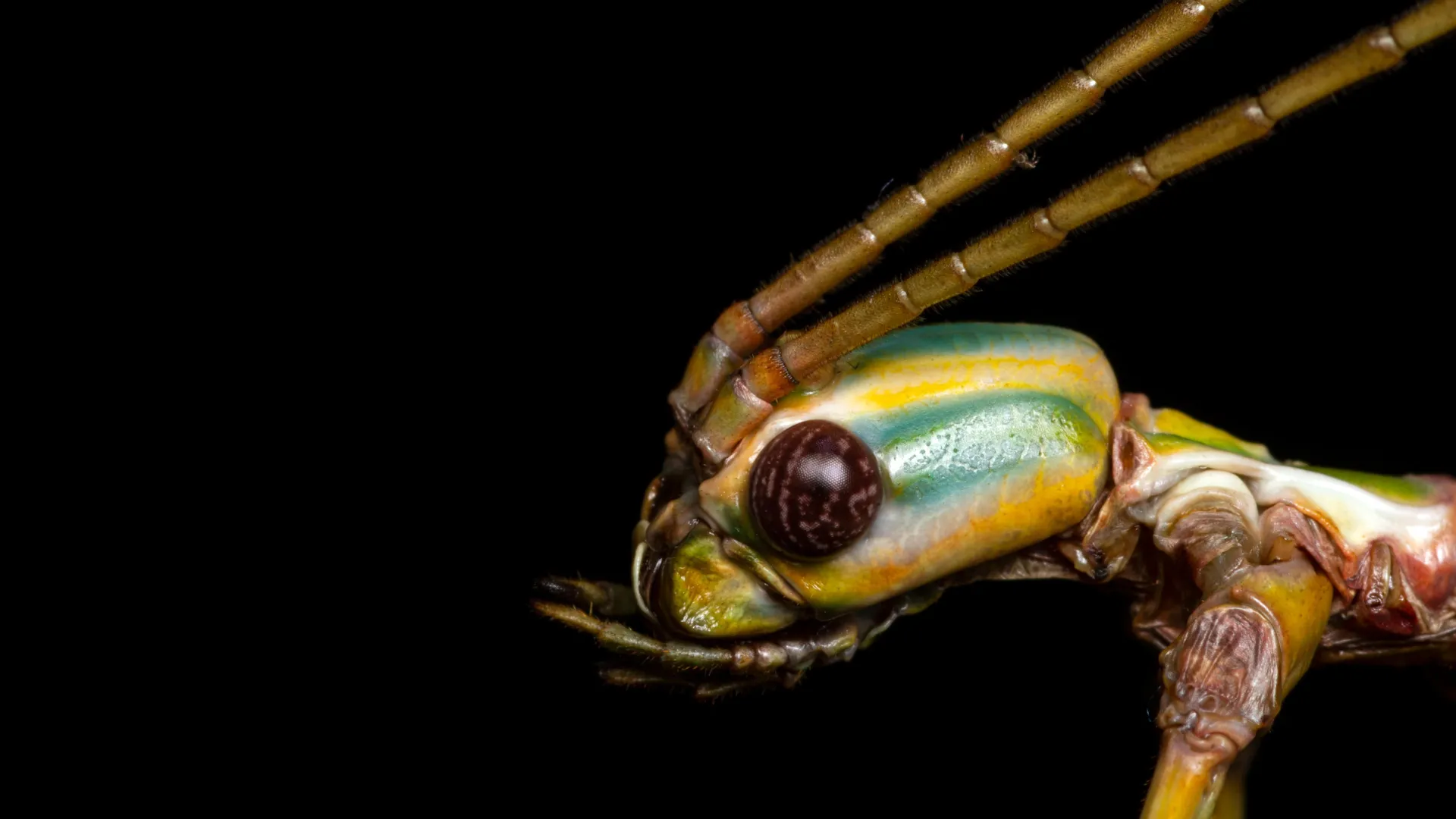
Scientists identified two new species of large Australian stick insects, including one that lays previously unknown lidded eggs. The work also showed that a familiar species had been misidentified for decades.
9:59 AMScienceDailySummary
Large numbers of endangered Bogong moths have appeared across eastern Australian cities, including Sydney and Canberra, entering homes and cars and prompting widespread public attention. The swarm has raised questions about what is driving the unusual influx.
The influx shows how changes in moth movement can bring a vulnerable species into direct
Unlock the full First Pass Analysis to get a better understanding of why this story mattersWhy it matters
An unusual swarm offers both a visible warning about ecological change and a rare chance to study an endangered species at scale.
Summary
Archaeologists discovered a rare group of ancient Roman sculptures at Chartres, along with evidence of a water system. The infrastructure may have supported rituals at the site.
The sculptures and water system together suggest that the site served more than a purely
Unlock the full First Pass Analysis to get a better understanding of why this story mattersWhy it matters
The find links Roman art, infrastructure, and ritual practice in a way that could reshape the interpretation of Chartres's ancient landscape.
Summary
Scientists identified two new species of large Australian stick insects, including one that lays previously unknown lidded eggs. The work also showed that a familiar species had been misidentified for decades.
The findings revise the known diversity and reproductive biology of Australian stick insects, proving that
Unlock the full First Pass Analysis to get a better understanding of why this story mattersWhy it matters
Accurate species inventories guide conservation and reveal how incomplete current biodiversity estimates remain.
Make it yours
Pick your topics, set your cadence, and receive your personalized First Pass in your inbox. It’s that simple!
