
A total solar eclipse crossed Iceland, Britain and parts of continental Europe, drawing crowds to observe the event. The eclipse temporarily blocked direct sunlight along its path.
4:16 PMAl Jazeera34 stories from 6 sources
Supporting Articles
A total solar eclipse crossed Iceland, Britain and parts of continental Europe, drawing crowds to observe the event. The eclipse temporarily blocked direct sunlight along its path.
4:16 PMAl Jazeera
Spectators and scientists are gathering across the Northern Hemisphere for a total solar eclipse, with some locations experiencing complete darkness and others seeing only a partial obstruction of the Sun. The event combines a rare public spectacle with an opportunity for scientific observation.
1:02 PMFinancial Times
Eclipse viewers should use properly rated solar lenses rather than ordinary sunglasses. Those without suitable glasses can rely on indirect viewing methods made from common household materials.
11:40 AMThe New York Times
Viewers need to protect their eyes while watching a solar eclipse because looking directly at the sun can cause serious, permanent damage. Safe viewing requires certified eclipse glasses or another approved solar-viewing method.
11:31 AMThe New York TimesSaevar Helgi Bragason spent years preparing Iceland for the eclipse, but cloud cover may prevent observers from seeing it.
9:48 AMThe New York Times
A rare solar eclipse is set to pass across parts of Europe and the Arctic. The event will create a broad but geographically uneven viewing opportunity, with visibility depending on location and weather.
8:33 AMAl Jazeera
A powerful El Niño is already producing dry spells and crop failures across three continents, even though the climate pattern is not expected to peak until later this year.
10:53 AMThe New York Times
The Gates Foundation is giving $540 million to a University of Washington research institute as federal support for scientific research declines.
12:00 PMFortune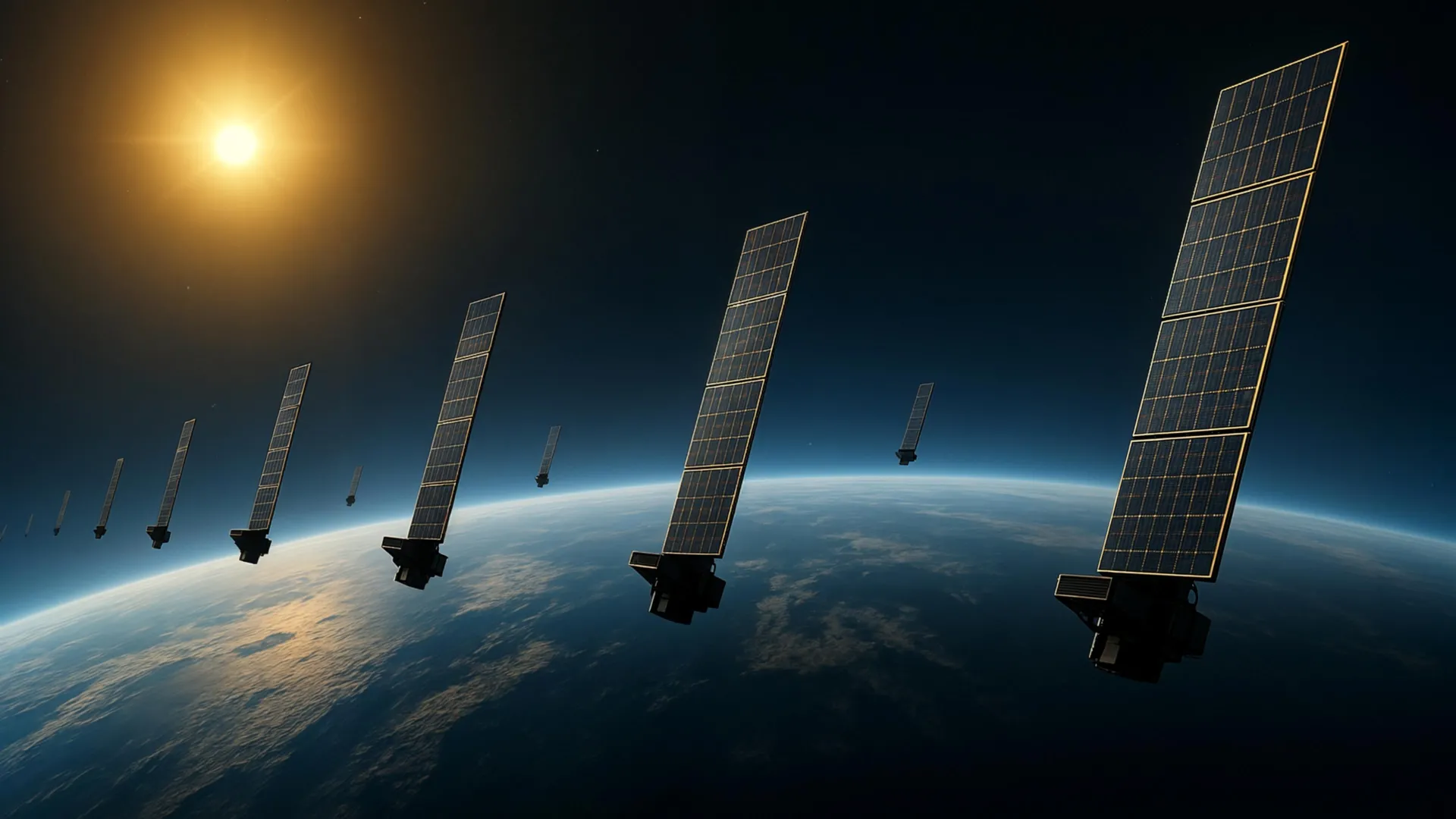
Researchers used orbital data from about 1,200 Starlink satellites to reconstruct changes in atmospheric density roughly 500 kilometres above Earth. The method offers a new way to monitor a region that is difficult to observe directly.
9:38 AMScienceDaily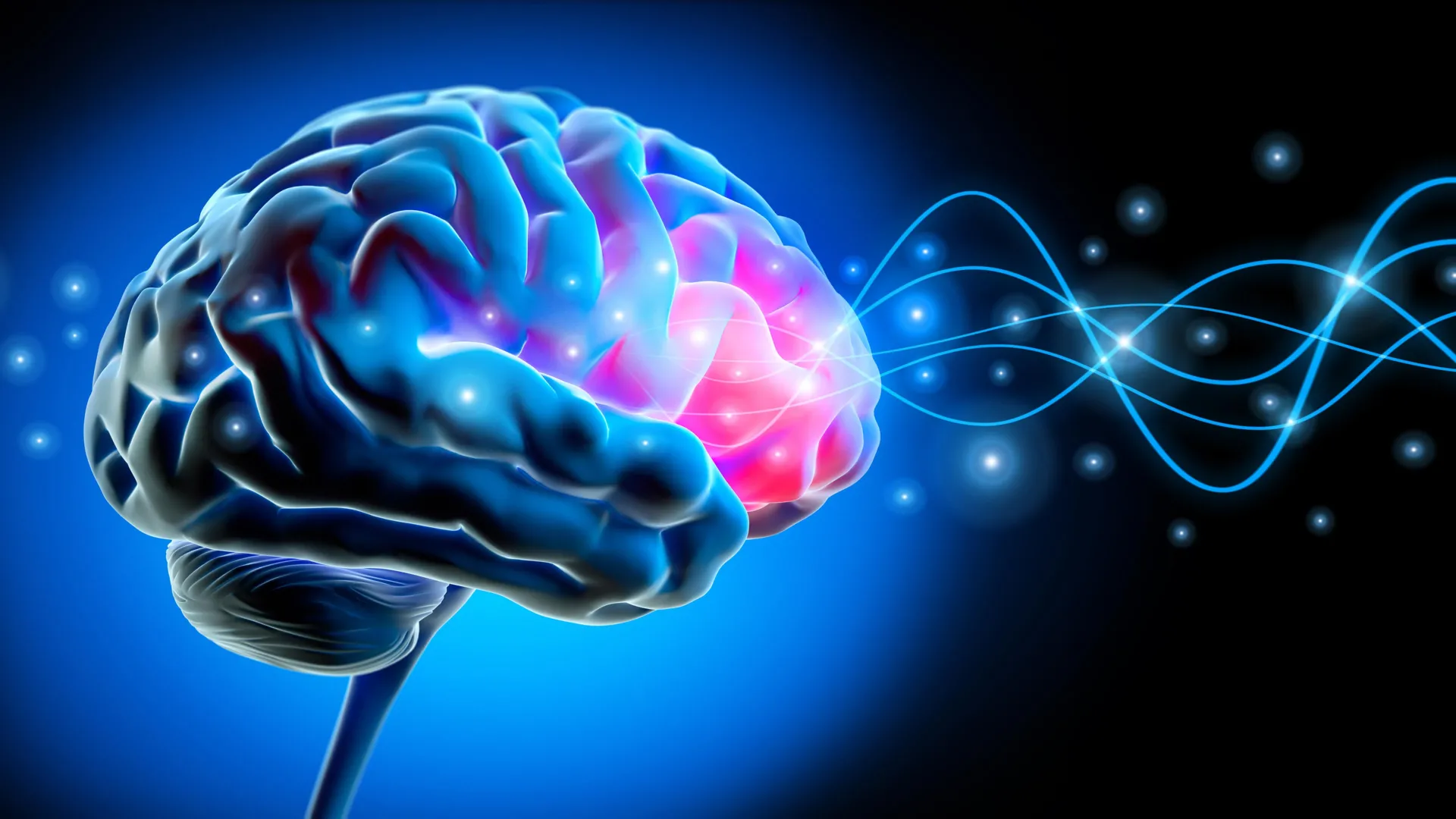
Researchers identified a brain network and electrical rhythm associated with the benefits of deep brain stimulation in Parkinson's disease. The finding could help clinicians tailor stimulation settings more precisely for individual patients.
9:20 AMScienceDaily
Researchers report evidence that the first free-living cells may have emerged through two separate transitions rather than one. The proposed scenario preserves a shared ancient genetic code while allowing for multiple origins of cellular independence.
1:32 AMScienceDaily
Ancient remains from Vietnam suggest that yaws, a disease related to syphilis, may have been transmitted from mother to child thousands of years ago. The finding challenges the assumption that this transmission pattern in ancient remains points specifically to syphilis.
9:05 AMScienceDaily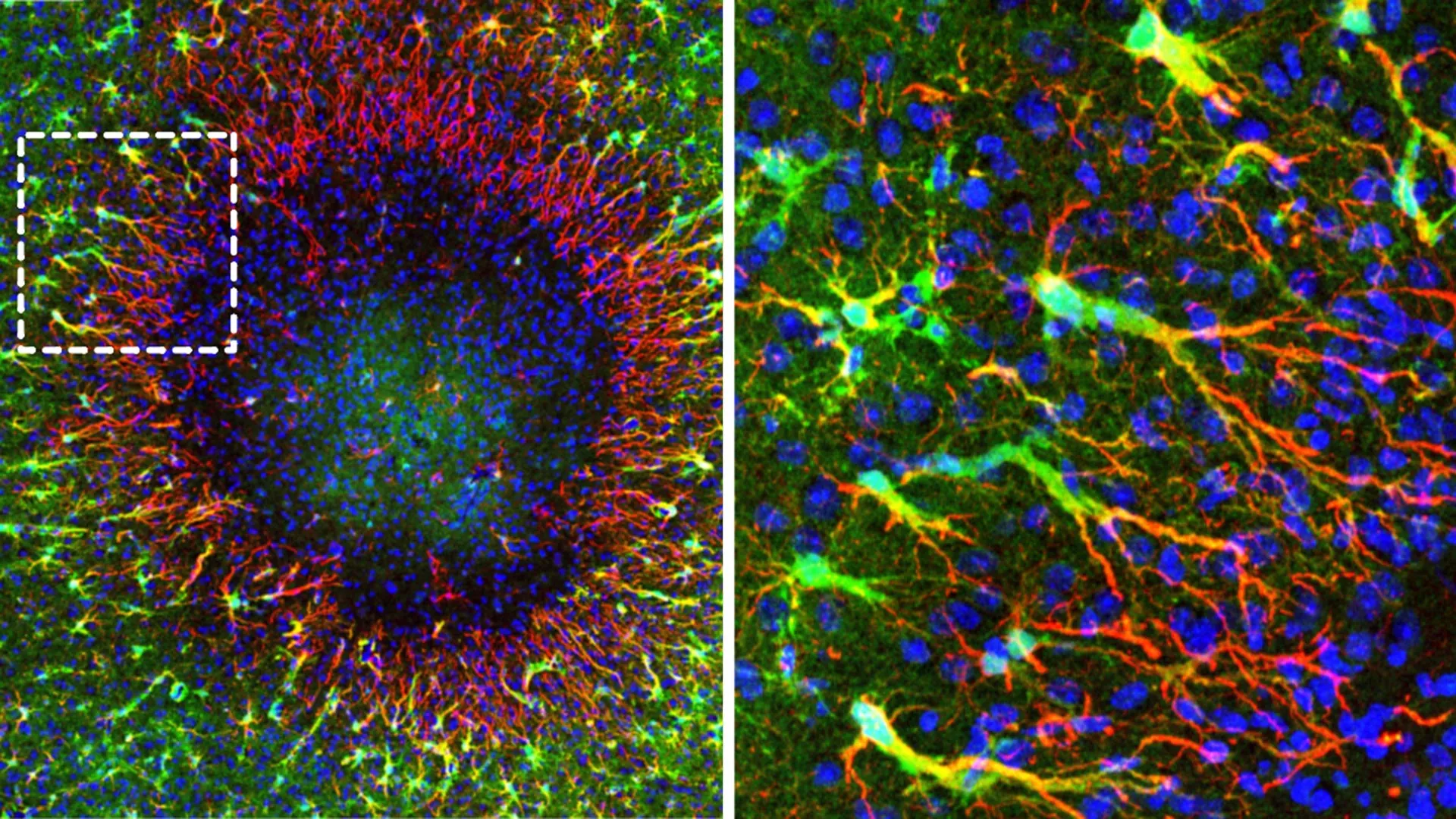
In mice, researchers found that a group of astrocytes responds to brain injury by rebuilding lost cellular networks. The cells generated new nuclei and moved them through long extensions to repopulate damaged areas, rather than simply accumulating at the injury site.
8:43 AMScienceDailySummary
A total solar eclipse crossed Iceland, Britain and parts of continental Europe, drawing crowds to observe the event. The eclipse temporarily blocked direct sunlight along its path.
The event turned a predictable astronomical alignment into a large public gathering across several countries.
Unlock the full First Pass Analysis to get a better understanding of why this story mattersWhy it matters
The eclipse offered millions a direct view of planetary motion while creating a shared event across Europe.
4 stories · 2 sources
Summary
Spectators and scientists are gathering across the Northern Hemisphere for a total solar eclipse, with some locations experiencing complete darkness and others seeing only a partial obstruction of the Sun. The event combines a rare public spectacle with an opportunity for scientific observation.
The eclipse will temporarily turn the Moon’s shadow into a narrow corridor of darkness, making
Unlock the full First Pass Analysis to get a better understanding of why this story mattersWhy it matters
A short-lived astronomical event is creating both a valuable research window and a concentrated test of tourism and public safety systems.
Summary
Eclipse viewers should use properly rated solar lenses rather than ordinary sunglasses. Those without suitable glasses can rely on indirect viewing methods made from common household materials.
The decisive issue is whether the viewing method blocks enough solar radiation, not whether the
Unlock the full First Pass Analysis to get a better understanding of why this story mattersWhy it matters
A widely accessible viewing method is useful only if it keeps people from looking directly at the sun without certified protection.
Summary
Viewers need to protect their eyes while watching a solar eclipse because looking directly at the sun can cause serious, permanent damage. Safe viewing requires certified eclipse glasses or another approved solar-viewing method.
Eye protection is the central safety requirement, and ordinary sunglasses do not provide enough protection.
Unlock the full First Pass Analysis to get a better understanding of why this story mattersWhy it matters
A short-lived spectacle can cause lasting vision damage if people treat ordinary eyewear or cameras as substitutes for certified solar protection.
Summary
Saevar Helgi Bragason spent years preparing Iceland for the eclipse, but cloud cover may prevent observers from seeing it.
Weather remains the uncontrollable variable that can nullify years of planning and public investment in
Unlock the full First Pass Analysis to get a better understanding of why this story mattersWhy it matters
The episode shows how fragile eclipse travel is when large crowds and elaborate plans depend on local weather.
Summary
A rare solar eclipse is set to pass across parts of Europe and the Arctic. The event will create a broad but geographically uneven viewing opportunity, with visibility depending on location and weather.
The important variable is the eclipse's path, which determines where observers can see the strongest
Unlock the full First Pass Analysis to get a better understanding of why this story mattersWhy it matters
The eclipse offers a rare regional observing opportunity and a clear test of how well public agencies communicate viewing safety.
Summary
A powerful El Niño is already producing dry spells and crop failures across three continents, even though the climate pattern is not expected to peak until later this year.
The impacts are arriving before the event reaches its projected peak, increasing the risk of
Unlock the full First Pass Analysis to get a better understanding of why this story mattersWhy it matters
Early damage shows how climate shocks can spread through food and water systems before they reach full strength.
Summary
The Gates Foundation is giving $540 million to a University of Washington research institute as federal support for scientific research declines.
Private funding is filling part of a gap created by the federal retreat, but it
Unlock the full First Pass Analysis to get a better understanding of why this story mattersWhy it matters
Science funding is becoming more dependent on private choices as public support weakens.
Summary
Researchers used orbital data from about 1,200 Starlink satellites to reconstruct changes in atmospheric density roughly 500 kilometres above Earth. The method offers a new way to monitor a region that is difficult to observe directly.
The decisive shift is turning a commercial satellite constellation into a distributed sensing network for
Unlock the full First Pass Analysis to get a better understanding of why this story mattersWhy it matters
The technique could make space traffic management more responsive without requiring a new dedicated fleet of scientific instruments.
Summary
Researchers identified a brain network and electrical rhythm associated with the benefits of deep brain stimulation in Parkinson's disease. The finding could help clinicians tailor stimulation settings more precisely for individual patients.
The important change is a shift from treating stimulation as a largely fixed intervention to
Unlock the full First Pass Analysis to get a better understanding of why this story mattersWhy it matters
A biological marker for treatment response could make deep brain stimulation more personalized and effective.
Summary
Researchers report evidence that the first free-living cells may have emerged through two separate transitions rather than one. The proposed scenario preserves a shared ancient genetic code while allowing for multiple origins of cellular independence.
The finding would change the central question in origin-of-life research from where life began to
Unlock the full First Pass Analysis to get a better understanding of why this story mattersWhy it matters
Multiple origins would make life's emergence less singular and reshape the search for life beyond Earth.
Summary
Ancient remains from Vietnam suggest that yaws, a disease related to syphilis, may have been transmitted from mother to child thousands of years ago. The finding challenges the assumption that this transmission pattern in ancient remains points specifically to syphilis.
The evidence weakens a common diagnostic shortcut in paleopathology: inferring syphilis from bone damage and
Unlock the full First Pass Analysis to get a better understanding of why this story mattersWhy it matters
Better separation of related ancient infections could rewrite the history of one of humanity's most consequential diseases.
Summary
In mice, researchers found that a group of astrocytes responds to brain injury by rebuilding lost cellular networks. The cells generated new nuclei and moved them through long extensions to repopulate damaged areas, rather than simply accumulating at the injury site.
The discovery expands the known repair role of astrocytes, which have often been viewed mainly
Unlock the full First Pass Analysis to get a better understanding of why this story mattersWhy it matters
If the pathway exists in people, it could open a route to therapies that restore damaged neural circuits rather than only limit further injury.
A curated list of other prominent stories from this day.

A partial solar eclipse passed over Paris, creating a striking alignment between the eclipsed Sun and the Eiffel Tower.
10:42 PMAl Jazeera
Astrophysicist Mar Carretero-Castrillo returned to her remote Spanish village to experience the eclipse from the path of totality, but hundreds of partygoers arrived as well.
5:04 PMThe New York TimesIn 1905, three U.S. warships traveled to Valencia to photograph the Sun’s corona during a total solar eclipse using advanced equipment that would cost more than $34,000 today.
3:08 PMThe New York TimesIn 1905, three American warships travelled to Valencia to photograph the Sun’s corona during a total solar eclipse. The expedition used high-definition equipment that would cost more than $34,000 today.
3:08 PMThe New York Times
People in parts of the United States and Canada will be able to see the moon obscure a portion of the sun during a partial solar eclipse.
12:43 PMThe New York Times
Scientists use eclipses to study the sun, space weather, light pollution and changes in animal behavior.
12:11 PMThe New York Times
A solar eclipse occurs when the moon passes between the sun and Earth and blocks some or all of the sun’s light from reaching Earth.
11:31 AMThe New York Times
The article examines how animals respond when an eclipse briefly changes daylight conditions, disrupting the environmental cues that shape their behavior.
11:31 AMThe New York Times
A remote coastal location known for its cliffs and seabirds will experience the total eclipse, with darkness lasting a few seconds longer there than in many other places.
8:45 AMThe New York Times
A partial solar eclipse is expected over New York City, with the moon covering a sliver of the sun from about 1 p.m. to 2:30 p.m. The event will not be visible to the naked eye.
8:33 AMGothamist
Spanish authorities are warning people traveling to watch the eclipse to take precautions against wildfires.
8:26 AMThe New York Times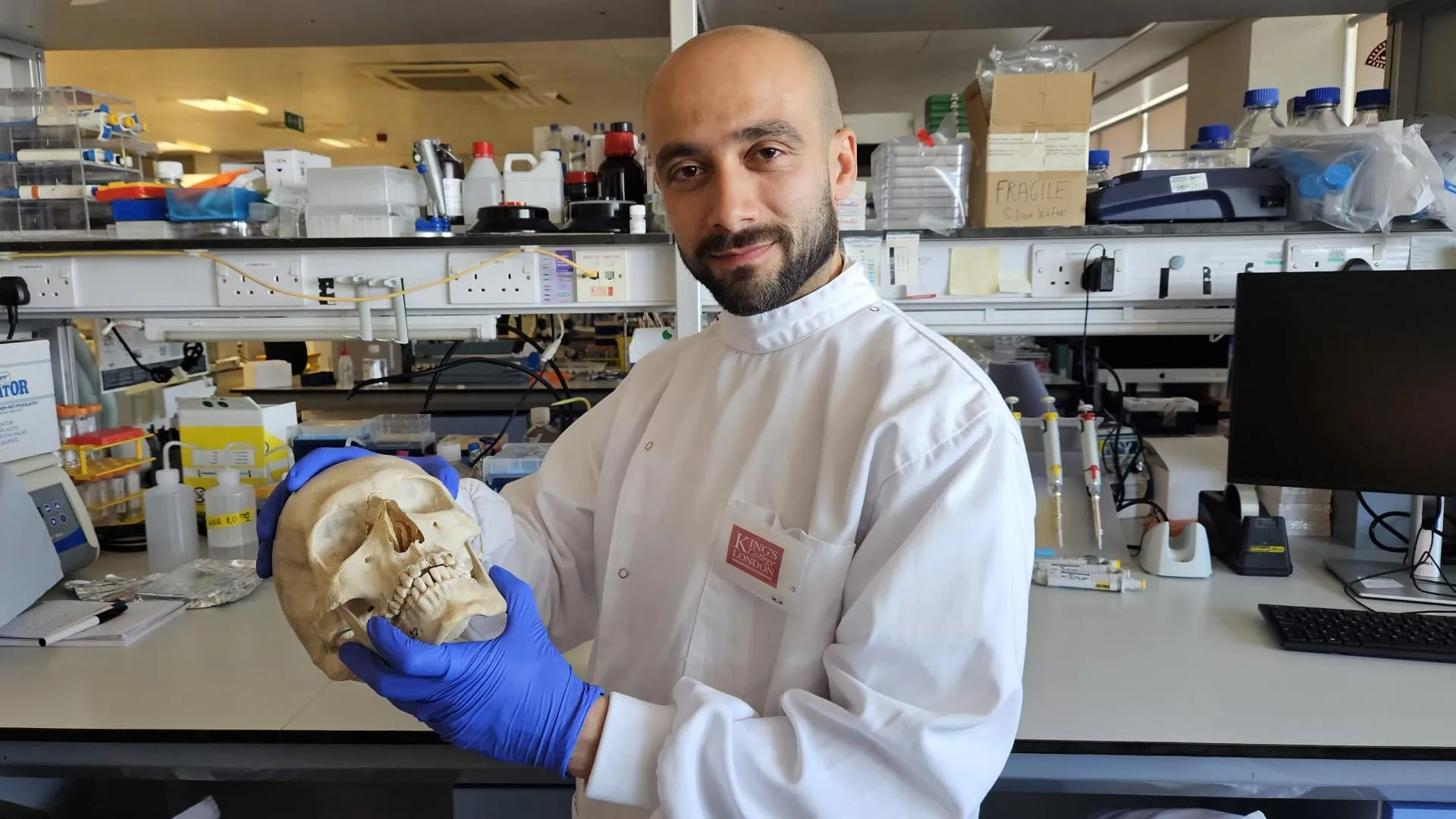
Keratin extracted from sheep’s wool helped damaged bones regenerate in animals, producing more organized tissue than conventional collagen scaffolds. The work suggests that wool, an abundant agricultural byproduct, could provide a useful material for regenerative medicine.
7:17 AMScienceDaily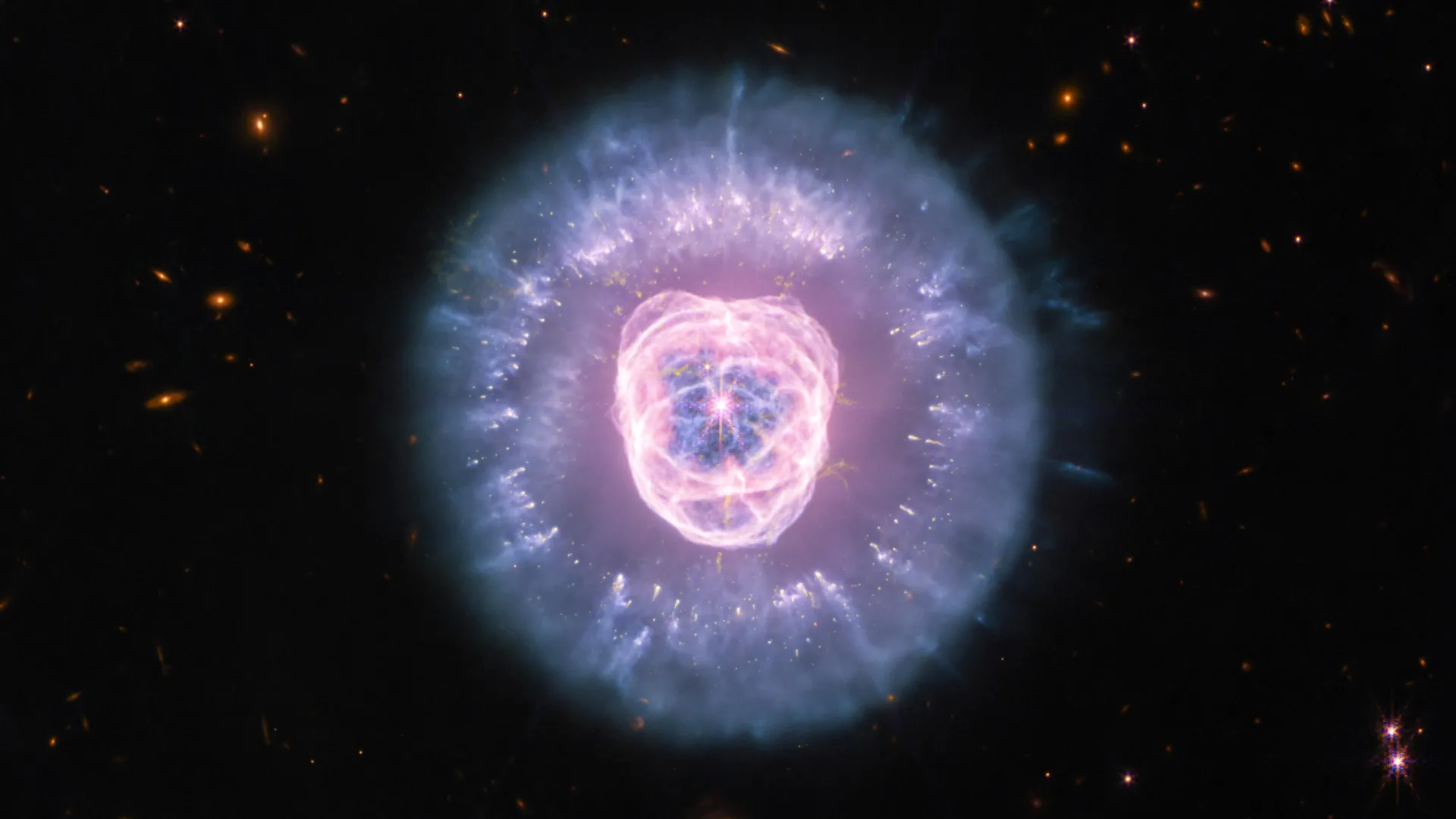
The James Webb Space Telescope has produced a new infrared view of NGC 2392, the Lion Nebula. It shows a hot white dwarf illuminating gas and dust shaped into a lion-like face, with dense dusty clumps forming a broad surrounding structure.
6:15 AMScienceDaily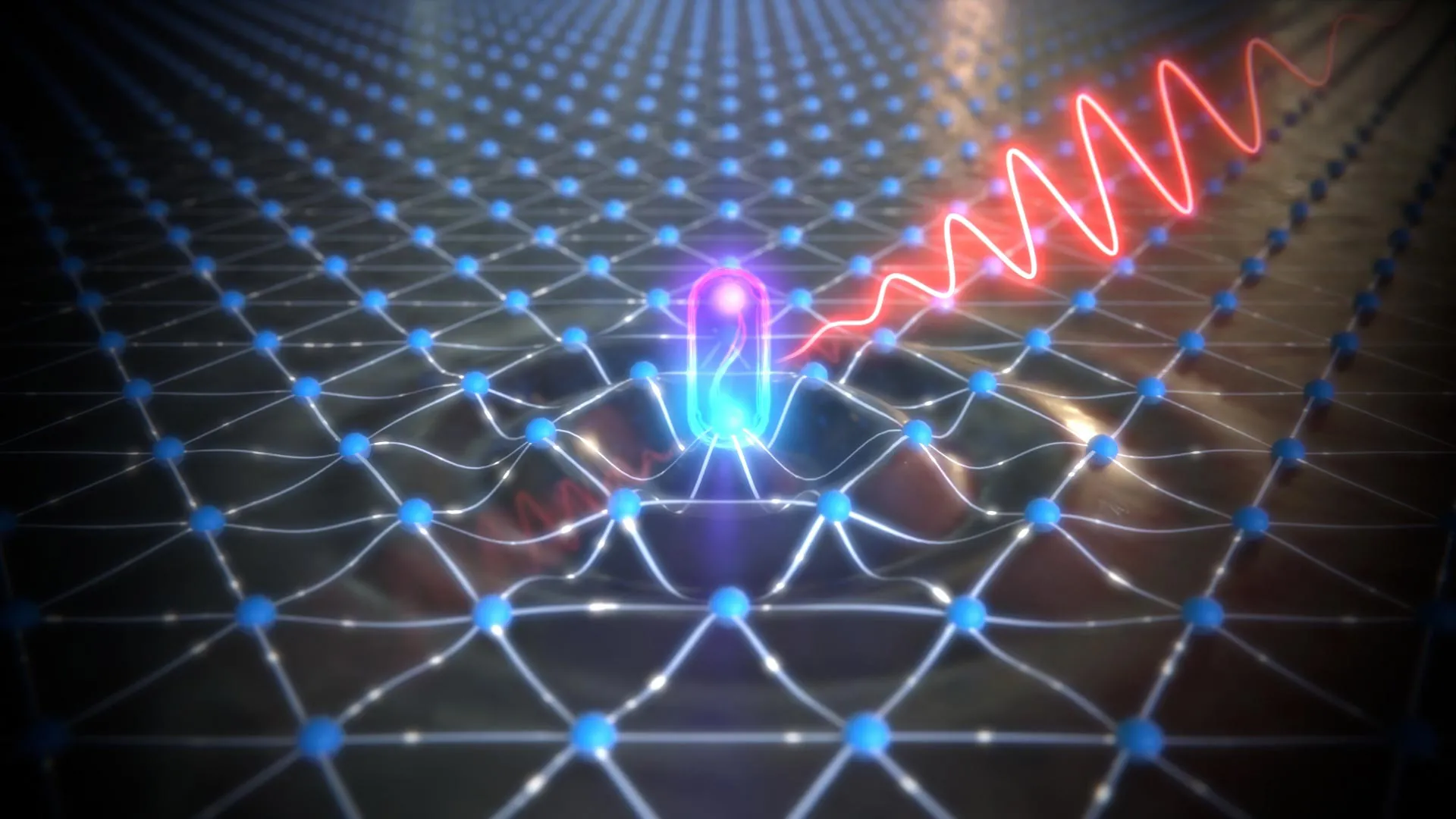
Physicists have developed an optical method to study a Wigner crystal, an ultracold state in which electrons arrange themselves into an ordered pattern. The measurements reveal both the electrons' positions and their collective motion.
5:10 AMScienceDailySummary
A partial solar eclipse passed over Paris, creating a striking alignment between the eclipsed Sun and the Eiffel Tower.
The event turned a predictable astronomical phenomenon into a highly visible public spectacle. It affected
Unlock the full First Pass Analysis to get a better understanding of why this story mattersWhy it matters
Rare alignments can make routine astronomical events more accessible and memorable to a broad audience.
Summary
Astrophysicist Mar Carretero-Castrillo returned to her remote Spanish village to experience the eclipse from the path of totality, but hundreds of partygoers arrived as well.
The eclipse turned a planned science gathering into a contest between education and mass entertainment.
Unlock the full First Pass Analysis to get a better understanding of why this story mattersWhy it matters
Public enthusiasm can expand access to science while also reshaping the event around spectacle.
Summary
In 1905, three U.S. warships traveled to Valencia to photograph the Sun’s corona during a total solar eclipse using advanced equipment that would cost more than $34,000 today.
The expedition shows how eclipse science once depended on military logistics, specialized crews, and expensive
Unlock the full First Pass Analysis to get a better understanding of why this story mattersWhy it matters
The episode captures the high logistical cost of turning a brief eclipse into usable scientific data.
Summary
In 1905, three American warships travelled to Valencia to photograph the Sun’s corona during a total solar eclipse. The expedition used high-definition equipment that would cost more than $34,000 today.
The expedition shows how difficult and expensive eclipse photography was before modern digital instruments. Naval
Unlock the full First Pass Analysis to get a better understanding of why this story mattersWhy it matters
The 1905 mission illustrates how far eclipse observation has advanced from costly ship-based expeditions to widely accessible digital imaging.
Summary
People in parts of the United States and Canada will be able to see the moon obscure a portion of the sun during a partial solar eclipse.
The event offers a broad but limited opportunity for public observation, unlike a total eclipse,
Unlock the full First Pass Analysis to get a better understanding of why this story mattersWhy it matters
A partial eclipse brings astronomy to a wide audience but still demands careful planning and eye protection.
Summary
Scientists use eclipses to study the sun, space weather, light pollution and changes in animal behavior.
An eclipse acts as a short, naturally timed experiment across several fields, allowing researchers to
Unlock the full First Pass Analysis to get a better understanding of why this story mattersWhy it matters
Eclipses provide rare controlled observations of connections between the sun, the atmosphere and living systems.
Summary
A solar eclipse occurs when the moon passes between the sun and Earth and blocks some or all of the sun’s light from reaching Earth.
The alignment explains why eclipses are visible only from specific parts of Earth and why
Unlock the full First Pass Analysis to get a better understanding of why this story mattersWhy it matters
The event is predictable because orbital motion makes the alignment measurable, but its effects remain sharply limited by location.
Summary
The article examines how animals respond when an eclipse briefly changes daylight conditions, disrupting the environmental cues that shape their behavior.
An eclipse provides researchers with a rare natural test of how strongly animals rely on
Unlock the full First Pass Analysis to get a better understanding of why this story mattersWhy it matters
Animal reactions show how sudden environmental changes can alter behavior across ecosystems.
Summary
A remote coastal location known for its cliffs and seabirds will experience the total eclipse, with darkness lasting a few seconds longer there than in many other places.
The location's value comes from its position within the eclipse's track, where small geographic differences
Unlock the full First Pass Analysis to get a better understanding of why this story mattersWhy it matters
Eclipse tourism concentrates on places where geography delivers even marginally more time in total darkness.
Summary
A partial solar eclipse is expected over New York City, with the moon covering a sliver of the sun from about 1 p.m. to 2:30 p.m. The event will not be visible to the naked eye.
The eclipse offers a brief public astronomy event, but safe viewing requires proper eye protection
Unlock the full First Pass Analysis to get a better understanding of why this story mattersWhy it matters
The timing creates a narrow viewing window, and unsafe observation can cause permanent eye damage.
Summary
Spanish authorities are warning people traveling to watch the eclipse to take precautions against wildfires.
The eclipse is creating a large, temporary concentration of visitors in outdoor areas where a
Unlock the full First Pass Analysis to get a better understanding of why this story mattersWhy it matters
A national viewing event can turn a short-lived scientific spectacle into a public-safety and wildfire-management challenge.
Summary
Keratin extracted from sheep’s wool helped damaged bones regenerate in animals, producing more organized tissue than conventional collagen scaffolds. The work suggests that wool, an abundant agricultural byproduct, could provide a useful material for regenerative medicine.
The important advance is material performance, not just waste recycling: the keratin scaffold supported tissue
Unlock the full First Pass Analysis to get a better understanding of why this story mattersWhy it matters
A low-cost biological waste product could become a scalable source of bone-repair materials if the results translate clinically.
Summary
The James Webb Space Telescope has produced a new infrared view of NGC 2392, the Lion Nebula. It shows a hot white dwarf illuminating gas and dust shaped into a lion-like face, with dense dusty clumps forming a broad surrounding structure.
The infrared observations expose dust and small-scale structures that optical images cannot fully reveal, giving
Unlock the full First Pass Analysis to get a better understanding of why this story mattersWhy it matters
Mapping the dust distribution helps explain how Sun-like stars shed their outer layers and enrich space before becoming white dwarfs.
Summary
Physicists have developed an optical method to study a Wigner crystal, an ultracold state in which electrons arrange themselves into an ordered pattern. The measurements reveal both the electrons' positions and their collective motion.
The key advance is access to the crystal's dynamics, not just its static structure. That
Unlock the full First Pass Analysis to get a better understanding of why this story mattersWhy it matters
Seeing how electrons move together could turn an elusive quantum state into a controllable platform for materials research.
Make it yours
Pick your topics, set your cadence, and receive your personalized First Pass in your inbox. It’s that simple!


