First Pass

7 stories from 2 sources

Science turns sunlight, heat, and crew dynamics into engineering problems

Day’s Recap

Supporting Articles

11:49 PMScienceDaily

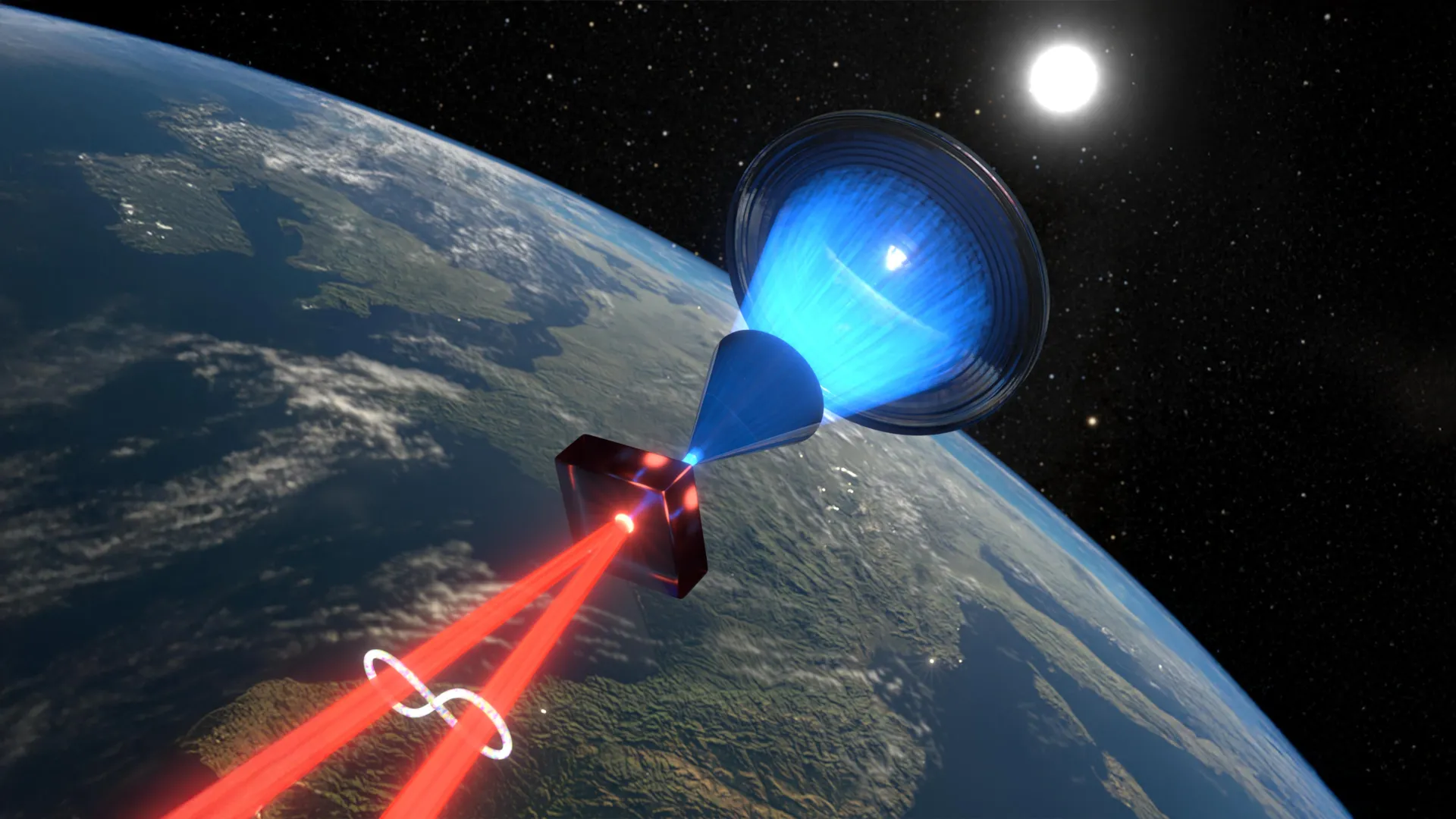
Sunlight creates quantum entanglement once thought to require lasers

Summary

Scientists generated quantum-entangled photons directly from sunlight in an outdoor experiment, achieving about 94% similarity to an ideal entangled state. The result suggests sunlight could support quantum technologies that typically rely on energy-intensive lasers.

The decisive shift is that entanglement was produced under ordinary sunlight rather than a tightly

Unlock the full First Pass Analysis to get a better understanding of why this story matters

Why it matters

A plentiful natural light source could make parts of quantum technology simpler, cheaper, and less energy-intensive.

8:22 AMScienceDaily

UCLA scientists discover how to guide heat like light at room temperature

Summary

Scientists have shown that heat can travel through a crystal in focused, wave-like rays at room temperature rather than spreading in all directions. The technique could allow engineers to route heat around vulnerable components in advanced chips and quantum devices.

The breakthrough changes heat management from passive dissipation to active routing. If the effect can

Unlock the full First Pass Analysis to get a better understanding of why this story matters

Why it matters

Directed heat flow could unlock more powerful chips and make fragile quantum hardware easier to operate.

7:18 AMScienceDaily

Scientists tracked 12 people in Antarctica for 10 months—what happened could shape future Mars missions

Summary

A ten-month study of 12 people in Antarctica found that prolonged isolation created tension and mistrust even within a small, familiar group. Participants increasingly split along cultural and language lines as repeated contact intensified social strain.

The decisive finding is that confinement risk comes not only from isolation but also from

Unlock the full First Pass Analysis to get a better understanding of why this story matters

Why it matters

Crew cohesion could become a mission-critical engineering problem on long space journeys.

Other Developments

A curated list of other prominent stories from this day.

5:07 PMSchneier on Security

Friday Squid Blogging: Arctic Bobtail Squid Video

Summary

New footage shows an Arctic bobtail squid in its natural habitat, reportedly for the first time. The post also invites readers to discuss unrelated security news.

The footage expands direct observation of a rarely seen Arctic species beyond laboratory or incidental

Unlock the full First Pass Analysis to get a better understanding of why this story matters

Why it matters

First-hand footage can turn an obscure species into a tractable subject for ecological research and conservation.

6:24 AMScienceDaily

Earth’s molten core suddenly reversed direction — and scientists don’t know why

Summary

Satellite observations indicate that a flow of molten iron beneath the Pacific reversed direction, altering activity in the outer core that generates Earth’s magnetic field. The change appears to be weakening, suggesting it may be part of a natural deep-Earth cycle.

The decisive fact is not a changing magnetic field alone, but a reversal in the

Unlock the full First Pass Analysis to get a better understanding of why this story matters

Why it matters

Unexpected core dynamics could improve forecasts of future changes in Earth’s magnetic field.

1:29 AMScienceDaily

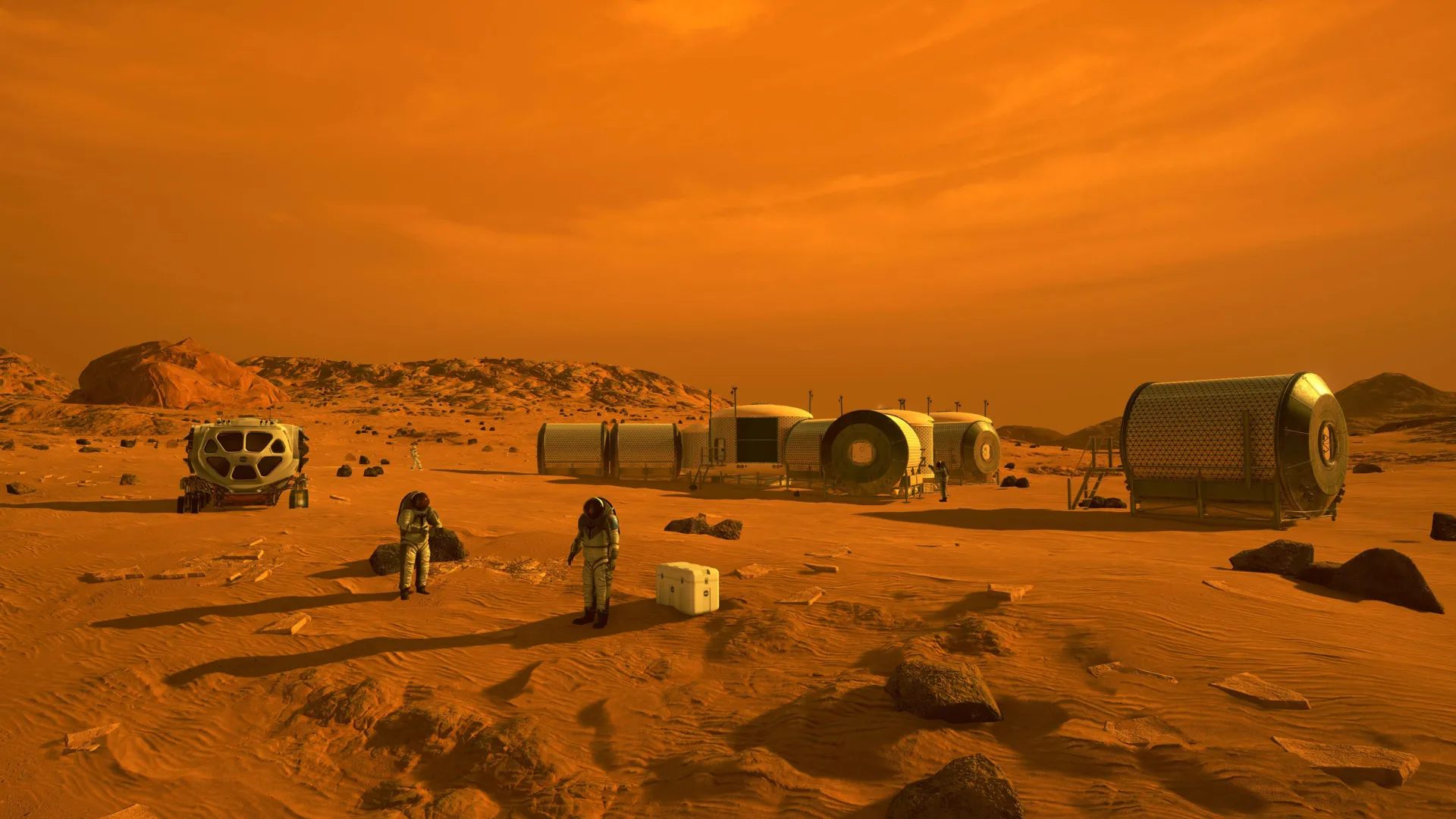
The key to colonizing Mars may be hidden inside asteroids

Summary

A new analysis finds that selected metal-rich asteroids could be reachable with current spacecraft technology and mined for construction and repair materials on Mars. Some may also contain resources that could be converted into rocket fuel, reducing the need to ship supplies from Earth.

The major shift is from treating Mars logistics as an Earth-to-Mars supply chain to considering

Unlock the full First Pass Analysis to get a better understanding of why this story matters

Why it matters

Asteroid resources could make sustained Mars operations less dependent on repeated shipments from Earth.

12:24 AMScienceDaily

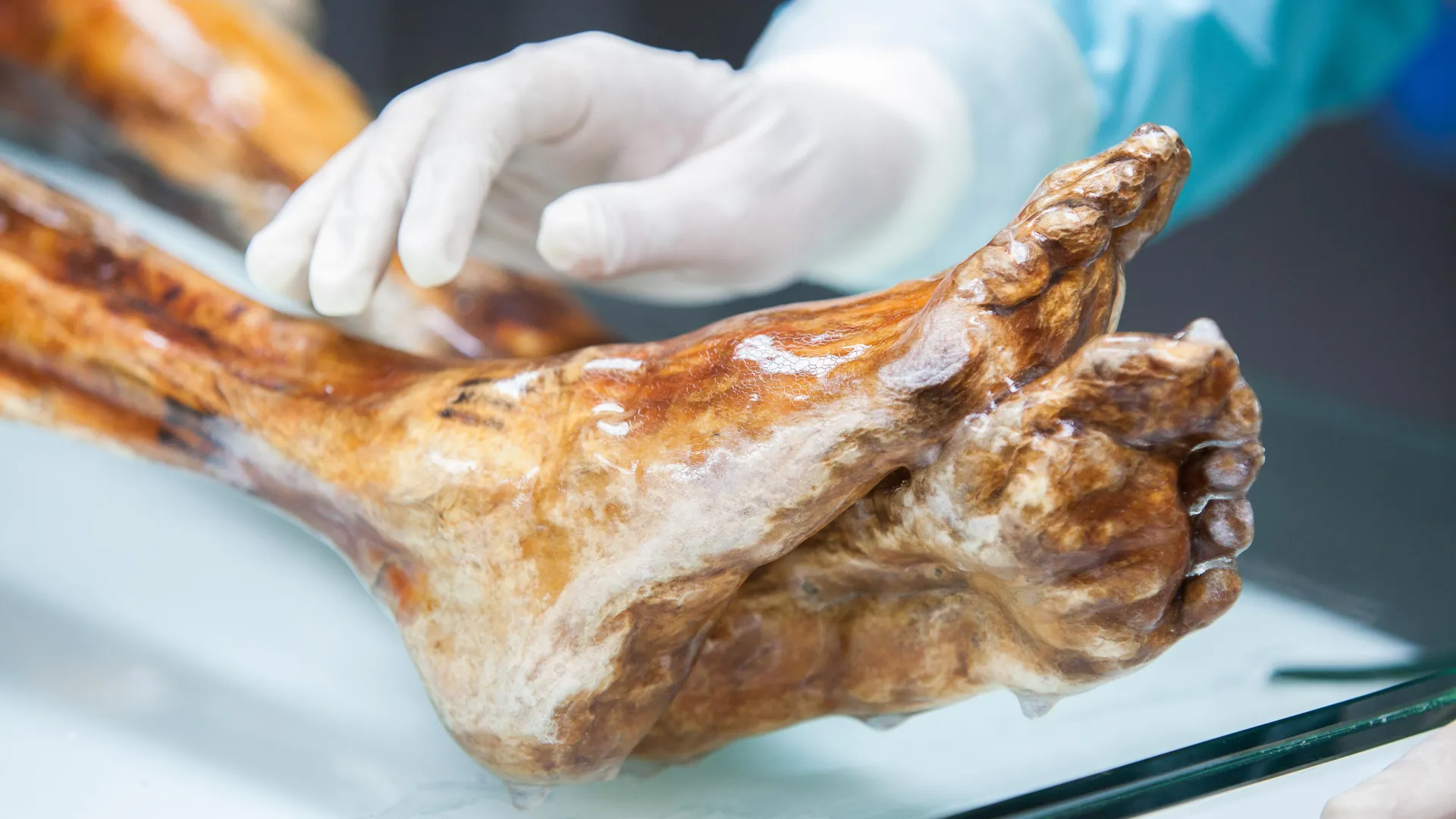
Scientists find unexpected life on Ötzi the Iceman’s 5,300-year-old body

Summary

Researchers identified microorganisms associated with Ötzi’s life, including remnants of his gut bacteria, alongside cold-adapted yeasts that may have persisted in his frozen remains after death. The findings distinguish ancient biological material from microbes that arrived later.

The key shift is that Ötzi’s remains may preserve more than human tissue: they could

Unlock the full First Pass Analysis to get a better understanding of why this story matters

Why it matters

Ancient microbes preserved with human remains could expand what scientists can reconstruct about past bodies and environments.

Make it yours

Build Your First Pass.

Pick your topics, set your cadence, and receive your personalized First Pass in your inbox. It’s that simple!