First Pass

12 stories from 2 sources

New mechanisms reshape views of planetary and biological change

Day’s Recap

Supporting Articles

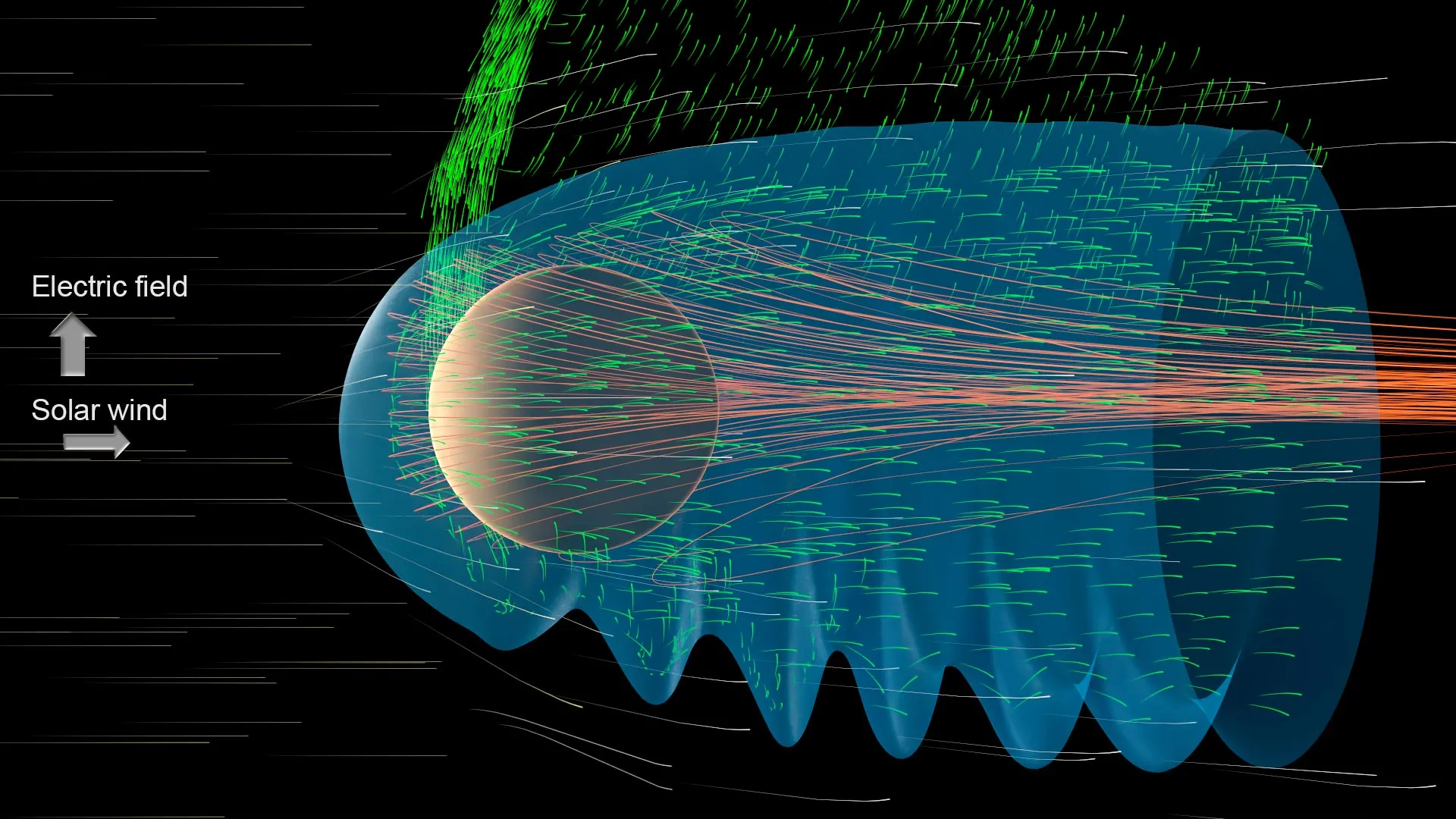
Observations from MAVEN and Tianwen-1 indicate that giant plasma waves form along Mars' outer atmosphere and carry atmospheric particles into space. The process is concentrated on one side of the planet and may have contributed substantially to Mars' long-term atmospheric loss.

12:07 AMScienceDaily
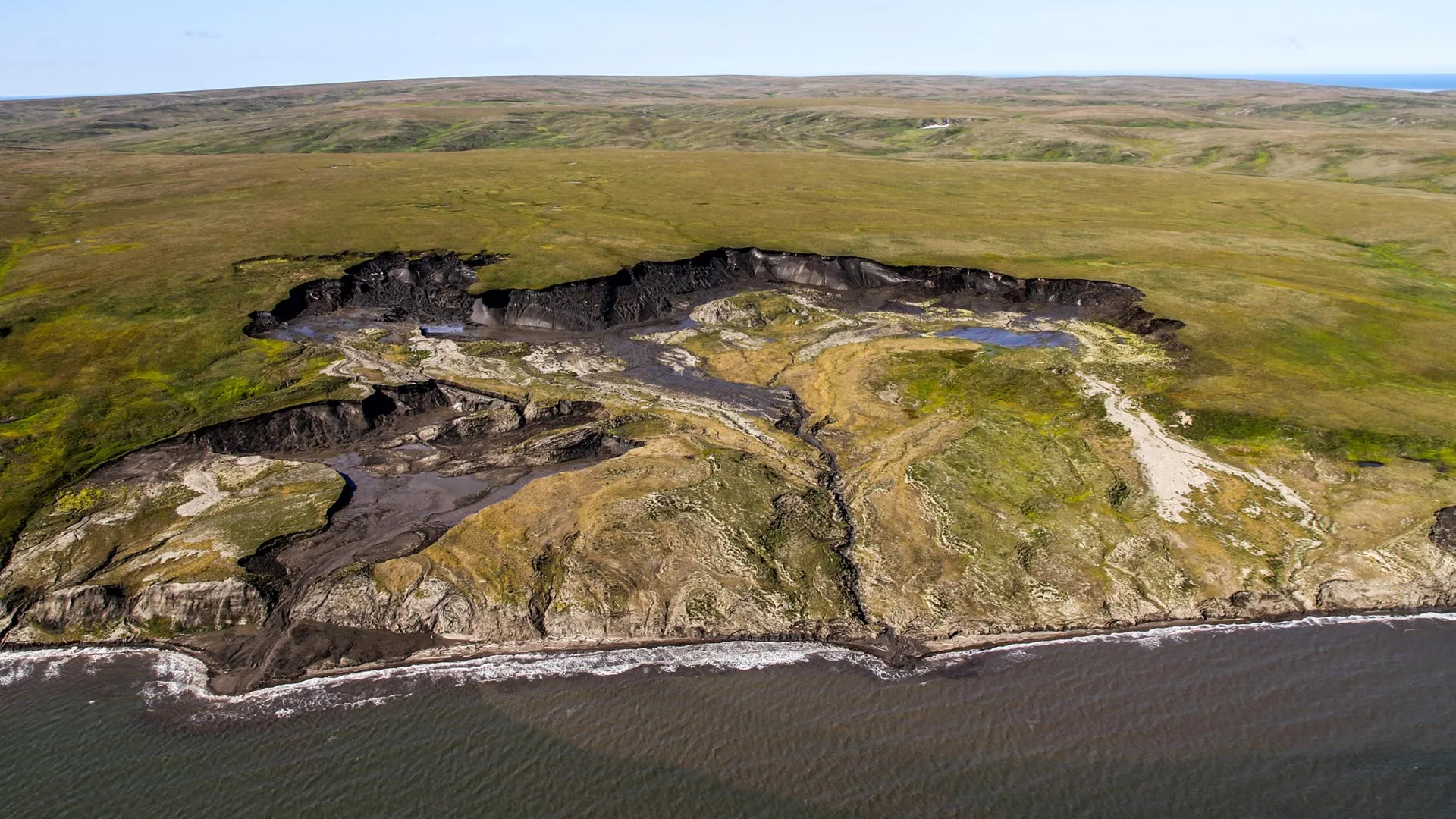

Thawing Arctic permafrost is releasing ancient carbon into coastal waters, but sediment cores near Canada’s Herschel Island indicate that most of it becomes buried in the seafloor. About 10 percent is converted into gases.

9:23 AMScienceDaily

Researchers found that low arginine levels can reduce production of a cellular warning protein, helping cancer cells and viruses evade immune responses. In mice, arginine-rich diets reduced colon tumors and weakened viral infections.

9:38 AMScienceDaily

Other Developments

A curated list of other prominent stories from this day.

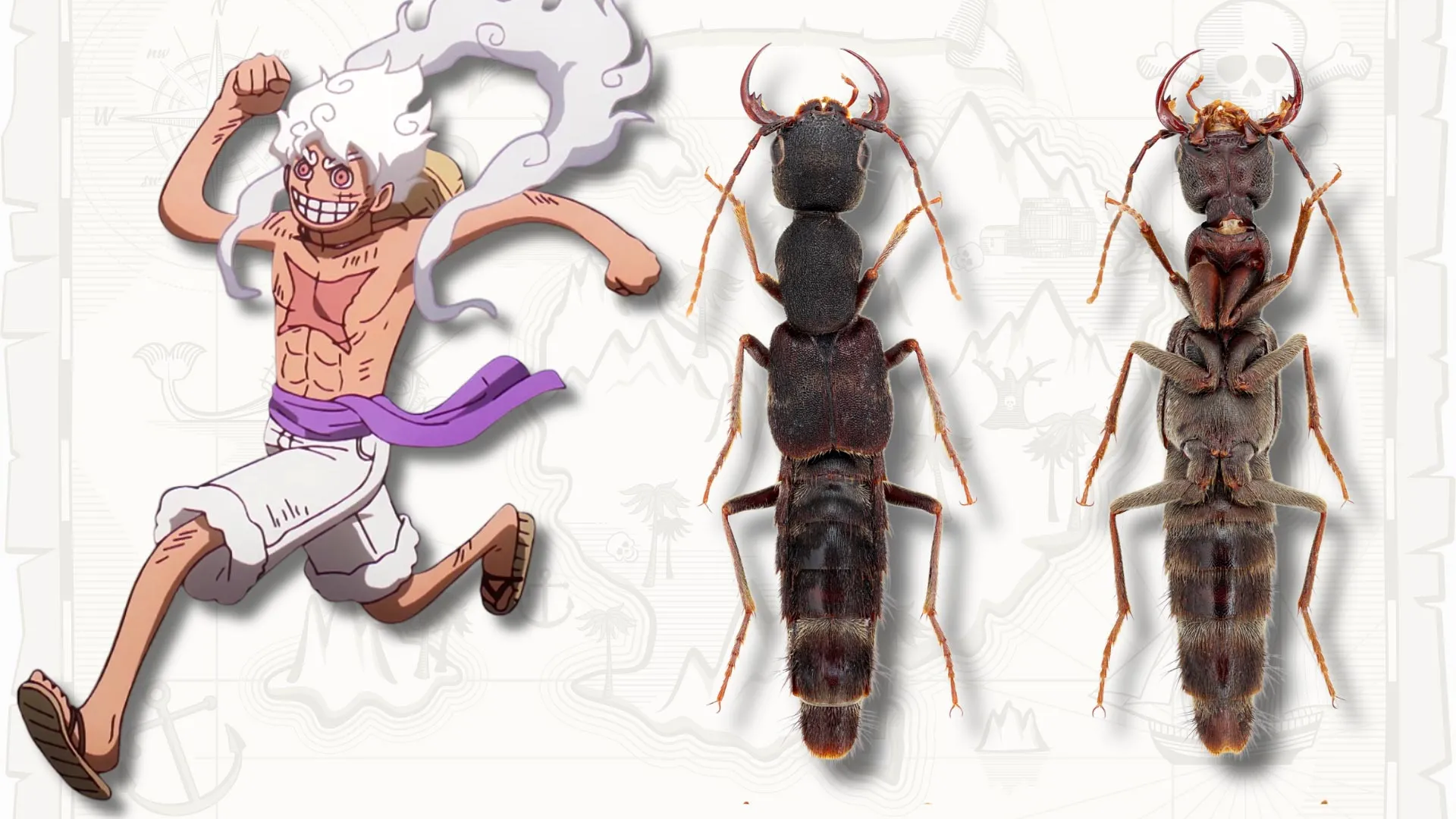
Scientists identified a new beetle genus with unusually elongated mandibles, antennae, and mouthparts. They named the genus Luffy after the stretchy protagonist of the manga and anime One Piece.

10:26 PMScienceDaily

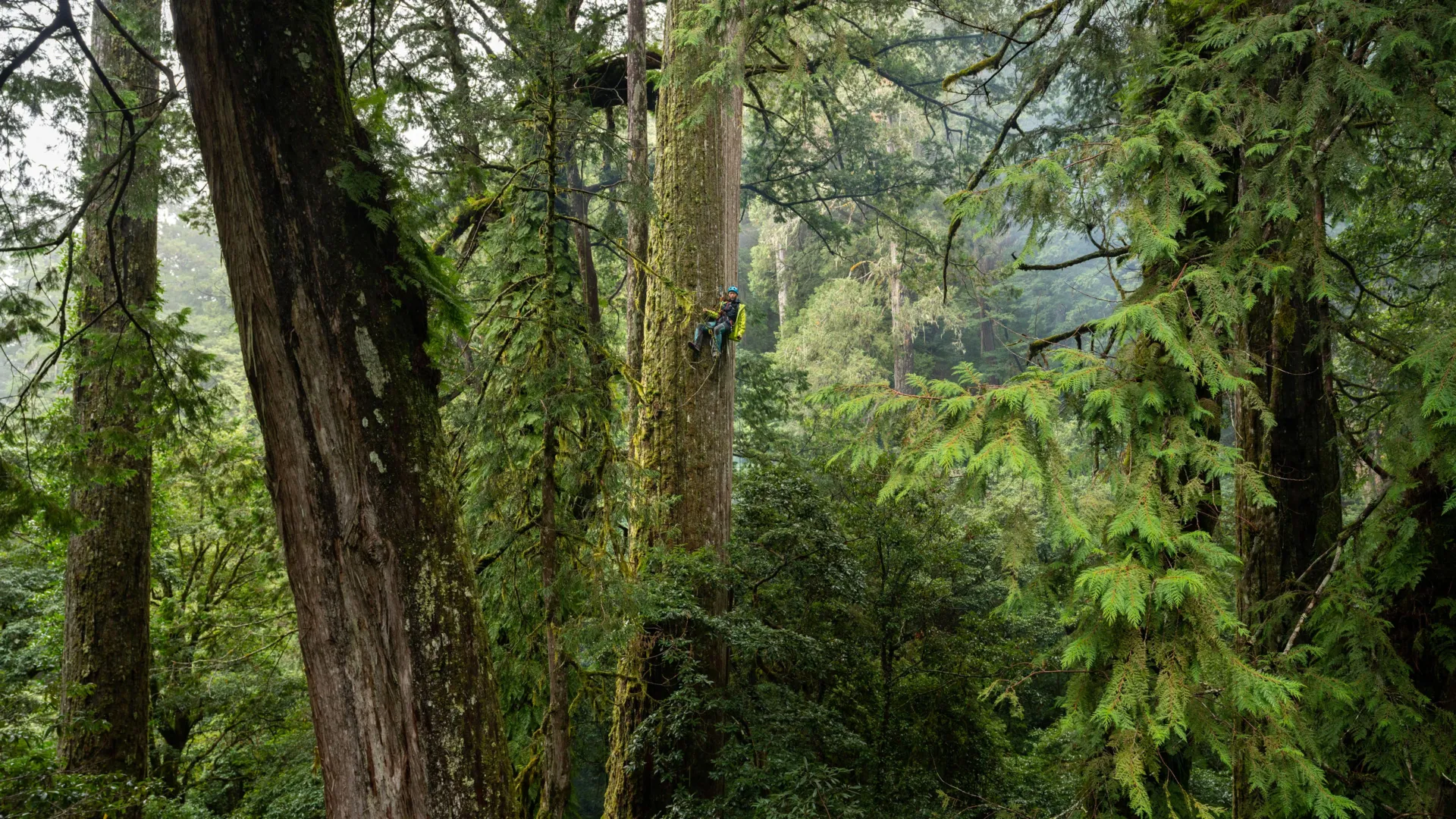
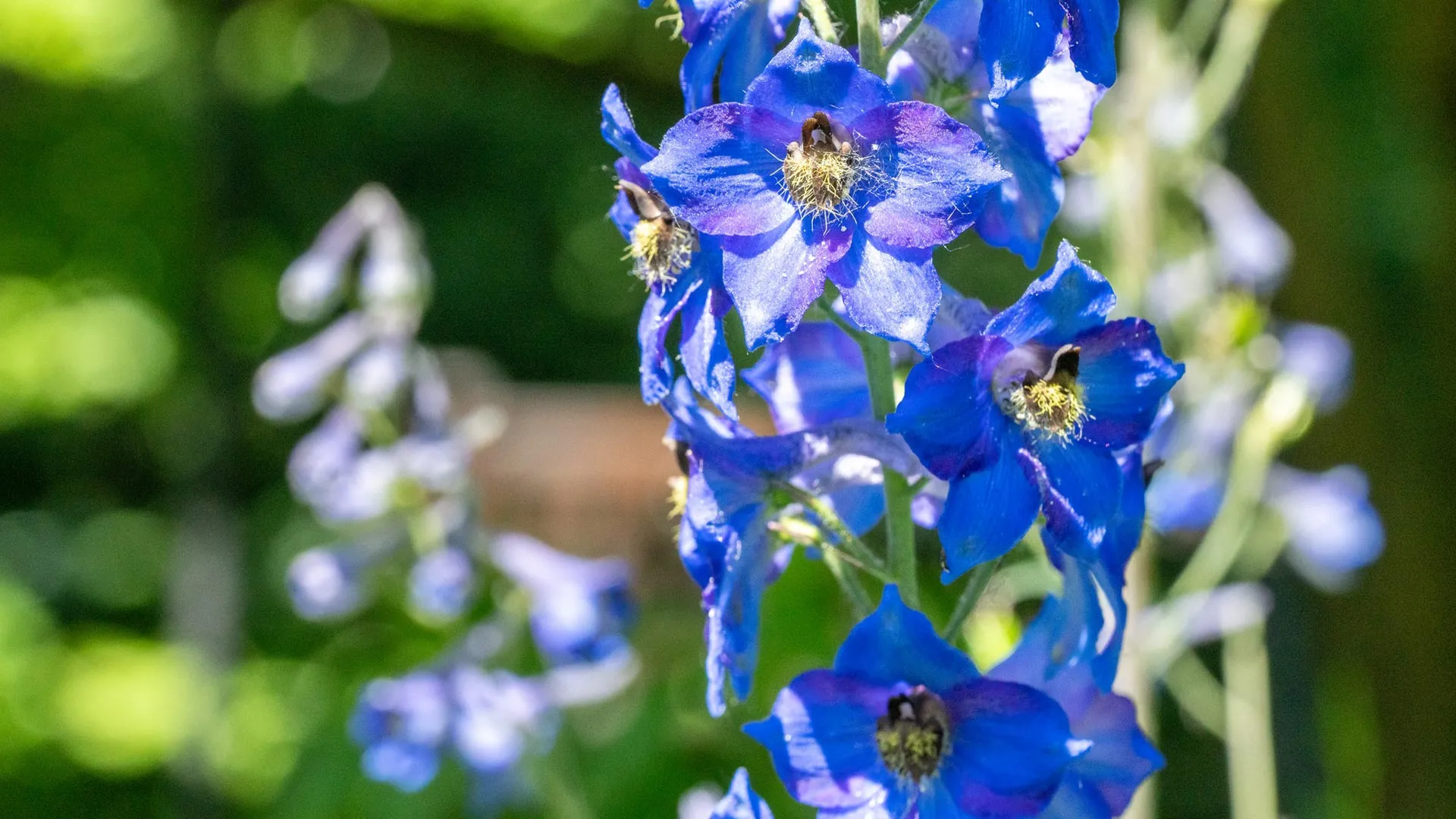
Researchers used difficult mountain expeditions, LiDAR mapping, and citizen-science leads to locate hundreds of giant Taiwania firs, including an 84.1-meter tree that is the tallest known in East Asia. They also identified dense groves of enormous trees, ancient ecosystems that store exceptional amounts of carbon.

9:18 PMScienceDaily

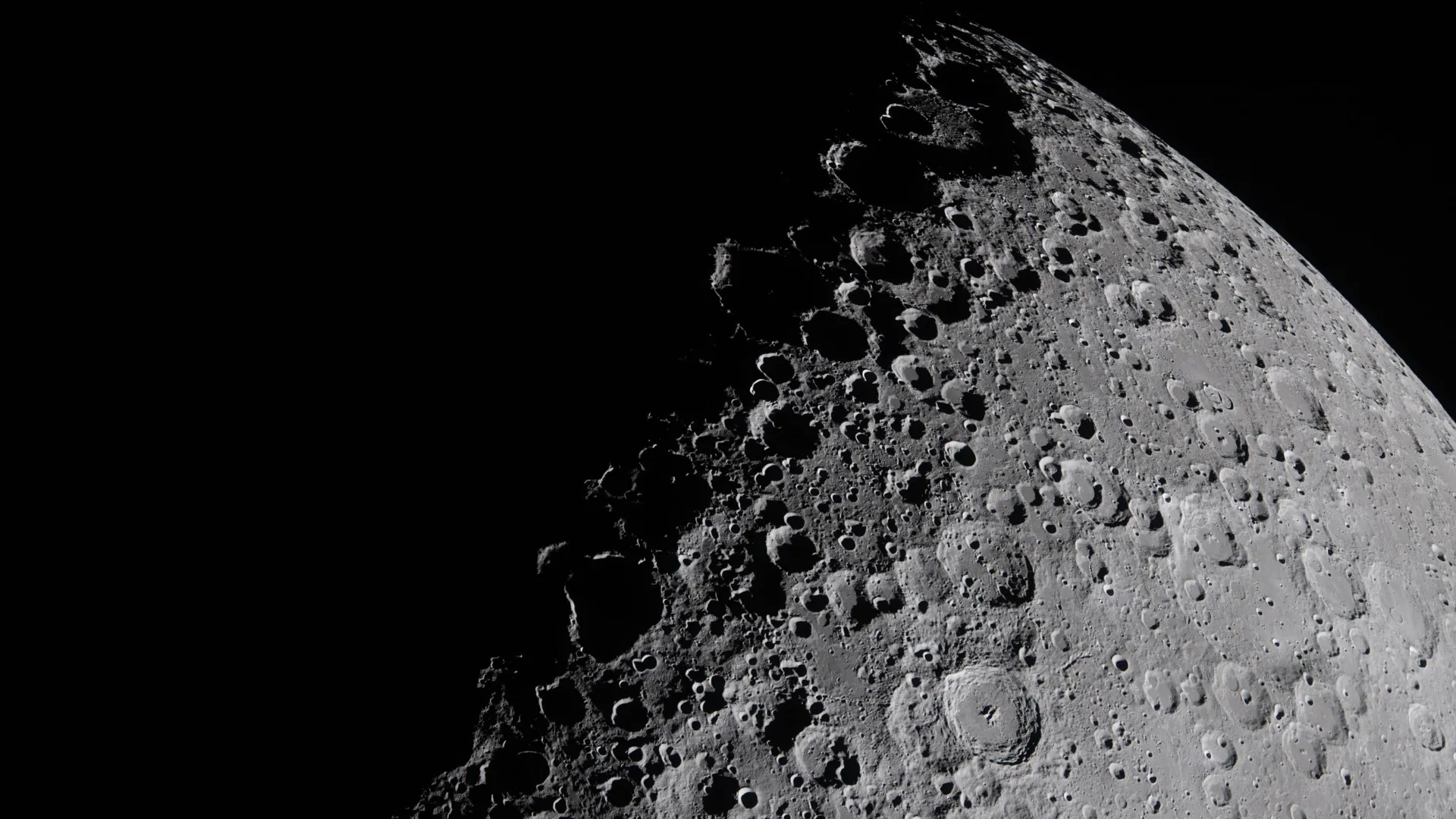
Scientists propose using the way moonquake vibrations bend and reflect to detect buried lunar ice. The method could help locate water for future astronauts and investigate possible links between lunar and terrestrial water.

8:32 AMScienceDaily

Simulations of quark-gluon plasma show that extreme acceleration develops along the fluid’s edges as it expands after heavy-ion collisions. The acceleration may affect the plasma’s temperature-like behavior, particle spins, and transitions between fundamental states.

7:58 AMScienceDaily

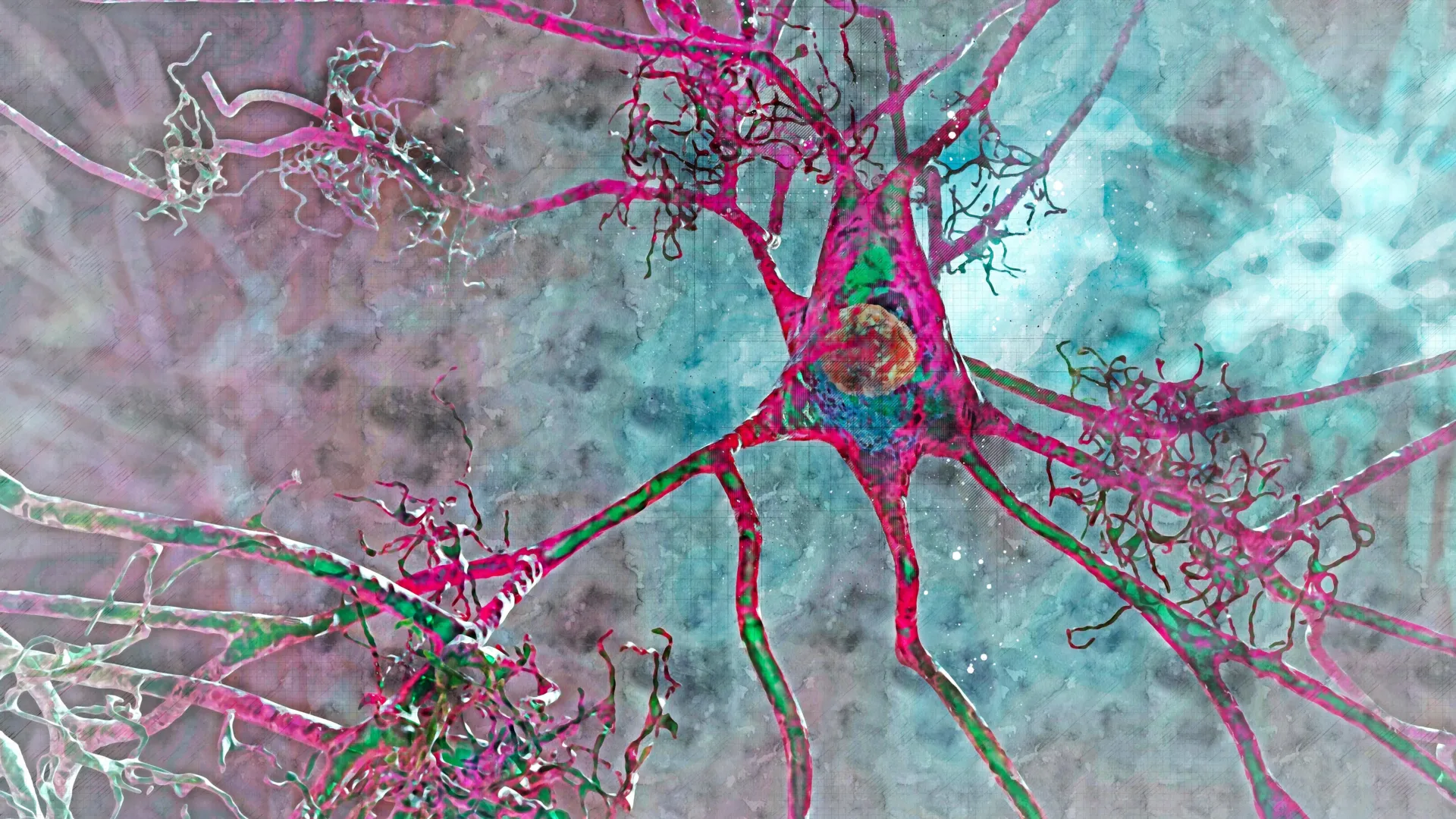
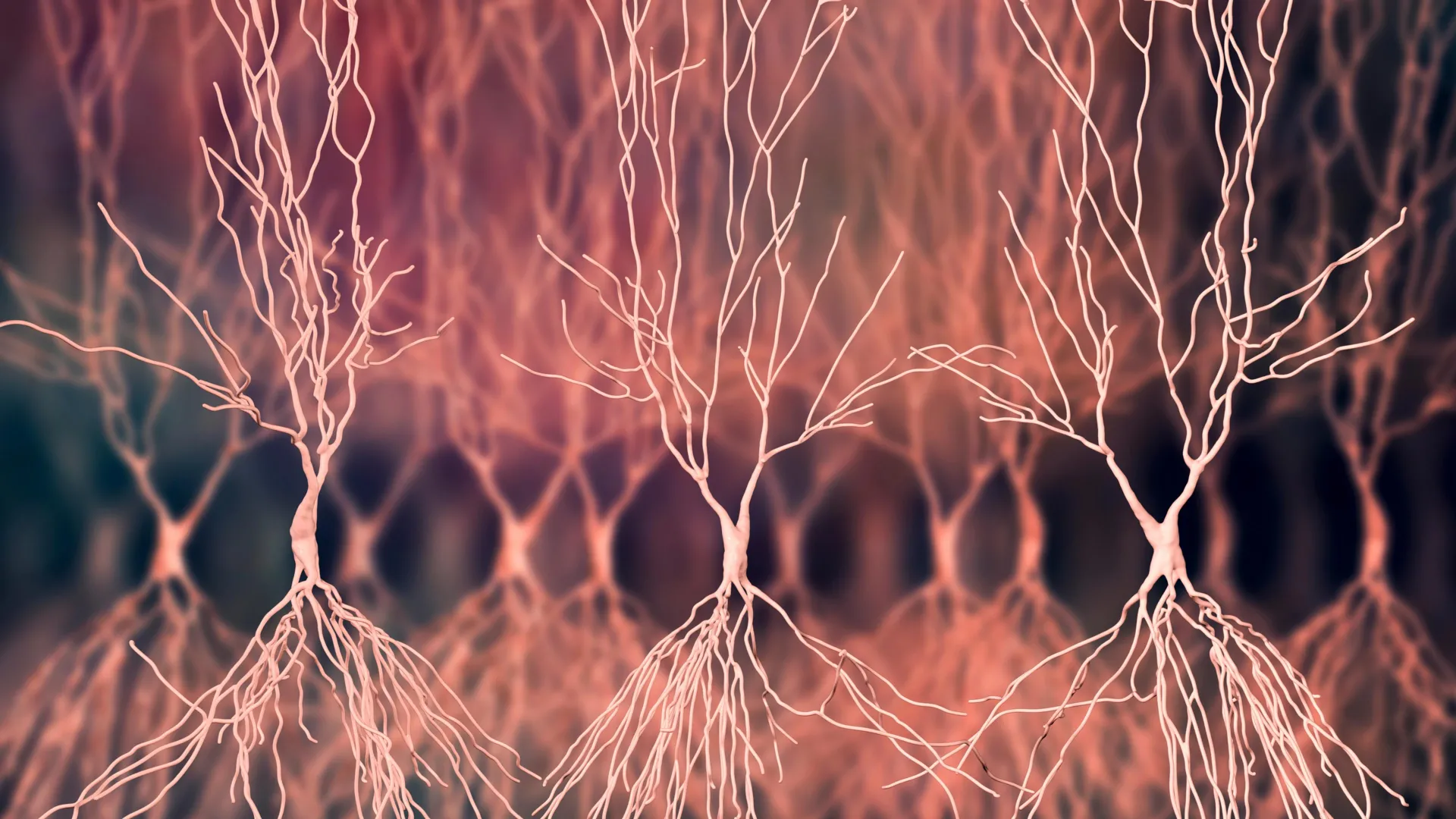
In worms, the protein EPS8 accumulated with age and activated signaling that caused toxic proteins to clump together, damaging neurons and shortening lifespan. Reducing EPS8 activity prevented aggregation and preserved nerve function.

7:17 AMScienceDaily

Vanderbilt researchers developed the first selective compound designed to inhibit TAOK-1, a protein linked to Alzheimer’s disease, and found another compound that activates the broader TAOK family. The compounds give researchers new ways to test how these proteins influence disease.

6:20 AMScienceDaily

Make it yours

Build Your First Pass.

Pick your topics, set your cadence, and receive your personalized First Pass in your inbox. It’s that simple!