
Viral DNA recovered from Chilean mummies provides the first genomic evidence that smallpox was introduced to the Americas from Europe.
8:00 PMNature11 stories from 7 sources
Supporting Articles
Viral DNA recovered from Chilean mummies provides the first genomic evidence that smallpox was introduced to the Americas from Europe.
8:00 PMNature
Aerial surveys in Brazil have identified hundreds of previously undocumented earthworks, adding substantial evidence of large and organized pre-Colombian settlements.
2:57 PMARTnews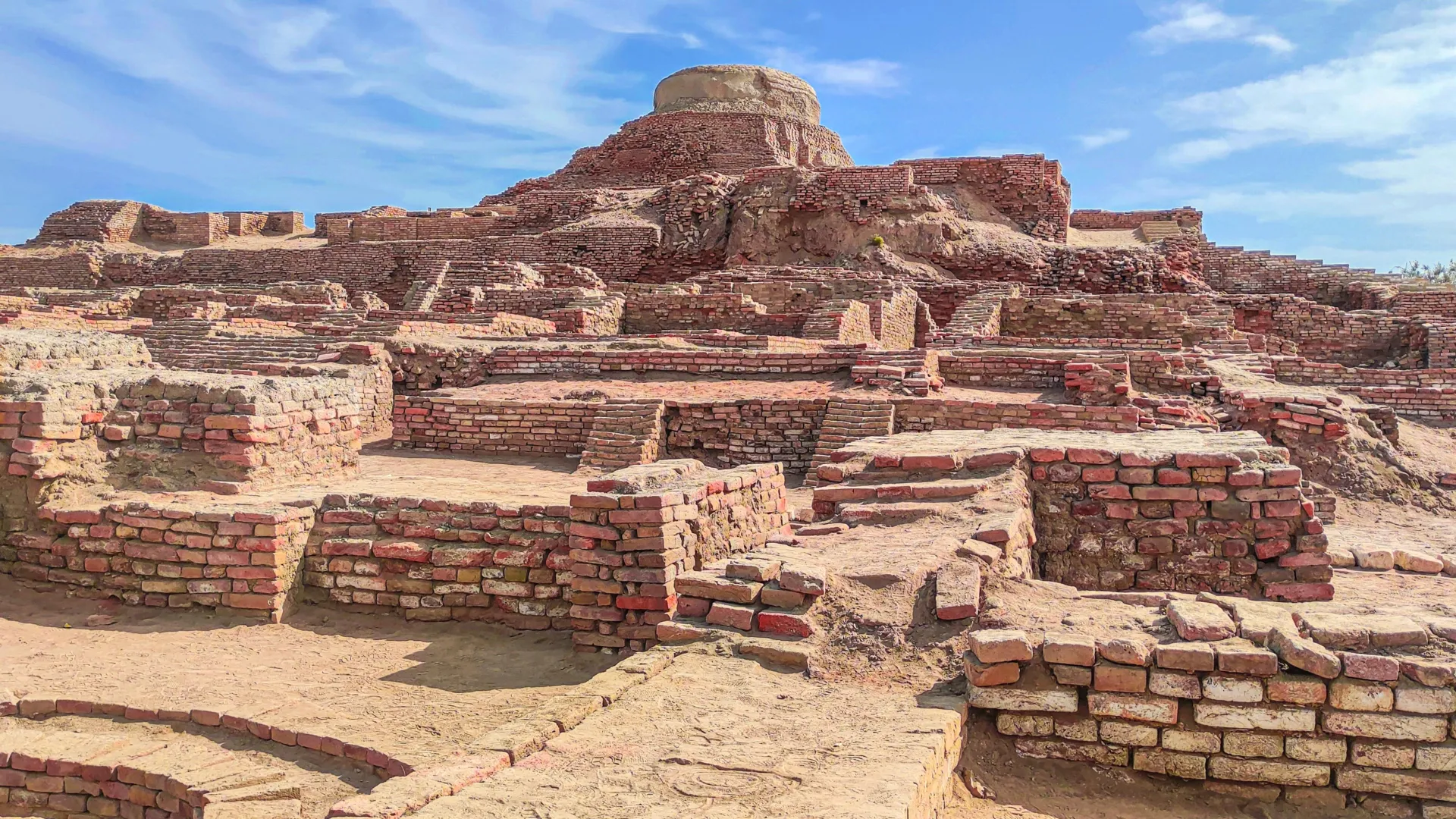
At Mohenjo-daro, the wealth gap between the richest and poorest households appears to have narrowed as the city prospered. Shared infrastructure, organized trade, and the absence of a dominant royal elite point to a form of urban growth built on broader economic participation.
9:02 AMScienceDailySummary
Viral DNA recovered from Chilean mummies provides the first genomic evidence that smallpox was introduced to the Americas from Europe.
The genetic evidence strengthens the case that European contact drove smallpox's arrival, rather than the
Unlock the full First Pass Analysis to get a better understanding of why this story mattersWhy it matters
Ancient viral genomes can resolve major uncertainties about the pathogens that reshaped human history.
Summary
Aerial surveys in Brazil have identified hundreds of previously undocumented earthworks, adding substantial evidence of large and organized pre-Colombian settlements.
The discovery expands the known scale of Indigenous engineering in the region and challenges older
Unlock the full First Pass Analysis to get a better understanding of why this story mattersWhy it matters
The findings could reshape the history of Amazonian societies while raising the urgency of protecting newly identified archaeological sites.
Summary
At Mohenjo-daro, the wealth gap between the richest and poorest households appears to have narrowed as the city prospered. Shared infrastructure, organized trade, and the absence of a dominant royal elite point to a form of urban growth built on broader economic participation.
The evidence challenges the assumption that early cities required steep hierarchy and centralized royal power
Unlock the full First Pass Analysis to get a better understanding of why this story mattersWhy it matters
Mohenjo-daro offers an early counterexample to the idea that successful cities must be built on extreme political and economic concentration.
A curated list of other prominent stories from this day.

Researchers report that climate change has doubled the likelihood of wildfires in southern Europe since 1981, contributing to a major intensification of fire conditions across the region.
1:58 PMAl Jazeera
NASA's Curiosity rover has photographed a broad field of honeycomb-shaped polygonal fractures in Valle Grande, a Martian valley. Similar formations have appeared elsewhere in small patches, but this discovery reveals the texture across a much larger area.
1:20 PMThe Verge
Christof Koch is revisiting whether consciousness can be explained as a product of brain activity, arguing that materialism has not solved the hard problem of subjective experience. He plans to examine near-death experiences and terminal lucidity as possible challenges to brain-based theories.
9:23 AMScienceDaily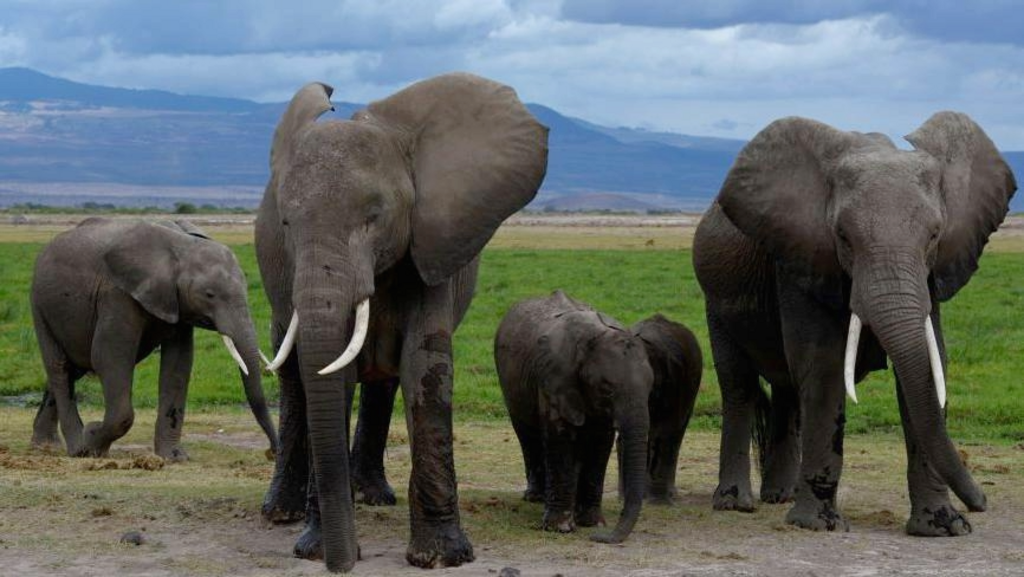
Authorities are investigating whether pesticide exposure from tomato farming caused the deaths of 15 elephants in southern Kenya, the area's highest death toll in decades. Foul play has been ruled out so far, but the cause remains under investigation.
8:14 AMBBC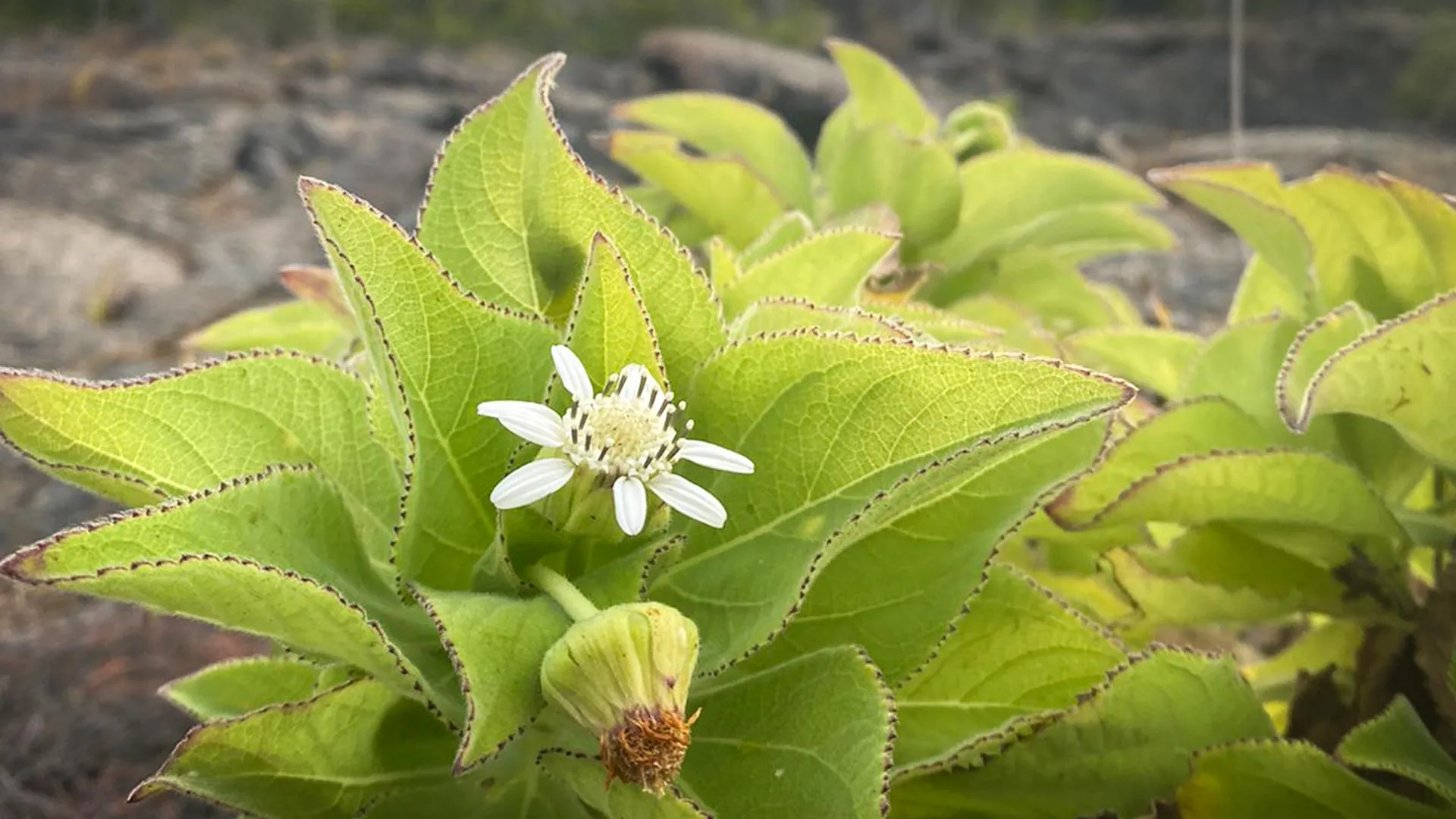
Galápagos giant daisies repeatedly evolved similar heat-tolerant leaf shapes, but different lineages arrived at those traits through different genetic changes. Large genetic differences among isolated populations also suggest that new species may be forming.
8:13 AMScienceDaily
The Alpha Capricornids and Southern Delta Aquarids will both reach peak activity from Thursday night into Friday morning at the end of July.
5:00 AMThe New York Times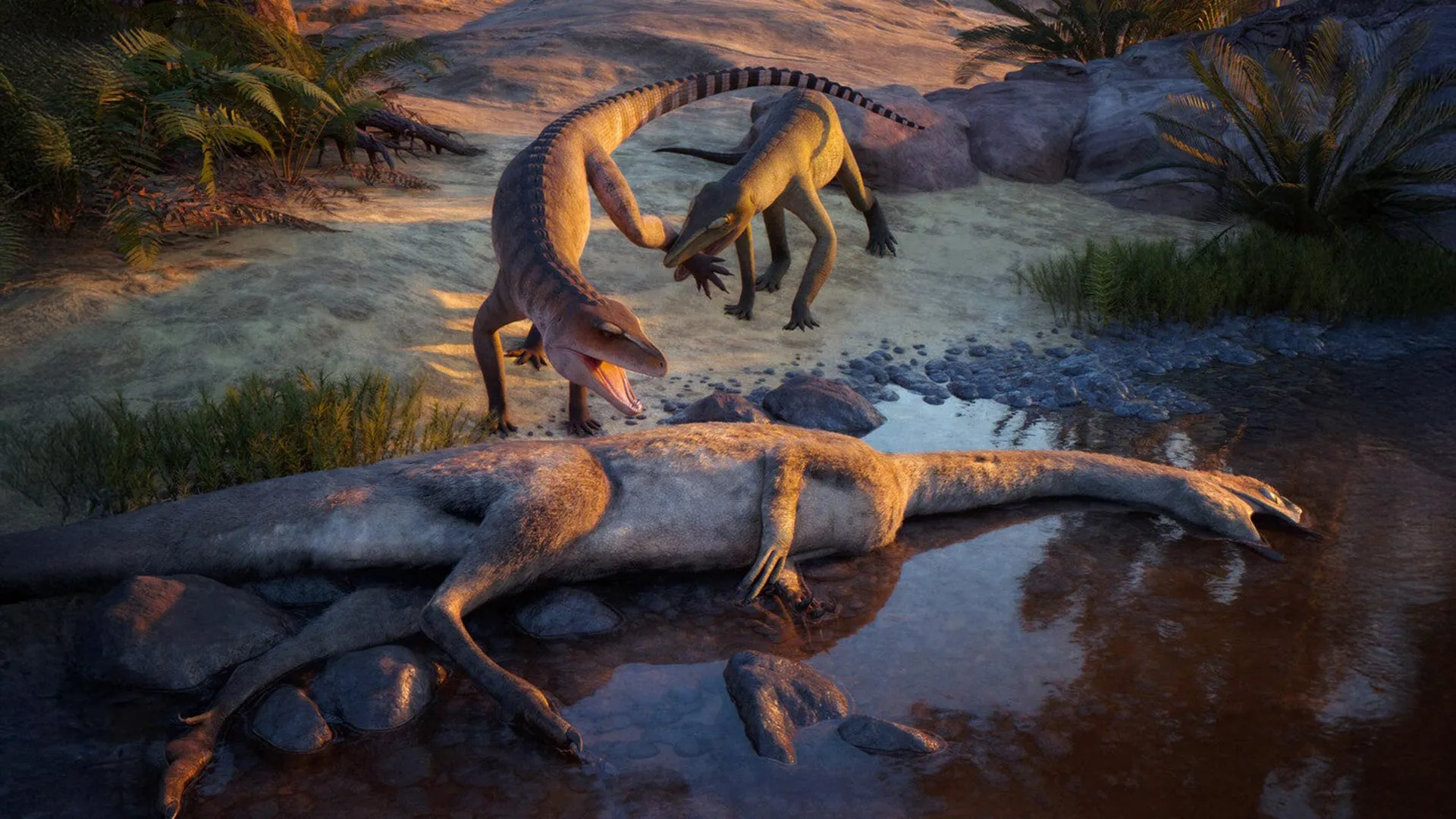
A fossil overlooked for nearly 80 years has been identified as Eosphorosuchus lacrimosa, a previously unknown crocodile relative that lived in New Mexico 210 million years ago. Its reinforced skull, strong jaw muscles, and short snout suggest a jackal-sized predator capable of attacking relatively large prey.
2:34 AMScienceDaily
Researchers used archived ALMA observations to conduct the telescope's first SETI survey in a higher-frequency range that has received little attention. They found no credible alien signals, but the data covered millions of stars across only a small number of observations.
1:09 AMScienceDailySummary
Researchers report that climate change has doubled the likelihood of wildfires in southern Europe since 1981, contributing to a major intensification of fire conditions across the region.
A warmer climate is shifting severe fires from episodic disasters toward a more persistent risk,
Unlock the full First Pass Analysis to get a better understanding of why this story mattersWhy it matters
More frequent and intense fires threaten lives, ecosystems, infrastructure, and public finances across southern Europe.
Summary
NASA's Curiosity rover has photographed a broad field of honeycomb-shaped polygonal fractures in Valle Grande, a Martian valley. Similar formations have appeared elsewhere in small patches, but this discovery reveals the texture across a much larger area.
The change is one of scale: Curiosity has found an extensive polygon field rather than
Unlock the full First Pass Analysis to get a better understanding of why this story mattersWhy it matters
Large polygon fields offer a wider geological record for testing theories about Mars's ancient climate and habitability.
Summary
Christof Koch is revisiting whether consciousness can be explained as a product of brain activity, arguing that materialism has not solved the hard problem of subjective experience. He plans to examine near-death experiences and terminal lucidity as possible challenges to brain-based theories.
The shift is from treating consciousness as an unsolved neural mechanism to considering whether it
Unlock the full First Pass Analysis to get a better understanding of why this story mattersWhy it matters
The debate could change what scientists consider an acceptable explanation for conscious experience, but extraordinary claims still require stronger evidence.
Summary
Authorities are investigating whether pesticide exposure from tomato farming caused the deaths of 15 elephants in southern Kenya, the area's highest death toll in decades. Foul play has been ruled out so far, but the cause remains under investigation.
The investigation shifts attention from deliberate killing to possible agricultural poisoning, putting farming practices and
Unlock the full First Pass Analysis to get a better understanding of why this story mattersWhy it matters
The deaths could expose a serious conflict between expanding agriculture and wildlife protection, with implications for pesticide regulation and elephant conservation.
Summary
Galápagos giant daisies repeatedly evolved similar heat-tolerant leaf shapes, but different lineages arrived at those traits through different genetic changes. Large genetic differences among isolated populations also suggest that new species may be forming.
Similar environments can drive evolution toward similar physical outcomes without producing the same genetic solution.
Unlock the full First Pass Analysis to get a better understanding of why this story mattersWhy it matters
Evolution is repeating its visible results while taking different genetic routes, showing how quickly isolation and climate can generate biodiversity.
Summary
The Alpha Capricornids and Southern Delta Aquarids will both reach peak activity from Thursday night into Friday morning at the end of July.
The overlap gives skywatchers a single window to observe two meteor showers rather than waiting
Unlock the full First Pass Analysis to get a better understanding of why this story mattersWhy it matters
A rare overlap creates an efficient opportunity to see more meteors in one night.
Summary
A fossil overlooked for nearly 80 years has been identified as Eosphorosuchus lacrimosa, a previously unknown crocodile relative that lived in New Mexico 210 million years ago. Its reinforced skull, strong jaw muscles, and short snout suggest a jackal-sized predator capable of attacking relatively large prey.
The discovery adds a specialized predator to an already complex Triassic ecosystem and shows how
Unlock the full First Pass Analysis to get a better understanding of why this story mattersWhy it matters
A neglected specimen has filled a gap in the Triassic predator record and demonstrated the continuing scientific value of old collections.
Summary
Researchers used archived ALMA observations to conduct the telescope's first SETI survey in a higher-frequency range that has received little attention. They found no credible alien signals, but the data covered millions of stars across only a small number of observations.
The result expands the search space rather than providing evidence of extraterrestrial technology. It also
Unlock the full First Pass Analysis to get a better understanding of why this story mattersWhy it matters
SETI may be missing signals because it has searched too narrowly, and archived telescope data can widen the hunt without waiting for new observations.
Make it yours
Pick your topics, set your cadence, and receive your personalized First Pass in your inbox. It’s that simple!