
A 65-year-old woman has become Kenya’s second Ebola fatality. She was a close relative of the first victim, a man who had travelled from the Democratic Republic of Congo.
5:46 AMBBC12 stories from 7 sources
Supporting Articles
A 65-year-old woman has become Kenya’s second Ebola fatality. She was a close relative of the first victim, a man who had travelled from the Democratic Republic of Congo.
5:46 AMBBC
Amgen said its drug reduced the risk of death by 58% when combined with an AstraZeneca immunotherapy in patients with an aggressive form of lung cancer. The result comes from a company-reported trial and will require detailed data and regulatory review to assess its clinical significance.
10:30 AMCNBCThe study examines whether clearing circulating tumor DNA during neoadjuvant treatment predicts outcomes for patients with resectable lung cancer in the NeoCOAST-2 trial. Patients whose ctDNA became undetectable had stronger treatment responses and better subsequent outcomes than those with persistent ctDNA.
8:00 PMNatureSummary
A 65-year-old woman has become Kenya’s second Ebola fatality. She was a close relative of the first victim, a man who had travelled from the Democratic Republic of Congo.
The second fatality confirms that the imported case generated at least one subsequent infection within
Unlock the full First Pass Analysis to get a better understanding of why this story mattersWhy it matters
The case shows how quickly an imported infection can establish local transmission before authorities have fully mapped contacts.
2 stories · 2 sources
Summary
Amgen said its drug reduced the risk of death by 58% when combined with an AstraZeneca immunotherapy in patients with an aggressive form of lung cancer. The result comes from a company-reported trial and will require detailed data and regulatory review to assess its clinical significance.
The reported result could strengthen a combination-treatment approach for patients with limited options, but a
Unlock the full First Pass Analysis to get a better understanding of why this story mattersWhy it matters
If confirmed, the combination could reshape treatment for a particularly deadly lung cancer and expand the role of immunotherapy-based regimens.
Summary
The study examines whether clearing circulating tumor DNA during neoadjuvant treatment predicts outcomes for patients with resectable lung cancer in the NeoCOAST-2 trial. Patients whose ctDNA became undetectable had stronger treatment responses and better subsequent outcomes than those with persistent ctDNA.
ctDNA clearance could provide an early readout of whether preoperative therapy is working, before surgery
Unlock the full First Pass Analysis to get a better understanding of why this story mattersWhy it matters
A blood-based measure of residual cancer could make perioperative lung cancer treatment more precisely adaptive.
A curated list of other prominent stories from this day.

Vanessa Trump said she is cancer-free six months after announcing that she had been diagnosed with breast cancer. She shares five children with Donald Trump Jr.
3:12 PMBBC
Day 2 of the European Society for Medical Oncology meeting in Madrid featured the closely watched presentation from Moderna and Merck, along with other oncology developments. The session was the central event of the meeting so far.
1:00 PMStat News
A small device that stimulates nerves through the ear was safe and well tolerated in a trial of 63 people with hypertension who were already taking medication. It did not significantly beat placebo across the full group, but participants with more severe hypertension saw promising blood-pressure reductions.
9:15 AMScienceDailyDoctors assess the safety and effectiveness of peptide products as interest grows among wellness influencers and government officials. Their guidance addresses what these products can and cannot prove as treatments.
9:05 AMCNBC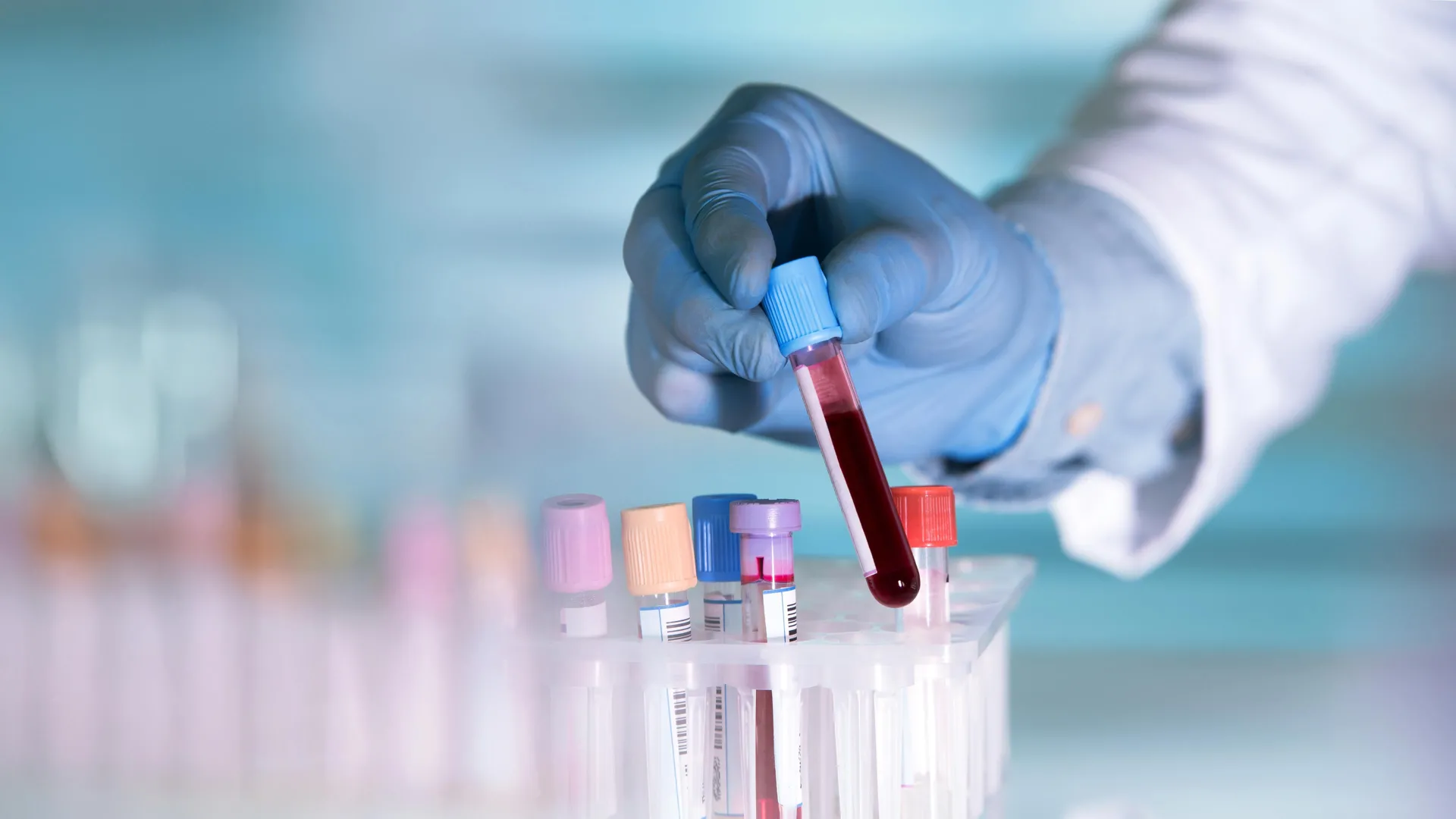
Researchers found antibody patterns in blood that preceded diagnoses of Crohn's disease and ulcerative colitis by as much as a decade. The patterns also appeared to distinguish people more likely to develop complicated disease.
7:52 AMScienceDaily
Scientists found that disabling a protein called Mitch caused human cells to burn more fat and limited the formation of new fat cells. Related mouse experiments linked the change to resistance to obesity and better muscular endurance, but the treatment potential remains untested in people.
7:16 AMScienceDaily
The piece argues that Christina Applegate's experience with multiple sclerosis underscores a central problem in neurology: patients need accurate diagnoses, not merely faster ones. Misidentifying MS can send patients toward inappropriate treatment while delaying care for the actual condition.
7:00 AMStat News
A hospital in Taiz says shortages of fuel, medicines, and oxygen could force it to collapse within days. Dialysis patients are already receiving shorter treatment sessions because supplies are running out.
1:20 AMAl JazeeraSummary
Vanessa Trump said she is cancer-free six months after announcing that she had been diagnosed with breast cancer. She shares five children with Donald Trump Jr.
Her statement signals a positive treatment outcome but does not establish remission duration, recurrence risk,
Unlock the full First Pass Analysis to get a better understanding of why this story mattersWhy it matters
The update may encourage screening and treatment awareness, but individual recovery claims cannot substitute for clinical evidence or personalized medical advice.
Summary
Day 2 of the European Society for Medical Oncology meeting in Madrid featured the closely watched presentation from Moderna and Merck, along with other oncology developments. The session was the central event of the meeting so far.
The Moderna-Merck presentation now sets the near-term benchmark for how investors and oncologists assess the
Unlock the full First Pass Analysis to get a better understanding of why this story mattersWhy it matters
The presentation could influence the next wave of clinical, regulatory, and commercial decisions in cancer care.
Summary
A small device that stimulates nerves through the ear was safe and well tolerated in a trial of 63 people with hypertension who were already taking medication. It did not significantly beat placebo across the full group, but participants with more severe hypertension saw promising blood-pressure reductions.
The main finding is a potential signal in patients whose hypertension remains difficult to control,
Unlock the full First Pass Analysis to get a better understanding of why this story mattersWhy it matters
A noninvasive add-on treatment could expand options for people whose blood pressure stays high despite standard drugs.
Summary
Doctors assess the safety and effectiveness of peptide products as interest grows among wellness influencers and government officials. Their guidance addresses what these products can and cannot prove as treatments.
The central issue is that 'peptides' covers very different compounds, from established medicines to poorly
Unlock the full First Pass Analysis to get a better understanding of why this story mattersWhy it matters
Growing demand could push more people toward unapproved peptide products before regulators and researchers establish which uses are safe.
Summary
Researchers found antibody patterns in blood that preceded diagnoses of Crohn's disease and ulcerative colitis by as much as a decade. The patterns also appeared to distinguish people more likely to develop complicated disease.
The shift is toward identifying inflammatory bowel disease before symptoms lead to diagnosis, when monitoring
Unlock the full First Pass Analysis to get a better understanding of why this story mattersWhy it matters
Earlier risk detection could reduce diagnostic delays and help target surveillance to people most likely to develop severe disease.
Summary
Scientists found that disabling a protein called Mitch caused human cells to burn more fat and limited the formation of new fat cells. Related mouse experiments linked the change to resistance to obesity and better muscular endurance, but the treatment potential remains untested in people.
The decisive gap is between a promising cellular mechanism and a safe human therapy. Blocking
Unlock the full First Pass Analysis to get a better understanding of why this story mattersWhy it matters
The discovery points to a possible obesity treatment that changes fat biology rather than relying only on appetite suppression.
Summary
The piece argues that Christina Applegate's experience with multiple sclerosis underscores a central problem in neurology: patients need accurate diagnoses, not merely faster ones. Misidentifying MS can send patients toward inappropriate treatment while delaying care for the actual condition.
Diagnostic accuracy remains the decisive challenge because MS symptoms can overlap with those of other
Unlock the full First Pass Analysis to get a better understanding of why this story mattersWhy it matters
An incorrect MS diagnosis can expose patients to unnecessary treatment while the real disease continues untreated.
Summary
A hospital in Taiz says shortages of fuel, medicines, and oxygen could force it to collapse within days. Dialysis patients are already receiving shorter treatment sessions because supplies are running out.
The siege is converting shortages into direct treatment cuts, with dialysis patients among the first
Unlock the full First Pass Analysis to get a better understanding of why this story mattersWhy it matters
A hospital shutdown would turn an existing humanitarian crisis into an immediate threat to patients who require continuous, resource-intensive care.
Make it yours
Pick your topics, set your cadence, and receive your personalized First Pass in your inbox. It’s that simple!