Health systems faced pressure from outbreaks and policy shifts
Day’s Recap
“
”
Supporting Articles
Kenya reported a second Ebola infection, a development likely to intensify scrutiny of the country’s disease surveillance and response systems. The case raises concern about possible transmission beyond the initial infection.
1:38 PMThe New York Times
U.S. health officials are moving toward allowing specialty pharmacies to produce certain peptides, a class of largely unregulated injections favored by Health Secretary Robert F. Kennedy Jr. The proposal would broaden the role of compounding pharmacies in supplying these products.
4:46 PMStat News
The Trump administration has begun restoring some Affordable Care Act enrollments after removing roughly 760,000 people in an anti-fraud effort. Officials have provided few details about how cancellations were identified or why some people are being reinstated.
7:06 AMNPR Politics
Merck and Moderna are pairing Keytruda with personalized mRNA vaccines designed to target individual tumors. Executives said early success is encouraging, but the companies still need to determine how broadly the approach can work.
3:58 PMStat News
A schoolteacher with melanoma describes receiving an individualized cancer vaccine developed by Merck and Moderna. The account offers a patient-level view of how experimental mRNA immunotherapy fits into cancer treatment and recovery.
11:25 AMStat News
Former FDA commissioners Rob Califf, Scott Gottlieb, and Ned Sharpless criticized the officials currently overseeing the agency and the broader Department of Health and Human Services. Their intervention reflects unusual cross-administration concern about the direction of federal health policy.
11:50 AMStat News
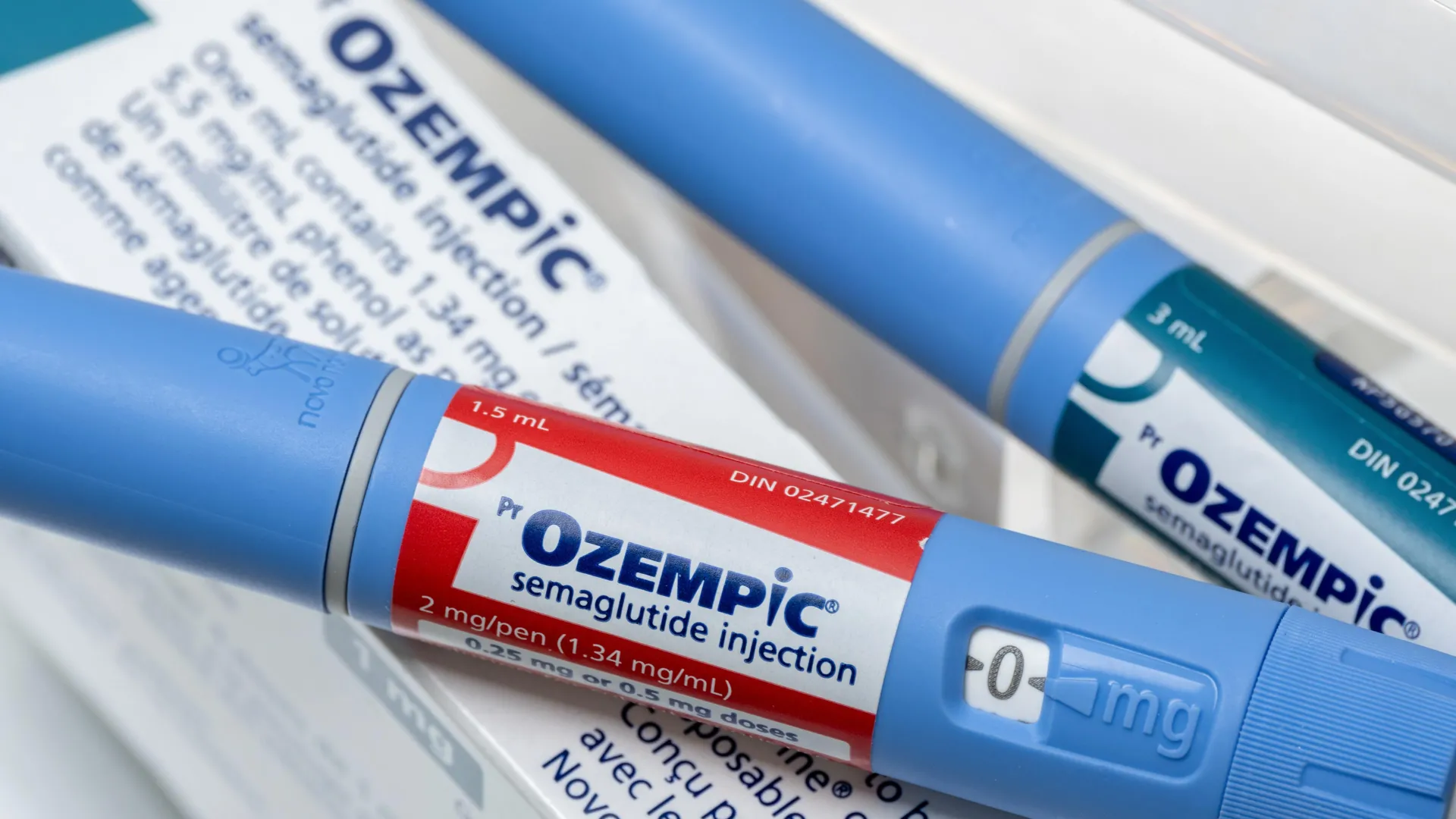
Researchers found a possible association between GLP-1 drugs such as Ozempic and Wegovy and a rare eye condition that can cause sudden, potentially permanent vision loss. The absolute risk appears very low, but the finding matters as use of these drugs expands.
12:14 AMScienceDaily
Stroke rates nearly doubled among adults ages 20 to 54 over almost three decades, with blocked blood vessels accounting for much of the increase. Younger patients also showed higher rates of high blood pressure, diabetes and substance use, even as survival improved.
1:28 AMScienceDaily
1:38 PMThe New York Times
Second Ebola Infection Announced in Kenya
Summary
Kenya reported a second Ebola infection, a development likely to intensify scrutiny of the country’s disease surveillance and response systems. The case raises concern about possible transmission beyond the initial infection.
The second case changes the situation from an isolated detection to a possible outbreak, making
Unlock the full First Pass Analysis to get a better understanding of why this story matters
Why it matters
A second infection increases the risk of wider spread and tests Kenya’s ability to contain Ebola before it reaches more communities.
Kenya has reported a second Ebola case as health authorities monitor a widening regional threat. In Congo, officials have confirmed more than 4,000 deaths and 9,000 cases while struggling to contain the outbreak.
The second Kenyan case raises the risk that Ebola will spread across borders, placing added
Unlock the full First Pass Analysis to get a better understanding of why this story matters
Why it matters
A cross-border spread would test whether neighboring health systems can detect and contain cases before transmission accelerates.
Trump administration advances plan for peptide drugs favored by RFK Jr.
Summary
U.S. health officials are moving toward allowing specialty pharmacies to produce certain peptides, a class of largely unregulated injections favored by Health Secretary Robert F. Kennedy Jr. The proposal would broaden the role of compounding pharmacies in supplying these products.
The shift would make specialty pharmacies a more important source of peptide drugs that lack
Unlock the full First Pass Analysis to get a better understanding of why this story matters
Why it matters
A broader compounding pathway could rapidly grow the peptide market while exposing patients to uneven manufacturing standards and limited clinical evidence.
Trump administration advances plan for peptide drugs favored by RFK Jr.
Summary
The Trump administration is advancing a proposal that would allow specialty pharmacies to produce certain peptide drugs. The plan has drawn quick support from some allies of Robert F. Kennedy Jr. who sell peptides.
The proposal is moving peptide access forward before regulators have established broad evidence or consistent
Unlock the full First Pass Analysis to get a better understanding of why this story matters
Why it matters
The plan could expand access to lightly regulated injections while intensifying scrutiny of the administration’s safety standards and conflicts of interest.
After booting 760K off ACA health plans, the Trump administration adds some people back
Summary
The Trump administration has begun restoring some Affordable Care Act enrollments after removing roughly 760,000 people in an anti-fraud effort. Officials have provided few details about how cancellations were identified or why some people are being reinstated.
The reversal exposes uncertainty in a process that can disrupt coverage before errors are resolved.
Unlock the full First Pass Analysis to get a better understanding of why this story matters
Why it matters
A poorly explained enrollment purge could undermine coverage and confidence in the ACA marketplace.
Merck and Moderna have ‘lot of exploring to do’ after initial cancer vaccine success
Summary
Merck and Moderna are pairing Keytruda with personalized mRNA vaccines designed to target individual tumors. Executives said early success is encouraging, but the companies still need to determine how broadly the approach can work.
The early results support personalized vaccines as a potential complement to immunotherapy, not yet as
Unlock the full First Pass Analysis to get a better understanding of why this story matters
Why it matters
The approach could extend precision medicine into cancer treatment, but its clinical value will depend on durable outcomes and a workable production model.
After a melanoma diagnosis, mRNA cancer vaccine delivered a patient hope — and a path forward
Summary
A schoolteacher with melanoma describes receiving an individualized cancer vaccine developed by Merck and Moderna. The account offers a patient-level view of how experimental mRNA immunotherapy fits into cancer treatment and recovery.
The patient experience shows how a promising but still investigational technology can reshape expectations after
Unlock the full First Pass Analysis to get a better understanding of why this story matters
Why it matters
Cancer vaccines are moving from laboratory concept to real-world treatment, but clinical proof and practical access remain unresolved.
STAT+: Former FDA commissioners Califf, Gottlieb, Sharpless lay into current HHS leadership
Summary
Former FDA commissioners Rob Califf, Scott Gottlieb, and Ned Sharpless criticized the officials currently overseeing the agency and the broader Department of Health and Human Services. Their intervention reflects unusual cross-administration concern about the direction of federal health policy.
The decisive shift is bipartisan criticism from former FDA leaders who served under both Democratic
Unlock the full First Pass Analysis to get a better understanding of why this story matters
Why it matters
Former agency chiefs are signaling that current HHS leadership may be creating institutional risks that extend beyond partisan politics.
Ozempic and Wegovy linked to rare risk of sudden vision loss
Summary
Researchers found a possible association between GLP-1 drugs such as Ozempic and Wegovy and a rare eye condition that can cause sudden, potentially permanent vision loss. The absolute risk appears very low, but the finding matters as use of these drugs expands.
The key shift is a potential safety signal in a medication class now used by
Unlock the full First Pass Analysis to get a better understanding of why this story matters
Why it matters
A rare adverse effect could still affect many people when exposure to widely prescribed drugs reaches millions.
Strokes have nearly doubled among younger adults, and scientists aren't sure why
Summary
Stroke rates nearly doubled among adults ages 20 to 54 over almost three decades, with blocked blood vessels accounting for much of the increase. Younger patients also showed higher rates of high blood pressure, diabetes and substance use, even as survival improved.
The rise shifts stroke from an older-adult concern to a growing threat in working-age populations.
Unlock the full First Pass Analysis to get a better understanding of why this story matters
Why it matters
More strokes among younger adults could increase long-term disability, healthcare costs and pressure on prevention programs.
A curated list of other prominent stories from this day.
Chinese households spend nearly as much of their income on healthcare as U.S. households, according to the article. The International Monetary Fund says higher government healthcare spending could reduce that burden and help increase consumption.
7:00 PMCNBC
A kangaroo mother care pilot at Nasser Hospital in Gaza uses prolonged skin-to-skin contact to support premature and vulnerable newborns. The program offers a low-cost intervention in a hospital system facing severe resource constraints.
1:43 PMAl Jazeera
Pope Leo met with a senior Vatican aide while recovering in hospital from surgery to remove a cancerous growth from his lung. Doctors said his recovery was progressing.
1:25 PMAl Jazeera
Verastem Oncology reported encouraging early results for its KRAS G12D inhibitor in a study of more than 200 patients with advanced solid tumors, including metastatic pancreatic cancer. The drug is being evaluated in a setting where treatment options remain limited.
11:43 AMStat News
Current 2021 task force guidelines recommend lung cancer screening for adults ages 50 to 80 with a 20-year history of smoking one pack a day. That eligibility framework excludes people who never smoked, including those who may still develop lung cancer.
10:46 AMFortune
The FDA added seven sexual-enhancement products sold under names such as Rhino, Anaconda and Magnum to its warning list after finding undeclared Viagra-like ingredients. A 2023 review identified 112 unapproved compounds in similar products.
10:23 AMFortune
Medicare's open-enrollment period runs from October 15 through December 7.
9:02 AMMarketWatch
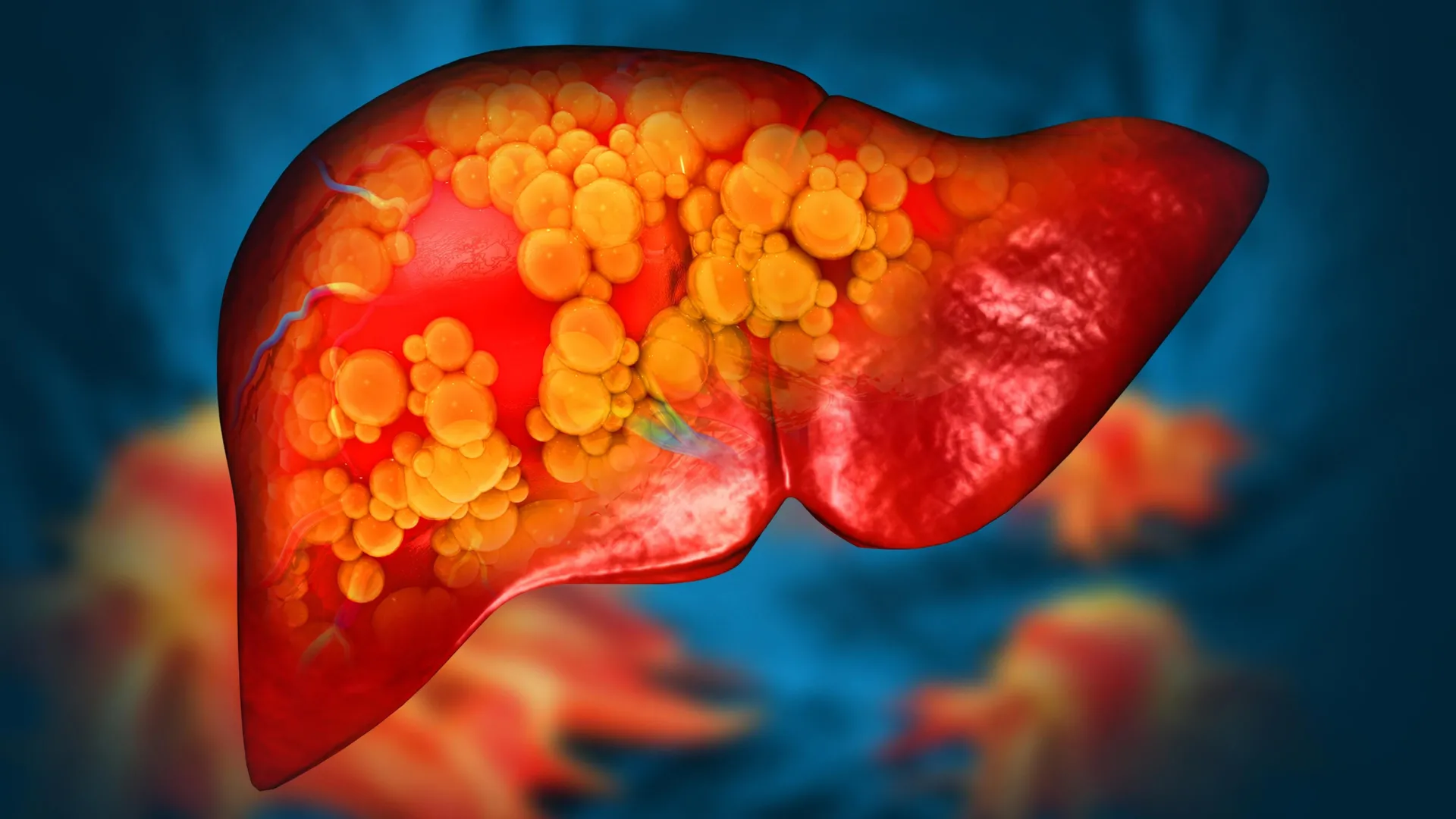
A study of nearly 200,000 people found that regularly eating after dinner or near bedtime was associated with a 20% to 30% higher risk of liver disease, including fatty liver disease and cirrhosis.
8:26 AMScienceDaily
Researchers found that unusually small cancer cells carrying extra chromosomes can grow faster, spread more readily and resist common treatments than larger cancer cells. The finding may help explain why some tumors behave aggressively and could improve predictions of cancer outcomes.
7:27 AMScienceDaily
An examination of one Alzheimer’s patient’s brain found little tau buildup in regions cleared of amyloid plaques, while nearby areas retained extensive damage. The pattern suggests that amyloid removal may protect against later tau accumulation, particularly when treatment begins early.
6:05 AMScienceDaily
The author connects her daughter's death with a deeper understanding of the nursing shortage. Health systems invest in training nurses but often lose them within their first few years of practice.
4:30 AMStat News
About 40% of high school students reported binge eating during the previous month in a new CDC survey. The finding indicates that disordered eating affects a large share of adolescents.
4:30 AMStat News
The author describes trying to opt out of sharing personal health data through MyChart and encountering a difficult process that may require notarization. The experience raises questions about whether patients can meaningfully control the use of their medical information.
4:30 AMStat News
Biocon Chairperson Kiran Mazumdar-Shaw said expiring biologic patents create a major opportunity to expand the company's affordable cancer biosimilar business. She argued that AI's biggest potential lies not only in drug discovery, but in shortening costly clinical trials by improving predictions of safety and efficacy.
4:13 AMBloomberg Markets
Barefaced has launched Barefaced Rx, a platform offering clinician-guided prescription treatments tailored to individual skin concerns. The move expands the brand from consumer skincare into medical treatment.
12:01 AMWWD
7:00 PMCNBC
People in China are spending nearly as much of their income as Americans on healthcare
Summary
Chinese households spend nearly as much of their income on healthcare as U.S. households, according to the article. The International Monetary Fund says higher government healthcare spending could reduce that burden and help increase consumption.
Healthcare costs are limiting Chinese household spending, making stronger public coverage both a social policy
Unlock the full First Pass Analysis to get a better understanding of why this story matters
Why it matters
China may be able to boost consumption by treating healthcare coverage as an economic stimulus, not only a welfare expense.
A mother’s touch helps premature babies grow strong in Gaza
Summary
A kangaroo mother care pilot at Nasser Hospital in Gaza uses prolonged skin-to-skin contact to support premature and vulnerable newborns. The program offers a low-cost intervention in a hospital system facing severe resource constraints.
The pilot shifts neonatal care toward a treatment that relies less on equipment and more
Unlock the full First Pass Analysis to get a better understanding of why this story matters
Why it matters
Kangaroo care can improve newborn survival and development when conventional neonatal resources are scarce, but conflict threatens its continuity.
Pope Leo resumes work in hospital while recovering from surgery
Summary
Pope Leo met with a senior Vatican aide while recovering in hospital from surgery to remove a cancerous growth from his lung. Doctors said his recovery was progressing.
Resuming limited work suggests a stable recovery, but it does not resolve questions about the
Unlock the full First Pass Analysis to get a better understanding of why this story matters
Why it matters
The pope’s recovery affects both the Vatican’s near-term operations and the public’s assessment of his ability to lead.
STAT+: Verastem’s KRAS inhibitor shows promise in pancreatic cancer
Summary
Verastem Oncology reported encouraging early results for its KRAS G12D inhibitor in a study of more than 200 patients with advanced solid tumors, including metastatic pancreatic cancer. The drug is being evaluated in a setting where treatment options remain limited.
The early signal gives Verastem a potential foothold against KRAS G12D, a difficult cancer target
Unlock the full First Pass Analysis to get a better understanding of why this story matters
Why it matters
A successful KRAS G12D drug could expand treatment options for pancreatic cancer patients who currently have few effective therapies.
Pope Leo XIV has lung cancer despite never smoking. Lung cancer screening only targets people who did
Summary
Current 2021 task force guidelines recommend lung cancer screening for adults ages 50 to 80 with a 20-year history of smoking one pack a day. That eligibility framework excludes people who never smoked, including those who may still develop lung cancer.
The case exposes a gap between smoking-based screening criteria and the broader population that develops
Unlock the full First Pass Analysis to get a better understanding of why this story matters
Why it matters
Smoking history remains the central screening filter, leaving nonsmokers without routine detection even though they can develop lung cancer.
Your gas station is selling Rhino, Anaconda and Magnum. It’s really secret Viagra
Summary
The FDA added seven sexual-enhancement products sold under names such as Rhino, Anaconda and Magnum to its warning list after finding undeclared Viagra-like ingredients. A 2023 review identified 112 unapproved compounds in similar products.
The core shift is regulatory recognition that these products are not merely ineffective supplements but
Unlock the full First Pass Analysis to get a better understanding of why this story matters
Why it matters
Unlabeled erectile-dysfunction drugs can expose consumers to serious cardiovascular risks without the safeguards required for approved medicines.
Eating late at night linked to up to 30% higher risk of liver disease
Summary
A study of nearly 200,000 people found that regularly eating after dinner or near bedtime was associated with a 20% to 30% higher risk of liver disease, including fatty liver disease and cirrhosis.
The association adds meal timing to the list of behaviors linked to liver risk, although
Unlock the full First Pass Analysis to get a better understanding of why this story matters
Why it matters
Late-night eating could become a practical prevention target for people at risk of liver disease.
Scientists discover a surprising danger in smaller cancer cells
Summary
Researchers found that unusually small cancer cells carrying extra chromosomes can grow faster, spread more readily and resist common treatments than larger cancer cells. The finding may help explain why some tumors behave aggressively and could improve predictions of cancer outcomes.
Cell size and chromosome content may provide a previously overlooked signal of tumor aggressiveness. If
Unlock the full First Pass Analysis to get a better understanding of why this story matters
Why it matters
A new biological marker could improve cancer-risk estimates and expose a target for treatment.
Rare study reveals a striking divide inside an Alzheimer’s patient’s brain
Summary
An examination of one Alzheimer’s patient’s brain found little tau buildup in regions cleared of amyloid plaques, while nearby areas retained extensive damage. The pattern suggests that amyloid removal may protect against later tau accumulation, particularly when treatment begins early.
The sharp regional contrast strengthens the case that amyloid reduction can affect the disease process
Unlock the full First Pass Analysis to get a better understanding of why this story matters
Why it matters
The finding supports earlier intervention while underscoring the need for larger evidence linking amyloid clearance to preserved brain function.
Opinion: My daughter’s death changed how I understood the nursing shortage
Summary
The author connects her daughter's death with a deeper understanding of the nursing shortage. Health systems invest in training nurses but often lose them within their first few years of practice.
Early-career attrition means training investments do not solve the workforce problem when working conditions drive
Unlock the full First Pass Analysis to get a better understanding of why this story matters
Why it matters
Keeping newly trained nurses may be as important as producing more of them for stabilizing patient care.
Forty percent of high school students report binge eating in new CDC survey
Summary
About 40% of high school students reported binge eating during the previous month in a new CDC survey. The finding indicates that disordered eating affects a large share of adolescents.
The scale of the reported behavior makes adolescent eating disorders a broad public health concern
Unlock the full First Pass Analysis to get a better understanding of why this story matters
Why it matters
A large reported burden among teenagers could expose major gaps in screening, treatment, and prevention.
Opinion: MyChart said I could opt out of sharing my health data. Figuring out how was maddening
Summary
The author describes trying to opt out of sharing personal health data through MyChart and encountering a difficult process that may require notarization. The experience raises questions about whether patients can meaningfully control the use of their medical information.
The gap between a nominal opt-out right and a burdensome procedure shifts the practical balance
Unlock the full First Pass Analysis to get a better understanding of why this story matters
Why it matters
Data-sharing consent is only meaningful when patients can withdraw it through a simple, accessible process.
Biocon Chair: AI in Clinical Trials Is the Holy Grail
Summary
Biocon Chairperson Kiran Mazumdar-Shaw said expiring biologic patents create a major opportunity to expand the company's affordable cancer biosimilar business. She argued that AI's biggest potential lies not only in drug discovery, but in shortening costly clinical trials by improving predictions of safety and efficacy.
Patent expiries could give Biocon a wider commercial runway, but faster trials would be the
Unlock the full First Pass Analysis to get a better understanding of why this story matters
Why it matters
AI that reliably compresses clinical trials could reshape the economics of biosimilars and strengthen India's position in global drug manufacturing.
Barefaced Expands Into Personalized Medical Skin Care With Barefaced Rx Launch
Summary
Barefaced has launched Barefaced Rx, a platform offering clinician-guided prescription treatments tailored to individual skin concerns. The move expands the brand from consumer skincare into medical treatment.
The launch shifts Barefaced toward a hybrid model that combines personalized care with direct-to-consumer access.
Unlock the full First Pass Analysis to get a better understanding of why this story matters
Why it matters
The expansion reflects the growing overlap between beauty brands, telehealth, and prescription medicine.