
Ebola cases in the Democratic Republic of the Congo have surpassed 8,000, with fatalities approaching 4,000. Health workers face community resistance and a strain showing reduced vaccine responsiveness.
12:26 PMAl Jazeera19 stories from 6 sources
Supporting Articles
Ebola cases in the Democratic Republic of the Congo have surpassed 8,000, with fatalities approaching 4,000. Health workers face community resistance and a strain showing reduced vaccine responsiveness.
12:26 PMAl Jazeera
The Trump administration clawed back nearly $1 billion in spending that Congress had approved for several Health and Human Services programs. The targeted initiatives focused on immigrants, diversity and related priorities.
8:22 AMStat News
The Trump administration has asked the Supreme Court to let it enforce restrictions on gender-affirming medical care for transgender people in federal prison while litigation continues. The request seeks interim authority before the underlying legal dispute is resolved.
1:55 PMStat News
Merck has discontinued Recarbio, an important antibiotic in the United States, despite concerns about the growing threat of superbug resistance.
4:45 PMStat News
GLP-1 drugs are increasingly being marketed not only as treatments for obesity but also as tools to improve appearance and well-being. The shift comes alongside setbacks for drugmakers including Merck and Daiichi Sankyo.
9:06 AMStat News
GLP-1 drugs are being repositioned from treatments for patients with obesity or diabetes toward consumer products associated with lifestyle and personal choice. That shift is changing how the medicines are marketed and understood as their use expands.
4:30 AMStat NewsSummary
Ebola cases in the Democratic Republic of the Congo have surpassed 8,000, with fatalities approaching 4,000. Health workers face community resistance and a strain showing reduced vaccine responsiveness.
The combination of high mortality, distrust, and weaker vaccine protection is undermining the main tools
Unlock the full First Pass Analysis to get a better understanding of why this story mattersWhy it matters
The outbreak is becoming harder to control as transmission expands while public cooperation and vaccine effectiveness face pressure.
Summary
The Trump administration clawed back nearly $1 billion in spending that Congress had approved for several Health and Human Services programs. The targeted initiatives focused on immigrants, diversity and related priorities.
The move expands the administration's use of a legally contested power to withhold or cancel
Unlock the full First Pass Analysis to get a better understanding of why this story mattersWhy it matters
The dispute could redefine Congress's control over federal spending and disrupt programs beyond HHS.
Summary
The Trump administration has asked the Supreme Court to let it enforce restrictions on gender-affirming medical care for transgender people in federal prison while litigation continues. The request seeks interim authority before the underlying legal dispute is resolved.
A Supreme Court ruling would determine whether the administration can change prison medical policy immediately
Unlock the full First Pass Analysis to get a better understanding of why this story mattersWhy it matters
The case could affect medical care for transgender prisoners nationwide and define the administration's room to impose restrictions during litigation.
Summary
Merck has discontinued Recarbio, an important antibiotic in the United States, despite concerns about the growing threat of superbug resistance.
The decision removes a treatment option from the U.S. antibiotic market as resistance continues to
Unlock the full First Pass Analysis to get a better understanding of why this story mattersWhy it matters
The loss of an important antibiotic could narrow treatment options when resistant infections are becoming harder to control.
Summary
GLP-1 drugs are increasingly being marketed not only as treatments for obesity but also as tools to improve appearance and well-being. The shift comes alongside setbacks for drugmakers including Merck and Daiichi Sankyo.
The lifestyle framing broadens demand but risks weakening the medical case for coverage and intensifying
Unlock the full First Pass Analysis to get a better understanding of why this story mattersWhy it matters
How GLP-1s are positioned will influence who gets access, who pays, and how aggressively manufacturers pursue the market.
Summary
GLP-1 drugs are being repositioned from treatments for patients with obesity or diabetes toward consumer products associated with lifestyle and personal choice. That shift is changing how the medicines are marketed and understood as their use expands.
The language change moves GLP-1s from clinical care into a consumer market, where demand can
Unlock the full First Pass Analysis to get a better understanding of why this story mattersWhy it matters
How GLP-1s are framed will influence who seeks them, who pays for them, and how seriously their risks are treated.
A curated list of other prominent stories from this day.

Gujarat Themis Biosyn has secured private credit funding to finance its acquisition of Japan-based MicroBiopharm Japan. The deal underscores the expanding role of private lenders in funding cross-border healthcare transactions in Asia.
9:31 PMBloomberg MarketsAstraZeneca will invest $2 billion in Summit Therapeutics and collaborate with the cancer drugmaker to develop medicines. Summit shares rose after the agreement was announced.
5:42 PMBloomberg Markets
A study of Maui residents found elevated levels of toxic metals months after wildfires, suggesting exposure continued well beyond the initial smoke event. The findings point to a need for extended monitoring of air quality and human health after major fires.
5:07 PMStat News
The latest health care business developments include sharply rising insurance premiums, a private-equity hospital chain moving to nonprofit status, and renewed attention to the effect of list prices. Together, they point to mounting financial pressure across the health system.
10:55 AMStat News
People with diabetes reported better quality of life on days when glucose stayed mostly within a healthy range, even when it fluctuated more than usual. The finding suggests that extremely tight control may impose lifestyle costs that standard glucose measures miss.
9:53 AMScienceDaily
The FDA approved AbbVie’s once-daily pill for Parkinson’s disease after a late-stage trial found that it improved patients’ symptoms. The approval gives AbbVie a new treatment option in a market with substantial unmet need.
9:40 AMStat News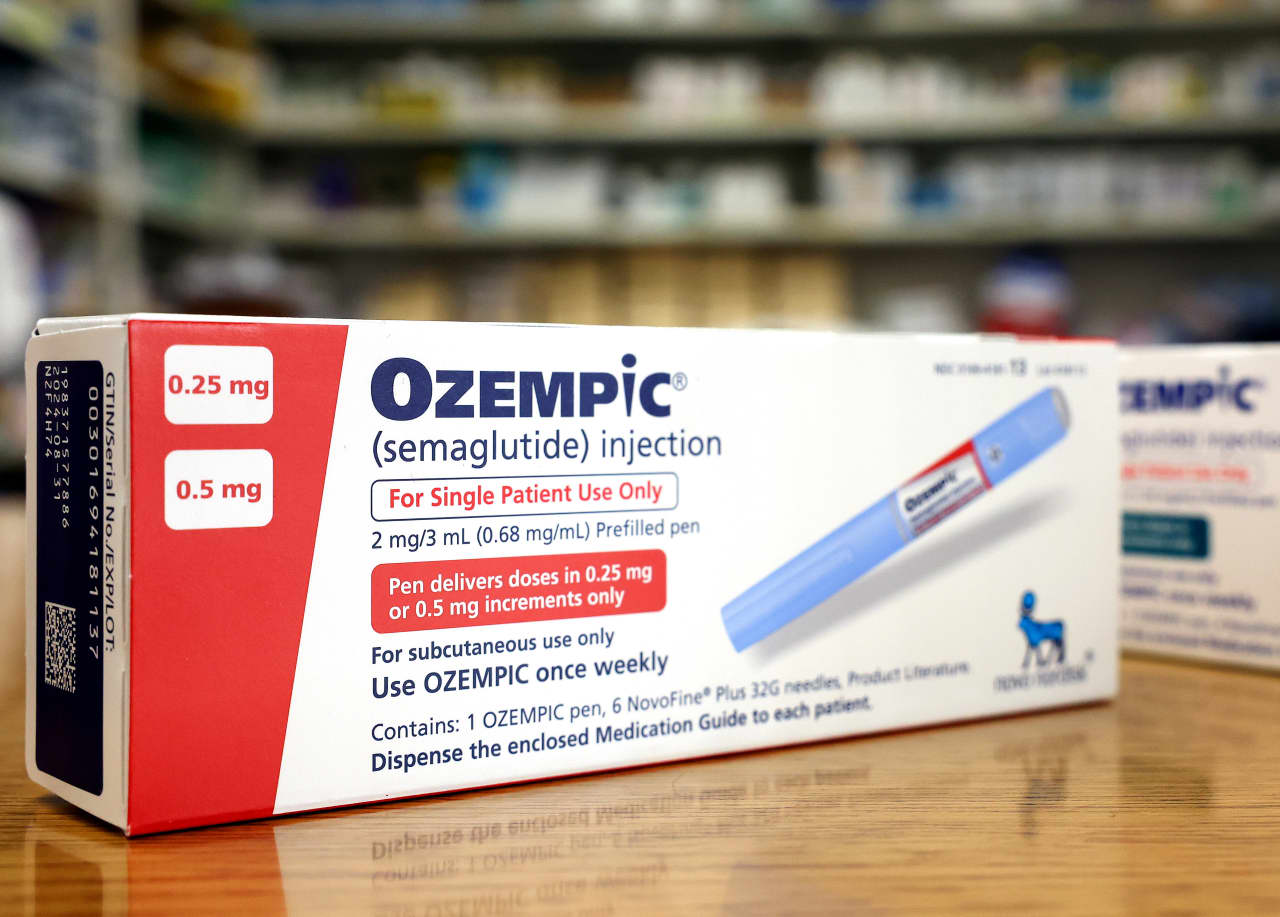
Some research has linked GLP-1 drugs such as Ozempic to a possible increase in the risk of a rare eye disorder that can cause partial or complete vision loss. The article describes a test intended to help assess an individual's risk.
11:01 AMMarketWatch
Urolithin A, a compound produced after the body processes foods such as pomegranates, walnuts and berries, improved heart function in animal models of a difficult-to-treat form of heart failure. It reduced tissue stiffness, scarring and abnormal enlargement, while also improving relaxation in engineered human heart tissue.
6:49 AMScienceDaily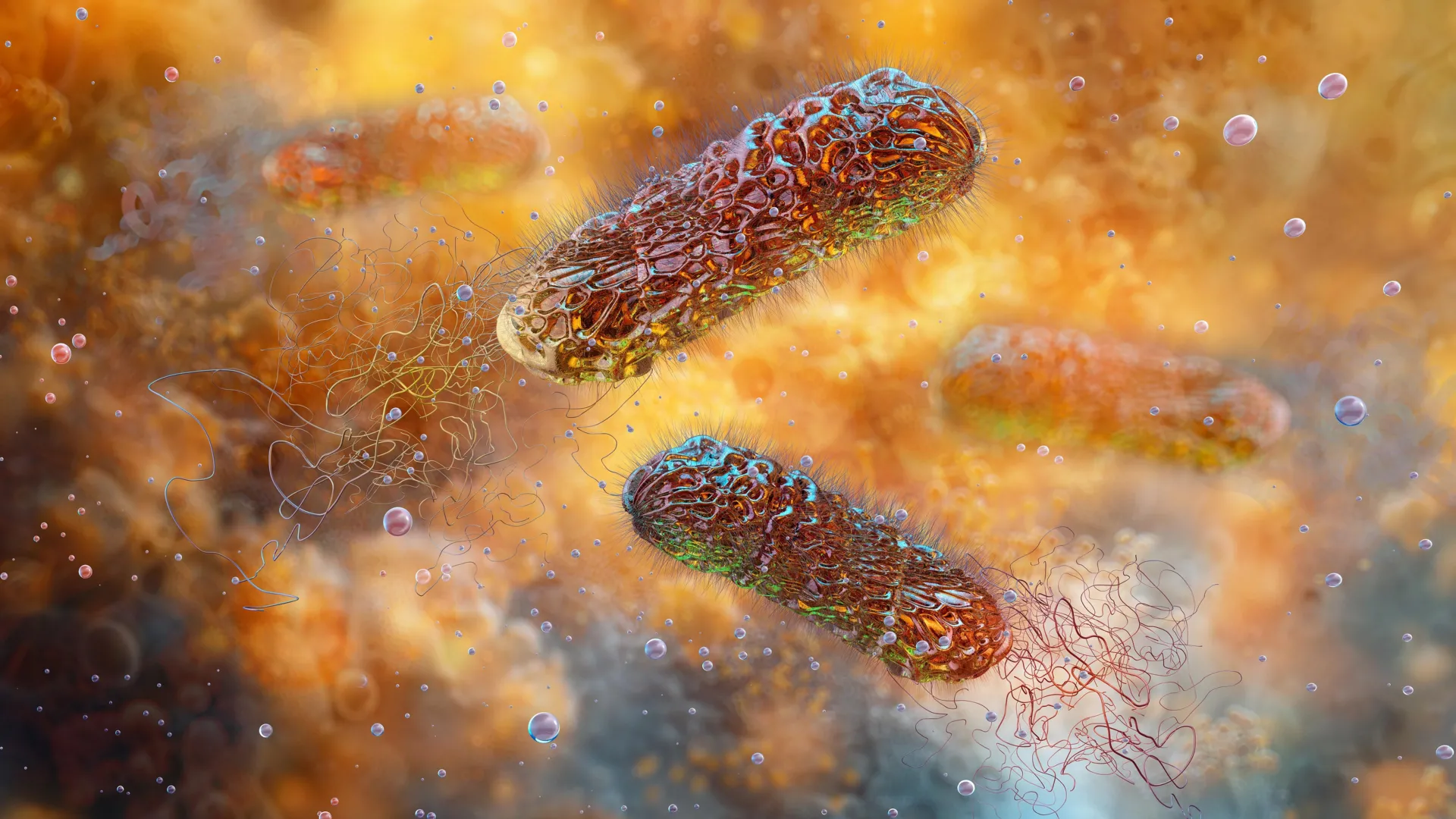
Researchers reconstructed antimicrobial peptides from mammals that lived roughly 160 million years ago and tested them against drug-resistant bacteria. Some performed better than corresponding modern human peptides, offering design clues for new antibiotics.
5:59 AMScienceDaily
Narcan administrations after suspected overdoses in New York state prisons rose 51% last year despite restrictions on physical mail intended to block fentanyl and other drugs. Fatal overdoses also remain well above pre-restriction levels.
5:01 AMThe City
A report found that Rikers Island detainee John Price waited about three and a half hours in a clinic holding area while showing clear signs of medical distress. Jail officers did not tell medical staff that he was experiencing an emergency, and he later died from pneumonia complicated by a MRSA infection.
5:00 AMThe City
Strengthening circadian rhythms improved recovery in mice after stroke by supporting the brain’s waste-clearing system and reducing persistent inflammation. The treatment still worked when started three days after the stroke, a window relevant to longer-term recovery.
4:35 AMScienceDaily
A researcher describes identifying a previously unrecognized structure in the heart through close examination. The discovery is notable because the heart has been studied extensively for centuries.
4:30 AMStat NewsSummary
Gujarat Themis Biosyn has secured private credit funding to finance its acquisition of Japan-based MicroBiopharm Japan. The deal underscores the expanding role of private lenders in funding cross-border healthcare transactions in Asia.
Private credit is becoming a practical alternative to traditional bank financing for Asian drugmakers pursuing
Unlock the full First Pass Analysis to get a better understanding of why this story mattersWhy it matters
Private credit is reshaping how Asian pharmaceutical companies finance international expansion.
Summary
AstraZeneca will invest $2 billion in Summit Therapeutics and collaborate with the cancer drugmaker to develop medicines. Summit shares rose after the agreement was announced.
The investment gives Summit substantial capital and a major pharmaceutical partner while expanding AstraZeneca's access
Unlock the full First Pass Analysis to get a better understanding of why this story mattersWhy it matters
The deal shows how large drugmakers are using strategic investments to secure promising cancer assets before they mature.
Summary
A study of Maui residents found elevated levels of toxic metals months after wildfires, suggesting exposure continued well beyond the initial smoke event. The findings point to a need for extended monitoring of air quality and human health after major fires.
The key shift is that wildfire pollution may remain a long-term exposure problem, not a
Unlock the full First Pass Analysis to get a better understanding of why this story mattersWhy it matters
Wildfire recovery may require months of pollution monitoring, not just immediate smoke alerts.
Summary
The latest health care business developments include sharply rising insurance premiums, a private-equity hospital chain moving to nonprofit status, and renewed attention to the effect of list prices. Together, they point to mounting financial pressure across the health system.
Higher premiums are transferring more costs to employers and patients even as providers face their
Unlock the full First Pass Analysis to get a better understanding of why this story mattersWhy it matters
The pressure is spreading across insurers, hospitals, and patients, leaving fewer parts of the system insulated from rising costs.
Summary
People with diabetes reported better quality of life on days when glucose stayed mostly within a healthy range, even when it fluctuated more than usual. The finding suggests that extremely tight control may impose lifestyle costs that standard glucose measures miss.
The key shift is from treating glucose stability as an absolute goal to weighing it
Unlock the full First Pass Analysis to get a better understanding of why this story mattersWhy it matters
Diabetes care may increasingly measure quality of life alongside glucose metrics when setting treatment goals.
Summary
The FDA approved AbbVie’s once-daily pill for Parkinson’s disease after a late-stage trial found that it improved patients’ symptoms. The approval gives AbbVie a new treatment option in a market with substantial unmet need.
The approval converts positive trial results into a commercial opportunity for AbbVie and expands the
Unlock the full First Pass Analysis to get a better understanding of why this story mattersWhy it matters
A once-daily option could improve treatment access and adherence if its clinical benefit justifies its price.
Summary
Some research has linked GLP-1 drugs such as Ozempic to a possible increase in the risk of a rare eye disorder that can cause partial or complete vision loss. The article describes a test intended to help assess an individual's risk.
The central issue is uncertainty, not a confirmed broad safety signal: the reported condition is
Unlock the full First Pass Analysis to get a better understanding of why this story mattersWhy it matters
The debate could push GLP-1 prescribing toward more explicit eye-risk screening and shared decision-making.
Summary
Urolithin A, a compound produced after the body processes foods such as pomegranates, walnuts and berries, improved heart function in animal models of a difficult-to-treat form of heart failure. It reduced tissue stiffness, scarring and abnormal enlargement, while also improving relaxation in engineered human heart tissue.
The study points to a possible treatment mechanism for heart failure with preserved ejection fraction,
Unlock the full First Pass Analysis to get a better understanding of why this story mattersWhy it matters
A compound that targets cardiac stiffness could expand options for a heart-failure population with limited effective treatments.
Summary
Researchers reconstructed antimicrobial peptides from mammals that lived roughly 160 million years ago and tested them against drug-resistant bacteria. Some performed better than corresponding modern human peptides, offering design clues for new antibiotics.
Evolutionary history is becoming a practical search tool for antimicrobial discovery, not just a source
Unlock the full First Pass Analysis to get a better understanding of why this story mattersWhy it matters
Ancient proteins could provide new starting points as conventional antibiotic discovery struggles to keep pace with resistance.
Summary
Narcan administrations after suspected overdoses in New York state prisons rose 51% last year despite restrictions on physical mail intended to block fentanyl and other drugs. Fatal overdoses also remain well above pre-restriction levels.
The crackdown has not produced the expected decline in overdose incidents, suggesting that drugs may
Unlock the full First Pass Analysis to get a better understanding of why this story mattersWhy it matters
The increase shows that restricting one supply route has not contained the overdose crisis inside New York prisons.
Summary
A report found that Rikers Island detainee John Price waited about three and a half hours in a clinic holding area while showing clear signs of medical distress. Jail officers did not tell medical staff that he was experiencing an emergency, and he later died from pneumonia complicated by a MRSA infection.
The decisive failure was the breakdown in communication between correctional officers and medical staff, which
Unlock the full First Pass Analysis to get a better understanding of why this story mattersWhy it matters
The case shows how basic failures in jail coordination can turn a treatable medical crisis into a death.
Summary
Strengthening circadian rhythms improved recovery in mice after stroke by supporting the brain’s waste-clearing system and reducing persistent inflammation. The treatment still worked when started three days after the stroke, a window relevant to longer-term recovery.
The important finding is that circadian intervention may affect the recovery phase after the initial
Unlock the full First Pass Analysis to get a better understanding of why this story mattersWhy it matters
Circadian therapies could add a low-cost, noninvasive component to post-stroke recovery if the animal results translate.
Summary
A researcher describes identifying a previously unrecognized structure in the heart through close examination. The discovery is notable because the heart has been studied extensively for centuries.
The finding shows that basic anatomy can still produce surprises even in a heavily studied
Unlock the full First Pass Analysis to get a better understanding of why this story mattersWhy it matters
A new heart structure could revise anatomical models and eventually alter how clinicians understand or treat cardiac disease.
Make it yours
Pick your topics, set your cadence, and receive your personalized First Pass in your inbox. It’s that simple!