
Novo Nordisk outlined goals for 2030, but its stock tumbled as investors looking for evidence of a turnaround found the plan unconvincing. The reaction reflects disappointment with the Ozempic maker's recovery prospects.
4:23 PMMarketWatch25 stories from 8 sources
Supporting Articles
Novo Nordisk outlined goals for 2030, but its stock tumbled as investors looking for evidence of a turnaround found the plan unconvincing. The reaction reflects disappointment with the Ozempic maker's recovery prospects.
4:23 PMMarketWatch
About 700,000 Medicare beneficiaries have started GLP-1 medicines since new coverage began in July, according to Eli Lilly's CEO. Lilly drugs account for roughly 70% of those prescriptions.
3:37 PMCNBC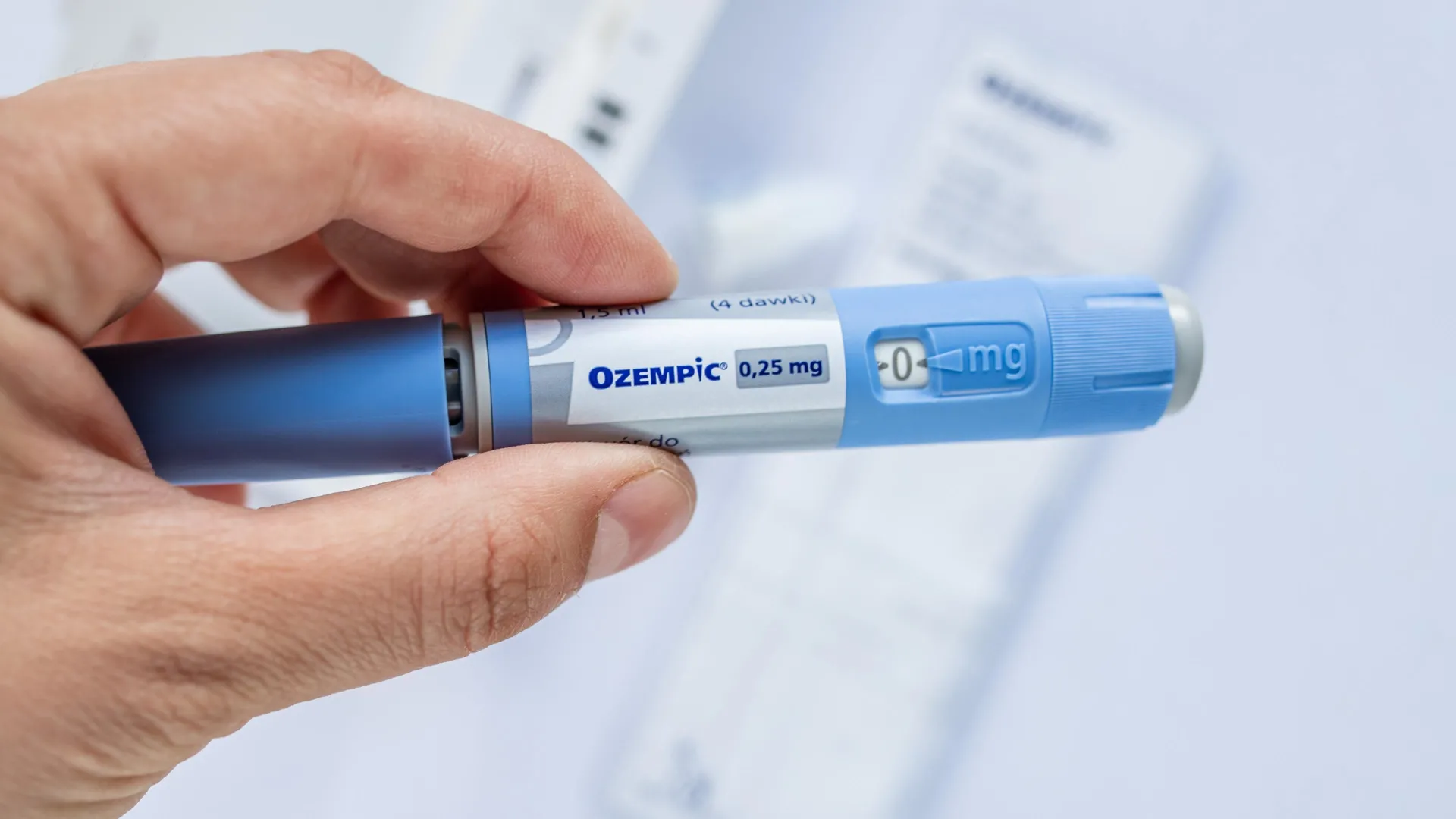
A large study found that people who stopped GLP-1 drugs such as Ozempic, Wegovy, Mounjaro, and Zepbound faced a 22% higher risk of heart attack, stroke, or death over the following two years than those who continued treatment. The findings suggest the drugs' cardiovascular benefits may fade relatively quickly after discontinuation.
9:35 AMScienceDaily
President Trump said he would demand additional action from drug companies on vaccines, repeating claims that have been challenged by established scientific evidence. His comments came after Health Secretary Robert F. Kennedy Jr. said vaccine-concerned parents had a friend in the White House.
8:03 AMStat NewsEli Lilly says Foundayo accounts for roughly one-third of new patients starting GLP-1 pills as the company increases production. Lilly is trying to narrow Novo’s early lead in the oral GLP-1 market.
2:57 PMCNBC
Brain scans suggest that long COVID may affect dopamine-releasing neurons, offering a possible explanation for persistent fatigue, low motivation, slowed movement, and memory problems. The finding points toward treatments that target the brain's dopamine system.
11:48 PMScienceDaily
The medical examiner ruled Elizabeth Baron's death a homicide after she received an NAD+ infusion at a Kingsbridge wellness clinic. The infusion was administered by an unlicensed practitioner.
5:42 PMGothamistSummary
Novo Nordisk outlined goals for 2030, but its stock tumbled as investors looking for evidence of a turnaround found the plan unconvincing. The reaction reflects disappointment with the Ozempic maker's recovery prospects.
The immediate problem is a credibility gap between Novo's future targets and investors' demand for
Unlock the full First Pass Analysis to get a better understanding of why this story mattersWhy it matters
Novo's valuation and strategic flexibility now depend on whether it can turn distant targets into measurable near-term gains.
4 stories · 3 sources
Summary
About 700,000 Medicare beneficiaries have started GLP-1 medicines since new coverage began in July, according to Eli Lilly's CEO. Lilly drugs account for roughly 70% of those prescriptions.
Medicare coverage is rapidly expanding the market for GLP-1 drugs among older adults, while giving
Unlock the full First Pass Analysis to get a better understanding of why this story mattersWhy it matters
Medicare has become a major growth engine for GLP-1 treatment and a central test of its cost to taxpayers.
Summary
A large study found that people who stopped GLP-1 drugs such as Ozempic, Wegovy, Mounjaro, and Zepbound faced a 22% higher risk of heart attack, stroke, or death over the following two years than those who continued treatment. The findings suggest the drugs' cardiovascular benefits may fade relatively quickly after discontinuation.
The key shift is that GLP-1 treatment may function as an ongoing cardiovascular intervention rather
Unlock the full First Pass Analysis to get a better understanding of why this story mattersWhy it matters
The findings could change how doctors counsel patients about the duration, cost, and risks of stopping GLP-1 therapy.
Summary
President Trump said he would demand additional action from drug companies on vaccines, repeating claims that have been challenged by established scientific evidence. His comments came after Health Secretary Robert F. Kennedy Jr. said vaccine-concerned parents had a friend in the White House.
The administration is pairing political support for vaccine skepticism with pressure on manufacturers and regulators.
Unlock the full First Pass Analysis to get a better understanding of why this story mattersWhy it matters
White House messaging can influence vaccine uptake even when it revives claims that scientific evidence does not support.
Summary
Eli Lilly says Foundayo accounts for roughly one-third of new patients starting GLP-1 pills as the company increases production. Lilly is trying to narrow Novo’s early lead in the oral GLP-1 market.
Lilly is gaining traction, but its manufacturing scale remains central to whether that demand converts
Unlock the full First Pass Analysis to get a better understanding of why this story mattersWhy it matters
The oral GLP-1 race is becoming a contest over both clinical demand and manufacturing capacity.
Summary
Brain scans suggest that long COVID may affect dopamine-releasing neurons, offering a possible explanation for persistent fatigue, low motivation, slowed movement, and memory problems. The finding points toward treatments that target the brain's dopamine system.
The important advance is a plausible biological pathway linking long COVID to its cognitive and
Unlock the full First Pass Analysis to get a better understanding of why this story mattersWhy it matters
A validated dopamine pathway could enable more targeted diagnosis and treatment for patients whose long COVID symptoms remain difficult to explain.
Summary
The medical examiner ruled Elizabeth Baron's death a homicide after she received an NAD+ infusion at a Kingsbridge wellness clinic. The infusion was administered by an unlicensed practitioner.
The homicide ruling turns a disputed wellness treatment into a potential criminal case and raises
Unlock the full First Pass Analysis to get a better understanding of why this story mattersWhy it matters
The case exposes the safety gap created when invasive medical treatments are marketed through loosely regulated wellness businesses.
A curated list of other prominent stories from this day.

Stem cell transplants helped mice regenerate brain tissue damaged by stroke, including new neurons, and restored lost motor function. The treatment also improved blood vessels, reduced inflammation, and repaired the blood-brain barrier.
9:49 PMScienceDaily
Members of Congress are opposing a reported plan to give a panel of political appointees authority to approve NIH grants. Critics argue that the arrangement would politicize the agency's research funding decisions.
6:17 PMStat News
Moderna plans to release clinical data on its personalized mRNA cancer vaccine next month. Doctors and analysts are focused on how effectively the treatment works for individual patients.
4:19 PMMarketWatch
Grail’s shares rose after the FDA released documents ahead of an advisory committee meeting on its blood-based cancer detection test. The committee’s assessment could influence the test’s regulatory path and its prospects with patients and investors.
1:58 PMStat News
The FDA approved a new combination treatment from Eli Lilly for patients with advanced breast cancer. The approval adds another treatment option for a population with difficult-to-treat disease.
11:08 AMStat News
The article links chronic inflammation associated with stress, lifestyle, mental health, and socioeconomic conditions to long-term changes in the heart before symptoms appear. People with the highest inflammation levels had a 43% greater risk of heart attack and stroke.
7:35 AMScienceDaily
A heat wave left patients and staff sweltering inside one of Britain’s largest hospitals, exposing how poorly many facilities handle extreme temperatures. Experts say hospitals across the country need urgent adaptation as hotter summers become more common.
7:04 AMThe New York Times
Alkermes reported that its orexin agonist showed potential in an early-stage study involving people with ADHD. The drug works through a different biological pathway than established stimulant treatments, but the early findings do not yet establish its effectiveness or safety.
7:00 AMStat NewsChinese biopharma stocks rose after reports that the U.S. may continue allowing most drug licensing agreements with Chinese companies. The prospect preserves a major route for Chinese firms to commercialize treatments through global partnerships.
4:51 AMCNBC
Experts argue that ClinicalTrials.gov should include a checkbox identifying whether studies accept pregnant or lactating participants. They say the change would make it easier to find trials open to these patients.
4:30 AMStat News
Addiction clinics are reporting more patients who have become dependent on kratom and products containing the potent compound 7-hydroxymitragynine, or 7-OH. The cases include withdrawal requiring clinical care.
4:30 AMStat News
STAT's new trust-in-science reporter, Nicholas Florko, describes his experience searching for explanations and treatments for illness. He uses that perspective to argue for listening to people who distrust or question modern medicine.
4:30 AMStat News
Reed Jobs argues that annual funding for the National Institutes of Health should rise to $100 billion. The case rejects efforts to dismantle or weaken the agency and calls for greater public investment in biomedical research.
4:30 AMStat News
Rutgers is incorporating artificial intelligence into the education of future physicians as it builds a new medical school. The effort reflects both the potential for AI to improve healthcare and the challenges it creates for clinicians, patients, students, and instructors.
4:02 AMPYMNTS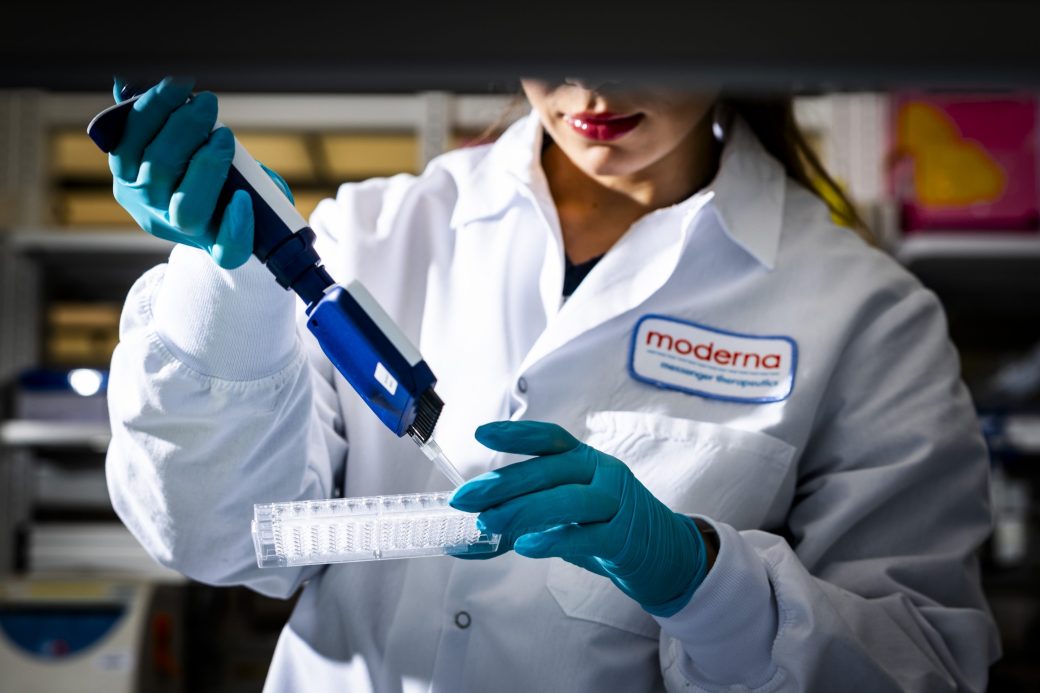
Cellular Intelligence is adding Moderna's Bob Langer and AI researcher Yann LeCun to its board as it develops medical applications for artificial intelligence. The company is testing its models on a Novo Nordisk drug for Parkinson's disease, with OpenAI's Fidji Simo serving in an advisory role.
3:00 AMFortuneSummary
Stem cell transplants helped mice regenerate brain tissue damaged by stroke, including new neurons, and restored lost motor function. The treatment also improved blood vessels, reduced inflammation, and repaired the blood-brain barrier.
The decisive limitation is that the result has only been shown in mice, so it
Unlock the full First Pass Analysis to get a better understanding of why this story mattersWhy it matters
A successful human version could expand stroke treatment from rehabilitation and prevention to biological repair.
Summary
Members of Congress are opposing a reported plan to give a panel of political appointees authority to approve NIH grants. Critics argue that the arrangement would politicize the agency's research funding decisions.
Congressional opposition signals a direct challenge to efforts to move scientific grant review away from
Unlock the full First Pass Analysis to get a better understanding of why this story mattersWhy it matters
Political control over NIH grants could reshape which research receives federal support and weaken scientific independence.
Summary
Moderna plans to release clinical data on its personalized mRNA cancer vaccine next month. Doctors and analysts are focused on how effectively the treatment works for individual patients.
The data will determine whether personalized mRNA vaccination can produce meaningful clinical benefit beyond its
Unlock the full First Pass Analysis to get a better understanding of why this story mattersWhy it matters
The release could provide an important early test of whether personalized mRNA cancer vaccines can move toward routine care.
Summary
Grail’s shares rose after the FDA released documents ahead of an advisory committee meeting on its blood-based cancer detection test. The committee’s assessment could influence the test’s regulatory path and its prospects with patients and investors.
The vote will test how regulators weigh evidence for screening tools that aim to detect
Unlock the full First Pass Analysis to get a better understanding of why this story mattersWhy it matters
The decision could help define the regulatory standard for blood tests that promise earlier cancer detection.
Summary
The FDA approved a new combination treatment from Eli Lilly for patients with advanced breast cancer. The approval adds another treatment option for a population with difficult-to-treat disease.
The approval expands Lilly’s oncology portfolio and gives clinicians another regimen to weigh against existing
Unlock the full First Pass Analysis to get a better understanding of why this story mattersWhy it matters
Patients with advanced breast cancer gain a new option as drugmakers compete to improve outcomes in later-line treatment.
Summary
The article links chronic inflammation associated with stress, lifestyle, mental health, and socioeconomic conditions to long-term changes in the heart before symptoms appear. People with the highest inflammation levels had a 43% greater risk of heart attack and stroke.
The key change is a stronger case for treating inflammation as an early cardiovascular risk
Unlock the full First Pass Analysis to get a better understanding of why this story mattersWhy it matters
The findings could expand heart-disease prevention beyond cholesterol and blood pressure to include chronic inflammatory burden.
Summary
A heat wave left patients and staff sweltering inside one of Britain’s largest hospitals, exposing how poorly many facilities handle extreme temperatures. Experts say hospitals across the country need urgent adaptation as hotter summers become more common.
Britain’s hospitals lack the cooling systems, building design, and operating plans needed to protect patients
Unlock the full First Pass Analysis to get a better understanding of why this story mattersWhy it matters
More frequent heat extremes could turn inadequate hospital infrastructure into a direct threat to patient safety and service capacity.
Summary
Alkermes reported that its orexin agonist showed potential in an early-stage study involving people with ADHD. The drug works through a different biological pathway than established stimulant treatments, but the early findings do not yet establish its effectiveness or safety.
The trial offers an initial signal for a nontraditional ADHD treatment, but the evidence remains
Unlock the full First Pass Analysis to get a better understanding of why this story mattersWhy it matters
A successful orexin-based therapy could expand options for patients who do not respond to or cannot take existing ADHD medicines.
Summary
Chinese biopharma stocks rose after reports that the U.S. may continue allowing most drug licensing agreements with Chinese companies. The prospect preserves a major route for Chinese firms to commercialize treatments through global partnerships.
The possible policy shift reduces the immediate threat of a broad U.S. crackdown on Chinese
Unlock the full First Pass Analysis to get a better understanding of why this story mattersWhy it matters
Keeping licensing channels open could sustain cross-border drug development even as broader U.S.-China tensions intensify.
Summary
Experts argue that ClinicalTrials.gov should include a checkbox identifying whether studies accept pregnant or lactating participants. They say the change would make it easier to find trials open to these patients.
The proposed checkbox addresses a basic information failure that can exclude pregnant and lactating patients
Unlock the full First Pass Analysis to get a better understanding of why this story mattersWhy it matters
Clearer trial information could reduce a longstanding evidence gap in medication use during pregnancy and lactation.
Summary
Addiction clinics are reporting more patients who have become dependent on kratom and products containing the potent compound 7-hydroxymitragynine, or 7-OH. The cases include withdrawal requiring clinical care.
The rise in treatment demand exposes a gap between the availability of these products and
Unlock the full First Pass Analysis to get a better understanding of why this story mattersWhy it matters
Growing dependence could create a wider addiction burden before patients, doctors, and policymakers have reliable tools to respond.
Summary
STAT's new trust-in-science reporter, Nicholas Florko, describes his experience searching for explanations and treatments for illness. He uses that perspective to argue for listening to people who distrust or question modern medicine.
The approach treats distrust as a problem of experience and communication, not simply a failure
Unlock the full First Pass Analysis to get a better understanding of why this story mattersWhy it matters
Trust affects whether patients accept medical advice, making listening a practical part of public health rather than a rhetorical exercise.
Summary
Reed Jobs argues that annual funding for the National Institutes of Health should rise to $100 billion. The case rejects efforts to dismantle or weaken the agency and calls for greater public investment in biomedical research.
The proposal reframes the NIH debate around expansion rather than retrenchment, putting the scale of
Unlock the full First Pass Analysis to get a better understanding of why this story mattersWhy it matters
The NIH's budget shapes the pace of basic science, drug development, and the research capacity of universities and biotechnology companies.
Summary
Rutgers is incorporating artificial intelligence into the education of future physicians as it builds a new medical school. The effort reflects both the potential for AI to improve healthcare and the challenges it creates for clinicians, patients, students, and instructors.
The key change is that AI training is entering medical education before many standards for
Unlock the full First Pass Analysis to get a better understanding of why this story mattersWhy it matters
Medical schools that shape AI habits early could influence how safely the next generation uses these systems in patient care.
Summary
Cellular Intelligence is adding Moderna's Bob Langer and AI researcher Yann LeCun to its board as it develops medical applications for artificial intelligence. The company is testing its models on a Novo Nordisk drug for Parkinson's disease, with OpenAI's Fidji Simo serving in an advisory role.
The appointments give the company expertise spanning drug development, AI research, and technology operations, but
Unlock the full First Pass Analysis to get a better understanding of why this story mattersWhy it matters
The effort represents a shift from using AI to discover molecules toward using it to find new value in medicines that already exist.
Make it yours
Pick your topics, set your cadence, and receive your personalized First Pass in your inbox. It’s that simple!

