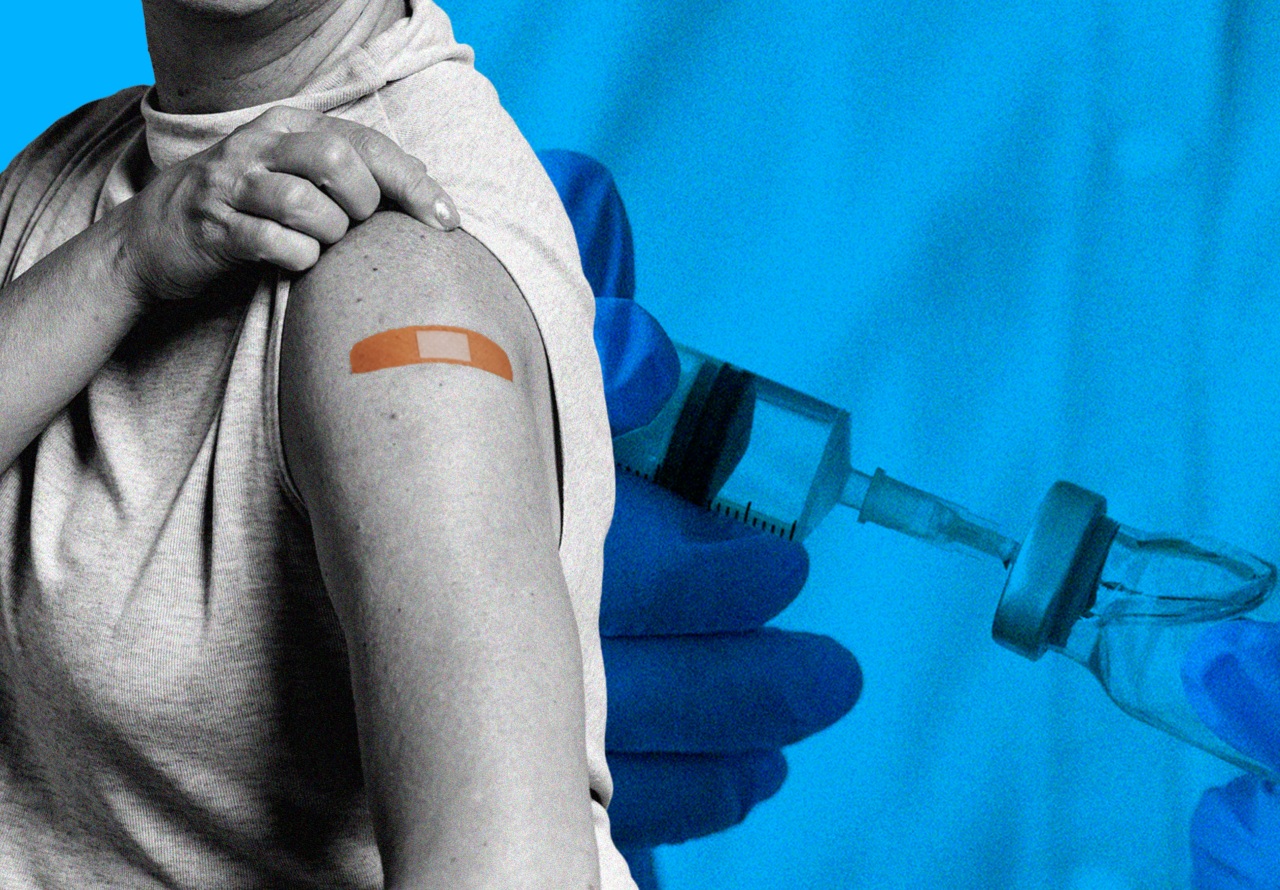
A Medicare pilot that uses artificial intelligence to review and approve care has produced high denial rates and delayed decisions. A vendor warned that the program was not ready, according to a lawsuit seeking records about its operation.
7:09 PMMarketWatch20 stories from 8 sources
Healthcare access and oversight lag behind medical innovation
Day’s Recap
Supporting Articles

Major pharmaceutical companies are increasingly looking to China for promising drugs that could become blockbuster treatments. The shift reflects the growing strength of Chinese biotech and the need for large drugmakers to replenish aging pipelines.
3:28 PMBloomberg Markets
GSK secured global rights to a multiple myeloma treatment developed in China as it continues to expand its drug pipeline. The deal reflects growing interest among major pharmaceutical companies in licensing promising assets from Chinese developers.
9:29 AMStat News
An inquiry found that the UK hospital where Lucy Letby worked failed to protect babies and concealed concerns about her conduct during secret reviews. Parents were not told about the suspicions surrounding the deaths and collapses of their children.
11:58 AMAl Jazeera
Pennsylvania officials reported a fourth measles-associated death in the past month, involving an unvaccinated 18-year-old. The death adds to the toll from a continuing outbreak.
2:43 PMStat News
Vera's Trutakna produced positive final Phase 3 results in patients with IgA nephropathy, stabilizing kidney function and reducing the risk of death and other complications.
6:30 AMStat NewsMedicare is using AI to approve claims. The result has been ‘alarmingly high denial rates.’
Summary
A Medicare pilot that uses artificial intelligence to review and approve care has produced high denial rates and delayed decisions. A vendor warned that the program was not ready, according to a lawsuit seeking records about its operation.
The pilot is shifting AI from an administrative experiment into a barrier to care, with
Unlock the full First Pass Analysis to get a better understanding of why this story mattersWhy it matters
Automated prior authorization can scale coverage denials faster than patients, doctors, and regulators can challenge them.
3 stories · 2 sources

Big Pharma Needs New Drugs. China Has Them
Summary
Major pharmaceutical companies are increasingly looking to China for promising drugs that could become blockbuster treatments. The shift reflects the growing strength of Chinese biotech and the need for large drugmakers to replenish aging pipelines.
China is becoming a source of innovation and acquisition targets, not just a manufacturing base.
Unlock the full First Pass Analysis to get a better understanding of why this story mattersWhy it matters
The next wave of major medicines may depend on whether Western drugmakers can access and scale discoveries originating in China.

STAT+: Pharmalittle: We’re reading about a GSK deal for a drug from China, job losses in the U.S., and more
Summary
GSK secured global rights to a multiple myeloma treatment developed in China as it continues to expand its drug pipeline. The deal reflects growing interest among major pharmaceutical companies in licensing promising assets from Chinese developers.
GSK is using external deals to add late-stage or differentiated medicines without relying solely on
Unlock the full First Pass Analysis to get a better understanding of why this story mattersWhy it matters
More cross-border licensing could speed global development of Chinese-discovered drugs and increase competition for promising oncology assets.

Lucy Letby inquiry blames UK hospital for failure to protect babies
Summary
An inquiry found that the UK hospital where Lucy Letby worked failed to protect babies and concealed concerns about her conduct during secret reviews. Parents were not told about the suspicions surrounding the deaths and collapses of their children.
The inquiry assigns responsibility beyond Letby to hospital leaders who suppressed warning signs and denied
Unlock the full First Pass Analysis to get a better understanding of why this story mattersWhy it matters
The report exposes how institutional secrecy can allow clinical risks to persist and prevent families from protecting themselves.

A fourth measles death is reported in Pennsylvania
Summary
Pennsylvania officials reported a fourth measles-associated death in the past month, involving an unvaccinated 18-year-old. The death adds to the toll from a continuing outbreak.
The latest death shows that measles transmission is producing severe outcomes among unvaccinated people, not
Unlock the full First Pass Analysis to get a better understanding of why this story mattersWhy it matters
The death raises the cost of declining measles vaccination and puts renewed pressure on public health authorities to close immunity gaps.

STAT+: Vera kidney drug Trutakna shows strong final results in Phase 3 trial
Summary
Vera's Trutakna produced positive final Phase 3 results in patients with IgA nephropathy, stabilizing kidney function and reducing the risk of death and other complications.
The results strengthen the drug's case as a potential treatment for IgA nephropathy, a disease
Unlock the full First Pass Analysis to get a better understanding of why this story mattersWhy it matters
A therapy that slows kidney decline and lowers serious complications could change treatment for patients with IgA nephropathy.
Other Developments
A curated list of other prominent stories from this day.

Ted Okon argues that even a medical cure for cancer would not ensure that every US patient could receive treatment.
10:52 PMAl Jazeera
A four-week dietary intervention in older adults was associated with lower biological-age measurements. The largest change occurred among participants who ate an omnivorous diet lower in fat and higher in carbohydrates.
9:35 PMScienceDailyA growing body of research links Shingrix vaccination with lower risks of heart disease and delayed dementia, though the evidence does not yet establish that the vaccine directly causes those benefits. The strongest established use remains prevention of shingles and its complications.
11:01 AMMarketWatch
Phil Knight will donate $1.1 billion to Providence St. Vincent Medical Center in Oregon. The gift will fund an all-women's hospital and expand cardiovascular care statewide.
11:00 AMCNBC
Robert F. Kennedy Jr. is set to keynote an event hosted by Children's Health Defense, the organization associated with his vaccine skepticism and public-health activism. Separately, hospitals are criticizing the Republican rural health fund as insufficient for the financial pressures they face.
10:55 AMStat News
Medicare is expanding a recently launched pilot that pays for technology designed to help people manage chronic conditions. The program tests whether digital tools can support care outside traditional clinical settings.
10:28 AMStat News
The FDA is accepting applications for a pilot intended to shorten drug approval timelines. The effort is also framed as a way to improve the United States' competitiveness with countries including China and Australia.
10:00 AMStat News
Drugmakers are testing obesity treatments in children as young as six, as the field moves toward earlier intervention. The biotech roundup also covers Vera's effort to win approval for a kidney drug and early data from Syntis Bio.
9:50 AMStat News
Olivia and Tom Walton are committing $100 million to address the U.S. maternal mortality crisis. They view the contribution as seed money intended to attract additional funding from states and other donors.
9:08 AMFortuneHealth officials will hold a Bronx town hall Tuesday to answer residents' questions about the Legionnaires' outbreak. The meeting comes as the community seeks more information about the outbreak and the public-health response.
8:45 AMGothamist
Berenberg upgraded the pharmaceutical stock to buy from hold, arguing that the maker of Mounjaro still has room to benefit from the expanding GLP-1 market.
7:20 AMCNBC
New World screwworm, a flesh-eating parasite that was eradicated in the United States decades ago, is spreading north and threatening livestock, wildlife, pets and potentially people. Researchers are developing a tracking system to predict its movement as officials rebuild an eradication campaign.
6:39 AMScienceDaily
Is US health care too broken to cure cancer?
Summary
Ted Okon argues that even a medical cure for cancer would not ensure that every US patient could receive treatment.
The central constraint is access, not only scientific progress. Patients facing high costs, limited coverage,
Unlock the full First Pass Analysis to get a better understanding of why this story mattersWhy it matters
A cure would have limited public-health impact if the healthcare system could not deliver it broadly.

Scientists reversed biological age in older adults in just 4 weeks
Summary
A four-week dietary intervention in older adults was associated with lower biological-age measurements. The largest change occurred among participants who ate an omnivorous diet lower in fat and higher in carbohydrates.
The key shift is in biological markers, not proven changes in lifespan, disease risk, or
Unlock the full First Pass Analysis to get a better understanding of why this story mattersWhy it matters
The findings suggest that dietary changes could affect aging-related biology quickly, while longer studies must show whether those changes translate into better health.
Is the shingles vaccine the secret to living longer and delaying dementia? Here’s what the science says.
Summary
A growing body of research links Shingrix vaccination with lower risks of heart disease and delayed dementia, though the evidence does not yet establish that the vaccine directly causes those benefits. The strongest established use remains prevention of shingles and its complications.
The important shift is that researchers are examining possible effects of shingles vaccination beyond infection
Unlock the full First Pass Analysis to get a better understanding of why this story mattersWhy it matters
If confirmed, broader benefits could make shingles vaccination an important tool in healthy aging, but the claim remains provisional.

Nike co-founder Phil Knight to donate $1.1 billion to Oregon medical center
Summary
Phil Knight will donate $1.1 billion to Providence St. Vincent Medical Center in Oregon. The gift will fund an all-women's hospital and expand cardiovascular care statewide.
The donation could materially reshape specialty care in Oregon by adding dedicated capacity for women's
Unlock the full First Pass Analysis to get a better understanding of why this story mattersWhy it matters
A private donation of this scale can redirect regional healthcare capacity toward two high-demand areas.

STAT+: RFK Jr. returns to his roots
Summary
Robert F. Kennedy Jr. is set to keynote an event hosted by Children's Health Defense, the organization associated with his vaccine skepticism and public-health activism. Separately, hospitals are criticizing the Republican rural health fund as insufficient for the financial pressures they face.
Kennedy's appearance reconnects him with the activist network that shaped his public profile while he
Unlock the full First Pass Analysis to get a better understanding of why this story mattersWhy it matters
The two developments underscore the gap between health-policy messaging and the resources needed to sustain care in vulnerable communities.

STAT+: Medicare to expand its pilot that pays for technology to manage chronic diseases
Summary
Medicare is expanding a recently launched pilot that pays for technology designed to help people manage chronic conditions. The program tests whether digital tools can support care outside traditional clinical settings.
Expansion means the initial experiment produced enough promise, or policy value, to justify broader testing.
Unlock the full First Pass Analysis to get a better understanding of why this story mattersWhy it matters
A successful pilot could create a new Medicare payment pathway for digital chronic-care services and accelerate adoption across the health system.

STAT+: FDA takes applications for new program to shorten drug approval times
Summary
The FDA is accepting applications for a pilot intended to shorten drug approval timelines. The effort is also framed as a way to improve the United States' competitiveness with countries including China and Australia.
The FDA is prioritizing regulatory speed as a competitiveness issue, not only as an administrative
Unlock the full First Pass Analysis to get a better understanding of why this story mattersWhy it matters
The pilot could reshape how quickly new medicines reach the market while testing the limits of speed-focused regulation.

STAT+: Obesity drugmakers are testing in kids as young as 6
Summary
Drugmakers are testing obesity treatments in children as young as six, as the field moves toward earlier intervention. The biotech roundup also covers Vera's effort to win approval for a kidney drug and early data from Syntis Bio.
Pediatric trials show that obesity-drug developers are moving to capture patients earlier, potentially expanding treatment
Unlock the full First Pass Analysis to get a better understanding of why this story mattersWhy it matters
Earlier use could widen the benefits of obesity medicines, but it also raises the stakes of exposing children to long-term therapies.

Walmart heirs Olivia and Tom Walton are committing $100 million to America’s maternal death crisis—and betting states and donors will pour in more
Summary
Olivia and Tom Walton are committing $100 million to address the U.S. maternal mortality crisis. They view the contribution as seed money intended to attract additional funding from states and other donors.
The decisive shift is the move from private philanthropy alone toward a leveraged funding model
Unlock the full First Pass Analysis to get a better understanding of why this story mattersWhy it matters
A $100 million pledge could matter less as a standalone donation than as a test of whether private capital can spur a broader, durable response to maternal deaths.
What we know so far about the Legionnaires’ outbreak ahead of Bronx town hall
Summary
Health officials will hold a Bronx town hall Tuesday to answer residents' questions about the Legionnaires' outbreak. The meeting comes as the community seeks more information about the outbreak and the public-health response.
The town hall creates a public test for officials on what they know about the
Unlock the full First Pass Analysis to get a better understanding of why this story mattersWhy it matters
Clear answers could determine whether residents trust the city's response and follow public-health guidance.

Mounjaro's maker has more room to run amid GLP-1 boom, Berenberg says
Summary
Berenberg upgraded the pharmaceutical stock to buy from hold, arguing that the maker of Mounjaro still has room to benefit from the expanding GLP-1 market.
The upgrade signals that expected demand and earnings growth may outweigh concerns about the stock's
Unlock the full First Pass Analysis to get a better understanding of why this story mattersWhy it matters
Investor expectations for GLP-1 growth remain strong enough to support additional upside for leading drugmakers.

The U.S. Eradicated this flesh-eating parasite. Now it’s back
Summary
New World screwworm, a flesh-eating parasite that was eradicated in the United States decades ago, is spreading north and threatening livestock, wildlife, pets and potentially people. Researchers are developing a tracking system to predict its movement as officials rebuild an eradication campaign.
The decisive shift is the parasite’s reentry into U.S. territory, which turns a previously contained
Unlock the full First Pass Analysis to get a better understanding of why this story mattersWhy it matters
A localized outbreak could become a costly threat to food production, animal health and rural economies.
Make it yours
Build Your First Pass.
Pick your topics, set your cadence, and receive your personalized First Pass in your inbox. It’s that simple!