
More than 6,000 Ebola cases have been confirmed in the Democratic Republic of the Congo, with deaths approaching 3,000. The outbreak is spreading rapidly as the country struggles to contain infections.
12:24 PMAl Jazeera20 stories from 7 sources
Supporting Articles
More than 6,000 Ebola cases have been confirmed in the Democratic Republic of the Congo, with deaths approaching 3,000. The outbreak is spreading rapidly as the country struggles to contain infections.
12:24 PMAl Jazeera
Trump is expected to announce agreements with nearly a dozen drugmakers as his administration pushes to tie U.S. drug prices to lower prices abroad. The deals would extend the administration's effort to reduce medication costs.
4:20 PMCNBCEli Lilly plans to acquire Merida Biosciences for up to $2.88 billion in cash, adding autoimmune and allergy treatments to a portfolio dominated by diabetes and weight-loss drugs. The deal is part of more than $20 billion in acquisitions Lilly has announced in 2026, focused largely on earlier-stage medicines.
1:07 PMBloomberg Markets
Cigna is expanding AI tools that identify members who may need support before conditions worsen, including cancer, heart disease, and kidney disease. The insurer says the expansion will reach 20% more customers and could reduce medical costs by about $200 million over three years.
3:00 PMPYMNTS
Clinical success with a personalized mRNA vaccine for melanoma has renewed confidence in the technology after a difficult period. Researchers hope the result can support more durable progress in other medical applications.
4:30 AMStat NewsSummary
More than 6,000 Ebola cases have been confirmed in the Democratic Republic of the Congo, with deaths approaching 3,000. The outbreak is spreading rapidly as the country struggles to contain infections.
The scale and speed of transmission point to a response crisis, not merely a rising
Unlock the full First Pass Analysis to get a better understanding of why this story mattersWhy it matters
A rapidly expanding Ebola outbreak threatens to overwhelm local health systems and increase regional transmission risk.
Summary
Trump is expected to announce agreements with nearly a dozen drugmakers as his administration pushes to tie U.S. drug prices to lower prices abroad. The deals would extend the administration's effort to reduce medication costs.
The agreements would shift the administration's drug-pricing campaign from broad demands toward company-specific commitments. Their
Unlock the full First Pass Analysis to get a better understanding of why this story mattersWhy it matters
The announcements could give Trump a concrete affordability win while testing whether negotiated deals can change U.S. prices at scale.
2 stories · 2 sources
Summary
Eli Lilly plans to acquire Merida Biosciences for up to $2.88 billion in cash, adding autoimmune and allergy treatments to a portfolio dominated by diabetes and weight-loss drugs. The deal is part of more than $20 billion in acquisitions Lilly has announced in 2026, focused largely on earlier-stage medicines.
Lilly is using Zepbound and Mounjaro cash flows to reduce its dependence on a narrow
Unlock the full First Pass Analysis to get a better understanding of why this story mattersWhy it matters
The acquisition shows how obesity-drug profits are reshaping pharmaceutical dealmaking and funding a broader race for the next blockbuster.
2 stories · 2 sources
Summary
Cigna is expanding AI tools that identify members who may need support before conditions worsen, including cancer, heart disease, and kidney disease. The insurer says the expansion will reach 20% more customers and could reduce medical costs by about $200 million over three years.
Cigna is using AI to move intervention upstream, making risk detection and care management a
Unlock the full First Pass Analysis to get a better understanding of why this story mattersWhy it matters
If the program works, insurers could use predictive models to shift spending from late-stage treatment toward earlier, lower-cost care.
Summary
Clinical success with a personalized mRNA vaccine for melanoma has renewed confidence in the technology after a difficult period. Researchers hope the result can support more durable progress in other medical applications.
The melanoma result gives mRNA a concrete clinical win, but it does not erase the
Unlock the full First Pass Analysis to get a better understanding of why this story mattersWhy it matters
One strong result could restore investment and credibility, but mRNA's recovery still depends on reproducible results across diseases.
A curated list of other prominent stories from this day.

New migraine-prevention guidelines address a growing range of available treatments. Their release reflects how preventive care has expanded beyond the older set of therapeutic options.
4:00 PMStat News
A patent dispute involving Amgen is testing whether acquiring a pending drug patent application can amount to an effort to extend market exclusivity. The case could shape how regulators and courts evaluate pharmaceutical patent transactions more broadly.
11:56 AMStat News
The article examines how widespread demand for GLP-1 medicines is forcing employers to reassess health benefits and coverage decisions. The broader discussion also touches on litigation involving CVS Health and the potential effects of Medicaid cuts.
11:27 AMStat News
A study found that people who catch up on sleep during weekends had a lower risk of hypertension. The finding adds to evidence linking sleep duration and regularity with cardiovascular health.
10:01 AMAl Jazeera
Scientists developed an injectable gel that stays in arthritic joints for weeks, gradually releasing medication while improving lubrication. The platform is designed to deliver disease-modifying treatments locally rather than exposing the whole body.
9:52 AMScienceDaily
Researchers found that waist measurement can identify unhealthy body-fat levels nearly as effectively as more complex assessments. BMI alone missed many people who met the researchers' criteria for obesity.
9:43 AMScienceDaily
The newsletter roundup covers recent pharmaceutical developments, including drug-pricing agreements and approval of a new cancer therapy. It also surveys additional headlines shaping the drug industry.
9:03 AMStat News
The roundup considers whether a pregnancy-related hormone could guide cardiovascular treatment and also covers caution around radiopharmaceuticals and skepticism about mRNA technologies. It presents these as part of a broader set of biotechnology developments.
8:48 AMStat News
The report assesses notable results from a major cardiology meeting, including one apparent success, one setback, and an encouraging mid-stage finding. It also covers developments in mental health care and radiopharmaceutical research.
8:25 AMStat News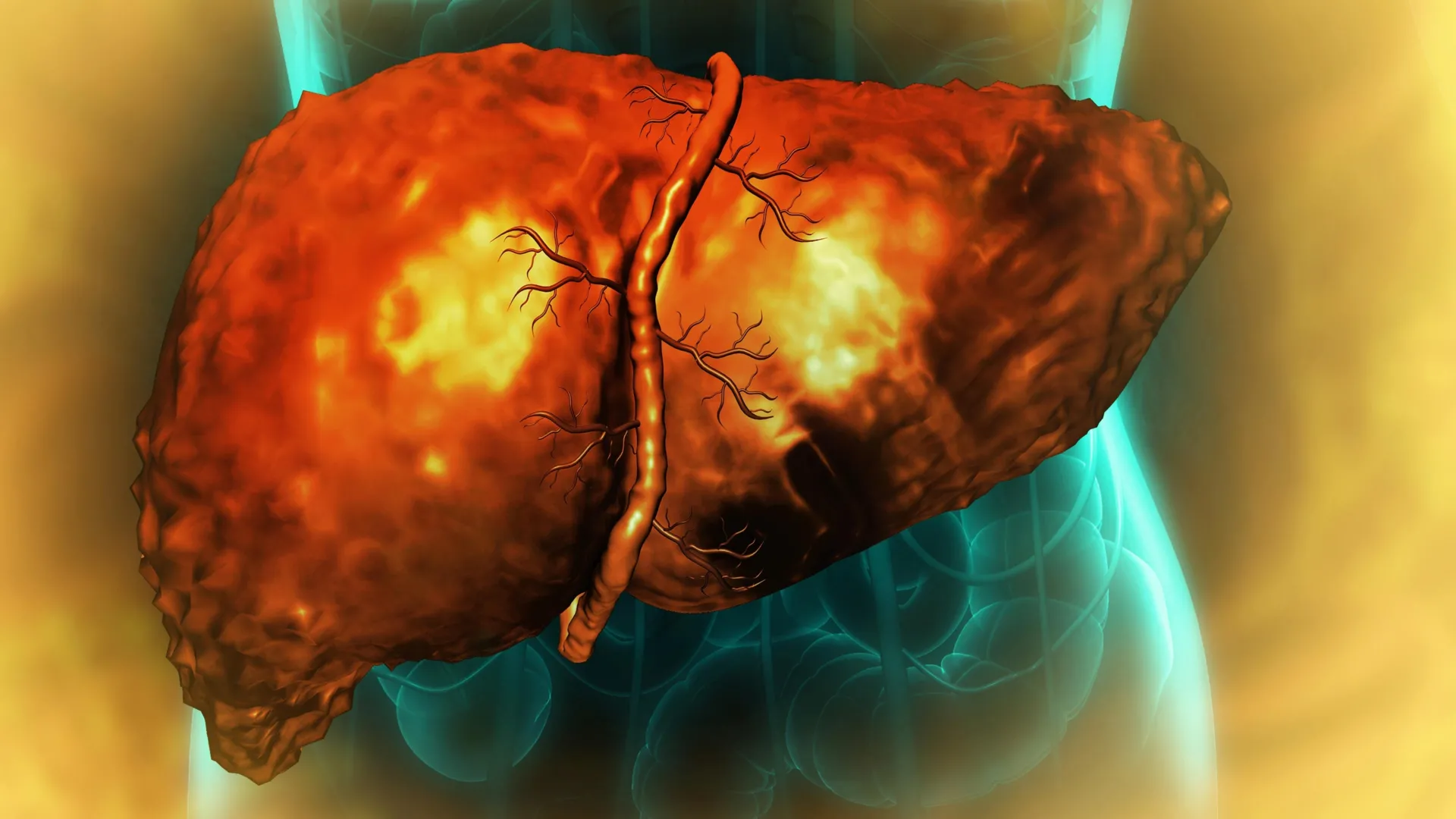
Researchers found that alcohol-related liver disease can leave damaged liver cells stuck in a regenerative state, even after alcohol cessation. They linked this failure to inflammation-driven RNA errors and identified a pathway that could potentially be targeted to restore liver repair.
6:43 AMScienceDaily
Aurobindo Pharma shares rose more than 3% after its subsidiary Lannett launched a generic version of Advair Diskus in the United States in two strengths. The product is the first commercialized medicine from Aurobindo's inhalation pipeline, while the stock had gained 41.16% year to date in 2026.
6:42 AMEconomic Times
The latest study quantifies the prevalence of chronic traumatic encephalopathy in football players but does not expose a new problem, argues historian Emily Harrison. The findings reinforce longstanding evidence linking repeated head impacts to brain injury.
4:30 AMStat News
Researchers see substantial potential in radiopharmaceuticals, which deliver radiation to cancer cells, but argue that current treatment strategies may be too cautious. A group of specialists is exploring how to use the approach more aggressively.
4:30 AMStat NewsSummary
New migraine-prevention guidelines address a growing range of available treatments. Their release reflects how preventive care has expanded beyond the older set of therapeutic options.
The expanding treatment menu makes prevention more flexible but also puts greater weight on matching
Unlock the full First Pass Analysis to get a better understanding of why this story mattersWhy it matters
More migraine treatments can improve control, but only if patients and clinicians can navigate the added complexity.
Summary
A patent dispute involving Amgen is testing whether acquiring a pending drug patent application can amount to an effort to extend market exclusivity. The case could shape how regulators and courts evaluate pharmaceutical patent transactions more broadly.
The central issue is whether a patent purchase represents legitimate control of intellectual property or
Unlock the full First Pass Analysis to get a better understanding of why this story mattersWhy it matters
The case could affect both generic entry timelines and the value of patent deals across the pharmaceutical industry.
Summary
The article examines how widespread demand for GLP-1 medicines is forcing employers to reassess health benefits and coverage decisions. The broader discussion also touches on litigation involving CVS Health and the potential effects of Medicaid cuts.
GLP-1 coverage is turning a pharmacy benefit into a major workforce cost and retention decision,
Unlock the full First Pass Analysis to get a better understanding of why this story mattersWhy it matters
GLP-1 drugs are shifting healthcare cost decisions from insurers and doctors into corporate compensation strategy.
Summary
A study found that people who catch up on sleep during weekends had a lower risk of hypertension. The finding adds to evidence linking sleep duration and regularity with cardiovascular health.
The important signal is that weekend recovery sleep may partly offset the effects of insufficient
Unlock the full First Pass Analysis to get a better understanding of why this story mattersWhy it matters
Sleep timing and duration may be modifiable factors in reducing hypertension risk.
Summary
Scientists developed an injectable gel that stays in arthritic joints for weeks, gradually releasing medication while improving lubrication. The platform is designed to deliver disease-modifying treatments locally rather than exposing the whole body.
The key shift is sustained, targeted drug delivery from a single injection instead of repeated
Unlock the full First Pass Analysis to get a better understanding of why this story mattersWhy it matters
A longer-lasting joint treatment could make osteoarthritis care more practical and potentially more effective.
Summary
Researchers found that waist measurement can identify unhealthy body-fat levels nearly as effectively as more complex assessments. BMI alone missed many people who met the researchers' criteria for obesity.
The decisive finding is that BMI can understate risk when it ignores where body fat
Unlock the full First Pass Analysis to get a better understanding of why this story mattersWhy it matters
A simple measurement could improve obesity screening and expose health risks that BMI overlooks.
Summary
The newsletter roundup covers recent pharmaceutical developments, including drug-pricing agreements and approval of a new cancer therapy. It also surveys additional headlines shaping the drug industry.
The main signal is the continued overlap between access policy and clinical innovation: pricing agreements
Unlock the full First Pass Analysis to get a better understanding of why this story mattersWhy it matters
Drug policy and drug development are moving together, making both price and clinical value central to patient access.
Summary
The roundup considers whether a pregnancy-related hormone could guide cardiovascular treatment and also covers caution around radiopharmaceuticals and skepticism about mRNA technologies. It presents these as part of a broader set of biotechnology developments.
The defining issue is whether a biological signal associated with pregnancy can be translated into
Unlock the full First Pass Analysis to get a better understanding of why this story mattersWhy it matters
The research could open a new therapeutic path, but biological plausibility alone will not establish cardiovascular benefit.
Summary
The report assesses notable results from a major cardiology meeting, including one apparent success, one setback, and an encouraging mid-stage finding. It also covers developments in mental health care and radiopharmaceutical research.
The conference's value lies in separating promising signals from evidence that is ready to change
Unlock the full First Pass Analysis to get a better understanding of why this story mattersWhy it matters
Early cardiology results can reshape research priorities well before they alter treatment guidelines.
Summary
Researchers found that alcohol-related liver disease can leave damaged liver cells stuck in a regenerative state, even after alcohol cessation. They linked this failure to inflammation-driven RNA errors and identified a pathway that could potentially be targeted to restore liver repair.
The decisive finding is that stopping alcohol may remove the ongoing injury without fully restoring
Unlock the full First Pass Analysis to get a better understanding of why this story mattersWhy it matters
The work points toward therapies that could improve recovery after abstinence rather than relying on alcohol cessation alone.
Summary
Aurobindo Pharma shares rose more than 3% after its subsidiary Lannett launched a generic version of Advair Diskus in the United States in two strengths. The product is the first commercialized medicine from Aurobindo's inhalation pipeline, while the stock had gained 41.16% year to date in 2026.
The launch converts Aurobindo's inhalation strategy into commercial revenue and gives it exposure to a
Unlock the full First Pass Analysis to get a better understanding of why this story mattersWhy it matters
Aurobindo now has a commercial foothold in inhaled medicines, adding a new potential growth channel beyond its established generic portfolio.
Summary
The latest study quantifies the prevalence of chronic traumatic encephalopathy in football players but does not expose a new problem, argues historian Emily Harrison. The findings reinforce longstanding evidence linking repeated head impacts to brain injury.
The shift is evidentiary, not substantive: researchers can now measure a risk that football has
Unlock the full First Pass Analysis to get a better understanding of why this story mattersWhy it matters
Better statistics should narrow the debate from whether the danger exists to how football will reduce it.
Summary
Researchers see substantial potential in radiopharmaceuticals, which deliver radiation to cancer cells, but argue that current treatment strategies may be too cautious. A group of specialists is exploring how to use the approach more aggressively.
The central shift is from proving that radiopharmaceuticals work to testing how far their therapeutic
Unlock the full First Pass Analysis to get a better understanding of why this story mattersWhy it matters
The field's next gains may depend less on discovering the therapy than on safely expanding its intensity and range.
Make it yours
Pick your topics, set your cadence, and receive your personalized First Pass in your inbox. It’s that simple!
