
AstraZeneca is considering a merger with U.S. rival Bristol Myers Squibb in a deal valued at approximately $400 billion. The proposed combination would join two major global pharmaceutical companies.
6:17 PMCNBC10 stories from 7 sources
Supporting Articles
AstraZeneca is considering a merger with U.S. rival Bristol Myers Squibb in a deal valued at approximately $400 billion. The proposed combination would join two major global pharmaceutical companies.
6:17 PMCNBC
The United States has resumed some funding for UNICEF, Gavi and the World Food Programme, supporting vaccine delivery, malnutrition treatment and disease prevention. The restored amount remains far below previous U.S. humanitarian and health spending.
11:22 AMThe New York Times
New Jersey and New York sued to stop changes by the Trump administration to the health insurance marketplaces. The states argue the changes would make coverage harder to obtain and could raise costs for existing policyholders.
2:06 PMGothamistSummary
AstraZeneca is considering a merger with U.S. rival Bristol Myers Squibb in a deal valued at approximately $400 billion. The proposed combination would join two major global pharmaceutical companies.
A merger would combine AstraZeneca's and Bristol Myers Squibb's commercial portfolios and research operations, potentially
Unlock the full First Pass Analysis to get a better understanding of why this story mattersWhy it matters
The proposal could change the competitive balance in pharmaceuticals while testing regulators' tolerance for megamergers.
2 stories · 2 sources
Summary
The United States has resumed some funding for UNICEF, Gavi and the World Food Programme, supporting vaccine delivery, malnutrition treatment and disease prevention. The restored amount remains far below previous U.S. humanitarian and health spending.
The partial restoration keeps critical programs operating but does not reverse the broader reduction in
Unlock the full First Pass Analysis to get a better understanding of why this story mattersWhy it matters
Some lifesaving services are back in motion, but the funding shortfall still leaves global health programs exposed.
Summary
New Jersey and New York sued to stop changes by the Trump administration to the health insurance marketplaces. The states argue the changes would make coverage harder to obtain and could raise costs for existing policyholders.
The lawsuit turns marketplace rules into another state-federal policy fight over access and affordability. If
Unlock the full First Pass Analysis to get a better understanding of why this story mattersWhy it matters
The case could affect how millions of people buy coverage and whether insurers can raise prices under revised federal rules.
A curated list of other prominent stories from this day.

A study in mice links sickle-cell disease to premature aging and impaired function in blood-forming stem cells. A combination of drugs restored stem-cell function in mouse models.
8:00 PMNature
The Michigan Supreme Court has allowed an investigation into allegations that Eli Lilly charged excessively high prices for insulin products. The allegations include claims that some patients were forced to ration or skip the medicine.
2:14 PMStat News
Johnson & Johnson has received FDA approval for Ottava, its surgical robot, after years of development and hundreds of millions of dollars in investment. The system now enters a market where established competitors already have a substantial lead.
8:04 AMBloomberg Markets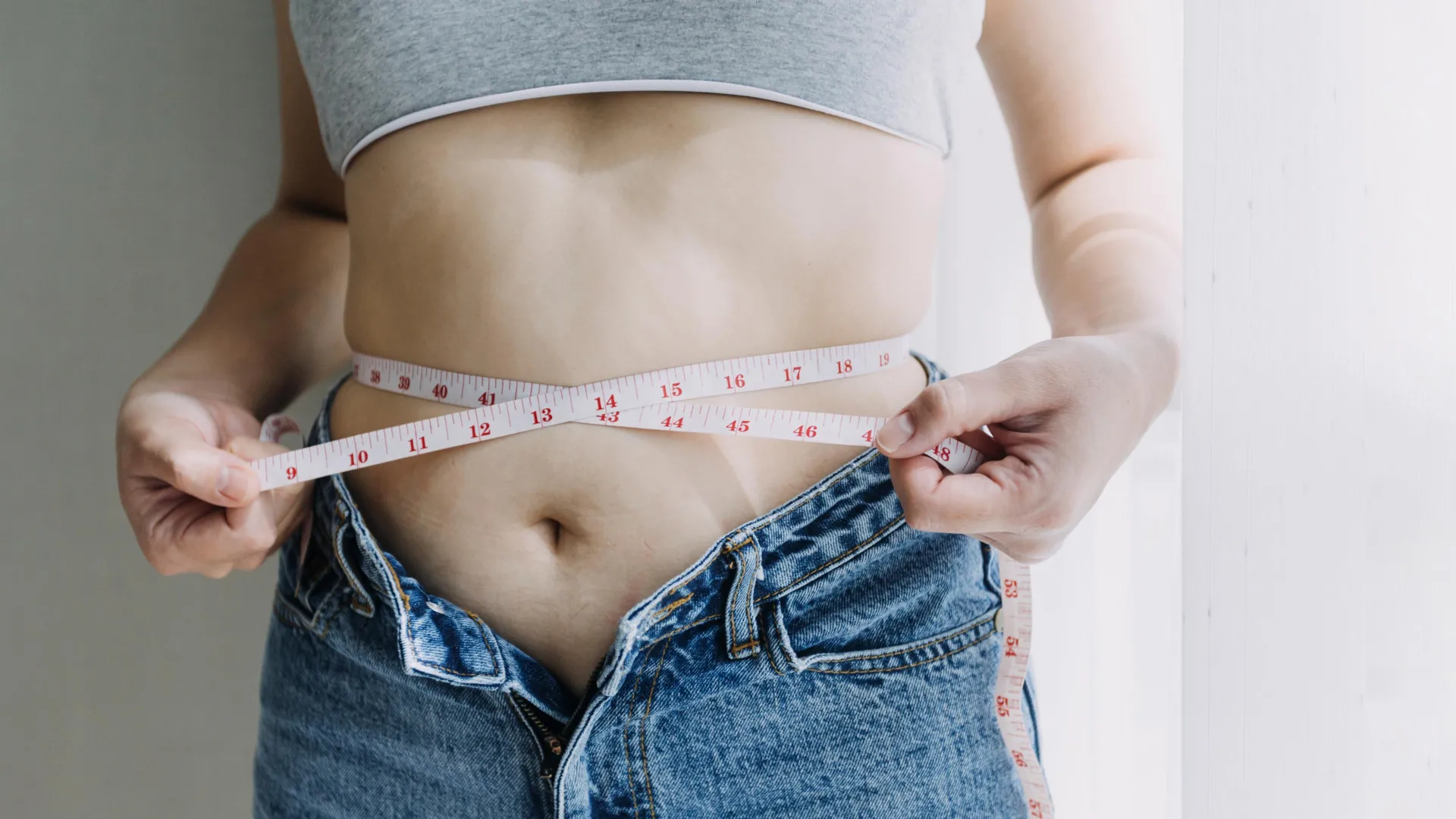
A four-month trial of 315 adults with central obesity found that 75 minutes of brisk interval walking completed in one weekly session reduced body fat and waist size while improving cardiovascular fitness. The results were broadly comparable to spreading the same exercise across three days.
3:33 AMScienceDaily
A review of more than 350 studies links lower protein intake with improved metabolism, reduced inflammation and less cellular damage, alongside biological pathways associated with healthier aging and longer life. The findings challenge broad claims that most adults benefit from consuming substantially more protein.
12:52 AMScienceDaily
Researchers suggest that cancer cells can damage their own DNA by sustaining intense activity in growth-promoting genes. Repeated repair of these breaks may introduce mutations that help tumors evolve, while also exposing a potential vulnerability for new treatments.
12:30 AMScienceDailySummary
A study in mice links sickle-cell disease to premature aging and impaired function in blood-forming stem cells. A combination of drugs restored stem-cell function in mouse models.
The key shift is that the stem-cell damage appears potentially reversible, rather than an irreversible
Unlock the full First Pass Analysis to get a better understanding of why this story mattersWhy it matters
A treatment aimed at repairing stem-cell dysfunction could address a root contributor to sickle-cell disease rather than only managing its complications.
Summary
The Michigan Supreme Court has allowed an investigation into allegations that Eli Lilly charged excessively high prices for insulin products. The allegations include claims that some patients were forced to ration or skip the medicine.
The ruling permits scrutiny of Lilly's pricing practices to continue, but it does not determine
Unlock the full First Pass Analysis to get a better understanding of why this story mattersWhy it matters
The probe could create new legal and political pressure on insulin pricing in a market where high costs can directly threaten treatment.
Summary
Johnson & Johnson has received FDA approval for Ottava, its surgical robot, after years of development and hundreds of millions of dollars in investment. The system now enters a market where established competitors already have a substantial lead.
FDA approval moves Ottava from an expensive development project into a commercial fight against entrenched
Unlock the full First Pass Analysis to get a better understanding of why this story mattersWhy it matters
The approval could intensify competition in surgical robotics and determine whether hospitals gain more choice or remain locked into dominant platforms.
Summary
A four-month trial of 315 adults with central obesity found that 75 minutes of brisk interval walking completed in one weekly session reduced body fat and waist size while improving cardiovascular fitness. The results were broadly comparable to spreading the same exercise across three days.
The key shift is practical, not physiological: concentrating a modest amount of exercise into one
Unlock the full First Pass Analysis to get a better understanding of why this story mattersWhy it matters
A flexible exercise schedule could improve adherence among adults at elevated risk of metabolic and cardiovascular disease.
Summary
A review of more than 350 studies links lower protein intake with improved metabolism, reduced inflammation and less cellular damage, alongside biological pathways associated with healthier aging and longer life. The findings challenge broad claims that most adults benefit from consuming substantially more protein.
The evidence points to a possible difference between adequate protein and excessive intake, especially in
Unlock the full First Pass Analysis to get a better understanding of why this story mattersWhy it matters
The findings could complicate the high-protein advice now common in fitness, weight-loss, and aging markets.
Summary
Researchers suggest that cancer cells can damage their own DNA by sustaining intense activity in growth-promoting genes. Repeated repair of these breaks may introduce mutations that help tumors evolve, while also exposing a potential vulnerability for new treatments.
The decisive insight is that a mechanism driving tumor growth may also create the genetic
Unlock the full First Pass Analysis to get a better understanding of why this story mattersWhy it matters
The work could identify a treatment strategy that targets both cancer growth and the mutation process that fuels resistance.
Make it yours
Pick your topics, set your cadence, and receive your personalized First Pass in your inbox. It’s that simple!