
Treasuries, the yen and the Swiss franc gained as investors moved into traditional havens after renewed concerns about the artificial intelligence trade pushed stocks lower.
11:46 PMBloomberg Markets93 stories from 7 sources
Supporting Articles
Treasuries, the yen and the Swiss franc gained as investors moved into traditional havens after renewed concerns about the artificial intelligence trade pushed stocks lower.
11:46 PMBloomberg MarketsCopper and other industrial metals fell as a selloff in artificial intelligence stocks weakened risk appetite across global markets.
11:22 PMBloomberg Markets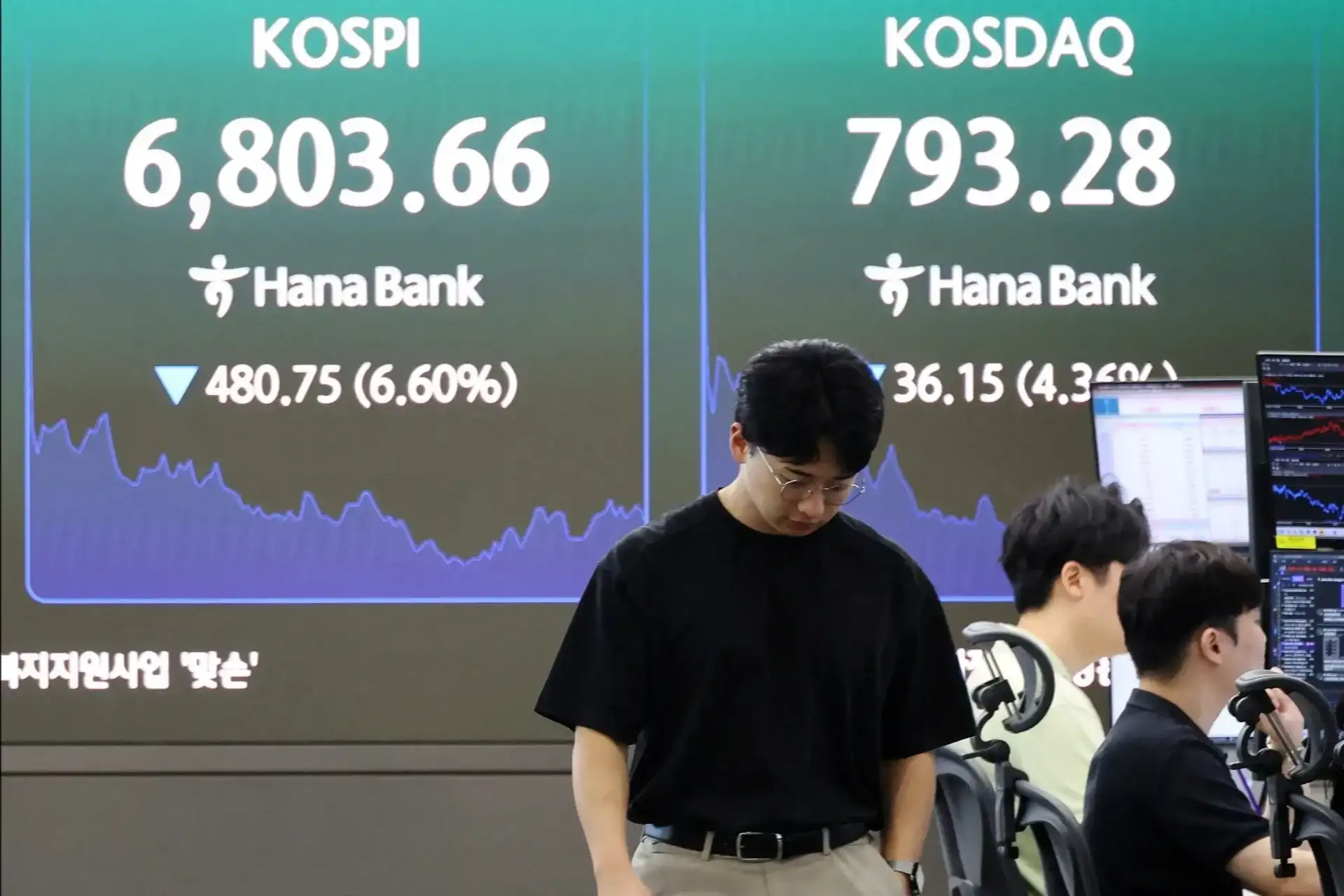
Asian equity sentiment weakened as Nasdaq 100 and S&P 500 futures fell 0.6% and 0.4%, respectively, after mixed results from Tesla and Meta. Tesla cut its capital-spending forecast and fell in after-hours trading, while Meta rose after outlining heavier AI investment.
8:57 PMEconomic TimesAlibaba suffered its sharpest decline in two months after Chinese authorities summoned e-commerce operators and called for tighter product-quality standards, dragging Hong Kong's technology shares lower.
11:29 PMBloomberg MarketsChinese stocks are nearing bear-market territory as technology shares fall with the global AI trade and investors lose confidence that stimulus will provide support before a key earnings season.
10:51 PMBloomberg Markets
France’s 10-year borrowing costs have risen from 3.2% in late February and are approaching 5%, a level not seen since 2002. Concerns over public finances and political stability are driving the increase.
12:33 PMFinancial Times
Japan's trade deficit reached a record $17.8 billion as the conflict involving Iran drove up oil import prices. The resource-poor country imports nearly all of its oil and depends on shipping access through the Strait of Hormuz.
9:26 AMFortune
India's 10-year benchmark bond yield rose to 7.44% as higher oil prices and global market moves increased inflation concerns. The RBI rejected all bids at a treasury-bill auction after investors demanded higher yields, while analysts began considering the possibility of a 50-basis-point rate increase in December.
8:15 PMEconomic Times
The dollar stabilized as investors positioned for next week's central bank meetings, where markets largely expect rates to remain unchanged. Sterling and other currencies gained as inflation data supported expectations for tighter policy, while the ECB and Bank of Japan are also expected to hold rates.
10:22 PMEconomic TimesSovereign wealth funds sharply increased investments in China and Hong Kong after a prolonged retreat, with allocations rising 190%. The rebound signals renewed institutional interest following the earlier slump.
10:20 PMCNBC
The RBI rapidly absorbed excess banking liquidity created by foreign-currency deposits under the FCNR(B) scheme through reverse repo operations and cash reserve adjustments. When those measures pushed overnight rates sharply higher, it temporarily injected funds to prevent disorderly tightening.
9:06 PMEconomic TimesSummary
Treasuries, the yen and the Swiss franc gained as investors moved into traditional havens after renewed concerns about the artificial intelligence trade pushed stocks lower.
The decisive shift is from growth exposure toward capital preservation, with the AI trade now
Unlock the full First Pass Analysis to get a better understanding of why this story mattersWhy it matters
The AI selloff is becoming a cross-asset risk event rather than a narrow equity correction.
Summary
Copper and other industrial metals fell as a selloff in artificial intelligence stocks weakened risk appetite across global markets.
Copper is responding to a broader reduction in cyclical exposure, not just to metal-specific fundamentals.
Unlock the full First Pass Analysis to get a better understanding of why this story mattersWhy it matters
Copper's weakness shows that the technology selloff is reaching assets tied to global growth and industrial demand.
Summary
Asian equity sentiment weakened as Nasdaq 100 and S&P 500 futures fell 0.6% and 0.4%, respectively, after mixed results from Tesla and Meta. Tesla cut its capital-spending forecast and fell in after-hours trading, while Meta rose after outlining heavier AI investment.
Investors are separating companies with visible AI spending returns from those facing weaker investment expectations.
Unlock the full First Pass Analysis to get a better understanding of why this story mattersWhy it matters
Earnings are beginning to test whether AI valuations can withstand higher costs, uneven profits, and renewed pressure on energy prices.
Summary
Alibaba suffered its sharpest decline in two months after Chinese authorities summoned e-commerce operators and called for tighter product-quality standards, dragging Hong Kong's technology shares lower.
The regulatory action reintroduces policy risk into a sector that investors had begun to treat
Unlock the full First Pass Analysis to get a better understanding of why this story mattersWhy it matters
A targeted e-commerce intervention can quickly revive the regulatory discount on Chinese technology stocks.
Summary
Chinese stocks are nearing bear-market territory as technology shares fall with the global AI trade and investors lose confidence that stimulus will provide support before a key earnings season.
The market is losing both its external catalyst and its domestic policy backstop, leaving earnings
Unlock the full First Pass Analysis to get a better understanding of why this story mattersWhy it matters
China's equity decline reflects a collapse in both growth optimism and expectations for near-term policy support.
Summary
France’s 10-year borrowing costs have risen from 3.2% in late February and are approaching 5%, a level not seen since 2002. Concerns over public finances and political stability are driving the increase.
The rise shows investors are demanding a larger premium to hold French debt as fiscal
Unlock the full First Pass Analysis to get a better understanding of why this story mattersWhy it matters
A sharp rise in French yields would pressure the euro area’s second-largest economy and could widen spreads across European bond markets.
Summary
Japan's trade deficit reached a record $17.8 billion as the conflict involving Iran drove up oil import prices. The resource-poor country imports nearly all of its oil and depends on shipping access through the Strait of Hormuz.
Higher oil prices are quickly worsening Japan's external balance because the country cannot easily replace
Unlock the full First Pass Analysis to get a better understanding of why this story mattersWhy it matters
Japan's record deficit shows how geopolitical energy shocks can hit import-dependent economies even before physical supply runs out.
Summary
India's 10-year benchmark bond yield rose to 7.44% as higher oil prices and global market moves increased inflation concerns. The RBI rejected all bids at a treasury-bill auction after investors demanded higher yields, while analysts began considering the possibility of a 50-basis-point rate increase in December.
The failed treasury-bill auction shows that investors are demanding more compensation for inflation and policy
Unlock the full First Pass Analysis to get a better understanding of why this story mattersWhy it matters
Higher yields would raise borrowing costs for the government, companies, and households while tightening financial conditions across the economy.
Summary
The dollar stabilized as investors positioned for next week's central bank meetings, where markets largely expect rates to remain unchanged. Sterling and other currencies gained as inflation data supported expectations for tighter policy, while the ECB and Bank of Japan are also expected to hold rates.
The immediate shift is a pause in the dollar's decline rather than a renewed bullish
Unlock the full First Pass Analysis to get a better understanding of why this story mattersWhy it matters
Central bank guidance, more than the expected rate decisions, will determine the next move in currencies and global funding conditions.
Summary
Sovereign wealth funds sharply increased investments in China and Hong Kong after a prolonged retreat, with allocations rising 190%. The rebound signals renewed institutional interest following the earlier slump.
The surge points to selective re-entry rather than a full restoration of confidence. Sovereign funds
Unlock the full First Pass Analysis to get a better understanding of why this story mattersWhy it matters
Large public investors are returning to Chinese assets, but their willingness to commit more capital will test whether the recovery has lasting foundations.
Summary
The RBI rapidly absorbed excess banking liquidity created by foreign-currency deposits under the FCNR(B) scheme through reverse repo operations and cash reserve adjustments. When those measures pushed overnight rates sharply higher, it temporarily injected funds to prevent disorderly tightening.
The RBI is managing liquidity rather than pursuing a simple drain or injection. It wants
Unlock the full First Pass Analysis to get a better understanding of why this story mattersWhy it matters
The calibrated approach signals that short-term liquidity operations, rather than a change in policy rates, will anchor India's money-market conditions.
A curated list of other prominent stories from this day.
Barclays Global Chairman of Research Ajay Rajadhyaksha discusses the outlook for global markets and the forces shaping investment decisions across regions.
11:58 PMBloomberg MarketsBarclays' Asia equity flow derivatives chief says the preferred strategy heading into next year is to favor quality companies in Asia's technology sector.
11:44 PMBloomberg MarketsUS corn futures gained for a second consecutive session as traders bought after recent declines and saw signs of stronger demand in major markets.
11:15 PMBloomberg MarketsThe Bank of Korea left interest rates unchanged, in line with economists’ expectations. The decision came as President Lee called for measures to increase housing supply.
10:18 PMCNBC
Fortescue warned that its operations may be affected if talks with China’s state-backed commodities buyer do not produce an agreement. The dispute raises the prospect of slower production from one of Australia’s major iron ore miners.
10:18 PMFinancial Times
Gold prices slipped as investors awaited signals from the Federal Reserve on the future path of interest rates. Spot gold fell to $4,115.50 an ounce and December futures to $4,132.30, while silver and platinum also declined.
9:59 PMEconomic Times
Bitcoin rose 2.4% to $84,737 as gains in technology stocks revived demand for riskier assets. Supportive regulatory measures for payment stablecoin issuers and rising perpetual-futures open interest added to the rebound after a period of deleveraging.
9:57 PMEconomic Times
Healthcare stocks have driven the sector to a record high, and several favored companies are projected to post strong revenue growth through 2028. The group highlights stocks attracting premium valuations from investors.
4:59 PMMarketWatchBlackRock fixed-income chief Rick Rieder sees an unusually attractive opportunity in high-quality bonds and outlines his expectations for the fourth quarter. His view centers on positioning within fixed income as market conditions evolve.
3:54 PMCNBC
Agricultural markets are already under pressure from record diesel prices and expensive fertilizer. A potentially severe El Niño could further disrupt farm production and raise costs for consumers, including coffee buyers.
3:24 PMMarketWatchThe AI investment trade may be approaching a turning point, with market strategist Todd Gordon assessing its likely direction and potential ways to participate. The focus is on whether momentum can extend beyond the strongest recent winners.
2:44 PMCNBCThe expanding AI trade is reaching traditionally defensive sectors such as utilities, making them less reliable as hedges against technology-driven market risk.
1:14 PMCNBC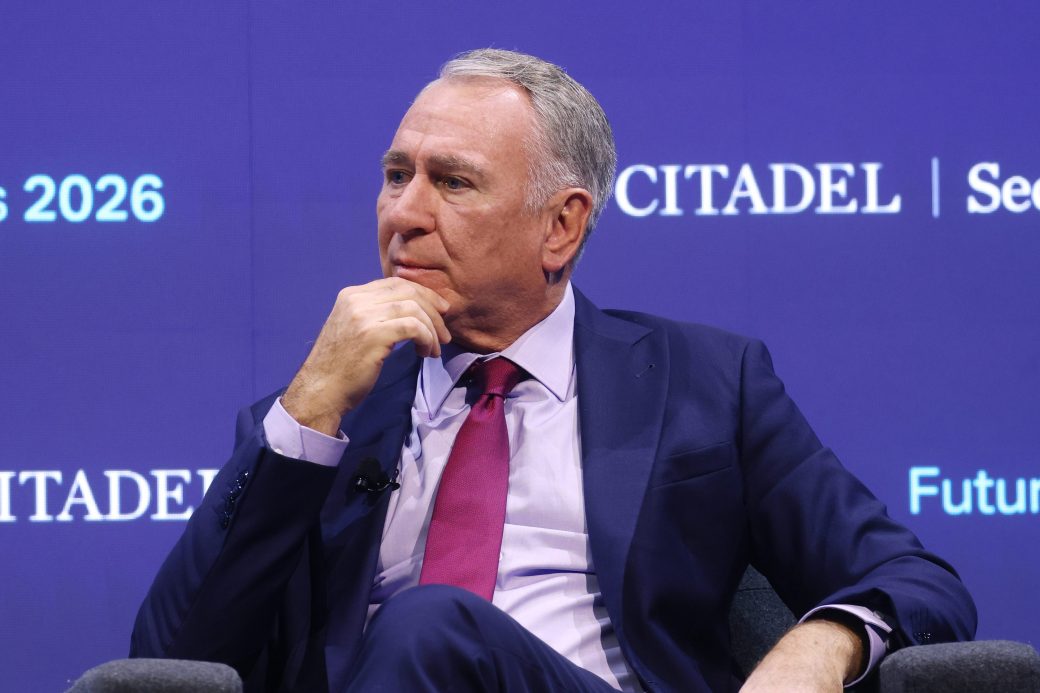
Ken Griffin says the United States lacks a credible plan for managing its national debt. He argues that long-term fiscal repair requires expanding economic output and criticizes weak labor participation in Europe as part of a broader productivity problem.
12:21 PMFortuneA cluster of market catalysts beginning Friday could challenge the stock market’s recent pause after a period of heightened volatility.
12:16 PMCNBC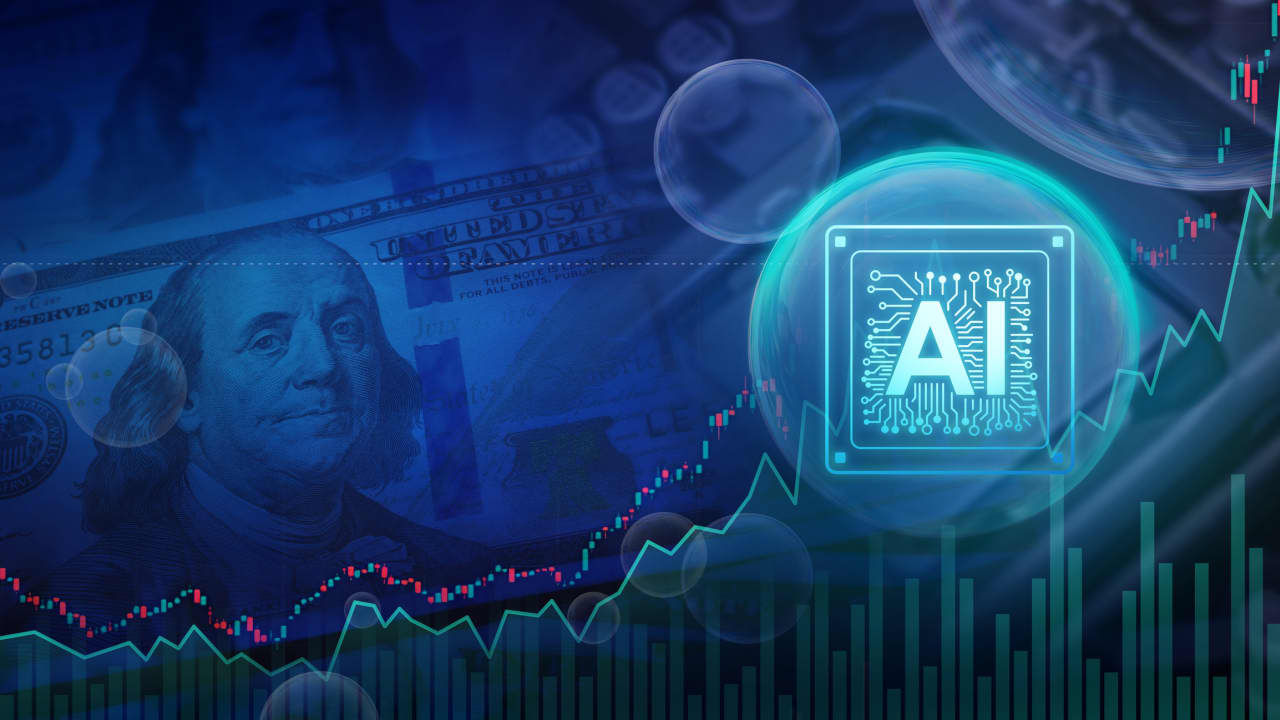
Prediction-market traders assign a 10% probability to an AI bubble bursting before New Year’s Day, signaling growing concern that the rally could reverse.
11:59 AMMarketWatch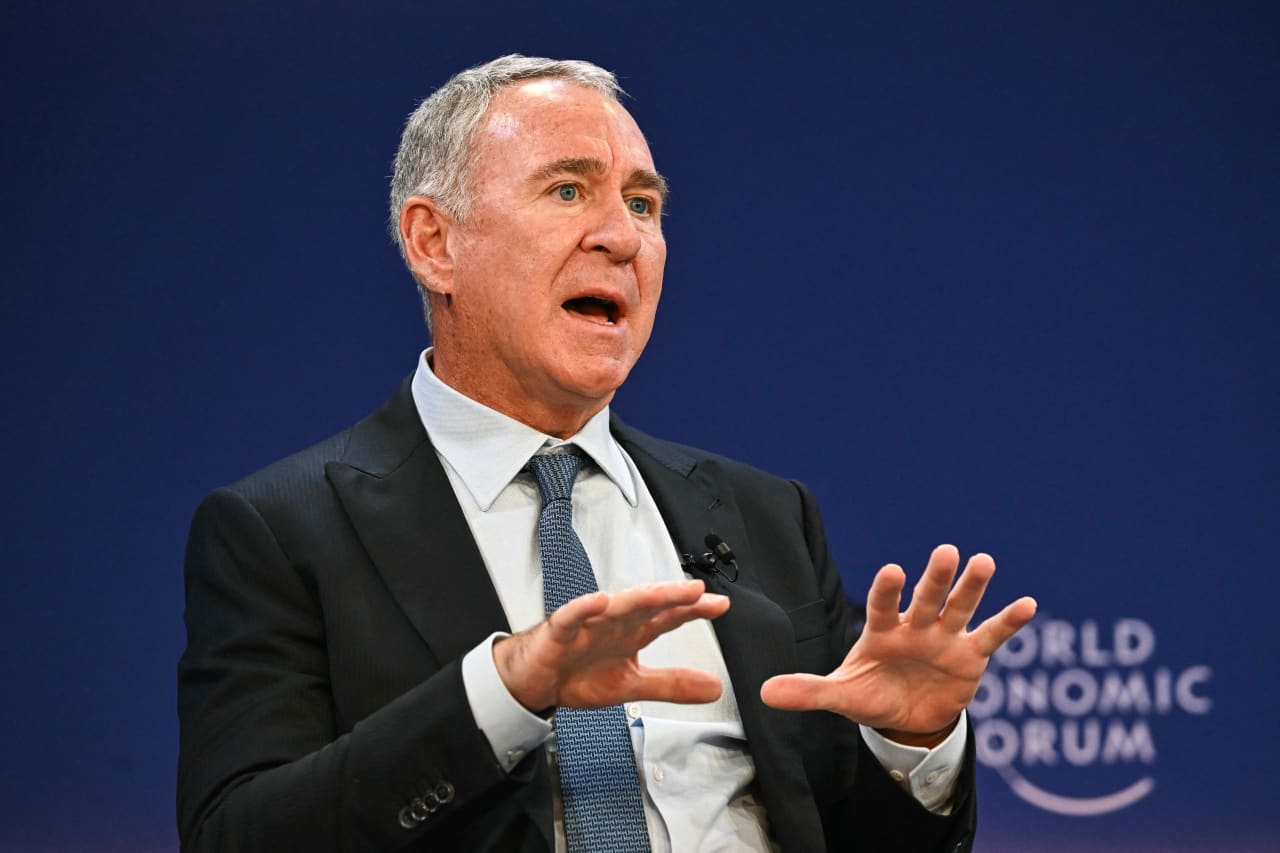
Ken Griffin says investors are facing clear signs of bubbles, including in artificial-intelligence stocks, but does not recommend abandoning the sector. He argues that excessive valuations do not necessarily eliminate the long-term investment case.
11:27 AMMarketWatch
Mortgage applications fell 5.3% even as borrowing rates declined. Purchase applications dropped 7% from the previous week and remained 18% below the level a year earlier.
9:44 AMHousing Wire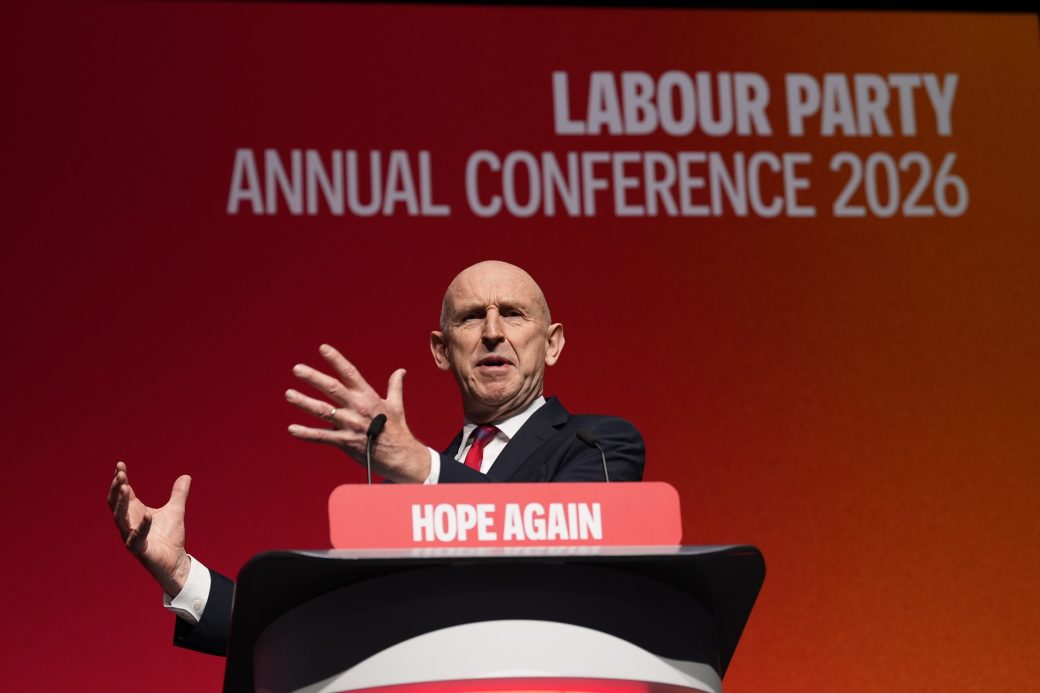
The UK Treasury chief promised measures to give households relief as inflation reached its highest level in a year. Economists expect the Bank of England to raise interest rates next month in response.
9:24 AMFortune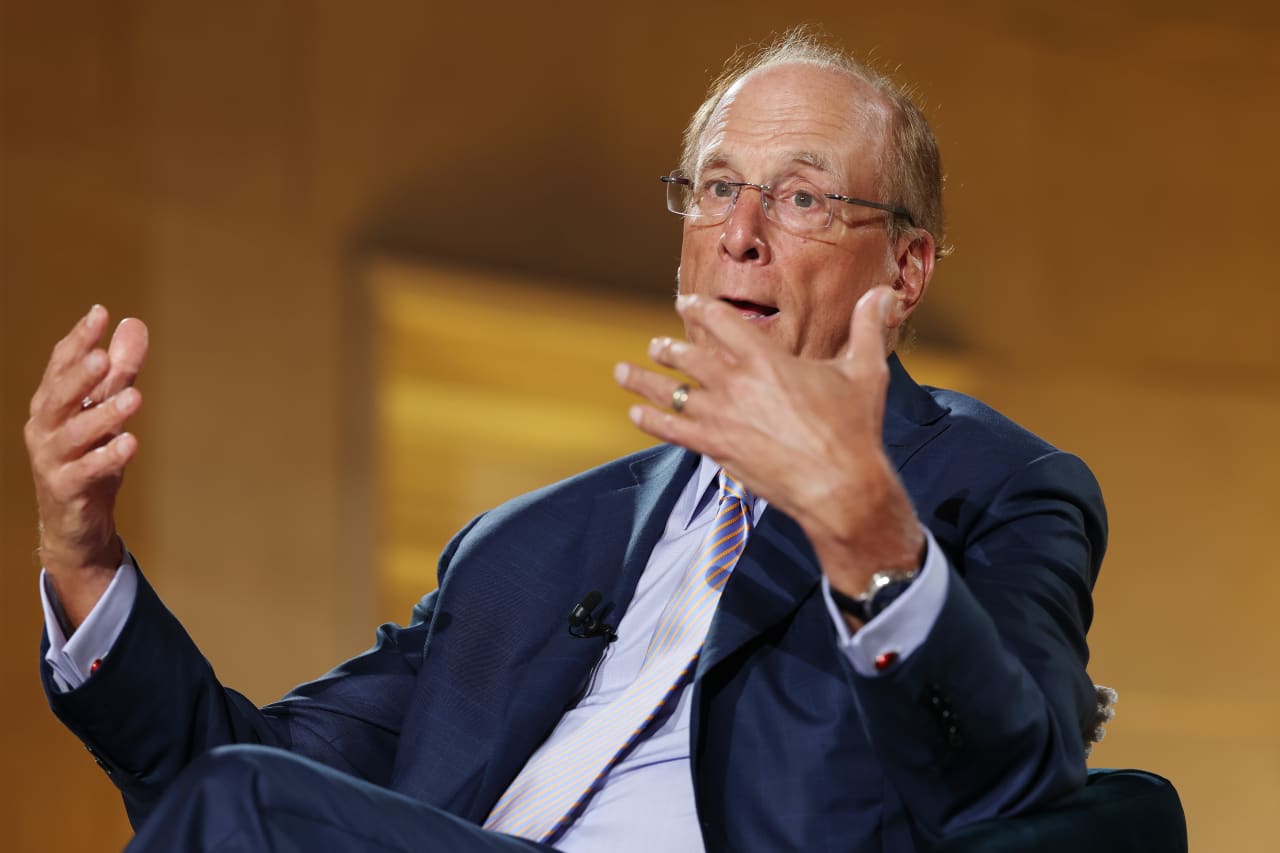
BlackRock CEO Larry Fink argues that resisting data center construction could carry economic costs, including higher inflation. His warning links local opposition to the infrastructure needed to expand AI capacity and related digital services.
6:59 AMMarketWatchSummary
Barclays Global Chairman of Research Ajay Rajadhyaksha discusses the outlook for global markets and the forces shaping investment decisions across regions.
The key issue for investors is how global growth, interest rates and market concentration interact
Unlock the full First Pass Analysis to get a better understanding of why this story mattersWhy it matters
The global market outlook now hinges on whether macroeconomic support can offset rising valuation and concentration risks.
Summary
Barclays' Asia equity flow derivatives chief says the preferred strategy heading into next year is to favor quality companies in Asia's technology sector.
The recommendation favors balance-sheet strength, durable earnings and pricing power over broad exposure to Asian
Unlock the full First Pass Analysis to get a better understanding of why this story mattersWhy it matters
Investors are narrowing their Asia technology exposure toward companies that can withstand a more selective market.
Summary
US corn futures gained for a second consecutive session as traders bought after recent declines and saw signs of stronger demand in major markets.
The rebound reflects improving demand expectations, but it has not yet established a durable change
Unlock the full First Pass Analysis to get a better understanding of why this story mattersWhy it matters
A sustained demand recovery would offer support to agricultural prices and improve revenue prospects for producers.
Summary
The Bank of Korea left interest rates unchanged, in line with economists’ expectations. The decision came as President Lee called for measures to increase housing supply.
The hold preserves policy flexibility while housing pressures complicate the case for easier money. More
Unlock the full First Pass Analysis to get a better understanding of why this story mattersWhy it matters
South Korea is trying to support housing affordability without using monetary policy in ways that could worsen debt and property imbalances.
Summary
Fortescue warned that its operations may be affected if talks with China’s state-backed commodities buyer do not produce an agreement. The dispute raises the prospect of slower production from one of Australia’s major iron ore miners.
China’s push for greater control over iron ore procurement is now creating operational risk for
Unlock the full First Pass Analysis to get a better understanding of why this story mattersWhy it matters
The talks could affect both near-term iron ore supply and the balance of power between China’s steel industry and major exporters.
Summary
Gold prices slipped as investors awaited signals from the Federal Reserve on the future path of interest rates. Spot gold fell to $4,115.50 an ounce and December futures to $4,132.30, while silver and platinum also declined.
Gold's retreat reflects the market's sensitivity to a potentially less accommodative Fed, with traders assigning
Unlock the full First Pass Analysis to get a better understanding of why this story mattersWhy it matters
The Fed's rate outlook will set the near-term tradeoff between gold's safe-haven demand and the opportunity cost of holding it.
Summary
Bitcoin rose 2.4% to $84,737 as gains in technology stocks revived demand for riskier assets. Supportive regulatory measures for payment stablecoin issuers and rising perpetual-futures open interest added to the rebound after a period of deleveraging.
The rally signals a return of speculative positioning across markets, not a clean improvement in
Unlock the full First Pass Analysis to get a better understanding of why this story mattersWhy it matters
Bitcoin is again trading as a high-beta risk asset, making it vulnerable to the same equity and liquidity shocks affecting technology stocks.
Summary
Healthcare stocks have driven the sector to a record high, and several favored companies are projected to post strong revenue growth through 2028. The group highlights stocks attracting premium valuations from investors.
The decisive change is that healthcare has become a crowded growth trade rather than a
Unlock the full First Pass Analysis to get a better understanding of why this story mattersWhy it matters
Healthcare's rally raises the stakes for meeting ambitious long-term growth forecasts.
Summary
BlackRock fixed-income chief Rick Rieder sees an unusually attractive opportunity in high-quality bonds and outlines his expectations for the fourth quarter. His view centers on positioning within fixed income as market conditions evolve.
The core shift is that elevated yields have made high-quality bonds more compelling after years
Unlock the full First Pass Analysis to get a better understanding of why this story mattersWhy it matters
Bonds are regaining strategic appeal as income and valuation become more favorable.
Summary
Agricultural markets are already under pressure from record diesel prices and expensive fertilizer. A potentially severe El Niño could further disrupt farm production and raise costs for consumers, including coffee buyers.
The weather risk would compound an existing input-cost shock rather than arrive in isolation. Supply
Unlock the full First Pass Analysis to get a better understanding of why this story mattersWhy it matters
A climate-driven supply shock could extend inflation into everyday food and beverage markets.
Summary
The AI investment trade may be approaching a turning point, with market strategist Todd Gordon assessing its likely direction and potential ways to participate. The focus is on whether momentum can extend beyond the strongest recent winners.
A turning point would test whether AI valuations still rest on earnings growth or increasingly
Unlock the full First Pass Analysis to get a better understanding of why this story mattersWhy it matters
AI leadership may shift from broad enthusiasm to a narrower test of profitability.
Summary
The expanding AI trade is reaching traditionally defensive sectors such as utilities, making them less reliable as hedges against technology-driven market risk.
AI-related power demand has tied utilities more closely to the same growth and valuation cycle
Unlock the full First Pass Analysis to get a better understanding of why this story mattersWhy it matters
The AI boom is weakening the diversification value of sectors investors traditionally use for protection.
Summary
Ken Griffin says the United States lacks a credible plan for managing its national debt. He argues that long-term fiscal repair requires expanding economic output and criticizes weak labor participation in Europe as part of a broader productivity problem.
The argument shifts the focus from debt reduction alone to growth, workforce participation and the
Unlock the full First Pass Analysis to get a better understanding of why this story mattersWhy it matters
Debt sustainability depends on both fiscal restraint and faster economic growth.
Summary
A cluster of market catalysts beginning Friday could challenge the stock market’s recent pause after a period of heightened volatility.
The market’s calm rests on limited evidence that investors have resolved their concerns, so fresh
Unlock the full First Pass Analysis to get a better understanding of why this story mattersWhy it matters
The next round of information will test whether the market has stabilized or merely postponed its reckoning.
Summary
Prediction-market traders assign a 10% probability to an AI bubble bursting before New Year’s Day, signaling growing concern that the rally could reverse.
The implied odds remain low, but they show that investors are beginning to price a
Unlock the full First Pass Analysis to get a better understanding of why this story mattersWhy it matters
Even a minority probability of an AI bust matters when so much market enthusiasm and capital depend on the trade continuing.
Summary
Ken Griffin says investors are facing clear signs of bubbles, including in artificial-intelligence stocks, but does not recommend abandoning the sector. He argues that excessive valuations do not necessarily eliminate the long-term investment case.
The shift is from asking whether AI stocks are overpriced to deciding whether their growth
Unlock the full First Pass Analysis to get a better understanding of why this story mattersWhy it matters
AI exposure may remain attractive, but investors must treat valuation risk as a portfolio-management problem rather than ignore it.
Summary
Mortgage applications fell 5.3% even as borrowing rates declined. Purchase applications dropped 7% from the previous week and remained 18% below the level a year earlier.
Lower rates have not yet restored housing demand, suggesting affordability and buyer caution remain binding
Unlock the full First Pass Analysis to get a better understanding of why this story mattersWhy it matters
The data shows that modest rate relief alone is not enough to revive the US housing market.
Summary
The UK Treasury chief promised measures to give households relief as inflation reached its highest level in a year. Economists expect the Bank of England to raise interest rates next month in response.
The government is under pressure to cushion households while the central bank moves toward tighter
Unlock the full First Pass Analysis to get a better understanding of why this story mattersWhy it matters
The UK faces a policy tension between supporting living standards and preventing additional demand from prolonging inflation.
Summary
BlackRock CEO Larry Fink argues that resisting data center construction could carry economic costs, including higher inflation. His warning links local opposition to the infrastructure needed to expand AI capacity and related digital services.
The conflict is moving from technology policy into the cost of living. If communities restrict
Unlock the full First Pass Analysis to get a better understanding of why this story mattersWhy it matters
Data center permitting is becoming a macroeconomic issue, not merely a local land-use dispute.
Make it yours
Pick your topics, set your cadence, and receive your personalized First Pass in your inbox. It’s that simple!