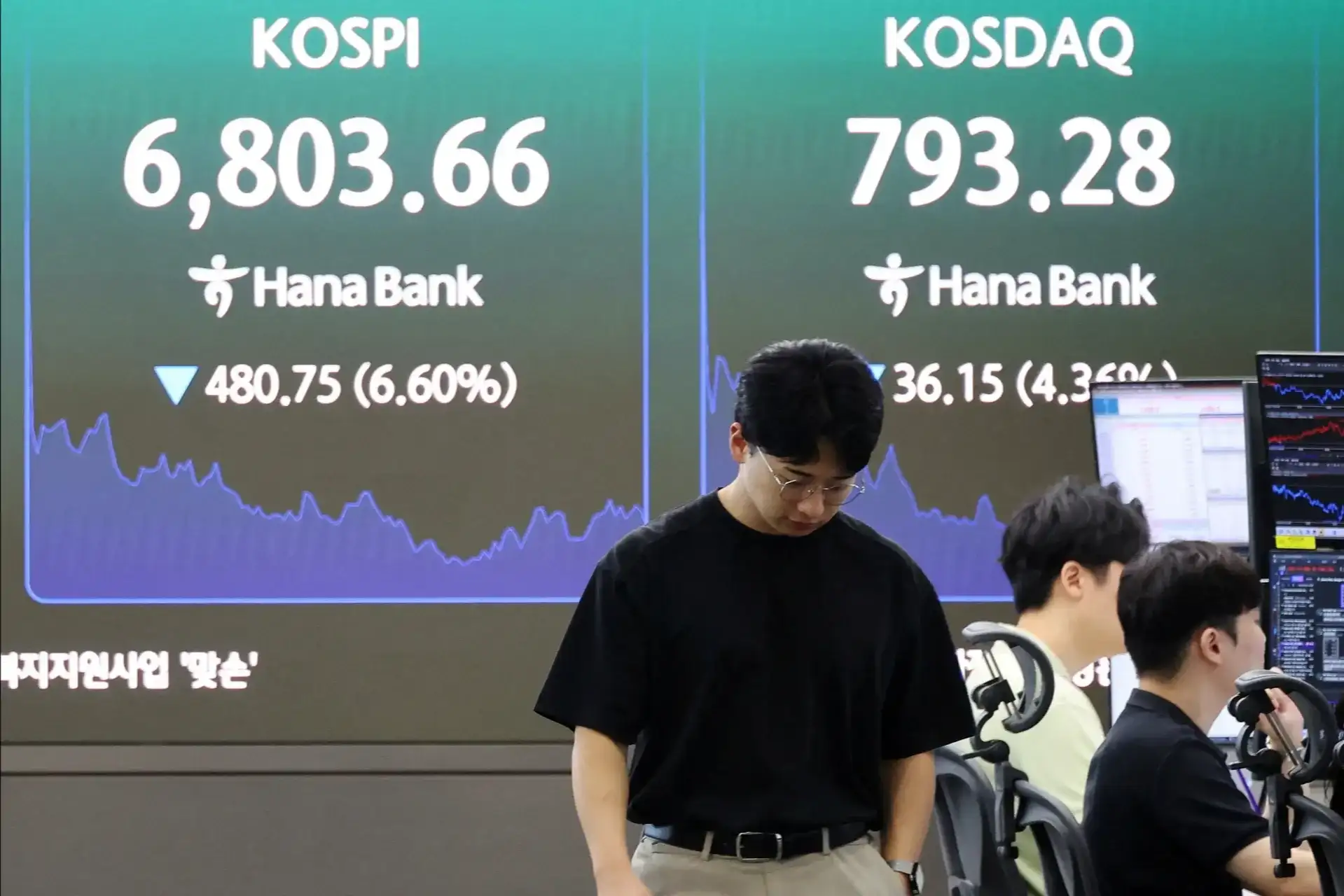
Asian stocks edged higher after gains in Nvidia and Microsoft helped the S&P 500 close near a record, while oil prices declined.
8:41 PMEconomic Times107 stories from 9 sources
Supporting Articles
Asian stocks edged higher after gains in Nvidia and Microsoft helped the S&P 500 close near a record, while oil prices declined.
8:41 PMEconomic Times
The Nasdaq and Dow have posted an unusually wide gap in their two-month returns, creating a rare divergence between growth-oriented technology stocks and older, more cyclical companies.
5:12 PMMarketWatch
Strategist Joachim Klement warned that upcoming earnings reports will test whether artificial-intelligence spending is producing enough returns to sustain the market’s AI-driven gains. A negative reality check could push the S&P 500 toward 5,000 and reshape preferred trades.
9:30 AMMarketWatch
The euro has fallen to a 17-month low as concerns over euro-zone debt and political gridlock in France deepen, while higher US Treasury yields support the dollar.
10:05 PMEconomic Times
French government bond yields have moved above 5% as investors worry about fiscal stability, next year’s election and the prospect of Japanese investors shifting money back to domestic assets.
9:49 PMEconomic Times
French central bank head Emmanuel Moulin warned that France faces serious pressure from recent market moves and rising interest rates. He said the country can still reassure bond investors despite the deterioration in conditions.
12:56 PMFinancial Times
Japan's 10-year government bond auction attracted stronger demand than its 12-month average even as yields rose above 3%.
11:40 PMBloomberg MarketsA Citigroup strategist said Japanese government bond yields may be nearing their peak and that financial institutions could increase purchases once the fiscal outlook becomes clearer.
9:40 PMBloomberg MarketsBrazilian stocks rose after Jair Bolsonaro advanced from the first round of the presidential election to a runoff against Luiz Inácio Lula da Silva. The runoff is scheduled for October 25, and markets initially treated Bolsonaro’s position as stronger than expected.
4:41 PMCNBC
Brazilian markets rallied as investors increased bets that Jair Bolsonaro’s political camp could prevail over President Luiz Inácio Lula da Silva. Investors view the rightwing bloc as more likely to implement rapid spending cuts.
10:33 AMFinancial TimesRay Dalio says the United States could face a debt crisis within three years as government borrowing continues to expand.
11:48 PMBloomberg MarketsRay Dalio says the United States is nearing the limits of its debt cycle, with spending exceeding revenue and a potential crisis within three years. He warns that higher borrowing costs and weaker foreign demand could hit lower-income borrowers first.
11:37 PMBloomberg Markets
The 2026 bond-market selloff is unsettling markets but attracting savers and conservative investors who see higher yields as an opportunity to lock in income.
4:14 PMMarketWatchU.S. Treasury yields edged lower after the previous week's selloff as investors awaited the Federal Reserve's meeting minutes. Markets are reassessing the likelihood and timing of further rate increases.
1:46 PMCNBC
Treasury Secretary Scott Bessent defended the department’s record in bond markets and softened his earlier claim that he was effectively the house in a televised interview.
6:39 AMMarketWatchPhilippine inflation accelerated in September and exceeded economist forecasts as food and fuel costs rose sharply.
9:05 PMBloomberg MarketsCocoa prices are rising again as El Niño threatens supplies from West Africa, a key growing region. Chocolate makers have limited options for absorbing the higher costs.
2:02 PMCNBCSummary
Asian stocks edged higher after gains in Nvidia and Microsoft helped the S&P 500 close near a record, while oil prices declined.
Technology shares are still driving the equity rebound, with the MSCI Asia Pacific Index up
Unlock the full First Pass Analysis to get a better understanding of why this story mattersWhy it matters
Leadership from a narrow group of technology stocks is supporting markets even as commodity signals remain mixed.
3 stories · 2 sources
Summary
The Nasdaq and Dow have posted an unusually wide gap in their two-month returns, creating a rare divergence between growth-oriented technology stocks and older, more cyclical companies.
The unusually large performance split raises the odds of a sharp market move as investors
Unlock the full First Pass Analysis to get a better understanding of why this story mattersWhy it matters
A historically unusual gap between major indexes points to elevated volatility and a fragile consensus about which parts of the economy will lead.
Summary
Strategist Joachim Klement warned that upcoming earnings reports will test whether artificial-intelligence spending is producing enough returns to sustain the market’s AI-driven gains. A negative reality check could push the S&P 500 toward 5,000 and reshape preferred trades.
The decisive risk is no longer AI enthusiasm but the conversion of massive investment into
Unlock the full First Pass Analysis to get a better understanding of why this story mattersWhy it matters
The next earnings season could determine whether AI remains a market-wide growth engine or becomes a valuation liability.
Summary
The euro has fallen to a 17-month low as concerns over euro-zone debt and political gridlock in France deepen, while higher US Treasury yields support the dollar.
The euro is facing a widening policy gap: fiscal uncertainty is weakening confidence in the
Unlock the full First Pass Analysis to get a better understanding of why this story mattersWhy it matters
A weaker euro raises imported inflation risks and increases pressure on European policymakers.
2 stories · 2 sources
Summary
French government bond yields have moved above 5% as investors worry about fiscal stability, next year’s election and the prospect of Japanese investors shifting money back to domestic assets.
France’s borrowing costs are rising because political uncertainty is colliding with an already large deficit
Unlock the full First Pass Analysis to get a better understanding of why this story mattersWhy it matters
A sustained French bond sell-off could spread through euro-zone debt markets and intensify fiscal strains.
Summary
French central bank head Emmanuel Moulin warned that France faces serious pressure from recent market moves and rising interest rates. He said the country can still reassure bond investors despite the deterioration in conditions.
Higher borrowing costs are narrowing France’s fiscal room and increasing the cost of maintaining investor
Unlock the full First Pass Analysis to get a better understanding of why this story mattersWhy it matters
France’s bond-market stress could become a broader euro-area risk if investors question fiscal discipline in a major member state.
Summary
Japan's 10-year government bond auction attracted stronger demand than its 12-month average even as yields rose above 3%.
Higher yields are drawing buyers back into Japanese government debt despite the prospect of further
Unlock the full First Pass Analysis to get a better understanding of why this story mattersWhy it matters
Japan's bond market is testing whether higher yields can coexist with stable demand as monetary policy shifts.
Summary
A Citigroup strategist said Japanese government bond yields may be nearing their peak and that financial institutions could increase purchases once the fiscal outlook becomes clearer.
The investment case for JGBs depends on yields stabilizing and Japan clarifying its fiscal direction.
Unlock the full First Pass Analysis to get a better understanding of why this story mattersWhy it matters
A JGB rebound would affect Japanese institutional portfolios and global bond flows.
Summary
Brazilian stocks rose after Jair Bolsonaro advanced from the first round of the presidential election to a runoff against Luiz Inácio Lula da Silva. The runoff is scheduled for October 25, and markets initially treated Bolsonaro’s position as stronger than expected.
The market reaction reflects a change in political odds, not a settled election result. Investors
Unlock the full First Pass Analysis to get a better understanding of why this story mattersWhy it matters
The election has become a direct market catalyst for Brazilian equities, the real, and sovereign risk.
Summary
Brazilian markets rallied as investors increased bets that Jair Bolsonaro’s political camp could prevail over President Luiz Inácio Lula da Silva. Investors view the rightwing bloc as more likely to implement rapid spending cuts.
The rally reflects expectations of a sharper fiscal adjustment rather than broad confidence in Brazil’s
Unlock the full First Pass Analysis to get a better understanding of why this story mattersWhy it matters
Brazilian assets are now pricing a possible fiscal policy shift before voters have delivered one.
Summary
Ray Dalio says the United States could face a debt crisis within three years as government borrowing continues to expand.
The core risk is a loss of confidence before policymakers can stabilize the debt trajectory.
Unlock the full First Pass Analysis to get a better understanding of why this story mattersWhy it matters
A debt shock would raise global borrowing costs and weaken demand across financial markets.
Summary
Ray Dalio says the United States is nearing the limits of its debt cycle, with spending exceeding revenue and a potential crisis within three years. He warns that higher borrowing costs and weaker foreign demand could hit lower-income borrowers first.
The immediate transmission channel is the cost of refinancing, which would squeeze the most vulnerable
Unlock the full First Pass Analysis to get a better understanding of why this story mattersWhy it matters
The warning points to a distributional risk in which rising rates deepen inequality before they trigger a systemwide shock.
Summary
The 2026 bond-market selloff is unsettling markets but attracting savers and conservative investors who see higher yields as an opportunity to lock in income.
The rout is shifting the appeal of bonds from price stability toward income, giving cash-rich
Unlock the full First Pass Analysis to get a better understanding of why this story mattersWhy it matters
Higher yields are drawing defensive capital back into bonds, but the trade still carries material duration risk.
Summary
U.S. Treasury yields edged lower after the previous week's selloff as investors awaited the Federal Reserve's meeting minutes. Markets are reassessing the likelihood and timing of further rate increases.
The immediate shift is a modest reversal in bond selling, driven by reduced expectations for
Unlock the full First Pass Analysis to get a better understanding of why this story mattersWhy it matters
Fed communication remains the key driver of borrowing costs across global markets.
Summary
Treasury Secretary Scott Bessent defended the department’s record in bond markets and softened his earlier claim that he was effectively the house in a televised interview.
Bessent’s revised language reflects the limits of Treasury influence over yields, which continued rising despite
Unlock the full First Pass Analysis to get a better understanding of why this story mattersWhy it matters
The episode underscores that Treasury officials can shape expectations but cannot dictate the bond market.
Summary
Philippine inflation accelerated in September and exceeded economist forecasts as food and fuel costs rose sharply.
The upside inflation surprise strengthens the case for the central bank to raise interest rates
Unlock the full First Pass Analysis to get a better understanding of why this story mattersWhy it matters
Higher inflation raises the risk of tighter policy and weaker economic momentum in the Philippines.
Summary
Cocoa prices are rising again as El Niño threatens supplies from West Africa, a key growing region. Chocolate makers have limited options for absorbing the higher costs.
The new risk is hitting a cocoa market that already has little room for disruption,
Unlock the full First Pass Analysis to get a better understanding of why this story mattersWhy it matters
Higher cocoa costs could force broader price increases across chocolate products while squeezing manufacturers’ margins.
A curated list of other prominent stories from this day.
Copper climbed for a third consecutive session as Asian equities followed a technology-led rally on Wall Street.
10:47 PMBloomberg Markets
Spot gold held near $4,141.81 an ounce while US gold futures edged up to $4,169.10, as a stronger dollar offset support from reduced expectations for Federal Reserve rate hikes.
10:08 PMEconomic TimesRussian gold is increasingly moving through Hong Kong after sanctions tied to the invasion of Ukraine cut Russian producers off from major Western markets. The shift shows how the bullion trade has been rerouted toward Asian markets.
7:14 PMCNBC
Bank of America strategists argue that investors have priced in heavy artificial intelligence spending while overlooking the potential for consumer-led growth. They suggest shifting attention from AI-related capital expenditures toward discretionary spending and companies positioned to benefit from stronger households.
5:00 PMPYMNTSHigher interest rates are making it more difficult for utilities to balance capital spending, according to Tim Keller, a managing director at U.S. Bank’s power and utilities group. Utilities face greater financing costs as they pursue large infrastructure programs.
10:47 AMUtility DiveThe argument is that the United States’ growing debt burden does not automatically imply a collapse in the dollar. Dollar performance depends on broader factors beyond fiscal debt, including relative economic strength, financial-market depth, and global demand for US assets.
9:41 AMFinextra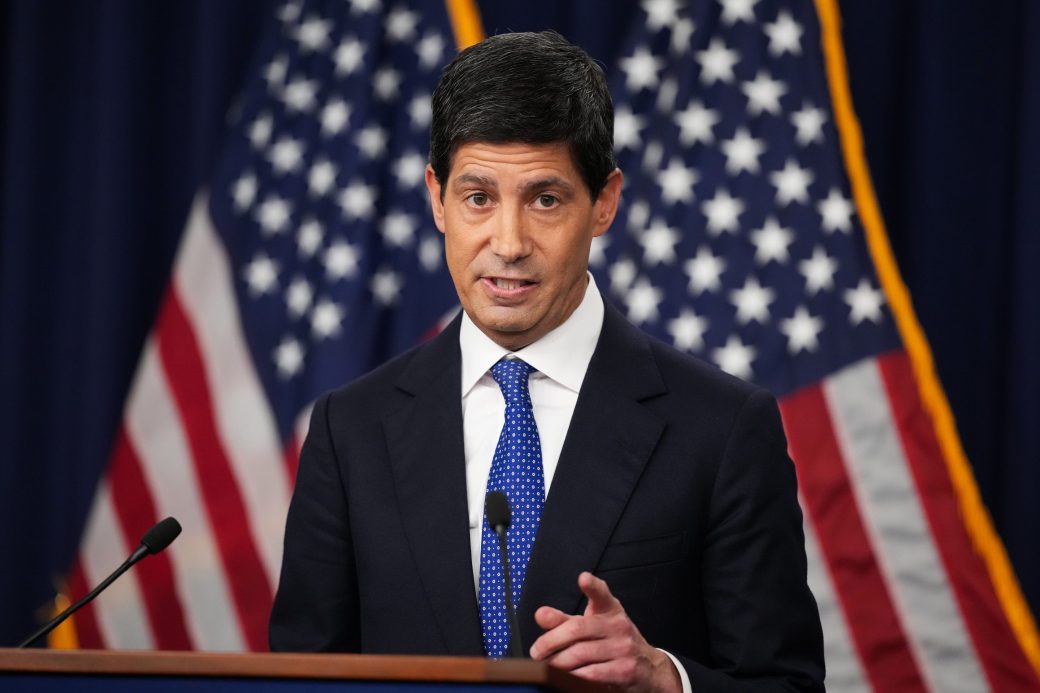
A leading economist warned that higher interest rates could reduce housing supply, push rents higher and create fresh inflation pressure for the Federal Reserve.
7:02 AMFortune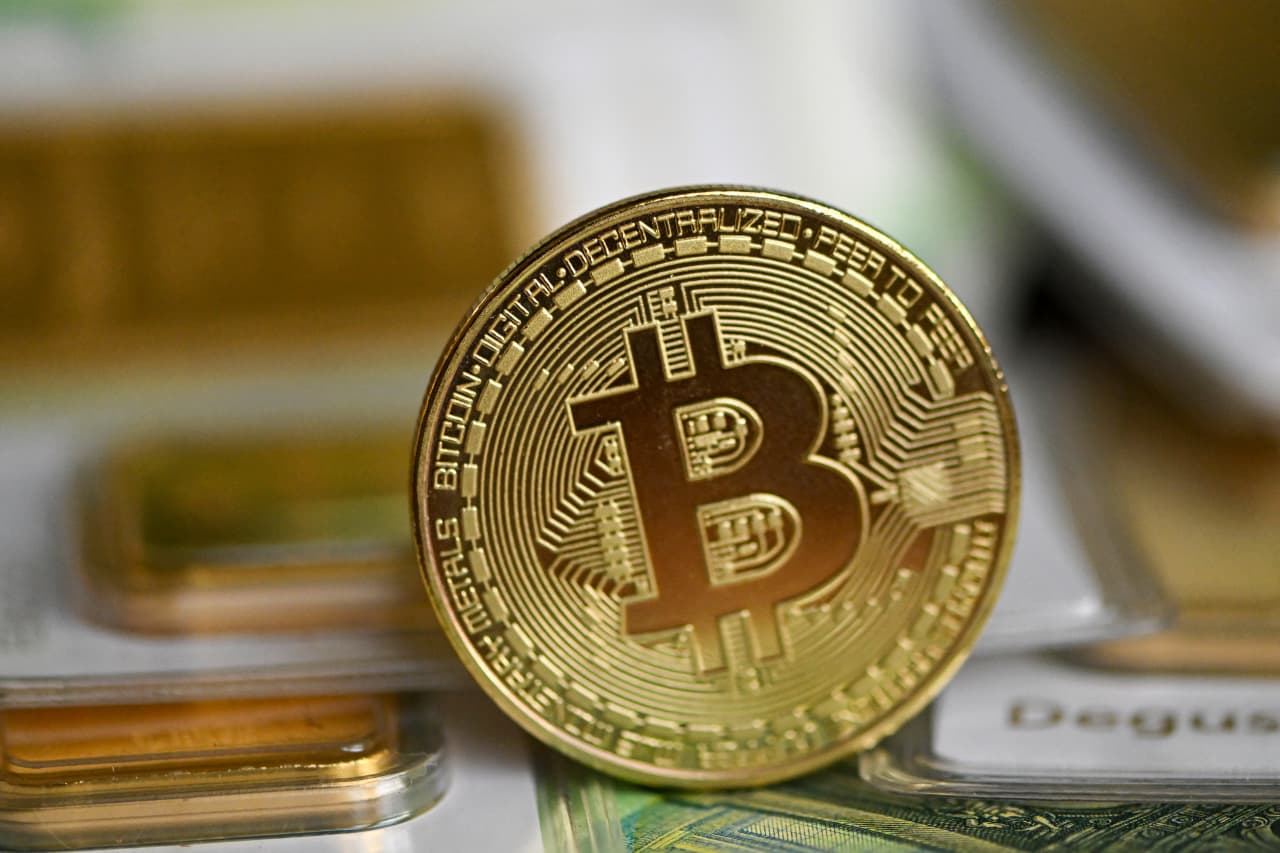
Bitcoin has formed a bullish golden-cross pattern for the first time in more than three years, reinforcing the case that its recent rebound may have become a longer-term uptrend.
6:46 AMMarketWatch
Renewed volatility in bond markets has prompted calls for the European Central Bank to pause quantitative tightening until market conditions stabilize.
6:22 AMFinancial Times
The China-plus-one strategy has directed billions of dollars of investment into Southeast Asian factories, but the region is capturing less economic value than expected. Local economies remain limited in their ability to retain higher-value production and supply-chain gains.
3:15 AMFortuneSummary
Copper climbed for a third consecutive session as Asian equities followed a technology-led rally on Wall Street.
The immediate driver is stronger risk appetite rather than a new copper-specific supply signal. If
Unlock the full First Pass Analysis to get a better understanding of why this story mattersWhy it matters
Copper is signaling improving market sentiment, though not necessarily a durable improvement in industrial demand.
Summary
Spot gold held near $4,141.81 an ounce while US gold futures edged up to $4,169.10, as a stronger dollar offset support from reduced expectations for Federal Reserve rate hikes.
Gold is caught between lower expected policy tightening, which supports bullion, and a firm dollar
Unlock the full First Pass Analysis to get a better understanding of why this story mattersWhy it matters
Gold’s next move depends on whether falling rate expectations can overcome continued dollar strength.
Summary
Russian gold is increasingly moving through Hong Kong after sanctions tied to the invasion of Ukraine cut Russian producers off from major Western markets. The shift shows how the bullion trade has been rerouted toward Asian markets.
Western sanctions have redirected rather than eliminated Russia's access to global gold buyers. Hong Kong's
Unlock the full First Pass Analysis to get a better understanding of why this story mattersWhy it matters
The rerouting weakens the reach of Western market restrictions and reshapes the geography of global bullion trading.
Summary
Bank of America strategists argue that investors have priced in heavy artificial intelligence spending while overlooking the potential for consumer-led growth. They suggest shifting attention from AI-related capital expenditures toward discretionary spending and companies positioned to benefit from stronger households.
The proposed rotation matters because AI enthusiasm and weak discretionary spending are already embedded in
Unlock the full First Pass Analysis to get a better understanding of why this story mattersWhy it matters
If consumer demand proves more resilient than expected, market leadership could broaden beyond the small group of companies benefiting from AI investment.
Summary
Higher interest rates are making it more difficult for utilities to balance capital spending, according to Tim Keller, a managing director at U.S. Bank’s power and utilities group. Utilities face greater financing costs as they pursue large infrastructure programs.
Rising borrowing costs directly increase the price of grid upgrades, generation, and reliability investments, forcing
Unlock the full First Pass Analysis to get a better understanding of why this story mattersWhy it matters
Expensive capital threatens to make the grid transition slower and costlier for both utilities and ratepayers.
Summary
The argument is that the United States’ growing debt burden does not automatically imply a collapse in the dollar. Dollar performance depends on broader factors beyond fiscal debt, including relative economic strength, financial-market depth, and global demand for US assets.
The decisive point is that fiscal deterioration alone is not enough to dislodge the dollar’s
Unlock the full First Pass Analysis to get a better understanding of why this story mattersWhy it matters
The dollar’s reserve status gives the US more financing flexibility, but it does not eliminate the cost of worsening debt dynamics.
Summary
A leading economist warned that higher interest rates could reduce housing supply, push rents higher and create fresh inflation pressure for the Federal Reserve.
The housing risk runs through supply, not just demand: elevated financing costs can deter construction
Unlock the full First Pass Analysis to get a better understanding of why this story mattersWhy it matters
Higher rates could reinforce the very shelter inflation that keeps monetary policy restrictive.
Summary
Bitcoin has formed a bullish golden-cross pattern for the first time in more than three years, reinforcing the case that its recent rebound may have become a longer-term uptrend.
The signal marks a shift in momentum, not proof that the rally will persist. Investors
Unlock the full First Pass Analysis to get a better understanding of why this story mattersWhy it matters
Bitcoin’s technical breakout may draw fresh capital just as the easy part of the rebound has passed.
Summary
Renewed volatility in bond markets has prompted calls for the European Central Bank to pause quantitative tightening until market conditions stabilize.
The case for suspending QT rests on market functioning, not a shift toward easier monetary
Unlock the full First Pass Analysis to get a better understanding of why this story mattersWhy it matters
Bond-market stress is beginning to constrain how quickly the ECB can withdraw support.
Summary
The China-plus-one strategy has directed billions of dollars of investment into Southeast Asian factories, but the region is capturing less economic value than expected. Local economies remain limited in their ability to retain higher-value production and supply-chain gains.
The shift in factory locations has not automatically produced deeper industrial upgrading across Southeast Asia.
Unlock the full First Pass Analysis to get a better understanding of why this story mattersWhy it matters
Supply-chain diversification is spreading production, but not necessarily the value or strategic influence that Southeast Asian economies want.
Make it yours
Pick your topics, set your cadence, and receive your personalized First Pass in your inbox. It’s that simple!