
The surge in Treasury yields is creating a new policy challenge for the Federal Reserve as markets expect a tougher response to inflation. The central bank may have limited control over long-term rates if investors are driving the move.
5:01 PMCNBC114 stories from 9 sources
The day’s market signal was therefore a broad tightening of financial conditions rather than an isolated bond selloff.
Supporting Articles
The surge in Treasury yields is creating a new policy challenge for the Federal Reserve as markets expect a tougher response to inflation. The central bank may have limited control over long-term rates if investors are driving the move.
5:01 PMCNBC
Bond yields have reached their highest levels in roughly two decades as inflation concerns and expectations for sustained high interest rates push US Treasury yields higher. The increase is raising mortgage and business borrowing costs and could lift the government's future interest bill.
9:58 PMEconomic Times
Two consecutive weak Treasury note auctions indicate that government repurchases have not restored strong demand for bonds. Investors remain reluctant to absorb new supply as the bond market stays unsettled.
8:01 PMMarketWatchThe 10-year Treasury yield is rising to levels not seen in years, raising concerns about broader financial-market stress. Historical episodes suggest that rapid increases in borrowing costs can expose hidden weaknesses in the financial system.
4:57 PMCNBCU.S. Treasury yields continued to rise after the 10-year yield reached its highest level in 19 years. Investors are increasing bets that interest rates will remain higher or rise further.
4:25 PMCNBC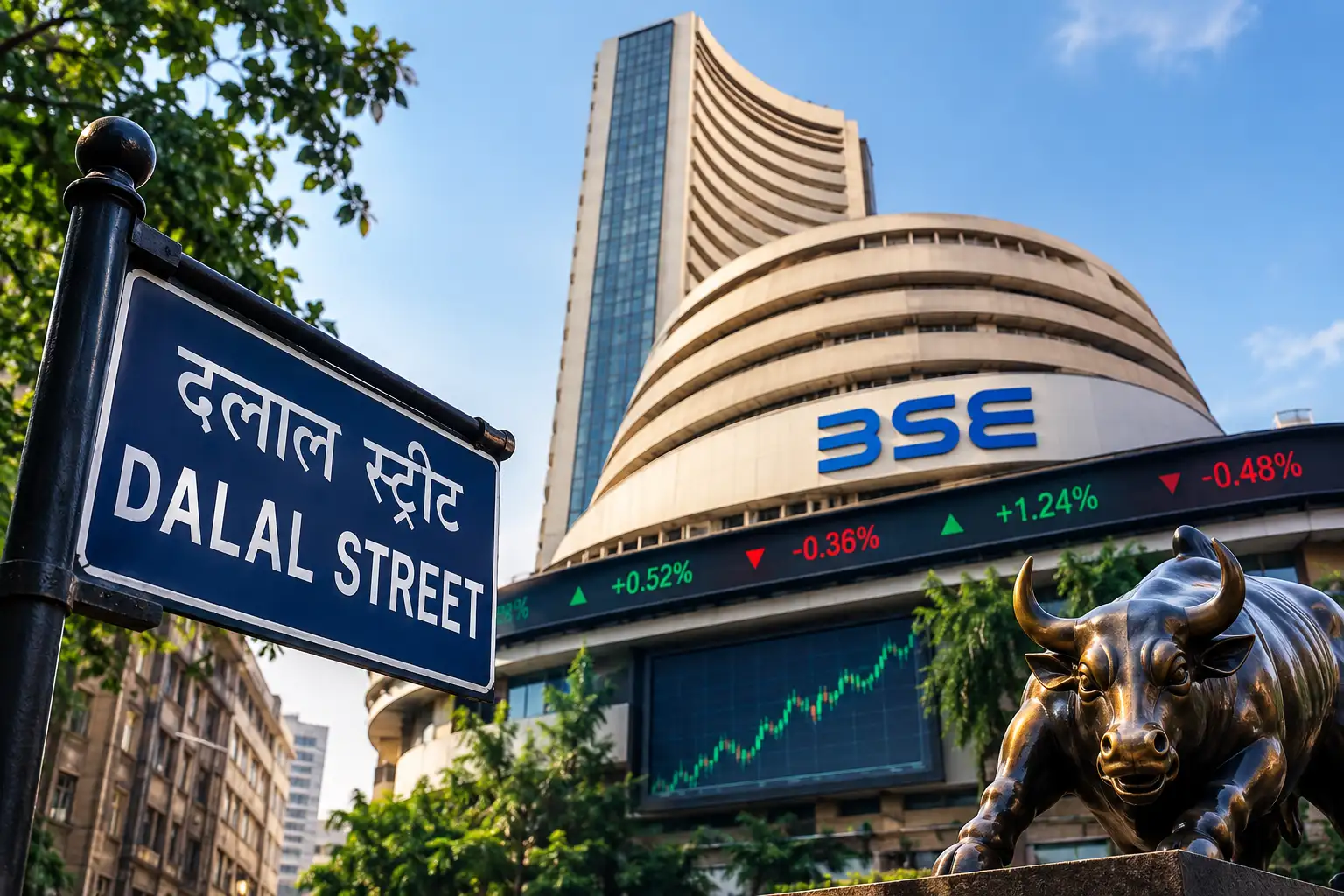
The US 10-year Treasury yield rose above 5.10%, while Brent crude stayed above $102 a barrel. The combination raised concerns about global liquidity, inflation and India’s import bill.
8:21 PMEconomic TimesGold was on track for a weekly decline as elevated energy prices increased expectations that the Federal Reserve may need to raise interest rates further to contain inflation.
7:53 PMBloomberg MarketsAsian bonds faced further losses as higher oil prices revived inflation concerns and pushed long-term Treasury yields to multi-decade highs. Markets also increased bets on additional Federal Reserve rate hikes.
6:13 PMBloomberg Markets
The dollar was heading for its first back-to-back weekly gains in more than three months as rising Treasury yields and expectations of further Federal Reserve rate hikes lifted the currency against the euro and sterling, while the yen weakened.
10:39 PMEconomic Times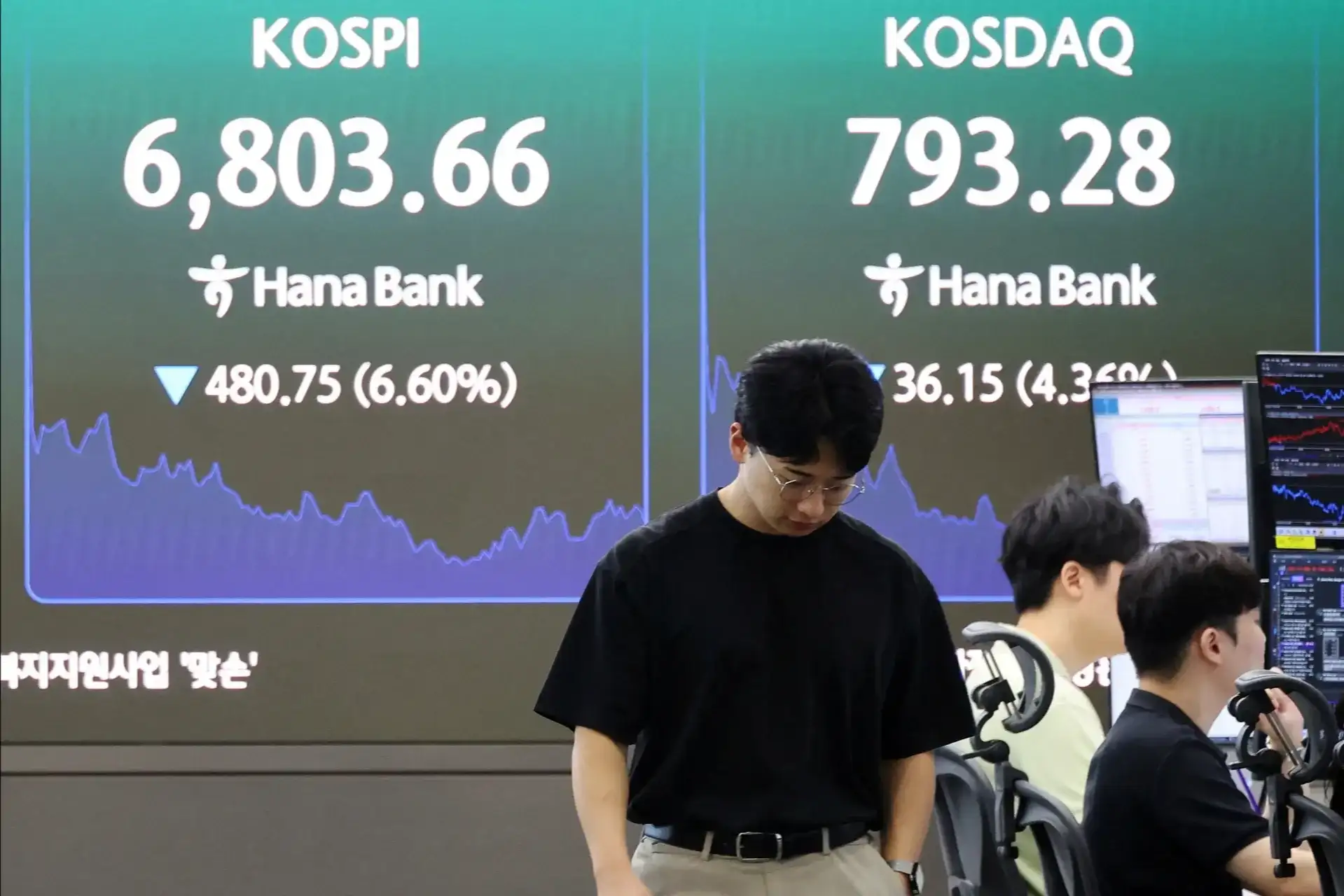
Asian shares declined as government bond prices fell and yields rose across the region. A global bond index yield reached 4%, its highest level since 2007, intensifying concern that interest rates will remain elevated.
8:59 PMEconomic TimesThe Dow fell as Treasury yields continued to climb, putting the index on track for a fourth straight weekly decline. Investors are watching the next session for further effects from rising yields and the latest market-moving developments.
7:00 PMCNBC
The 30-year mortgage rate has risen as the 10-year Treasury yield climbs and uncertainty over the U.S. economy grows. Some market observers now see an 8% mortgage rate as a plausible outcome.
5:01 PMMarketWatch
US mortgage rates have risen above 7% as higher government bond yields and surging oil prices revive inflation concerns. The increase threatens to further weaken housing affordability as national elections approach.
12:12 PMFinancial TimesGoldman Sachs strategist Timothy Moe said AI-related stocks can remain attractive even as government bond yields rise, despite a broader bond selloff and higher oil prices raising inflation concerns.
8:38 PMBloomberg Markets
SoftBank raised more than $11 billion in the largest junk-bond offering on record, with investors demanding yields as high as 9.75%. The proceeds will help finance the group’s investment in OpenAI.
3:39 PMFinancial Times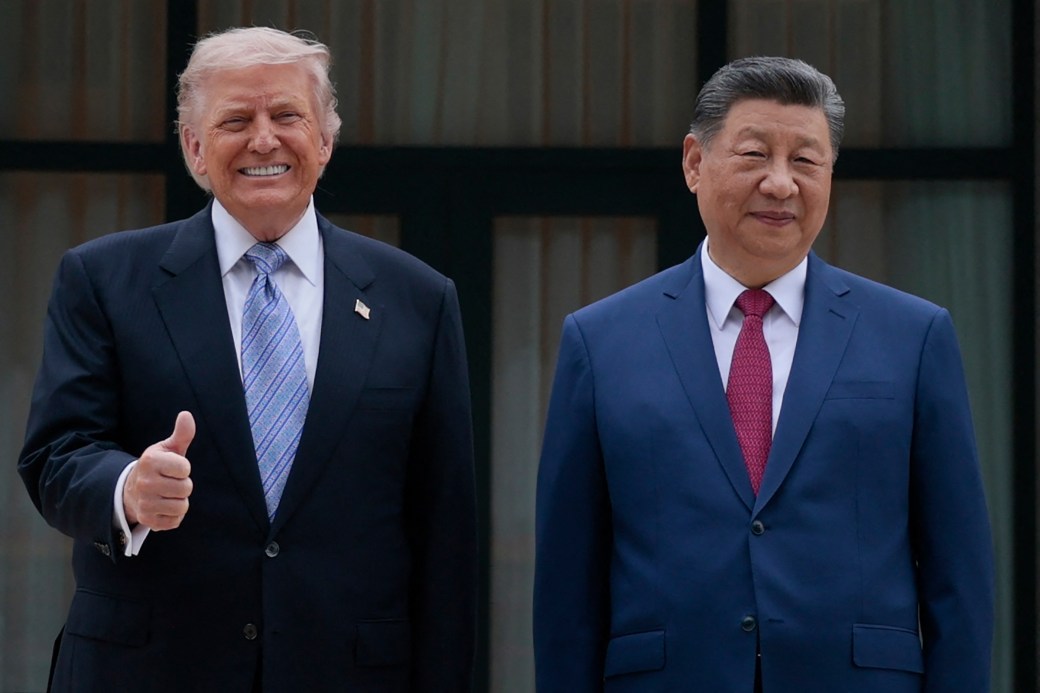
China now accounts for a record 40% of global container exports despite recent U.S. tariff policies aimed at curbing Chinese companies. The data suggest the tariffs have not materially reduced China's role in global merchandise trade.
3:05 AMFortune
Argentina’s poverty rate rose by 4.1 percentage points to 32 percent in the first half of 2026, with further economic pain expected and potential consequences for President Javier Milei’s reelection prospects.
8:23 PMAl JazeeraSummary
The surge in Treasury yields is creating a new policy challenge for the Federal Reserve as markets expect a tougher response to inflation. The central bank may have limited control over long-term rates if investors are driving the move.
The Fed could face tighter financial conditions without raising short-term rates, complicating its response to
Unlock the full First Pass Analysis to get a better understanding of why this story mattersWhy it matters
Rising long-term yields are tightening policy independently of the Fed's next rate decision.
Summary
Bond yields have reached their highest levels in roughly two decades as inflation concerns and expectations for sustained high interest rates push US Treasury yields higher. The increase is raising mortgage and business borrowing costs and could lift the government's future interest bill.
Higher yields are repricing the cost of money across the economy, not just the bond
Unlock the full First Pass Analysis to get a better understanding of why this story mattersWhy it matters
Rising yields tighten financial conditions broadly and can slow housing, investment, and economic growth.
Summary
Two consecutive weak Treasury note auctions indicate that government repurchases have not restored strong demand for bonds. Investors remain reluctant to absorb new supply as the bond market stays unsettled.
The failed response shows that official efforts cannot easily offset concerns about inflation, rates, and
Unlock the full First Pass Analysis to get a better understanding of why this story mattersWhy it matters
Persistent auction weakness would make government financing more expensive and intensify pressure on global interest rates.
Summary
The 10-year Treasury yield is rising to levels not seen in years, raising concerns about broader financial-market stress. Historical episodes suggest that rapid increases in borrowing costs can expose hidden weaknesses in the financial system.
The key risk is the speed of the adjustment, which can overwhelm borrowers and institutions
Unlock the full First Pass Analysis to get a better understanding of why this story mattersWhy it matters
A rapid Treasury selloff can turn a rates shock into a broader liquidity or credit event.
Summary
U.S. Treasury yields continued to rise after the 10-year yield reached its highest level in 19 years. Investors are increasing bets that interest rates will remain higher or rise further.
The surge in long-term yields shows that markets are repricing both the expected policy path
Unlock the full First Pass Analysis to get a better understanding of why this story mattersWhy it matters
Treasury yields set a baseline for global borrowing costs, so a sustained rise can pressure equities, emerging markets and heavily indebted governments.
Summary
The US 10-year Treasury yield rose above 5.10%, while Brent crude stayed above $102 a barrel. The combination raised concerns about global liquidity, inflation and India’s import bill.
Higher US yields make global capital more expensive and reduce the relative appeal of Indian
Unlock the full First Pass Analysis to get a better understanding of why this story mattersWhy it matters
India faces a simultaneous external financing shock and energy-cost shock, increasing pressure on equities, the rupee and inflation management.
Summary
Gold was on track for a weekly decline as elevated energy prices increased expectations that the Federal Reserve may need to raise interest rates further to contain inflation.
Higher oil prices are shifting investor attention from geopolitical safety toward the cost of tighter
Unlock the full First Pass Analysis to get a better understanding of why this story mattersWhy it matters
Gold is losing support because inflation risks are now reinforcing rate expectations rather than simply driving demand for havens.
Summary
Asian bonds faced further losses as higher oil prices revived inflation concerns and pushed long-term Treasury yields to multi-decade highs. Markets also increased bets on additional Federal Reserve rate hikes.
The inflation shock is tightening financial conditions before central banks have finished responding to earlier
Unlock the full First Pass Analysis to get a better understanding of why this story mattersWhy it matters
Oil-driven inflation could extend the global bond selloff and delay the shift toward lower interest rates.
Summary
The dollar was heading for its first back-to-back weekly gains in more than three months as rising Treasury yields and expectations of further Federal Reserve rate hikes lifted the currency against the euro and sterling, while the yen weakened.
The dollar’s rebound reflects a widening policy and yield advantage over other major economies. The
Unlock the full First Pass Analysis to get a better understanding of why this story mattersWhy it matters
A stronger dollar tightens global financial conditions, raises debt costs for emerging markets, and adds pressure to currencies already weakened by divergent central-bank policies.
Summary
Asian shares declined as government bond prices fell and yields rose across the region. A global bond index yield reached 4%, its highest level since 2007, intensifying concern that interest rates will remain elevated.
The bond selloff is spreading rate pressure across markets, forcing investors to reassess equity valuations
Unlock the full First Pass Analysis to get a better understanding of why this story mattersWhy it matters
A broad rise in bond yields threatens to tighten global financial conditions and weaken appetite for riskier assets.
Summary
The Dow fell as Treasury yields continued to climb, putting the index on track for a fourth straight weekly decline. Investors are watching the next session for further effects from rising yields and the latest market-moving developments.
Higher bond yields remain the immediate pressure point for equities, especially when they rise without
Unlock the full First Pass Analysis to get a better understanding of why this story mattersWhy it matters
Stocks face continued downside risk if yields keep rising and investors demand a larger return premium for holding equities.
Summary
The 30-year mortgage rate has risen as the 10-year Treasury yield climbs and uncertainty over the U.S. economy grows. Some market observers now see an 8% mortgage rate as a plausible outcome.
The risk of 8% mortgages reflects a broader repricing of long-term borrowing costs, not just
Unlock the full First Pass Analysis to get a better understanding of why this story mattersWhy it matters
A renewed rise in mortgage rates could deepen the housing market’s supply and affordability constraints.
Summary
US mortgage rates have risen above 7% as higher government bond yields and surging oil prices revive inflation concerns. The increase threatens to further weaken housing affordability as national elections approach.
The move above 7% raises monthly borrowing costs and prices more buyers out of the
Unlock the full First Pass Analysis to get a better understanding of why this story mattersWhy it matters
Housing is absorbing another rate shock just as inflation risks make relief from monetary policy less likely.
Summary
Goldman Sachs strategist Timothy Moe said AI-related stocks can remain attractive even as government bond yields rise, despite a broader bond selloff and higher oil prices raising inflation concerns.
The bullish case rests on AI earnings growth outweighing the valuation pressure from higher discount
Unlock the full First Pass Analysis to get a better understanding of why this story mattersWhy it matters
AI stocks are becoming a test of whether exceptional earnings growth can offset a more hostile macroeconomic backdrop.
Summary
SoftBank raised more than $11 billion in the largest junk-bond offering on record, with investors demanding yields as high as 9.75%. The proceeds will help finance the group’s investment in OpenAI.
The borrowing cost shows that markets view SoftBank’s AI exposure as a high-risk financing proposition,
Unlock the full First Pass Analysis to get a better understanding of why this story mattersWhy it matters
SoftBank is using expensive leverage to concentrate even more capital in an already crowded AI trade.
Summary
China now accounts for a record 40% of global container exports despite recent U.S. tariff policies aimed at curbing Chinese companies. The data suggest the tariffs have not materially reduced China's role in global merchandise trade.
China's export share shows that tariffs have not displaced its manufacturing scale or global supply-chain
Unlock the full First Pass Analysis to get a better understanding of why this story mattersWhy it matters
The result weakens the case that tariffs alone can reduce dependence on Chinese production while increasing the risk of higher prices and further trade retaliation.
Summary
Argentina’s poverty rate rose by 4.1 percentage points to 32 percent in the first half of 2026, with further economic pain expected and potential consequences for President Javier Milei’s reelection prospects.
The increase shows that Milei’s economic adjustment is imposing substantial near-term costs on households even
Unlock the full First Pass Analysis to get a better understanding of why this story mattersWhy it matters
Argentina’s economic program now faces its central political test: sustaining stabilization while limiting the social damage that threatens its mandate.
A curated list of other prominent stories from this day.

Gold prices fell on Friday and were set for a weekly decline as a stronger dollar and expectations of higher US interest rates reduced demand for the non-yielding asset. Fed officials kept open the possibility of further rate increases, while low unemployment claims pointed to a resilient labor market.
10:04 PMEconomic TimesOracle Japan shares jumped 7% after the company reported record fiscal first-quarter sales and profits, outperforming its U.S. parent as American technology shares sold off.
9:56 PMCNBCChicago grain prices fell as traders received no concrete agricultural trade commitments from the Trump-Xi summit in Washington.
9:40 PMBloomberg MarketsCredit markets have stayed receptive, with relatively low spreads and strong investor demand despite geopolitical risk. CFOs are weighing whether to lock in financing now as artificial intelligence drives potentially large capital expenditures and raises new questions about corporate strategy and principles.
5:44 PMBloomberg Markets
The 400 richest Americans would have earned more over the past year by investing their wealth in an S&P 500 index fund than through the performance of their individual fortunes. The comparison underscores how difficult it is for concentrated wealth and active choices to outperform a broad index consistently.
4:20 PMMarketWatch
Businesses have continued passing higher costs on to consumers, helping keep inflation elevated. The Federal Reserve is trying to weaken demand and wage-price pressure enough to discourage further price increases.
3:42 PMMarketWatch
Goldman Sachs collected more than $200 million in fees from Situational Awareness, an AI-focused investment firm that became the bank’s largest prime-brokerage client in less than two years. The relationship shows how quickly a new hedge fund can generate major revenue for Wall Street when its trading activity scales.
2:00 PMFinancial Times
Prime Minister Mark Carney is seeking to reduce Canada's economic dependence on the United States. He has acknowledged that Canadians will bear costs as the country responds to the trade war and pursues greater diversification.
1:28 PMThe New York Times
The United States and China have extended their trade truce, prompting debate over whether the move is mainly symbolic or a step toward a lasting agreement.
12:53 PMAl Jazeera
ECB Executive Board member Isabel Schnabel will leave the central bank before the end of her term to join the IMF. Her departure creates an opening for a major reshuffle among the ECB's senior leadership.
11:17 AMFinancial Times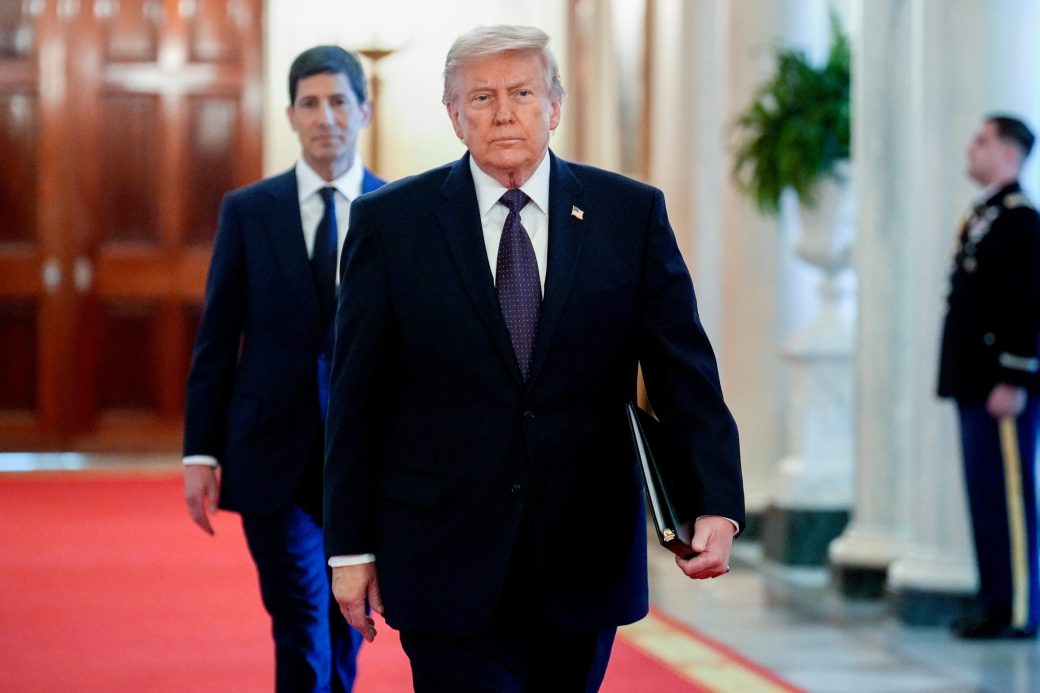
Surging bond yields and more hawkish rate expectations could complicate Kevin Warsh’s appeal in Washington. The outlook remains closely tied to crude oil prices, which are shaping global inflation and central-bank decisions.
6:38 AMFortuneASIC plans to strengthen safeguards for automated and AI-enabled trading while simplifying regulatory requirements for securities and futures market participants. The changes will be introduced through updates to Australia’s Market Integrity Rules.
6:17 AMFinextra
Vietnam's elevation to emerging-market status could direct about $6 billion in foreign capital toward its companies. Banks are expected to benefit more immediately than exporters because they stand to gain from improved market access and investor flows.
3:16 AMFortuneSummary
Gold prices fell on Friday and were set for a weekly decline as a stronger dollar and expectations of higher US interest rates reduced demand for the non-yielding asset. Fed officials kept open the possibility of further rate increases, while low unemployment claims pointed to a resilient labor market.
The combination of firm US growth and a higher-for-longer rate outlook is weakening gold's near-term
Unlock the full First Pass Analysis to get a better understanding of why this story mattersWhy it matters
Gold is facing a dual headwind from tighter US financial conditions and a stronger dollar.
Summary
Oracle Japan shares jumped 7% after the company reported record fiscal first-quarter sales and profits, outperforming its U.S. parent as American technology shares sold off.
The gains show that strong company-specific results can still overcome broader pressure on technology valuations.
Unlock the full First Pass Analysis to get a better understanding of why this story mattersWhy it matters
The divergence reinforces how earnings momentum, rather than sector labels alone, is driving performance in a volatile technology market.
Summary
Chicago grain prices fell as traders received no concrete agricultural trade commitments from the Trump-Xi summit in Washington.
The summit failed to deliver the immediate clarity markets had priced into crop trade, leaving
Unlock the full First Pass Analysis to get a better understanding of why this story mattersWhy it matters
The absence of a farm-trade deal keeps a major source of demand uncertainty hanging over U.S. agricultural markets.
Summary
Credit markets have stayed receptive, with relatively low spreads and strong investor demand despite geopolitical risk. CFOs are weighing whether to lock in financing now as artificial intelligence drives potentially large capital expenditures and raises new questions about corporate strategy and principles.
The borrowing decision is shifting from a market-access problem to a capital-allocation problem. CFOs can
Unlock the full First Pass Analysis to get a better understanding of why this story mattersWhy it matters
Accessible credit gives companies room to invest, but AI uncertainty makes disciplined timing more valuable than cheap money alone.
Summary
The 400 richest Americans would have earned more over the past year by investing their wealth in an S&P 500 index fund than through the performance of their individual fortunes. The comparison underscores how difficult it is for concentrated wealth and active choices to outperform a broad index consistently.
The result challenges the assumption that wealth, access and business expertise reliably translate into superior
Unlock the full First Pass Analysis to get a better understanding of why this story mattersWhy it matters
Even sophisticated investors face a high hurdle when concentrated bets compete with cheap, diversified exposure.
Summary
Businesses have continued passing higher costs on to consumers, helping keep inflation elevated. The Federal Reserve is trying to weaken demand and wage-price pressure enough to discourage further price increases.
Persistent corporate pricing power is extending the inflation problem beyond temporary supply shocks. If companies
Unlock the full First Pass Analysis to get a better understanding of why this story mattersWhy it matters
Corporate pricing decisions could determine whether inflation falls smoothly or forces a prolonged monetary squeeze.
Summary
Goldman Sachs collected more than $200 million in fees from Situational Awareness, an AI-focused investment firm that became the bank’s largest prime-brokerage client in less than two years. The relationship shows how quickly a new hedge fund can generate major revenue for Wall Street when its trading activity scales.
The fee total makes Situational Awareness an unusually important client despite its short operating history.
Unlock the full First Pass Analysis to get a better understanding of why this story mattersWhy it matters
The business shows both the profit potential and fragility of Wall Street’s race to serve AI-linked capital.
Summary
Prime Minister Mark Carney is seeking to reduce Canada's economic dependence on the United States. He has acknowledged that Canadians will bear costs as the country responds to the trade war and pursues greater diversification.
Canada cannot quickly replace the scale and integration of its US trade relationship, so diversification
Unlock the full First Pass Analysis to get a better understanding of why this story mattersWhy it matters
Canada's effort to reduce US dependence creates immediate economic pain in exchange for longer-term resilience.
Summary
The United States and China have extended their trade truce, prompting debate over whether the move is mainly symbolic or a step toward a lasting agreement.
The extension preserves a channel for negotiation while leaving the underlying rivalry intact. It may
Unlock the full First Pass Analysis to get a better understanding of why this story mattersWhy it matters
The truce limits short-term trade risk without ending the strategic conflict between the world’s two largest economies.
Summary
ECB Executive Board member Isabel Schnabel will leave the central bank before the end of her term to join the IMF. Her departure creates an opening for a major reshuffle among the ECB's senior leadership.
Schnabel's early exit changes the balance of expertise and influence at the ECB during a
Unlock the full First Pass Analysis to get a better understanding of why this story mattersWhy it matters
A senior ECB vacancy gives governments a chance to alter the central bank's future leadership and policy balance.
Summary
Surging bond yields and more hawkish rate expectations could complicate Kevin Warsh’s appeal in Washington. The outlook remains closely tied to crude oil prices, which are shaping global inflation and central-bank decisions.
Higher oil prices would make it harder for policymakers to favor faster rate cuts or
Unlock the full First Pass Analysis to get a better understanding of why this story mattersWhy it matters
Oil-driven inflation can narrow the policy room for any Fed leadership candidate promising easier financial conditions.
Summary
ASIC plans to strengthen safeguards for automated and AI-enabled trading while simplifying regulatory requirements for securities and futures market participants. The changes will be introduced through updates to Australia’s Market Integrity Rules.
The regulatory shift raises accountability for firms using algorithms and AI in markets while reducing
Unlock the full First Pass Analysis to get a better understanding of why this story mattersWhy it matters
Australia is tightening governance around machine-driven trading before wider adoption increases the risk of disorderly or opaque market behavior.
Summary
Vietnam's elevation to emerging-market status could direct about $6 billion in foreign capital toward its companies. Banks are expected to benefit more immediately than exporters because they stand to gain from improved market access and investor flows.
The upgrade changes Vietnam's investor base and could lower the cost of capital for companies
Unlock the full First Pass Analysis to get a better understanding of why this story mattersWhy it matters
Vietnam's reclassification could accelerate financial-market development and make its banks a key channel for foreign investment.
Make it yours
Pick your topics, set your cadence, and receive your personalized First Pass in your inbox. It’s that simple!