
U.S. government bond yields have climbed sharply in a move that began in June. Market watchers attribute the increase to several interacting factors rather than a single catalyst.
8:31 AMCNBC108 stories from 10 sources
Supporting Articles
U.S. government bond yields have climbed sharply in a move that began in June. Market watchers attribute the increase to several interacting factors rather than a single catalyst.
8:31 AMCNBC
U.S. Treasury yields rose as oil prices gained and tensions between the United States and Iran increased inflation concerns. The 30-year yield traded near 5.322%, just below its highest level since 2002.
4:33 PMCNBC
Investors are turning their attention to how much the U.S. must pay to attract buyers for its expanding debt as a global bond selloff intensifies.
10:15 AMMarketWatch
Bank of America strategist Michael Hartnett cautions against bond investments as the U.S. continues to run large fiscal deficits and its national debt approaches $40 trillion.
3:12 PMFortune
Japan's Nikkei fell 2.97% as a global technology sell-off, higher bond yields, and renewed Middle East uncertainty weakened risk appetite. Semiconductor stocks led the decline, with Kioxia and Furukawa Electric dropping more than 10%, while a few domestic-facing shares rose.
11:59 PMEconomic Times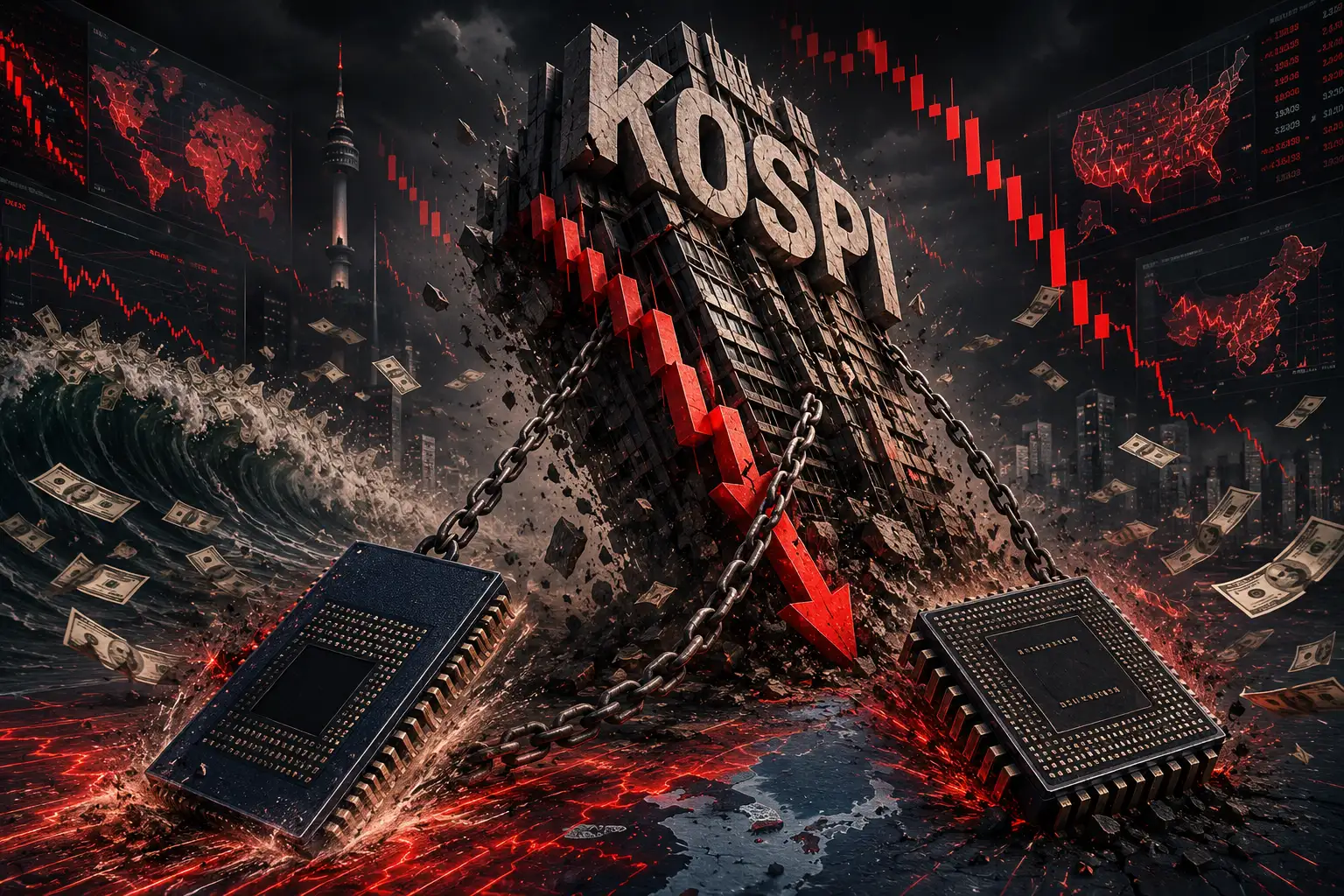
The Kospi dropped 4.65% as higher global bond yields and Middle East tensions triggered heavy selling in semiconductor stocks. Samsung Electronics and SK Hynix led the decline, while foreign investors sold 1.47 trillion won, despite the index remaining sharply higher for the year.
11:46 PMEconomic Times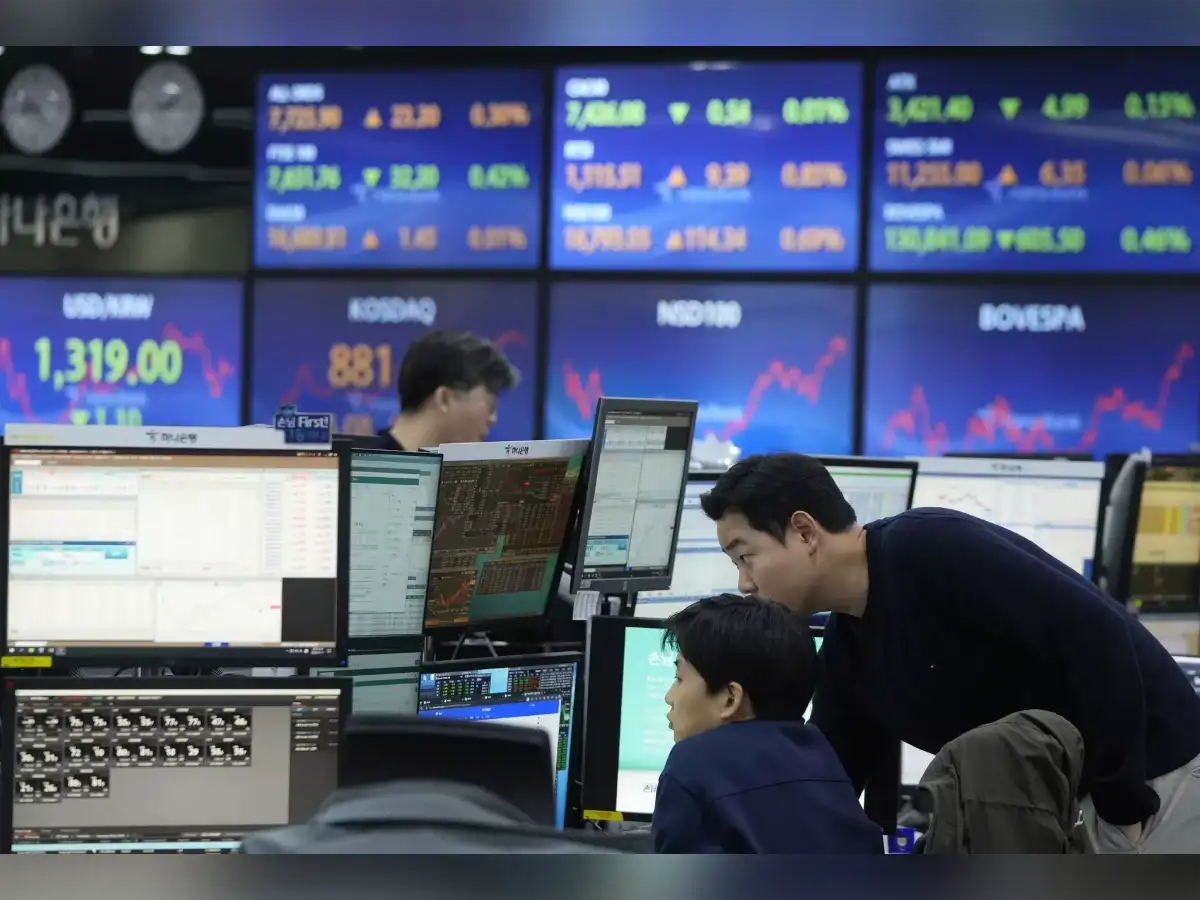
Asian stocks fell as semiconductor shares extended their decline, while higher bond yields and rising oil prices weighed on sentiment. Investors reduced exposure to growth stocks amid inflation, debt, and Middle East concerns.
8:54 PMEconomic Times
South Korean stocks led a decline in Asian chip shares as rising bond yields intensified concerns about Big Tech's heavy spending. Investors are reassessing the outlook for large technology investments.
8:42 PMBloomberg Markets
Long-term government borrowing costs have reached multidecade highs as investors contend with persistent inflation fears and a potential wave of debt issuance tied to AI investment. The pressure has spread across global fixed-income markets.
4:36 PMFinancial Times
The rupee is expected to open weaker as higher oil prices and rising US Treasury yields pressure emerging-market currencies. Traders are also assessing the Reserve Bank of India's swap facility and ongoing dollar sales, with intervention watched around the 95.80 to 96.00 range.
11:11 PMEconomic Times
The U.S. dollar weakened against major currencies as Treasury yields declined, with investors waiting for the Federal Reserve's meeting minutes for clues about interest rates. The euro and sterling edged higher ahead of inflation data, while oil prices climbed to nearly three-week highs amid heightened Middle East tensions.
9:56 PMEconomic TimesThe Philippine peso fell to a record low against the dollar as rising oil prices renewed pressure on the currency.
9:41 PMBloomberg Markets
Donald Trump delayed new tariffs on a broad range of Canadian goods for three days, saying the United States and Canada were close to a trade agreement. The pause gives negotiators a short window to settle remaining disputes before the duties take effect.
11:56 PMBBCTrading in Japan bond futures in Singapore has surged as global funds and relative-value traders respond to higher volatility. The activity reflects growing demand to hedge or exploit sharp moves in Japanese debt.
9:00 PMBloomberg MarketsGlobal private equity firms made no new equity investments in China as Beijing increased scrutiny of foreign capital in sensitive sectors. The firms are avoiding deals amid regulatory uncertainty and a difficult exit environment.
12:00 AMFinancial TimesA Hong Kong court will hear arguments over whether a deal creating a fund to compensate China Evergrande's minority shareholders is valid. The challenge pits Evergrande's liquidators against Hong Kong's market watchdog.
8:51 PMBloomberg MarketsCopper extended its sharpest decline in more than three weeks after large deliveries to London Metal Exchange warehouses eased a historic supply squeeze.
11:07 PMBloomberg MarketsSummary
U.S. government bond yields have climbed sharply in a move that began in June. Market watchers attribute the increase to several interacting factors rather than a single catalyst.
The rise reflects a broad repricing of U.S. debt risk as investors weigh inflation, government
Unlock the full First Pass Analysis to get a better understanding of why this story mattersWhy it matters
A sustained Treasury selloff would raise financing costs for governments, companies and households across global markets.
Summary
U.S. Treasury yields rose as oil prices gained and tensions between the United States and Iran increased inflation concerns. The 30-year yield traded near 5.322%, just below its highest level since 2002.
Geopolitical risk is feeding directly into bond pricing through the energy market. A sustained oil
Unlock the full First Pass Analysis to get a better understanding of why this story mattersWhy it matters
The market is pricing a potential stagflationary shock that could hurt both bonds and risk assets.
Summary
Investors are turning their attention to how much the U.S. must pay to attract buyers for its expanding debt as a global bond selloff intensifies.
Rising yields are increasing the government's financing costs and testing demand for Treasury securities. If
Unlock the full First Pass Analysis to get a better understanding of why this story mattersWhy it matters
The cost of funding U.S. deficits is becoming a direct driver of global borrowing conditions.
Summary
Bank of America strategist Michael Hartnett cautions against bond investments as the U.S. continues to run large fiscal deficits and its national debt approaches $40 trillion.
Persistent deficits can keep Treasury issuance high and push investors to demand greater compensation for
Unlock the full First Pass Analysis to get a better understanding of why this story mattersWhy it matters
Fiscal deterioration is becoming a potential source of losses in the asset class traditionally viewed as defensive.
Summary
Japan's Nikkei fell 2.97% as a global technology sell-off, higher bond yields, and renewed Middle East uncertainty weakened risk appetite. Semiconductor stocks led the decline, with Kioxia and Furukawa Electric dropping more than 10%, while a few domestic-facing shares rose.
The sell-off shows how quickly Japan's equity market is transmitting global rates and technology risk,
Unlock the full First Pass Analysis to get a better understanding of why this story mattersWhy it matters
Japan's chip-heavy market remains highly vulnerable to a combination of higher global rates and worsening geopolitical risk.
Summary
The Kospi dropped 4.65% as higher global bond yields and Middle East tensions triggered heavy selling in semiconductor stocks. Samsung Electronics and SK Hynix led the decline, while foreign investors sold 1.47 trillion won, despite the index remaining sharply higher for the year.
The scale of foreign selling indicates that investors are locking in gains in the market's
Unlock the full First Pass Analysis to get a better understanding of why this story mattersWhy it matters
South Korea's market is giving back part of a major rally as concentrated semiconductor exposure meets a global risk-off shock.
Summary
Asian stocks fell as semiconductor shares extended their decline, while higher bond yields and rising oil prices weighed on sentiment. Investors reduced exposure to growth stocks amid inflation, debt, and Middle East concerns.
The chip selloff is broadening a defensive rotation away from high-growth assets. Higher yields raise
Unlock the full First Pass Analysis to get a better understanding of why this story mattersWhy it matters
The market is repricing growth stocks as higher yields and energy costs challenge both valuations and earnings.
Summary
South Korean stocks led a decline in Asian chip shares as rising bond yields intensified concerns about Big Tech's heavy spending. Investors are reassessing the outlook for large technology investments.
Higher yields are making long-duration growth assets less attractive just as investors question whether Big
Unlock the full First Pass Analysis to get a better understanding of why this story mattersWhy it matters
The pressure combines valuation risk with doubts about the sustainability of the AI investment cycle.
Summary
Long-term government borrowing costs have reached multidecade highs as investors contend with persistent inflation fears and a potential wave of debt issuance tied to AI investment. The pressure has spread across global fixed-income markets.
The bond selloff is intensifying because demand must absorb both public borrowing and large corporate
Unlock the full First Pass Analysis to get a better understanding of why this story mattersWhy it matters
The cost of financing the AI buildout and fiscal deficits is rising together, creating a broader test for growth and asset valuations.
Summary
The rupee is expected to open weaker as higher oil prices and rising US Treasury yields pressure emerging-market currencies. Traders are also assessing the Reserve Bank of India's swap facility and ongoing dollar sales, with intervention watched around the 95.80 to 96.00 range.
The rupee faces pressure from both a wider external funding burden and weaker global risk
Unlock the full First Pass Analysis to get a better understanding of why this story mattersWhy it matters
A weaker rupee could raise imported inflation and complicate India's monetary policy if oil and US yields remain high.
Summary
The U.S. dollar weakened against major currencies as Treasury yields declined, with investors waiting for the Federal Reserve's meeting minutes for clues about interest rates. The euro and sterling edged higher ahead of inflation data, while oil prices climbed to nearly three-week highs amid heightened Middle East tensions.
Falling yields are reducing the dollar's support, but upcoming inflation reports and the Fed minutes
Unlock the full First Pass Analysis to get a better understanding of why this story mattersWhy it matters
Currency and bond markets are balancing weaker U.S. rate support against an oil-driven risk of persistent inflation.
Summary
The Philippine peso fell to a record low against the dollar as rising oil prices renewed pressure on the currency.
More expensive oil worsens the Philippines' import bill and increases demand for dollars, adding to
Unlock the full First Pass Analysis to get a better understanding of why this story mattersWhy it matters
The peso's record low shows how an energy shock can quickly intensify pressure on an import-dependent emerging market.
Summary
Donald Trump delayed new tariffs on a broad range of Canadian goods for three days, saying the United States and Canada were close to a trade agreement. The pause gives negotiators a short window to settle remaining disputes before the duties take effect.
The immediate change is a delay, not a resolution, leaving Canadian exporters and US businesses
Unlock the full First Pass Analysis to get a better understanding of why this story mattersWhy it matters
A short pause could prevent a new North American trade shock, but it also keeps tariff escalation as the central bargaining tool.
2 stories · 2 sources
Summary
Trading in Japan bond futures in Singapore has surged as global funds and relative-value traders respond to higher volatility. The activity reflects growing demand to hedge or exploit sharp moves in Japanese debt.
Japan's bond market has become a larger source of tradable risk for international investors, not
Unlock the full First Pass Analysis to get a better understanding of why this story mattersWhy it matters
Rising offshore futures activity increases the global market footprint of Japan's bond turmoil.
Summary
Global private equity firms made no new equity investments in China as Beijing increased scrutiny of foreign capital in sensitive sectors. The firms are avoiding deals amid regulatory uncertainty and a difficult exit environment.
The absence of new deals marks a sharp retreat from China’s once central role in
Unlock the full First Pass Analysis to get a better understanding of why this story mattersWhy it matters
China’s regulatory and geopolitical risks are now discouraging not just marginal investors, but the global private equity industry.
Summary
A Hong Kong court will hear arguments over whether a deal creating a fund to compensate China Evergrande's minority shareholders is valid. The challenge pits Evergrande's liquidators against Hong Kong's market watchdog.
The case could determine whether a proposed remedy for minority investors survives legal scrutiny and
Unlock the full First Pass Analysis to get a better understanding of why this story mattersWhy it matters
The dispute tests investor protection and the legal limits of enforcement during China's property-sector unwind.
Summary
Copper extended its sharpest decline in more than three weeks after large deliveries to London Metal Exchange warehouses eased a historic supply squeeze.
The warehouse inflows have weakened the immediate scarcity premium that drove copper prices higher. They
Unlock the full First Pass Analysis to get a better understanding of why this story mattersWhy it matters
The shift shows that physical availability, rather than demand alone, is now driving copper's price swings.
A curated list of other prominent stories from this day.

Bank of America identifies one country as the most effective market for hedging the impact of severe El Niño disruptions to global food supply chains. The recommendation is based on how weather shocks could affect agricultural markets.
10:40 PMCNBC
Gold prices rose slightly in early Asian trading as U.S. Treasury yields pulled back from recent highs. Investors are awaiting the Federal Reserve's meeting minutes, while other precious metals traded unevenly ahead of new economic data.
9:59 PMEconomic Times
The S&P 500 fell for a third consecutive session Tuesday as elevated bond yields and oil prices pressured equities. Investors will focus Wednesday on the forces driving rates and energy prices, including commentary from BlackRock’s Rick Rieder.
7:07 PMCNBC
US stock futures were little changed after major Wall Street indexes fell as higher oil prices and Treasury yields pressured sentiment. Investors remain focused on the effects of energy costs and interest rates on corporate earnings and valuations.
4:21 PMCNBC
Despite multiple looming risks, the market's fear gauge is signaling little concern, creating an opportunity for investors to buy relatively inexpensive protection against a stock-market decline.
4:07 PMMarketWatch
Large bitcoin holders, including so-called whales and dolphins, bought roughly 43,000 bitcoin over 60 days after months of selling. The purchases are valued at about $2.75 billion at current prices.
4:03 PMPYMNTSThe European Central Bank is incorporating climate risk into its collateral-management framework, extending climate considerations into the mechanics of central-bank operations.
3:23 PMFinextra
Mortgage rates edged higher as a worsening bond-market selloff pushed up longer-term yields, which typically influence home-loan pricing.
10:23 AMMarketWatch
A research group examined how the approaching $40 trillion national debt could affect people financing college, purchasing homes and receiving Social Security.
4:36 PMMarketWatch
Financial firms are seeking to launch 32 exchange-traded funds tied to sports betting, bringing gambling exposure closer to mainstream investing. Critics argue that the products would blur the line between portfolio management, trading and wagering.
12:48 PMMarketWatchCiti Investor Services has launched Custody+, a suite of near-real-time and real-time custody solutions. The offering targets institutional investors adapting to shorter settlement cycles, continuous markets, and AI-driven operations.
10:15 AMFinextra
Fund managers remain optimistic despite a sharp selloff in global bonds, with capital spending driving enthusiasm. The strength of the investment cycle is encouraging investors to look past rising borrowing costs.
8:04 AMFinancial TimesSummary
Bank of America identifies one country as the most effective market for hedging the impact of severe El Niño disruptions to global food supply chains. The recommendation is based on how weather shocks could affect agricultural markets.
A severe El Niño would create uneven gains and losses across producers, exporters, and food-dependent
Unlock the full First Pass Analysis to get a better understanding of why this story mattersWhy it matters
Weather risk is becoming a tradable macro risk with direct consequences for food inflation, currencies, and agricultural assets.
Summary
Gold prices rose slightly in early Asian trading as U.S. Treasury yields pulled back from recent highs. Investors are awaiting the Federal Reserve's meeting minutes, while other precious metals traded unevenly ahead of new economic data.
Lower yields have modestly improved the appeal of non-yielding gold, but the Fed minutes could
Unlock the full First Pass Analysis to get a better understanding of why this story mattersWhy it matters
Gold's next move depends less on safe-haven demand than on whether the Fed validates current rate expectations.
Summary
The S&P 500 fell for a third consecutive session Tuesday as elevated bond yields and oil prices pressured equities. Investors will focus Wednesday on the forces driving rates and energy prices, including commentary from BlackRock’s Rick Rieder.
Persistent pressure from bond yields and oil has shifted the market’s focus from company-specific results
Unlock the full First Pass Analysis to get a better understanding of why this story mattersWhy it matters
Rates and oil are reinforcing each other as the main near-term threats to stocks.
Summary
US stock futures were little changed after major Wall Street indexes fell as higher oil prices and Treasury yields pressured sentiment. Investors remain focused on the effects of energy costs and interest rates on corporate earnings and valuations.
Higher oil prices and rising yields are tightening financial conditions at the same time, threatening
Unlock the full First Pass Analysis to get a better understanding of why this story mattersWhy it matters
The market is facing a two sided squeeze from renewed inflation pressure and higher borrowing costs.
Summary
Despite multiple looming risks, the market's fear gauge is signaling little concern, creating an opportunity for investors to buy relatively inexpensive protection against a stock-market decline.
Low implied volatility has reduced the cost of downside hedges even as risks remain visible.
Unlock the full First Pass Analysis to get a better understanding of why this story mattersWhy it matters
Cheap insurance can improve portfolio resilience when complacent volatility pricing understates potential market shocks.
Summary
Large bitcoin holders, including so-called whales and dolphins, bought roughly 43,000 bitcoin over 60 days after months of selling. The purchases are valued at about $2.75 billion at current prices.
The reversal suggests that deep-pocketed investors see value at recent prices or expect selling pressure
Unlock the full First Pass Analysis to get a better understanding of why this story mattersWhy it matters
The shift in whale behavior could strengthen bitcoin's rebound while making flows from large wallets more consequential.
Summary
The European Central Bank is incorporating climate risk into its collateral-management framework, extending climate considerations into the mechanics of central-bank operations.
Collateral eligibility and valuation can influence which assets banks hold and how cheaply they obtain
Unlock the full First Pass Analysis to get a better understanding of why this story mattersWhy it matters
Climate policy is becoming part of financial plumbing, not just a disclosure or investment concern.
Summary
Mortgage rates edged higher as a worsening bond-market selloff pushed up longer-term yields, which typically influence home-loan pricing.
The bond rout has tightened financial conditions for prospective buyers even without a change in
Unlock the full First Pass Analysis to get a better understanding of why this story mattersWhy it matters
A market-driven rise in yields can make housing less affordable before policymakers take action.
Summary
A research group examined how the approaching $40 trillion national debt could affect people financing college, purchasing homes and receiving Social Security.
The debt burden reaches households through higher borrowing costs, pressure on public programs and reduced
Unlock the full First Pass Analysis to get a better understanding of why this story mattersWhy it matters
The debt debate is no longer abstract: it can alter household financing costs and benefit security.
Summary
Financial firms are seeking to launch 32 exchange-traded funds tied to sports betting, bringing gambling exposure closer to mainstream investing. Critics argue that the products would blur the line between portfolio management, trading and wagering.
The proposed ETFs would package betting-related exposure in a familiar investment vehicle, potentially broadening access
Unlock the full First Pass Analysis to get a better understanding of why this story mattersWhy it matters
Packaging sports betting as ETFs could expand gambling participation while making its risks look like ordinary investing.
Summary
Citi Investor Services has launched Custody+, a suite of near-real-time and real-time custody solutions. The offering targets institutional investors adapting to shorter settlement cycles, continuous markets, and AI-driven operations.
Custody providers must now process assets and information with less delay as markets operate across
Unlock the full First Pass Analysis to get a better understanding of why this story mattersWhy it matters
Market infrastructure is being rebuilt around faster settlement and continuous, technology-driven trading.
Summary
Fund managers remain optimistic despite a sharp selloff in global bonds, with capital spending driving enthusiasm. The strength of the investment cycle is encouraging investors to look past rising borrowing costs.
The market is treating corporate capital expenditure as a growth engine strong enough to offset
Unlock the full First Pass Analysis to get a better understanding of why this story mattersWhy it matters
Investor optimism now rests on whether the capex boom produces earnings rather than just spending.
Make it yours
Pick your topics, set your cadence, and receive your personalized First Pass in your inbox. It’s that simple!
