Oil prices fell after President Donald Trump eased sanctions on Russia, with Brent crude dropping to $108.43 a barrel from a peak of $110. The waiver was expected to increase Russian fuel exports, while Ukraine warned that the move would harm its interests and the United States secured a deal to import Russian diesel.
10:04 PMEconomic Times10 stories from 6 sources
Russian energy flows become both market lever and battlefield target
Day’s Recap
Supporting Articles

Oil prices fell from a five-month high as traders balanced renewed Middle East fighting against evidence that regional supply remains close to pre-war levels.
6:02 PMBloomberg Markets
Ukraine launched its largest reported drone attack on St Petersburg, striking technology infrastructure after Russia targeted electricity substations in Ukraine.
2:30 PMFinancial Times
Overnight strikes in St Petersburg hit oil facilities and a data centre used by Russia's equivalent of Facebook. At least one person was killed.
11:46 AMBBC
Russian-linked shadow-fleet tankers are using a new location-spoofing method that makes individual vessels appear in two places at once. The coordinated deception suggests tighter control over the ships involved.
12:00 AMFinancial TimesOil slips as Trump's sanction waiver may lead to more Russian fuel supplies
Summary
Oil prices fell after President Donald Trump eased sanctions on Russia, with Brent crude dropping to $108.43 a barrel from a peak of $110. The waiver was expected to increase Russian fuel exports, while Ukraine warned that the move would harm its interests and the United States secured a deal to import Russian diesel.
The immediate shift is from restricting Russian energy flows to allowing more supply into global
Unlock the full First Pass Analysis to get a better understanding of why this story mattersWhy it matters
The policy change links lower energy prices to a weaker sanctions regime and a new source of friction between Washington and Kyiv.

Latest Oil Market News and Analysis for Oct. 19
Summary
Oil prices fell from a five-month high as traders balanced renewed Middle East fighting against evidence that regional supply remains close to pre-war levels.
Physical supply has so far resisted the escalation, limiting the risk premium that pushed prices
Unlock the full First Pass Analysis to get a better understanding of why this story mattersWhy it matters
Oil prices are being driven less by current shortages than by the possibility that regional conflict could create one.

St Petersburg endures biggest Ukrainian drone attack
Summary
Ukraine launched its largest reported drone attack on St Petersburg, striking technology infrastructure after Russia targeted electricity substations in Ukraine.
The conflict is expanding into reciprocal attacks on infrastructure that supports military operations and the
Unlock the full First Pass Analysis to get a better understanding of why this story mattersWhy it matters
Infrastructure is becoming a central battlefield, with attacks threatening the systems that keep cities, industry, and military operations running.

Oil facilities hit in deadly overnight attack on St Petersburg
Summary
Overnight strikes in St Petersburg hit oil facilities and a data centre used by Russia's equivalent of Facebook. At least one person was killed.
The attack brings the conflict's infrastructure risk into St Petersburg, targeting both energy assets and
Unlock the full First Pass Analysis to get a better understanding of why this story mattersWhy it matters
The strikes show that Russia's urban energy and digital infrastructure remain vulnerable to direct attack.

Russian ships fake locations to appear in two places at once
Summary
Russian-linked shadow-fleet tankers are using a new location-spoofing method that makes individual vessels appear in two places at once. The coordinated deception suggests tighter control over the ships involved.
The shift from isolated manipulation to coordinated spoofing makes maritime tracking and sanctions enforcement less
Unlock the full First Pass Analysis to get a better understanding of why this story mattersWhy it matters
More sophisticated location fraud could weaken the monitoring systems used to enforce sanctions on Russian oil shipments.
Other Developments
A curated list of other prominent stories from this day.

Chinese coal production fell last month, raising concerns about supply before the winter heating season, when demand typically peaks.
10:28 PMBloomberg Markets
Voters are increasingly linking rising energy prices to the administration’s policies, weakening its claim that it can reduce the cost of living.
11:00 AMFinancial Times
Ukraine struck a Russian oil terminal while disruptions continued to affect Starshield, the satellite internet service provided to Ukrainian forces. Ukrainian officials said the Pentagon and SpaceX had not responded to inquiries about the outages.
10:30 AMThe New York Times
The Iran war and the expansion of artificial intelligence are increasing demand for reliable clean power. That trend is strengthening the case for green energy despite President Trump's efforts to curb the industry.
6:00 AMFinancial Times
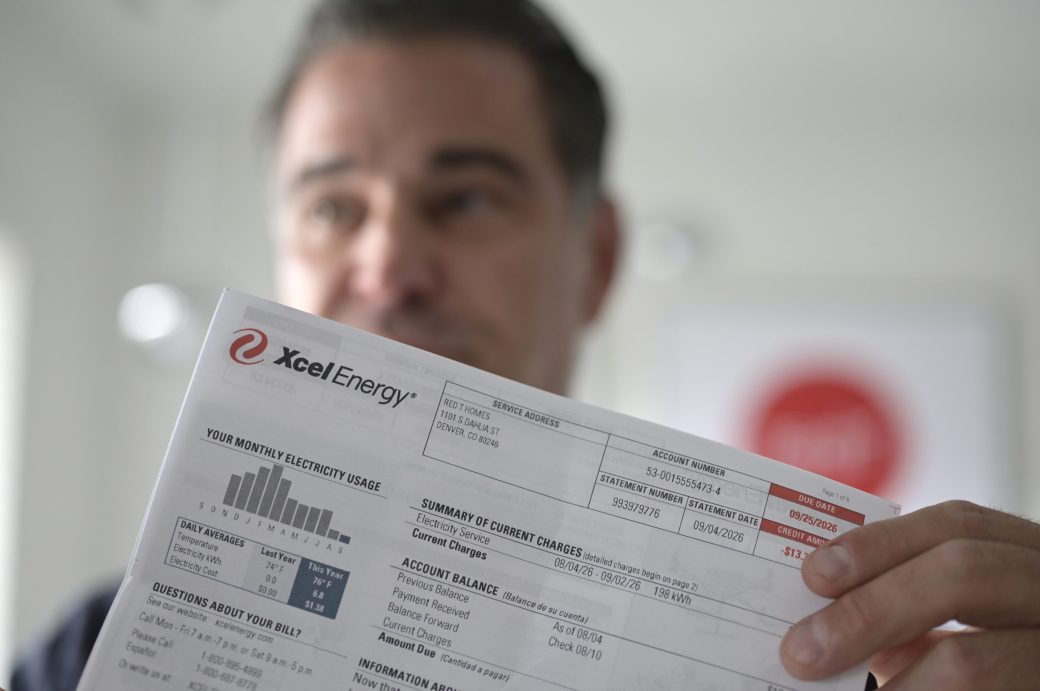
Fuel prices are central to midterm election debates, but household utility bills have risen by an average of 40% in recent years. Additional increases are expected.
3:09 AMFortune
China’s Coal Output Drops as Concerns Build Over Winter Supply
Summary
Chinese coal production fell last month, raising concerns about supply before the winter heating season, when demand typically peaks.
Lower output leaves China with less room to absorb a winter demand surge, increasing the
Unlock the full First Pass Analysis to get a better understanding of why this story mattersWhy it matters
A production decline ahead of peak heating demand could tighten China’s coal market and add volatility to regional energy prices.

Trump’s bid to make America cheap again has failed
Summary
Voters are increasingly linking rising energy prices to the administration’s policies, weakening its claim that it can reduce the cost of living.
The decisive shift is political: energy inflation is becoming associated with the administration rather than
Unlock the full First Pass Analysis to get a better understanding of why this story mattersWhy it matters
Energy prices are turning from an economic burden into a direct test of the administration’s credibility.

Zelensky Says Trump Risks ‘Historic Mistake’ If He Backs Russia
Summary
Ukraine struck a Russian oil terminal while disruptions continued to affect Starshield, the satellite internet service provided to Ukrainian forces. Ukrainian officials said the Pentagon and SpaceX had not responded to inquiries about the outages.
Ukraine’s battlefield operations are unfolding alongside unresolved uncertainty over a communications system used by its
Unlock the full First Pass Analysis to get a better understanding of why this story mattersWhy it matters
The episode exposes Ukraine’s vulnerability to disruptions in privately controlled military communications as it targets Russia’s energy network.

Trump’s losing battle with green energy
Summary
The Iran war and the expansion of artificial intelligence are increasing demand for reliable clean power. That trend is strengthening the case for green energy despite President Trump's efforts to curb the industry.
Energy security and the electricity needs of AI are creating practical incentives that work against
Unlock the full First Pass Analysis to get a better understanding of why this story mattersWhy it matters
Geopolitical risk and rising power demand may accelerate clean-energy investment even as federal policy turns against it.

Fuel prices dominate midterm election discussions, but spiking utility bills may be the difference maker
Summary
Fuel prices are central to midterm election debates, but household utility bills have risen by an average of 40% in recent years. Additional increases are expected.
Utility costs may become the more potent electoral issue because they affect recurring household budgets
Unlock the full First Pass Analysis to get a better understanding of why this story mattersWhy it matters
Rising utility bills could reshape the affordability debate and move voters who are less responsive to fuel-price swings.
Make it yours
Build Your First Pass.
Pick your topics, set your cadence, and receive your personalized First Pass in your inbox. It’s that simple!