
US President Donald Trump said Russia and Ukraine had agreed to stop attacks on energy facilities, while Ukraine reported new Russian strikes and urged an end to the war.
11:30 PMAl Jazeera50 stories from 10 sources
Supporting Articles
US President Donald Trump said Russia and Ukraine had agreed to stop attacks on energy facilities, while Ukraine reported new Russian strikes and urged an end to the war.
11:30 PMAl Jazeera
Ukraine’s Volodymyr Zelensky has indicated that he would accept a ceasefire covering energy infrastructure, but Russia has offered little public response. Moscow’s silence leaves its position on the proposal unclear.
4:17 PMBBC
Ukraine is facing another winter of electricity outages as the proposed energy ceasefire raises questions about whether it will reduce attacks on critical infrastructure.
11:51 AMBBC
Ukrainian President Volodymyr Zelenskyy accused Russia of violating the energy ceasefire announced by President Trump by striking power plants. The allegation puts the proposed pause under immediate strain.
10:27 AMFinancial Times
President Trump’s decision to suspend sanctions on Russian diesel fuel stunned Ukrainian and European officials meeting with US envoys in Miami. The move has created a fresh dispute over Washington’s approach to the war and its economic pressure on Moscow.
6:12 PMThe New York Times
Donald Trump defended a diesel deal involving Russia after bipartisan criticism, arguing that the decision was correct. Ukrainian President Volodymyr Zelenskyy said easing sanctions on Moscow plays into Russia’s hands.
2:32 PMCNBCRepresentative Mike Lawler said the United States should reject any diesel or energy deal that benefits Russian President Vladimir Putin. He argued that the country should address supply problems by expanding domestic energy production and building new refineries.
2:27 PMBloomberg Markets
President Trump is moving to purchase Russian diesel while pressuring Ukraine to stop attacks on Russian refineries, a key part of Moscow’s war economy. The approach would restrict Kyiv’s ability to disrupt Russia’s fuel system while preserving a market for Russian energy.
1:20 PMThe New York TimesOil prices declined as traders weighed the possibility of increased Russian diesel exports against risks of supply disruption linked to the Saudi-Houthi conflict.
5:20 AMCNBC
Brent crude fell 61 cents to $105 a barrel, while US West Texas Intermediate declined 92 cents to $93. Brent had reached $106.65 the previous day, its highest level since September 15, after oil prices rose more than 70% this year amid disruption linked to the US war on Iran.
10:08 PMEconomic Times
Oil prices edged lower after an earlier rise as traders weighed attacks in Saudi Arabia and renewed concerns about Gulf energy infrastructure against the prospect of increased Russian diesel imports. Strikes near major shipping routes have kept regional supply risks in focus.
9:59 PMEconomic TimesOil prices rose as Ukraine challenged the credibility of a proposed energy ceasefire and Saudi Arabia faced its deadliest strikes since the Iran war began. New drone and cruise missile attacks raised fresh concerns about the security of regional supply infrastructure.
1:00 PMBloomberg MarketsMore empty supertankers are turning away from a Persian Gulf transfer hub as Iranian attacks threaten wartime oil shipments. The diversions indicate that security risks are affecting shipping decisions before cargoes even reach the market.
12:55 PMBloomberg Markets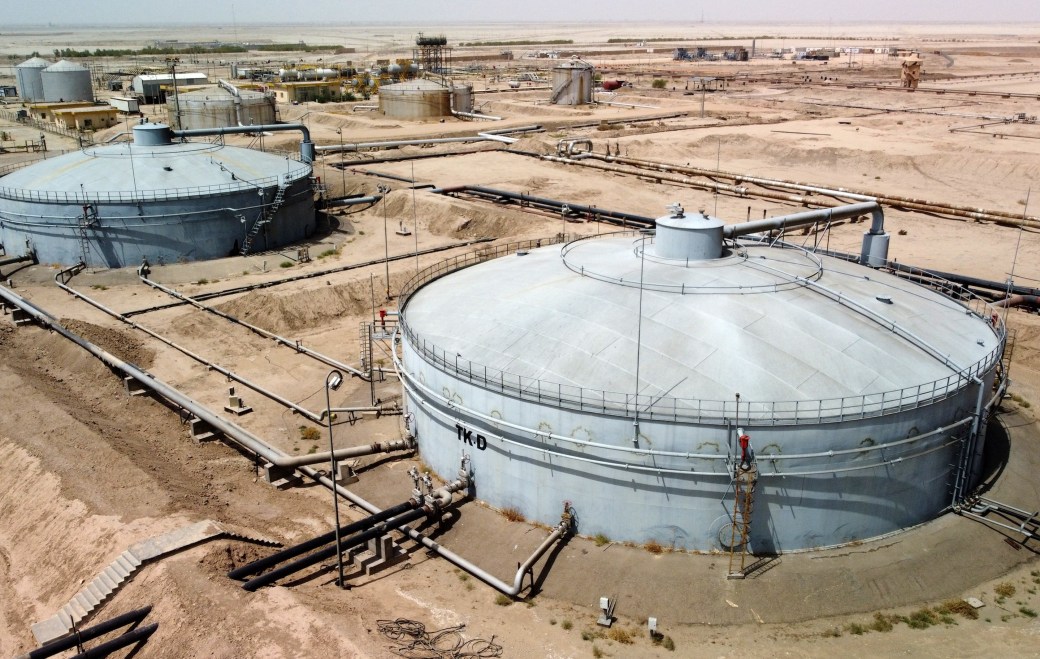
The IEA is accelerating a record 400 million-barrel release as diesel prices rise. At the same time, a US federal watchdog says the Strategic Petroleum Reserve is aging, depleted, and lacks a defined target size.
2:55 AMFortuneBritain’s grid operator requested up to 1,200 megawatts from France through an undersea interconnector to protect power-system security.
2:53 PMBloomberg MarketsThe Federal Energy Regulatory Commission rejected most of PJM’s proposal to curtail large loads without matching new generation, finding that the plan intruded on state authority and appeared discriminatory.
9:56 AMUtility Dive
Cuba says it is advancing renewable energy plans as US restrictions complicate access to oil. Its energy minister denied that the government was involved in intercepted fuel shipments and said imports arranged by private firms remain insufficient.
2:52 PMAl Jazeera
Iran says intermediaries involved in selling its oil owe the government billions of dollars. The central question is how those unpaid debts accumulated through the oil-selling process.
5:16 PMAl JazeeraSummary
US President Donald Trump said Russia and Ukraine had agreed to stop attacks on energy facilities, while Ukraine reported new Russian strikes and urged an end to the war.
The central shift is a widening gap between Washington's account of the energy ceasefire and
Unlock the full First Pass Analysis to get a better understanding of why this story mattersWhy it matters
The ceasefire's credibility now depends on whether reported attacks stop and can be independently verified.
3 stories · 2 sources
Summary
Ukraine’s Volodymyr Zelensky has indicated that he would accept a ceasefire covering energy infrastructure, but Russia has offered little public response. Moscow’s silence leaves its position on the proposal unclear.
Russia’s refusal to endorse the proposal keeps the initiative in Washington and preserves Moscow’s room
Unlock the full First Pass Analysis to get a better understanding of why this story mattersWhy it matters
The response will show whether the proposed ceasefire can produce a concrete restraint or merely generate diplomatic pressure on Russia.
Summary
Ukraine is facing another winter of electricity outages as the proposed energy ceasefire raises questions about whether it will reduce attacks on critical infrastructure.
The ceasefire’s value will depend on verification and enforcement, not the announcement itself. A genuine
Unlock the full First Pass Analysis to get a better understanding of why this story mattersWhy it matters
Protection of the power system is an immediate test of whether the ceasefire can deliver practical relief.
Summary
Ukrainian President Volodymyr Zelenskyy accused Russia of violating the energy ceasefire announced by President Trump by striking power plants. The allegation puts the proposed pause under immediate strain.
The ceasefire lacks an enforcement mechanism, leaving each new strike to become a test of
Unlock the full First Pass Analysis to get a better understanding of why this story mattersWhy it matters
Russian strikes on power infrastructure could quickly turn a claimed diplomatic breakthrough into another escalation cycle.
3 stories · 2 sources
Summary
President Trump’s decision to suspend sanctions on Russian diesel fuel stunned Ukrainian and European officials meeting with US envoys in Miami. The move has created a fresh dispute over Washington’s approach to the war and its economic pressure on Moscow.
The sanctions suspension undercuts the unified pressure that Ukraine and European governments expected from the
Unlock the full First Pass Analysis to get a better understanding of why this story mattersWhy it matters
The decision risks turning energy policy into a wider rupture between the Trump administration, Ukraine, and its European partners.
Summary
Donald Trump defended a diesel deal involving Russia after bipartisan criticism, arguing that the decision was correct. Ukrainian President Volodymyr Zelenskyy said easing sanctions on Moscow plays into Russia’s hands.
The administration is prioritizing fuel availability and a possible channel to Moscow over maintaining maximum
Unlock the full First Pass Analysis to get a better understanding of why this story mattersWhy it matters
The dispute signals a widening gap between energy-market management and the strategic goal of pressuring Russia.
Summary
Representative Mike Lawler said the United States should reject any diesel or energy deal that benefits Russian President Vladimir Putin. He argued that the country should address supply problems by expanding domestic energy production and building new refineries.
Lawler is framing energy security as a choice between deeper domestic investment and renewed dependence
Unlock the full First Pass Analysis to get a better understanding of why this story mattersWhy it matters
A proposed energy deal with Russia could face Republican opposition if lawmakers view it as strengthening Putin or undercutting US production.
Summary
President Trump is moving to purchase Russian diesel while pressuring Ukraine to stop attacks on Russian refineries, a key part of Moscow’s war economy. The approach would restrict Kyiv’s ability to disrupt Russia’s fuel system while preserving a market for Russian energy.
The shift is asymmetric: Washington would limit Ukraine’s economic strikes while helping sustain Russian fuel
Unlock the full First Pass Analysis to get a better understanding of why this story mattersWhy it matters
The policy could weaken Ukraine’s bargaining position and reduce the economic costs Russia faces for continuing the war.
Summary
Oil prices declined as traders weighed the possibility of increased Russian diesel exports against risks of supply disruption linked to the Saudi-Houthi conflict.
Expectations of additional Russian diesel reaching global markets are currently outweighing geopolitical risk in price
Unlock the full First Pass Analysis to get a better understanding of why this story mattersWhy it matters
Energy prices are being driven by competing supply signals rather than a clear change in underlying demand.
Summary
Brent crude fell 61 cents to $105 a barrel, while US West Texas Intermediate declined 92 cents to $93. Brent had reached $106.65 the previous day, its highest level since September 15, after oil prices rose more than 70% this year amid disruption linked to the US war on Iran.
The immediate shift is a modest pullback from a sharp rally, not a reversal in
Unlock the full First Pass Analysis to get a better understanding of why this story mattersWhy it matters
Oil remains close to recent highs, so even a small escalation in supply disruptions could quickly raise fuel and inflation costs.
Summary
Oil prices edged lower after an earlier rise as traders weighed attacks in Saudi Arabia and renewed concerns about Gulf energy infrastructure against the prospect of increased Russian diesel imports. Strikes near major shipping routes have kept regional supply risks in focus.
Potentially higher Russian diesel availability is offsetting, but not eliminating, the risk posed by attacks
Unlock the full First Pass Analysis to get a better understanding of why this story mattersWhy it matters
The market is relying on Russian fuel flows to cushion a fragile Gulf supply network.
Summary
Oil prices rose as Ukraine challenged the credibility of a proposed energy ceasefire and Saudi Arabia faced its deadliest strikes since the Iran war began. New drone and cruise missile attacks raised fresh concerns about the security of regional supply infrastructure.
The immediate shift is from diplomatic assurances to renewed doubts about supply security. Attacks in
Unlock the full First Pass Analysis to get a better understanding of why this story mattersWhy it matters
A breakdown in energy diplomacy could push oil prices higher by threatening supply from two major producing regions.
Summary
More empty supertankers are turning away from a Persian Gulf transfer hub as Iranian attacks threaten wartime oil shipments. The diversions indicate that security risks are affecting shipping decisions before cargoes even reach the market.
The key change is a retreat in tanker capacity from a critical logistical chokepoint. Fewer
Unlock the full First Pass Analysis to get a better understanding of why this story mattersWhy it matters
Shipping hesitation can restrict oil availability even without a formal blockade or physical loss of production.
Summary
The IEA is accelerating a record 400 million-barrel release as diesel prices rise. At the same time, a US federal watchdog says the Strategic Petroleum Reserve is aging, depleted, and lacks a defined target size.
Emergency stockpiles are being used faster than the United States is rebuilding its own resilience.
Unlock the full First Pass Analysis to get a better understanding of why this story mattersWhy it matters
The immediate market intervention is exposing a deeper weakness in the US energy safety net.
Summary
Britain’s grid operator requested up to 1,200 megawatts from France through an undersea interconnector to protect power-system security.
The request shows Britain’s electricity margin had tightened enough to require immediate cross-border support. It
Unlock the full First Pass Analysis to get a better understanding of why this story mattersWhy it matters
Emergency imports can stabilize the grid, but repeated reliance on them leaves Britain exposed to simultaneous shortages across Europe.
Summary
The Federal Energy Regulatory Commission rejected most of PJM’s proposal to curtail large loads without matching new generation, finding that the plan intruded on state authority and appeared discriminatory.
FERC’s decision blocks PJM from using a broad regional mechanism to manage the surge in
Unlock the full First Pass Analysis to get a better understanding of why this story mattersWhy it matters
The ruling adds regulatory friction to the grid expansion needed for the region’s rapidly growing electricity demand.
Summary
Cuba says it is advancing renewable energy plans as US restrictions complicate access to oil. Its energy minister denied that the government was involved in intercepted fuel shipments and said imports arranged by private firms remain insufficient.
The immediate problem is not simply long term energy transition but a shortage of reliable
Unlock the full First Pass Analysis to get a better understanding of why this story mattersWhy it matters
Cuba's energy crisis is forcing a strategic shift toward renewables before the country has secured a stable bridge from oil.
Summary
Iran says intermediaries involved in selling its oil owe the government billions of dollars. The central question is how those unpaid debts accumulated through the oil-selling process.
Billions in unpaid proceeds would expose a major gap between Iran’s oil exports and the
Unlock the full First Pass Analysis to get a better understanding of why this story mattersWhy it matters
Uncollected oil revenue weakens Iran’s fiscal position and raises questions about the accountability of the channels it uses to sell oil.
A curated list of other prominent stories from this day.

Oil markets struggled to assess whether President Donald Trump’s proposed energy ceasefire between Russia and Ukraine could ease a worsening global oil crisis as conflict in the Middle East continued.
2:36 PMMarketWatch
The diesel crisis is exposing how individually rational decisions by governments can weaken collective energy security. The resulting response is likely to accelerate fragmentation across global energy markets.
1:14 PMFinancial TimesA hearing on the proposed Dominion and NextEra merger focused on the impact on customer rates and the companies' plans for serving fast-growing data center demand. Virginia lawmakers and regulators also questioned how the combined company would meet state clean-energy obligations and remain accountable to customers.
10:54 AMUtility DiveAbout 120,000 customers remained without power in the Southeast on the third day of Hurricane Isaias recovery, after outages peaked near 950,000. Utilities said grid modernization accelerated restoration, while Florida Power & Light reported that underground lines performed eight times better than overhead lines.
8:29 AMUtility DiveTruist upgraded a solar stock that has lost roughly one-third of its value this year from hold to buy. The bank expects the company’s prospects to improve despite its recent decline.
7:49 AMCNBC
Elara Securities initiated coverage on Adani Power with an Accumulate rating and a Rs 220 target price, implying 17% upside. It expects capacity to expand from 18.3 GW to about 42 GW by FY32, while warning about execution, debt and limited valuation headroom.
6:40 AMEconomic Times
Jefferies retained its Buy rating on Adani Green Energy and set a Rs 1,695 target price, implying 35% upside from the recent close of Rs 1,255. The brokerage cited the stock’s correction, rising power demand, improving Khavda utilisation and planned battery-storage expansion.
6:31 AMEconomic TimesRegulators are demanding more evidence from infrastructure inspections than a completed checklist. Connected asset data can help utilities link field observations to operating conditions and demonstrate that risks were identified and managed.
5:00 AMUtility DiveSummary
Oil markets struggled to assess whether President Donald Trump’s proposed energy ceasefire between Russia and Ukraine could ease a worsening global oil crisis as conflict in the Middle East continued.
The ceasefire faces a practical test: political assurances cannot quickly replace lost barrels, disrupted logistics,
Unlock the full First Pass Analysis to get a better understanding of why this story mattersWhy it matters
If the ceasefire fails to improve physical supply, oil prices will remain driven by shortages and geopolitical risk rather than diplomatic expectations.
Summary
The diesel crisis is exposing how individually rational decisions by governments can weaken collective energy security. The resulting response is likely to accelerate fragmentation across global energy markets.
The core change is a move from integrated energy optimization toward national protection and supply
Unlock the full First Pass Analysis to get a better understanding of why this story mattersWhy it matters
Energy security is becoming a competition among states, making global fuel markets less efficient and more volatile.
Summary
A hearing on the proposed Dominion and NextEra merger focused on the impact on customer rates and the companies' plans for serving fast-growing data center demand. Virginia lawmakers and regulators also questioned how the combined company would meet state clean-energy obligations and remain accountable to customers.
The review is centered on whether the merger would shift costs or weaken oversight as
Unlock the full First Pass Analysis to get a better understanding of why this story mattersWhy it matters
Approval could reshape utility investment and electricity pricing in Virginia as data centers drive power demand.
Summary
About 120,000 customers remained without power in the Southeast on the third day of Hurricane Isaias recovery, after outages peaked near 950,000. Utilities said grid modernization accelerated restoration, while Florida Power & Light reported that underground lines performed eight times better than overhead lines.
The recovery provides a measurable case for hardening distribution networks before the next major storm.
Unlock the full First Pass Analysis to get a better understanding of why this story mattersWhy it matters
Storm recovery data is strengthening the economic case for grid modernization and targeted undergrounding.
Summary
Truist upgraded a solar stock that has lost roughly one-third of its value this year from hold to buy. The bank expects the company’s prospects to improve despite its recent decline.
The upgrade marks a shift from treating the stock’s losses as a warning to viewing
Unlock the full First Pass Analysis to get a better understanding of why this story mattersWhy it matters
The call tests whether battered solar shares have already priced in the sector’s worst pressures.
Summary
Elara Securities initiated coverage on Adani Power with an Accumulate rating and a Rs 220 target price, implying 17% upside. It expects capacity to expand from 18.3 GW to about 42 GW by FY32, while warning about execution, debt and limited valuation headroom.
The investment case now depends on Adani Power converting an aggressive capacity pipeline into operating
Unlock the full First Pass Analysis to get a better understanding of why this story mattersWhy it matters
Adani Power offers growth tied to India’s rising electricity demand, but investors must weigh expansion potential against financing and execution risk.
Summary
Jefferies retained its Buy rating on Adani Green Energy and set a Rs 1,695 target price, implying 35% upside from the recent close of Rs 1,255. The brokerage cited the stock’s correction, rising power demand, improving Khavda utilisation and planned battery-storage expansion.
The valuation case has shifted from peak-growth expectations toward execution at Khavda and the buildout
Unlock the full First Pass Analysis to get a better understanding of why this story mattersWhy it matters
Adani Green’s rerating depends on turning its renewable pipeline and storage plans into reliable cash-generating assets.
Summary
Regulators are demanding more evidence from infrastructure inspections than a completed checklist. Connected asset data can help utilities link field observations to operating conditions and demonstrate that risks were identified and managed.
The shift is from documenting inspections to proving asset condition and risk control. Utilities that
Unlock the full First Pass Analysis to get a better understanding of why this story mattersWhy it matters
Inspection data is becoming a core grid-risk control, not just a regulatory record.
Make it yours
Pick your topics, set your cadence, and receive your personalized First Pass in your inbox. It’s that simple!


