Brent crude rose 20 cents to $100.54 a barrel, while West Texas Intermediate gained 12 cents to $89.50. Prices remained largely stable as traders weighed easing supply concerns against the risk of further Houthi attacks.
10:17 PMEconomic Times34 stories from 11 sources
Supporting Articles
Brent crude rose 20 cents to $100.54 a barrel, while West Texas Intermediate gained 12 cents to $89.50. Prices remained largely stable as traders weighed easing supply concerns against the risk of further Houthi attacks.
10:17 PMEconomic Times
Oil prices declined as stronger Middle East exports and a G7 stockpile release outweighed concerns over Houthi attacks on Saudi Arabia. Brent fell to $100.28 a barrel, while West Texas Intermediate dropped to $89.33.
10:02 PMEconomic Times
Oil prices held a two-day decline as higher Persian Gulf exports and a sharp Saudi price cut signaled a looser market. The moves added to pressure on crude benchmarks.
6:03 PMBloomberg MarketsOil prices moved sharply as Saudi Arabia reduced the Asian price of its benchmark crude, Aramco warned about low inventories, and fighting in Yemen intensified.
10:35 AMBloomberg MarketsKuwait is producing roughly three-quarters of its prewar oil volume as tanker traffic through the Strait of Hormuz increases despite security risks.
8:20 AMBloomberg Markets
Middle Eastern oil exports have risen above pre-war levels despite continuing regional tensions. An IRGC commander said oil flows through the US-supervised route in the Strait of Hormuz are negligible.
1:20 AMAl Jazeera
Saudi Aramco’s chief executive has warned that rebuilding global oil inventories could take time. Other market observers see stronger production and alternative delivery routes supporting a faster restocking process once the Strait of Hormuz fully reopens.
1:54 PMMarketWatchSaudi Aramco’s chief executive said rebuilding global oil inventories could take as long as two years as the U.S.-Iran war continues to pressure supply.
7:00 AMCNBC
Seven major OPEC+ producers agreed to hold November crude output steady as disruptions linked to the Iran conflict pushed Brent above $100 a barrel. G7 countries plan to release 100 million barrels of crude and refined products, including diesel, to ease supply pressures and reduce fuel costs.
5:38 AMEconomic Times
Ukraine says its strikes have affected 51% of Russia’s oil refining capacity, while Vladimir Putin acknowledged that the attacks achieved their goal only partially. The damage is estimated to equal roughly 1% of Russia’s GDP.
9:42 AMFortuneAmazon and Constellation have signed a 20-year power purchase agreement tied to upgrades and renovations at Maryland’s 1,790-megawatt Calvert Cliffs nuclear plant. The facility is the state’s largest source of clean electricity.
12:00 PMUtility Dive
Trump is expected to announce a relaxation of restrictions on red diesel during a visit to Nebraska. The move is intended to reduce fuel costs, particularly for agricultural users, as inflation remains a political concern.
8:46 PMFinancial TimesMISO has proposed a 120-day study process for loads larger than 200 megawatts and new generation located in the same local resource zone. The process would generally apply within individual states and is intended to speed interconnection decisions.
10:01 AMUtility DiveHigher interest rates are making it more difficult for utilities to balance capital spending, according to Tim Keller, a managing director at U.S. Bank’s power and utilities group. Utilities face greater financing costs as they pursue large infrastructure programs.
10:47 AMUtility DiveSummary
Brent crude rose 20 cents to $100.54 a barrel, while West Texas Intermediate gained 12 cents to $89.50. Prices remained largely stable as traders weighed easing supply concerns against the risk of further Houthi attacks.
The immediate shift is a modest easing in supply fears, not a return to calm.
Unlock the full First Pass Analysis to get a better understanding of why this story mattersWhy it matters
Oil markets remain balanced between improving supply expectations and a persistent geopolitical risk premium.
Summary
Oil prices declined as stronger Middle East exports and a G7 stockpile release outweighed concerns over Houthi attacks on Saudi Arabia. Brent fell to $100.28 a barrel, while West Texas Intermediate dropped to $89.33.
Additional barrels from the Middle East and coordinated stockpile releases are pressuring prices in the
Unlock the full First Pass Analysis to get a better understanding of why this story mattersWhy it matters
Current prices reflect a tug-of-war between extra supply today and the risk of a larger disruption tomorrow.
Summary
Oil prices held a two-day decline as higher Persian Gulf exports and a sharp Saudi price cut signaled a looser market. The moves added to pressure on crude benchmarks.
The combination of rising exports and Saudi Arabia lowering prices points to stronger near-term supply
Unlock the full First Pass Analysis to get a better understanding of why this story mattersWhy it matters
A looser oil market could reduce energy costs but intensify competition among major producers.
Summary
Oil prices moved sharply as Saudi Arabia reduced the Asian price of its benchmark crude, Aramco warned about low inventories, and fighting in Yemen intensified.
Saudi Arabia's price cut points to softer near-term demand or a push to defend market
Unlock the full First Pass Analysis to get a better understanding of why this story mattersWhy it matters
The market is weighing conflicting signals from Saudi commercial policy and Middle East security risks.
Summary
Kuwait is producing roughly three-quarters of its prewar oil volume as tanker traffic through the Strait of Hormuz increases despite security risks.
Kuwait has regained some export capacity, but output remains materially below normal and still depends
Unlock the full First Pass Analysis to get a better understanding of why this story mattersWhy it matters
Partial recovery in Gulf exports is not the same as restored energy security.
Summary
Middle Eastern oil exports have risen above pre-war levels despite continuing regional tensions. An IRGC commander said oil flows through the US-supervised route in the Strait of Hormuz are negligible.
Export volumes are holding up even as officials signal that a key Hormuz route carries
Unlock the full First Pass Analysis to get a better understanding of why this story mattersWhy it matters
Strong exports are containing near-term supply fears, but Hormuz remains a concentrated risk to global oil markets.
2 stories · 2 sources
Summary
Saudi Aramco’s chief executive has warned that rebuilding global oil inventories could take time. Other market observers see stronger production and alternative delivery routes supporting a faster restocking process once the Strait of Hormuz fully reopens.
The disagreement centers on how quickly logistics and production can normalize after a major supply
Unlock the full First Pass Analysis to get a better understanding of why this story mattersWhy it matters
The pace of inventory rebuilding will shape oil prices, producer revenues, and the policy response to the supply shock.
Summary
Saudi Aramco’s chief executive said rebuilding global oil inventories could take as long as two years as the U.S.-Iran war continues to pressure supply.
The warning points to a prolonged vulnerability even if production disruptions ease, because replacing lost
Unlock the full First Pass Analysis to get a better understanding of why this story mattersWhy it matters
A slow inventory rebuild could extend the oil market’s risk premium well beyond the conflict itself.
2 stories · 2 sources
Summary
Seven major OPEC+ producers agreed to hold November crude output steady as disruptions linked to the Iran conflict pushed Brent above $100 a barrel. G7 countries plan to release 100 million barrels of crude and refined products, including diesel, to ease supply pressures and reduce fuel costs.
OPEC+'s decision keeps supply tight just as geopolitical disruptions push oil above $100, increasing the
Unlock the full First Pass Analysis to get a better understanding of why this story mattersWhy it matters
The clash between constrained production and emergency stock releases could determine whether the oil surge remains temporary or feeds a broader inflation shock.
Summary
Ukraine says its strikes have affected 51% of Russia’s oil refining capacity, while Vladimir Putin acknowledged that the attacks achieved their goal only partially. The damage is estimated to equal roughly 1% of Russia’s GDP.
The strikes are imposing a material cost without yet threatening Russia’s overall economic stability. They
Unlock the full First Pass Analysis to get a better understanding of why this story mattersWhy it matters
Ukraine is turning its long-range strike campaign into sustained pressure on Russia’s energy system and war economy.
Summary
Amazon and Constellation have signed a 20-year power purchase agreement tied to upgrades and renovations at Maryland’s 1,790-megawatt Calvert Cliffs nuclear plant. The facility is the state’s largest source of clean electricity.
The agreement gives Constellation long-term revenue support for extending and improving the plant while giving
Unlock the full First Pass Analysis to get a better understanding of why this story mattersWhy it matters
Long-term corporate contracts could help finance existing nuclear capacity and accelerate its role in meeting rising data-center electricity demand.
Summary
Trump is expected to announce a relaxation of restrictions on red diesel during a visit to Nebraska. The move is intended to reduce fuel costs, particularly for agricultural users, as inflation remains a political concern.
The administration is turning fuel regulation into an immediate cost-of-living intervention, with farmers and other
Unlock the full First Pass Analysis to get a better understanding of why this story mattersWhy it matters
The decision links Trump’s rural political coalition directly to an effort to contain fuel inflation.
2 stories · 2 sources
Summary
MISO has proposed a 120-day study process for loads larger than 200 megawatts and new generation located in the same local resource zone. The process would generally apply within individual states and is intended to speed interconnection decisions.
The proposal would let large data centers and other major customers advance alongside nearby generation,
Unlock the full First Pass Analysis to get a better understanding of why this story mattersWhy it matters
A faster approval path could help MISO manage surging electricity demand, but execution will determine whether speed improves reliability or magnifies bottlenecks.
Summary
Higher interest rates are making it more difficult for utilities to balance capital spending, according to Tim Keller, a managing director at U.S. Bank’s power and utilities group. Utilities face greater financing costs as they pursue large infrastructure programs.
Rising borrowing costs directly increase the price of grid upgrades, generation, and reliability investments, forcing
Unlock the full First Pass Analysis to get a better understanding of why this story mattersWhy it matters
Expensive capital threatens to make the grid transition slower and costlier for both utilities and ratepayers.
A curated list of other prominent stories from this day.

TotalEnergies chief executive Patrick Pouyanné said geopolitical disruption is creating commercial opportunities for the company, even as the Middle East conflict has exposed it to major operational and market risks. He said he prefers a disrupted global environment to a more stable but less opportunity-rich one.
1:33 PMFinancial Times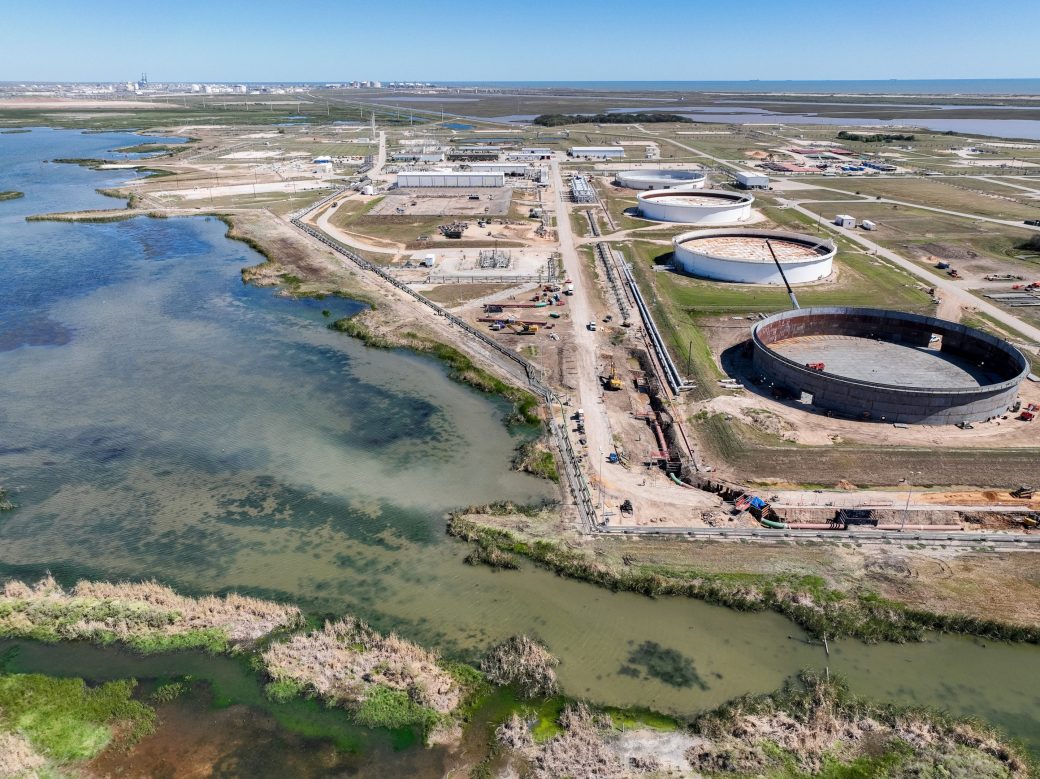
U.S. shale executives remain uncertain about when oil-market conditions could deteriorate sharply. More than half see substantial room in their margins, while roughly one-third believe the Strategic Petroleum Reserve is already near or below its practical minimum level.
12:36 PMFortune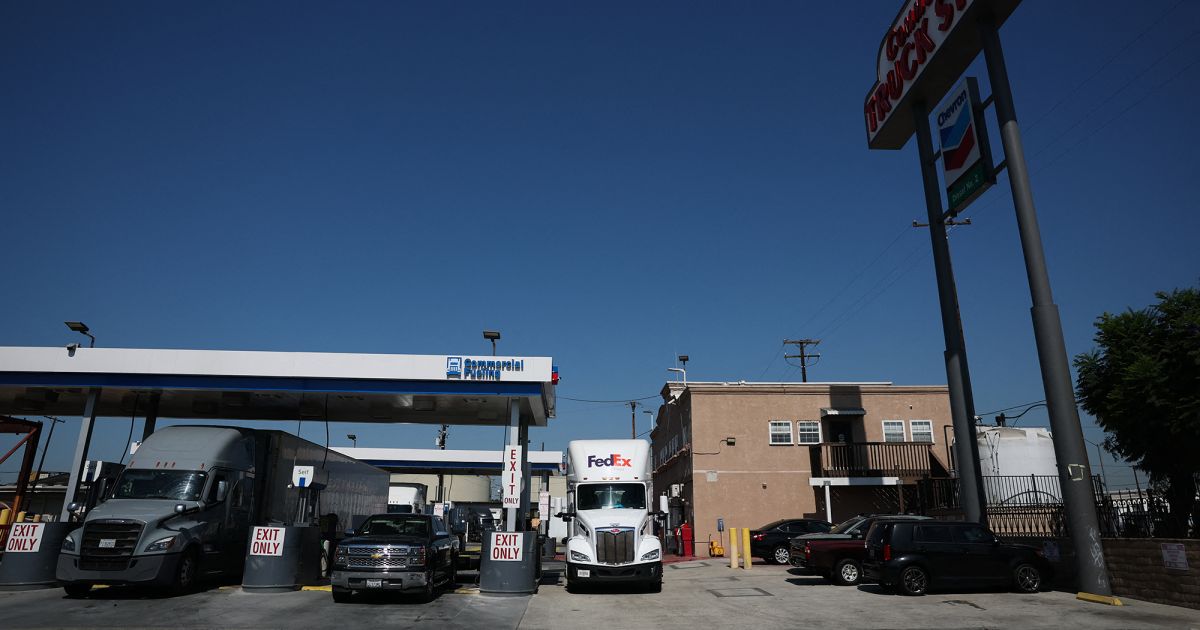
Diesel prices have exceeded a $6-per-gallon average, increasing transportation costs that flow through to retail prices. Retailers are responding not only at the pump but also in their real estate and operating strategies.
12:01 PMHousing WireHeat pumps and electric water heaters continue to gain market share, supported by efficiency mandates and the longer-term shift toward electrification. Their growth is continuing despite a less supportive federal policy environment.
11:17 AMUtility DiveIraq plans to hire additional tankers, with at least two expected to arrive soon, to gain more control over oil shipments through the contested Strait of Hormuz.
10:21 AMBloomberg MarketsCrude and petroleum-product prices rose during the third quarter of 2026 as conflict in the Middle East persisted, while refinery margins also strengthened.
10:00 AMU.S. Energy Information AdministrationSouth Africa's gasoline price is set to reach a record level as earlier oil shocks feed into the government's monthly fuel-price adjustment.
9:16 AMBloomberg Markets
Oil exports that avoid the Strait of Hormuz surged in September, even as prices stayed elevated. The article examines whether Iran may be extracting unofficial payments from vessels that continue using the waterway.
9:11 AMAl Jazeera
NVIDIA's sustainability chief argues that rapidly rising US electricity demand, driven in part by advanced computing, requires faster development of nuclear power.
8:30 AMFortune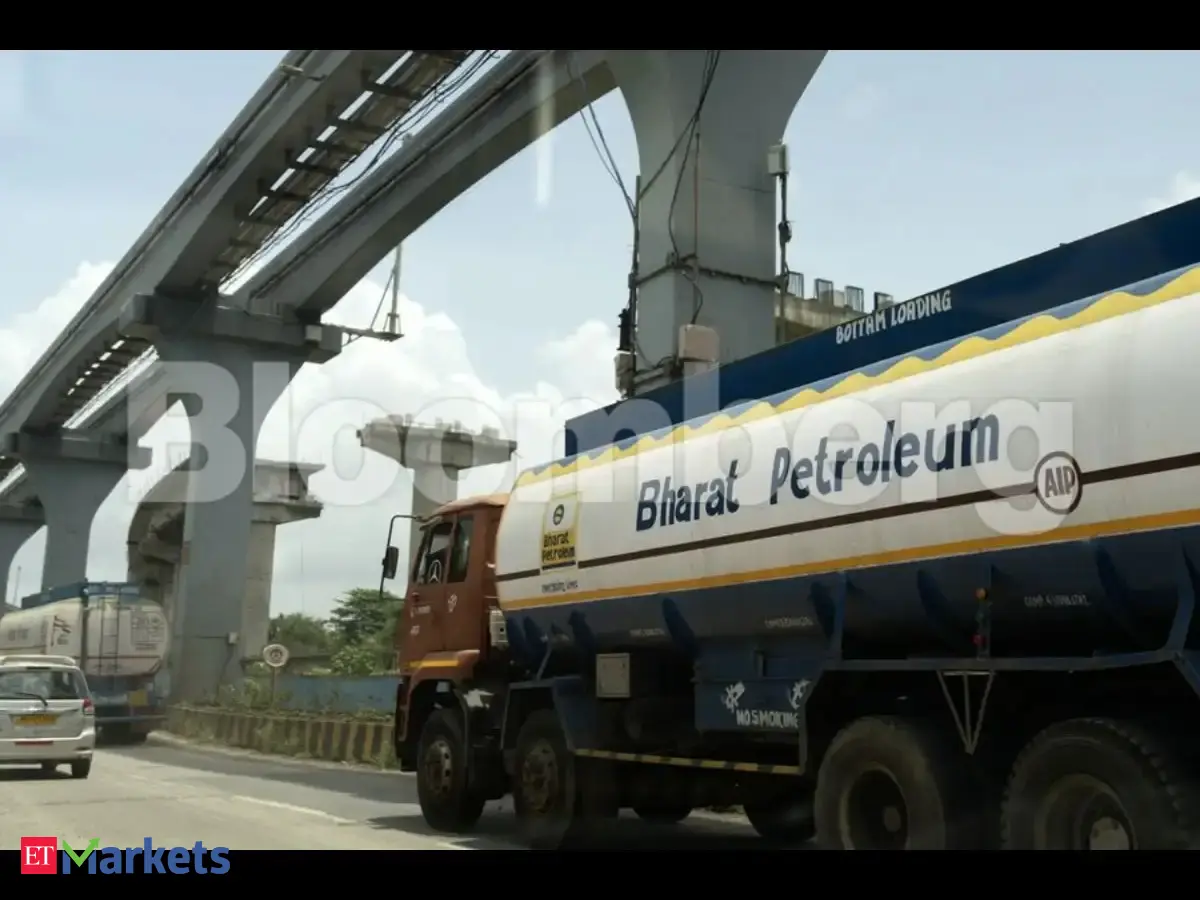
Bharat Petroleum plans to raise up to $3 billion through international bonds, primarily to fund its $2.8 billion contribution to Brazil's SEAP-I offshore project and refinance debt. The investment forms part of India's effort to diversify crude supplies and expand its presence in overseas energy assets.
6:35 AMEconomic Times
Eurozone inflation has reached 3.8%, and Bundesbank President Joachim Nagel sees further upside risks from energy, food and refining costs. Wage growth, price-setting and long-term inflation expectations remain contained, with expectations still anchored to the ECB's 2% target.
5:56 AMEconomic TimesUtilities may be able to meet rising electricity demand by unlocking unused capacity already connected to North America’s grid. The article presents existing assets as a faster alternative to building new generation and transmission.
5:00 AMUtility DiveUtilities are turning to onsite power as electricity demand grows faster than grid capacity. Commissioning and retro-commissioning facilities can improve how buildings and equipment operate, strengthening local reliability.
5:00 AMUtility DiveSummary
TotalEnergies chief executive Patrick Pouyanné said geopolitical disruption is creating commercial opportunities for the company, even as the Middle East conflict has exposed it to major operational and market risks. He said he prefers a disrupted global environment to a more stable but less opportunity-rich one.
TotalEnergies is treating volatility as a source of leverage, using dislocated markets to pursue projects,
Unlock the full First Pass Analysis to get a better understanding of why this story mattersWhy it matters
Energy majors are increasingly adapting their strategies to prolonged instability rather than assuming a return to predictable global markets.
Summary
U.S. shale executives remain uncertain about when oil-market conditions could deteriorate sharply. More than half see substantial room in their margins, while roughly one-third believe the Strategic Petroleum Reserve is already near or below its practical minimum level.
The industry has room to absorb some price weakness, but executives disagree over how much
Unlock the full First Pass Analysis to get a better understanding of why this story mattersWhy it matters
Conflicting producer expectations point to a market with limited visibility and less strategic oil-stock protection than in past downturns.
Summary
Diesel prices have exceeded a $6-per-gallon average, increasing transportation costs that flow through to retail prices. Retailers are responding not only at the pump but also in their real estate and operating strategies.
Higher diesel costs raise the expense of moving inventory and can compress retailer margins or
Unlock the full First Pass Analysis to get a better understanding of why this story mattersWhy it matters
Fuel inflation is becoming a real estate issue because it changes where retailers can operate profitably and how much space they need.
Summary
Heat pumps and electric water heaters continue to gain market share, supported by efficiency mandates and the longer-term shift toward electrification. Their growth is continuing despite a less supportive federal policy environment.
Building codes, state policies, and falling technology costs are sustaining demand even as federal incentives
Unlock the full First Pass Analysis to get a better understanding of why this story mattersWhy it matters
Electrification is advancing through state and market forces that can outlast changes in federal policy.
Summary
Iraq plans to hire additional tankers, with at least two expected to arrive soon, to gain more control over oil shipments through the contested Strait of Hormuz.
Iraq is responding to shipping risk by taking a larger role in arranging its own
Unlock the full First Pass Analysis to get a better understanding of why this story mattersWhy it matters
The move shows how geopolitical risk is pushing producers to secure ships before they secure cargoes.
Summary
Crude and petroleum-product prices rose during the third quarter of 2026 as conflict in the Middle East persisted, while refinery margins also strengthened.
The combination of higher crude prices and wider refining margins indicates that geopolitical risk lifted
Unlock the full First Pass Analysis to get a better understanding of why this story mattersWhy it matters
The conflict is affecting the entire petroleum chain, not just the price of crude.
Summary
South Africa's gasoline price is set to reach a record level as earlier oil shocks feed into the government's monthly fuel-price adjustment.
The pass-through from global crude prices is now hitting households and businesses directly, raising transport
Unlock the full First Pass Analysis to get a better understanding of why this story mattersWhy it matters
A global oil disruption is becoming a domestic inflation problem far from the conflict zone.
Summary
Oil exports that avoid the Strait of Hormuz surged in September, even as prices stayed elevated. The article examines whether Iran may be extracting unofficial payments from vessels that continue using the waterway.
The combination of rerouted exports and high prices points to a market pricing in added
Unlock the full First Pass Analysis to get a better understanding of why this story mattersWhy it matters
Even unconfirmed financial pressure on shipping through Hormuz could deepen the global oil premium and accelerate efforts to bypass the strait.
Summary
NVIDIA's sustainability chief argues that rapidly rising US electricity demand, driven in part by advanced computing, requires faster development of nuclear power.
The end of flat electricity demand changes the energy debate from decarbonizing existing supply to
Unlock the full First Pass Analysis to get a better understanding of why this story mattersWhy it matters
AI growth is turning power availability into a strategic constraint for the US economy.
Summary
Bharat Petroleum plans to raise up to $3 billion through international bonds, primarily to fund its $2.8 billion contribution to Brazil's SEAP-I offshore project and refinance debt. The investment forms part of India's effort to diversify crude supplies and expand its presence in overseas energy assets.
BPCL is using debt markets to secure a major foothold in Brazil while reducing its
Unlock the full First Pass Analysis to get a better understanding of why this story mattersWhy it matters
The deal links India's energy-security strategy to BPCL's leverage and the commercial performance of a large overseas offshore asset.
Summary
Eurozone inflation has reached 3.8%, and Bundesbank President Joachim Nagel sees further upside risks from energy, food and refining costs. Wage growth, price-setting and long-term inflation expectations remain contained, with expectations still anchored to the ECB's 2% target.
Energy costs are reopening the risk of persistent inflation even as underlying price pressures remain
Unlock the full First Pass Analysis to get a better understanding of why this story mattersWhy it matters
A renewed energy-driven inflation surge could delay rate cuts and prolong financial pressure on households, businesses and heavily indebted governments.
Summary
Utilities may be able to meet rising electricity demand by unlocking unused capacity already connected to North America’s grid. The article presents existing assets as a faster alternative to building new generation and transmission.
The decisive opportunity is to increase the output and utilization of infrastructure already in service.
Unlock the full First Pass Analysis to get a better understanding of why this story mattersWhy it matters
Using existing grid capacity could relieve power shortages faster than waiting for new projects to be built.
Summary
Utilities are turning to onsite power as electricity demand grows faster than grid capacity. Commissioning and retro-commissioning facilities can improve how buildings and equipment operate, strengthening local reliability.
Efficiency upgrades can add usable capacity without relying solely on new generation or transmission. Better-performing
Unlock the full First Pass Analysis to get a better understanding of why this story mattersWhy it matters
Operational improvements can provide faster resilience gains while utilities wait for larger infrastructure investments.
Make it yours
Pick your topics, set your cadence, and receive your personalized First Pass in your inbox. It’s that simple!

