
The Trump administration is considering asking European countries to release emergency diesel reserves as US prices surge. Washington is also weighing an export ban to increase domestic supply.
9:23 PMAl Jazeera27 stories from 10 sources
Supporting Articles
The Trump administration is considering asking European countries to release emergency diesel reserves as US prices surge. Washington is also weighing an export ban to increase domestic supply.
9:23 PMAl Jazeera
European countries are holding crisis talks over whether to release strategic diesel reserves after the Trump administration pressured them to act. Washington has warned that it could restrict US diesel exports if they refuse.
1:50 PMFinancial Times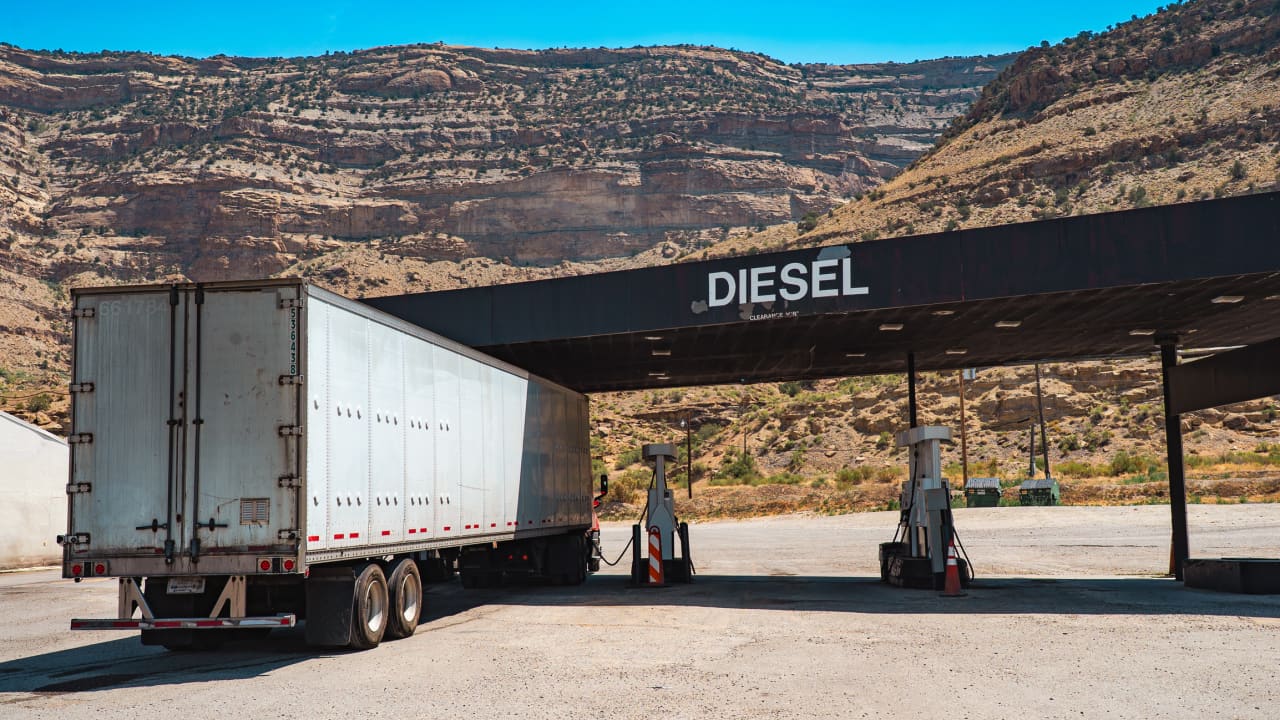
US officials reportedly asked Germany and France to consider releasing diesel stockpiles, while European governments and the European Commission discussed a coordinated response to possible US export restrictions.
7:58 AMMarketWatch
The head of the world’s largest LNG buyer expects disruptions in the Strait of Hormuz to continue, keeping Qatari gas flows constrained. The region supplied about a fifth of global LNG before the Middle East war.
10:21 PMBloomberg MarketsA tanker captain's account describes the risks of moving oil and gas through the Strait of Hormuz, including threats from Iranian drones and missiles. Despite those dangers, vessels continue to transit the strategic waterway and support rising regional flows.
7:01 PMBloomberg MarketsOil prices steadied after an early gain as markets assessed whether the recovery in Middle East flows could continue. Maritime risk analysis indicates that shuttle tankers are helping lift exports despite the absence of a lasting agreement to fully reopen the Strait of Hormuz.
1:19 AMBloomberg MarketsIndian refiners are chartering tankers to enter the Persian Gulf through the Strait of Hormuz and collect crude directly. The shift is intended to reduce transport costs and improve supply reliability.
12:53 AMBloomberg Markets
Oil prices edged higher as China halted fuel exports and the US increased military activity in the Middle East. Markets are also weighing possible global shortages against US pressure on Europe to reduce emergency diesel reserves.
10:13 PMEconomic TimesOil prices climbed after Chinese refiners reportedly suspended October fuel exports to protect domestic supplies, pushing Brent crude back above $100 a barrel.
3:29 PMCNBCChinese fuel exporters have canceled some oil-product cargoes scheduled for October as the country prioritizes domestic supply amid continued disruption in global energy markets.
3:58 AMBloomberg MarketsRussian strikes hit Ukraine’s energy infrastructure, killing seven people and triggering emergency power cuts in Kyiv and three other regions ahead of winter.
5:48 AMCNBC
A proposed pipeline from Alberta's oil sands to the Pacific Coast could ease separatist tensions in Alberta while giving Canada an alternative to its heavy reliance on U.S. energy markets.
5:47 PMThe New York Times
Canada designated an oil pipeline as a project of national interest, clearing the way for a single federal regulatory review as Ottawa seeks to reduce its economic dependence on the United States.
2:56 PMAl JazeeraSolar for All grantees are seeking damages after the EPA terminated the $7 billion federal program. Two federal judges ruled that the agency acted illegally, while grantees say the cuts disrupted planned projects and harmed developers and communities.
2:00 AMUtility DiveSummary
The Trump administration is considering asking European countries to release emergency diesel reserves as US prices surge. Washington is also weighing an export ban to increase domestic supply.
The proposed response shifts the burden of US fuel relief onto Europe while threatening to
Unlock the full First Pass Analysis to get a better understanding of why this story mattersWhy it matters
A US diesel export ban could turn a price problem into a transatlantic supply scramble.
2 stories · 2 sources
Summary
European countries are holding crisis talks over whether to release strategic diesel reserves after the Trump administration pressured them to act. Washington has warned that it could restrict US diesel exports if they refuse.
The dispute turns emergency fuel stocks into a tool of US pressure on European energy
Unlock the full First Pass Analysis to get a better understanding of why this story mattersWhy it matters
A US export ban would force Europe to draw down reserves while making replacement supplies more expensive and uncertain.
Summary
US officials reportedly asked Germany and France to consider releasing diesel stockpiles, while European governments and the European Commission discussed a coordinated response to possible US export restrictions.
The White House is treating European inventories as a buffer against a domestic diesel shortfall,
Unlock the full First Pass Analysis to get a better understanding of why this story mattersWhy it matters
The episode exposes how quickly a US fuel-policy decision could draw down Europe's own emergency cushion.
2 stories · 2 sources
Summary
The head of the world’s largest LNG buyer expects disruptions in the Strait of Hormuz to continue, keeping Qatari gas flows constrained. The region supplied about a fifth of global LNG before the Middle East war.
A prolonged Hormuz disruption turns a regional conflict into a global gas supply problem. Asian
Unlock the full First Pass Analysis to get a better understanding of why this story mattersWhy it matters
The longer Qatari LNG stays offline, the greater the risk of sustained price and supply stress across global gas markets.
Summary
A tanker captain's account describes the risks of moving oil and gas through the Strait of Hormuz, including threats from Iranian drones and missiles. Despite those dangers, vessels continue to transit the strategic waterway and support rising regional flows.
The continued movement of tankers shows that Hormuz remains operational, but not secure. Operators are
Unlock the full First Pass Analysis to get a better understanding of why this story mattersWhy it matters
The world's energy system can keep flowing through Hormuz, but only with growing operational and financial risk.
Summary
Oil prices steadied after an early gain as markets assessed whether the recovery in Middle East flows could continue. Maritime risk analysis indicates that shuttle tankers are helping lift exports despite the absence of a lasting agreement to fully reopen the Strait of Hormuz.
Shuttle tanker use is restoring some flow through a still-constrained corridor, but it does not
Unlock the full First Pass Analysis to get a better understanding of why this story mattersWhy it matters
More oil is moving, but the workaround remains vulnerable to a change in regional security conditions.
Summary
Indian refiners are chartering tankers to enter the Persian Gulf through the Strait of Hormuz and collect crude directly. The shift is intended to reduce transport costs and improve supply reliability.
Refiners are taking greater control of logistics as they manage costs and geopolitical exposure around
Unlock the full First Pass Analysis to get a better understanding of why this story mattersWhy it matters
The move could lower procurement costs while making Indian refiners more exposed to any disruption in the Strait of Hormuz.
Summary
Oil prices edged higher as China halted fuel exports and the US increased military activity in the Middle East. Markets are also weighing possible global shortages against US pressure on Europe to reduce emergency diesel reserves.
The modest price increase reflects conflicting forces rather than a clear supply trend. China’s export
Unlock the full First Pass Analysis to get a better understanding of why this story mattersWhy it matters
Energy markets are pricing both tighter physical supply and policy actions that could temporarily soften the shock.
Summary
Oil prices climbed after Chinese refiners reportedly suspended October fuel exports to protect domestic supplies, pushing Brent crude back above $100 a barrel.
China's decision removes expected refined-product supply from global markets and signals that domestic demand or
Unlock the full First Pass Analysis to get a better understanding of why this story mattersWhy it matters
China's export restraint tightens global fuel availability and reinforces upward pressure on energy costs.
Summary
Chinese fuel exporters have canceled some oil-product cargoes scheduled for October as the country prioritizes domestic supply amid continued disruption in global energy markets.
China is reducing near-term fuel availability in international markets to protect its own supply. The
Unlock the full First Pass Analysis to get a better understanding of why this story mattersWhy it matters
China's decision removes supply from export markets and increases the risk of tighter fuel conditions across Asia.
Summary
Russian strikes hit Ukraine’s energy infrastructure, killing seven people and triggering emergency power cuts in Kyiv and three other regions ahead of winter.
The attacks turn energy infrastructure into an immediate civilian pressure point. Kyiv must now restore
Unlock the full First Pass Analysis to get a better understanding of why this story mattersWhy it matters
Repeated attacks on the grid could deepen Ukraine’s humanitarian strain and test the resilience of its energy system through winter.
Summary
A proposed pipeline from Alberta's oil sands to the Pacific Coast could ease separatist tensions in Alberta while giving Canada an alternative to its heavy reliance on U.S. energy markets.
The pipeline would give Prime Minister Mark Carney a potential answer to both regional discontent
Unlock the full First Pass Analysis to get a better understanding of why this story mattersWhy it matters
A new Pacific export route could reshape Canada's federal-provincial balance and reduce its vulnerability to U.S. trade pressure.
Summary
Canada designated an oil pipeline as a project of national interest, clearing the way for a single federal regulatory review as Ottawa seeks to reduce its economic dependence on the United States.
The decision gives the pipeline political priority and could accelerate Canada’s access to non-US markets.
Unlock the full First Pass Analysis to get a better understanding of why this story mattersWhy it matters
Canada is using energy infrastructure to gain leverage and resilience in its relationship with the United States.
Summary
Solar for All grantees are seeking damages after the EPA terminated the $7 billion federal program. Two federal judges ruled that the agency acted illegally, while grantees say the cuts disrupted planned projects and harmed developers and communities.
The court rulings turn the program’s cancellation from a funding dispute into a legal and
Unlock the full First Pass Analysis to get a better understanding of why this story mattersWhy it matters
The fight could determine whether billions in promised clean-energy funding survives and whether states can rely on federal grant commitments.
A curated list of other prominent stories from this day.
Oil prices rose for a third consecutive day as the US considered deploying another aircraft carrier group to the Middle East. Markets are assessing whether a broader conflict with Iran could disrupt the region's recovering energy flows.
6:03 PMBloomberg MarketsRising diesel prices are creating a transport-cost premium that can raise the prices of groceries, clothing and household appliances. The added expense reaches consumers through freight, delivery and distribution networks.
4:58 PMMarketWatchEurope is facing renewed winter energy pressure, while a major BP oil discovery adds a separate potential catalyst for energy markets and the company’s shares.
4:41 PMCNBCAI data centers require large volumes of electricity and new grid infrastructure, but the costs and benefits are not clearly assigned. It remains difficult to determine how much residential customers benefit from the expansion and how much they pay for it.
12:47 PMNPR PoliticsMajor apparel companies launched the Fashion Renewable Collective with Schneider Electric. The initiative aims to help suppliers across fashion supply chains adopt renewable electricity at scale.
12:00 PMUtility DiveThe investment firms of John Arnold and Stanley Druckenmiller are backing emerging technologies, including geothermal energy and brain implants. Their investments place private capital behind sectors that remain technically difficult and commercially uncertain.
11:57 AMCNBCThe New York Power Authority will own a 51% stake in the 240-megawatt Rich Road Solar project alongside EDF. It is NYPA's first renewable energy project developed through a public-private partnership.
9:57 AMUtility DiveA Senate permitting bill would give the Federal Energy Regulatory Commission authority to approve transmission projects when it determines they serve the public interest. The measure would also eliminate national interest electric transmission corridors and incumbent utilities’ federal right of first refusal while protecting existing federal permits.
9:55 AMUtility DiveAn industry coalition is proposing a new way to assess grid utilization, arguing that current utilization levels should be treated as an opportunity rather than a constraint. The approach links better use of existing capacity to lower costs and room for additional demand.
9:24 AMUtility Dive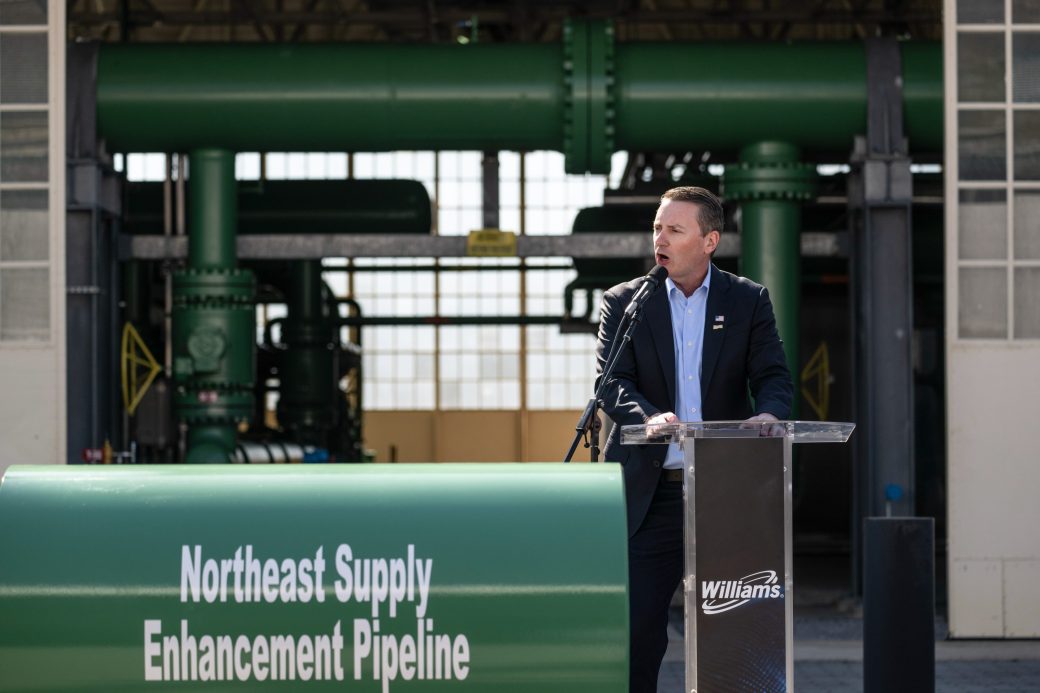
A pipeline of infrastructure deals is forming around the power demand created by artificial intelligence, but buyers and sellers remain divided over valuations. Sellers want higher prices, while buyers are taking a longer-term and more conservative view of returns.
7:03 AMFortuneBalfour Beatty will return to the UK’s FTSE 100 after a 17-year absence. Its recovery reflects stronger earnings, new contract wins and increased shareholder distributions since the pandemic.
1:00 AMBloomberg MarketsSummary
Oil prices rose for a third consecutive day as the US considered deploying another aircraft carrier group to the Middle East. Markets are assessing whether a broader conflict with Iran could disrupt the region's recovering energy flows.
The prospect of additional US military force has added a geopolitical risk premium to oil,
Unlock the full First Pass Analysis to get a better understanding of why this story mattersWhy it matters
A military decision intended to deter escalation could instead make energy markets more vulnerable to supply shocks.
Summary
Rising diesel prices are creating a transport-cost premium that can raise the prices of groceries, clothing and household appliances. The added expense reaches consumers through freight, delivery and distribution networks.
The main change is a broader pass-through of fuel costs beyond the pump, especially in
Unlock the full First Pass Analysis to get a better understanding of why this story mattersWhy it matters
Diesel inflation can spread through nearly every supply chain, adding to household costs even when crude prices stabilize.
Summary
Europe is facing renewed winter energy pressure, while a major BP oil discovery adds a separate potential catalyst for energy markets and the company’s shares.
The immediate shift is tighter energy risk heading into winter, which could support U.S. producers
Unlock the full First Pass Analysis to get a better understanding of why this story mattersWhy it matters
Higher winter energy prices could transfer value from European consumers to producers and energy infrastructure firms.
Summary
AI data centers require large volumes of electricity and new grid infrastructure, but the costs and benefits are not clearly assigned. It remains difficult to determine how much residential customers benefit from the expansion and how much they pay for it.
The rapid buildout of data centers is exposing gaps in utility cost allocation. Households could
Unlock the full First Pass Analysis to get a better understanding of why this story mattersWhy it matters
AI expansion could shift grid costs onto households if regulators do not impose clear cost-sharing rules.
Summary
Major apparel companies launched the Fashion Renewable Collective with Schneider Electric. The initiative aims to help suppliers across fashion supply chains adopt renewable electricity at scale.
The initiative shifts renewable procurement beyond brand-owned operations and toward the suppliers that produce most
Unlock the full First Pass Analysis to get a better understanding of why this story mattersWhy it matters
Decarbonizing fashion depends on changing supplier power use, not just the electricity purchased by consumer brands.
Summary
The investment firms of John Arnold and Stanley Druckenmiller are backing emerging technologies, including geothermal energy and brain implants. Their investments place private capital behind sectors that remain technically difficult and commercially uncertain.
Family-office money can support technologies that need long development timelines and may not fit conventional
Unlock the full First Pass Analysis to get a better understanding of why this story mattersWhy it matters
Patient private capital could help geothermal overcome its financing gap, but execution risks remain substantial.
Summary
The New York Power Authority will own a 51% stake in the 240-megawatt Rich Road Solar project alongside EDF. It is NYPA's first renewable energy project developed through a public-private partnership.
The ownership structure gives the state a direct financial and strategic role in developing utility-scale
Unlock the full First Pass Analysis to get a better understanding of why this story mattersWhy it matters
The project could establish a model for NYPA to expand renewable generation while retaining public control over major assets.
Summary
A Senate permitting bill would give the Federal Energy Regulatory Commission authority to approve transmission projects when it determines they serve the public interest. The measure would also eliminate national interest electric transmission corridors and incumbent utilities’ federal right of first refusal while protecting existing federal permits.
The bill would move more siting power from states and incumbent utilities to FERC, potentially
Unlock the full First Pass Analysis to get a better understanding of why this story mattersWhy it matters
Transmission expansion is central to grid reliability and clean-energy growth, but the bill would recast who controls and builds that infrastructure.
Summary
An industry coalition is proposing a new way to assess grid utilization, arguing that current utilization levels should be treated as an opportunity rather than a constraint. The approach links better use of existing capacity to lower costs and room for additional demand.
The proposed shift moves the debate from building more grid capacity to extracting more value
Unlock the full First Pass Analysis to get a better understanding of why this story mattersWhy it matters
A utilization-focused approach could lower infrastructure costs and accelerate new connections, but it depends on credible metrics and regulatory acceptance.
Summary
A pipeline of infrastructure deals is forming around the power demand created by artificial intelligence, but buyers and sellers remain divided over valuations. Sellers want higher prices, while buyers are taking a longer-term and more conservative view of returns.
AI-driven electricity demand is making gas and pipeline assets more valuable, but the investment opportunity
Unlock the full First Pass Analysis to get a better understanding of why this story mattersWhy it matters
AI is reshaping infrastructure investment, but high prices could slow the buildout needed to supply its energy needs.
Summary
Balfour Beatty will return to the UK’s FTSE 100 after a 17-year absence. Its recovery reflects stronger earnings, new contract wins and increased shareholder distributions since the pandemic.
The re-rating signals that investors are rewarding Balfour Beatty’s exposure to large, long-duration infrastructure projects,
Unlock the full First Pass Analysis to get a better understanding of why this story mattersWhy it matters
Balfour Beatty’s index return reflects renewed market confidence in infrastructure contractors with nuclear and major-project exposure.
Make it yours
Pick your topics, set your cadence, and receive your personalized First Pass in your inbox. It’s that simple!
