Qatar warned that a prolonged regional crisis could cause an industrial catastrophe, while data showed an average of only 10 ships a day transiting the Strait of Hormuz over the past 10 days.
8:00 PMAl Jazeera28 stories from 8 sources
Supporting Articles
Qatar warned that a prolonged regional crisis could cause an industrial catastrophe, while data showed an average of only 10 ships a day transiting the Strait of Hormuz over the past 10 days.
8:00 PMAl Jazeera
Oil prices have risen to six-week highs as intensified US-Iran strikes disrupt shipping through the Strait of Hormuz. The waterway is a critical route for global energy supplies.
5:17 PMAl Jazeera
Brent crude climbed to a six week high as attacks on commercial vessels disrupted shipping through the Strait of Hormuz. Falling tanker traffic has intensified fears of a supply shock, with Goldman Sachs warning that prices could reach $120 if attacks worsen.
12:03 PMEconomic Times
New strikes have hit Saudi Aramco oil facilities in Jizan, near the Yemeni border. The area has faced repeated attacks by Houthi rebels as part of their campaign against Saudi Arabia.
6:52 AMFinancial Times
The report covers escalating attacks involving US and Iranian tankers and the resulting rise in oil prices. It also features market, political and energy-sector commentators discussing the wider consequences.
5:46 AMBloomberg MarketsIran and the United States exchanged attacks on tankers over the weekend, widening a six-month conflict and driving oil prices higher.
1:02 AMBloomberg Markets
Crude supply has tightened while refiners favor diesel production, leaving less fuel available for ships. The resulting marine-fuel shortage is affecting shipping costs and the movement of goods.
7:26 AMAl JazeeraEnergy Aspects founder Amrita Sen says crude prices could rise sharply as disruptions in the Strait of Hormuz persist and Chinese oil demand remains a focus. She argues crude has not yet caught up with elevated diesel and gasoline prices.
6:27 AMBloomberg MarketsA revival in Chinese oil purchases is lifting prices for crude from Africa, Canada and Latin America as disruptions in the Strait of Hormuz force refiners to seek alternative supplies.
2:55 AMBloomberg MarketsVandana Hari of Vanda Insights expects oil prices to rise gradually as US-Iran tensions threaten shipping through the Strait of Hormuz. She says futures understate physical tightness, with Atlantic diesel prices near $200 a barrel and further scarcity possible even if the strait reopens.
1:04 AMBloomberg Markets
Data center sites with land, fiber, permits, and customers can still have little value if they lack reliable power. Rising electricity scarcity, including a sharp increase in PJM capacity prices, is changing how developers value and compete for sites.
9:00 AMHousing Wire
CleanMax founder Kuldeep Jain says hyperscalers and data centres are reshaping the scale and character of renewable-energy demand. The segment now accounts for 42% of CleanMax's portfolio and is becoming a major source of growth.
12:06 AMEconomic Times
US gasoline prices reached $4.14, an unwelcome Labor Day high for the Trump administration. Energy Secretary Chris Wright said officials were working to bring prices down despite the increase.
1:21 PMFortune
US households spent an estimated $100 billion more on fuel over six months as the war involving Iran and Israel pushed up prices. The average household paid about $763 in additional fuel costs.
5:30 AMAl Jazeera
Iran plans to raise petrol prices as fuel shortages worsen amid the conflict with the US. Authorities say the current subsidy system is no longer financially sustainable, despite keeping fuel among the world's cheapest.
4:34 AMFinancial TimesSouth Africa plans to appoint a transaction adviser to establish an independent transmission system operator by the end of next year. The process will also assess potential equity investors.
9:09 AMBloomberg Markets
Panama Canal authorities may impose further restrictions on ship traffic if a strengthening El Niño worsens drought conditions and reduces the water available for canal operations.
9:16 PMAl JazeeraSummary
Qatar warned that a prolonged regional crisis could cause an industrial catastrophe, while data showed an average of only 10 ships a day transiting the Strait of Hormuz over the past 10 days.
Shipping through Hormuz has fallen to its lowest reported level since May, showing that the
Unlock the full First Pass Analysis to get a better understanding of why this story mattersWhy it matters
Hormuz is shifting from a security flashpoint into a direct threat to global energy and industrial systems.
Summary
Oil prices have risen to six-week highs as intensified US-Iran strikes disrupt shipping through the Strait of Hormuz. The waterway is a critical route for global energy supplies.
The immediate shift is from military escalation to a direct shock to energy markets and
Unlock the full First Pass Analysis to get a better understanding of why this story mattersWhy it matters
Any sustained threat to Hormuz could turn a regional conflict into a global economic crisis.
3 stories · 3 sources
Summary
Brent crude climbed to a six week high as attacks on commercial vessels disrupted shipping through the Strait of Hormuz. Falling tanker traffic has intensified fears of a supply shock, with Goldman Sachs warning that prices could reach $120 if attacks worsen.
The decisive change is the loss of reliable tanker access through a route central to
Unlock the full First Pass Analysis to get a better understanding of why this story mattersWhy it matters
Any prolonged disruption in the Strait of Hormuz could transmit a regional security crisis into a global energy shock.
3 stories · 2 sources
Summary
New strikes have hit Saudi Aramco oil facilities in Jizan, near the Yemeni border. The area has faced repeated attacks by Houthi rebels as part of their campaign against Saudi Arabia.
Repeated attacks are testing the resilience of Saudi Arabia's southern energy infrastructure. Even without a
Unlock the full First Pass Analysis to get a better understanding of why this story mattersWhy it matters
The strikes keep a direct threat over one of the world's most important oil supply systems.
Summary
The report covers escalating attacks involving US and Iranian tankers and the resulting rise in oil prices. It also features market, political and energy-sector commentators discussing the wider consequences.
The decisive change is that attacks on tankers are adding a direct security premium to
Unlock the full First Pass Analysis to get a better understanding of why this story mattersWhy it matters
Tanker attacks can raise oil prices quickly by threatening both physical supply and the routes that deliver it.
Summary
Iran and the United States exchanged attacks on tankers over the weekend, widening a six-month conflict and driving oil prices higher.
The attacks extend the war into commercial shipping, raising the risk of further disruption around
Unlock the full First Pass Analysis to get a better understanding of why this story mattersWhy it matters
Damage to energy shipping could turn a bilateral conflict into a broader global economic shock.
Summary
Crude supply has tightened while refiners favor diesel production, leaving less fuel available for ships. The resulting marine-fuel shortage is affecting shipping costs and the movement of goods.
The immediate bottleneck is refining capacity and product allocation, not simply a lack of crude.
Unlock the full First Pass Analysis to get a better understanding of why this story mattersWhy it matters
A shortage of ship fuel can spread an energy shock into the cost and reliability of global trade.
Summary
Energy Aspects founder Amrita Sen says crude prices could rise sharply as disruptions in the Strait of Hormuz persist and Chinese oil demand remains a focus. She argues crude has not yet caught up with elevated diesel and gasoline prices.
The key shift is a potential move from tight refined product markets into crude itself.
Unlock the full First Pass Analysis to get a better understanding of why this story mattersWhy it matters
A sustained Hormuz disruption could turn a product-market squeeze into a broader global oil shock.
Summary
A revival in Chinese oil purchases is lifting prices for crude from Africa, Canada and Latin America as disruptions in the Strait of Hormuz force refiners to seek alternative supplies.
Chinese demand is tightening a market already strained by disrupted shipping, widening the premium for
Unlock the full First Pass Analysis to get a better understanding of why this story mattersWhy it matters
The supply disruption is spreading beyond the Middle East, raising the risk that oil inflation reaches global consumers through multiple crude grades.
Summary
Vandana Hari of Vanda Insights expects oil prices to rise gradually as US-Iran tensions threaten shipping through the Strait of Hormuz. She says futures understate physical tightness, with Atlantic diesel prices near $200 a barrel and further scarcity possible even if the strait reopens.
The key shift is that supply risk is moving from a geopolitical threat into a
Unlock the full First Pass Analysis to get a better understanding of why this story mattersWhy it matters
Persistent disruption around Hormuz could keep refined-fuel inflation elevated even without a complete shutdown.
Summary
Data center sites with land, fiber, permits, and customers can still have little value if they lack reliable power. Rising electricity scarcity, including a sharp increase in PJM capacity prices, is changing how developers value and compete for sites.
Available grid capacity has become the binding constraint in data center development, making power access
Unlock the full First Pass Analysis to get a better understanding of why this story mattersWhy it matters
The data center boom is becoming a competition for electricity infrastructure, with consequences for utilities, grid investment, and local power prices.
Summary
CleanMax founder Kuldeep Jain says hyperscalers and data centres are reshaping the scale and character of renewable-energy demand. The segment now accounts for 42% of CleanMax's portfolio and is becoming a major source of growth.
CleanMax is shifting toward large, power-intensive customers whose expansion creates sustained demand for renewable generation.
Unlock the full First Pass Analysis to get a better understanding of why this story mattersWhy it matters
Data-centre expansion is becoming a powerful new driver of renewable-energy procurement and infrastructure investment.
Summary
US gasoline prices reached $4.14, an unwelcome Labor Day high for the Trump administration. Energy Secretary Chris Wright said officials were working to bring prices down despite the increase.
The $4.14 price puts immediate pressure on the administration to show that its energy policies
Unlock the full First Pass Analysis to get a better understanding of why this story mattersWhy it matters
Higher gasoline prices create both an inflation problem and a political liability for the administration.
Summary
US households spent an estimated $100 billion more on fuel over six months as the war involving Iran and Israel pushed up prices. The average household paid about $763 in additional fuel costs.
The conflict has transferred a geopolitical shock directly into household budgets, with the burden concentrated
Unlock the full First Pass Analysis to get a better understanding of why this story mattersWhy it matters
Fuel costs at this scale can weaken consumer demand while extending the conflict's economic impact far beyond energy markets.
Summary
Iran plans to raise petrol prices as fuel shortages worsen amid the conflict with the US. Authorities say the current subsidy system is no longer financially sustainable, despite keeping fuel among the world's cheapest.
The price increase shifts part of the cost of shortages and subsidies onto Iranian consumers.
Unlock the full First Pass Analysis to get a better understanding of why this story mattersWhy it matters
Iran is moving from subsidizing cheap fuel to managing scarcity, with direct consequences for households and political stability.
Summary
South Africa plans to appoint a transaction adviser to establish an independent transmission system operator by the end of next year. The process will also assess potential equity investors.
South Africa is moving from policy design to execution on the separation of Eskom's transmission
Unlock the full First Pass Analysis to get a better understanding of why this story mattersWhy it matters
The restructuring could determine whether South Africa can expand grid capacity and integrate more private generation.
Summary
Panama Canal authorities may impose further restrictions on ship traffic if a strengthening El Niño worsens drought conditions and reduces the water available for canal operations.
The canal's capacity is becoming more vulnerable to climate-driven water shortages, adding another constraint to
Unlock the full First Pass Analysis to get a better understanding of why this story mattersWhy it matters
A further reduction in canal capacity would compound supply-chain stress even without a new geopolitical disruption.
A curated list of other prominent stories from this day.
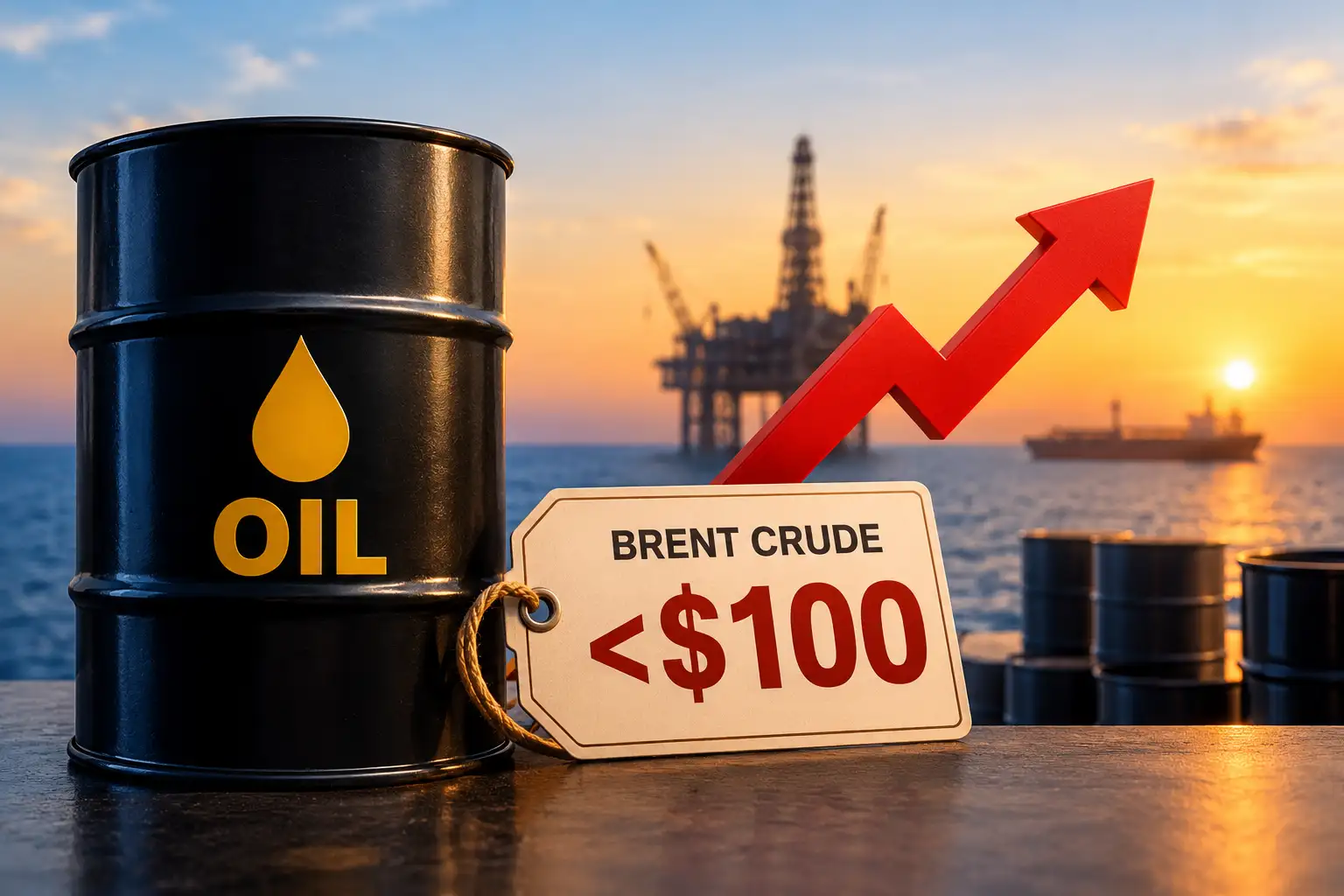
Oil prices remain below $100 a barrel because substantial volumes still move through the Strait of Hormuz, Gulf exporters are using alternative routes, other producers are increasing output, and weaker demand is reducing pressure on the market.
10:26 PMEconomic Times
Oil prices surged as Iran's warnings of retaliation raised concerns about disruptions to global shipments. Analysts expect Persian Gulf supply constraints to persist through late 2026, prompting Goldman Sachs to raise its price forecasts.
10:00 PMEconomic TimesOil prices rose as traders assessed Iran's claim that a deal with Oman was near to manage shipping through the Strait of Hormuz. Details of the arrangement remain unclear.
7:41 PMBloomberg MarketsOil extended its gains as markets monitored a possible Iranian agreement with Oman to manage shipping through the Strait of Hormuz. The arrangement could increase Tehran's control over traffic through the strategic waterway.
6:09 PMBloomberg Markets
High crude prices are making clean technologies more competitive by raising the cost of relying on oil. That price advantage could accelerate the shift toward lower-carbon alternatives.
1:17 PMFinancial TimesIraq is having difficulty finding buyers to collect its Basra crude from the Persian Gulf this month after sharply increasing prices. The disruption could limit a recovery in the country's oil exports.
8:33 AMBloomberg MarketsAbu Dhabi National Oil Co. is discussing potential investments in major refining companies in Thailand and Africa, including Dangote Refinery, as it seeks outlets for its crude and expands fuel trading.
5:36 AMBloomberg MarketsSummary
Oil prices remain below $100 a barrel because substantial volumes still move through the Strait of Hormuz, Gulf exporters are using alternative routes, other producers are increasing output, and weaker demand is reducing pressure on the market.
The market has absorbed current disruptions because lost supply remains limited relative to available production
Unlock the full First Pass Analysis to get a better understanding of why this story mattersWhy it matters
Oil's response depends less on headlines than on whether physical supply losses exceed the market's ability to compensate.
Summary
Oil prices surged as Iran's warnings of retaliation raised concerns about disruptions to global shipments. Analysts expect Persian Gulf supply constraints to persist through late 2026, prompting Goldman Sachs to raise its price forecasts.
The shift from temporary disruption to an extended supply constraint changes the outlook for producers,
Unlock the full First Pass Analysis to get a better understanding of why this story mattersWhy it matters
A disruption lasting into 2026 would reshape energy planning rather than create a brief market spike.
Summary
Oil prices rose as traders assessed Iran's claim that a deal with Oman was near to manage shipping through the Strait of Hormuz. Details of the arrangement remain unclear.
The immediate shift is a change in how vessels may move through one of the
Unlock the full First Pass Analysis to get a better understanding of why this story mattersWhy it matters
Any new controls on Hormuz traffic can quickly affect crude prices, shipping costs, and global energy security.
Summary
Oil extended its gains as markets monitored a possible Iranian agreement with Oman to manage shipping through the Strait of Hormuz. The arrangement could increase Tehran's control over traffic through the strategic waterway.
The market is pricing the possibility that shipping access will become more politically managed, not
Unlock the full First Pass Analysis to get a better understanding of why this story mattersWhy it matters
More Iranian control over Hormuz would give Tehran added influence over a major route for global oil supplies.
Summary
High crude prices are making clean technologies more competitive by raising the cost of relying on oil. That price advantage could accelerate the shift toward lower-carbon alternatives.
Expensive oil is changing the investment calculus in favor of clean technologies. Transport, industry, and
Unlock the full First Pass Analysis to get a better understanding of why this story mattersWhy it matters
Oil prices may be strengthening the market forces that eventually erode oil demand.
Summary
Iraq is having difficulty finding buyers to collect its Basra crude from the Persian Gulf this month after sharply increasing prices. The disruption could limit a recovery in the country's oil exports.
Iraq's pricing increase is now colliding with weak buyer demand and may interrupt physical shipments.
Unlock the full First Pass Analysis to get a better understanding of why this story mattersWhy it matters
A sustained export disruption from Basra would tighten regional supply and weaken Iraq's fiscal position.
Summary
Abu Dhabi National Oil Co. is discussing potential investments in major refining companies in Thailand and Africa, including Dangote Refinery, as it seeks outlets for its crude and expands fuel trading.
Adnoc is pursuing deeper control of the downstream chain, linking crude supply to refining capacity
Unlock the full First Pass Analysis to get a better understanding of why this story mattersWhy it matters
The discussions show how Gulf oil producers are using acquisitions to protect demand for crude as refining and fuel markets become more competitive.
Make it yours
Pick your topics, set your cadence, and receive your personalized First Pass in your inbox. It’s that simple!