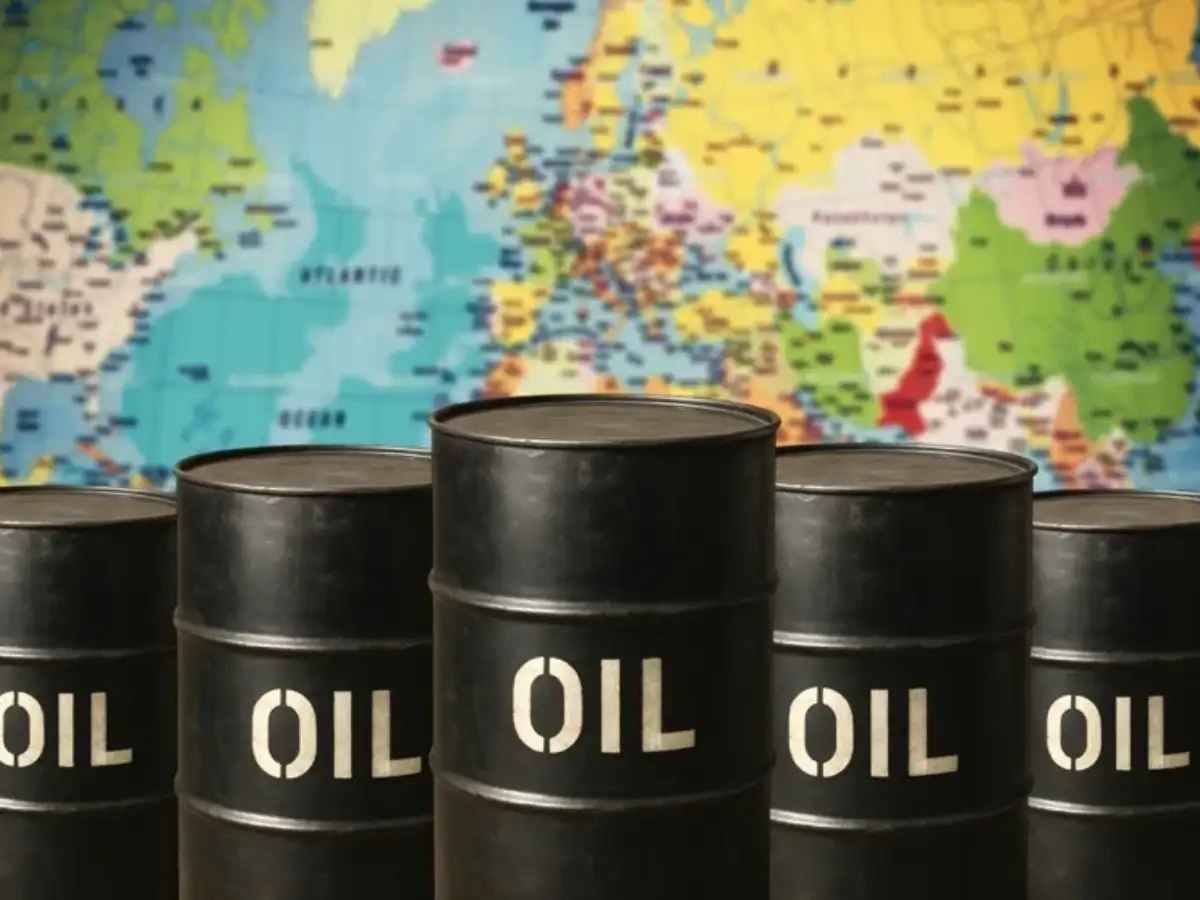
Crude oil is trading near $96 and is on course for a 7% weekly gain after US attacks killed and wounded dozens, including Iranian civilians. The strikes mark the most intense US-Iran clashes since July and extend a conflict that began with US-Israeli attacks in late February into its seventh month.
10:12 PMEconomic Times36 stories from 11 sources

Iran escalation turns energy security into a supply-chain test
Day’s Recap
Supporting Articles
Oil is heading for its steepest weekly gain since mid-July as renewed US-Iran hostilities raise concerns about regional supply security. Iran is expanding its inventory of non-compliant vessels near the strategically important Strait of Hormuz, while Russia is promoting a peaceful resolution in Ukraine.
10:06 PMEconomic Times
Oil prices were headed for their biggest weekly gain since July as renewed US-Iran hostilities raised fears of prolonged disruption to energy flows through the Strait of Hormuz.
6:12 PMBloomberg Markets
Brent crude rose above $96 a barrel after Iran fired missiles at Kuwait, with oil prices gaining more than 7% this week. The move follows the first exchange of military strikes between the United States and Iran since July.
3:14 PMCNBC
The US-Israel war with Iran and President Donald Trump's difficulty ending the conflict have created an opportunity for an oil-focused exchange-traded fund.
10:16 AMBloomberg Markets
Donald Trump says the United States is helping about 30 ships cross the Strait of Hormuz each day. Ship-tracking data indicates that fewer vessels are making the passage.
11:38 AMAl Jazeera
Disruption in the Strait of Hormuz is severely reducing marine traffic through Jebel Ali, the port that underpins Dubai's trade economy. The shock has raised concerns about an existential threat to the port's operating model.
12:00 AMFinancial Times
Data center demand is rising rapidly as companies build out AI infrastructure, but utilities, transmission projects, and grid interconnections often take years to complete. The mismatch is creating a bottleneck between AI expansion plans and available power.
12:12 PMFortune
Data center investments increasingly depend on access to power, reliable supply chains, and execution, rather than capital alone, according to PDI co-founder Dave Ferdman.
9:11 AMChief Executive
Asian economies are moving to expand oil and gas storage after the Strait of Hormuz crisis exposed their dependence on Middle Eastern supply routes. The effort aims to create larger buffers against future conflict-related disruptions.
12:26 AMAl Jazeera
The US land-based wind development pipeline is shrinking as wind's cost disadvantage relative to solar grows. At least 44 gigawatts of wind projects are reportedly stalled in review at the Department of Defense.
11:40 AMUtility DiveThe Champlain Hudson Power Express, a $6 billion transmission line intended to bring Canadian electricity to New York City, is operating below its expected capacity, according to experts. Gov. Kathy Hochul had promoted the project as capable of supplying roughly 20% of the city’s energy needs.
4:14 PMGothamist
U.S. AI data centers depend on China-linked supplies including transformers, batteries and optical equipment. Washington is moving to tighten restrictions on foreign technology used in critical infrastructure.
10:00 AMCNBCOil Price Today (September 4): Crude oil at $96, set for a 7% weekly surge as Iran, US exchange attacks. What’s next?
Summary
Crude oil is trading near $96 and is on course for a 7% weekly gain after US attacks killed and wounded dozens, including Iranian civilians. The strikes mark the most intense US-Iran clashes since July and extend a conflict that began with US-Israeli attacks in late February into its seventh month.
The decisive shift is the conflict’s renewed intensity, which has pushed geopolitical risk back into
Unlock the full First Pass Analysis to get a better understanding of why this story mattersWhy it matters
Oil’s sharp weekly rise shows that markets are pricing a growing chance of wider Middle East supply disruption.
Oil set for steepest weekly gain since mid-July over intensifying US-Iran tensions
Summary
Oil is heading for its steepest weekly gain since mid-July as renewed US-Iran hostilities raise concerns about regional supply security. Iran is expanding its inventory of non-compliant vessels near the strategically important Strait of Hormuz, while Russia is promoting a peaceful resolution in Ukraine.
The key change is the convergence of military escalation and rising maritime risk around the
Unlock the full First Pass Analysis to get a better understanding of why this story mattersWhy it matters
Any disruption around Hormuz could rapidly turn a geopolitical risk premium into a physical shock for global energy markets.

Latest Oil Market News and Analysis for Sept. 4
Summary
Oil prices were headed for their biggest weekly gain since July as renewed US-Iran hostilities raised fears of prolonged disruption to energy flows through the Strait of Hormuz.
The market is repricing geopolitical risk around the world's most important oil chokepoint. Producers, refiners,
Unlock the full First Pass Analysis to get a better understanding of why this story mattersWhy it matters
A sustained threat to Strait of Hormuz traffic could lift global fuel prices and revive inflation pressure.

Oil prices little changed after Iran fires missiles at Kuwait
Summary
Brent crude rose above $96 a barrel after Iran fired missiles at Kuwait, with oil prices gaining more than 7% this week. The move follows the first exchange of military strikes between the United States and Iran since July.
The decisive shift is the widening of direct military confrontation around a major Gulf energy
Unlock the full First Pass Analysis to get a better understanding of why this story mattersWhy it matters
Escalation involving Iran and Gulf infrastructure could rapidly turn a regional conflict into a global energy shock.

Your ETF of the Moment: Riding the Wild, War-Fueled Oil Market
Summary
The US-Israel war with Iran and President Donald Trump's difficulty ending the conflict have created an opportunity for an oil-focused exchange-traded fund.
The decisive shift is that military escalation has made oil exposure a direct geopolitical trade
Unlock the full First Pass Analysis to get a better understanding of why this story mattersWhy it matters
War-driven oil gains can reward tactical investors while raising the risk of abrupt losses when the geopolitical premium fades.

How much oil is going through Hormuz? Why data doesn’t match US claims
Summary
Donald Trump says the United States is helping about 30 ships cross the Strait of Hormuz each day. Ship-tracking data indicates that fewer vessels are making the passage.
The gap between the public claim and observed vessel movements makes the scale of US
Unlock the full First Pass Analysis to get a better understanding of why this story mattersWhy it matters
Conflicting traffic data can distort assessments of supply risk, military effectiveness and the potential impact on oil prices.

The port that built Dubai: war exposes a dangerous dependence
Summary
Disruption in the Strait of Hormuz is severely reducing marine traffic through Jebel Ali, the port that underpins Dubai's trade economy. The shock has raised concerns about an existential threat to the port's operating model.
The crisis has exposed how heavily Dubai's logistics hub depends on uninterrupted Gulf access. Lower
Unlock the full First Pass Analysis to get a better understanding of why this story mattersWhy it matters
A regional security shock is testing the resilience of one of the Gulf's most important commercial infrastructure assets.

AI wants electricity now. The electric grid needs years to catch up
Summary
Data center demand is rising rapidly as companies build out AI infrastructure, but utilities, transmission projects, and grid interconnections often take years to complete. The mismatch is creating a bottleneck between AI expansion plans and available power.
The constraint has shifted from computing capacity to electricity, and the grid cannot expand on
Unlock the full First Pass Analysis to get a better understanding of why this story mattersWhy it matters
Power availability, not chip supply alone, may determine how quickly the AI buildout can grow.

Where Capital Meets The Grid
Summary
Data center investments increasingly depend on access to power, reliable supply chains, and execution, rather than capital alone, according to PDI co-founder Dave Ferdman.
The constraint has shifted from funding projects to securing the infrastructure needed to operate them.
Unlock the full First Pass Analysis to get a better understanding of why this story mattersWhy it matters
The data center buildout will be limited by physical infrastructure and execution, not the amount of money seeking exposure.

Asia looks to store oil, gas closer to home after Strait of Hormuz crisis
Summary
Asian economies are moving to expand oil and gas storage after the Strait of Hormuz crisis exposed their dependence on Middle Eastern supply routes. The effort aims to create larger buffers against future conflict-related disruptions.
The crisis is shifting energy security policy from just-in-time imports toward strategic stockpiling and regional
Unlock the full First Pass Analysis to get a better understanding of why this story mattersWhy it matters
More Asian storage could reduce the immediate impact of a supply shock but increase structural investment in energy infrastructure.

Land-based wind power pipeline shrinks as price gap with solar widens
Summary
The US land-based wind development pipeline is shrinking as wind's cost disadvantage relative to solar grows. At least 44 gigawatts of wind projects are reportedly stalled in review at the Department of Defense.
The 44 GW stuck in federal review represents a major permitting bottleneck on top of
Unlock the full First Pass Analysis to get a better understanding of why this story mattersWhy it matters
Permitting delays and weaker economics together threaten wind's role in the next phase of US power expansion.
$6 billion power line from Canada to NYC flowing below capacity, experts say
Summary
The Champlain Hudson Power Express, a $6 billion transmission line intended to bring Canadian electricity to New York City, is operating below its expected capacity, according to experts. Gov. Kathy Hochul had promoted the project as capable of supplying roughly 20% of the city’s energy needs.
The line’s lower-than-expected output weakens the near-term case that it will materially ease New York
Unlock the full First Pass Analysis to get a better understanding of why this story mattersWhy it matters
A major transmission investment cannot deliver its promised value if capacity and actual power flows diverge.

Hidden China risks are emerging in America’s multibillion-dollar AI data center boom
Summary
U.S. AI data centers depend on China-linked supplies including transformers, batteries and optical equipment. Washington is moving to tighten restrictions on foreign technology used in critical infrastructure.
The data center buildout is exposing a supply-chain problem beyond advanced chips: essential power and
Unlock the full First Pass Analysis to get a better understanding of why this story mattersWhy it matters
AI expansion depends on industrial supply chains that remain more exposed to China than the software industry may assume.
Other Developments
A curated list of other prominent stories from this day.

Critics are describing a multibillion-dollar US oil agreement in Venezuela as a modern form of colonialism. Their objection centres on the extent of US influence over Venezuela's energy resources and economic choices.
6:08 PMAl Jazeera
A growing group of people is earning money by selling excess electricity, turning private energy production into a small-scale trading opportunity. The discussion focuses on the emerging market for electricity generated and managed outside traditional utilities.
5:00 PMBloomberg MarketsAn inspector general report found that MTA electrical substations lacked adequate maintenance, following a major power failure in 2024. The failure included an explosion in an electrical room serving several subway lines.
4:18 PMGothamist
ChargePoint's stock has risen 70% as the electric vehicle infrastructure company nears the end of a three-year business plan. The plan increased revenue and substantially reduced losses.
4:09 PMCNBC
Australia's data-centre sector is expanding rapidly, with supporters promising jobs and investment. Critics warn that the facilities could consume large amounts of electricity and water while delivering limited benefits to surrounding communities.
2:32 PMBBC
Chris Foster will leave his role at Ken Griffin's hedge fund, Citadel, after generating billions of dollars trading European natural gas. His departure comes during a period of turmoil in energy markets.
1:29 PMFinancial Times
National Grid New York is promoting integrated planning that coordinates its gas and electric systems and considers non-pipeline alternatives. The utility argues that using different forecasts for each system reflects responsible planning as energy demand and policy change.
11:51 AMUtility Dive
State-owned utility Santee Cooper is partnering with Google to use artificial intelligence for more precise weather, electricity-load and financial forecasting. CFO Tami Wilson said the tools will support planning across the utility.
10:10 AMUtility Dive
Average weekly electricity demand in ERCOT, which serves most of Texas, remains close to record levels as sustained high temperatures drive air-conditioning use.
10:00 AMU.S. Energy Information Administration
Oil prices have recently pushed bond yields higher and stocks lower, but that relationship broke on Thursday as yields declined despite another increase in oil.
9:39 AMCNBC
Russia’s oil revenue fell to a six-month low in August as the price of its Urals crude declined. The drop adds pressure to the Kremlin’s finances as it continues funding the war in Ukraine.
8:56 AMBloomberg Markets
The White House is presenting oil-related figures that do not appear to align, raising questions about the accuracy or interpretation of its energy claims. The discrepancies complicate efforts to assess the administration's energy policy and stated goals.
6:18 AMFortune
Persistent tension with Iran is creating a no-war, no-peace environment that benefits the US energy sector and Israel. Gulf insecurity is reinforcing America's position in global energy markets rather than producing a decisive regional settlement.
5:16 AMAl Jazeera
The Vatican plans to spend $117 million to become carbon-neutral, despite its tiny physical footprint. A single Meta data center campus, Hyperion, is expected to consume up to 5 gigawatts by 2030, underscoring the growing energy scale of digital infrastructure.
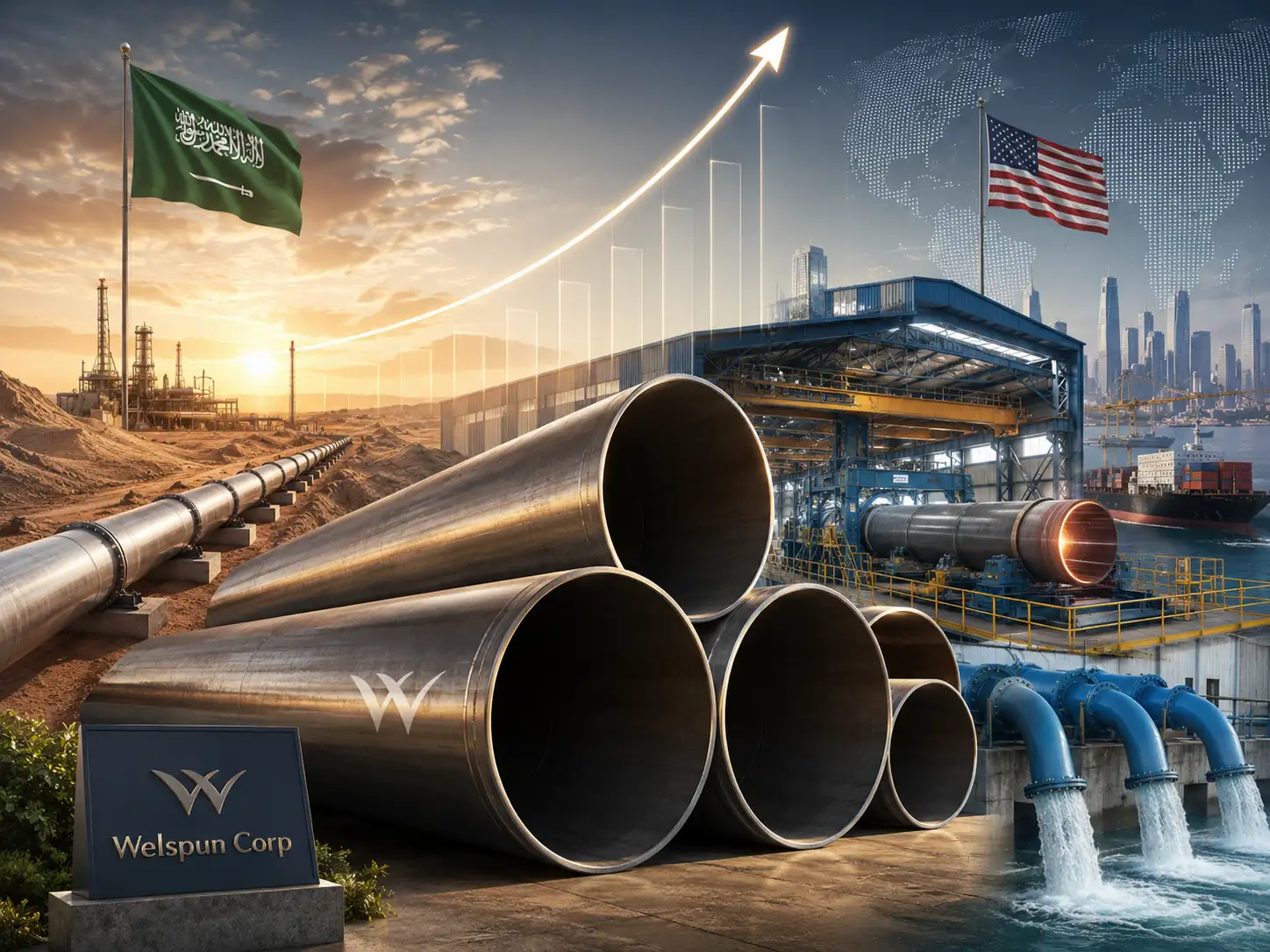
5:01 AMFortuneWelspun Corp shares rose nearly 6% after Jefferies began coverage with a Buy rating and a Rs 3,250 target price, implying about 27% upside. The brokerage expects a multi-year expansion in US and Saudi energy infrastructure spending to support Welspun's order book, capacity additions and overseas operations.
1:10 AMEconomic TimesInox Wind secured a Rs 755 crore, 100 MW turnkey order from Indian Oil, covering turbine supply, engineering, construction, execution and 10 years of operations and maintenance. The contract expands its institutional customer base and reinforces its integrated renewable-energy offering.
12:59 AMEconomic Times
Asia is pursuing a pragmatic energy transition that combines renewables, nuclear power, alternative fuels and coal. National energy security and affordability are increasingly taking precedence over broader climate messaging.
12:30 AMFortune
Why are people calling Venezuela oil deal a new form of US colonialism?
Summary
Critics are describing a multibillion-dollar US oil agreement in Venezuela as a modern form of colonialism. Their objection centres on the extent of US influence over Venezuela's energy resources and economic choices.
The dispute is about who controls the value generated by Venezuela's oil and under what
Unlock the full First Pass Analysis to get a better understanding of why this story mattersWhy it matters
The deal tests whether US engagement will look like economic partnership or resource control to a country with a long history of foreign intervention.

The Hottest New Trade Is Your Own Electricity
Summary
A growing group of people is earning money by selling excess electricity, turning private energy production into a small-scale trading opportunity. The discussion focuses on the emerging market for electricity generated and managed outside traditional utilities.
The shift gives households and small operators a more active role in power markets. Its
Unlock the full First Pass Analysis to get a better understanding of why this story mattersWhy it matters
Selling surplus power could change how consumers view electricity, from a fixed household expense into a tradable asset.
MTA electrical substations lack proper maintenance, watchdog says
Summary
An inspector general report found that MTA electrical substations lacked adequate maintenance, following a major power failure in 2024. The failure included an explosion in an electrical room serving several subway lines.
The core problem is operational neglect in infrastructure that can disrupt multiple subway lines at
Unlock the full First Pass Analysis to get a better understanding of why this story mattersWhy it matters
Weak substation maintenance creates a preventable risk to subway reliability and passenger safety.

ChargePoint CEO says 70% stock surge 'is the beginning of the momentum'
Summary
ChargePoint's stock has risen 70% as the electric vehicle infrastructure company nears the end of a three-year business plan. The plan increased revenue and substantially reduced losses.
The stock surge reflects improving financial performance, but management must now convert narrower losses into
Unlock the full First Pass Analysis to get a better understanding of why this story mattersWhy it matters
ChargePoint's results offer an early test of whether EV charging can become a viable infrastructure business rather than a perpetual growth investment.

AI data centres are booming in Australia - but at what cost?
Summary
Australia's data-centre sector is expanding rapidly, with supporters promising jobs and investment. Critics warn that the facilities could consume large amounts of electricity and water while delivering limited benefits to surrounding communities.
The central trade-off is resource allocation: data centres can attract capital, but they also lock
Unlock the full First Pass Analysis to get a better understanding of why this story mattersWhy it matters
Data-centre growth could reshape Australia's infrastructure priorities before policymakers have established who pays for its environmental and grid impacts.

Star Citadel trader to step down amid tumult in energy markets
Summary
Chris Foster will leave his role at Ken Griffin's hedge fund, Citadel, after generating billions of dollars trading European natural gas. His departure comes during a period of turmoil in energy markets.
Foster's exit removes a major source of trading expertise as European gas markets remain highly
Unlock the full First Pass Analysis to get a better understanding of why this story mattersWhy it matters
A senior trader's departure can reshape risk-taking and talent competition in one of the world's most strategically important energy markets.

National Grid’s different gas-electric forecasts are responsible planning
Summary
National Grid New York is promoting integrated planning that coordinates its gas and electric systems and considers non-pipeline alternatives. The utility argues that using different forecasts for each system reflects responsible planning as energy demand and policy change.
The core shift is toward managing gas and electric infrastructure together rather than treating them
Unlock the full First Pass Analysis to get a better understanding of why this story mattersWhy it matters
The forecasts will help determine whether New York spends more on gas infrastructure or accelerates a coordinated transition to electrification.

Santee Cooper partners with Google in shift toward AI-driven forecasting
Summary
State-owned utility Santee Cooper is partnering with Google to use artificial intelligence for more precise weather, electricity-load and financial forecasting. CFO Tami Wilson said the tools will support planning across the utility.
The utility is applying AI to core forecasting functions that affect generation, procurement, grid reliability
Unlock the full First Pass Analysis to get a better understanding of why this story mattersWhy it matters
Utilities are beginning to use AI in the planning systems that determine reliability and costs.

Weekly average load in ERCOT continues near record high
Summary
Average weekly electricity demand in ERCOT, which serves most of Texas, remains close to record levels as sustained high temperatures drive air-conditioning use.
Persistent heat is turning what could be a seasonal peak into a prolonged reliability test
Unlock the full First Pass Analysis to get a better understanding of why this story mattersWhy it matters
ERCOT's near-record load shows how extreme heat is becoming a structural test of grid capacity.

Yields are lower even as oil prices rise. Here's what's going on
Summary
Oil prices have recently pushed bond yields higher and stocks lower, but that relationship broke on Thursday as yields declined despite another increase in oil.
The break shows that markets are no longer treating the oil surge as a simple
Unlock the full First Pass Analysis to get a better understanding of why this story mattersWhy it matters
The divergence changes how investors should read the oil rally, because higher crude no longer guarantees higher yields and weaker stocks.

Russia’s Oil Revenue Sinks to Six-Month Low as Urals Price Drops
Summary
Russia’s oil revenue fell to a six-month low in August as the price of its Urals crude declined. The drop adds pressure to the Kremlin’s finances as it continues funding the war in Ukraine.
Lower prices are directly weakening one of Moscow’s main sources of wartime income. The Kremlin
Unlock the full First Pass Analysis to get a better understanding of why this story mattersWhy it matters
Russia’s ability to sustain military spending depends heavily on oil revenue, making price weakness a direct pressure point in the war.

Crude awakening: The White House’s oil numbers don’t add up
Summary
The White House is presenting oil-related figures that do not appear to align, raising questions about the accuracy or interpretation of its energy claims. The discrepancies complicate efforts to assess the administration's energy policy and stated goals.
Conflicting numbers weaken the administration's case on oil production, prices, or supply, depending on which
Unlock the full First Pass Analysis to get a better understanding of why this story mattersWhy it matters
Unclear oil data can distort public debate and market expectations about energy prices and supply.

Gulf insecurity fuels US energy dominance
Summary
Persistent tension with Iran is creating a no-war, no-peace environment that benefits the US energy sector and Israel. Gulf insecurity is reinforcing America's position in global energy markets rather than producing a decisive regional settlement.
The prolonged standoff supports US leverage by keeping rivals and buyers focused on Gulf risk,
Unlock the full First Pass Analysis to get a better understanding of why this story mattersWhy it matters
The current energy advantage is built on managed insecurity, making it both profitable and fragile.

The Vatican is smaller than a single data center. Now it’s spending $117 million to go carbon-neutral
Summary
The Vatican plans to spend $117 million to become carbon-neutral, despite its tiny physical footprint. A single Meta data center campus, Hyperion, is expected to consume up to 5 gigawatts by 2030, underscoring the growing energy scale of digital infrastructure.
The decisive shift is that carbon neutrality is becoming a capital project, not just a
Unlock the full First Pass Analysis to get a better understanding of why this story mattersWhy it matters
The contrast shows how data-center growth is reshaping the scale of energy demand and raising the cost of credible climate commitments.
Welspun Corp shares jump 6% after Jefferies initiates coverage with Buy rating. Should you invest?
Summary
Welspun Corp shares rose nearly 6% after Jefferies began coverage with a Buy rating and a Rs 3,250 target price, implying about 27% upside. The brokerage expects a multi-year expansion in US and Saudi energy infrastructure spending to support Welspun's order book, capacity additions and overseas operations.
The market is repricing Welspun as an energy-infrastructure beneficiary rather than only a steel-pipe manufacturer.
Unlock the full First Pass Analysis to get a better understanding of why this story mattersWhy it matters
Welspun's investment case now depends on sustained energy-capital spending and its ability to convert that cycle into profitable growth.
Inox Wind shares rise 2% after bagging Rs 755 crore turnkey order from Indian Oil
Summary
Inox Wind secured a Rs 755 crore, 100 MW turnkey order from Indian Oil, covering turbine supply, engineering, construction, execution and 10 years of operations and maintenance. The contract expands its institutional customer base and reinforces its integrated renewable-energy offering.
The order improves Inox Wind's revenue visibility and adds recurring service income beyond the initial
Unlock the full First Pass Analysis to get a better understanding of why this story mattersWhy it matters
The contract strengthens Inox Wind's order book, but sustained execution will matter more than the headline order value.

Moody’s head of sustainable finance: Asia is embracing a ‘pragmatic transition’ on energy
Summary
Asia is pursuing a pragmatic energy transition that combines renewables, nuclear power, alternative fuels and coal. National energy security and affordability are increasingly taking precedence over broader climate messaging.
The shift changes the transition from a single technology path into a portfolio approach shaped
Unlock the full First Pass Analysis to get a better understanding of why this story mattersWhy it matters
Asia's energy choices will determine whether global emissions fall quickly or remain tied to a slower, security-first transition.
Make it yours
Build Your First Pass.
Pick your topics, set your cadence, and receive your personalized First Pass in your inbox. It’s that simple!