Iran escalation turns energy risk into an infrastructure test
Day’s Recap
“
”
Supporting Articles
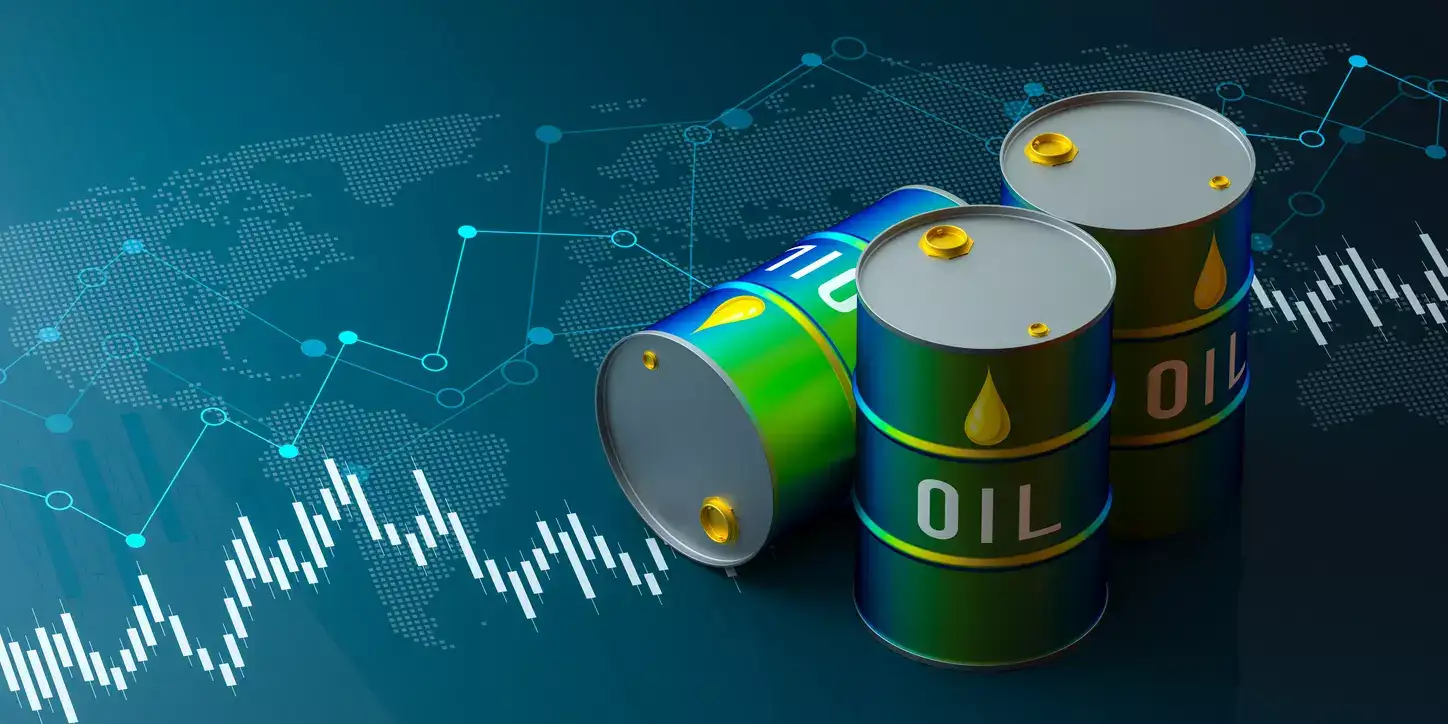
Crude oil approached $97 as the United States and Iran exchanged fresh strikes, marking the conflict's most serious escalation in weeks. The renewed confrontation has pushed oil prices toward the psychologically important $100 threshold.
10:14 PMEconomic Times
Brent crude rose 0.92% to $95.52 a barrel, while West Texas Intermediate gained 0.89% to $91.02 after the United States and Iran exchanged fresh strikes. Both benchmarks had already risen by more than $4 in the previous session.
9:41 PMEconomic Times
Oil prices rose for a third straight session as renewed US-Iran hostilities raised fears that energy flows through the Strait of Hormuz could face prolonged disruption.
6:04 PMBloomberg Markets
US Central Command announced new strikes near the Strait of Hormuz after Iran attacked ships and US military personnel. The strikes mark another escalation in the confrontation between Washington and Tehran.
4:56 PMCNBC
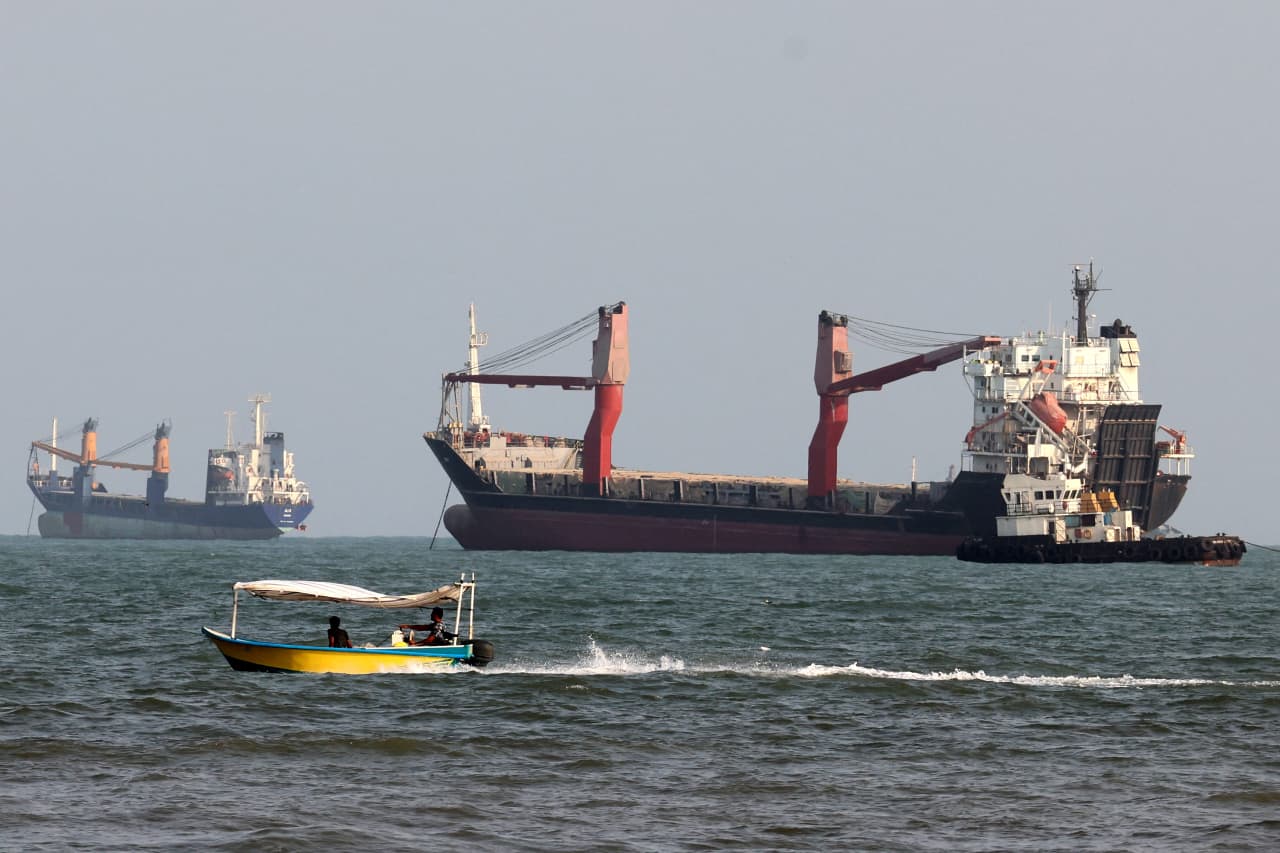
Saudi and South Korean oil tankers were attacked in the Strait of Hormuz after a period of relative calm in the war. The incidents mark a renewed threat to shipping through one of the world’s most important energy corridors.
8:06 AMFinancial Times
Oil rose to $92 a barrel after President Trump declined to accept an Iranian peace deal, while the bond market reacted sharply. The combination points to growing concern over the economic and fiscal consequences of an escalating conflict.
6:28 AMFortune
The intensifying conflict involving the United States, Israel, and Iran is expected to add a risk premium to energy costs in Britain. A higher energy price cap would further pressure households already facing rising living expenses.
4:14 AMAl Jazeera
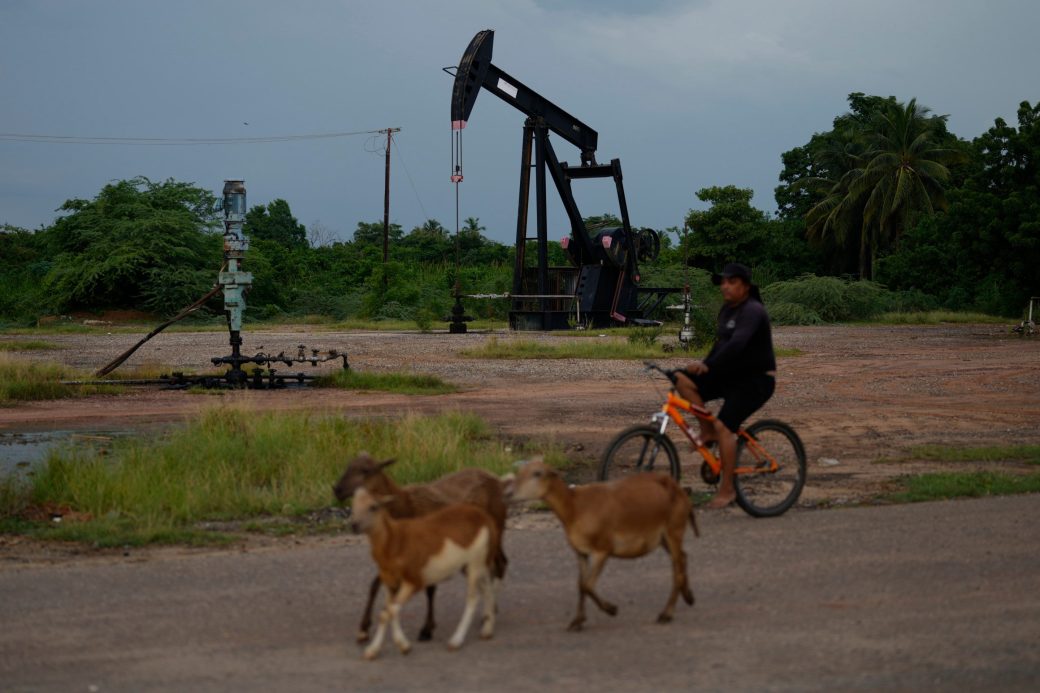
The US energy secretary is expected to travel to Venezuela to announce an oil arrangement backed by Venezuela's National Assembly. The assembly approved the deal despite the absence of publicly released details, including how the reported 65 billion barrels would be handled.
5:54 PMAl Jazeera
A proposed US oil arrangement involving up to 65 billion barrels of Venezuelan crude has puzzled analysts and angered many Venezuelans. A former envoy described the plan as a colonialist fever dream.
5:27 PMBBC
Chevron is expanding its position in Venezuela as the Trump administration encourages US oil companies to return to the country. It remains the only major US oil company operating there nearly two decades after Venezuela nationalized its oil industry.
4:52 PMFortune
The Trump administration is defending an agreement that will allow Chevron to expand operations in Venezuela. Officials present the deal as a way to displace Chinese and Russian influence from oilfields in the Western Hemisphere.
4:48 PMFinancial Times
The Defense Department's Office of Strategic Capital, created under the Biden administration to finance the U.S. defense industry, is helping lead President Trump's Venezuelan oil deal.
12:12 PMThe New York Times
Alejandro Betancourt, a controversial Venezuelan tycoon and former ally of Hugo Chavez, will lead a joint oil venture backed by the Trump administration. His appointment places a politically connected and disputed figure at the center of Washington’s effort to reshape Venezuela’s energy sector.
10:17 AMAl Jazeera
Venezuela's interim president has granted a new US company 100-year rights to more than 17 oil fields under the agreement, as the White House releases further details.
3:39 AMAl Jazeera
European natural gas prices reached their highest level since January 2023 as escalating US-Iran hostilities raised fears of a prolonged disruption to Middle East energy supplies.
3:04 PMBloomberg Markets
California lawmakers stalled Gov. Gavin Newsom's wildfire liability bill after critics argued it offered insufficient relief to victims. The setback leaves unresolved how victims, utilities, insurers, and ratepayers will share the rising cost of utility-caused fires.
5:27 PMFortune
California lawmakers passed measures covering balcony solar and data center electricity rates but declined to shield utilities from wildfire liability, sending shares of Pacific Gas and Electric and Edison International down about 20% and 23%, respectively.
10:36 AMUtility Dive
A Nepal hydropower worker described surviving a sudden surge of river water inside a tunnel as rescue operations continued. The disaster's reported death toll has surpassed 1,000.
12:11 PMBBC
BloombergNEF analysts said the Aug. 26 executive order, related actions and Treasury guidance on foreign entities of concern could disrupt battery and inverter supply chains. The measures may delay or cancel planned energy storage projects.
11:08 AMUtility Dive
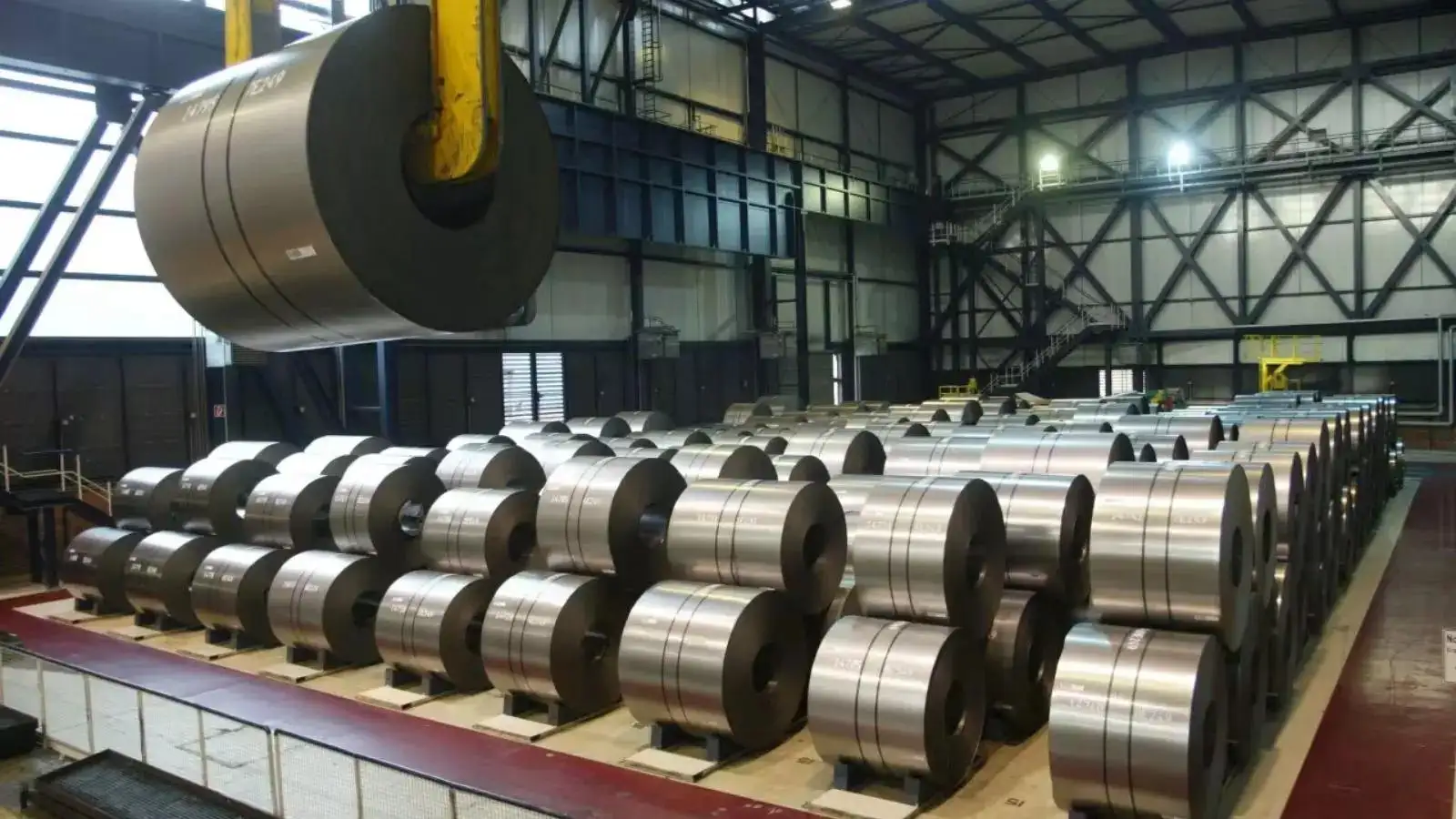
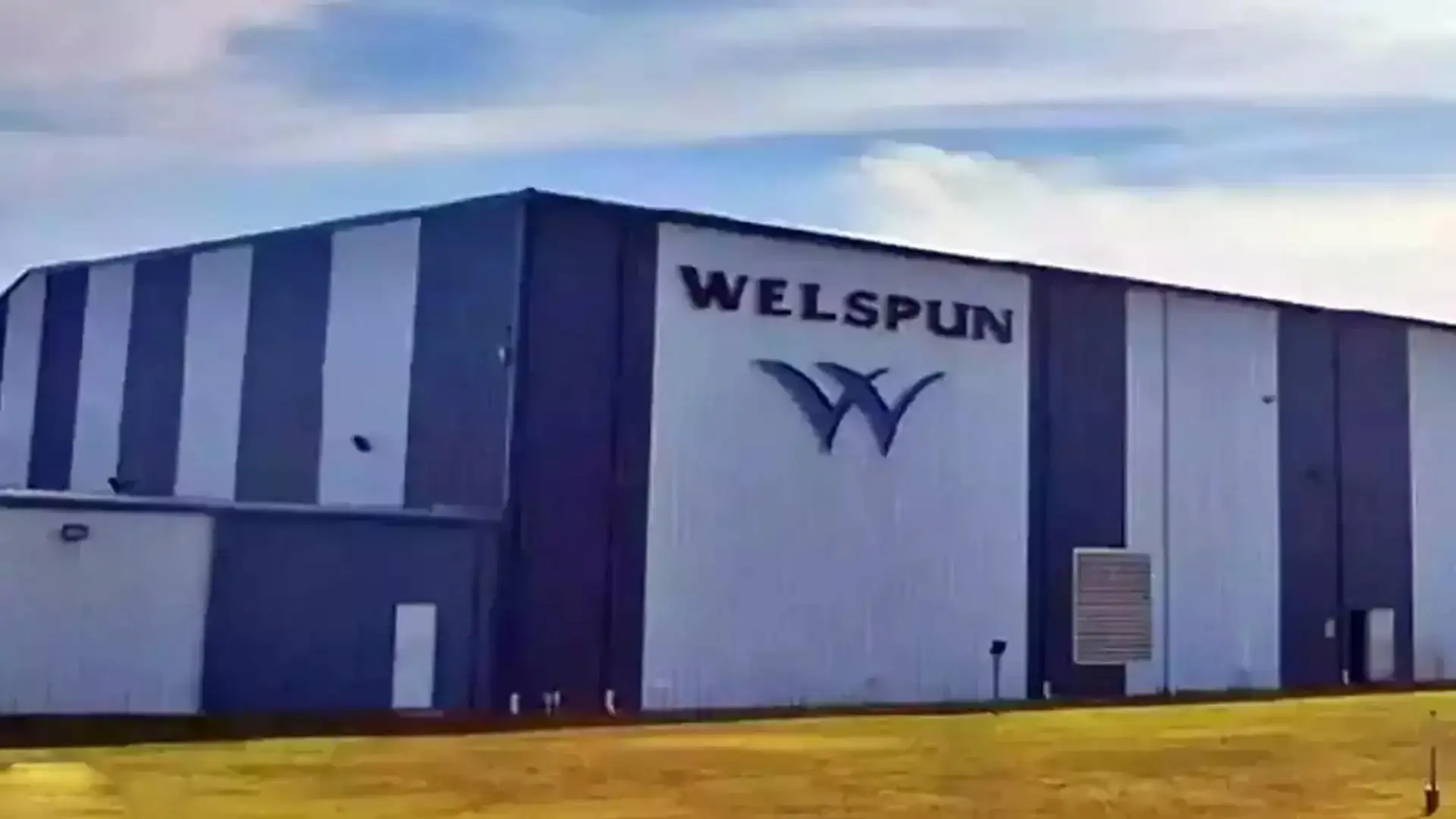
Welspun Corp has signed an MoU with Perma-Pipe International Holdings and the Jordanian government to explore a joint venture for pipe manufacturing and advanced coating facilities in Jordan. The proposed operation would target water, oil and gas, energy, and infrastructure projects in Jordan and nearby Middle Eastern markets.
11:48 PMEconomic Times
Welspun Corp and Perma-Pipe International Holdings plan to invest about Rs 1,500 crore in a Jordan-based joint venture producing steel pipes and anti-corrosion coating systems. The facility will support water and energy projects in the Levant, including Jordan's National Water Carrier Project.
10:01 PMEconomic Times
Flash floods have damaged roughly 40% of the Grand Canyon’s critical infrastructure, including sections of its pipeline network. The park has resorted to hauling water in tanker trucks while officials assess the damage.
10:22 AMFortune
10:14 PMEconomic Times
Oil Price Today (September 2): Crude oil nears $97 as war tensions escalate. Will it hit $100 again?
Summary
Crude oil approached $97 as the United States and Iran exchanged fresh strikes, marking the conflict's most serious escalation in weeks. The renewed confrontation has pushed oil prices toward the psychologically important $100 threshold.
The immediate change is a wider geopolitical risk premium in crude markets. A move above
Unlock the full First Pass Analysis to get a better understanding of why this story matters
Why it matters
The conflict is turning military escalation into a direct test of how far energy prices can rise before supply is physically curtailed.
Oil up nearly 1% as US and Iran trade fresh strikes
Summary
Brent crude rose 0.92% to $95.52 a barrel, while West Texas Intermediate gained 0.89% to $91.02 after the United States and Iran exchanged fresh strikes. Both benchmarks had already risen by more than $4 in the previous session.
The latest strikes have extended a sharp repricing of geopolitical risk in oil, with Brent
Unlock the full First Pass Analysis to get a better understanding of why this story matters
Why it matters
Oil's rapid move shows how quickly military escalation can raise fuel costs even before physical supply is disrupted.
Oil prices rose for a third straight session as renewed US-Iran hostilities raised fears that energy flows through the Strait of Hormuz could face prolonged disruption.
The market is pricing geopolitical supply risk before an actual outage occurs. A sustained disruption
Unlock the full First Pass Analysis to get a better understanding of why this story matters
Why it matters
A wider US-Iran confrontation could turn a risk premium into a global energy shock.
Global oil prices surge to a 6-week high after the U.S. strikes Iran in Hormuz
Summary
Oil prices rose above $90 a barrel after reports that two tankers were struck in the Strait of Hormuz. West Texas Intermediate and Brent reached their highest levels in nearly two weeks.
The tanker reports have added a direct supply risk to an already tense oil market,
Unlock the full First Pass Analysis to get a better understanding of why this story matters
Why it matters
Oil above $90 raises the risk that renewed Middle East disruption will feed into transport costs and broader inflation.
U.S. strikes Iran as Tehran retaliates, raising risk of wider war
Summary
US Central Command announced new strikes near the Strait of Hormuz after Iran attacked ships and US military personnel. The strikes mark another escalation in the confrontation between Washington and Tehran.
The US response signals that attacks on shipping and American forces will trigger direct retaliation.
Unlock the full First Pass Analysis to get a better understanding of why this story matters
Why it matters
The security of a major global shipping route now depends on whether the US and Iran can contain retaliation.
US Strikes Targets in Iran Around Strait of Hormuz
Summary
The United States launched strikes against Iranian targets near the Strait of Hormuz after attacks on commercial shipping and US forces. Oil prices rose sharply following the strikes.
The conflict has moved from indirect pressure on shipping to direct US-Iranian military exchanges at
Unlock the full First Pass Analysis to get a better understanding of why this story matters
Why it matters
Military escalation around Hormuz threatens both regional stability and the world’s oil supply.
Saudi and South Korean oil tankers hit in Strait of Hormuz
Summary
Saudi and South Korean oil tankers were attacked in the Strait of Hormuz after a period of relative calm in the war. The incidents mark a renewed threat to shipping through one of the world’s most important energy corridors.
The attacks reopen the risk that the conflict will disrupt global oil flows beyond the
Unlock the full First Pass Analysis to get a better understanding of why this story matters
Why it matters
Renewed attacks in Hormuz could raise energy prices and widen the war’s economic impact.
The bond market is in open revolt as Trump declines to accept an Iranian peace deal and oil hits $92 a barrel
Summary
Oil rose to $92 a barrel after President Trump declined to accept an Iranian peace deal, while the bond market reacted sharply. The combination points to growing concern over the economic and fiscal consequences of an escalating conflict.
The refusal to accept a peace deal removes a potential path to lower geopolitical risk
Unlock the full First Pass Analysis to get a better understanding of why this story matters
Why it matters
A prolonged Iran conflict could keep oil elevated while pushing borrowing costs higher across the economy.
Britons face ‘risk premium’ for energy as US-Israel war on Iran intensifies
Summary
The intensifying conflict involving the United States, Israel, and Iran is expected to add a risk premium to energy costs in Britain. A higher energy price cap would further pressure households already facing rising living expenses.
The decisive shift is that geopolitical risk is moving directly into household bills through energy
Unlock the full First Pass Analysis to get a better understanding of why this story matters
Why it matters
A regional conflict can quickly become a domestic cost-of-living problem in energy-importing Britain.
US energy secretary will travel to Venezuela to unveil oil arrangement
Summary
The US energy secretary is expected to travel to Venezuela to announce an oil arrangement backed by Venezuela's National Assembly. The assembly approved the deal despite the absence of publicly released details, including how the reported 65 billion barrels would be handled.
The planned visit points to a US effort to reshape Venezuela's oil sector through direct
Unlock the full First Pass Analysis to get a better understanding of why this story matters
Why it matters
The arrangement could alter both Venezuela's economic recovery prospects and Washington's leverage over its government and oil exports.
Remarkable US oil deal puzzles analysts - and angers many Venezuelans
Summary
A proposed US oil arrangement involving up to 65 billion barrels of Venezuelan crude has puzzled analysts and angered many Venezuelans. A former envoy described the plan as a colonialist fever dream.
The scale of the proposal suggests Washington is seeking both energy access and leverage over
Unlock the full First Pass Analysis to get a better understanding of why this story matters
Why it matters
The proposal could reshape US-Venezuela relations while intensifying the fight over control of Venezuela’s oil wealth.
Chevron is expanding in Venezuela as Trump pushes U.S. oil companies back into the country with 65 billion barrels up for grabs
Summary
Chevron is expanding its position in Venezuela as the Trump administration encourages US oil companies to return to the country. It remains the only major US oil company operating there nearly two decades after Venezuela nationalized its oil industry.
Chevron’s position gives it an early advantage if Washington opens broader access to Venezuela’s estimated
Unlock the full First Pass Analysis to get a better understanding of why this story matters
Why it matters
Venezuela is becoming a strategic test of whether US firms can re-enter a nationalized oil sector at scale.
US defends Venezuela deal as Chevron prepares to expand operations
Summary
The Trump administration is defending an agreement that will allow Chevron to expand operations in Venezuela. Officials present the deal as a way to displace Chinese and Russian influence from oilfields in the Western Hemisphere.
Washington is treating energy access as a tool of geopolitical competition, accepting greater engagement with
Unlock the full First Pass Analysis to get a better understanding of why this story matters
Why it matters
The agreement could reshape Venezuela's oil partnerships and test whether commercial access can deliver strategic gains without weakening pressure on the Venezuelan government.
How the Pentagon Is Getting Into the Venezuelan Oil Business Under Trump
Summary
The Defense Department's Office of Strategic Capital, created under the Biden administration to finance the U.S. defense industry, is helping lead President Trump's Venezuelan oil deal.
The office's role expands its remit from defense financing into a politically consequential energy transaction.
Unlock the full First Pass Analysis to get a better understanding of why this story matters
Why it matters
The deal blurs the boundary between national security financing and commercial energy policy.
Who is Alejandro Betancourt, ex-Chavez ally now Trump’s Venezuela oil man?
Summary
Alejandro Betancourt, a controversial Venezuelan tycoon and former ally of Hugo Chavez, will lead a joint oil venture backed by the Trump administration. His appointment places a politically connected and disputed figure at the center of Washington’s effort to reshape Venezuela’s energy sector.
Betancourt’s role signals that the venture will rely on established Venezuelan networks rather than a
Unlock the full First Pass Analysis to get a better understanding of why this story matters
Why it matters
The choice of intermediary may determine whether the oil plan gains access or becomes mired in political and reputational risk.
White House unveils more details of Trump’s Venezuela oil deal
Summary
Venezuela's interim president has granted a new US company 100-year rights to more than 17 oil fields under the agreement, as the White House releases further details.
The deal gives foreign operators a potentially dominant role in Venezuela's oil sector while tying
Unlock the full First Pass Analysis to get a better understanding of why this story matters
Why it matters
The agreement could reshape Venezuela's oil industry, US leverage, and the terms of a post-crisis political order.
European Gas Prices Hit Highest Since 2023 as Iran War Escalates
Summary
European natural gas prices reached their highest level since January 2023 as escalating US-Iran hostilities raised fears of a prolonged disruption to Middle East energy supplies.
The market is repricing the risk that a regional conflict will restrict supply or shipping
Unlock the full First Pass Analysis to get a better understanding of why this story matters
Why it matters
A conflict-driven energy shock could revive inflation and weaken Europe’s industrial outlook.
California lawmakers stall Newsom’s wildfire liability bill, saying it doesn’t go far enough for victims
Summary
California lawmakers stalled Gov. Gavin Newsom's wildfire liability bill after critics argued it offered insufficient relief to victims. The setback leaves unresolved how victims, utilities, insurers, and ratepayers will share the rising cost of utility-caused fires.
The bill's failure preserves uncertainty over who pays when utilities trigger catastrophic fires. Victims face
Unlock the full First Pass Analysis to get a better understanding of why this story matters
Why it matters
California still lacks a durable framework for financing wildfire damages without destabilizing utilities, insurance markets, or household bills.
Wildfire costs loom over California legislative session that passed solar, data center bills
Summary
California lawmakers passed measures covering balcony solar and data center electricity rates but declined to shield utilities from wildfire liability, sending shares of Pacific Gas and Electric and Edison International down about 20% and 23%, respectively.
By preserving utilities’ exposure to wildfire costs, the Legislature increased uncertainty around their liabilities, financing,
Unlock the full First Pass Analysis to get a better understanding of why this story matters
Why it matters
California’s energy transition now carries a sharper tradeoff between expanding power demand and containing wildfire-driven utility costs.
River water smashed into tunnel and chased me for 20 minutes, Nepal worker tells BBC
Summary
A Nepal hydropower worker described surviving a sudden surge of river water inside a tunnel as rescue operations continued. The disaster's reported death toll has surpassed 1,000.
The scale of the deaths points to a disaster that has overwhelmed rescue capacity and
Unlock the full First Pass Analysis to get a better understanding of why this story matters
Why it matters
The disaster shows how hydropower expansion can carry severe human and operational risks when flood safeguards fail.
Trump grid order likely to cause energy storage delays, cancellations: BloombergNEF
Summary
BloombergNEF analysts said the Aug. 26 executive order, related actions and Treasury guidance on foreign entities of concern could disrupt battery and inverter supply chains. The measures may delay or cancel planned energy storage projects.
The policy shifts supply-chain compliance from a secondary concern to a potential project constraint. Developers
Unlock the full First Pass Analysis to get a better understanding of why this story matters
Why it matters
Trade and sourcing rules could slow a key technology needed for grid reliability and renewable expansion.
2026 multibagger Welspun Corp shares in focus after signing MoU for pipe manufacturing in Jordan
Summary
Welspun Corp has signed an MoU with Perma-Pipe International Holdings and the Jordanian government to explore a joint venture for pipe manufacturing and advanced coating facilities in Jordan. The proposed operation would target water, oil and gas, energy, and infrastructure projects in Jordan and nearby Middle Eastern markets.
The immediate change is strategic rather than financial: Welspun is assessing a regional manufacturing base,
Unlock the full First Pass Analysis to get a better understanding of why this story matters
Why it matters
The MoU could give Welspun a local platform in a region with substantial infrastructure and energy demand, but investors still need binding project terms.
Welspun Corp, Perma-Pipe to invest Rs 1500 crore in Jordan pipe manufacturing JV
Summary
Welspun Corp and Perma-Pipe International Holdings plan to invest about Rs 1,500 crore in a Jordan-based joint venture producing steel pipes and anti-corrosion coating systems. The facility will support water and energy projects in the Levant, including Jordan's National Water Carrier Project.
The partnership shifts more project manufacturing into the region, reducing reliance on distant suppliers for
Unlock the full First Pass Analysis to get a better understanding of why this story matters
Why it matters
The investment links industrial capacity directly to Jordan's effort to secure water supplies under mounting regional pressure.
‘We anticipate miles of the pipeline being destroyed’: Roughly 40% of the Grand Canyon’s critical infrastructure damaged from flash floods
Summary
Flash floods have damaged roughly 40% of the Grand Canyon’s critical infrastructure, including sections of its pipeline network. The park has resorted to hauling water in tanker trucks while officials assess the damage.
The damage has turned a weather event into an operational crisis by disrupting the systems
Unlock the full First Pass Analysis to get a better understanding of why this story matters
Why it matters
The flooding shows how extreme weather can disable essential infrastructure and interrupt basic services even in heavily managed public facilities.
A curated list of other prominent stories from this day.
US Treasury Secretary Scott Bessent said the Strait of Hormuz will eventually be bypassed and become "worthless" as the US-Iran conflict intensifies. His comments followed fresh US strikes on Iran and claimed Iranian retaliation.
8:57 PMBloomberg Markets
President Trump is set to meet U.S. refiners as the war with Iran drives fuel prices higher. The administration is confronting rising living costs that are weakening Trump's political standing ahead of the midterm elections.
5:18 PMFinancial Times
A court struck down New York's climate Superfund law, which required energy companies to pay $75 billion to the state. The court ruled that the measure conflicted with federal law.
3:50 PMNYT New York
New Jersey’s Garden State Balcony Act allows homeowners and renters to install plug-in solar panels, removing restrictions that had limited small-scale residential generation.
2:04 PMGothamist
Energy and technology executives argue that AI data centers should be designed to support grid resilience and affordability, rather than simply adding large, inflexible loads to the power system.
11:00 AMUtility Dive
U.S. energy use rose to 96 quadrillion Btu in 2025, up 2% from 2024 but still below the 2007 peak of 99 quads. Petroleum remained the largest source, natural gas followed closely, and renewables, coal, and nuclear each accounted for about 9% of total consumption.
10:00 AMU.S. Energy Information Administration
8:57 PMBloomberg Markets
Bessent Says Hormuz Route Will Be Bypassed In the Future
Summary
US Treasury Secretary Scott Bessent said the Strait of Hormuz will eventually be bypassed and become "worthless" as the US-Iran conflict intensifies. His comments followed fresh US strikes on Iran and claimed Iranian retaliation.
The strategic shift is from protecting Hormuz to reducing dependence on it. That would favor
Unlock the full First Pass Analysis to get a better understanding of why this story matters
Why it matters
A sustained effort to bypass Hormuz could reshape energy infrastructure and reduce the market power of disruptions in the strait.
President Trump is set to meet U.S. refiners as the war with Iran drives fuel prices higher. The administration is confronting rising living costs that are weakening Trump's political standing ahead of the midterm elections.
Higher fuel prices have turned the Iran conflict into a domestic economic problem for the
Unlock the full First Pass Analysis to get a better understanding of why this story matters
Why it matters
Fuel costs could shape voter sentiment and constrain Trump's room to manage the Iran conflict.
A court struck down New York's climate Superfund law, which required energy companies to pay $75 billion to the state. The court ruled that the measure conflicted with federal law.
The ruling removes a major state mechanism for making energy companies pay for climate-related damage
Unlock the full First Pass Analysis to get a better understanding of why this story matters
Why it matters
The decision threatens a major source of proposed climate revenue and could constrain similar state efforts to hold fossil-fuel companies financially responsible.
'A whole new world': New Jersey eases restrictions on residential solar panels
Summary
New Jersey’s Garden State Balcony Act allows homeowners and renters to install plug-in solar panels, removing restrictions that had limited small-scale residential generation.
The law broadens access to solar beyond homeowners who can finance rooftop systems, giving renters
Unlock the full First Pass Analysis to get a better understanding of why this story matters
Why it matters
Plug-in solar could expand the state’s solar market by reaching households previously excluded from rooftop installations.
3 principles to make AI data centers good grid citizens
Summary
Energy and technology executives argue that AI data centers should be designed to support grid resilience and affordability, rather than simply adding large, inflexible loads to the power system.
The central shift is from treating data centers as passive electricity consumers to designing them
Unlock the full First Pass Analysis to get a better understanding of why this story matters
Why it matters
AI’s power burden will increasingly be judged by whether data centers help or destabilize the grids they rely on.
U.S. LNG exports rose 23% in the first half of 2026 because of higher capacity
Summary
U.S. energy use rose to 96 quadrillion Btu in 2025, up 2% from 2024 but still below the 2007 peak of 99 quads. Petroleum remained the largest source, natural gas followed closely, and renewables, coal, and nuclear each accounted for about 9% of total consumption.
Why it matters
A rising but sub-peak demand trend keeps energy security and decarbonization outcomes anchored to oil and gas availability and pricing.