Energy routes tighten as climate and geopolitics raise supply risks
Day’s Recap
“
Together, the stories show supply security depending increasingly on control of chokepoints, infrastructure capacity and upstream materials.
”
Supporting Articles
The Panama Canal will reduce daily vessel transits from 40 to 32 by September 15 as drought conditions linked to El Nino threaten water levels needed to operate the locks. The restriction could delay shipments and raise freight costs.
4:00 AMAl Jazeera
Iran has allowed some Iraqi oil tankers to transit the Strait of Hormuz after Iraq’s president said its territory would not be used to launch attacks against another state.
4:05 PMAl Jazeera
The EU is losing ground to the United States and China in securing critical minerals and related components used in defence and green technologies. The gap leaves European industry competing from a weaker position for essential inputs.
12:00 AMFinancial Times
4:00 AMAl Jazeera
Panama Canal to reduce shipping as ‘extreme’ El Nino approaches
Summary
The Panama Canal will reduce daily vessel transits from 40 to 32 by September 15 as drought conditions linked to El Nino threaten water levels needed to operate the locks. The restriction could delay shipments and raise freight costs.
The canal is converting water stress into a capacity constraint on a major global trade
Unlock the full First Pass Analysis to get a better understanding of why this story matters
Why it matters
A climate-driven reduction in canal capacity can raise transport costs and disrupt supply chains well beyond Central America.
Iran grants permission for some Iraqi oil tankers to pass through Hormuz
Summary
Iran has allowed some Iraqi oil tankers to transit the Strait of Hormuz after Iraq’s president said its territory would not be used to launch attacks against another state.
The permission creates a narrow channel for Iraqi energy exports while leaving Iran in control
Unlock the full First Pass Analysis to get a better understanding of why this story matters
Why it matters
A limited reopening could protect some Iraqi oil flows, but it also confirms that regional tensions are directly affecting access to global energy routes.
EU slips further behind US in race for critical minerals
Summary
The EU is losing ground to the United States and China in securing critical minerals and related components used in defence and green technologies. The gap leaves European industry competing from a weaker position for essential inputs.
The decisive shift is that Brussels is no longer keeping pace with the capital, supply
Unlock the full First Pass Analysis to get a better understanding of why this story matters
Why it matters
Europe's clean energy and defence ambitions increasingly depend on supply chains it does not control.
A curated list of other prominent stories from this day.
Solar-powered kiosks are enabling people in rural Chad to access telemedicine despite long distances and a shortage of doctors. The systems provide a local point for remote consultations while using off-grid power to overcome unreliable electricity access.
11:21 PMAl Jazeera
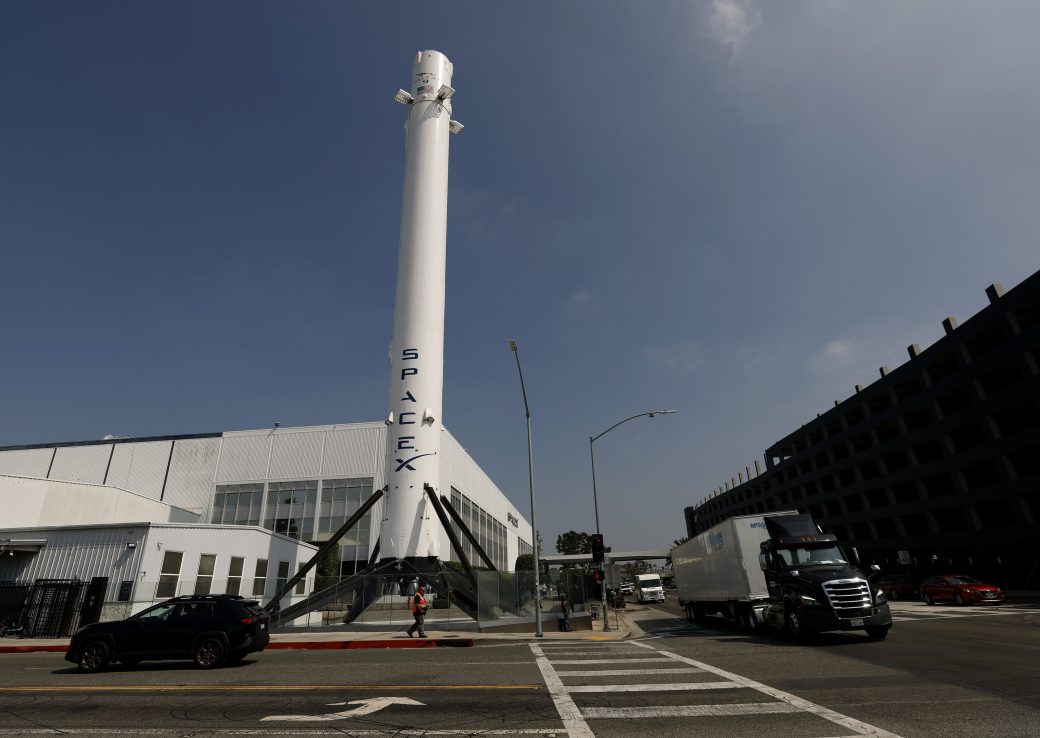
SpaceX is hiring expertise in natural gas trading as it develops Starship, whose engines use super-chilled methane and liquid oxygen as propellants.
7:32 PMFortune
Wood Mackenzie estimates that oil companies accumulated $272 billion in windfall cash from the war-driven energy shock. The industry has not meaningfully redirected that money into new investment, buybacks, or dividends.
11:06 AMFortune
Rosatom is continuing to return employees to Iran’s Bushehr nuclear power plant, according to CEO Alexey Likhachev, as reported by Interfax.
9:15 AMBloomberg Markets
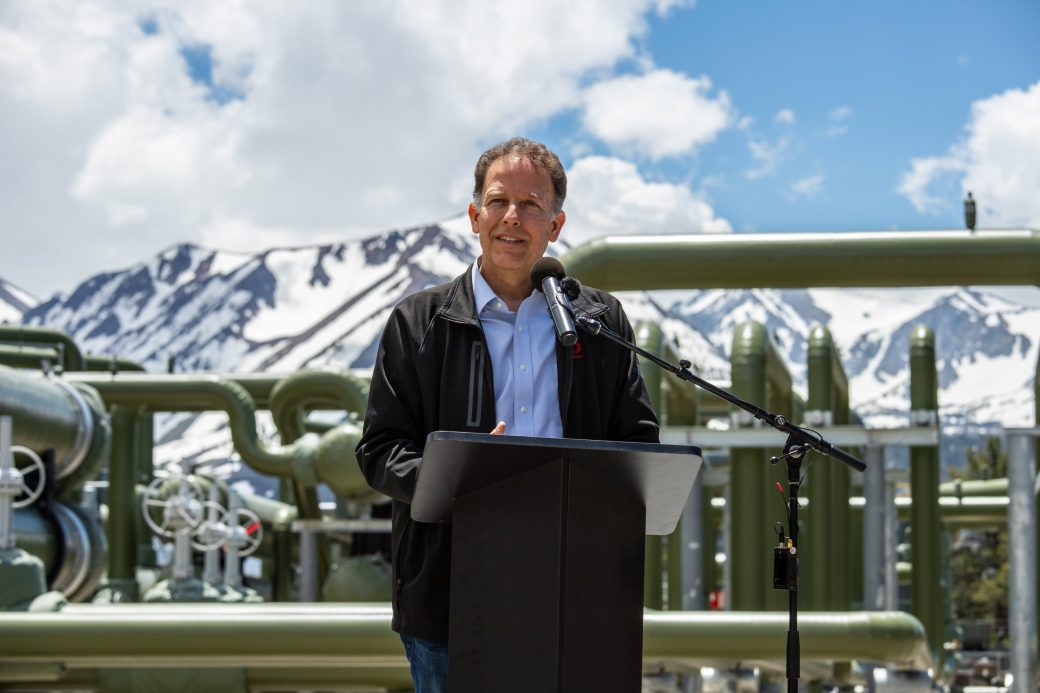
Ormat has launched two next-generation geothermal projects in Nevada with Sage Geosystems and SLB. The projects target newer geothermal technologies as demand for reliable power from artificial intelligence infrastructure grows.
3:11 AMFortune
CleanMax plans to add 1.5 GW of renewable capacity in FY27 and exceed Rs 3,000 crore in EBITDA by FY28. The company expects demand from data centres, artificial intelligence, manufacturing and the Make in India push to support expansion, backed by an AA credit rating and a planned Rs 2,500 crore bond issue.
1:20 AMEconomic Times
11:21 PMAl Jazeera
Solar kiosks bring healthcare closer to patients in Chad
Summary
Solar-powered kiosks are enabling people in rural Chad to access telemedicine despite long distances and a shortage of doctors. The systems provide a local point for remote consultations while using off-grid power to overcome unreliable electricity access.
The key change is that decentralized energy is supporting healthcare delivery, not just household or
Unlock the full First Pass Analysis to get a better understanding of why this story matters
Why it matters
Small-scale solar can reduce the distance barrier that keeps rural communities from essential healthcare.
Trump says oil companies are ‘making too much money.’ Their own balance sheets agree
Summary
Wood Mackenzie estimates that oil companies accumulated $272 billion in windfall cash from the war-driven energy shock. The industry has not meaningfully redirected that money into new investment, buybacks, or dividends.
The key shift is the scale of excess cash relative to the industry's limited response:
Unlock the full First Pass Analysis to get a better understanding of why this story matters
Why it matters
The cash surplus raises the prospect of tougher scrutiny and policy pressure without guaranteeing more oil production.
Russia’s Rosatom Returns Workers to Iran’s Bushehr Nuclear Plant
Summary
Rosatom is continuing to return employees to Iran’s Bushehr nuclear power plant, according to CEO Alexey Likhachev, as reported by Interfax.
The staffing move points to a resumption of regular Russian support at Bushehr, though it
Unlock the full First Pass Analysis to get a better understanding of why this story matters
Why it matters
The return of personnel could stabilize operations at a strategically important nuclear facility while signaling that Russia intends to preserve its role in Iran’s energy sector.
Powering the cloud after 60 years underground: Ormat’s geothermal pivot to AI
Summary
Ormat has launched two next-generation geothermal projects in Nevada with Sage Geosystems and SLB. The projects target newer geothermal technologies as demand for reliable power from artificial intelligence infrastructure grows.
Ormat is shifting geothermal development toward advanced systems that could expand output beyond conventional underground
Unlock the full First Pass Analysis to get a better understanding of why this story matters
Why it matters
AI growth is creating a new market for geothermal power, but the technology must prove it can deliver at data-center scale and speed.
CleanMax plans to add 1.5 GW of renewable capacity in FY27 and exceed Rs 3,000 crore in EBITDA by FY28. The company expects demand from data centres, artificial intelligence, manufacturing and the Make in India push to support expansion, backed by an AA credit rating and a planned Rs 2,500 crore bond issue.
CleanMax is moving from capacity growth to a financing-intensive scale-up, making access to relatively cheap
Unlock the full First Pass Analysis to get a better understanding of why this story matters
Why it matters
CleanMax’s targets show how industrial electrification and data-centre demand are turning renewable power into a large corporate infrastructure opportunity.