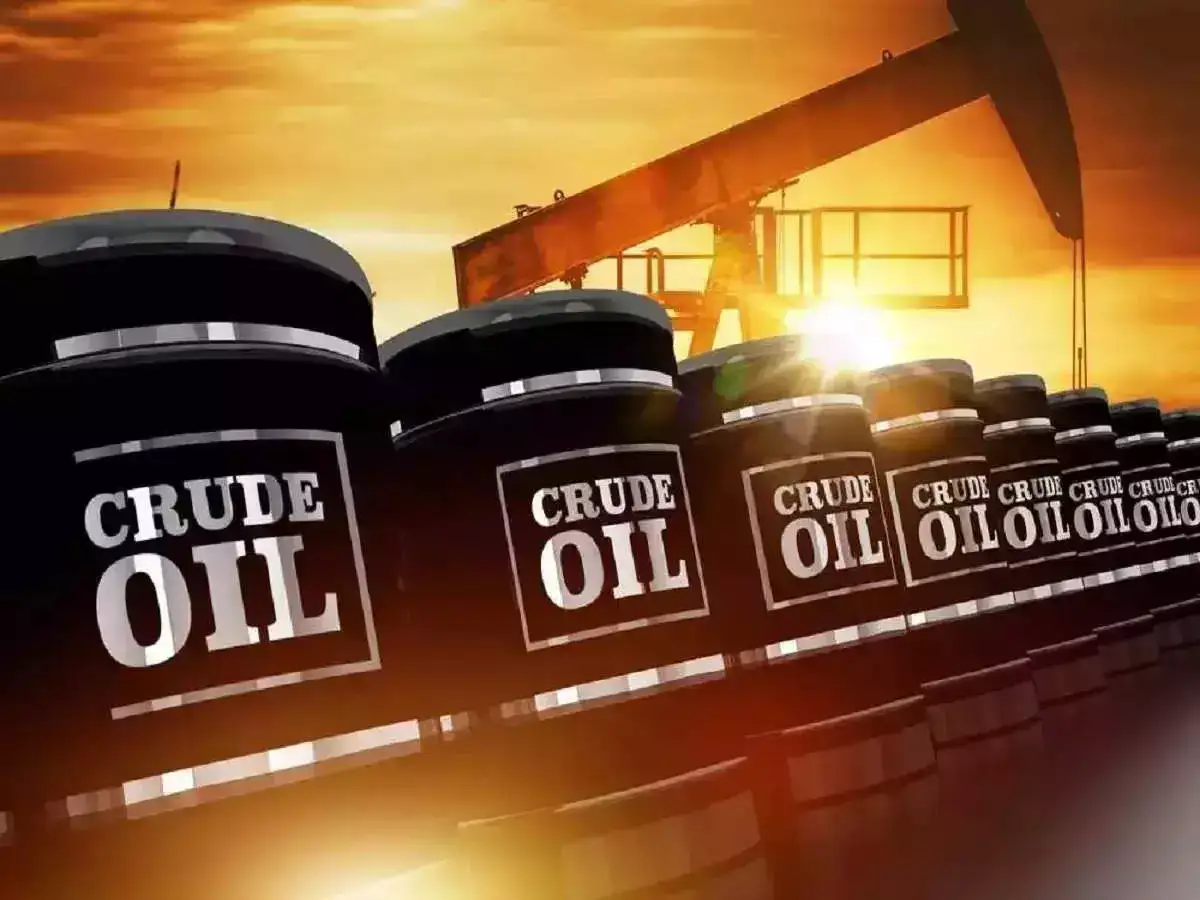
Brent crude settled at $88.52 a barrel and WTI at $82.40 as attacks in the Strait of Hormuz and disruptions at a Russian port reduced shipping activity. Resilient storage levels limited the price increase.
1:17 AMEconomic Times7 stories from 4 sources
Supporting Articles
Brent crude settled at $88.52 a barrel and WTI at $82.40 as attacks in the Strait of Hormuz and disruptions at a Russian port reduced shipping activity. Resilient storage levels limited the price increase.
1:17 AMEconomic Times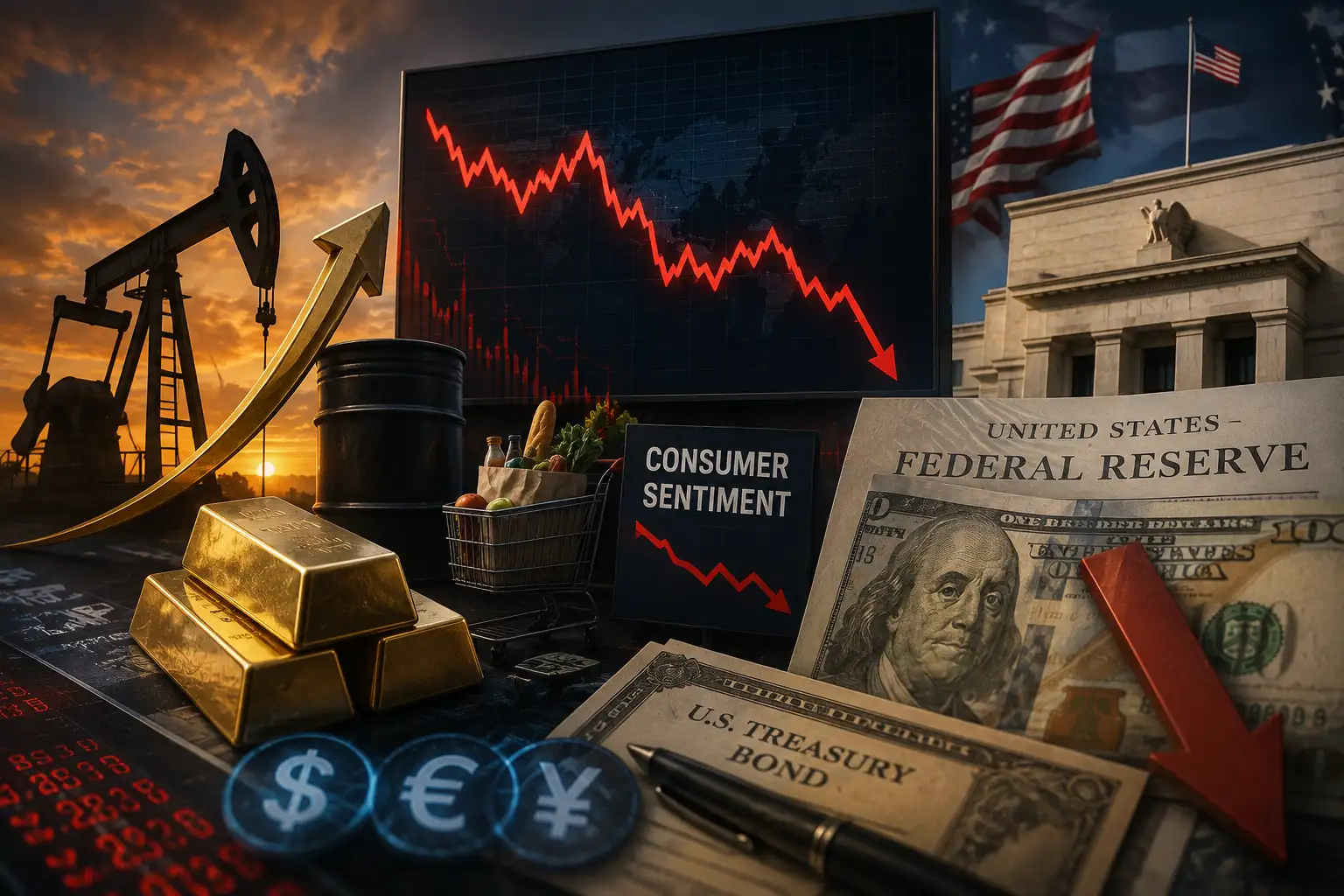
Oil prices rose by more than a dollar as geopolitical tensions intensified and U.S.-Iran peace talks faltered. Weaker consumer sentiment, pressured retail activity, and a softer dollar reduced expectations for another Federal Reserve rate hike, while major U.S. stock indexes declined.
1:02 AMEconomic Times
The Trump administration is considering new sanctions on companies or countries that do business with Iran as disruption around the Strait of Hormuz keeps pressure on oil flows and US gasoline prices. China, a major buyer of Iranian oil, could become a central target of the policy.
7:49 AMBloomberg Markets
The U.S. Strategic Petroleum Reserve is approaching oil levels that experts say could threaten the integrity of its underground storage caverns and complicate operations. The rapid drawdown has reduced the cushion available for future supply disruptions.
8:23 AMCNBCSummary
Brent crude settled at $88.52 a barrel and WTI at $82.40 as attacks in the Strait of Hormuz and disruptions at a Russian port reduced shipping activity. Resilient storage levels limited the price increase.
Physical supply risks are now pushing oil higher even as inventories cushion the market. Prolonged
Unlock the full First Pass Analysis to get a better understanding of why this story mattersWhy it matters
Higher oil prices would raise transport and production costs and complicate efforts to contain inflation.
Summary
Oil prices rose by more than a dollar as geopolitical tensions intensified and U.S.-Iran peace talks faltered. Weaker consumer sentiment, pressured retail activity, and a softer dollar reduced expectations for another Federal Reserve rate hike, while major U.S. stock indexes declined.
The market is now balancing an inflationary oil shock against weaker U.S. demand data that
Unlock the full First Pass Analysis to get a better understanding of why this story mattersWhy it matters
A combination of higher energy costs and weaker demand could make the Fed's policy path more difficult.
Summary
The Trump administration is considering new sanctions on companies or countries that do business with Iran as disruption around the Strait of Hormuz keeps pressure on oil flows and US gasoline prices. China, a major buyer of Iranian oil, could become a central target of the policy.
Targeting Iran's customers would widen the confrontation from Tehran to Beijing and raise the risk
Unlock the full First Pass Analysis to get a better understanding of why this story mattersWhy it matters
A new sanctions push could turn the Hormuz crisis into both an energy shock and a direct US-China confrontation.
Summary
The U.S. Strategic Petroleum Reserve is approaching oil levels that experts say could threaten the integrity of its underground storage caverns and complicate operations. The rapid drawdown has reduced the cushion available for future supply disruptions.
The reserve is nearing a point where continued withdrawals could damage storage infrastructure and limit
Unlock the full First Pass Analysis to get a better understanding of why this story mattersWhy it matters
A smaller and potentially less reliable reserve leaves the United States more exposed to major oil-supply shocks.
A curated list of other prominent stories from this day.

Rising petrol prices are pushing more Nigerian riders toward electric bikes. Users say the switch reduces both fuel and maintenance costs.
9:43 PMAl Jazeera
Oil from a grounded tanker has reached Oman’s coastline, prompting cleanup operations across 12 kilometres of shore.
2:11 PMAl Jazeera
The Ken-Betwa dam project is displacing thousands of people while authorities fail to enforce legal protections governing compensation. Women affected by the project are among those left without the support and remedies promised under the law.
4:22 AMAl JazeeraSummary
Rising petrol prices are pushing more Nigerian riders toward electric bikes. Users say the switch reduces both fuel and maintenance costs.
Higher operating costs are making electric bikes a practical response for riders, not just a
Unlock the full First Pass Analysis to get a better understanding of why this story mattersWhy it matters
Nigeria’s fuel-price shock is creating a consumer-led opening for transport electrification.
Summary
Oil from a grounded tanker has reached Oman’s coastline, prompting cleanup operations across 12 kilometres of shore.
The spill has moved from a maritime incident into a coastal environmental emergency. Omani authorities
Unlock the full First Pass Analysis to get a better understanding of why this story mattersWhy it matters
The incident shows how tanker accidents can quickly impose cross-border environmental and economic costs.
Summary
The Ken-Betwa dam project is displacing thousands of people while authorities fail to enforce legal protections governing compensation. Women affected by the project are among those left without the support and remedies promised under the law.
The central shift is from promised rehabilitation to legally deficient compensation, leaving displaced households exposed
Unlock the full First Pass Analysis to get a better understanding of why this story mattersWhy it matters
The project shows how infrastructure gains can shift costs onto vulnerable communities when compensation rules are not enforced.
Make it yours
Pick your topics, set your cadence, and receive your personalized First Pass in your inbox. It’s that simple!