Energy chokepoints and power systems absorb rising geopolitical risk
Day’s Recap
“
The result was a more contested energy system, with access, generation, and grid capacity carrying greater political or physical risk.
”
Supporting Articles
Iran’s chief negotiator accused President Donald Trump of pursuing theater diplomacy as traffic through the Strait of Hormuz approached a standstill. The confrontation is also placing Gulf energy infrastructure and other regional shipping chokepoints under renewed threat.
10:06 AMCNBC
Crude oil rose for a second session as Iran’s proposed restrictions on hostile vessels deepened uncertainty over the Strait of Hormuz. Analysts warned that a prolonged disruption could drive prices substantially higher, although expanding supply outside the conflict zone may eventually ease the market.
10:04 PMEconomic Times
The United States, Iran and Oman are nearing a temporary agreement to reopen the Strait of Hormuz, while Donald Trump says the war cannot continue much longer.
8:00 PMAl Jazeera
Oil prices rose after reports that Iran attacked what it called hostile targets in the Strait of Hormuz. Tehran is also seeking an agreement with Oman to bar US ships from the vital waterway.
6:01 PMBloomberg Markets
Brent crude rose above $80 a barrel as investors monitored Iran-Oman talks on shipping and reported attacks on Saudi oil tankers. Traders remained wary that tensions around the Strait of Hormuz could threaten energy supplies.
9:43 AMEconomic Times
The Trump administration has agreed to roughly $4 billion in settlements to cancel planned offshore wind projects, including a $1.22 billion payment to German utility RWE. Billions of dollars in additional projects remain vulnerable.
4:24 PMBloomberg Markets
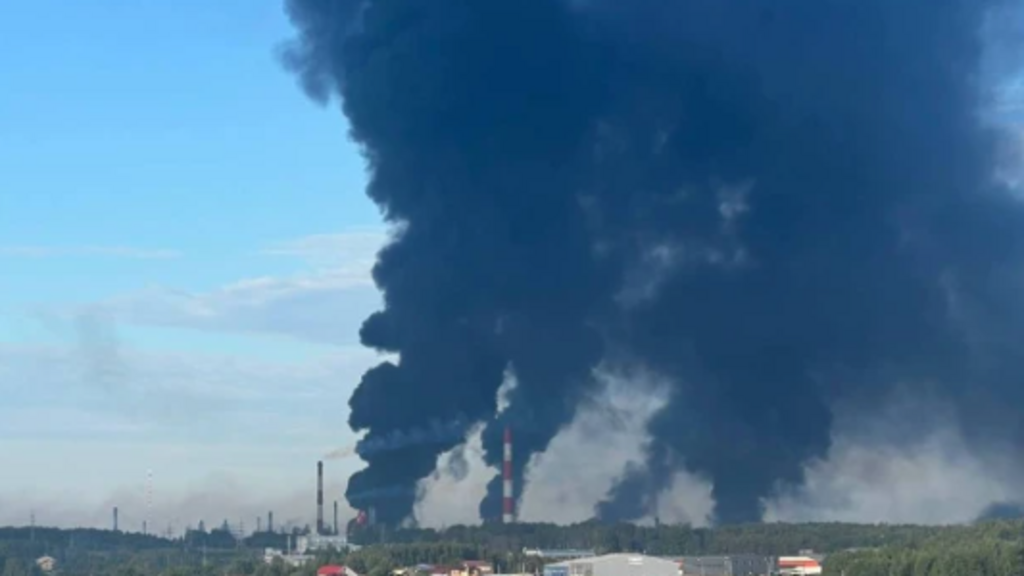
Ukraine’s military targeted the Slavneft-Yanos refinery in Yaroslavl with a long-range drone attack. The facility is one of Russia’s largest refineries and sits hundreds of miles from Ukraine’s border.
1:32 PMCNBC
Ukraine struck two oil refineries deep inside Russia, according to the report. President Volodymyr Zelenskyy said the attacks target revenues Russia uses to finance its war.
11:41 AMBBC
Extreme heat has placed all 27 major Italian cities on red alert, while low Danube water levels have limited Hungary's ability to cool its nuclear reactors and forced power rationing. The same drought is disrupting both public health and electricity operations across Europe.
12:07 PMFortune
Duke Energy plans to issue $10 billion in equity as it spends more than $1 billion a month to meet what it calls record electricity demand, including growth in gas generation. Critics in North Carolina argue that the utility has overstated demand forecasts to justify the spending.
8:00 AMUtility Dive
U.S. imports of Saudi crude fell to zero in July, the first full month without shipments since 1985, according to preliminary government data. The drop reflects a sharp change in refinery sourcing.
1:47 PMBloomberg Markets
NRG is nearing a deal to supply 1.2 gigawatts of capacity to a hyperscale data center customer as Texas pauses some data center development. CEO Robert Gaudette said NRG's customer-backed capacity model can operate in a more restrictive permitting environment.
10:16 AMUtility Dive
Virginia's governor plans to intervene in the proposed NextEra and Dominion transaction because of concerns about its effect on electricity prices. The State Corporation Commission will review the deal and can approve it, reject it or impose conditions.
4:50 PMCNBC
10:06 AMCNBC
Iran's chief negotiator accuses Trump of 'theater diplomacy' with Hormuz traffic near standstill
Summary
Iran’s chief negotiator accused President Donald Trump of pursuing theater diplomacy as traffic through the Strait of Hormuz approached a standstill. The confrontation is also placing Gulf energy infrastructure and other regional shipping chokepoints under renewed threat.
Near cessation of traffic shows that the dispute has already imposed economic costs before any
Unlock the full First Pass Analysis to get a better understanding of why this story matters
Why it matters
Hormuz disruption can quickly transmit geopolitical risk into oil prices, inflation and global supply chains.
Oil Price Today (August 7): Crude oil rises above $83 as Strait of Hormuz deadlock continues. Here’s why
Summary
Crude oil rose for a second session as Iran’s proposed restrictions on hostile vessels deepened uncertainty over the Strait of Hormuz. Analysts warned that a prolonged disruption could drive prices substantially higher, although expanding supply outside the conflict zone may eventually ease the market.
The immediate price driver is the prospect that tanker traffic will remain constrained for months,
Unlock the full First Pass Analysis to get a better understanding of why this story matters
Why it matters
Oil markets are balancing an acute shipping risk against a medium-term supply response that could cap the rally.
Oil rises on concerns over Strait of Hormuz reopening plans
Summary
Brent crude rose to $83.48 a barrel and WTI to $78.84 as traders questioned whether Iran and Oman could restore normal tanker traffic through the Strait of Hormuz. Houthi claims of attacks on Saudi military positions added to regional security concerns.
The proposed reopening has not removed the central risk because restrictions on hostile vessels and
Unlock the full First Pass Analysis to get a better understanding of why this story matters
Why it matters
Crude prices are responding to the durability of shipping access, not just the existence of a diplomatic plan.
Iran Seeks to Bar US Ships as Deal With Oman Advances
Summary
Iran is reportedly seeking terms in a proposed agreement with Oman that would bar US and Israeli ships from the Strait of Hormuz and require compensation from hostile countries before they could use the waterway.
The proposal would turn Hormuz access into an explicitly political instrument and raise the cost
Unlock the full First Pass Analysis to get a better understanding of why this story matters
Why it matters
Any formal restriction on Hormuz traffic would threaten energy flows, shipping insurance and regional de-escalation.
Iran says it has a deal to reopen the Strait of Hormuz—and shipowners are outraged by its plan to charge fees
Summary
Iran says it has reached an arrangement to reopen the Strait of Hormuz, a vital route for global energy shipments. Shipowners oppose the reported plan to charge vessels fees for passage.
Reopening the strait would reduce the immediate threat to oil and gas flows, but Iran’s
Unlock the full First Pass Analysis to get a better understanding of why this story matters
Why it matters
The deal could ease an energy chokepoint while replacing a security crisis with a costly battle over access and control.
Iran war live: Trump says Iran can’t ‘go on much longer’; Hormuz deal close
Summary
The United States, Iran and Oman are nearing a temporary agreement to reopen the Strait of Hormuz, while Donald Trump says the war cannot continue much longer.
A temporary reopening would ease immediate pressure on global shipping, energy markets and countries dependent
Unlock the full First Pass Analysis to get a better understanding of why this story matters
Why it matters
Hormuz is a critical energy chokepoint, so even a temporary deal could lower global supply and price risks.
Oil prices rose after reports that Iran attacked what it called hostile targets in the Strait of Hormuz. Tehran is also seeking an agreement with Oman to bar US ships from the vital waterway.
The reported attack turns access to the Strait of Hormuz into an immediate military and
Unlock the full First Pass Analysis to get a better understanding of why this story matters
Why it matters
A threat to one of the world’s key oil chokepoints can quickly affect energy prices, shipping and wider diplomacy.
Brent crude tops $80 per barrel as Hormuz talks, tanker attacks keep supply risks high
Summary
Brent crude rose above $80 a barrel as investors monitored Iran-Oman talks on shipping and reported attacks on Saudi oil tankers. Traders remained wary that tensions around the Strait of Hormuz could threaten energy supplies.
The price move reflects a higher geopolitical risk premium, not just a shift in ordinary
Unlock the full First Pass Analysis to get a better understanding of why this story matters
Why it matters
Energy markets are pricing the possibility that regional conflict could disrupt one of the world's most important oil transit routes.
Trump Refunds $4 Billion to Cancel US Offshore Wind Projects
Summary
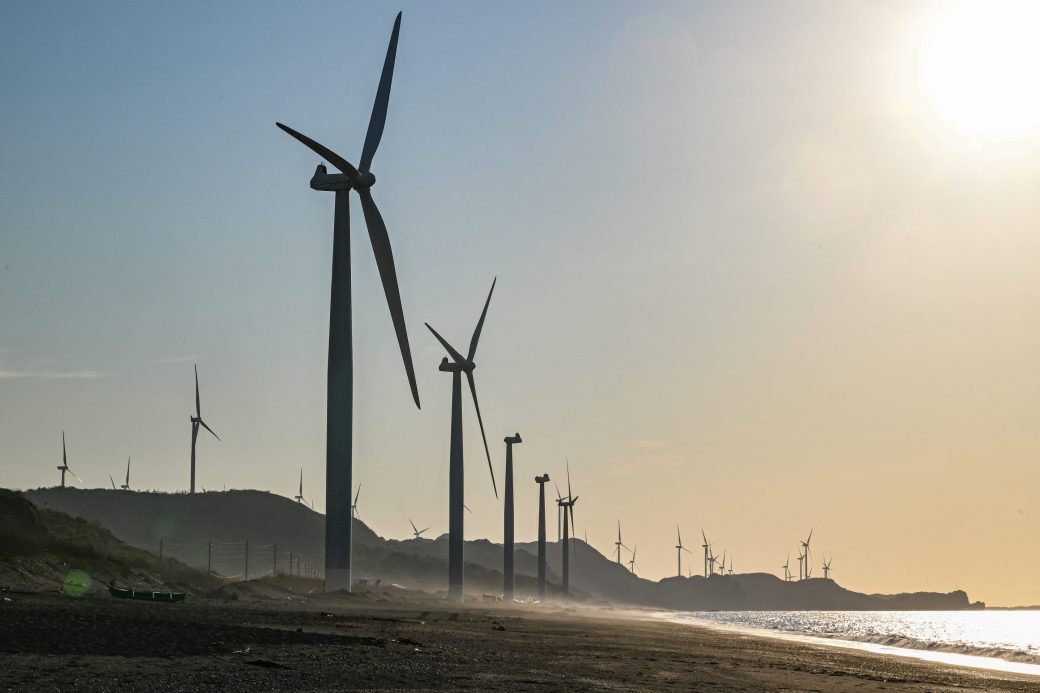
The Trump administration has agreed to roughly $4 billion in settlements to cancel planned offshore wind projects, including a $1.22 billion payment to German utility RWE. Billions of dollars in additional projects remain vulnerable.
The administration is converting its opposition to offshore wind into direct federal spending, shifting the
Unlock the full First Pass Analysis to get a better understanding of why this story matters
Why it matters
The policy is dismantling offshore wind capacity while creating a costly precedent for reversing approved infrastructure projects.
RWE’s $1.22B exit marks the latest in Trump’s billion-dollar offshore wind buyouts—now topping $3B to redirect developers to fossil fuels
Summary
The Trump administration has agreed to pay more than $3 billion since March to cancel offshore wind projects, including a $1.22 billion settlement tied to RWE's exit. The payments compensate developers while redirecting projects and capital away from the current offshore wind pipeline.
The policy has converted a regulatory reversal into a direct public cost and increased uncertainty
Unlock the full First Pass Analysis to get a better understanding of why this story matters
Why it matters
Billions in cancellation payments are reshaping U.S. energy investment while making offshore wind projects materially harder to finance.
Ukraine’s military hits one of Russia’s biggest oil refineries in long-range drone attack
Summary
Ukraine’s military targeted the Slavneft-Yanos refinery in Yaroslavl with a long-range drone attack. The facility is one of Russia’s largest refineries and sits hundreds of miles from Ukraine’s border.
The strike extends Ukraine’s campaign against Russia’s energy infrastructure deep into the country’s interior. Damage
Unlock the full First Pass Analysis to get a better understanding of why this story matters
Why it matters
A successful strike this far from the front raises the risk to Russia’s domestic fuel system and weakens its assumption of geographic safety.
Ukraine hits two oil refineries deep in Russian territory
Summary
Ukraine struck two oil refineries deep inside Russia, according to the report. President Volodymyr Zelenskyy said the attacks target revenues Russia uses to finance its war.
The strikes expand Ukraine's campaign against Russia's energy infrastructure beyond frontline areas. They could disrupt
Unlock the full First Pass Analysis to get a better understanding of why this story matters
Why it matters
Ukraine is targeting the financial and logistical systems that support Russia's war, not only its forces at the front.
Every major Italian city is on heat alert as the drought hits Hungary’s nuclear power
Summary
Extreme heat has placed all 27 major Italian cities on red alert, while low Danube water levels have limited Hungary's ability to cool its nuclear reactors and forced power rationing. The same drought is disrupting both public health and electricity operations across Europe.
Water scarcity is becoming a direct constraint on thermal power generation, not just an environmental
Unlock the full First Pass Analysis to get a better understanding of why this story matters
Why it matters
Climate-driven heat and drought can create simultaneous health emergencies and electricity shortages in interconnected markets.
Duke Energy to issue $10B in equity to capture gas generation growth opportunity
Summary
Duke Energy plans to issue $10 billion in equity as it spends more than $1 billion a month to meet what it calls record electricity demand, including growth in gas generation. Critics in North Carolina argue that the utility has overstated demand forecasts to justify the spending.
Duke is asking shareholders to fund an aggressive expansion built around rising power demand and
Unlock the full First Pass Analysis to get a better understanding of why this story matters
Why it matters
Duke's financing push shows how utilities are repositioning around expected demand growth while shifting forecast and construction risk onto investors and customers.
Saudi Crude Shipments to US Plunge to Zero as Oil Refiners Pivot
Summary
U.S. imports of Saudi crude fell to zero in July, the first full month without shipments since 1985, according to preliminary government data. The drop reflects a sharp change in refinery sourcing.
The interruption marks a historic break in the U.S.-Saudi crude trade, but it does not
Unlock the full First Pass Analysis to get a better understanding of why this story matters
Why it matters
A once-stable oil corridor has effectively disappeared for now, reshaping trade flows between two major energy markets.
NRG nears 1.2-GW hyperscaler deal amid Texas data center pause
Summary
NRG is nearing a deal to supply 1.2 gigawatts of capacity to a hyperscale data center customer as Texas pauses some data center development. CEO Robert Gaudette said NRG's customer-backed capacity model can operate in a more restrictive permitting environment.
The prospective deal shows that Texas's development constraints may redirect, rather than eliminate, data center
Unlock the full First Pass Analysis to get a better understanding of why this story matters
Why it matters
A large customer-backed contract could become a template for building data center capacity despite mounting grid and permitting limits.
Virginia governor to intervene in NextEra, Dominion merger over electricity price concerns
Summary
Virginia's governor plans to intervene in the proposed NextEra and Dominion transaction because of concerns about its effect on electricity prices. The State Corporation Commission will review the deal and can approve it, reject it or impose conditions.
The merger now faces a state-level political challenge centered on customer costs, not just corporate
Unlock the full First Pass Analysis to get a better understanding of why this story matters
Why it matters
The review could determine whether utility mergers deliver scale benefits or shift more costs onto electricity customers.
A curated list of other prominent stories from this day.
Chinese solar stocks swung sharply as Beijing moved to curb below-cost sales while the US renewed tariff threats against Chinese imports.
10:31 PMBloomberg Markets
Asia's push to expand artificial intelligence depends on reliable access to both energy and computing capacity. The region's energy supply and market structures are more fragile than its technology ambitions assume.
5:00 PMFortune
Gasoline prices may stay elevated this fall even if crude oil prices level off because refining capacity and fuel inventories are tight. Disruptions linked to the wars in Ukraine and Iran are adding pressure to the refining market.
4:34 PMCNBC
JSW Energy’s renewable-energy subsidiaries secured more than ₹4,000 crore in long-term loans from Axis Bank, Bank of Maharashtra, and NaBFID. The financing will support existing and planned renewable projects and carries extended repayment periods.
3:19 PMEconomic Times
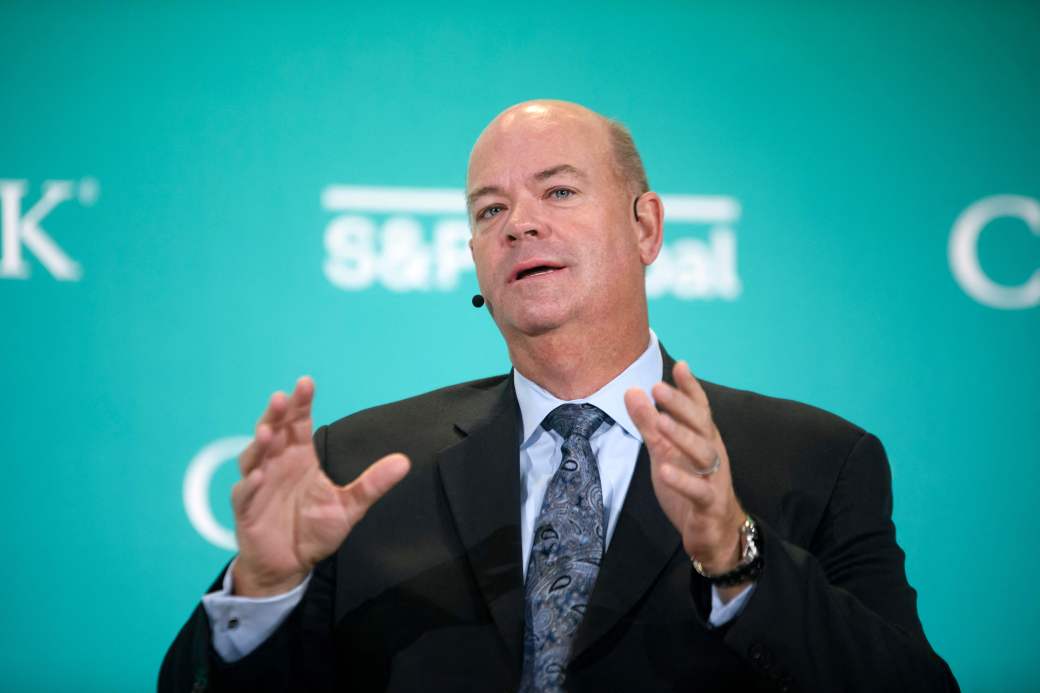
ConocoPhillips said CEO Ryan Lance will retire after 14 years and be succeeded by CFO Andy O'Brien on September 1. The announcement came as the oil and gas producer reported better-than-expected quarterly profit, its strongest since 2022.
2:27 PMCNBC
A 110-MW Texas solar project secured financing with support from fractionalized virtual power purchase agreements and renewable energy certificate transactions. The structure broadens participation in clean-energy procurement beyond large corporate buyers.
11:58 AMUtility Dive
Investment firms linked to John Doerr and other billionaires backed startups working on geothermal energy, nylon recycling and other sustainability technologies in July. Overall deal activity remained steady.
9:36 AMCNBC
Suncor CEO Rich Kruger will step down next April and be succeeded by Peter Zebedee. The company also disclosed the unexpected departure of its chief financial officer.
7:06 AMBloomberg Markets
The article provides an update on oil prices and explains how changes in crude markets affect household energy costs and the prices of everyday goods. It connects movements in the oil market to broader inflation and consumer spending.
7:00 AMFortune
Representative Ro Khanna plans to introduce a Data Center Bill of Rights as opposition grows to the power, water and infrastructure demands of AI facilities. Michigan Senate candidate Abdul El-Sayed has endorsed state and local moratoriums on data centers.
5:30 AMCNBC
Zach Dell is building a home electricity and battery rental business valued at $13 billion. The model gives households backup power without requiring them to purchase an expensive battery system outright.
3:07 AMFortune
Juniper Green Energy shares debuted nearly 9% above their IPO price, broadly matching grey-market expectations. Analysts support holding for the long term because of the company’s renewable energy pipeline, but advise new investors to wait for better valuations and clearer earnings visibility.
2:44 AMEconomic Times
10:31 PMBloomberg Markets
China’s Solar Stocks Whipsawed by Domestic Policies, US Tariffs
Summary
Chinese solar stocks swung sharply as Beijing moved to curb below-cost sales while the US renewed tariff threats against Chinese imports.
The sector now faces pressure from both sides: Chinese policy could improve pricing discipline, while
Unlock the full First Pass Analysis to get a better understanding of why this story matters
Why it matters
China’s solar industry is being reshaped simultaneously by domestic consolidation and geopolitical barriers to trade.
Asia needs deeper energy markets if it’s going to achieve its AI ambitions
Summary
Asia's push to expand artificial intelligence depends on reliable access to both energy and computing capacity. The region's energy supply and market structures are more fragile than its technology ambitions assume.
The core constraint is shifting from computing hardware alone to the energy systems that power
Unlock the full First Pass Analysis to get a better understanding of why this story matters
Why it matters
Asia's AI ambitions will be constrained by energy reliability as much as by access to chips and data centers.
Gas prices could remain high this fall even if crude prices stabilize. Here's why
Summary
Gasoline prices may stay elevated this fall even if crude oil prices level off because refining capacity and fuel inventories are tight. Disruptions linked to the wars in Ukraine and Iran are adding pressure to the refining market.
The key constraint has shifted from crude supply to the ability to turn crude into
Unlock the full First Pass Analysis to get a better understanding of why this story matters
Why it matters
A tight refining system can prolong inflation at the pump after the underlying oil shock has eased.
JSW Energy RE arms borrow ₹4,000 cr from banks, NaBFID
Summary
JSW Energy’s renewable-energy subsidiaries secured more than ₹4,000 crore in long-term loans from Axis Bank, Bank of Maharashtra, and NaBFID. The financing will support existing and planned renewable projects and carries extended repayment periods.
The borrowing gives JSW Energy committed capital for project execution while favoring bank loans over
Unlock the full First Pass Analysis to get a better understanding of why this story matters
Why it matters
Large-scale bank financing signals continued institutional support for India’s renewable buildout and JSW Energy’s expansion plans.
ConocoPhillips CEO Ryan Lance departs as oil producer posts best profit since 2022
Summary
ConocoPhillips said CEO Ryan Lance will retire after 14 years and be succeeded by CFO Andy O'Brien on September 1. The announcement came as the oil and gas producer reported better-than-expected quarterly profit, its strongest since 2022.
The leadership transition pairs a planned succession with strong operating results, reducing immediate pressure on
Unlock the full First Pass Analysis to get a better understanding of why this story matters
Why it matters
ConocoPhillips is changing CEOs from a position of strength, making execution and strategic continuity the new benchmarks for O'Brien.
ConocoPhillips CEO Ryan Lance steps down after 14 years and will be replaced by the CFO, a company lifer
Summary
Ryan Lance will step down as ConocoPhillips CEO after 14 years, ending a tenure that began when the company separated from Phillips 66 in 2012. CFO Andy O'Brien, a longtime company executive, will succeed him on September 1.
The appointment of a company veteran signals continuity rather than a strategic break at ConocoPhillips.
Unlock the full First Pass Analysis to get a better understanding of why this story matters
Why it matters
ConocoPhillips is choosing an internal successor to preserve its post-Phillips 66 strategy while shifting accountability to a new leader.
Video gamers give 110-MW Texas solar project a financing boost
Summary
A 110-MW Texas solar project secured financing with support from fractionalized virtual power purchase agreements and renewable energy certificate transactions. The structure broadens participation in clean-energy procurement beyond large corporate buyers.
The financing model turns smaller, distributed demand for renewable power into bankable revenue for a
Unlock the full First Pass Analysis to get a better understanding of why this story matters
Why it matters
More flexible clean-energy contracts could unlock projects that struggle to secure traditional corporate offtake agreements.
Family offices back clean energy and sustainability startups in July as dealmaking holds steady
Summary
Investment firms linked to John Doerr and other billionaires backed startups working on geothermal energy, nylon recycling and other sustainability technologies in July. Overall deal activity remained steady.
Family-office capital is continuing to flow into climate technologies despite a broader funding environment that
Unlock the full First Pass Analysis to get a better understanding of why this story matters
Why it matters
Steady family-office funding gives climate startups an important source of capital as mainstream venture markets remain selective.
Suncor Says Zebedee to Succeed Kruger as CEO Next April
Summary
Suncor CEO Rich Kruger will step down next April and be succeeded by Peter Zebedee. The company also disclosed the unexpected departure of its chief financial officer.
The CEO transition now comes with an added governance and execution risk because Suncor is
Unlock the full First Pass Analysis to get a better understanding of why this story matters
Why it matters
A planned CEO succession looks less predictable when it coincides with an unplanned CFO exit.
The article provides an update on oil prices and explains how changes in crude markets affect household energy costs and the prices of everyday goods. It connects movements in the oil market to broader inflation and consumer spending.
The key transmission channel is the cost of fuel and transportation, which feeds into household
Unlock the full First Pass Analysis to get a better understanding of why this story matters
Why it matters
Oil remains a broad cost signal because energy prices spread through transport, production, and household spending.
Khanna to introduce 'Data Center Bill of Rights' as fight over AI power plants heats up
Summary
Representative Ro Khanna plans to introduce a Data Center Bill of Rights as opposition grows to the power, water and infrastructure demands of AI facilities. Michigan Senate candidate Abdul El-Sayed has endorsed state and local moratoriums on data centers.
The fight is shifting from abstract AI policy to local control over who pays for
Unlock the full First Pass Analysis to get a better understanding of why this story matters
Why it matters
Data center growth is becoming both an infrastructure dispute and a test of how far politicians will constrain the AI boom.
Michael Dell’s son built a $13 billion home battery business—and he’s going on 30 years old
Summary
Zach Dell is building a home electricity and battery rental business valued at $13 billion. The model gives households backup power without requiring them to purchase an expensive battery system outright.
The key shift is from selling home energy hardware to offering it as a recurring
Unlock the full First Pass Analysis to get a better understanding of why this story matters
Why it matters
Home batteries may become more accessible if financing and service models succeed where high purchase prices have limited demand.
Juniper Green Energy shares list at 9% premium; Should investors buy sell or hold?
Summary
Juniper Green Energy shares debuted nearly 9% above their IPO price, broadly matching grey-market expectations. Analysts support holding for the long term because of the company’s renewable energy pipeline, but advise new investors to wait for better valuations and clearer earnings visibility.
The listing confirms investor interest in the company’s growth pipeline, but the premium leaves less
Unlock the full First Pass Analysis to get a better understanding of why this story matters
Why it matters
Juniper offers renewable-energy growth exposure, but its valuation already discounts part of that opportunity.