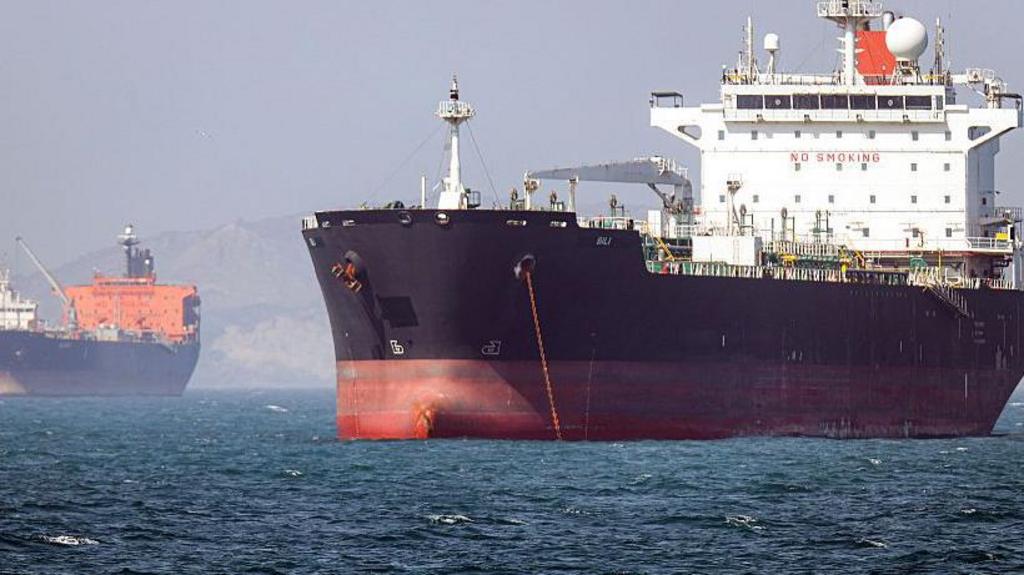
Iran said talks conducted through Oman about the Strait of Hormuz were proceeding positively, while a ship was hit in the Red Sea. U.S. officials also indicated that a deal could be possible soon.
8:00 PMAl Jazeera45 stories from 12 sources
Supporting Articles
Iran said talks conducted through Oman about the Strait of Hormuz were proceeding positively, while a ship was hit in the Red Sea. U.S. officials also indicated that a deal could be possible soon.
8:00 PMAl Jazeera
President Donald Trump called the latest negotiations with Iran the “last chance” to end the five-month conflict. Tehran denied that talks were taking place, while oil prices rose amid uncertainty over the diplomatic track.
8:41 AMCNBC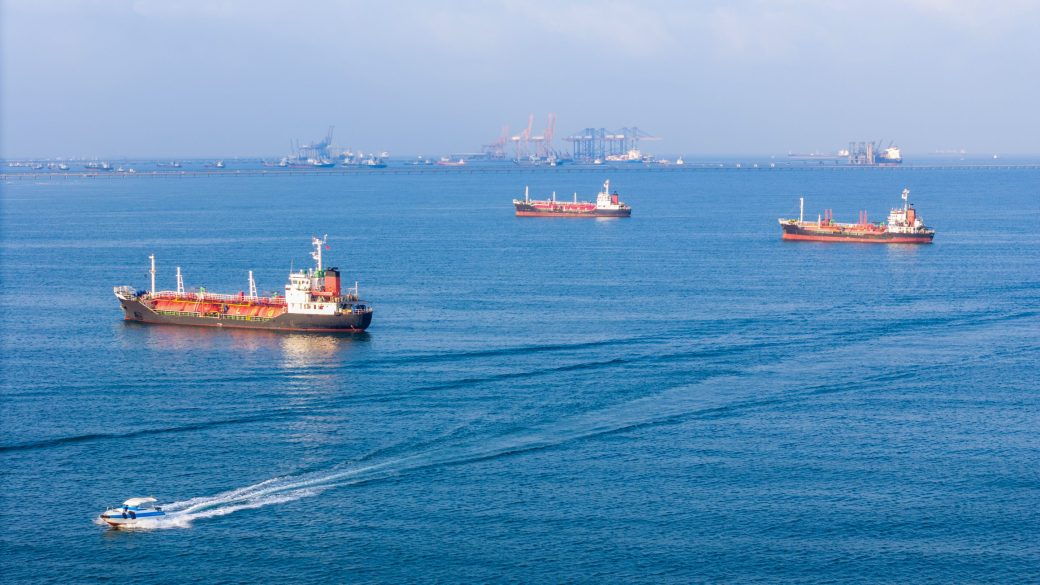
A UN-backed proposal aims to reopen the Strait of Hormuz, where a standoff has disrupted one of the world's most important shipping routes. The plan is being considered amid continued uncertainty over talks.
5:54 AMFortune
With vital shipping through the Strait of Hormuz largely halted during the US-Iran war, a UN-backed project seeks to break the impasse. The initiative comes as conflicting accounts leave the status of talks unclear.
6:04 AMFortune
US stocks reached record levels as hopes grew that negotiations could reopen the Strait of Hormuz. Oil prices fell as US officials pointed to progress in talks over the critical shipping route.
10:09 PMAl Jazeera
Asian stocks were poised to follow Wall Street higher after optimism about a possible interim agreement between Washington and Tehran eased concerns about energy supplies. The S&P 500 reached a record close, while oil prices fell and bonds gained.
6:11 PMBloomberg MarketsOil prices fell for a third consecutive day as traders grew more confident that an agreement could reopen the Strait of Hormuz. Such a deal would release supply currently constrained in the Persian Gulf.
6:01 PMBloomberg Markets
U.S. stock futures rose as oil prices fell on expectations that Washington and Tehran may reach an agreement to reopen the Strait of Hormuz. Investors are treating the prospect of restored shipping as a relief for energy and market risk.
9:06 AMCNBC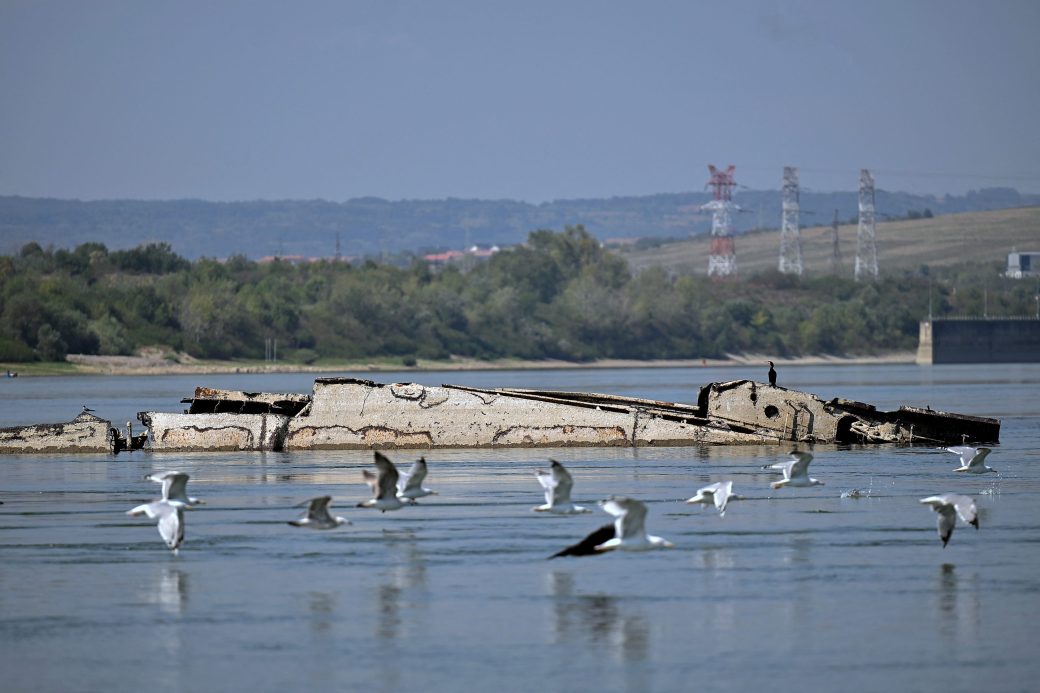
Record low water levels on the Danube have exposed dozens of German ships sunk during World War II. The falling river is also contributing to broader concerns about electricity shortages, prompting governments across Europe to plan for potential disruptions.
5:29 PMFortuneRepeated heat waves are lowering water levels on Europe’s major rivers, disrupting freight transport and reducing power generation. The effects are spreading across energy and industrial supply chains.
1:15 PMBloomberg Markets
A federal appeals court found that the Environmental Protection Agency likely acted unlawfully when it tried to cancel clean energy grants created under the Biden administration. The ruling puts the administration's effort to dismantle the program on weaker legal footing.
4:35 PMAl Jazeera
Texas directed its utility regulator and grid operator to verify and audit proposals for new data centers before they can connect to the state grid. The new review process could slow approvals for facilities seeking power connections.
11:33 AMThe VergeOPEC increased crude production in July as Kuwait, Saudi Arabia and Iraq recovered part of the output lost during the war. Unclear shipping data made the size of the increase difficult to verify.
1:33 PMBloomberg Markets
US diesel prices have risen above their average during the Biden presidency, increasing costs for freight, farming and other industrial users. Prices may remain elevated even as crude oil declines.
1:51 PMFinancial TimesSummary
Iran said talks conducted through Oman about the Strait of Hormuz were proceeding positively, while a ship was hit in the Red Sea. U.S. officials also indicated that a deal could be possible soon.
Diplomatic contact is advancing at the same time that maritime attacks continue, leaving the crisis
Unlock the full First Pass Analysis to get a better understanding of why this story mattersWhy it matters
Concurrent negotiations and attacks show that regional stability remains fragile despite claims of progress.
6 stories · 5 sources
Summary
President Donald Trump called the latest negotiations with Iran the “last chance” to end the five-month conflict. Tehran denied that talks were taking place, while oil prices rose amid uncertainty over the diplomatic track.
The central shift is a widening gap between Washington’s public ultimatum and Tehran’s denial that
Unlock the full First Pass Analysis to get a better understanding of why this story mattersWhy it matters
Diplomatic ambiguity is now feeding both escalation risk and higher energy prices.
Summary
A UN-backed proposal aims to reopen the Strait of Hormuz, where a standoff has disrupted one of the world's most important shipping routes. The plan is being considered amid continued uncertainty over talks.
The proposal creates a possible diplomatic channel, but it does not resolve the underlying US-Iran
Unlock the full First Pass Analysis to get a better understanding of why this story mattersWhy it matters
Any credible reopening plan could ease a major threat to global energy supplies and maritime trade.
Summary
With vital shipping through the Strait of Hormuz largely halted during the US-Iran war, a UN-backed project seeks to break the impasse. The initiative comes as conflicting accounts leave the status of talks unclear.
The central shift is the emergence of a concrete international effort to restore passage while
Unlock the full First Pass Analysis to get a better understanding of why this story mattersWhy it matters
The strait's reopening could determine whether the conflict remains a regional crisis or spreads through global energy and shipping markets.
Summary
US stocks reached record levels as hopes grew that negotiations could reopen the Strait of Hormuz. Oil prices fell as US officials pointed to progress in talks over the critical shipping route.
The market is treating a possible reopening as a direct reduction in energy and inflation
Unlock the full First Pass Analysis to get a better understanding of why this story mattersWhy it matters
A potential reduction in energy costs is improving both the earnings outlook and the path for interest rates.
Summary
Asian stocks were poised to follow Wall Street higher after optimism about a possible interim agreement between Washington and Tehran eased concerns about energy supplies. The S&P 500 reached a record close, while oil prices fell and bonds gained.
The prospect of reduced conflict risk is lowering the market's energy and inflation concerns at
Unlock the full First Pass Analysis to get a better understanding of why this story mattersWhy it matters
A geopolitical de-escalation is improving the market's growth outlook while easing pressure from energy prices.
Summary
Oil prices fell for a third consecutive day as traders grew more confident that an agreement could reopen the Strait of Hormuz. Such a deal would release supply currently constrained in the Persian Gulf.
The oil market is treating the prospect of reopened navigation as a supply event, pushing
Unlock the full First Pass Analysis to get a better understanding of why this story mattersWhy it matters
The direction of oil prices now depends heavily on whether diplomatic progress becomes operational access through Hormuz.
Summary
U.S. stock futures rose as oil prices fell on expectations that Washington and Tehran may reach an agreement to reopen the Strait of Hormuz. Investors are treating the prospect of restored shipping as a relief for energy and market risk.
The market is pricing a rapid reduction in the geopolitical premium embedded in oil. If
Unlock the full First Pass Analysis to get a better understanding of why this story mattersWhy it matters
A diplomatic development in the Gulf is immediately shaping expectations for oil, inflation, and global risk assets.
Summary
Record low water levels on the Danube have exposed dozens of German ships sunk during World War II. The falling river is also contributing to broader concerns about electricity shortages, prompting governments across Europe to plan for potential disruptions.
The exposed wrecks are a visible consequence of a lower water regime that is already
Unlock the full First Pass Analysis to get a better understanding of why this story mattersWhy it matters
The Danube's decline is turning a climate and water problem into an infrastructure and energy security risk.
Summary
Repeated heat waves are lowering water levels on Europe’s major rivers, disrupting freight transport and reducing power generation. The effects are spreading across energy and industrial supply chains.
Low river levels are turning extreme heat into an infrastructure constraint, limiting the movement of
Unlock the full First Pass Analysis to get a better understanding of why this story mattersWhy it matters
Shrinking waterways threaten both industrial logistics and electricity reliability at the same time.
Summary
A federal appeals court found that the Environmental Protection Agency likely acted unlawfully when it tried to cancel clean energy grants created under the Biden administration. The ruling puts the administration's effort to dismantle the program on weaker legal footing.
The decision could preserve billions in already awarded climate funding and force the EPA to
Unlock the full First Pass Analysis to get a better understanding of why this story mattersWhy it matters
The ruling limits Trump's ability to reverse Biden-era climate spending by executive action alone.
Summary
Texas directed its utility regulator and grid operator to verify and audit proposals for new data centers before they can connect to the state grid. The new review process could slow approvals for facilities seeking power connections.
Texas is shifting data center growth from a rapid-connect model to a reliability review, reflecting
Unlock the full First Pass Analysis to get a better understanding of why this story mattersWhy it matters
The policy could reshape where and how quickly AI and cloud infrastructure expands in Texas, a major data center market with tight power constraints.
Summary
OPEC increased crude production in July as Kuwait, Saudi Arabia and Iraq recovered part of the output lost during the war. Unclear shipping data made the size of the increase difficult to verify.
The increase signals a partial restoration of supply, led by the group’s Gulf producers, even
Unlock the full First Pass Analysis to get a better understanding of why this story mattersWhy it matters
Rising OPEC supply could ease crude tightness, but uncertain output data complicates price and policy decisions.
Summary
US diesel prices have risen above their average during the Biden presidency, increasing costs for freight, farming and other industrial users. Prices may remain elevated even as crude oil declines.
Diesel’s resilience shows that lower crude prices are not passing through fully to end users,
Unlock the full First Pass Analysis to get a better understanding of why this story mattersWhy it matters
Persistently expensive diesel keeps pressure on supply chains and weakens the administration’s energy-price message.
A curated list of other prominent stories from this day.
New Jersey’s planned virtual power plant program is taking form, with batteries expected to participate in a utility-led demand-management system. Stakeholders said utility-owned storage could relieve grid congestion and customer-focused design will be essential to limit attrition.
12:50 PMUtility DiveA proposed $700 million bill would make microgrids and distributed energy resources eligible for state energy grants. It would also create state-run programs focused on grid resilience, with backing from the state energy office and an electrical manufacturer.
11:07 AMUtility DiveThe article argues that local permitting delays are slowing battery deployment even after projects have met safety requirements. Repeated municipal reviews add costs and postpone capacity that could support the grid and lower household energy bills.
10:50 AMUtility Dive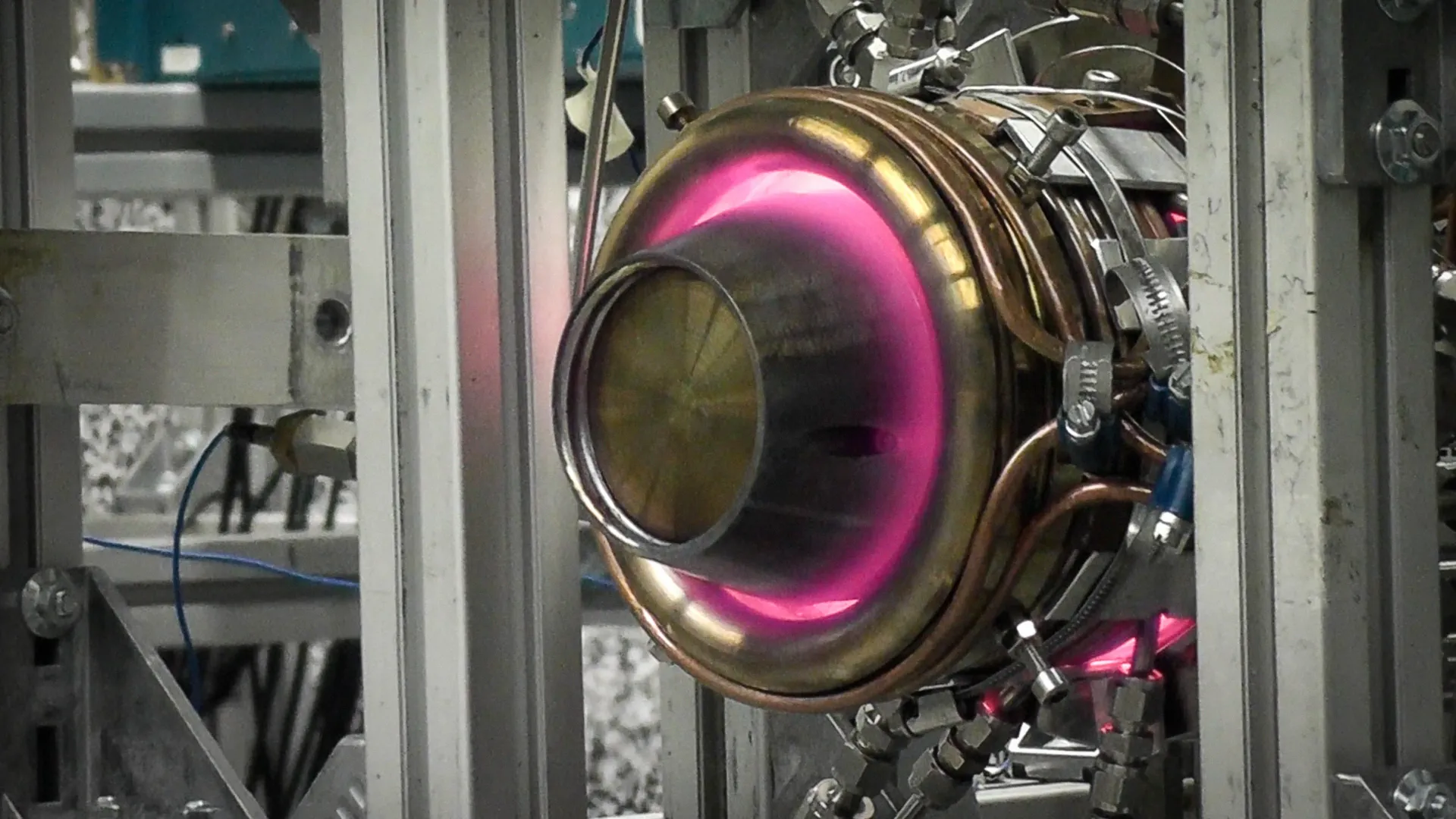
Scientists generated electricity with a hydrogen turbine that uses detonation waves to create pressure, eliminating the need for a conventional mechanical compressor. The approach could improve the efficiency of hydrogen power systems and support future aviation applications.
9:02 AMScienceDaily
Goldman Sachs expects Brent crude to trade between $80 and $90 per barrel until the outlook for the Iran conflict and U.S.-Iran nuclear talks becomes clearer. Physical markets are tightening as Gulf exports and Russian crude supplies decline.
5:28 AMEconomic Times
The article reports current oil prices and explains how changes in crude markets affect household energy costs and the prices of everyday goods. It connects oil movements to broader inflation pressures.
5:20 AMFortune
Saudi Aramco’s second-quarter net profit rose 44% year on year and exceeded analyst estimates. Higher crude prices, stronger refining margins, and resilient operations offset lower sales volumes amid Middle East supply disruptions.
4:43 AMEconomic Times
BP plans to sell its US biogas business for about $4bn as quarterly profits more than double. The company has also received several approaches for its North Sea assets, according to its chief.
3:24 AMFinancial TimesSummary
New Jersey’s planned virtual power plant program is taking form, with batteries expected to participate in a utility-led demand-management system. Stakeholders said utility-owned storage could relieve grid congestion and customer-focused design will be essential to limit attrition.
The program is moving beyond a broad virtual power plant concept toward a model that
Unlock the full First Pass Analysis to get a better understanding of why this story mattersWhy it matters
A well-designed VPP could provide a lower-cost alternative to some grid upgrades while testing customer willingness to share control of batteries.
Summary
A proposed $700 million bill would make microgrids and distributed energy resources eligible for state energy grants. It would also create state-run programs focused on grid resilience, with backing from the state energy office and an electrical manufacturer.
The legislation would shift public funding toward smaller, distributed projects that can keep critical loads
Unlock the full First Pass Analysis to get a better understanding of why this story mattersWhy it matters
The bill could accelerate microgrid deployment and make resilience spending a larger part of state energy policy.
Summary
The article argues that local permitting delays are slowing battery deployment even after projects have met safety requirements. Repeated municipal reviews add costs and postpone capacity that could support the grid and lower household energy bills.
The bottleneck is administrative rather than technological: cities can delay projects after core safety questions
Unlock the full First Pass Analysis to get a better understanding of why this story mattersWhy it matters
Local permitting has become a material constraint on how quickly the grid can add storage and respond to rising demand.
Summary
Scientists generated electricity with a hydrogen turbine that uses detonation waves to create pressure, eliminating the need for a conventional mechanical compressor. The approach could improve the efficiency of hydrogen power systems and support future aviation applications.
The key shift is replacing a major mechanical component with pressure generated directly by controlled
Unlock the full First Pass Analysis to get a better understanding of why this story mattersWhy it matters
A successful pressure-generating turbine could make hydrogen power systems smaller, more efficient, and more practical for hard-to-electrify applications.
Summary
Goldman Sachs expects Brent crude to trade between $80 and $90 per barrel until the outlook for the Iran conflict and U.S.-Iran nuclear talks becomes clearer. Physical markets are tightening as Gulf exports and Russian crude supplies decline.
The forecast reflects a market facing both geopolitical uncertainty and reduced supply, rather than a
Unlock the full First Pass Analysis to get a better understanding of why this story mattersWhy it matters
Oil prices now depend on the interaction between diplomacy and shrinking physical supply, increasing the risk of sharp moves.
Summary
The article reports current oil prices and explains how changes in crude markets affect household energy costs and the prices of everyday goods. It connects oil movements to broader inflation pressures.
The key transmission channel runs from crude prices to transport, manufacturing, heating, and electricity costs.
Unlock the full First Pass Analysis to get a better understanding of why this story mattersWhy it matters
Oil prices remain a broad cost signal because energy feeds into nearly every stage of production and distribution.
Summary
Saudi Aramco’s second-quarter net profit rose 44% year on year and exceeded analyst estimates. Higher crude prices, stronger refining margins, and resilient operations offset lower sales volumes amid Middle East supply disruptions.
The results show how producers with scale and integrated refining assets can benefit from a
Unlock the full First Pass Analysis to get a better understanding of why this story mattersWhy it matters
The earnings jump shows that geopolitical supply shocks redistribute value toward low-cost, integrated producers.
Summary
BP plans to sell its US biogas business for about $4bn as quarterly profits more than double. The company has also received several approaches for its North Sea assets, according to its chief.
BP is continuing to reshape its portfolio even as stronger profits improve its negotiating position.
Unlock the full First Pass Analysis to get a better understanding of why this story mattersWhy it matters
Asset sales could accelerate BP's capital reallocation and provide a sharper test of its strategy across hydrocarbons and lower-carbon businesses.
Make it yours
Pick your topics, set your cadence, and receive your personalized First Pass in your inbox. It’s that simple!