First Pass

13 stories from 6 sources

War and extreme weather expose energy system vulnerabilities

Day’s Recap

Supporting Articles

6:25 AMBloomberg Markets

Tanker Carrying Qatari LNG Struck While Transiting Hormuz

Summary

A projectile struck a liquefied natural gas tanker carrying a Qatari shipment as it transited the Strait of Hormuz, according to security firms and ship-tracking data. The incident threatens further disruption to LNG deliveries through the waterway.

The attack raises the risk that commercial shipping will slow or stop in one of

Unlock the full First Pass Analysis to get a better understanding of why this story matters

Why it matters

A widening security threat in Hormuz could quickly turn a regional conflict into a global energy shock.

8:49 PMAl Jazeera

Hungary plans to shut down only nuclear power plant amid drought

Summary

Hungary says it may shut down its sole nuclear power plant because record-low Danube water levels are limiting the river water needed to cool its reactors.

The immediate constraint is water availability, not reactor safety, but the result is the same:

Unlock the full First Pass Analysis to get a better understanding of why this story matters

Why it matters

Extreme weather is becoming an operational risk for energy infrastructure once considered reliable.

10:57 AMCNBC

Wildfires rage in Greece as firefighters continue battle in France and Spain

Summary

Record-low water levels along the Danube have reduced nuclear power production in Hungary and hydropower generation in Serbia. The decline adds pressure to electricity systems already exposed to extreme summer weather and fire-related disruption across Europe.

Low river levels are becoming an energy constraint, not just a transport or environmental problem.

Unlock the full First Pass Analysis to get a better understanding of why this story matters

Why it matters

Europe's power supply is becoming more vulnerable to the same extreme weather that drives electricity demand.

5:00 AMBloomberg Markets

Europe’s Endless Heat Waves Imperil Once Reliable Power Sources

Summary

Repeated heat waves have weakened some of Europe's historically dependable electricity sources, prompting greater reliance on imported fossil fuels and variable renewable power. Extreme temperatures are putting pressure on the continent's generation mix and supply security.

Heat is undermining the reliability of thermal and other conventional generation just as cooling demand

Unlock the full First Pass Analysis to get a better understanding of why this story matters

Why it matters

Climate stress is turning power reliability into a structural infrastructure problem rather than a seasonal exception.

2:58 AMCNBC

Building for 131°F: Europe races to protect its infrastructure from a ‘quiet catastrophe’

Summary

A summer of extreme heat and other weather events has placed severe stress on Europe's infrastructure, pushing companies and policymakers to respond. The focus is shifting toward preparing systems for harsher conditions, including temperatures as high as 131°F.

Extreme weather is no longer a distant planning risk; it is already disrupting the infrastructure

Unlock the full First Pass Analysis to get a better understanding of why this story matters

Why it matters

Europe's infrastructure decisions today will determine how reliably its energy, transport, and essential services function under worsening heat.

11:12 AMFortune

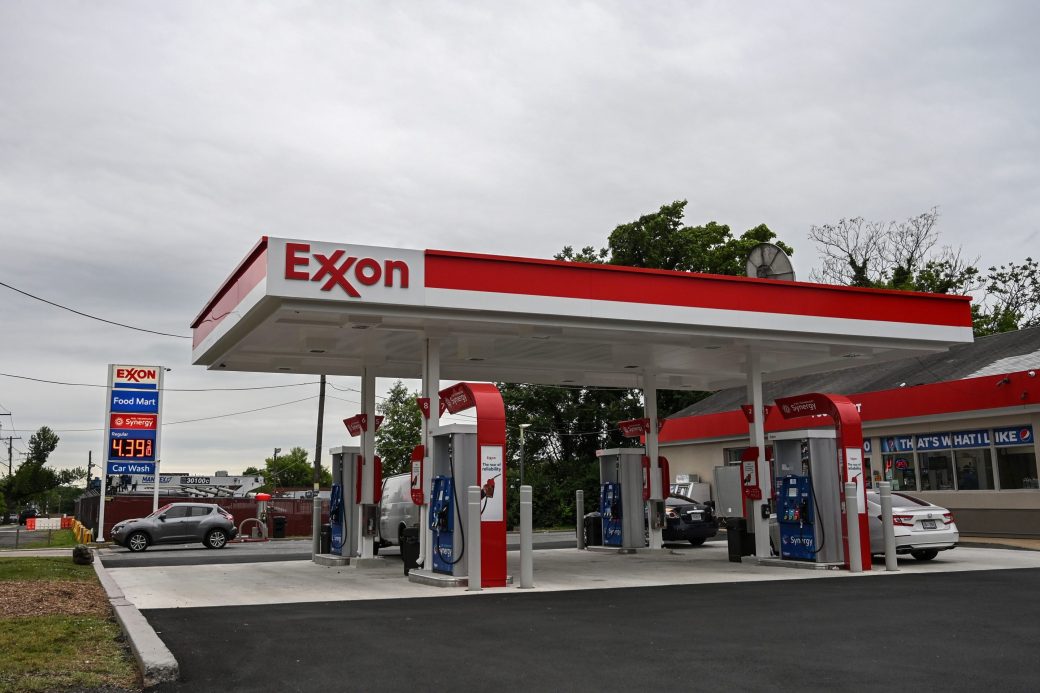
Exxon, Chevron warn fuel prices to endure as war knocks refining

Summary

Gasoline prices remain close to their 2025 peak even as West Texas Intermediate crude has fallen 26 percent. Exxon and Chevron warn that disruption to refining capacity from war is keeping fuel markets tight.

Refining capacity, not crude supply alone, is now driving the gap between oil prices and

Unlock the full First Pass Analysis to get a better understanding of why this story matters

Why it matters

The refining shock shows that lower crude prices do not guarantee cheaper gasoline when processing capacity is constrained.

2 stories · 2 sources

12:43 PMAl Jazeera

Turkiye and Iraq sign one-year oil pipeline deal amid global shift

Summary

Turkiye and Iraq renewed an agreement to move up to 750,000 barrels of crude per day through the Iraq-Turkiye pipeline. The deal preserves a key export route for Iraqi oil for one year.

The agreement restores near-term certainty to Iraqi exports but does not resolve the political disputes

Unlock the full First Pass Analysis to get a better understanding of why this story matters

Why it matters

The deal protects a major regional oil flow without removing the geopolitical risk built into the route.

2 stories · 2 sources

Other Developments

A curated list of other prominent stories from this day.

8:44 AMAl Jazeera

Iran warns against ‘flames of war’ amid US strike threats on energy sites

Summary

Iran has warned against escalation after US media reports suggested that attacks on civilian sites may be imminent. Iranian media says a retaliation plan is ready, raising the risk that energy infrastructure could become a direct target.

The central shift is from threats against strategic assets to a possible cycle of attacks

Unlock the full First Pass Analysis to get a better understanding of why this story matters

Why it matters

A wider conflict involving energy infrastructure could quickly tighten global supply and raise transport risks.

7:00 AMMarketWatch

OPEC+ may keep lifting its oil output quotas as the Iran war broadens. Why that won’t help lower prices.

Summary

OPEC+ may raise its oil production quotas for a sixth consecutive month as the conflict involving Iran expands. The main constraint is not the nominal supply increase but whether producers can safely export the additional barrels.

Higher quotas will not materially lower prices if war-related disruptions block shipping routes, terminals, or

Unlock the full First Pass Analysis to get a better understanding of why this story matters

Why it matters

The episode shows that physical access to oil matters more than headline production targets during a supply shock.

6:41 AMScienceDaily

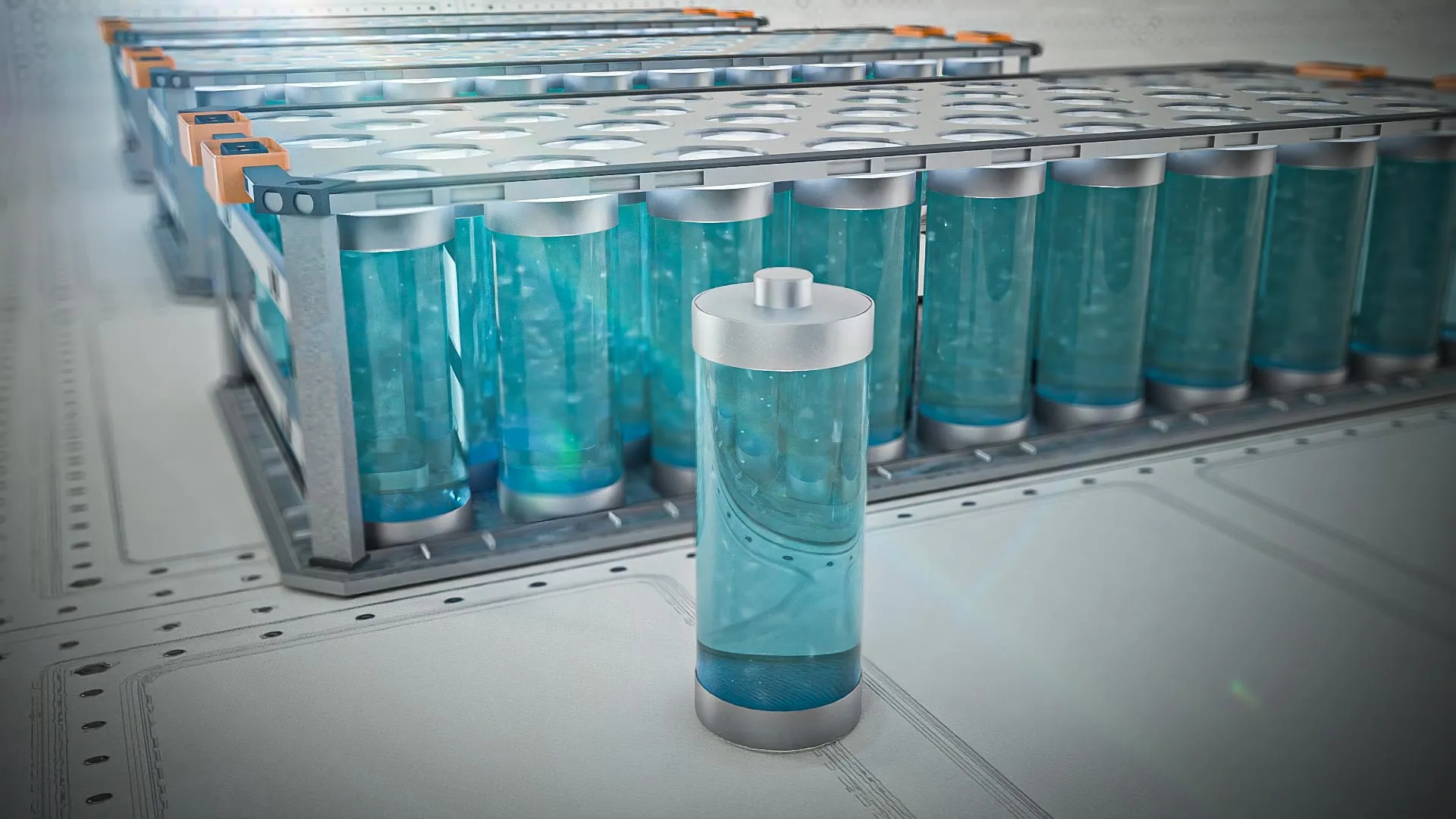
Scientists left water inside a battery and nearly doubled its power

Summary

Researchers found that sodium vanadium oxide performs much better in sodium-ion batteries when its naturally occurring water is retained during manufacturing. The same material could also help support efforts to convert seawater into drinking water.

The result overturns the assumption that removing water from the battery material necessarily improves performance.

Unlock the full First Pass Analysis to get a better understanding of why this story matters

Why it matters

A simple manufacturing change could improve battery economics and broaden the uses of sodium-based energy storage.

5:30 AMBloomberg Markets

Indian Oil Buys Record Spot Market Crude on Mideast Supply Hit

Summary

Indian Oil Corp. bought a record share of its crude through the spot market in the April to June quarter after conflict involving the US and Iran disrupted Middle Eastern supplies. The purchases mark a sharp departure from its established procurement strategy.

Indian Oil is shifting from predictable term contracts to opportunistic spot buying because geopolitical risk

Unlock the full First Pass Analysis to get a better understanding of why this story matters

Why it matters

The response from one of the world's largest oil buyers shows how conflict is reshaping physical trade, not just prices.

Make it yours

Build Your First Pass.

Pick your topics, set your cadence, and receive your personalized First Pass in your inbox. It’s that simple!