
Donald Trump gave Xi Jinping a high-profile welcome, but China made less progress than it sought on trade, technology and Taiwan.
11:57 PMBBC159 stories from 14 sources
Supporting Articles
Donald Trump gave Xi Jinping a high-profile welcome, but China made less progress than it sought on trade, technology and Taiwan.
11:57 PMBBC
President Donald Trump's highly staged reception for Chinese President Xi Jinping emphasized ceremony over concrete results. The pageantry also diverted attention from Trump's war in Iran and falling domestic popularity.
11:03 PMFinancial Times
An assessment of the Trump-Xi meeting examines what the trip delivered for Beijing and Washington and how each side emerged from the summit.
9:27 PMBBC
Chinese President Xi Jinping urged the United States to cooperate with China on artificial intelligence during a White House meeting with President Donald Trump.
9:22 PMCNBC
Chinese President Xi Jinping is meeting President Donald Trump at the White House for broad talks between the world's two most powerful countries. Xi said the US and China must coexist peacefully.
9:01 PMFinancial TimesDonald Trump and Xi Jinping addressed intensifying US-China competition over artificial intelligence during a summit focused on keeping relations between the two largest economies on track.
7:23 PMBloomberg MarketsDonald Trump and Chinese President Xi Jinping held a summit focused on a broad set of bilateral issues, but the meeting was brief. The discussion covered an agenda that included trade and other points of tension between Washington and Beijing.
6:10 PMNPR PoliticsThe Trump-Xi summit is expected to address the central US-China disputes, including trade, security, and the future of bilateral relations.
5:45 AMNPR Politics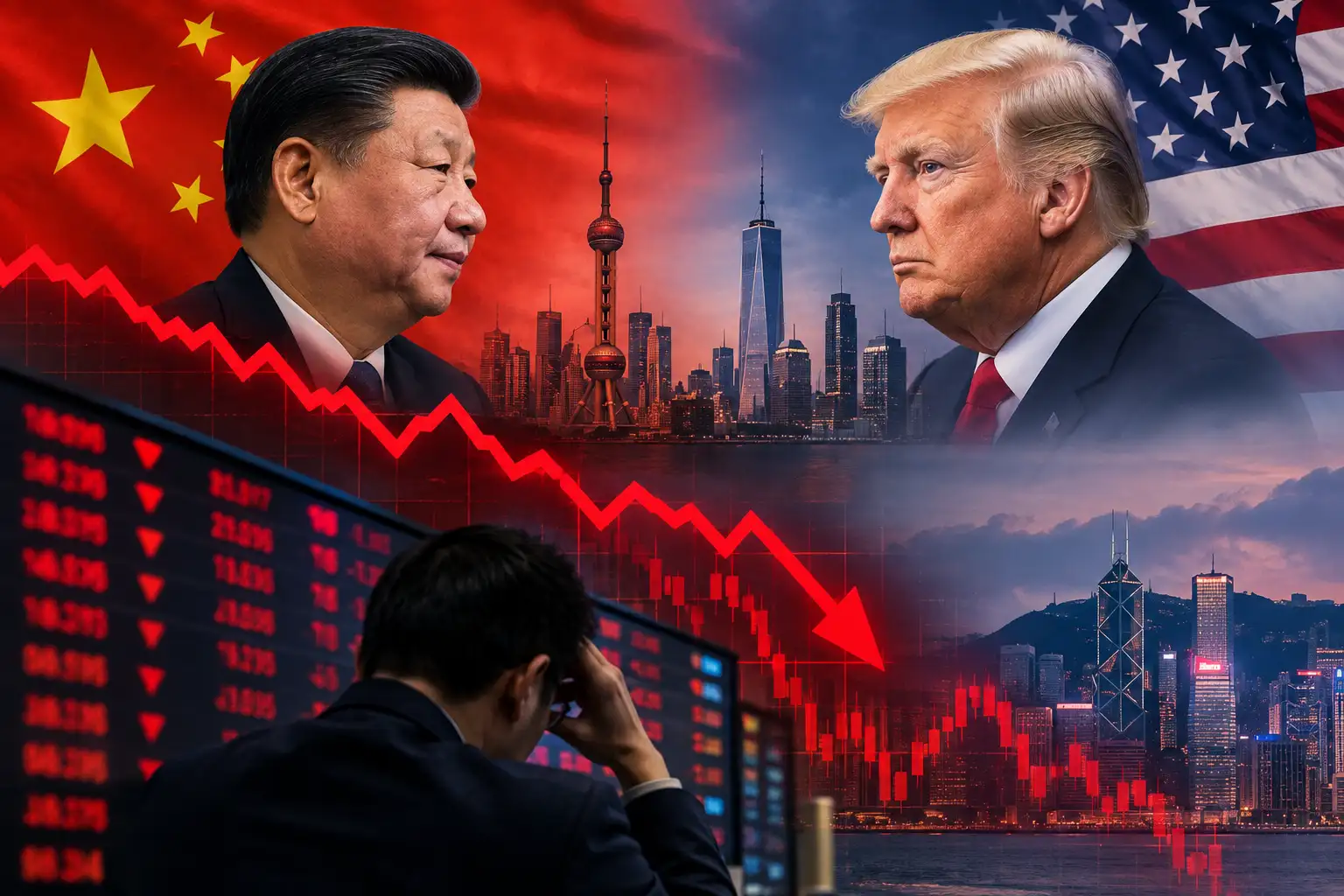
Chinese and Hong Kong stocks fell as investors questioned whether talks between Trump and Xi would produce major breakthroughs. Sentiment weakened despite an extension of the trade truce, with tariff uncertainty, chip export restrictions, and losses on Wall Street weighing on markets.
1:48 AMEconomic Times
Iran's foreign minister proposed a seven-day ceasefire that could allow the Strait of Hormuz to reopen within a week.
11:00 PMFinancial Times
Crude oil fell to about $105 as hopes for a truce competed with continuing attacks in the Middle East. US and Iranian negotiators are reportedly discussing a phased plan in which Tehran would reopen the Strait of Hormuz and Washington would lift its economic blockade of Iran.
10:07 PMEconomic TimesOil prices steadied as US and Iranian negotiators reportedly explored a phased agreement under which Tehran would reopen the Strait of Hormuz.
6:05 PMBloomberg Markets
Brent crude rose above $106 a barrel after the Iran-aligned Houthi group claimed it had successfully attacked Saudi Aramco facilities. The reported strikes triggered fresh concern about disruption to Saudi oil infrastructure and regional supply routes.
11:41 PMAl Jazeera
France plans to send soldiers to Saudi Arabia to help protect energy infrastructure as Iran-backed Houthi attacks strike Saudi cities on the Red Sea. The attacks are adding pressure to already vulnerable global oil supplies.
10:59 PMThe New York Times
Israeli Prime Minister Benjamin Netanyahu accused New York Mayor Zohran Mamdani, a vocal critic of Israel, of antisemitism during a speech at the United Nations. Mamdani rejected the charge as based on false claims.
8:57 PMNYT New York
Israeli Prime Minister Benjamin Netanyahu condemned delegates who left the UN General Assembly before his speech, calling them "moral cowards." He used the walkout to defend Israel's military actions and reject international criticism.
7:44 AMBBC
About 100 people were arrested during large demonstrations in Midtown Manhattan as Israeli Prime Minister Benjamin Netanyahu addressed the United Nations General Assembly.
8:03 PMNYT New York
AI developers are pursuing an industry safety standards body while governments push for international oversight of powerful models. Both efforts support common testing and independent review, but they differ over who should set the rules and what authority those rules should carry.
4:12 PMPYMNTS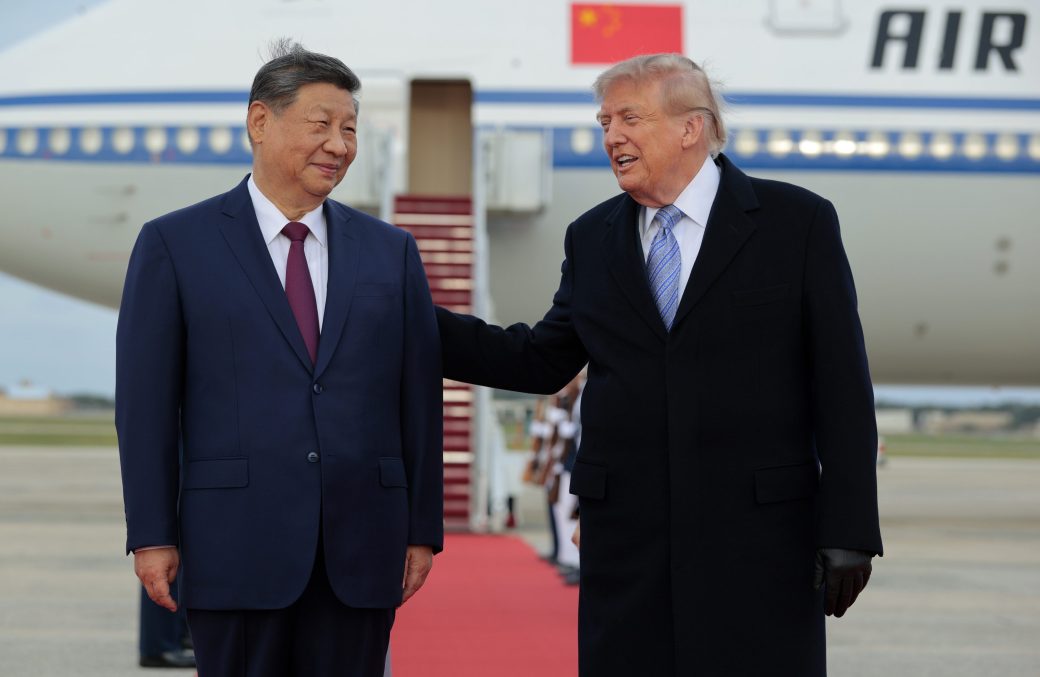
The United States and China have held their first dialogue focused on AI safeguards. The talks come as Beijing promotes open-source AI internationally while President Trump publicly rejects some forms of AI regulation.
3:13 PMFortuneThe US government formally asked to join Elon Musk's legal challenge against an EU fine imposed on his social media platform, X.
11:24 PMCNBC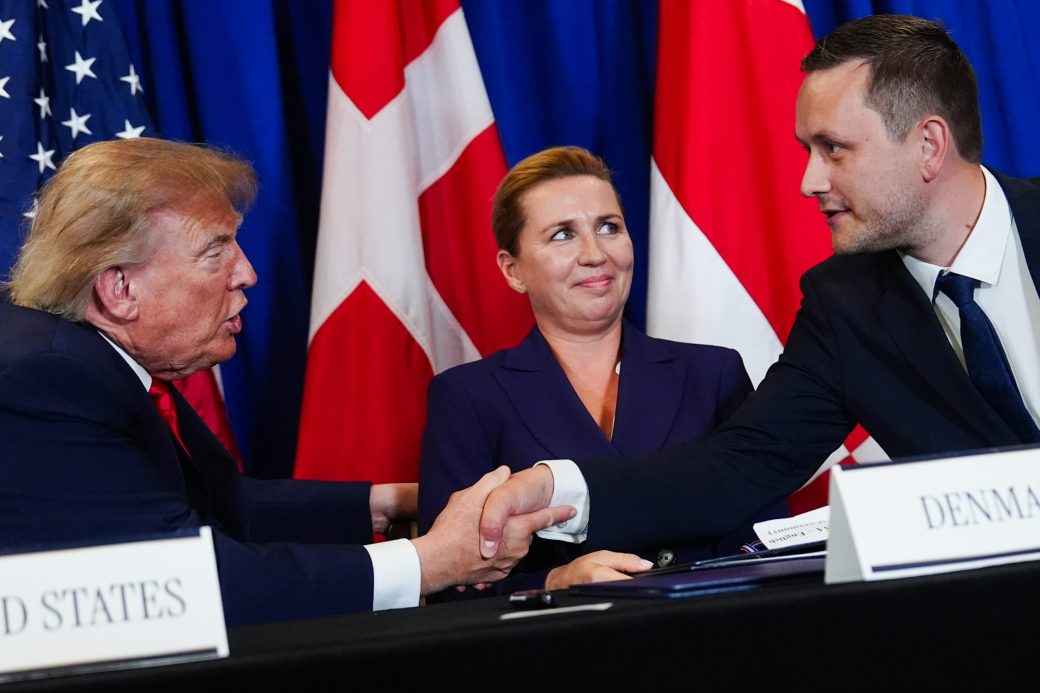
A new security pact expands military cooperation around Greenland and could bring new investment while recognizing the territory's right to self-determination. The arrangement follows tensions over U.S. interest in acquiring or controlling the Arctic island.
8:44 AMFortune
Young men are leaving Ethiopia's Tigray region amid fears that renewed tensions could lead to forced recruitment and a return to fighting.
11:45 PMAl JazeeraSummary
Donald Trump gave Xi Jinping a high-profile welcome, but China made less progress than it sought on trade, technology and Taiwan.
The meeting produced diplomatic warmth without resolving the core strategic disputes between Washington and Beijing.
Unlock the full First Pass Analysis to get a better understanding of why this story mattersWhy it matters
The summit reduced immediate friction without changing the underlying US-China rivalry.
Summary
President Donald Trump's highly staged reception for Chinese President Xi Jinping emphasized ceremony over concrete results. The pageantry also diverted attention from Trump's war in Iran and falling domestic popularity.
The summit's political value may exceed its policy value, giving Trump an image of diplomatic
Unlock the full First Pass Analysis to get a better understanding of why this story mattersWhy it matters
A ceremonial reset cannot stabilize US-China ties unless it is followed by measurable agreements.
Summary
An assessment of the Trump-Xi meeting examines what the trip delivered for Beijing and Washington and how each side emerged from the summit.
The meeting appears to have given both governments a temporary diplomatic win: Washington could claim
Unlock the full First Pass Analysis to get a better understanding of why this story mattersWhy it matters
The summit’s real significance lies in whether it changes policy behavior after the cameras leave.
Summary
Chinese President Xi Jinping urged the United States to cooperate with China on artificial intelligence during a White House meeting with President Donald Trump.
Xi's appeal puts AI cooperation inside the broader U.S.-China relationship, where technology remains a major
Unlock the full First Pass Analysis to get a better understanding of why this story mattersWhy it matters
AI is becoming both a potential channel for U.S.-China engagement and another arena for geopolitical competition.
Summary
Chinese President Xi Jinping is meeting President Donald Trump at the White House for broad talks between the world's two most powerful countries. Xi said the US and China must coexist peacefully.
Xi's language sets coexistence, rather than strategic victory, as the stated objective of the summit.
Unlock the full First Pass Analysis to get a better understanding of why this story mattersWhy it matters
A direct leader-to-leader meeting can reduce escalation risks, but only if its rhetoric produces durable guardrails and concrete commitments.
Summary
Donald Trump and Xi Jinping addressed intensifying US-China competition over artificial intelligence during a summit focused on keeping relations between the two largest economies on track.
The summit put AI competition inside the broader effort to prevent a wider rupture in
Unlock the full First Pass Analysis to get a better understanding of why this story mattersWhy it matters
AI policy is becoming a central test of whether Washington and Beijing can manage strategic rivalry without severing economic and technological links.
Summary
Donald Trump and Chinese President Xi Jinping held a summit focused on a broad set of bilateral issues, but the meeting was brief. The discussion covered an agenda that included trade and other points of tension between Washington and Beijing.
The short meeting limits the chance for major breakthroughs across a crowded U.S.-China agenda. Any
Unlock the full First Pass Analysis to get a better understanding of why this story mattersWhy it matters
The summit may reduce immediate friction without resolving the structural conflicts driving the U.S.-China relationship.
Summary
The Trump-Xi summit is expected to address the central US-China disputes, including trade, security, and the future of bilateral relations.
The meeting matters because both leaders can either stabilize the relationship or widen a confrontation
Unlock the full First Pass Analysis to get a better understanding of why this story mattersWhy it matters
The summit could set the limits of competition between the world’s two most powerful states.
Summary
Chinese and Hong Kong stocks fell as investors questioned whether talks between Trump and Xi would produce major breakthroughs. Sentiment weakened despite an extension of the trade truce, with tariff uncertainty, chip export restrictions, and losses on Wall Street weighing on markets.
Investors now treat the trade truce as temporary rather than a path to a durable
Unlock the full First Pass Analysis to get a better understanding of why this story mattersWhy it matters
Market weakness shows that the summit carries a high burden of proof: investors want enforceable economic relief, not another pause in escalation.
Summary
Iran's foreign minister proposed a seven-day ceasefire that could allow the Strait of Hormuz to reopen within a week.
Iran is linking a temporary halt in fighting to the rapid restoration of shipping through
Unlock the full First Pass Analysis to get a better understanding of why this story mattersWhy it matters
A credible ceasefire could ease immediate pressure on global energy flows and create space for broader negotiations.
Summary
Crude oil fell to about $105 as hopes for a truce competed with continuing attacks in the Middle East. US and Iranian negotiators are reportedly discussing a phased plan in which Tehran would reopen the Strait of Hormuz and Washington would lift its economic blockade of Iran.
The price decline reflects expectations of a diplomatic exit, not a settled end to the
Unlock the full First Pass Analysis to get a better understanding of why this story mattersWhy it matters
Oil prices are now tracking the credibility of the US-Iran diplomatic process as closely as battlefield developments.
Summary
Oil prices steadied as US and Iranian negotiators reportedly explored a phased agreement under which Tehran would reopen the Strait of Hormuz.
The prospect of a negotiated reopening reduced the immediate risk of a prolonged disruption through
Unlock the full First Pass Analysis to get a better understanding of why this story mattersWhy it matters
A reopening could quickly ease a major supply risk, while failed talks would leave global energy markets vulnerable to renewed disruption.
Summary
Brent crude rose above $106 a barrel after the Iran-aligned Houthi group claimed it had successfully attacked Saudi Aramco facilities. The reported strikes triggered fresh concern about disruption to Saudi oil infrastructure and regional supply routes.
The price jump reflects a renewed risk premium around the security of Saudi production and
Unlock the full First Pass Analysis to get a better understanding of why this story mattersWhy it matters
Threats to Saudi facilities can move global fuel prices quickly because the kingdom remains central to the world's oil supply system.
Summary
France plans to send soldiers to Saudi Arabia to help protect energy infrastructure as Iran-backed Houthi attacks strike Saudi cities on the Red Sea. The attacks are adding pressure to already vulnerable global oil supplies.
The deployment expands the conflict's security burden from Saudi Arabia to a European power and
Unlock the full First Pass Analysis to get a better understanding of why this story mattersWhy it matters
Military protection of energy sites shows how regional attacks are translating into broader international involvement and market risk.
Summary
Israeli Prime Minister Benjamin Netanyahu accused New York Mayor Zohran Mamdani, a vocal critic of Israel, of antisemitism during a speech at the United Nations. Mamdani rejected the charge as based on false claims.
Netanyahu's attack elevates a New York mayor into an international dispute over Israel, antisemitism and
Unlock the full First Pass Analysis to get a better understanding of why this story mattersWhy it matters
The exchange could sharpen political divisions in New York while giving Mamdani's foreign-policy critics a national and international platform.
2 stories · 2 sources
Summary
Israeli Prime Minister Benjamin Netanyahu condemned delegates who left the UN General Assembly before his speech, calling them "moral cowards." He used the walkout to defend Israel's military actions and reject international criticism.
The walkout turned Netanyahu's address into a visible test of Israel's diplomatic isolation rather than
Unlock the full First Pass Analysis to get a better understanding of why this story mattersWhy it matters
The episode shows how the war is narrowing the space for diplomatic engagement while hardening opposing positions.
Summary
About 100 people were arrested during large demonstrations in Midtown Manhattan as Israeli Prime Minister Benjamin Netanyahu addressed the United Nations General Assembly.
The arrests show that Netanyahu's international appearances are drawing direct domestic-style protest pressure beyond Israel's
Unlock the full First Pass Analysis to get a better understanding of why this story mattersWhy it matters
Public opposition around Netanyahu's UN appearance adds to the diplomatic and political costs facing Israel as the conflict continues.
3 stories · 3 sources
Summary
AI developers are pursuing an industry safety standards body while governments push for international oversight of powerful models. Both efforts support common testing and independent review, but they differ over who should set the rules and what authority those rules should carry.
The key conflict is not whether AI systems should be tested, but who controls the
Unlock the full First Pass Analysis to get a better understanding of why this story mattersWhy it matters
The structure of AI governance will determine whether safety standards are voluntary guidance or enforceable limits.
Summary
The United States and China have held their first dialogue focused on AI safeguards. The talks come as Beijing promotes open-source AI internationally while President Trump publicly rejects some forms of AI regulation.
The private dialogue shows that strategic competition has not eliminated the need for bilateral risk
Unlock the full First Pass Analysis to get a better understanding of why this story mattersWhy it matters
AI governance is becoming a channel for U.S.-China engagement even as broader technology tensions persist.
Summary
The US government formally asked to join Elon Musk's legal challenge against an EU fine imposed on his social media platform, X.
Washington's intervention turns a regulatory dispute over X into a broader transatlantic confrontation over digital
Unlock the full First Pass Analysis to get a better understanding of why this story mattersWhy it matters
The case could set a precedent for how far the United States will go to defend its technology companies against foreign regulators.
Summary
A new security pact expands military cooperation around Greenland and could bring new investment while recognizing the territory's right to self-determination. The arrangement follows tensions over U.S. interest in acquiring or controlling the Arctic island.
The central shift is that Greenland gains leverage over its security and economic future rather
Unlock the full First Pass Analysis to get a better understanding of why this story mattersWhy it matters
Greenland is turning Arctic strategic interest into bargaining power over autonomy, resources, and defense.
Summary
Young men are leaving Ethiopia's Tigray region amid fears that renewed tensions could lead to forced recruitment and a return to fighting.
The flight shows that the war's political and security consequences remain unresolved despite the end
Unlock the full First Pass Analysis to get a better understanding of why this story mattersWhy it matters
Tigray's fragile peace remains vulnerable to renewed recruitment and conflict.
A curated list of other prominent stories from this day.

Jewish demonstrators joined a Free Palestine march and publicly rejected Israeli Prime Minister Benjamin Netanyahu's policies.
11:49 PMAl JazeeraBalendra Shah has worn sunglasses since his days as a rapper and Kathmandu mayor, carrying the signature look into his tenure as prime minister and appearance at the United Nations.
11:49 PMThe New York TimesChinese President Xi Jinping promised two giant pandas to Zoo Atlanta, reviving Beijing's longstanding practice of using panda gifts to build goodwill abroad.
9:12 PMCNBCThe report examines the latest developments involving Brazil's presidential candidates ahead of the election.
6:15 PMBloomberg MarketsConsumers in the United States and Canada say the escalating trade dispute is damaging relations between the two countries. Politicians from both parties also criticize the tariffs and retaliation.
8:00 AMWWDSummary
Jewish demonstrators joined a Free Palestine march and publicly rejected Israeli Prime Minister Benjamin Netanyahu's policies.
The participation challenges claims that Jewish opinion on Israel's government is politically uniform. It also
Unlock the full First Pass Analysis to get a better understanding of why this story mattersWhy it matters
The protest reflects widening debate within Jewish communities over Israel's conduct and leadership.
Summary
Balendra Shah has worn sunglasses since his days as a rapper and Kathmandu mayor, carrying the signature look into his tenure as prime minister and appearance at the United Nations.
The sunglasses have shifted from a personal style choice into a public political trademark as
Unlock the full First Pass Analysis to get a better understanding of why this story mattersWhy it matters
Shah’s trademark style shows how personal branding can remain central even as a political outsider takes on the rituals of state power.
Summary
Chinese President Xi Jinping promised two giant pandas to Zoo Atlanta, reviving Beijing's longstanding practice of using panda gifts to build goodwill abroad.
The panda pledge adds a carefully calibrated public-relations gesture to a high-level U.S.-China summit. It
Unlock the full First Pass Analysis to get a better understanding of why this story mattersWhy it matters
China is using cultural diplomacy to create visible goodwill without making substantive concessions.
Summary
The report examines the latest developments involving Brazil's presidential candidates ahead of the election.
The campaign is entering a phase in which candidate positioning and voter perceptions can shape
Unlock the full First Pass Analysis to get a better understanding of why this story mattersWhy it matters
Brazil's election will set the course for the largest democracy and economy in Latin America.
Summary
Consumers in the United States and Canada say the escalating trade dispute is damaging relations between the two countries. Politicians from both parties also criticize the tariffs and retaliation.
The dispute has shifted from a trade policy fight into a broader political and consumer
Unlock the full First Pass Analysis to get a better understanding of why this story mattersWhy it matters
A bilateral trade fight is now imposing economic costs while weakening political support for the strategy behind it.
Make it yours
Pick your topics, set your cadence, and receive your personalized First Pass in your inbox. It’s that simple!


