
President Donald Trump said the United States would respond after Iranian strikes hit U.S. personnel in Jordan. His warning came after the first direct clash in a month.
8:00 PMAl Jazeera91 stories from 10 sources
Supporting Articles
President Donald Trump said the United States would respond after Iranian strikes hit U.S. personnel in Jordan. His warning came after the first direct clash in a month.
8:00 PMAl Jazeera
Donald Trump warned that the US would strike Iran forcefully after both sides exchanged fire, ending several weeks of relative calm. Oil prices rose as markets assessed the risk of a wider conflict.
4:35 PMFinancial Times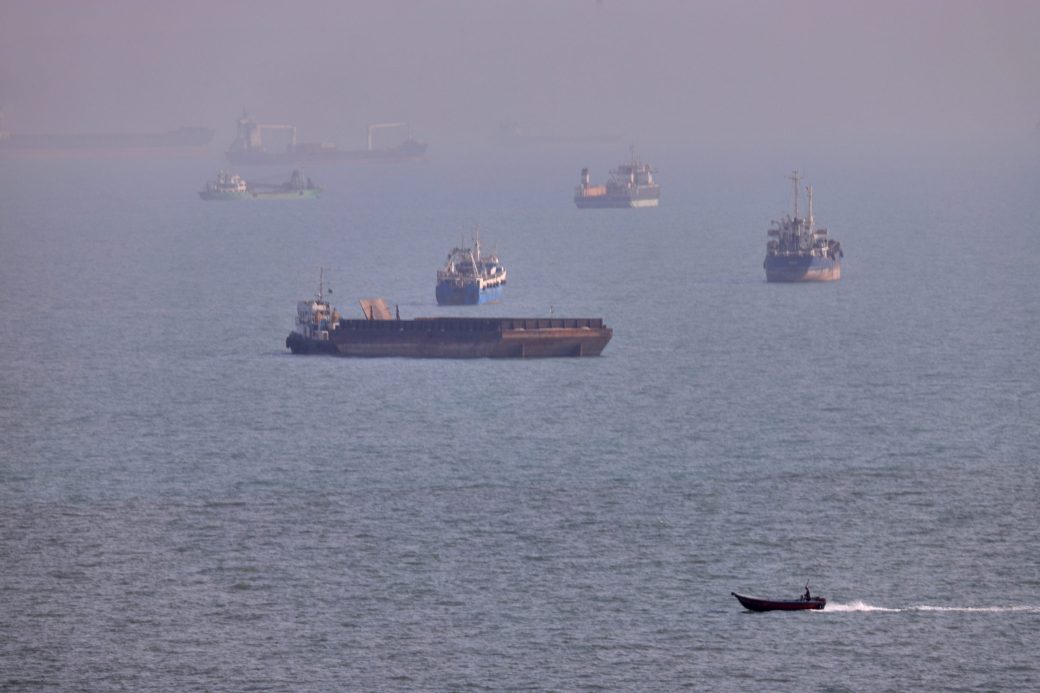
The United Arab Emirates said it intercepted an Iranian drone over its waters and described the incident as a dangerous escalation linked to the war involving Iran. The UAE threatened a decisive response to further attacks, while Trump has said he is not rushing Iran back to negotiations.
12:38 PMFortune
The United States struck Iranian rocket launchers near the Strait of Hormuz, marking its first major reported strikes on Iran since late July.
11:33 AMCNBC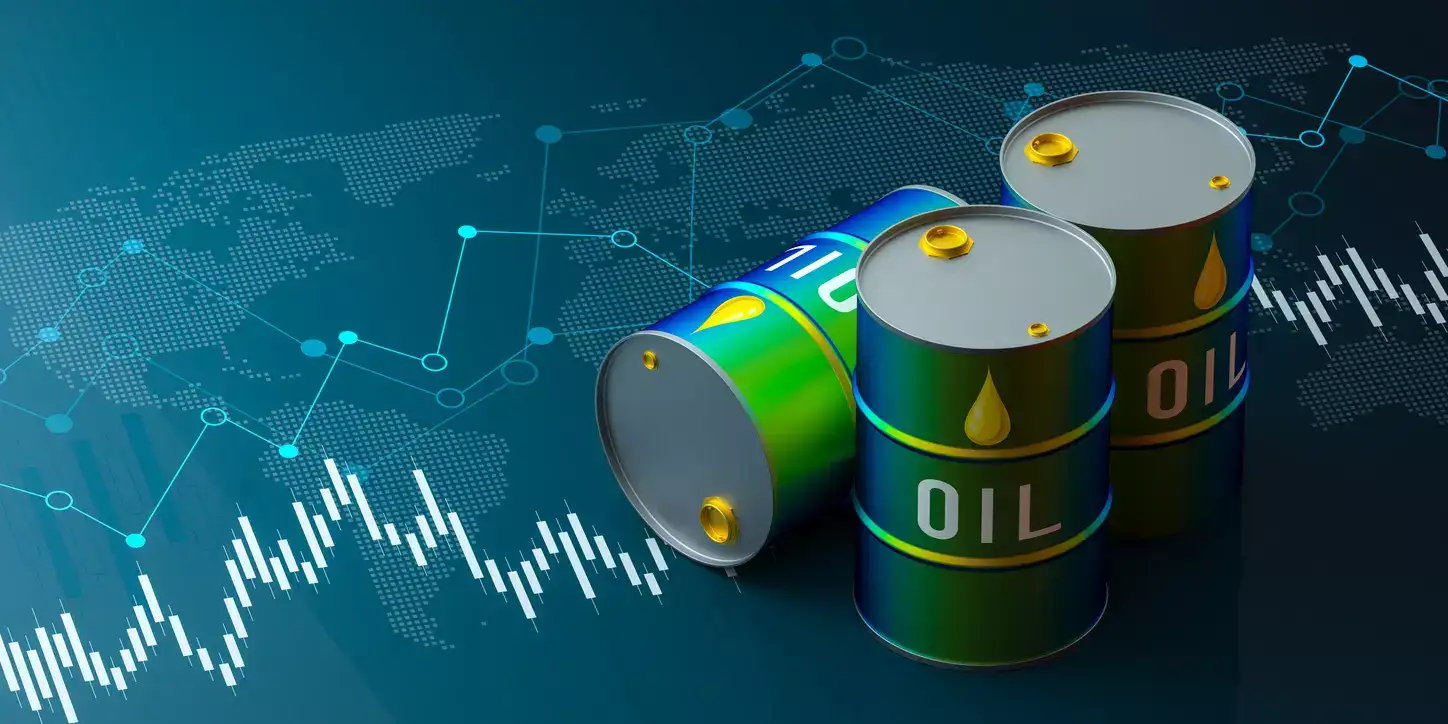
Oil prices climbed above $90 as renewed U.S.-Iran fighting revived fears that conflict could disrupt supplies from the Middle East. Markets are now watching whether the escalation pushes crude toward $100.
10:11 PMEconomic Times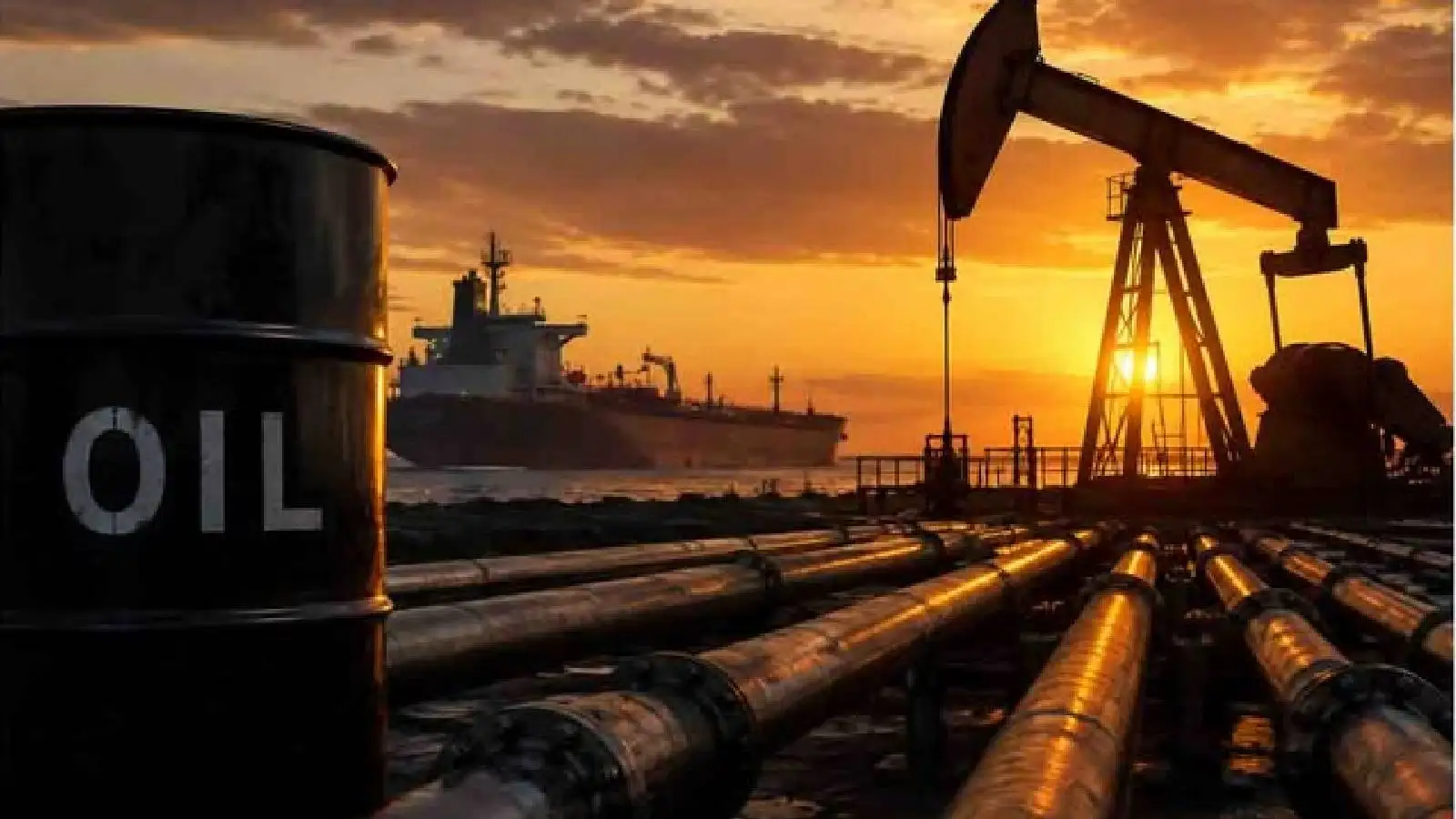
Oil prices rose sharply after renewed U.S.-Iran confrontations heightened fears of supply disruptions. Shipping data showed fewer vessels using the Strait of Hormuz, while a tanker was reportedly hit by projectiles in the area.
9:52 PMEconomic Times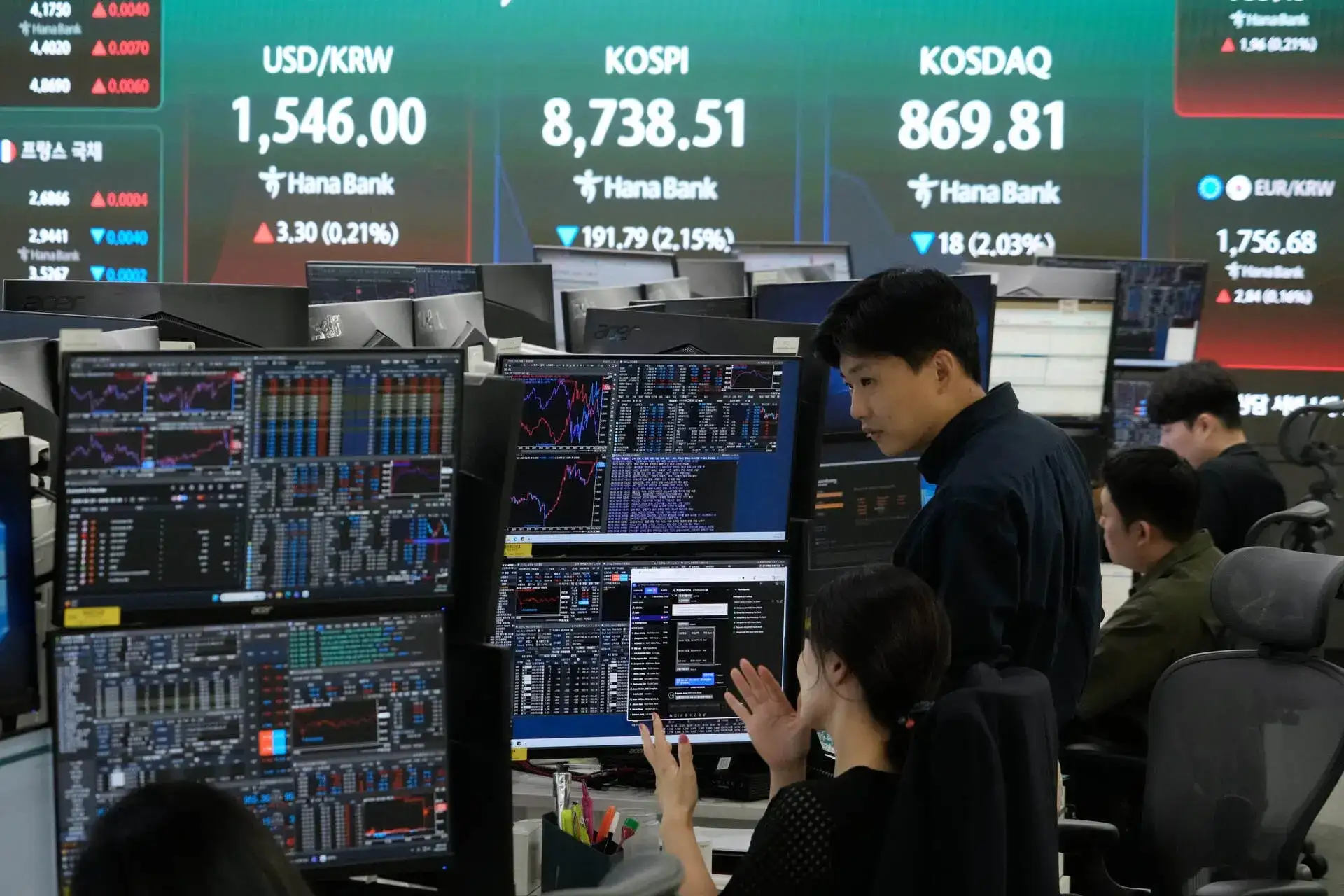
Brent crude rose above $91 in Asian trading after the U.S. and Iran exchanged strikes, including attacks around the Strait of Hormuz and in the region. Asian bonds fell as higher oil prices and geopolitical risk pushed yields higher.
9:00 PMEconomic Times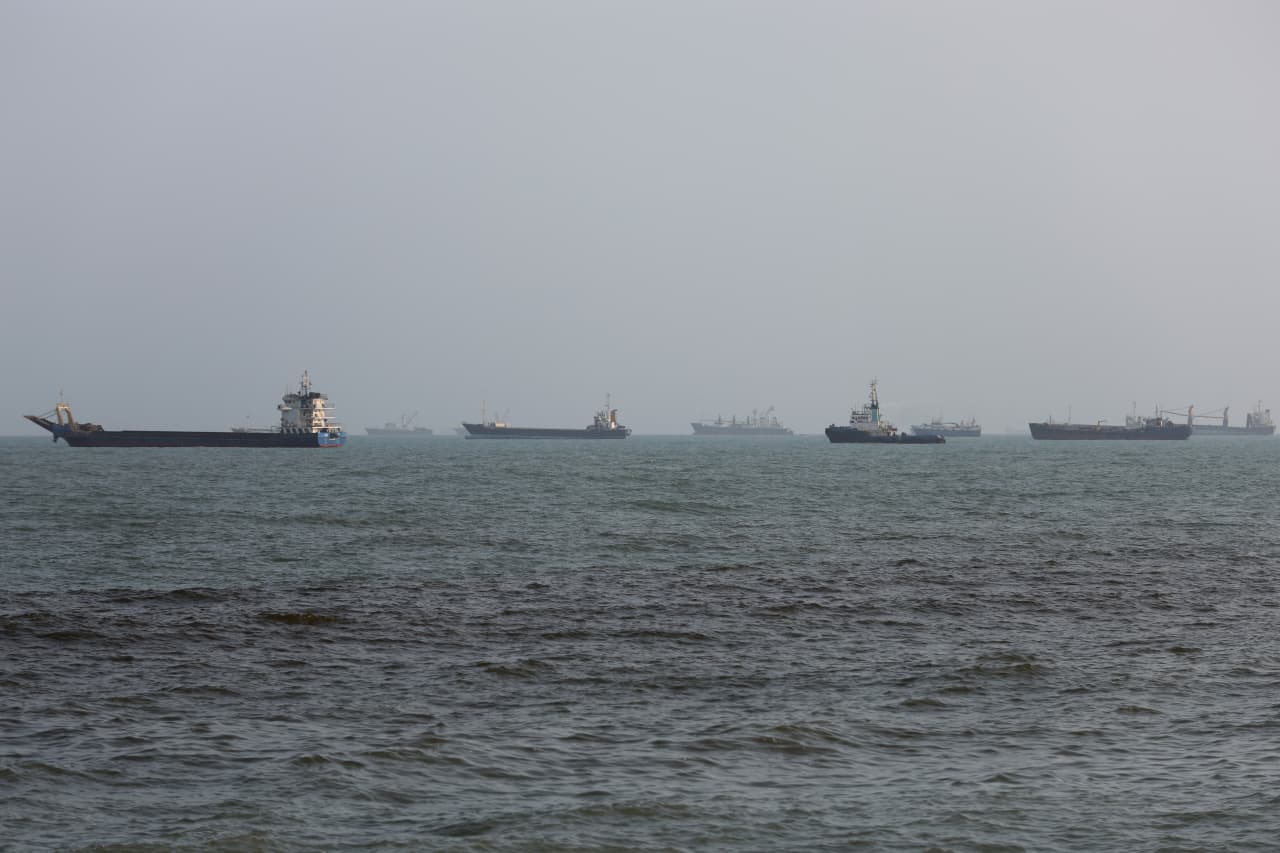
Middle Eastern oil producers are using new methods to move more crude through the Strait of Hormuz despite threats from Iran. The changes are helping keep exports flowing through a critical energy chokepoint.
4:56 PMMarketWatch
Longer-dated US Treasury yields rose as renewed US-Iran hostilities drove oil prices higher and intensified inflation concerns. Investors began pricing in a possible Federal Reserve rate hike in September, while comments from Fed Chair Kevin Warsh added to shifts in market expectations.
2:07 PMEconomic TimesThe US and Iran exchanged attacks as tensions spread to targets in the UAE and Jordan, pushing oil prices higher. The briefing also covers Canada’s response to Trump’s proposed Lake Ontario renaming, Google Maps’ use of “Lake America” for US users, deadly floods in Nepal, and bond-market caution after a speech by Kevin Warsh.
7:45 AMBloomberg Markets
The Defense Department's Office of Strategic Capital, created under the Biden administration to finance the U.S. defense industry, is helping lead President Trump's Venezuelan oil deal.
12:12 PMThe New York TimesVenezuelan interim authorities granted North American Blue Energy Partners 100-year concessions covering 17 oil fields, according to the White House.
9:56 PMCNBCNorth American Blue Energy Partners will take over Venezuelan oilfields previously controlled by five Chinese companies and one Russian firm.
7:44 PMCNBCPresident Trump is presenting a proposed US stake in Venezuelan oil reserves as a way to lower gasoline prices and rebuild depleted crude inventories. The administration is creating a US-controlled venture to accelerate development across 17 oil fields after private producers failed to move quickly enough.
12:32 PMBloomberg MarketsNPR interviewed energy scholar Francisco Monaldi about President Trump’s claim that the US had reached a new agreement involving Venezuela’s oil sector. The discussion examines what the reported arrangement could mean and whether the claim is politically and economically workable.
6:49 AMNPR PoliticsUS Treasury Secretary Scott Bessent reportedly told Russia that economic relief will not come before the war in Ukraine ends. The message came as European countries moved to isolate Moscow at the G20, even while Washington signaled openness to renewed diplomatic talks.
10:31 AMCNBC
Russian Finance Minister Anton Siluanov held talks with his U.S. counterpart after Washington brought him back into G20 finance discussions. European officials objected to Russia's renewed participation.
10:23 PMAl Jazeera
The leaders of Russia and Iran joined Chinese, Indian and other members at a two-day Shanghai Cooperation Organization summit in Kyrgyzstan. The gathering demonstrated continued diplomatic space for both countries despite U.S. economic pressure.
4:11 PMThe New York Times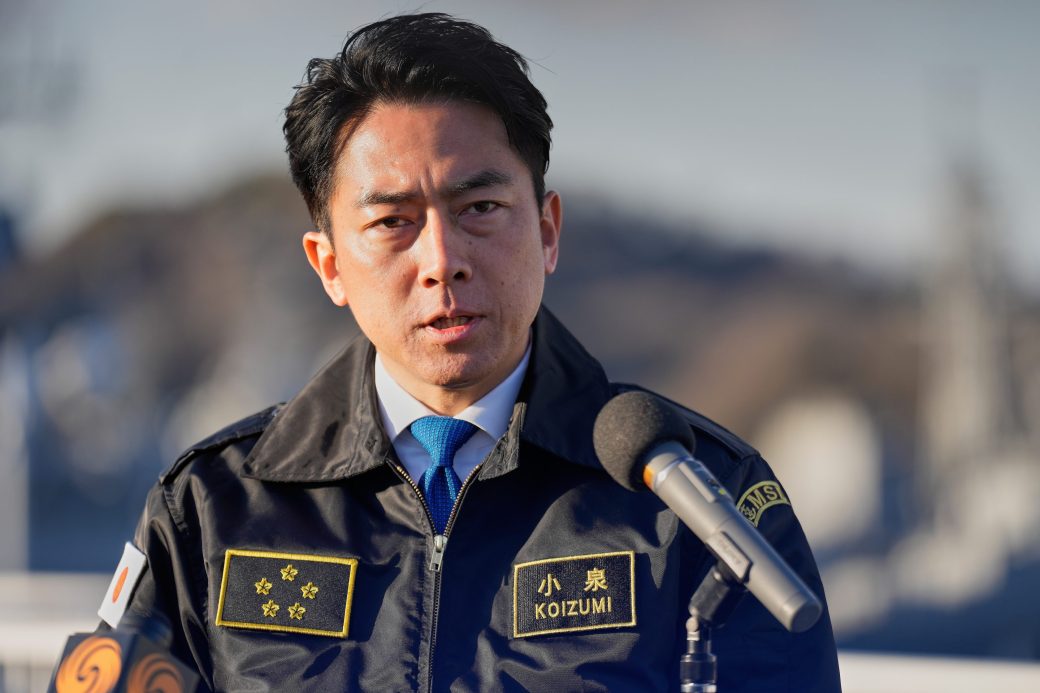
Japan has doubled defense spending and is pursuing artificial intelligence, underwater attack drones and state-owned weapons production to expand its military capacity. Its plans also reflect lessons from Ukraine, where inexpensive drones have reshaped combat.
9:57 AMFortune
Israel and Greece have reached a $3.5 billion defense agreement. The deal indicates that Israeli defense companies continue to attract major foreign buyers despite growing diplomatic isolation around the Israeli government.
4:25 PMThe New York Times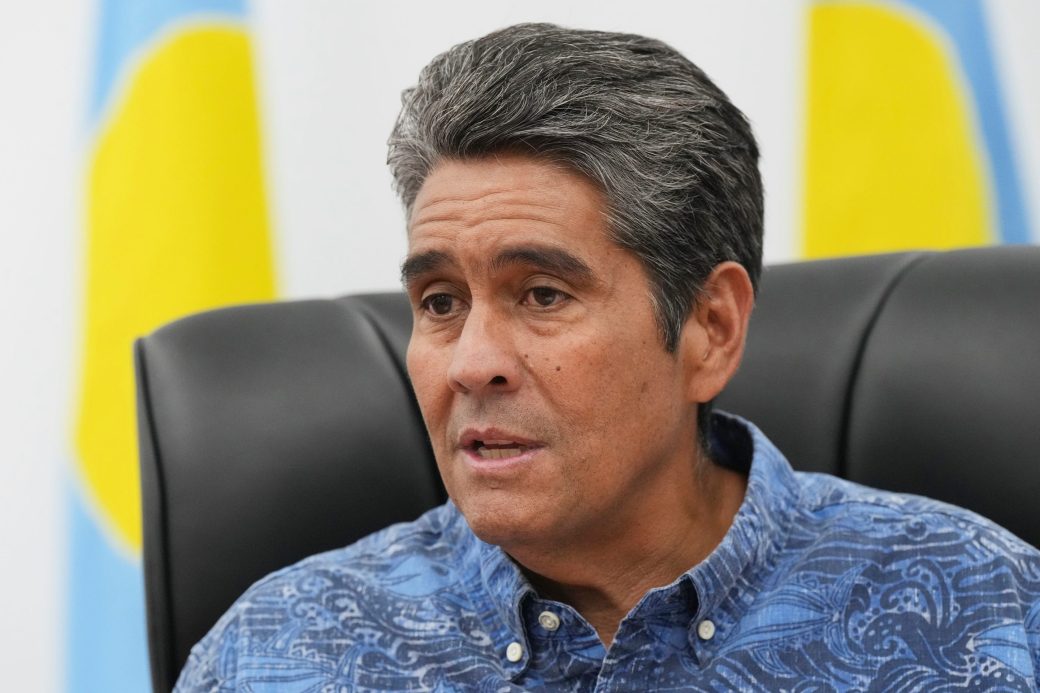
Palau’s small population belies its strategic value: the island nation controls access to important Pacific waters, ports and potential seabed mineral resources. Those assets have placed it at the center of competition between the United States and China.
10:08 AMFortuneSummary
President Donald Trump said the United States would respond after Iranian strikes hit U.S. personnel in Jordan. His warning came after the first direct clash in a month.
The renewed strikes have ended a period of relative restraint and put retaliation at the
Unlock the full First Pass Analysis to get a better understanding of why this story mattersWhy it matters
The return of direct attacks increases the risk that a contained conflict becomes a broader regional war.
Summary
Donald Trump warned that the US would strike Iran forcefully after both sides exchanged fire, ending several weeks of relative calm. Oil prices rose as markets assessed the risk of a wider conflict.
The return to direct US-Iran attacks removes the main constraint that had kept the confrontation
Unlock the full First Pass Analysis to get a better understanding of why this story mattersWhy it matters
A renewed US-Iran exchange could turn a contained confrontation into a broader regional war with immediate global economic effects.
Summary
The United Arab Emirates said it intercepted an Iranian drone over its waters and described the incident as a dangerous escalation linked to the war involving Iran. The UAE threatened a decisive response to further attacks, while Trump has said he is not rushing Iran back to negotiations.
The interception shows how the conflict is extending into Gulf airspace and testing the security
Unlock the full First Pass Analysis to get a better understanding of why this story mattersWhy it matters
Any expansion of attacks against Gulf states could disrupt energy routes and widen the war beyond Iran's immediate adversaries.
Summary
The United States struck Iranian rocket launchers near the Strait of Hormuz, marking its first major reported strikes on Iran since late July.
The renewed strikes signal a shift from economic pressure toward direct military action near one
Unlock the full First Pass Analysis to get a better understanding of why this story mattersWhy it matters
Military activity near Hormuz raises the risk that the Iran conflict will disrupt energy flows far beyond the region.
3 stories · 3 sources
Summary
Oil prices climbed above $90 as renewed U.S.-Iran fighting revived fears that conflict could disrupt supplies from the Middle East. Markets are now watching whether the escalation pushes crude toward $100.
The immediate shift is a higher risk premium on oil, driven by the possibility that
Unlock the full First Pass Analysis to get a better understanding of why this story mattersWhy it matters
A conflict-driven oil spike could spread quickly from energy markets into inflation, transport costs, and monetary policy.
Summary
Oil prices rose sharply after renewed U.S.-Iran confrontations heightened fears of supply disruptions. Shipping data showed fewer vessels using the Strait of Hormuz, while a tanker was reportedly hit by projectiles in the area.
Reduced tanker traffic and an attack at the waterway turn geopolitical tension into a direct
Unlock the full First Pass Analysis to get a better understanding of why this story mattersWhy it matters
The threat to transit, not just production, could make the oil shock more immediate and difficult to contain.
Summary
Brent crude rose above $91 in Asian trading after the U.S. and Iran exchanged strikes, including attacks around the Strait of Hormuz and in the region. Asian bonds fell as higher oil prices and geopolitical risk pushed yields higher.
Markets are repricing the conflict as a broader inflation risk rather than a contained security
Unlock the full First Pass Analysis to get a better understanding of why this story mattersWhy it matters
The escalation is transmitting from a regional conflict into global borrowing costs and financial conditions.
Summary
Middle Eastern oil producers are using new methods to move more crude through the Strait of Hormuz despite threats from Iran. The changes are helping keep exports flowing through a critical energy chokepoint.
Producers are reducing the effectiveness of Iranian pressure by adapting how they route and transport
Unlock the full First Pass Analysis to get a better understanding of why this story mattersWhy it matters
More resilient shipments may restrain an immediate oil-price shock while raising the stakes around any disruption in the strait.
Summary
Longer-dated US Treasury yields rose as renewed US-Iran hostilities drove oil prices higher and intensified inflation concerns. Investors began pricing in a possible Federal Reserve rate hike in September, while comments from Fed Chair Kevin Warsh added to shifts in market expectations.
The conflict has changed the market's policy calculus by turning an overseas military escalation into
Unlock the full First Pass Analysis to get a better understanding of why this story mattersWhy it matters
A geopolitical confrontation is now feeding directly into US inflation, interest-rate expectations, and financial conditions.
Summary
The US and Iran exchanged attacks as tensions spread to targets in the UAE and Jordan, pushing oil prices higher. The briefing also covers Canada’s response to Trump’s proposed Lake Ontario renaming, Google Maps’ use of “Lake America” for US users, deadly floods in Nepal, and bond-market caution after a speech by Kevin Warsh.
The attacks mark a broader regional escalation, raising the risk of pressure on energy infrastructure
Unlock the full First Pass Analysis to get a better understanding of why this story mattersWhy it matters
The conflict is beginning to transmit directly into energy markets, regional security and global borrowing costs.
Summary
The Defense Department's Office of Strategic Capital, created under the Biden administration to finance the U.S. defense industry, is helping lead President Trump's Venezuelan oil deal.
The office's role expands its remit from defense financing into a politically consequential energy transaction.
Unlock the full First Pass Analysis to get a better understanding of why this story mattersWhy it matters
The deal blurs the boundary between national security financing and commercial energy policy.
Summary
Venezuelan interim authorities granted North American Blue Energy Partners 100-year concessions covering 17 oil fields, according to the White House.
The unusually long concessions give a U.S.-backed company a durable foothold in Venezuela's oil sector.
Unlock the full First Pass Analysis to get a better understanding of why this story mattersWhy it matters
The concessions could reshape control of Venezuelan oil for generations and deepen Washington's influence over the country's energy sector.
Summary
North American Blue Energy Partners will take over Venezuelan oilfields previously controlled by five Chinese companies and one Russian firm.
The transfers would replace Chinese and Russian operators with a U.S. company in a strategically
Unlock the full First Pass Analysis to get a better understanding of why this story mattersWhy it matters
The handovers turn Venezuelan oil assets into a direct arena of U.S.-China-Russia competition.
Summary
President Trump is presenting a proposed US stake in Venezuelan oil reserves as a way to lower gasoline prices and rebuild depleted crude inventories. The administration is creating a US-controlled venture to accelerate development across 17 oil fields after private producers failed to move quickly enough.
The central uncertainty is whether the deal can attract roughly $100 billion in investment and
Unlock the full First Pass Analysis to get a better understanding of why this story mattersWhy it matters
The plan makes the US responsible for the capital and political risk behind a promise whose economic payoff remains distant.
Summary
NPR interviewed energy scholar Francisco Monaldi about President Trump’s claim that the US had reached a new agreement involving Venezuela’s oil sector. The discussion examines what the reported arrangement could mean and whether the claim is politically and economically workable.
The central issue is whether the announcement describes a binding agreement or a political claim
Unlock the full First Pass Analysis to get a better understanding of why this story mattersWhy it matters
The agreement’s credibility and enforceability will determine whether it changes Venezuela’s oil output or remains political messaging.
Summary
US Treasury Secretary Scott Bessent reportedly told Russia that economic relief will not come before the war in Ukraine ends. The message came as European countries moved to isolate Moscow at the G20, even while Washington signaled openness to renewed diplomatic talks.
Washington is separating diplomatic contact from sanctions relief, keeping economic pressure tied to an end
Unlock the full First Pass Analysis to get a better understanding of why this story mattersWhy it matters
The policy sets the terms for any future Ukraine negotiations and determines whether Moscow sees talks as a path to concessions or simply another channel for pressure.
Summary
Russian Finance Minister Anton Siluanov held talks with his U.S. counterpart after Washington brought him back into G20 finance discussions. European officials objected to Russia's renewed participation.
The talks indicate that Washington is reopening a channel with Moscow in a forum where
Unlock the full First Pass Analysis to get a better understanding of why this story mattersWhy it matters
The split tests Western unity over how to engage Russia while the Ukraine war continues.
2 stories · 2 sources
Summary
The leaders of Russia and Iran joined Chinese, Indian and other members at a two-day Shanghai Cooperation Organization summit in Kyrgyzstan. The gathering demonstrated continued diplomatic space for both countries despite U.S. economic pressure.
The summit shows that sanctions have not isolated Moscow and Tehran from major non-Western powers.
Unlock the full First Pass Analysis to get a better understanding of why this story mattersWhy it matters
The organization is becoming a visible platform for countries that want influence outside the U.S.-led system.
Summary
Japan has doubled defense spending and is pursuing artificial intelligence, underwater attack drones and state-owned weapons production to expand its military capacity. Its plans also reflect lessons from Ukraine, where inexpensive drones have reshaped combat.
Japan is moving beyond higher budgets toward a broader defense-industrial transformation. The shift could reduce
Unlock the full First Pass Analysis to get a better understanding of why this story mattersWhy it matters
Japan is building the industrial and technological base for a more independent role in Asian security.
Summary
Israel and Greece have reached a $3.5 billion defense agreement. The deal indicates that Israeli defense companies continue to attract major foreign buyers despite growing diplomatic isolation around the Israeli government.
The agreement separates defense procurement from broader political criticism of Israel, allowing military ties to
Unlock the full First Pass Analysis to get a better understanding of why this story mattersWhy it matters
The deal shows that diplomatic isolation has not yet translated into a broad commercial or security boycott of Israel.
Summary
Palau’s small population belies its strategic value: the island nation controls access to important Pacific waters, ports and potential seabed mineral resources. Those assets have placed it at the center of competition between the United States and China.
Palau’s leverage comes from geography, not scale. Its government faces pressure to balance security ties,
Unlock the full First Pass Analysis to get a better understanding of why this story mattersWhy it matters
The U.S.-China rivalry is increasingly being decided through small states that control strategically valuable territory.
A curated list of other prominent stories from this day.

African nongovernmental organizations called for an investigation after six bodies were found bound and blindfolded in a mass grave in Guinea's Forecariah prefecture on August 24.
9:17 PMAl Jazeera
Five years after President Kais Saied concentrated power, Tunisia continues to face economic grievances while political space for dissent has narrowed.
8:15 PMAl Jazeera
A two-year conflict between rival factions of the Sinaloa Cartel has produced a surge in killings and disappearances targeting women. The violence has intensified the danger for women in areas caught between the factions.
6:12 PMThe New York Times
Retired Jewish police chief Yoav Segalovich will run for parliament with the Arab-Israeli party Raam, which is presenting his candidacy as evidence that Arab-Jewish political cooperation remains possible.
5:45 PMFinancial Times
Algerian President Abdelmadjid Tebboune is seeking the death penalty for people accused of setting fires after around 100 wildfires were recorded. He has also said he is not ruling out deliberate arson.
4:13 AMBBCSummary
African nongovernmental organizations called for an investigation after six bodies were found bound and blindfolded in a mass grave in Guinea's Forecariah prefecture on August 24.
The condition of the bodies points to a possible organized killing rather than an ordinary
Unlock the full First Pass Analysis to get a better understanding of why this story mattersWhy it matters
The case could become a major test of accountability and civilian protection in Guinea.
Summary
Five years after President Kais Saied concentrated power, Tunisia continues to face economic grievances while political space for dissent has narrowed.
Saied has not resolved the economic pressures that fueled public frustration, but he has reduced
Unlock the full First Pass Analysis to get a better understanding of why this story mattersWhy it matters
Tunisia's unresolved economic crisis is colliding with a weakened democratic system.
Summary
A two-year conflict between rival factions of the Sinaloa Cartel has produced a surge in killings and disappearances targeting women. The violence has intensified the danger for women in areas caught between the factions.
The cartel war has become a broader campaign of gendered violence, not just a struggle
Unlock the full First Pass Analysis to get a better understanding of why this story mattersWhy it matters
The violence shows how cartel wars can expand into systematic attacks on civilians, especially women.
Summary
Retired Jewish police chief Yoav Segalovich will run for parliament with the Arab-Israeli party Raam, which is presenting his candidacy as evidence that Arab-Jewish political cooperation remains possible.
Segalovich's candidacy gives Raam a prominent Jewish figure as it seeks to broaden its appeal
Unlock the full First Pass Analysis to get a better understanding of why this story mattersWhy it matters
The campaign could influence whether Arab parties are treated as viable partners in Israel's next governing coalition.
Summary
Algerian President Abdelmadjid Tebboune is seeking the death penalty for people accused of setting fires after around 100 wildfires were recorded. He has also said he is not ruling out deliberate arson.
The government is treating the fires as a potential criminal and security threat rather than
Unlock the full First Pass Analysis to get a better understanding of why this story mattersWhy it matters
The response could set a tougher precedent for handling disasters linked to suspected sabotage.
Make it yours
Pick your topics, set your cadence, and receive your personalized First Pass in your inbox. It’s that simple!


