Iran conflict widens into sanctions, shipping and strategic rivalry
Day’s Recap
“
”
Supporting Articles
Iran and Oman are discussing an interim framework to resume shipping through the Strait of Hormuz, according to their foreign ministers. The proposal would seek to restore traffic without requiring a broader political settlement.
11:36 PMBloomberg Markets
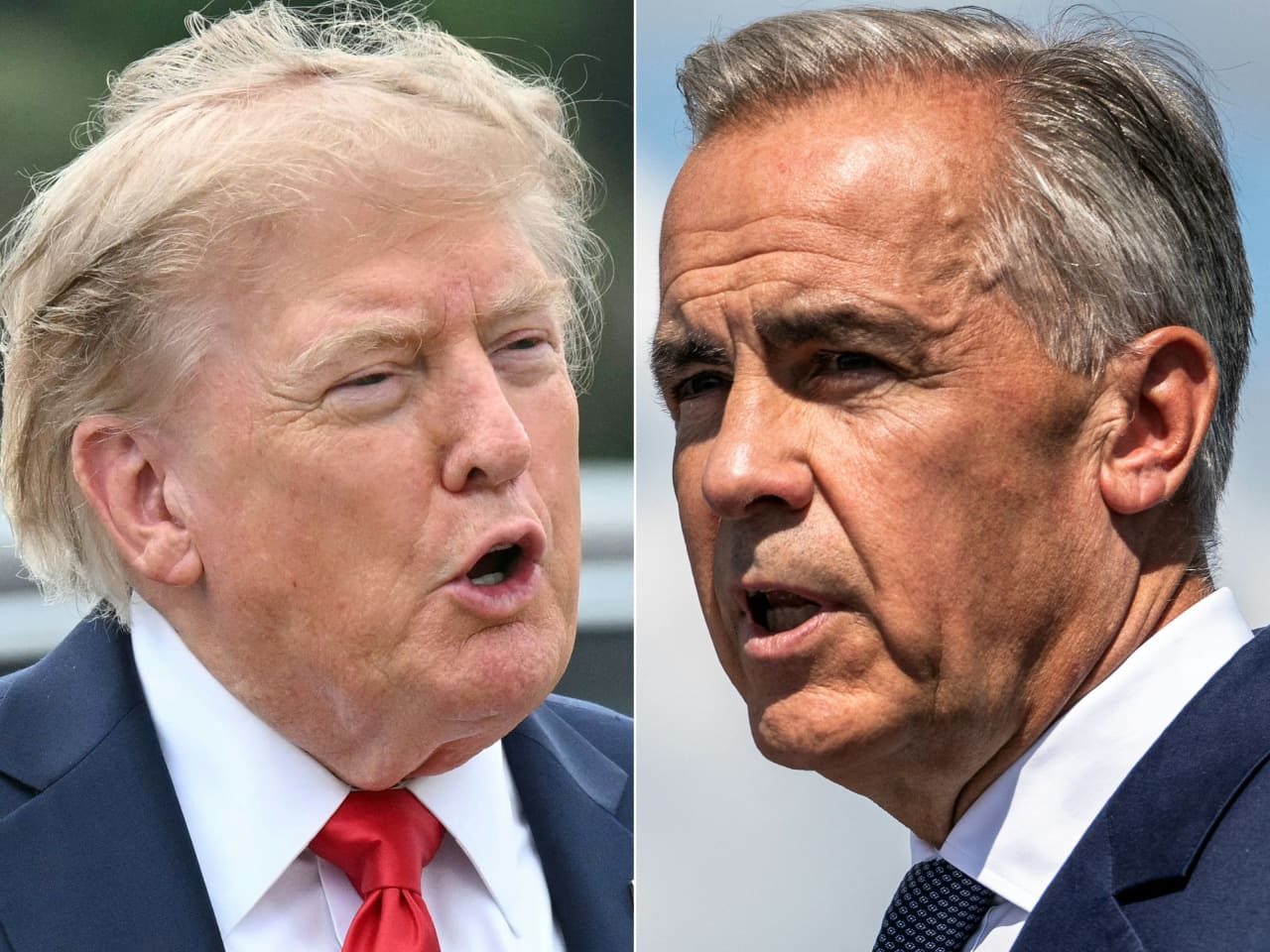
Canada announced tariffs of up to 50% on products including aluminum foil, dishwashers and fish in response to new tariffs imposed by President Trump. Ottawa said the measures would protect workers, producers and manufacturers affected by the U.S. levies.
11:02 PMThe New York Times
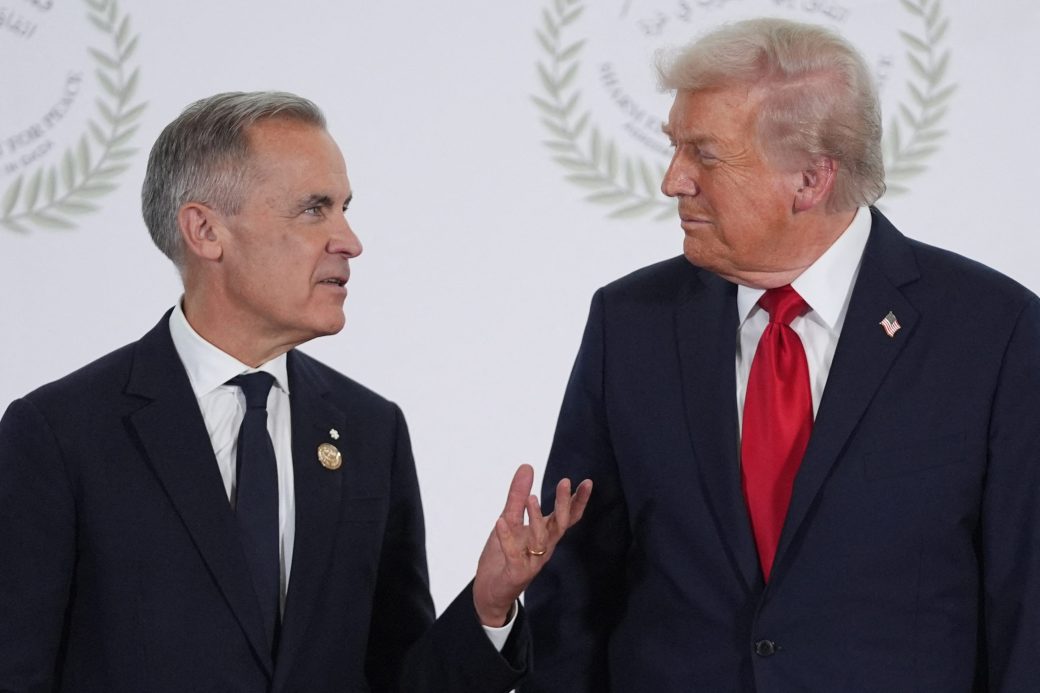
Canada will impose tariffs matching new U.S. duties dollar for dollar, Prime Minister Mark Carney said. American apparel products are among the goods targeted.
5:45 PMWWD
Accounts of the negotiations' final hours show that the United States offered Canada what it described as an unusually favorable trade deal. Canada viewed the concessions demanded in return as unacceptable, causing talks to collapse and the dispute to escalate into a trade war.
9:53 AMThe New York Times
A trade war between the United States and Canada would hit Canada harder but would also raise costs for US businesses and consumers. Economists warn that neither economy would avoid the inflationary effects.
3:24 PMMarketWatch
Canada could reduce or eliminate electricity exports to New England in retaliation for US tariffs. The regional grid operator says the immediate impact would likely be financial under typical weather conditions, and notes that a previous 25% tariff lasted only one day.
8:55 AMUtility Dive
Trade tensions between the United States and Canada have escalated into a public clash, with Donald Trump attacking Canada and its top trade envoy responding with an insult. The dispute is unfolding as both countries confront tariffs and the risk of further retaliation.
6:14 AMFortune
The United States threatened sanctions against countries and entities that engage with Iran’s gold, digital asset, aviation, shipping, and technology sectors. The measures extend economic pressure well beyond Iranian oil.
8:46 AMThe New York Times
The article assesses what a new round of US sanctions could achieve after nearly six months of war with Iran and years of economic pressure. It asks whether intensified financial restrictions can produce results that military action and diplomacy have not.
5:07 AMNPR Politics
China continues to provide Iran with a crucial economic lifeline as its largest oil buyer, despite threats of additional US sanctions. Beijing also appears unwilling to help Washington end a conflict that is drawing American attention and resources away from Asia.
11:34 PMBloomberg Markets
The Syrian Democratic Forces, the US-backed force that led the fight against ISIL, have declared that they are disbanding. Their dissolution marks a major change in the security order built during the war against the group.
11:28 PMAl Jazeera
Syria’s Kurdish forces will merge with the national army under an agreement with Damascus, advancing efforts to restore central government control.
5:43 PMFinancial Times
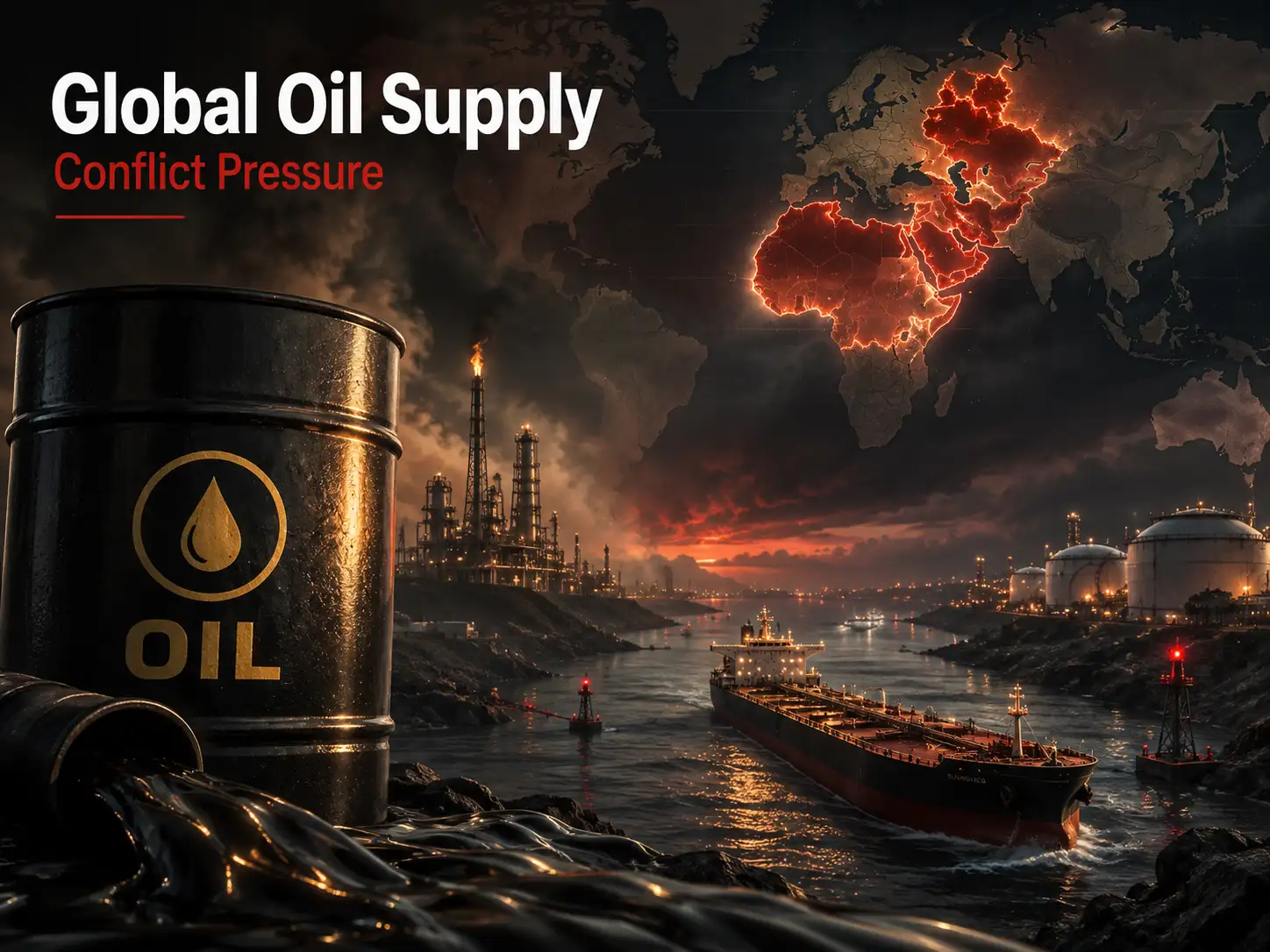
Countries affected by conflict or severe instability produced about 45 million barrels of oil per day in 2025, or more than 43% of global supply, according to calculations based on IEA data. The concentration exposes the oil market to a broad set of simultaneous geopolitical disruptions.
3:49 AMEconomic Times
The United Kingdom will share classified information about British-made components in the SCALP missile with Ukraine, allowing Ukrainian industry to help assemble the long-range weapons.
1:14 AMNPR Politics
The Sudan Doctors Network says SPLM-N rebels killed 27 people in South Kordofan, including four children. The reported attacks add to the region's worsening civilian toll.
11:49 PMAl Jazeera
11:36 PMBloomberg Markets
Iran, Oman Push Talks for ‘Interim’ Reopening of Hormuz
Summary
Iran and Oman are discussing an interim framework to resume shipping through the Strait of Hormuz, according to their foreign ministers. The proposal would seek to restore traffic without requiring a broader political settlement.
The shift is from outright disruption toward a limited, negotiated reopening. Shipping firms, energy markets,
Unlock the full First Pass Analysis to get a better understanding of why this story matters
Why it matters
Even a partial reopening could reduce immediate global energy and shipping risks while leaving the underlying confrontation unresolved.
Iran and Oman edge towards deal on Strait of Hormuz
Summary
Iran and Oman are discussing an interim arrangement to manage shipping through the Strait of Hormuz. The proposal is the first indication in weeks of diplomatic progress toward reopening the waterway.
The emerging arrangement could create a narrow channel for maritime de-escalation without settling the underlying
Unlock the full First Pass Analysis to get a better understanding of why this story matters
Why it matters
A credible shipping deal could reduce the immediate threat to energy flows through one of the world’s most important waterways.
Canada Fires Back in Trade War Against Trump With Up to 50% Tariffs
Summary
Canada announced tariffs of up to 50% on products including aluminum foil, dishwashers and fish in response to new tariffs imposed by President Trump. Ottawa said the measures would protect workers, producers and manufacturers affected by the U.S. levies.
Canada has shifted from absorbing U.S. tariffs to imposing broad, punitive costs of its own.
Unlock the full First Pass Analysis to get a better understanding of why this story matters
Why it matters
The dispute now threatens to spread from targeted tariffs into a broader economic conflict between two deeply integrated trading partners.
Canada unveils retaliatory tariffs on about $20 billion of U.S. goods
Summary
Canadian negotiators failed to secure a trade agreement with the United States before President Donald Trump's new tariffs were due to take effect. Canada is preparing to respond rather than wait for further concessions from Washington.
The failed talks move the dispute from negotiation into retaliation, raising costs for businesses on
Unlock the full First Pass Analysis to get a better understanding of why this story matters
Why it matters
A US-Canada tariff escalation threatens one of the world's most integrated trading relationships.
Canada hits back at the U.S. with tariffs as the countries' trade fight escalates
Summary
Canada announced retaliatory tariffs after President Trump imposed 50% duties on many Canadian goods and threatened further measures. The move follows the collapse of trade talks on Friday.
Canada’s response turns a unilateral tariff shock into a two-way trade confrontation affecting producers and
Unlock the full First Pass Analysis to get a better understanding of why this story matters
Why it matters
A conflict between two deeply integrated economies can quickly raise costs across North American supply chains.
An Eye for an Eye: Canada Retaliates With Duties of Its Own, Hitting American Apparel Products
Summary
Canada will impose tariffs matching new U.S. duties dollar for dollar, Prime Minister Mark Carney said. American apparel products are among the goods targeted.
Canada’s response converts the U.S. tariff action into a direct trade confrontation rather than a
Unlock the full First Pass Analysis to get a better understanding of why this story matters
Why it matters
The tit-for-tat tariffs raise the risk that a targeted trade measure becomes a wider North American dispute.
How U.S.-Canada Tariff Negotiations Turned Into an All-Out Trade War
Summary
Accounts of the negotiations' final hours show that the United States offered Canada what it described as an unusually favorable trade deal. Canada viewed the concessions demanded in return as unacceptable, causing talks to collapse and the dispute to escalate into a trade war.
The breakdown reflects a fundamental mismatch over sovereignty and acceptable leverage, not merely a disagreement
Unlock the full First Pass Analysis to get a better understanding of why this story matters
Why it matters
The collapse shows how tariff bargaining can damage a deeply integrated alliance when trade demands become politically existential.
U.S.-Canada trade war threatens to worsen inflation for both economies. Neither can afford it.
Summary
A trade war between the United States and Canada would hit Canada harder but would also raise costs for US businesses and consumers. Economists warn that neither economy would avoid the inflationary effects.
New tariffs would disrupt one of the world's most integrated bilateral trading relationships and pass
Unlock the full First Pass Analysis to get a better understanding of why this story matters
Why it matters
A dispute with a major neighboring supplier could undermine growth and intensify inflation on both sides of the border.
US-Canada trade war threatens electricity imports, prices
Summary
Canada could reduce or eliminate electricity exports to New England in retaliation for US tariffs. The regional grid operator says the immediate impact would likely be financial under typical weather conditions, and notes that a previous 25% tariff lasted only one day.
Electricity trade is now part of the dispute, but New England appears more exposed to
Unlock the full First Pass Analysis to get a better understanding of why this story matters
Why it matters
Retaliation against electricity could turn a trade dispute into a direct cost for households, utilities, and regional industries.
In U.S.-Canada trade war, Trump says they are ‘the worst’ and Canada’s top trade envoy tells him to ‘kiss my ass’
Summary
Trade tensions between the United States and Canada have escalated into a public clash, with Donald Trump attacking Canada and its top trade envoy responding with an insult. The dispute is unfolding as both countries confront tariffs and the risk of further retaliation.
The rhetoric signals that negotiations are becoming politically harder even though the two economies are
Unlock the full First Pass Analysis to get a better understanding of why this story matters
Why it matters
A breakdown with Canada would threaten one of the United States’ most important trading relationships and add pressure to already fragile supply chains.
Gold, Flights, Cryptocurrency: U.S. Vows to Go After More Than Iran’s Oil
Summary
The United States threatened sanctions against countries and entities that engage with Iran’s gold, digital asset, aviation, shipping, and technology sectors. The measures extend economic pressure well beyond Iranian oil.
By targeting multiple sectors and potential foreign partners, Washington is trying to make Iran’s broader
Unlock the full First Pass Analysis to get a better understanding of why this story matters
Why it matters
The expanded sanctions raise the economic stakes for Iran and for foreign companies that continue doing business with it.
Can Trump's economic war against Iran do what airstrikes and negotiations couldn't?
Summary
The article assesses what a new round of US sanctions could achieve after nearly six months of war with Iran and years of economic pressure. It asks whether intensified financial restrictions can produce results that military action and diplomacy have not.
The new sanctions face the same structural limits as earlier pressure: Iran has already adapted
Unlock the full First Pass Analysis to get a better understanding of why this story matters
Why it matters
The sanctions test whether Washington has a realistic end state or is extending pressure without a route to resolution.
Why China Is Defiant Even as US Threatens Iran Sanctions
Summary
China continues to provide Iran with a crucial economic lifeline as its largest oil buyer, despite threats of additional US sanctions. Beijing also appears unwilling to help Washington end a conflict that is drawing American attention and resources away from Asia.
China's support gives Tehran more room to withstand US pressure and weakens the intended force
Unlock the full First Pass Analysis to get a better understanding of why this story matters
Why it matters
Chinese purchases could limit Washington's ability to isolate Iran and deepen the spillover between Middle East crises and US-China rivalry.
Who were the Syrian Democratic Forces and why dissolve?
Summary
The Syrian Democratic Forces, the US-backed force that led the fight against ISIL, have declared that they are disbanding. Their dissolution marks a major change in the security order built during the war against the group.
The SDF's disappearance removes a key Kurdish-led military structure and creates uncertainty over who will
Unlock the full First Pass Analysis to get a better understanding of why this story matters
Why it matters
The SDF's dissolution could reshape Syria's balance of power and reopen vulnerabilities that emerged during the fight against ISIL.
Conflict-hit oil supply crisis deepens as nearly half of global output comes from affected countries
Summary
Countries affected by conflict or severe instability produced about 45 million barrels of oil per day in 2025, or more than 43% of global supply, according to calculations based on IEA data. The concentration exposes the oil market to a broad set of simultaneous geopolitical disruptions.
The key shift is the scale of oil supply now tied to conflict-exposed producers, not
Unlock the full First Pass Analysis to get a better understanding of why this story matters
Why it matters
A larger share of global oil supply now depends on producers whose output can be disrupted by war, sanctions or political instability.
U.K. will help Ukraine make long-range missiles by sharing classified tech information
Summary
The United Kingdom will share classified information about British-made components in the SCALP missile with Ukraine, allowing Ukrainian industry to help assemble the long-range weapons.
The arrangement shifts Ukraine from relying solely on imported missiles toward greater domestic participation in
Unlock the full First Pass Analysis to get a better understanding of why this story matters
Why it matters
Technology transfer could give Ukraine a more durable missile supply while deepening the UK's operational stake in the war.
Dozens killed in rebel attacks on Sudan’s Kordofan, medical group says
Summary
The Sudan Doctors Network says SPLM-N rebels killed 27 people in South Kordofan, including four children. The reported attacks add to the region's worsening civilian toll.
The killings show that Sudan's war is spreading through multiple armed fronts beyond the main
Unlock the full First Pass Analysis to get a better understanding of why this story matters
Why it matters
The violence underscores how Sudan's conflict is becoming more fragmented, making civilian protection and a nationwide settlement increasingly difficult.
A curated list of other prominent stories from this day.
Israeli soldiers prevented Knesset member Ofer Cassif from reaching a Palestinian family's home in the occupied West Bank. The house was reportedly under siege when the soldiers stopped him.
10:54 PMAl Jazeera
The Trump administration's nuclear agreement with Saudi Arabia has reached Congress, where lawmakers and nonproliferation advocates are challenging its safeguards. Their central objection is that the pact does not permanently bar Saudi Arabia from enriching uranium or reprocessing plutonium.
10:34 PMCNBC
Donald Trump has directed the Pentagon to reduce military drills with South Korea, calling them costly and hostile toward North Korea. The decision signals a broader effort to recast the alliance around economic interests.
10:06 PMCNBC
Prime Minister Sanae Takaichi said Japan would defend the International Criminal Court as US pressure intensifies, including sanctions against its Japanese president.
9:51 PMBloomberg Markets
South Korea is pursuing an Arctic shipping route to reduce dependence on vulnerable passages such as the Strait of Hormuz and support the revival of Busan. The effort also places Seoul in competition with China over the route’s commercial and strategic future.
9:24 PMFinancial Times
Chinese artist Gao Zhen was sentenced to three years in prison over sculptures depicting Mao Zedong in humiliating and violent scenes. Prosecutors cited the works, including images of Mao repenting and aiming fire at Jesus, as evidence against him.
4:00 PMHyperallergic
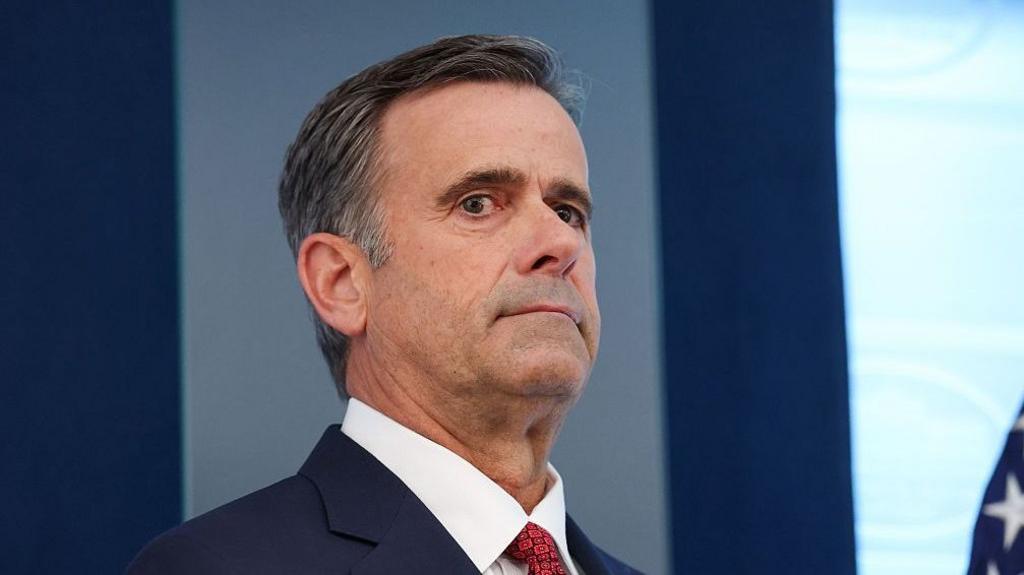
Flight tracking data shows an American military aircraft traveled to Russia via Latvia on Tuesday, amid reports that CIA chief John Ratcliffe made an unannounced trip to Moscow for talks.
3:48 PMBBC
MSC, the world's largest ocean carrier, plans to return four east-west services to the Red Sea. The move follows similar tests by Maersk and CMA CGM of broader traffic through the Suez Canal.
3:16 PMWWD
Rita Flores, formerly of Pussy Riot, says Russia’s Federal Security Service recruited her to monitor artists and other critics of the Kremlin. Her account offers a glimpse into how aggressively Russian authorities have targeted dissent inside the cultural world.
2:56 PMARTnews
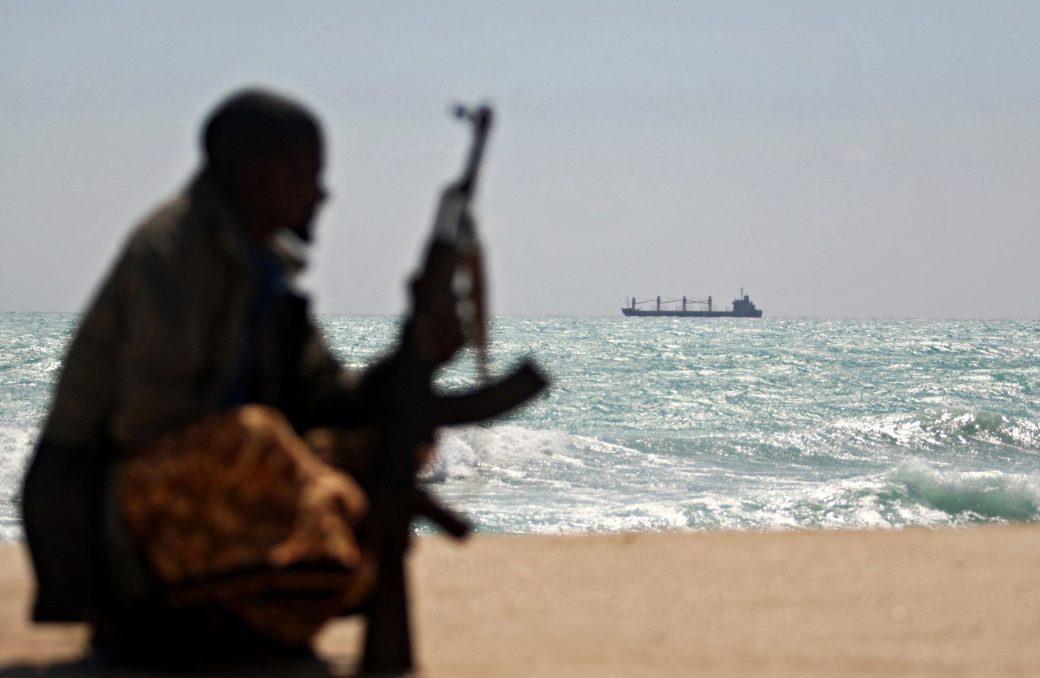
Security experts say Somali pirates face less risk of US retaliation because American resources are focused on the war with Iran, making piracy more lucrative again.
12:46 PMFortune
A video shows dozens of men, women and children held in a forest, prompting Nigeria's president to order a manhunt for the kidnappers.
12:40 PMBBC
The European Court of Human Rights has ordered Turkey to release philanthropist and activist Osman Kavala, who has spent almost a decade in prison on charges rights groups describe as politically motivated.
11:58 AMBBC
10:54 PMAl Jazeera
Israeli soldiers block Knesset member from besieged Palestinian home
Summary
Israeli soldiers prevented Knesset member Ofer Cassif from reaching a Palestinian family's home in the occupied West Bank. The house was reportedly under siege when the soldiers stopped him.
The confrontation puts military access restrictions directly at odds with an elected lawmaker's attempt to
Unlock the full First Pass Analysis to get a better understanding of why this story matters
Why it matters
Blocking a lawmaker from a besieged home points to widening disputes over military accountability and civilian protection in the West Bank.
Trump's Saudi nuclear deal reaches Congress as experts warn of proliferation risk
Summary
The Trump administration's nuclear agreement with Saudi Arabia has reached Congress, where lawmakers and nonproliferation advocates are challenging its safeguards. Their central objection is that the pact does not permanently bar Saudi Arabia from enriching uranium or reprocessing plutonium.
The deal now faces a congressional test over whether economic and strategic ties with Saudi
Unlock the full First Pass Analysis to get a better understanding of why this story matters
Why it matters
Congress must weigh a major foreign-policy partnership against the risk of expanding nuclear capabilities in the Middle East.
From military alliance to economic partnership: How Trump is redefining U.S.-South Korea ties
Summary
Donald Trump has directed the Pentagon to reduce military drills with South Korea, calling them costly and hostile toward North Korea. The decision signals a broader effort to recast the alliance around economic interests.
Cutting exercises reduces a visible pillar of deterrence and places more weight on economic cooperation
Unlock the full First Pass Analysis to get a better understanding of why this story matters
Why it matters
A weaker training regime could alter the credibility and operating assumptions of the US-South Korea alliance.
Takaichi Says Japan Will ‘Protect’ ICC From US Pressure
Summary
Prime Minister Sanae Takaichi said Japan would defend the International Criminal Court as US pressure intensifies, including sanctions against its Japanese president.
Japan is choosing institutional support for the ICC despite the risk of friction with Washington.
Unlock the full First Pass Analysis to get a better understanding of why this story matters
Why it matters
Japan’s position tests whether US allies will absorb costs to defend international legal institutions.
South Korea challenges China on Arctic trade route
Summary
South Korea is pursuing an Arctic shipping route to reduce dependence on vulnerable passages such as the Strait of Hormuz and support the revival of Busan. The effort also places Seoul in competition with China over the route’s commercial and strategic future.
An Arctic corridor would diversify South Korea’s trade routes but depends on infrastructure, climate conditions
Unlock the full First Pass Analysis to get a better understanding of why this story matters
Why it matters
Control of new shipping routes is becoming part of the wider contest over supply-chain security and regional influence.
Chinese Artist Gao Zhen Gets 3-Year Prison Sentence for Mao Sculptures
Summary
Chinese artist Gao Zhen was sentenced to three years in prison over sculptures depicting Mao Zedong in humiliating and violent scenes. Prosecutors cited the works, including images of Mao repenting and aiming fire at Jesus, as evidence against him.
The case shows how little room remains in China for art that challenges the Communist
Unlock the full First Pass Analysis to get a better understanding of why this story matters
Why it matters
The sentence is a stark warning that political art in China can lead to prison, not just controversy.
CIA chief travels to Moscow for unannounced talks, US media reports
Summary
Flight tracking data shows an American military aircraft traveled to Russia via Latvia on Tuesday, amid reports that CIA chief John Ratcliffe made an unannounced trip to Moscow for talks.
The reported visit suggests Washington is maintaining a direct channel with Moscow despite broader tensions.
Unlock the full First Pass Analysis to get a better understanding of why this story matters
Why it matters
A senior intelligence-level channel could signal behind-the-scenes efforts to manage US-Russia tensions.
MSC Joins Carriers Bringing More Cargo Back Through Red Sea
Summary
MSC, the world's largest ocean carrier, plans to return four east-west services to the Red Sea. The move follows similar tests by Maersk and CMA CGM of broader traffic through the Suez Canal.
MSC's decision suggests shipping companies see enough improvement in the security outlook to restore some
Unlock the full First Pass Analysis to get a better understanding of why this story matters
Why it matters
More Suez traffic could reduce transit times and freight costs, but the route's recovery still depends on sustained security.
Russia’s FSB Agents Recruited Former Pussy Riot Member to Spy on Artists
Summary
Rita Flores, formerly of Pussy Riot, says Russia’s Federal Security Service recruited her to monitor artists and other critics of the Kremlin. Her account offers a glimpse into how aggressively Russian authorities have targeted dissent inside the cultural world.
The episode shows how surveillance can reach far beyond traditional political opposition. Artists, activists, and
Unlock the full First Pass Analysis to get a better understanding of why this story matters
Why it matters
Russia’s crackdown on culture is not just about censorship, but also about recruiting people to police dissent from within.
‘This is obviously a very, very lucrative business for them’: Somali pirates are back—the Iran war is keeping the US too busy to stop them
Summary
Security experts say Somali pirates face less risk of US retaliation because American resources are focused on the war with Iran, making piracy more lucrative again.
The shift illustrates how military concentration in one theater can reopen vulnerabilities elsewhere. If naval
Unlock the full First Pass Analysis to get a better understanding of why this story matters
Why it matters
The Iran conflict could create a wider maritime security problem far beyond the Middle East.
European rights court orders Turkey to free imprisoned businessman
Summary
The European Court of Human Rights has ordered Turkey to release philanthropist and activist Osman Kavala, who has spent almost a decade in prison on charges rights groups describe as politically motivated.
The ruling increases pressure on Ankara to comply with a binding European human-rights judgment. Continued
Unlock the full First Pass Analysis to get a better understanding of why this story matters
Why it matters
Kavala's detention remains a test of Turkey's commitment to European legal obligations.