Iran pressure and allied fractures drive global tensions
Day’s Recap
“
”
Supporting Articles
Crude oil fell below $93 as markets awaited a U.S. announcement on new sanctions against Iran. Treasury Secretary Scott Bessent has threatened the toughest sanctions in history, while President Donald Trump has warned countries trading with Iran that they could also face penalties.
10:12 PMEconomic Times
Oil prices declined as investors awaited new U.S. sanctions on Iran, which could disrupt energy supplies and shipping routes across the Middle East. Iran's leadership is weighing whether to de-escalate or confront the pressure.
9:56 PMEconomic Times
Treasury Secretary Scott Bessent is expected to announce new sanctions on Iran, which he has described as the toughest in history. Tehran is dismissing the threat of intensified economic pressure.
6:39 PMCNBC
President Donald Trump says the United States will impose crushing new measures on Iran. The key question is whether the sanctions can force Tehran to change course or instead deepen confrontation.
5:34 PMAl Jazeera
A major economic confrontation with Iran is approaching, and governments that view appeasing Tehran as the safer option are urged to reconsider. The argument presents stronger pressure as necessary to alter the regime's calculations.
5:30 PMFinancial Times
The Trump administration is preparing unprecedented economic measures to isolate Iran, with Treasury Secretary Scott Bessent expected to announce them Monday. A senior Iranian security official has threatened retaliation on a seismic scale.
5:09 PMFortune
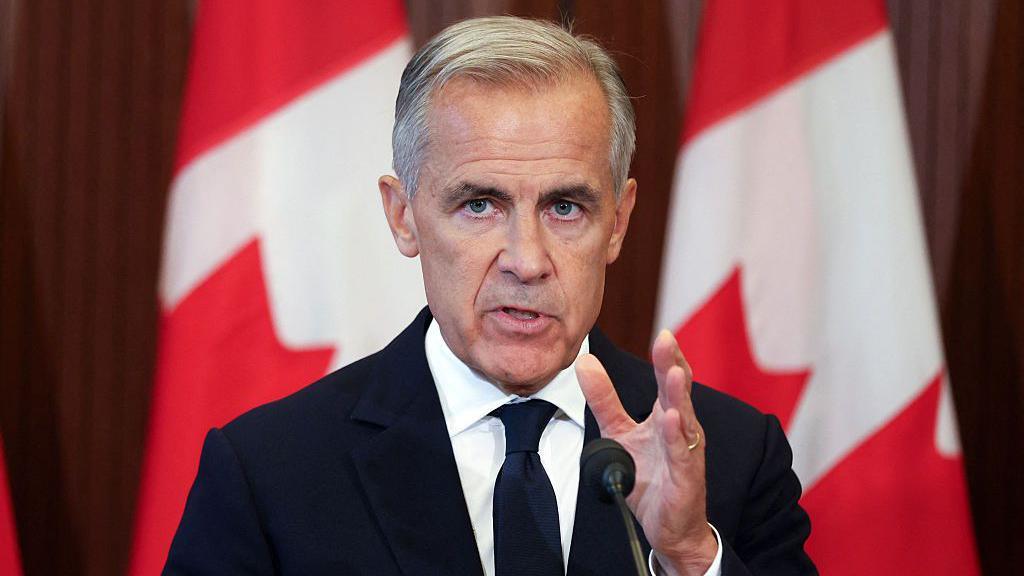
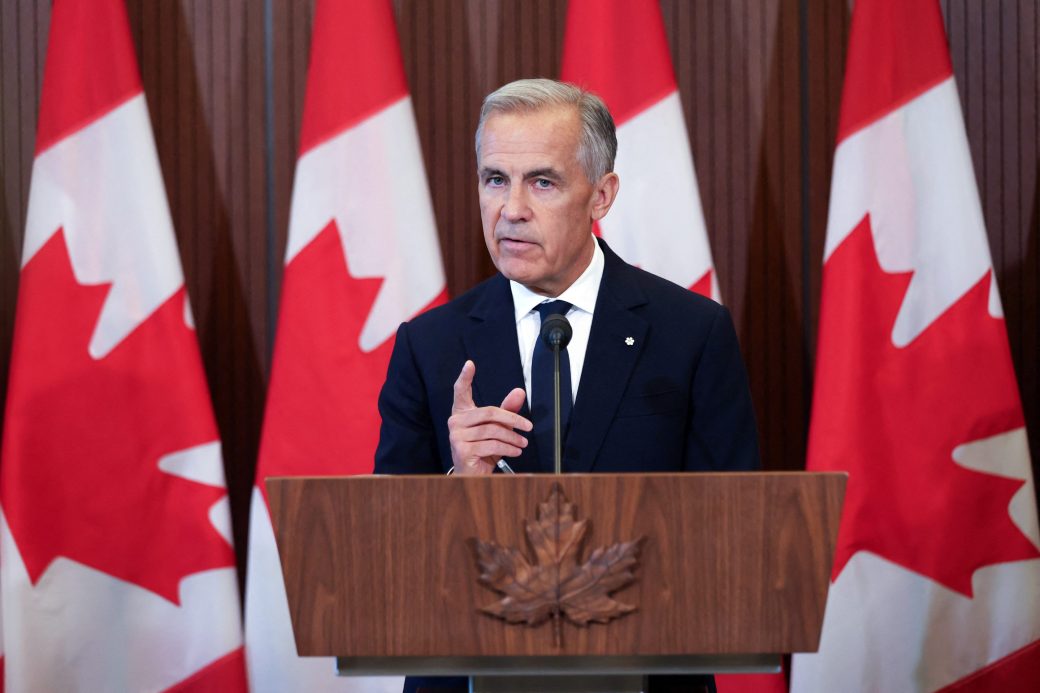
Canadian Prime Minister Mark Carney called new US tariffs a miscalculation after trade talks with Washington collapsed. He said Canada would reluctantly impose retaliatory tariffs and accused the United States of starting a trade war.
3:11 PMBBC
A 50 percent U.S. tariff on selected Canadian imports will raise prices on an unusual mix of products, including buoys, dog muzzles, capes, flags and metal statuettes. The list shows that the measures extend well beyond major industrial goods.
12:14 PMThe New York Times
US Trade Representative Jamieson Greer described the terms Washington offered Canada before trade talks collapsed. His account provides the US administration’s explanation for why the negotiations failed.
10:43 AMThe New York Times
Chrystia Freeland says Canada was right to reject a trade agreement she believes would have damaged both economies and urges Ottawa to maintain its position. Canada is preparing dollar-for-dollar countertariffs after the US imposed new 50% duties.
10:01 AMBloomberg Markets
Iran's parliament has advanced a draft law requiring ships from countries allowed to pass through the Strait of Hormuz to pay for services provided by Tehran. The measure would formalize a financial claim on vessels using the strategic waterway.
8:00 PMAl Jazeera
The conflict could continue into 2027, while the Strait of Hormuz remains sufficiently open for some oil to move through. That weakens Iran’s immediate leverage and could push it toward a sharper escalation.
3:59 PMFortune
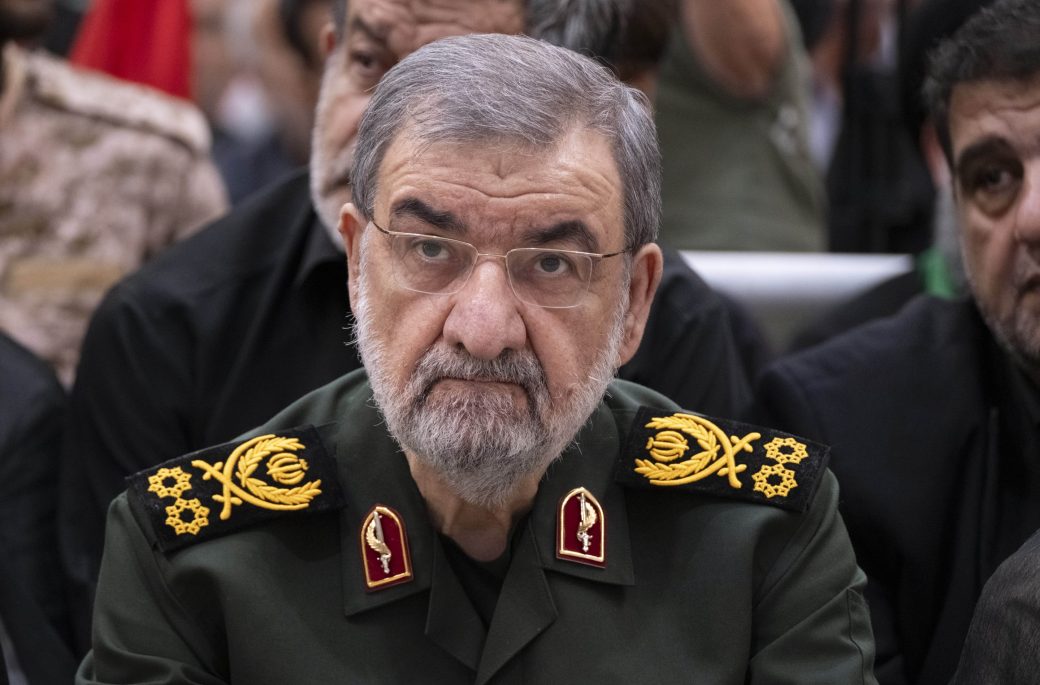
Iran's new hard-line national security adviser, Mohsen Rezaei, warned Gulf states against supporting US economic pressure. He threatened to prevent any oil from leaving the region if they joined the campaign.
1:00 PMThe New York Times
British Prime Minister Andy Burnham is expected to pledge support for building long-range missiles in Ukraine during his first overseas visit. He will proceed despite Russian warnings.
7:01 PMFinancial Times
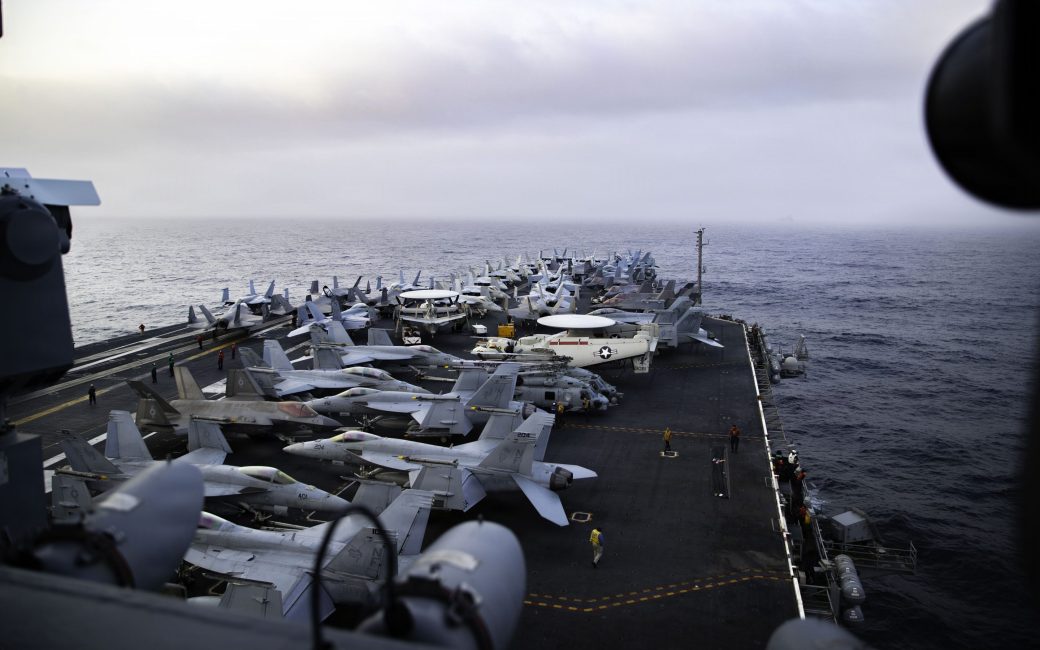
The US and South Korea have sharply reduced their annual military exercises after President Donald Trump ordered them scaled back. The decision comes as North Korea expands its nuclear and missile capabilities, strengthens ties with Russia and Washington shifts military assets from the Indo-Pacific to the Middle East.
9:48 AMBloomberg Markets
Exit polls indicate that Kazakhstan's pro-Tokayev Adilet party won about 70 percent of the vote in parliamentary elections. The result points to a commanding position for allies of President Kassym-Jomart Tokayev.
8:12 PMAl Jazeera
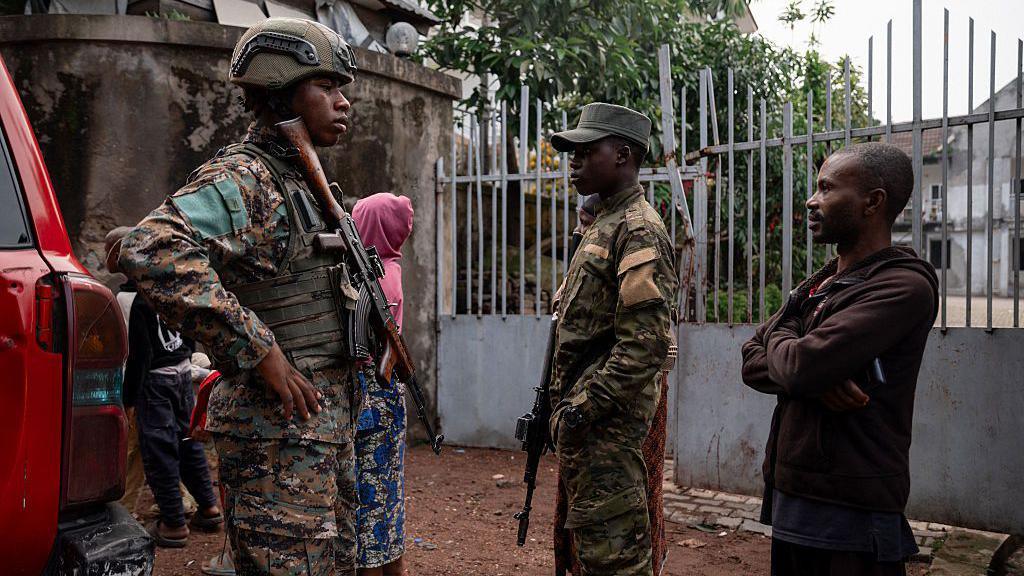
Representatives of the Democratic Republic of Congo and the M23 rebel group met in Switzerland and agreed on a roadmap for future peace talks. The arrangement sets out next steps but does not resolve the conflict.
8:52 AMBBC
Syria's foreign minister met Israeli officials in Jordan for US-mediated talks aimed at reducing tensions. The meeting followed an Israeli strike near Syria's border with Turkey.
11:56 PMAl Jazeera
10:12 PMEconomic Times
Oil Price Today (August 24): Crude oil slips below $93 ahead of US sanctions announcement on Iran. What are experts saying?
Summary
Crude oil fell below $93 as markets awaited a U.S. announcement on new sanctions against Iran. Treasury Secretary Scott Bessent has threatened the toughest sanctions in history, while President Donald Trump has warned countries trading with Iran that they could also face penalties.
The price decline suggests traders are not yet pricing the sanctions as an immediate supply
Unlock the full First Pass Analysis to get a better understanding of why this story matters
Why it matters
Oil markets are testing whether Washington's sanctions will materially reduce supply or mainly raise geopolitical risk.
Oil falls ahead of US announcement on new Iran sanctions
Summary
Oil prices declined as investors awaited new U.S. sanctions on Iran, which could disrupt energy supplies and shipping routes across the Middle East. Iran's leadership is weighing whether to de-escalate or confront the pressure.
Markets are treating the sanctions announcement as a source of uncertainty rather than proof of
Unlock the full First Pass Analysis to get a better understanding of why this story matters
Why it matters
The next Iranian move could matter more for oil prices than the sanctions announcement itself.
Treasury Secretary to announce Iran sanctions as Tehran dismisses economic warfare threat
Summary
Treasury Secretary Scott Bessent is expected to announce new sanctions on Iran, which he has described as the toughest in history. Tehran is dismissing the threat of intensified economic pressure.
The coming announcement marks a shift from warnings to a potentially broader US campaign to
Unlock the full First Pass Analysis to get a better understanding of why this story matters
Why it matters
The sanctions could widen the confrontation with Iran without guaranteeing that economic pressure changes its behavior.
Will Donald Trump’s new sanctions against Iran work?
Summary
President Donald Trump says the United States will impose crushing new measures on Iran. The key question is whether the sanctions can force Tehran to change course or instead deepen confrontation.
The administration is returning to maximum economic pressure, but sanctions work only when enforcement limits
Unlock the full First Pass Analysis to get a better understanding of why this story matters
Why it matters
The measures could reshape Iran's economic options, but they may also produce escalation without securing a diplomatic concession.
A major economic confrontation with Iran is approaching, and governments that view appeasing Tehran as the safer option are urged to reconsider. The argument presents stronger pressure as necessary to alter the regime's calculations.
The central shift is a push to frame economic pressure as a test of international
Unlock the full First Pass Analysis to get a better understanding of why this story matters
Why it matters
The debate is moving from whether to pressure Iran to whether neutrality itself carries greater strategic costs.
As Trump administration readies economic warfare measures against Iran, top security official vows retaliation ‘in a seismic manner’
Summary
The Trump administration is preparing unprecedented economic measures to isolate Iran, with Treasury Secretary Scott Bessent expected to announce them Monday. A senior Iranian security official has threatened retaliation on a seismic scale.
The confrontation is escalating on both sides before the measures are even implemented: Washington is
Unlock the full First Pass Analysis to get a better understanding of why this story matters
Why it matters
The policy could turn financial pressure into a wider US-Iran confrontation with consequences across the region.
Trump says Canada wants 'benefits' of being US state after trade talks collapse
Summary
Canadian Prime Minister Mark Carney called new US tariffs a miscalculation after trade talks with Washington collapsed. He said Canada would reluctantly impose retaliatory tariffs and accused the United States of starting a trade war.
The collapse of negotiations has replaced managed bargaining with reciprocal economic coercion. Canada’s response will
Unlock the full First Pass Analysis to get a better understanding of why this story matters
Why it matters
Retaliatory tariffs could disrupt deeply integrated North American supply chains and make a political dispute economically durable.
‘We’re going to hit back’ — Canada does what many other U.S. allies have avoided: risk economic pain rather than yield to tariff pressure
Summary
Canada is preparing to respond to US tariff pressure rather than accept new trade restrictions. Prime Minister Mark Carney said Washington introduced language late in negotiations that would have limited Canada's ability to make trade deals with other countries.
The dispute has shifted from tariffs to Canada's freedom to set its own trade policy.
Unlock the full First Pass Analysis to get a better understanding of why this story matters
Why it matters
Canada's response could set a precedent for how other US partners weigh retaliation against concessions in future trade disputes.
Mark Carney says Canada ‘at war’ with US over trade
Summary
Prime Minister Mark Carney said Canada is now effectively at war with the United States over trade after President Donald Trump escalated tariffs. Carney argued that Trump miscalculated by intensifying pressure on Canada.
Canada has shifted from resisting US tariffs to treating the dispute as an open economic
Unlock the full First Pass Analysis to get a better understanding of why this story matters
Why it matters
A trade dispute with the United States is becoming a defining test of Canada’s economic strategy and political leadership.
What Canadian Goods Will Take Trump’s 50% Tariffs? Some Pretty Strange Items.
Summary
A 50 percent U.S. tariff on selected Canadian imports will raise prices on an unusual mix of products, including buoys, dog muzzles, capes, flags and metal statuettes. The list shows that the measures extend well beyond major industrial goods.
The tariffs will hit niche Canadian exporters and U.S. buyers even where the trade flows
Unlock the full First Pass Analysis to get a better understanding of why this story matters
Why it matters
The tariff list shows how a broad trade fight can raise costs in mundane markets far removed from headline industries.
Trump’s Top Trade Representative Details Offer That Canada Rejected
Summary
US Trade Representative Jamieson Greer described the terms Washington offered Canada before trade talks collapsed. His account provides the US administration’s explanation for why the negotiations failed.
The breakdown now includes a public dispute over the terms of the rejected offer, not
Unlock the full First Pass Analysis to get a better understanding of why this story matters
Why it matters
The competing accounts could lock both governments into escalation before substantive trade negotiations resume.
Chrystia Freeland says Canada was right to reject a trade agreement she believes would have damaged both economies and urges Ottawa to maintain its position. Canada is preparing dollar-for-dollar countertariffs after the US imposed new 50% duties.
Canada is choosing retaliation over a quick settlement, betting that economic pressure can force Washington
Unlock the full First Pass Analysis to get a better understanding of why this story matters
Why it matters
The conflict could reshape the rules of North American trade and the political limits of US pressure on allies.
Iran war live: US vows ‘economic D-Day’; Tehran threatens Gulf oil exports
Summary
Iran's parliament has advanced a draft law requiring ships from countries allowed to pass through the Strait of Hormuz to pay for services provided by Tehran. The measure would formalize a financial claim on vessels using the strategic waterway.
The proposal turns Iran's control over access to Hormuz into an explicit revenue and pressure
Unlock the full First Pass Analysis to get a better understanding of why this story matters
Why it matters
Any new charge or restriction in Hormuz could affect global shipping and amplify energy-market volatility.
The Iran war could last ‘deep into 2027’ as the Strait of Hormuz isn’t that closed, allowing more oil to leak out—but major escalation is likely soon
Summary
The conflict could continue into 2027, while the Strait of Hormuz remains sufficiently open for some oil to move through. That weakens Iran’s immediate leverage and could push it toward a sharper escalation.
The decisive shift is that Hormuz is disrupted but not fully closed, limiting the economic
Unlock the full First Pass Analysis to get a better understanding of why this story matters
Why it matters
A partially open Hormuz reduces Iran’s leverage now but increases the incentive for a dangerous escalation that could disrupt global energy supplies.
Iran Warns Gulf States Not to Join Trump’s Economic War
Summary
Iran's new hard-line national security adviser, Mohsen Rezaei, warned Gulf states against supporting US economic pressure. He threatened to prevent any oil from leaving the region if they joined the campaign.
The threat turns sanctions enforcement into a possible energy-security confrontation across the Gulf. Any attempt
Unlock the full First Pass Analysis to get a better understanding of why this story matters
Why it matters
Threats to regional oil flows could quickly affect global energy prices and maritime security.
Burnham to pledge support for long-range missile construction in Ukraine
Summary
British Prime Minister Andy Burnham is expected to pledge support for building long-range missiles in Ukraine during his first overseas visit. He will proceed despite Russian warnings.
Backing Ukrainian long-range weapons would deepen Britain's military commitment and give Kyiv greater capacity to
Unlock the full First Pass Analysis to get a better understanding of why this story matters
Why it matters
The pledge would move British support from supplying weapons toward helping Ukraine expand its own strategic strike capability.
Burnham Enters World Stage With Debut Foreign Trip to Ukraine
Summary
British Prime Minister Andy Burnham will visit Ukraine on Monday for his first international trip in office. The visit is intended to demonstrate continued British diplomatic and military support for Kyiv as Russia's war reaches a decisive phase.
Burnham is using Ukraine to establish his government's foreign-policy posture early: continued backing for Kyiv
Unlock the full First Pass Analysis to get a better understanding of why this story matters
Why it matters
Burnham's first foreign trip signals that support for Ukraine will remain central to Britain's international role.
Alliance Tested as Trump Pulls Out of South Korea Drill
Summary
The US and South Korea have sharply reduced their annual military exercises after President Donald Trump ordered them scaled back. The decision comes as North Korea expands its nuclear and missile capabilities, strengthens ties with Russia and Washington shifts military assets from the Indo-Pacific to the Middle East.
The reduced drills weaken a core mechanism for testing allied readiness at the same time
Unlock the full First Pass Analysis to get a better understanding of why this story matters
Why it matters
A smaller exercise schedule can become a visible measure of declining deterrence in Northeast Asia.
Tokayev allies head for landslide victory in Kazakhstan elections
Summary
Exit polls indicate that Kazakhstan's pro-Tokayev Adilet party won about 70 percent of the vote in parliamentary elections. The result points to a commanding position for allies of President Kassym-Jomart Tokayev.
A dominant result would give Tokayev's camp greater control over parliament and reduce the immediate
Unlock the full First Pass Analysis to get a better understanding of why this story matters
Why it matters
The election is likely to consolidate presidential power in a strategically important Central Asian state.
DR Congo and M23 rebels agree roadmap for peace talks
Summary
Representatives of the Democratic Republic of Congo and the M23 rebel group met in Switzerland and agreed on a roadmap for future peace talks. The arrangement sets out next steps but does not resolve the conflict.
The agreement creates a formal channel for negotiations after sustained fighting in eastern Congo. Its
Unlock the full First Pass Analysis to get a better understanding of why this story matters
Why it matters
A credible process could reduce fighting and displacement, but the roadmap is only an initial test of the parties' willingness to compromise.
Syria, Israel hold US-mediated talks in Jordan to de-escalate tensions
Summary
Syria's foreign minister met Israeli officials in Jordan for US-mediated talks aimed at reducing tensions. The meeting followed an Israeli strike near Syria's border with Turkey.
The talks create a channel to contain a confrontation that could draw in Turkey and
Unlock the full First Pass Analysis to get a better understanding of why this story matters
Why it matters
A narrow de-escalation channel could prevent tensions around Syria from becoming a broader regional crisis.
A curated list of other prominent stories from this day.
US envoy Tom Barrack withdrew his description of the Golan Heights as occupied territory and said US policy had not changed. Washington continues to recognize Israel's claimed sovereignty over the Syrian territory.
5:23 PMAl Jazeera
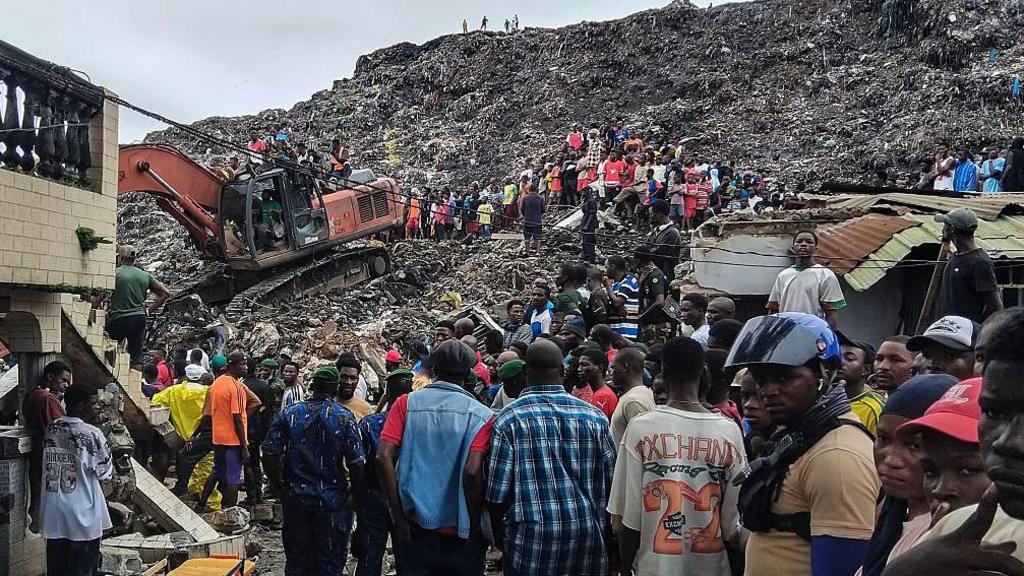
A collapsing mound of rubbish at a major landfill in Guinea's capital buried several homes, killing 30 people, according to the government. The disaster struck a densely populated area near the waste site.
7:26 AMBBC
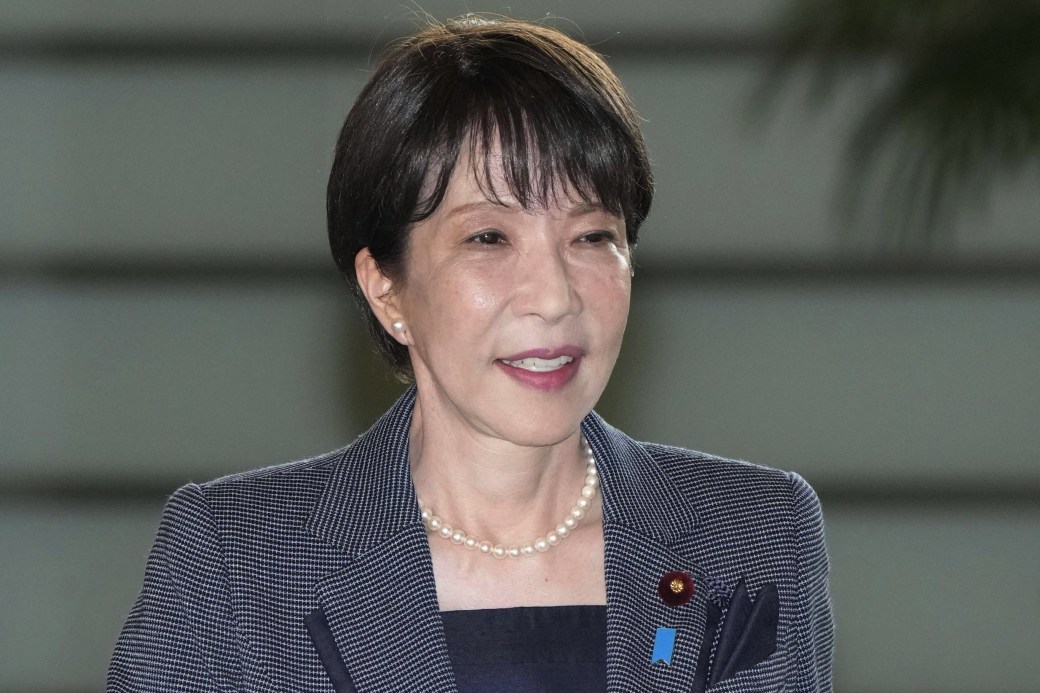
Japanese Prime Minister Sanae Takaichi says she sleeps between zero and three hours a night and rarely leaves her office in pursuit of efficiency. Her low approval rating suggests voters are not rewarding that work style.
10:38 AMFortune
Rubén Rocha Moya, the governor of Sinaloa, reversed course and left office one day after returning. The decision followed widespread criticism over US accusations that he aided a cartel, including objections from figures within his own party.
10:32 AMThe New York Times
Iceland will vote on August 29 on whether to resume accession talks with the European Union, with recent polling giving the proposal a narrow lead. Security concerns, economic uncertainty and Iceland’s North Atlantic position are driving the debate, while opponents focus on sovereignty and control of fisheries.
9:11 AMBloomberg Markets
A dismissed former Ukrainian defence minister said President Volodymyr Zelensky has questions to answer over corruption in his government. The former minister also called for elections to be held in Ukraine.
8:56 AMBBC
Norway plans to provide Ukraine with more than $9 billion in aid in 2027. The commitment extends Oslo’s support beyond immediate crisis funding and signals continued backing for Ukraine’s defense and recovery.
8:05 AMCNBC
President Volodymyr Zelenskyy has rejected a call for elections from Ukraine’s dismissed defence minister, arguing that a wartime vote would split the country. The dispute comes as Zelenskyy works to reassert political authority.
7:26 AMFinancial Times
5:23 PMAl Jazeera
US envoy Tom Barrack retracts comment that Syria’s Golan is occupied
Summary
US envoy Tom Barrack withdrew his description of the Golan Heights as occupied territory and said US policy had not changed. Washington continues to recognize Israel's claimed sovereignty over the Syrian territory.
The retraction restores the established US position after Barrack's comment introduced apparent ambiguity on a
Unlock the full First Pass Analysis to get a better understanding of why this story matters
Why it matters
The clarification preserves US backing for Israel's Golan position while exposing the diplomatic cost of policy confusion.
A collapsing mound of rubbish at a major landfill in Guinea's capital buried several homes, killing 30 people, according to the government. The disaster struck a densely populated area near the waste site.
The death toll reflects the risks created when expanding urban populations live alongside unmanaged waste
Unlock the full First Pass Analysis to get a better understanding of why this story matters
Why it matters
The collapse exposes how weak urban planning can turn basic waste-management failures into mass-casualty events.
Japan’s PM is barely sleeping and rarely leaving her office in the name of ‘efficiency.’ Her approval rating disagrees
Summary
Japanese Prime Minister Sanae Takaichi says she sleeps between zero and three hours a night and rarely leaves her office in pursuit of efficiency. Her low approval rating suggests voters are not rewarding that work style.
The gap between Takaichi's self-described intensity and public approval is the decisive political fact. A
Unlock the full First Pass Analysis to get a better understanding of why this story matters
Why it matters
Falling approval could narrow the government's room to pursue difficult policies and increase pressure for a change in approach.
Mexican Governor Accused by U.S. of Aiding Cartel Leaves Office, Again
Summary
Rubén Rocha Moya, the governor of Sinaloa, reversed course and left office one day after returning. The decision followed widespread criticism over US accusations that he aided a cartel, including objections from figures within his own party.
The internal backlash has weakened Rocha Moya's political footing and made continued rule difficult even
Unlock the full First Pass Analysis to get a better understanding of why this story matters
Why it matters
The episode exposes how US criminal allegations can destabilize Mexican state governments before courts or formal investigations resolve the claims.
Iceland will vote on August 29 on whether to resume accession talks with the European Union, with recent polling giving the proposal a narrow lead. Security concerns, economic uncertainty and Iceland’s North Atlantic position are driving the debate, while opponents focus on sovereignty and control of fisheries.
The vote reflects a new calculation in which security weighs more heavily against the traditional
Unlock the full First Pass Analysis to get a better understanding of why this story matters
Why it matters
Iceland’s decision could signal how changing security conditions are reshaping EU attitudes in the North Atlantic.
Zelensky should be asked what he knew about government corruption, sacked minister tells BBC
Summary
A dismissed former Ukrainian defence minister said President Volodymyr Zelensky has questions to answer over corruption in his government. The former minister also called for elections to be held in Ukraine.
The allegations increase political pressure on Zelensky as Ukraine manages wartime governance and scrutiny of
Unlock the full First Pass Analysis to get a better understanding of why this story matters
Why it matters
The dispute could affect public trust, Western confidence in Ukraine’s institutions, and the government’s ability to sustain wartime support.
Norway to give more than $9 billion to Ukraine in 2027
Summary
Norway plans to provide Ukraine with more than $9 billion in aid in 2027. The commitment extends Oslo’s support beyond immediate crisis funding and signals continued backing for Ukraine’s defense and recovery.
The pledge gives Ukraine greater visibility over future resources as the war moves into a
Unlock the full First Pass Analysis to get a better understanding of why this story matters
Why it matters
Long-term funding commitments are becoming as important as battlefield support in sustaining Ukraine’s war effort.
Zelenskyy rejects election call from fired defence minister
Summary
President Volodymyr Zelenskyy has rejected a call for elections from Ukraine’s dismissed defence minister, arguing that a wartime vote would split the country. The dispute comes as Zelenskyy works to reassert political authority.
The conflict now links Ukraine’s wartime governance to a widening political challenge from a former
Unlock the full First Pass Analysis to get a better understanding of why this story matters
Why it matters
The election dispute could deepen internal divisions while Ukraine is trying to sustain national unity and foreign support.