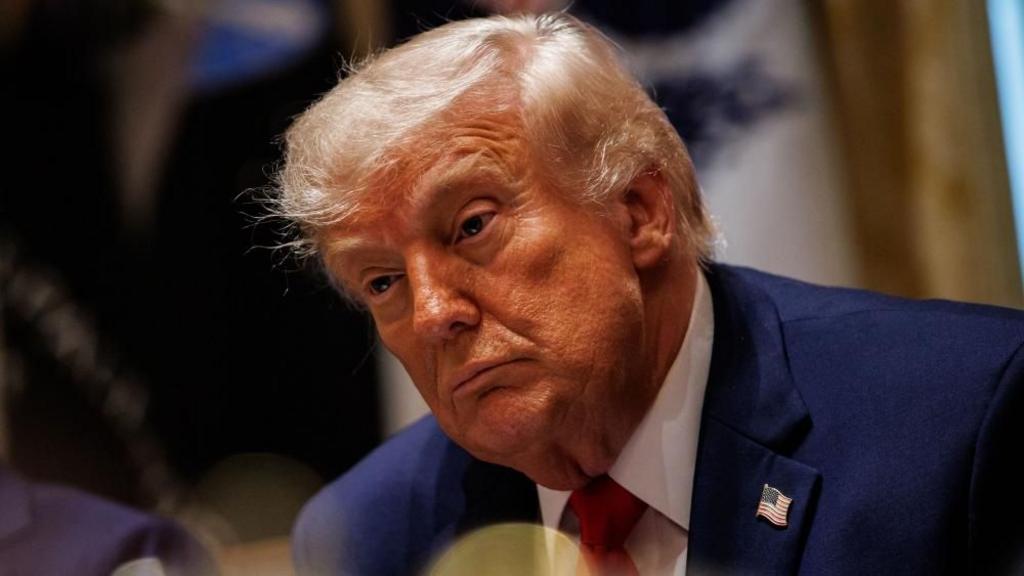
President Trump has threatened an intensified economic campaign against Iran, describing it as an "economic D-Day." The threats signal that he wants to pressure Tehran without returning to direct war.
10:58 PMThe New York Times116 stories from 10 sources
The broader picture was one of pressure spreading across security, trade and political systems rather than producing a single decisive breakthrough.
Supporting Articles
President Trump has threatened an intensified economic campaign against Iran, describing it as an "economic D-Day." The threats signal that he wants to pressure Tehran without returning to direct war.
10:58 PMThe New York Times
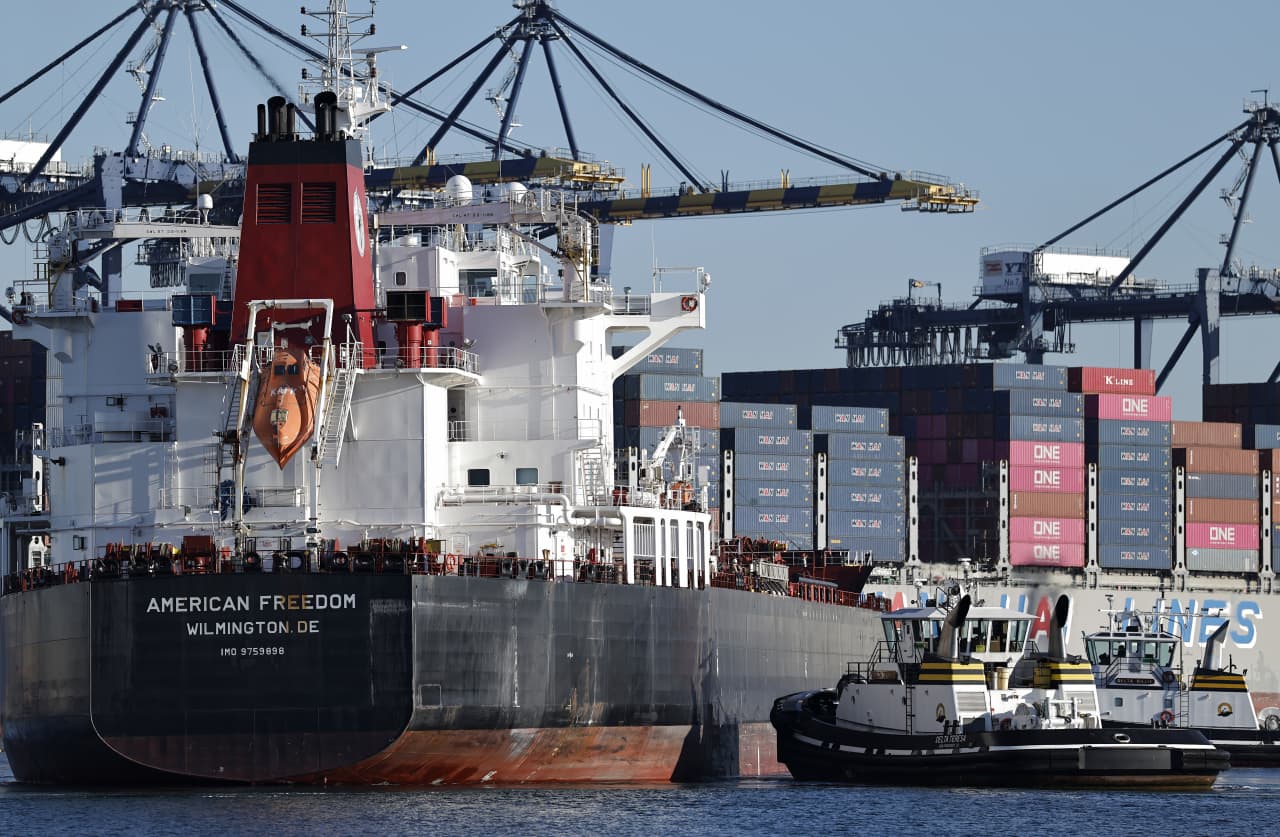
The Trump administration is threatening sanctions against countries that continue doing business with Iran as shipping through the Strait of Hormuz remains sharply reduced.
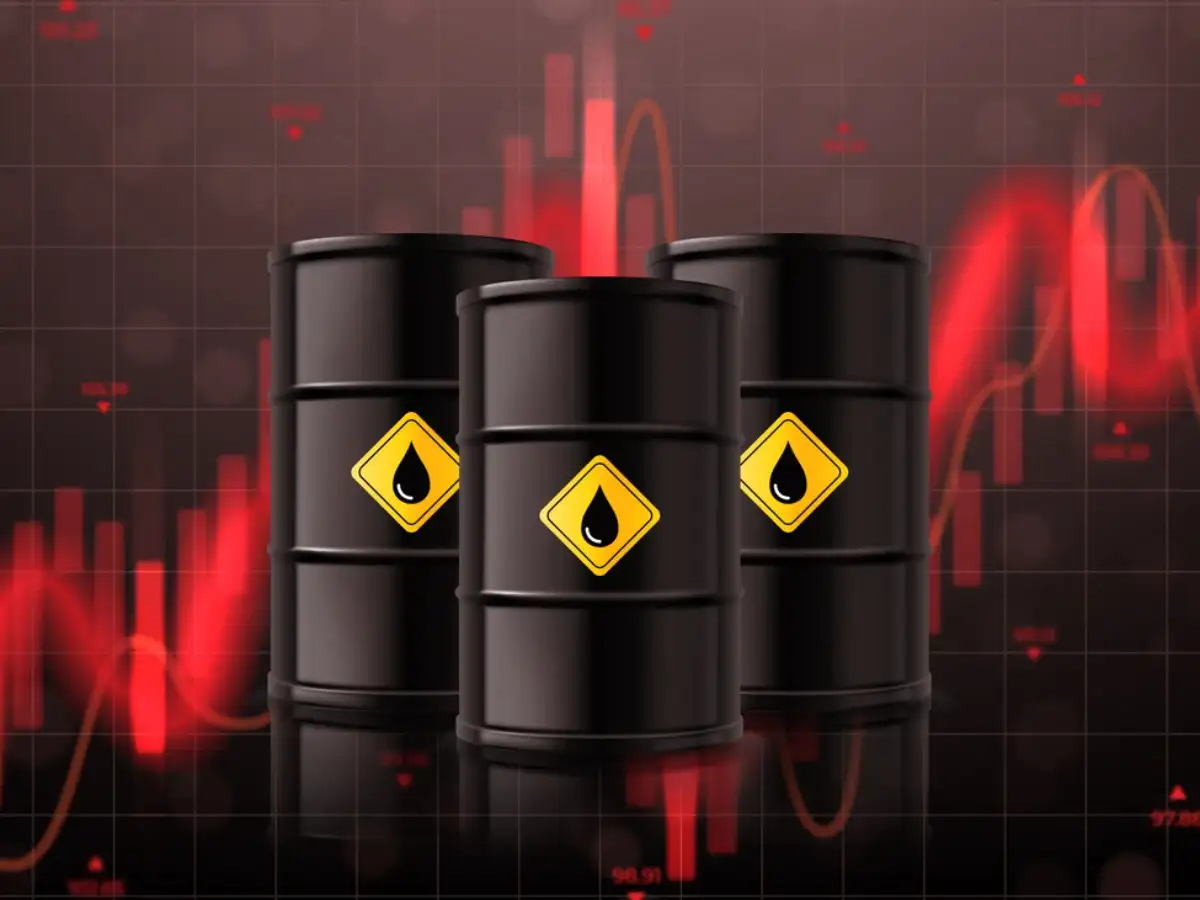
6:08 PMWWDOil prices rose about 3% after Donald Trump intensified his rhetoric toward Iran as talks reached an impasse. Traders responded to the increased risk that diplomacy could give way to sanctions or military escalation.
3:43 PMCNBCTreasury Secretary Scott Bessent said the US is unlikely to resume large-scale combat with Iran as President Donald Trump’s administration increases economic pressure. The policy was announced nearly six months into an Iran war that remains unresolved.
1:19 PMCNBC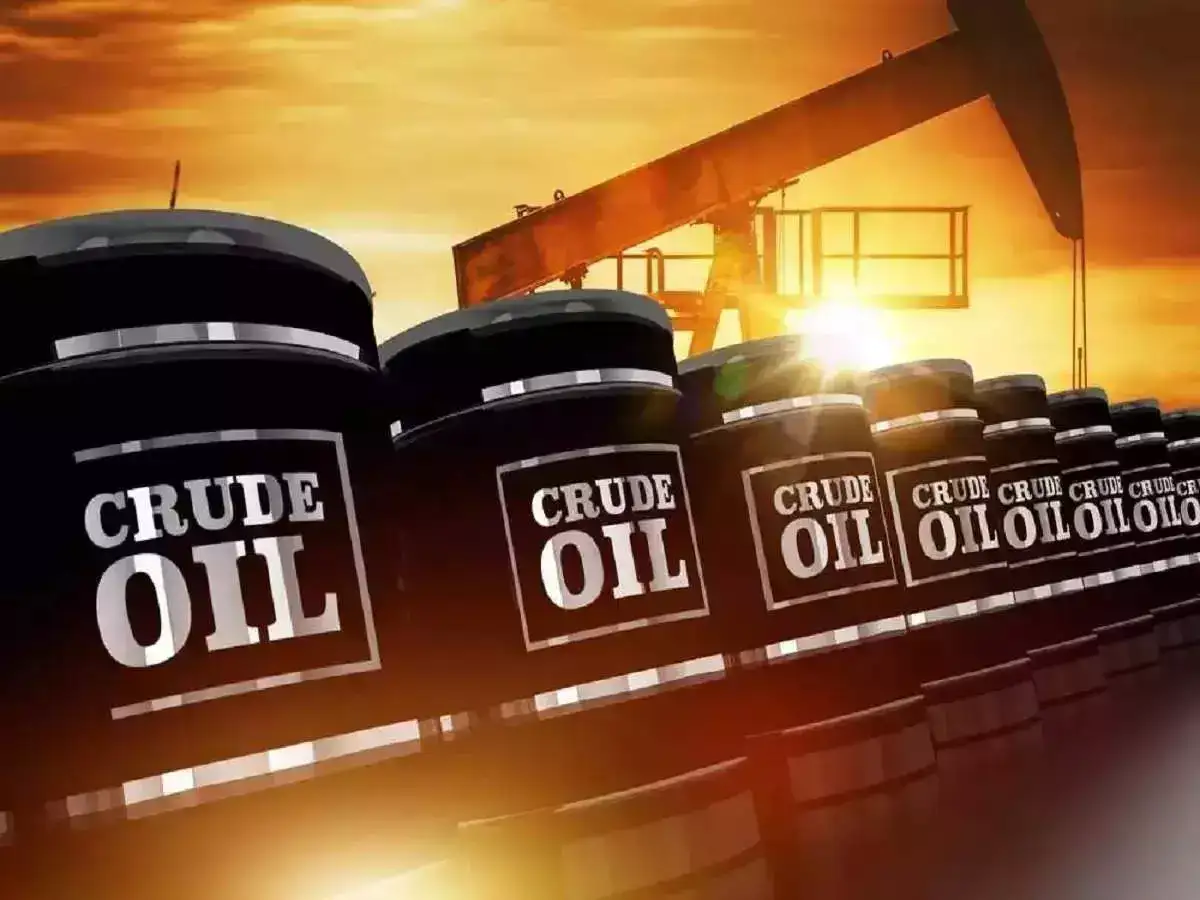
Oil prices reached three-week highs as uncertainty over the Iran conflict and possible disruptions in the Strait of Hormuz raised fears about Middle East supplies. Brent rose 2.39 percent to $93.81 and West Texas Intermediate gained 2.89 percent, putting both benchmarks on track for a fifth consecutive session of gains.
10:04 AMEconomic TimesThe Trump administration is expanding its economic pressure campaign against Iran under Operation Economic Fury. Trump warned that countries supporting Iran economically could face severe consequences.
8:28 AMCNBC
The Trump administration is pursuing a broader campaign to isolate and weaken Iran's economy. The United Arab Emirates, a key trading hub for Tehran, has also suspended commercial ties.
5:01 AMFinancial Times
A Russian missile attack killed at least 13 people in Kyiv as Ukrainian forces faced a shortage of Patriot interceptor missiles. The strikes underscore the pressure on the capital's air defenses.
5:55 AMFinancial TimesRussian strikes on the Greater Odesa ports have nearly stopped Ukraine's grain exports just as the harvest reaches full scale. The ports normally handle about 90% of the country's grain shipments.
3:50 AMBloomberg Markets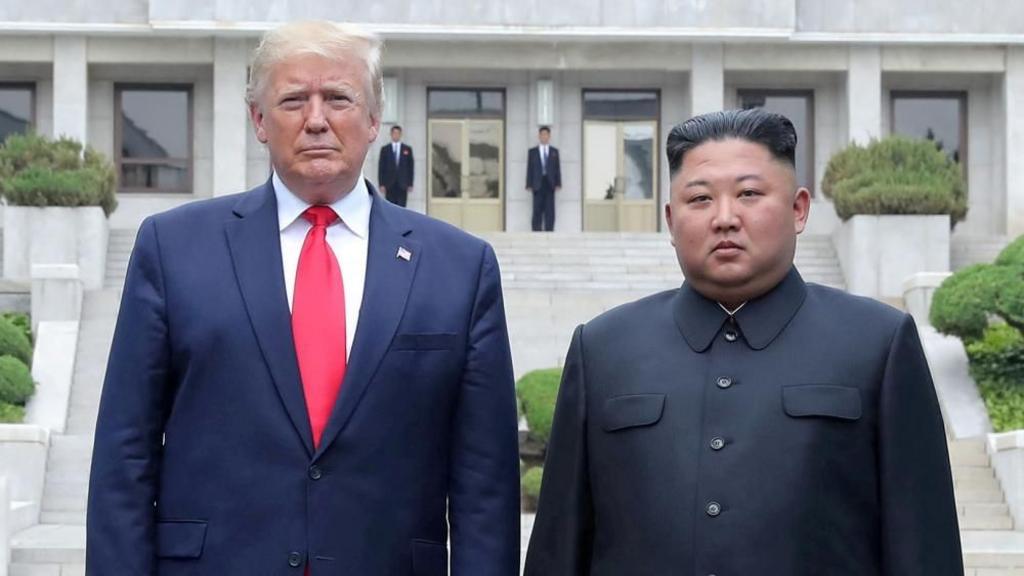
US military exercises with South Korea ended early as President Trump signaled interest in improving ties with North Korean leader Kim Jong Un, while the North holds a stronger strategic position.
6:01 PMBBC
Kim Jong Un's sister has cast doubt on claims that Washington and Pyongyang have communicated. Her comments amount to a rejection of the latest suggestion that North Korea might be open to renewed engagement with the United States.
6:43 AMFinancial Times
Canada and the United States have resumed negotiations over tariffs as another deadline approaches. Despite President Trump's claim that the countries effectively have a deal, they remain divided on several major issues.
10:30 AMThe New York TimesThe tentative US-Canada trade deal would lower US tariffs on Canadian steel and aluminum to 25% and reduce duties on Canadian auto exports to 15%. Tariffs on non-US content in those vehicles would also fall from 25% to 15%.
12:21 PMBloomberg Markets
A Hong Kong court found two Tiananmen activists guilty of national security charges. Their group said the verdict reflected a judicial system that had effectively predetermined their guilt.
11:50 PMAl JazeeraChina has sentenced Evergrande founder Hui Ka Yan to life in prison, formalizing the collapse of the property developer’s once-prominent chairman. The punishment follows the company’s failure and the broader implosion of China’s real estate sector.
11:39 AMBloomberg Markets
Two hijackings in four days have revived concerns that Somali piracy is returning after years of relative decline. Experts link the renewed activity to the Iran conflict and wider instability across the region.
9:05 PMThe New York Times
The first people deported from the United States under a new agreement with Liberia are set to arrive amid domestic criticism. Liberian critics say the government has not explained why it accepted the deal, who the deportees are, or how it will manage them.
11:50 AMThe New York TimesSummary
President Trump has threatened an intensified economic campaign against Iran, describing it as an "economic D-Day." The threats signal that he wants to pressure Tehran without returning to direct war.
The shift is toward coercion through sanctions and economic disruption rather than immediate military escalation.
Unlock the full First Pass Analysis to get a better understanding of why this story mattersWhy it matters
The policy will shape whether U.S.-Iran tensions move toward negotiation or another cycle of escalation.
2 stories · 2 sources
Summary
The Trump administration is threatening sanctions against countries that continue doing business with Iran as shipping through the Strait of Hormuz remains sharply reduced.
The pressure campaign now targets Iran’s trading partners as well as Iran itself. That raises
Unlock the full First Pass Analysis to get a better understanding of why this story mattersWhy it matters
The effort to reopen a vital shipping route could itself intensify the global energy shock.
Summary
Oil prices rose about 3% after Donald Trump intensified his rhetoric toward Iran as talks reached an impasse. Traders responded to the increased risk that diplomacy could give way to sanctions or military escalation.
The market is repricing the risk of disruption to Iranian oil supplies and regional shipping.
Unlock the full First Pass Analysis to get a better understanding of why this story mattersWhy it matters
A diplomatic breakdown with Iran could quickly become an energy shock beyond the Middle East.
3 stories · 3 sources
Summary
Treasury Secretary Scott Bessent said the US is unlikely to resume large-scale combat with Iran as President Donald Trump’s administration increases economic pressure. The policy was announced nearly six months into an Iran war that remains unresolved.
The administration is signaling a shift toward sanctions and financial pressure rather than expanding military
Unlock the full First Pass Analysis to get a better understanding of why this story mattersWhy it matters
Washington is trying to contain the military dimension of the Iran conflict without conceding that the war has reached a durable endpoint.
Summary
Oil prices reached three-week highs as uncertainty over the Iran conflict and possible disruptions in the Strait of Hormuz raised fears about Middle East supplies. Brent rose 2.39 percent to $93.81 and West Texas Intermediate gained 2.89 percent, putting both benchmarks on track for a fifth consecutive session of gains.
The market is pricing a growing risk that the conflict could constrain exports through one
Unlock the full First Pass Analysis to get a better understanding of why this story mattersWhy it matters
A prolonged Iran crisis could turn geopolitical risk into a broader global inflation shock.
Summary
The Trump administration is expanding its economic pressure campaign against Iran under Operation Economic Fury. Trump warned that countries supporting Iran economically could face severe consequences.
The policy now targets not only Iran but also its trading partners, raising the cost
Unlock the full First Pass Analysis to get a better understanding of why this story mattersWhy it matters
The campaign could turn Iran sanctions into a broader test of how far the United States can force other countries to sever economic ties.
Summary
The Trump administration is pursuing a broader campaign to isolate and weaken Iran's economy. The United Arab Emirates, a key trading hub for Tehran, has also suspended commercial ties.
The shift matters because pressure is expanding from U.S. sanctions to the regional trade networks
Unlock the full First Pass Analysis to get a better understanding of why this story mattersWhy it matters
Iran's economic isolation becomes far more consequential if regional hubs stop providing routes around U.S. restrictions.
Summary
A Russian missile attack killed at least 13 people in Kyiv as Ukrainian forces faced a shortage of Patriot interceptor missiles. The strikes underscore the pressure on the capital's air defenses.
The missile shortage is reducing Ukraine's ability to protect major cities against ballistic attacks, giving
Unlock the full First Pass Analysis to get a better understanding of why this story mattersWhy it matters
Air-defense gaps can turn individual strikes into a broader strategic liability for Ukraine.
Summary
Russian strikes on the Greater Odesa ports have nearly stopped Ukraine's grain exports just as the harvest reaches full scale. The ports normally handle about 90% of the country's grain shipments.
The attacks have turned a military campaign against port infrastructure into an immediate threat to
Unlock the full First Pass Analysis to get a better understanding of why this story mattersWhy it matters
A sustained port shutdown would damage Ukraine's wartime finances and disrupt food markets well beyond the Black Sea.
Summary
US military exercises with South Korea ended early as President Trump signaled interest in improving ties with North Korean leader Kim Jong Un, while the North holds a stronger strategic position.
An early end to the exercises could reduce immediate tensions but raise doubts in Seoul
Unlock the full First Pass Analysis to get a better understanding of why this story mattersWhy it matters
A US-North Korea rapprochement could shift security costs and risks onto South Korea.
Summary
Kim Jong Un's sister has cast doubt on claims that Washington and Pyongyang have communicated. Her comments amount to a rejection of the latest suggestion that North Korea might be open to renewed engagement with the United States.
Pyongyang is signaling that it will not validate Trump's diplomatic overture on Washington's terms. The
Unlock the full First Pass Analysis to get a better understanding of why this story mattersWhy it matters
The rebuff narrows the space for diplomacy as North Korea continues to strengthen its nuclear leverage.
Summary
Canada and the United States have resumed negotiations over tariffs as another deadline approaches. Despite President Trump's claim that the countries effectively have a deal, they remain divided on several major issues.
The talks show that Trump's public declaration has not resolved the underlying trade dispute. Canadian
Unlock the full First Pass Analysis to get a better understanding of why this story mattersWhy it matters
A breakdown would threaten deeply integrated North American supply chains and renew pressure on Canada to retaliate.
Summary
The tentative US-Canada trade deal would lower US tariffs on Canadian steel and aluminum to 25% and reduce duties on Canadian auto exports to 15%. Tariffs on non-US content in those vehicles would also fall from 25% to 15%.
The proposed cuts would ease pressure on two major Canadian export industries while reducing costs
Unlock the full First Pass Analysis to get a better understanding of why this story mattersWhy it matters
The agreement could partially unwind North American trade friction without fully restoring tariff-free commerce.
Summary
A Hong Kong court found two Tiananmen activists guilty of national security charges. Their group said the verdict reflected a judicial system that had effectively predetermined their guilt.
The convictions extend Hong Kong's national security crackdown into activism linked to Tiananmen remembrance. They
Unlock the full First Pass Analysis to get a better understanding of why this story mattersWhy it matters
The verdict signals that even symbolic remembrance of Tiananmen remains within Hong Kong's expanding national security perimeter.
Summary
China has sentenced Evergrande founder Hui Ka Yan to life in prison, formalizing the collapse of the property developer’s once-prominent chairman. The punishment follows the company’s failure and the broader implosion of China’s real estate sector.
Hui’s sentence signals that Beijing is assigning personal accountability for the excesses that fueled the
Unlock the full First Pass Analysis to get a better understanding of why this story mattersWhy it matters
China is using the downfall of its most visible property tycoon to reinforce financial discipline as the housing crisis continues.
Summary
Two hijackings in four days have revived concerns that Somali piracy is returning after years of relative decline. Experts link the renewed activity to the Iran conflict and wider instability across the region.
The immediate change is a cluster of successful attacks that suggests pirates may be testing
Unlock the full First Pass Analysis to get a better understanding of why this story mattersWhy it matters
A sustained resurgence would threaten commercial shipping through one of the world's most important maritime corridors.
Summary
The first people deported from the United States under a new agreement with Liberia are set to arrive amid domestic criticism. Liberian critics say the government has not explained why it accepted the deal, who the deportees are, or how it will manage them.
The arrivals expose a gap between the agreement's implementation and Liberia's public accountability. The government
Unlock the full First Pass Analysis to get a better understanding of why this story mattersWhy it matters
The arrangement could make Liberia a testing ground for U.S. deportation partnerships while leaving it responsible for consequences its public cannot assess.
A curated list of other prominent stories from this day.

Kim Jong Un's support for Russia's war in Ukraine is generating new construction activity and a surge in luxury-goods sales in North Korea. The inflow is giving elites and parts of the economy unusual access to money and imported goods.
11:21 PMFinancial Times
Former Pakistani Prime Minister Imran Khan returned to prison after being transferred to a hospital for a medical evaluation.
11:08 PMAl Jazeera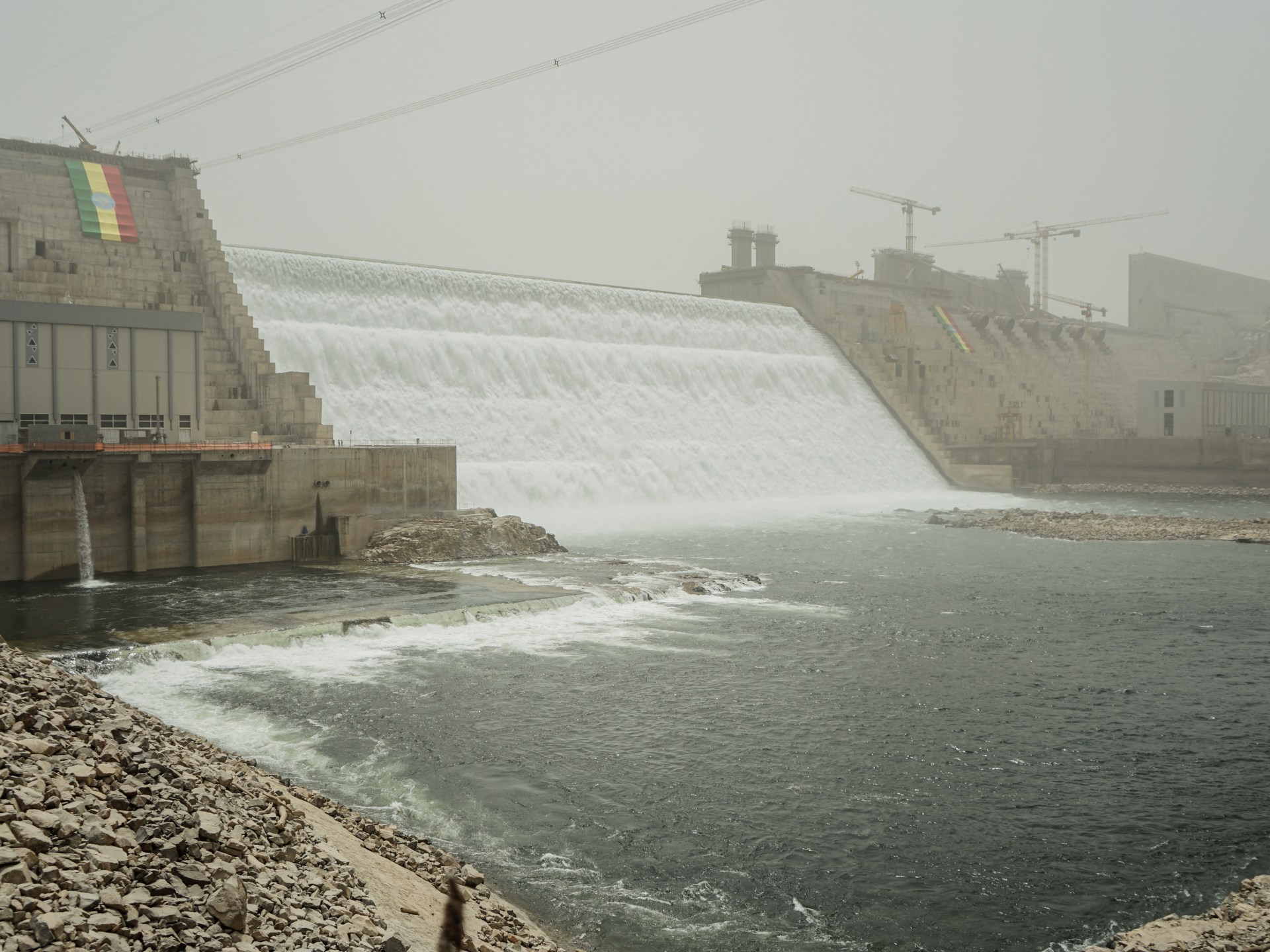
Egypt failed to prevent Ethiopia from building the Grand Ethiopian Renaissance Dam, and three new projects are creating another test of Cairo’s influence over Nile water infrastructure.
10:11 PMAl Jazeera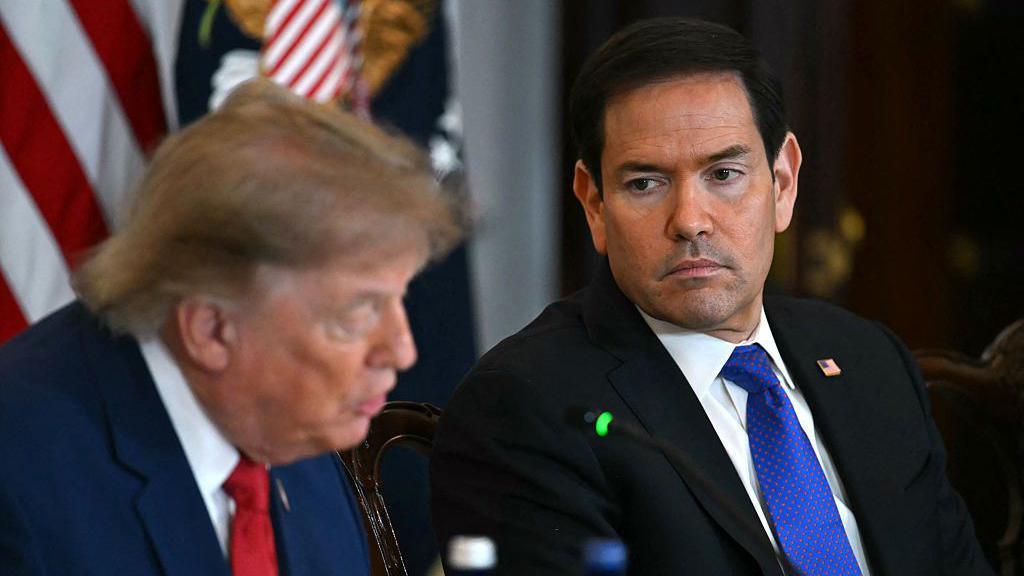
Secretary of State Marco Rubio announced new US sanctions targeting an international socialist institute and Cuba’s construction ministry, along with Cuban officials. The measures expand Washington’s pressure on the Cuban government and entities linked to it.
10:06 PMBBC
Antigovernment protests have continued across Tunisia for a second month as worsening economic conditions fuel public anger.
9:06 PMAl Jazeera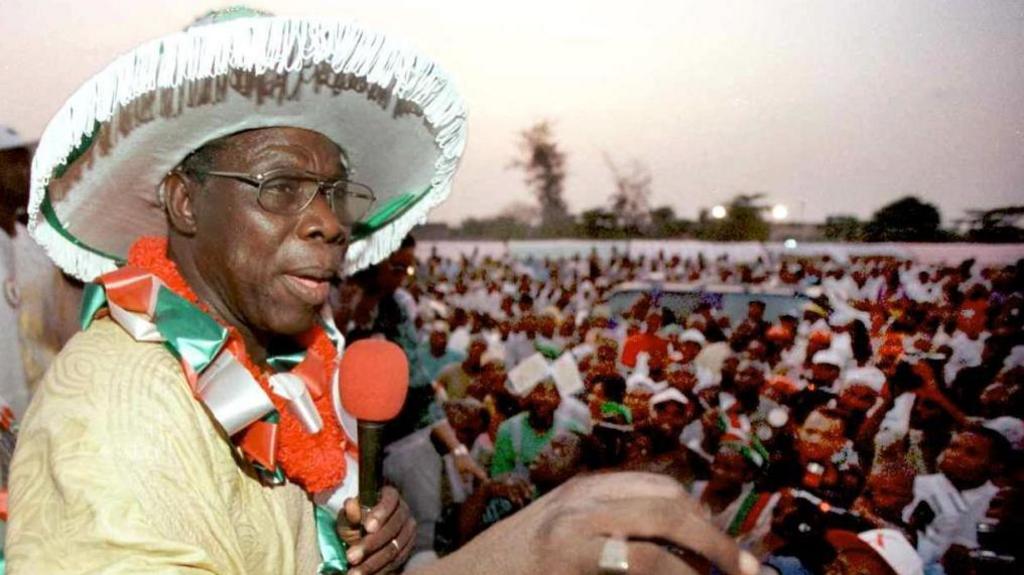
Nigeria's Peoples Democratic Party, once a dominant force in national politics, faces the prospect of political collapse after January's elections.
7:21 PMBBCThe White House has identified China as the center of an alleged transshipment network, while trading partners question the claim and China’s Commerce Ministry says it distorts the facts.
5:20 PMWWDWashington is seeking exemptions for US companies from parts of the European Union’s due diligence rules, which could reduce audits and information requests across global fashion supply chains.
5:03 PMWWDBrazil's electoral court is debating how campaigns may use artificial intelligence ahead of the country's elections. The discussion focuses on the rules needed to govern AI-generated political content.
4:05 PMBloomberg Markets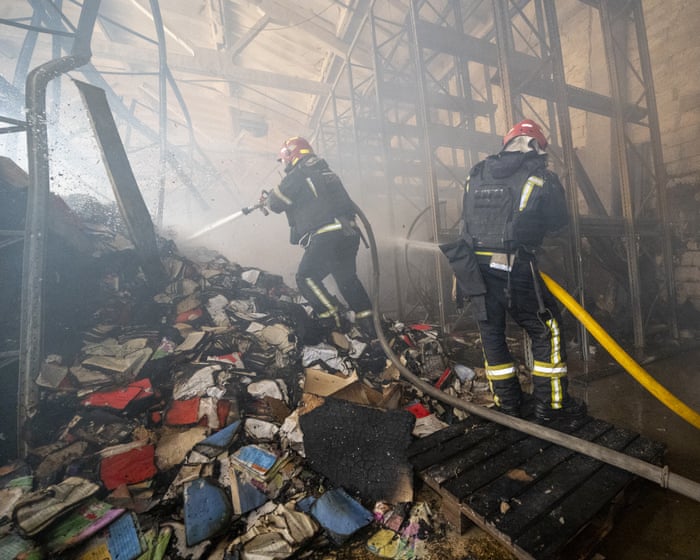
Russian attacks in July and early August destroyed about 10 million books and damaged a major share of Ukraine’s publishing and printing capacity. Ukrainian publishers are warning that some companies may collapse and are asking the international publishing community for help.
11:37 AMThe Guardian BooksSummary
Kim Jong Un's support for Russia's war in Ukraine is generating new construction activity and a surge in luxury-goods sales in North Korea. The inflow is giving elites and parts of the economy unusual access to money and imported goods.
The war has created a commercial dividend for Pyongyang by turning military cooperation with Moscow
Unlock the full First Pass Analysis to get a better understanding of why this story mattersWhy it matters
Russia's demand for North Korean support is providing Kim with resources and strategic room that sanctions had constrained.
Summary
Former Pakistani Prime Minister Imran Khan returned to prison after being transferred to a hospital for a medical evaluation.
The hospital transfer did not change Khan's detention, preserving the pressure on Pakistan's most prominent
Unlock the full First Pass Analysis to get a better understanding of why this story mattersWhy it matters
Khan's return to prison confirms that medical evaluation has not opened a path toward his release or political reentry.
Summary
Egypt failed to prevent Ethiopia from building the Grand Ethiopian Renaissance Dam, and three new projects are creating another test of Cairo’s influence over Nile water infrastructure.
The strategic question has shifted from stopping one major dam to managing a broader expansion
Unlock the full First Pass Analysis to get a better understanding of why this story mattersWhy it matters
More Ethiopian dams could deepen the dispute over Nile water security and narrow Egypt’s room to shape outcomes.
Summary
Secretary of State Marco Rubio announced new US sanctions targeting an international socialist institute and Cuba’s construction ministry, along with Cuban officials. The measures expand Washington’s pressure on the Cuban government and entities linked to it.
The new sanctions broaden US economic and political pressure beyond individual Cuban officials to state
Unlock the full First Pass Analysis to get a better understanding of why this story mattersWhy it matters
The sanctions increase the costs for Cuba’s government and for outside institutions that work with it.
Summary
Antigovernment protests have continued across Tunisia for a second month as worsening economic conditions fuel public anger.
Economic deterioration is turning scattered discontent into sustained pressure on the government. Continued mobilization could
Unlock the full First Pass Analysis to get a better understanding of why this story mattersWhy it matters
Persistent protests threaten to deepen Tunisia’s political instability and raise pressure for an economic response.
Summary
Nigeria's Peoples Democratic Party, once a dominant force in national politics, faces the prospect of political collapse after January's elections.
The decisive shift is the PDP's loss of electoral strength and organizational coherence. If it
Unlock the full First Pass Analysis to get a better understanding of why this story mattersWhy it matters
The PDP's decline could leave Nigeria with a weaker and less competitive opposition system.
Summary
The White House has identified China as the center of an alleged transshipment network, while trading partners question the claim and China’s Commerce Ministry says it distorts the facts.
The dispute turns a trade-enforcement allegation into a broader confrontation over evidence and blame. If
Unlock the full First Pass Analysis to get a better understanding of why this story mattersWhy it matters
Unproven transshipment claims could widen trade restrictions beyond China and unsettle global supply chains.
Summary
Washington is seeking exemptions for US companies from parts of the European Union’s due diligence rules, which could reduce audits and information requests across global fashion supply chains.
The proposed carveout would create different compliance standards for American firms operating in Europe. That
Unlock the full First Pass Analysis to get a better understanding of why this story mattersWhy it matters
The dispute could determine whether EU supply-chain rules apply consistently to foreign companies.
Summary
Brazil's electoral court is debating how campaigns may use artificial intelligence ahead of the country's elections. The discussion focuses on the rules needed to govern AI-generated political content.
The court's decision could shape how candidates use synthetic audio, video and text while setting
Unlock the full First Pass Analysis to get a better understanding of why this story mattersWhy it matters
Brazil is deciding how to police AI in elections before the technology becomes harder to distinguish from authentic campaign messaging.
Summary
Russian attacks in July and early August destroyed about 10 million books and damaged a major share of Ukraine’s publishing and printing capacity. Ukrainian publishers are warning that some companies may collapse and are asking the international publishing community for help.
The damage goes far beyond lost stock. Destroyed warehouses and production sites threaten the entire
Unlock the full First Pass Analysis to get a better understanding of why this story mattersWhy it matters
Protecting Ukraine’s book industry is also a way to preserve its language, culture and ability to tell its own story.
Make it yours
Pick your topics, set your cadence, and receive your personalized First Pass in your inbox. It’s that simple!