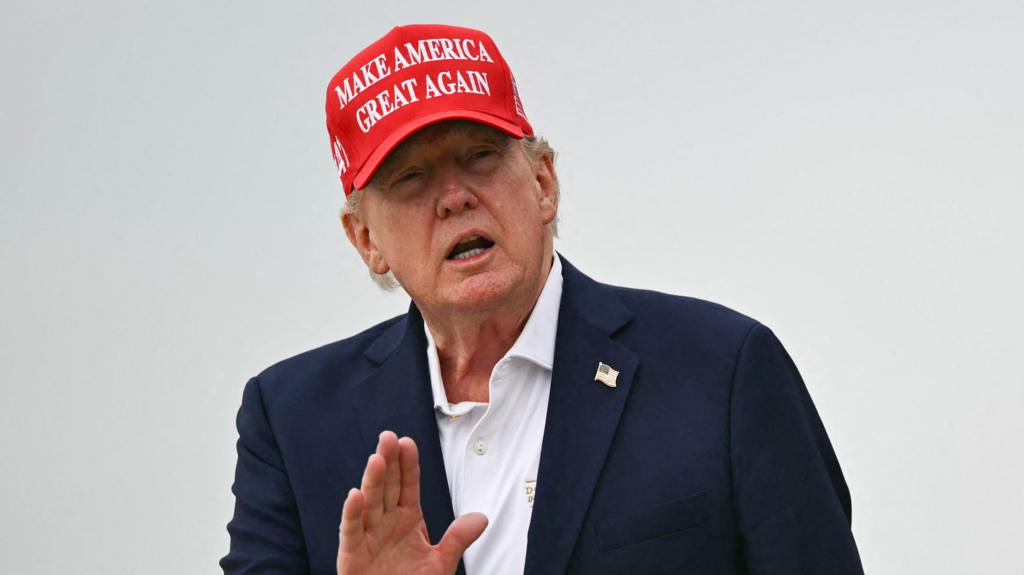
Trump has rejected an extension of the memorandum of understanding with Iran as the agreement expired, while the US claims control of the Strait of Hormuz. He also called on Iran to surrender.
8:00 PMAl Jazeera90 stories from 10 sources
Supporting Articles
Trump has rejected an extension of the memorandum of understanding with Iran as the agreement expired, while the US claims control of the Strait of Hormuz. He also called on Iran to surrender.
8:00 PMAl Jazeera
The conflict between the US and Iran has slowed, but prospects for a peace agreement are weakening as President Trump shows little urgency to negotiate. Trump says the US controls the Strait of Hormuz, while defense contractors work to expand missile supplies at lower cost.
6:00 PMBloomberg Markets
An interim US-Iran arrangement was meant to keep the Strait of Hormuz open while the two sides negotiated a final nuclear agreement over 60 days. Iran has ruled out extending that arrangement and threatened escalation.
1:42 PMCNBC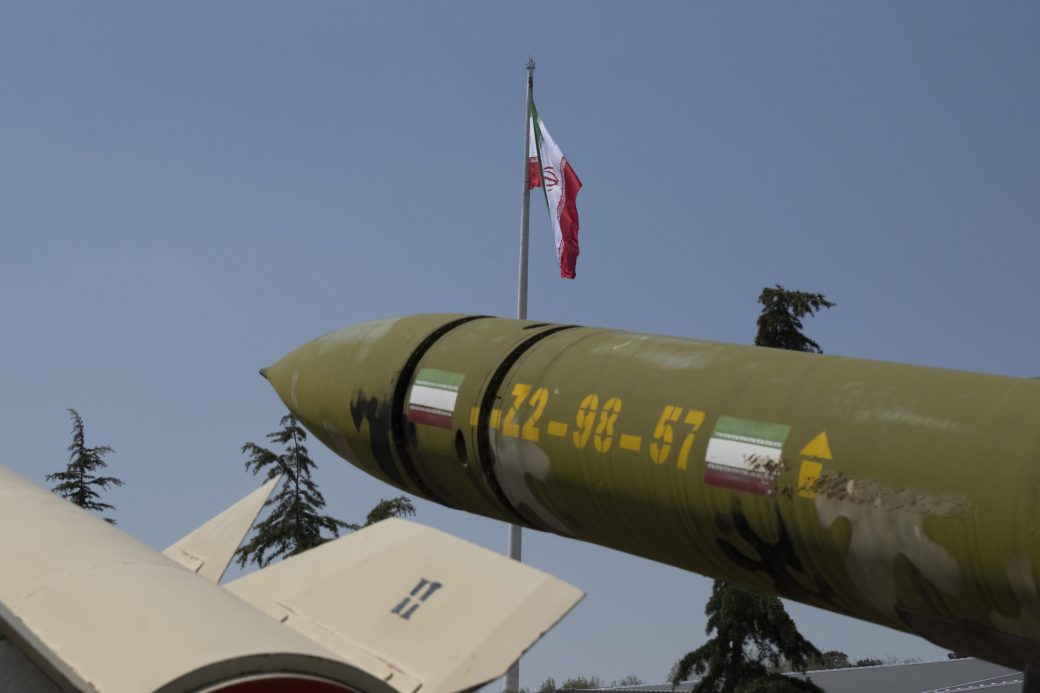
After shifting from direct strikes to economic pressure, the United States faces an Iranian threat to attack if Washington does not implement a June ceasefire deal within weeks. An Iranian official said Tehran is prepared to act to break the blockade.
12:20 PMFortune
US envoy Jared Kushner says Gaza will not be rebuilt until Hamas disarms. He also says the US will not restrict Israel's right to defend itself as Israeli strikes continue.
7:25 PMAl Jazeera
Jared Kushner met with Israeli Prime Minister Benjamin Netanyahu to push for movement on Gaza negotiations. Netanyahu has resisted withdrawing Israeli forces before Hamas disarms, while the Trump administration faces pressure to demonstrate progress.
5:23 PMThe New York Times
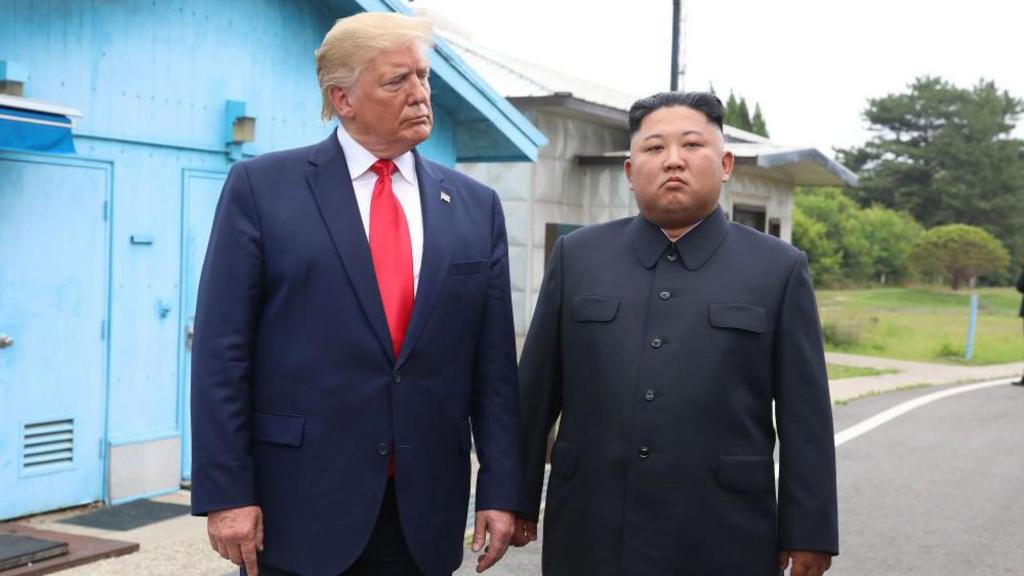
Trump says direct engagement with Kim Jong Un makes South Korea safer and that the North Korean leader has responded very positively. His comments present diplomacy with Pyongyang as a security measure rather than a concession.
9:58 PMAl Jazeera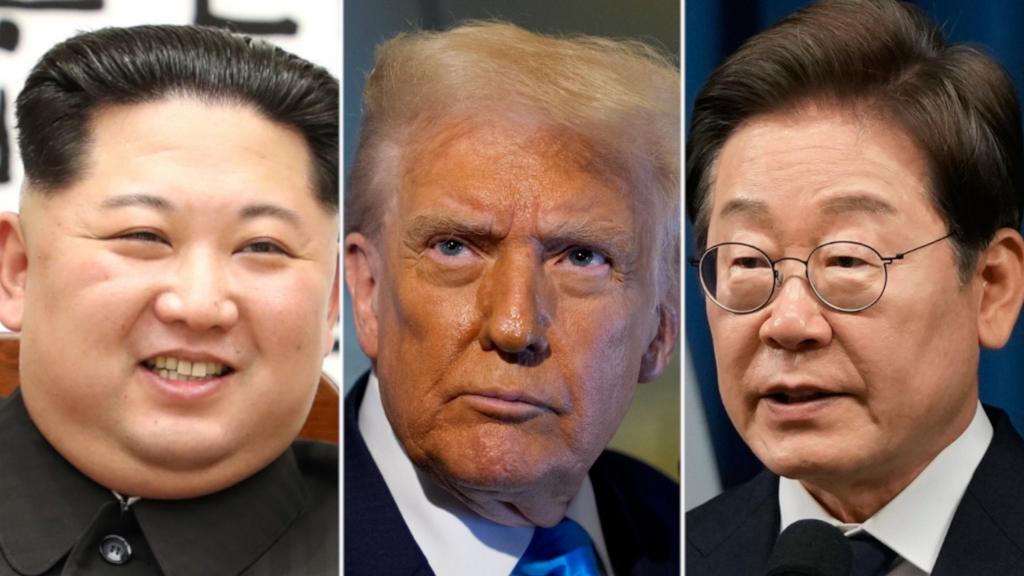
Trump says the United States will substantially reduce joint military exercises with South Korea, citing his very good relationship with Kim Jong Un. The policy shift links the future of the drills to his personal diplomacy with North Korea.
7:42 PMBBC
Hakainde Hichilema has been declared the winner of Zambia’s presidential election after a tumultuous campaign, securing a second term. His next government will also have to manage relations with the Trump administration, which wants greater access to Zambia’s copper resources.
10:21 PMThe New York Times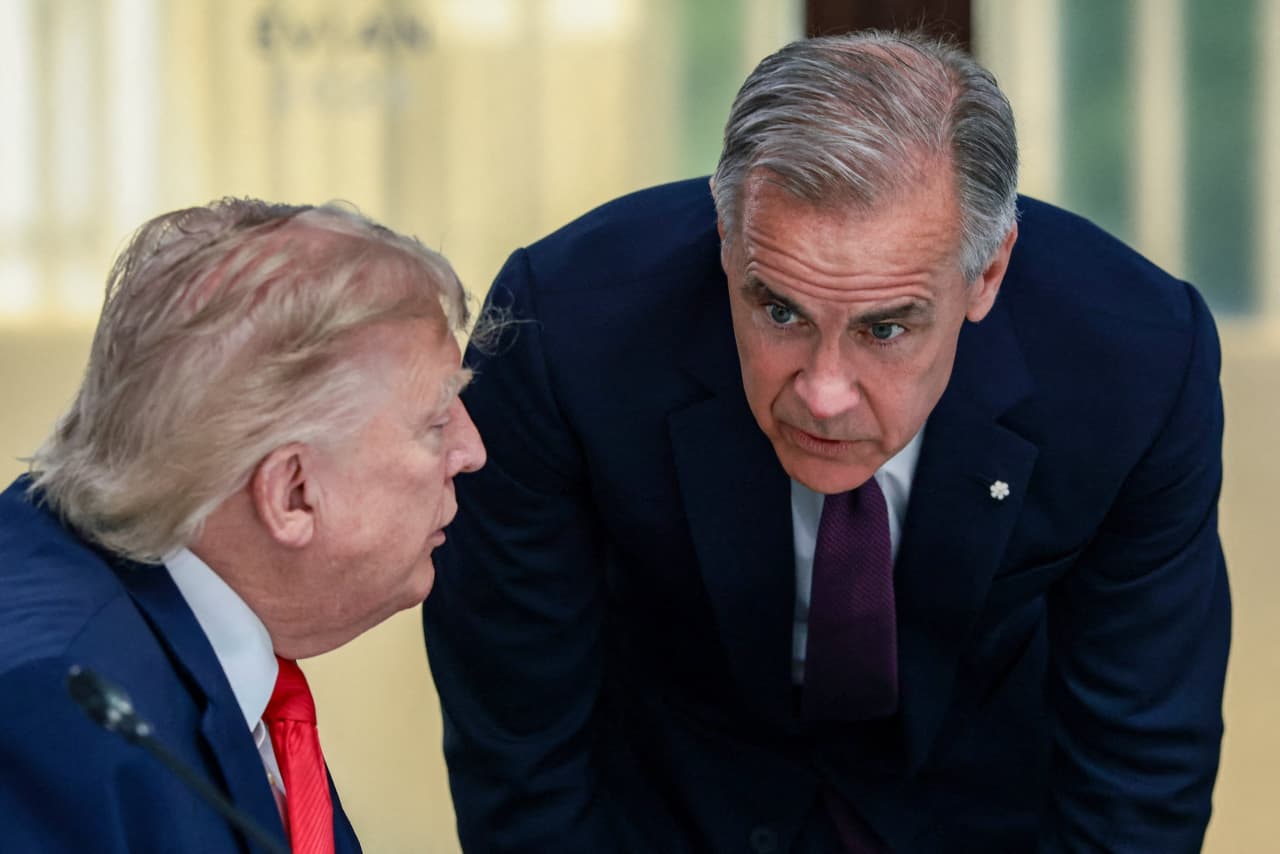
New 50% US import taxes could take effect Wednesday on Canadian products including liquor, hockey equipment and particle board. The measures would raise costs across consumer and construction-related supply chains.
4:28 PMMarketWatch
Canadian Prime Minister Mark Carney plans to speak with President Trump before a Wednesday deadline for tariffs covering $20 billion in trade. The call is intended to prevent the levies from taking effect.
3:42 PMFinancial Times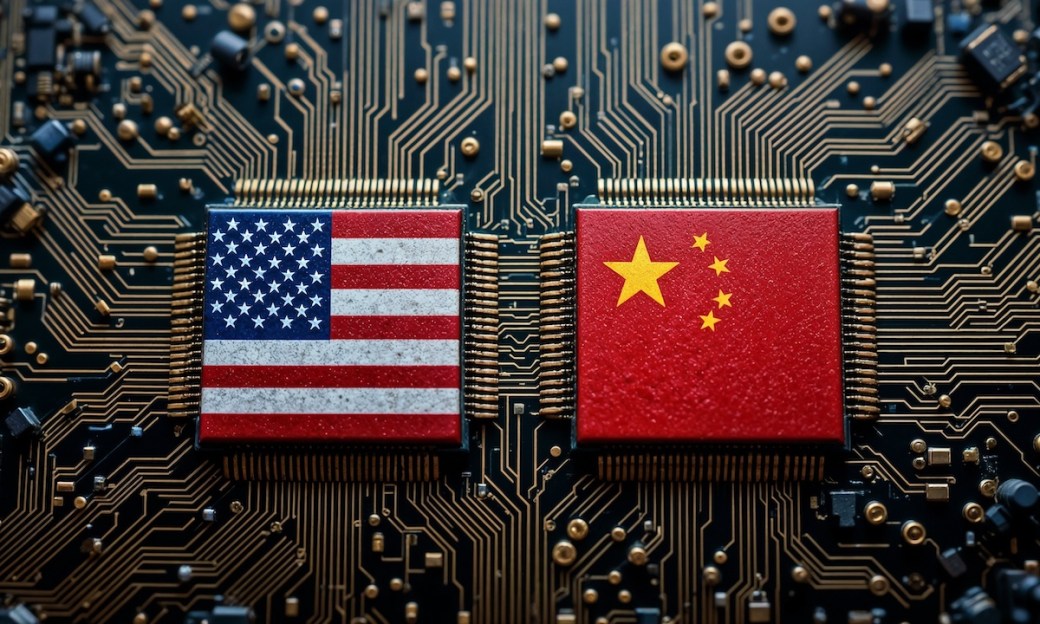
The United States is considering excluding countries from its Pax Silica artificial intelligence coalition if they also join a China-led AI group, according to a draft letter and a US official cited in the report.
11:50 AMPYMNTS
Russia struck port infrastructure in Ukraine's Odesa region after Kyiv launched one of its largest drone attacks on Moscow. The strike damaged a civilian vessel near Izmail that was flying the Togo flag.
5:46 AMCNBC
Russia’s only antiwar party has been barred from the ballot, but the attention surrounding it has injected energy into an otherwise tightly controlled election campaign. The party has become a vehicle for public discontent despite its exclusion.
3:39 PMThe New York TimesSummary
Trump has rejected an extension of the memorandum of understanding with Iran as the agreement expired, while the US claims control of the Strait of Hormuz. He also called on Iran to surrender.
The breakdown removes a diplomatic mechanism as military pressure around a vital global shipping route
Unlock the full First Pass Analysis to get a better understanding of why this story mattersWhy it matters
The loss of the agreement increases the risk that confrontation around Hormuz will disrupt global trade and oil markets.
4 stories · 4 sources
Summary
The conflict between the US and Iran has slowed, but prospects for a peace agreement are weakening as President Trump shows little urgency to negotiate. Trump says the US controls the Strait of Hormuz, while defense contractors work to expand missile supplies at lower cost.
The immediate shift is from active escalation toward an unstable pause, not a diplomatic breakthrough.
Unlock the full First Pass Analysis to get a better understanding of why this story mattersWhy it matters
A slower conflict can still deepen into a longer and more costly standoff.
Summary
An interim US-Iran arrangement was meant to keep the Strait of Hormuz open while the two sides negotiated a final nuclear agreement over 60 days. Iran has ruled out extending that arrangement and threatened escalation.
The immediate shift is the loss of a mechanism designed to prevent disruption in the
Unlock the full First Pass Analysis to get a better understanding of why this story mattersWhy it matters
A breakdown could raise energy prices and narrow the path to a broader US-Iran agreement.
Summary
After shifting from direct strikes to economic pressure, the United States faces an Iranian threat to attack if Washington does not implement a June ceasefire deal within weeks. An Iranian official said Tehran is prepared to act to break the blockade.
The core shift is from a military confrontation to a deadline-driven contest over sanctions, blockades,
Unlock the full First Pass Analysis to get a better understanding of why this story mattersWhy it matters
Failure to implement the ceasefire could turn economic coercion back into open conflict on a defined timetable.
Summary
US envoy Jared Kushner says Gaza will not be rebuilt until Hamas disarms. He also says the US will not restrict Israel's right to defend itself as Israeli strikes continue.
Reconstruction is being made conditional on a political and military outcome that remains unresolved. That
Unlock the full First Pass Analysis to get a better understanding of why this story mattersWhy it matters
Gaza's recovery now depends on disarmament negotiations that have not been secured.
Summary
Jared Kushner met with Israeli Prime Minister Benjamin Netanyahu to push for movement on Gaza negotiations. Netanyahu has resisted withdrawing Israeli forces before Hamas disarms, while the Trump administration faces pressure to demonstrate progress.
The deadlock rests on incompatible conditions: Israel wants disarmament before a military pullback, while negotiations
Unlock the full First Pass Analysis to get a better understanding of why this story mattersWhy it matters
Failure to bridge the demands could prolong the war, deepen Gaza’s humanitarian crisis, and expose divisions between Israel and the United States.
2 stories · 2 sources
Summary
Trump says direct engagement with Kim Jong Un makes South Korea safer and that the North Korean leader has responded very positively. His comments present diplomacy with Pyongyang as a security measure rather than a concession.
The administration is making personal contact with Kim the basis of its Korea strategy, despite
Unlock the full First Pass Analysis to get a better understanding of why this story mattersWhy it matters
The claim reframes engagement with Kim as a substitute for some traditional deterrence measures.
Summary
Trump says the United States will substantially reduce joint military exercises with South Korea, citing his very good relationship with Kim Jong Un. The policy shift links the future of the drills to his personal diplomacy with North Korea.
The decision could reduce immediate military friction, but it also removes a core element of
Unlock the full First Pass Analysis to get a better understanding of why this story mattersWhy it matters
A reduction in exercises changes the practical balance of the alliance even without a formal troop withdrawal.
4 stories · 3 sources
Summary
Hakainde Hichilema has been declared the winner of Zambia’s presidential election after a tumultuous campaign, securing a second term. His next government will also have to manage relations with the Trump administration, which wants greater access to Zambia’s copper resources.
Hichilema’s re-election strengthens his negotiating position, but US interest in Zambia’s minerals will test how
Unlock the full First Pass Analysis to get a better understanding of why this story mattersWhy it matters
Zambia’s election outcome could shape both its economic policy and the contest for critical minerals.
2 stories · 2 sources
Summary
New 50% US import taxes could take effect Wednesday on Canadian products including liquor, hockey equipment and particle board. The measures would raise costs across consumer and construction-related supply chains.
The proposed tariffs would hit sectors with visible consumer demand and close production links between
Unlock the full First Pass Analysis to get a better understanding of why this story mattersWhy it matters
The measures could turn a bilateral trade dispute into a broader cost increase for households and businesses on both sides of the border.
Summary
Canadian Prime Minister Mark Carney plans to speak with President Trump before a Wednesday deadline for tariffs covering $20 billion in trade. The call is intended to prevent the levies from taking effect.
Canada has limited time to secure an exemption or soften the terms before the tariffs
Unlock the full First Pass Analysis to get a better understanding of why this story mattersWhy it matters
A failure to reach a deal would add another shock to cross-border trade and deepen uncertainty for Canadian businesses.
Summary
The United States is considering excluding countries from its Pax Silica artificial intelligence coalition if they also join a China-led AI group, according to a draft letter and a US official cited in the report.
Washington is moving from partnership-building toward explicit technological bloc discipline. Countries that want access to
Unlock the full First Pass Analysis to get a better understanding of why this story mattersWhy it matters
AI cooperation is becoming a test of geopolitical alignment, not just a question of innovation policy.
Summary
Russia struck port infrastructure in Ukraine's Odesa region after Kyiv launched one of its largest drone attacks on Moscow. The strike damaged a civilian vessel near Izmail that was flying the Togo flag.
The exchange shows both sides expanding attacks against transport and port infrastructure, raising risks for
Unlock the full First Pass Analysis to get a better understanding of why this story mattersWhy it matters
Attacks near a major Ukrainian trade corridor increase the risks and costs facing civilian shipping in the Black Sea region.
Summary
Russia’s only antiwar party has been barred from the ballot, but the attention surrounding it has injected energy into an otherwise tightly controlled election campaign. The party has become a vehicle for public discontent despite its exclusion.
Banning the party has not erased its political appeal and may have amplified its symbolic
Unlock the full First Pass Analysis to get a better understanding of why this story mattersWhy it matters
Suppressing antiwar opposition may consolidate formal control while making the party a stronger focus for protest.
A curated list of other prominent stories from this day.

Ukraine is using rapid access to satellite imagery to support its drone operations and improve targeting. The technology gives Ukrainian forces faster battlefield information and helps connect surveillance with strike missions.
4:38 PMThe New York TimesColombia's leader is seeking tariff relief from President Trump after a powerful earthquake struck the country's western region. The appeal comes as Colombia continues to deal with the disaster's effects one week later.
4:33 PMWWDPeter Harrell said President Trump has not restored tariffs to their original levels because the war with Iran has pushed energy prices higher. He also said changes in US trade and investment policy have not yet appeared clearly in the data available to policymakers or the public.
3:45 PMBloomberg Markets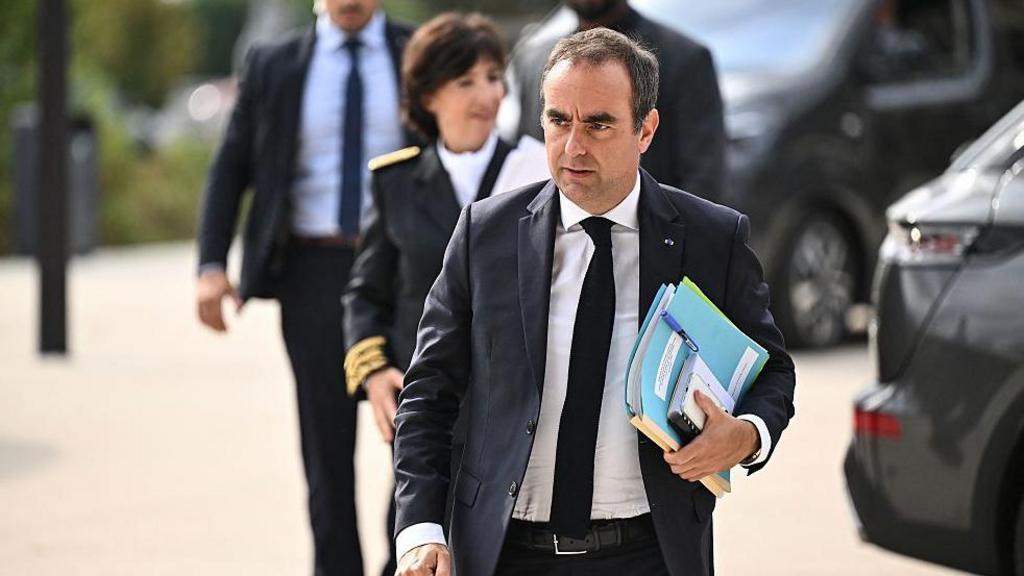
France’s prime minister faced heckling over the government’s wildfire response as fires continued across Europe. The government announced €12 million in aid for the hardest-hit French regions.
2:00 PMBBC
Lebanon and Syria are seeking to improve how their justice systems investigate crimes and apply punishment, but both still face serious institutional and political obstacles.
12:55 PMFinancial Times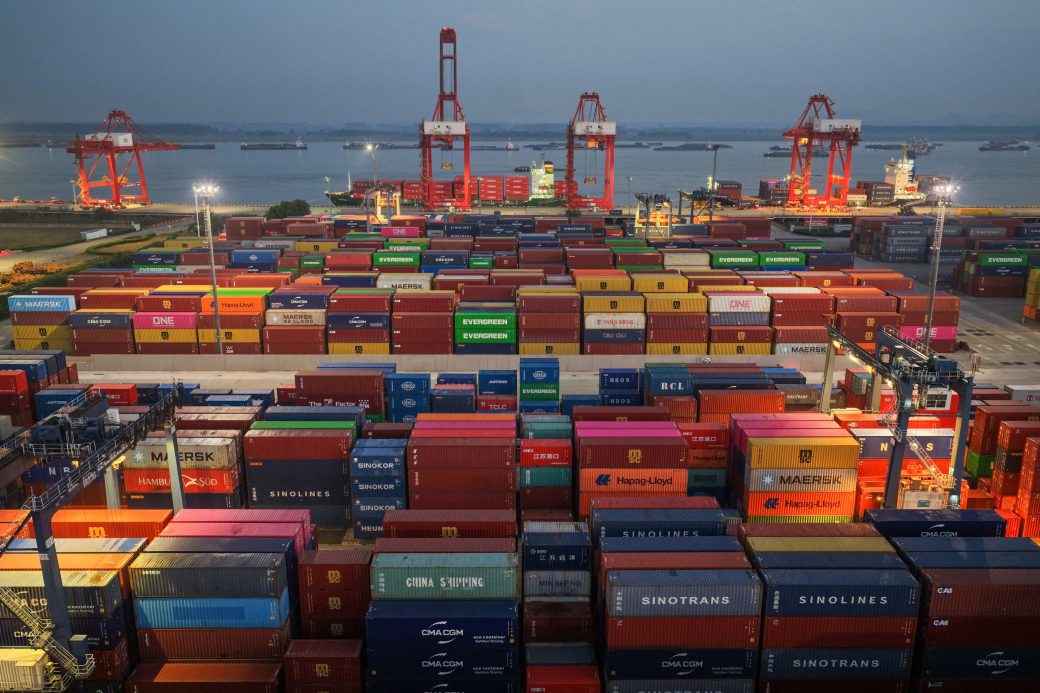
China, the European Union, and Singapore are challenging a White House report that claims Chinese goods rerouted through third countries cost the United States as much as $303 billion.
10:37 AMFortune
The conflict involving Iran is reshaping Middle Eastern alliances in ways that neither Washington nor Israel anticipated.
10:12 AMFinancial Times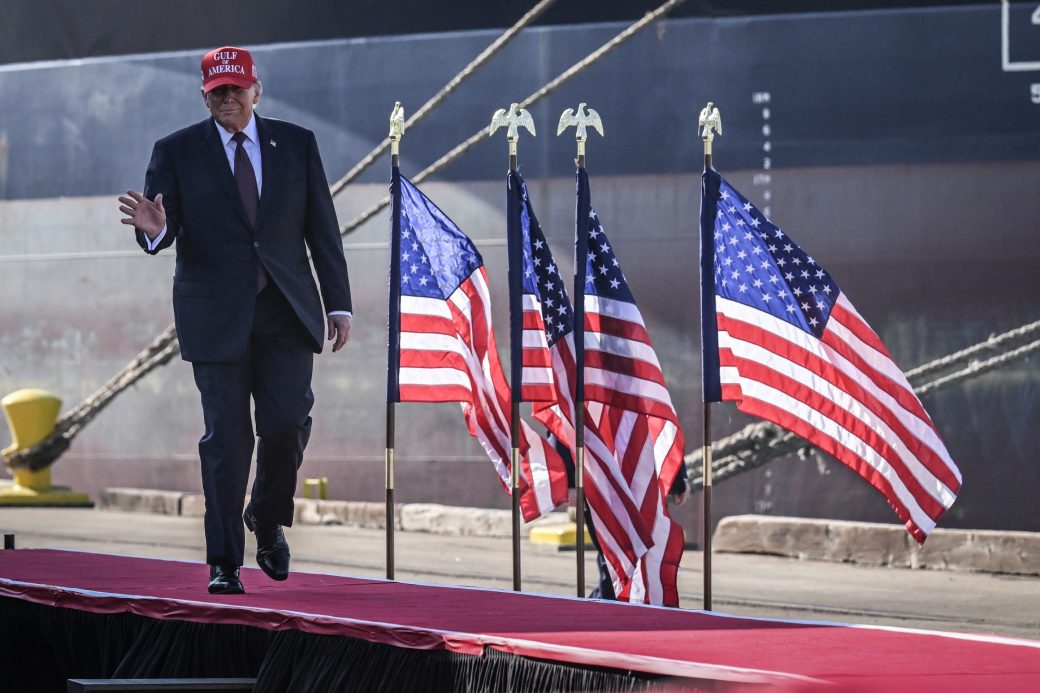
Seven months after Nicolás Maduro's capture, Alejandro Betancourt is brokering access to Venezuelan oil for smaller US producers as major American companies remain reluctant to enter, despite investigations surrounding him.
8:42 AMFortuneSummary
Ukraine is using rapid access to satellite imagery to support its drone operations and improve targeting. The technology gives Ukrainian forces faster battlefield information and helps connect surveillance with strike missions.
The decisive advantage is speed: satellite data can shorten the gap between finding a target
Unlock the full First Pass Analysis to get a better understanding of why this story mattersWhy it matters
The battlefield increasingly rewards whoever can turn space-based intelligence into rapid, precise action.
Summary
Colombia's leader is seeking tariff relief from President Trump after a powerful earthquake struck the country's western region. The appeal comes as Colombia continues to deal with the disaster's effects one week later.
The request links emergency recovery to trade policy, using the earthquake to seek relief from
Unlock the full First Pass Analysis to get a better understanding of why this story mattersWhy it matters
The episode shows how tariff policy is reaching beyond trade negotiations and into disaster response.
Summary
Peter Harrell said President Trump has not restored tariffs to their original levels because the war with Iran has pushed energy prices higher. He also said changes in US trade and investment policy have not yet appeared clearly in the data available to policymakers or the public.
The policy shift is moving faster than the evidence needed to measure its effects. Higher
Unlock the full First Pass Analysis to get a better understanding of why this story mattersWhy it matters
Markets and policymakers are making decisions before reliable data can show the economic cost of the new trade regime.
Summary
France’s prime minister faced heckling over the government’s wildfire response as fires continued across Europe. The government announced €12 million in aid for the hardest-hit French regions.
Public anger shows that emergency funding has not resolved concerns about preparedness and government response.
Unlock the full First Pass Analysis to get a better understanding of why this story mattersWhy it matters
Wildfires are becoming a test of climate resilience and political accountability across Europe.
Summary
Lebanon and Syria are seeking to improve how their justice systems investigate crimes and apply punishment, but both still face serious institutional and political obstacles.
The shift is from impunity toward more formal justice, but weak institutions and uneven enforcement
Unlock the full First Pass Analysis to get a better understanding of why this story mattersWhy it matters
More credible justice systems would reduce both domestic instability and the grievances that fuel renewed conflict.
Summary
China, the European Union, and Singapore are challenging a White House report that claims Chinese goods rerouted through third countries cost the United States as much as $303 billion.
The dispute is becoming a fight over the evidence used to justify broader trade restrictions.
Unlock the full First Pass Analysis to get a better understanding of why this story mattersWhy it matters
The report could provide the political basis for expanding US trade enforcement well beyond China.
Summary
The conflict involving Iran is reshaping Middle Eastern alliances in ways that neither Washington nor Israel anticipated.
The decisive change is that the conflict is producing new strategic alignments rather than simply
Unlock the full First Pass Analysis to get a better understanding of why this story mattersWhy it matters
The emerging alignment could weaken US influence and make future crises harder to contain.
Summary
Seven months after Nicolás Maduro's capture, Alejandro Betancourt is brokering access to Venezuelan oil for smaller US producers as major American companies remain reluctant to enter, despite investigations surrounding him.
The emerging deals place politically connected intermediaries at the center of Venezuela's post-Maduro oil opening.
Unlock the full First Pass Analysis to get a better understanding of why this story mattersWhy it matters
Venezuela's oil policy could become a test of whether America's transactional strategy delivers investment without entrenching opaque networks.
Make it yours
Pick your topics, set your cadence, and receive your personalized First Pass in your inbox. It’s that simple!