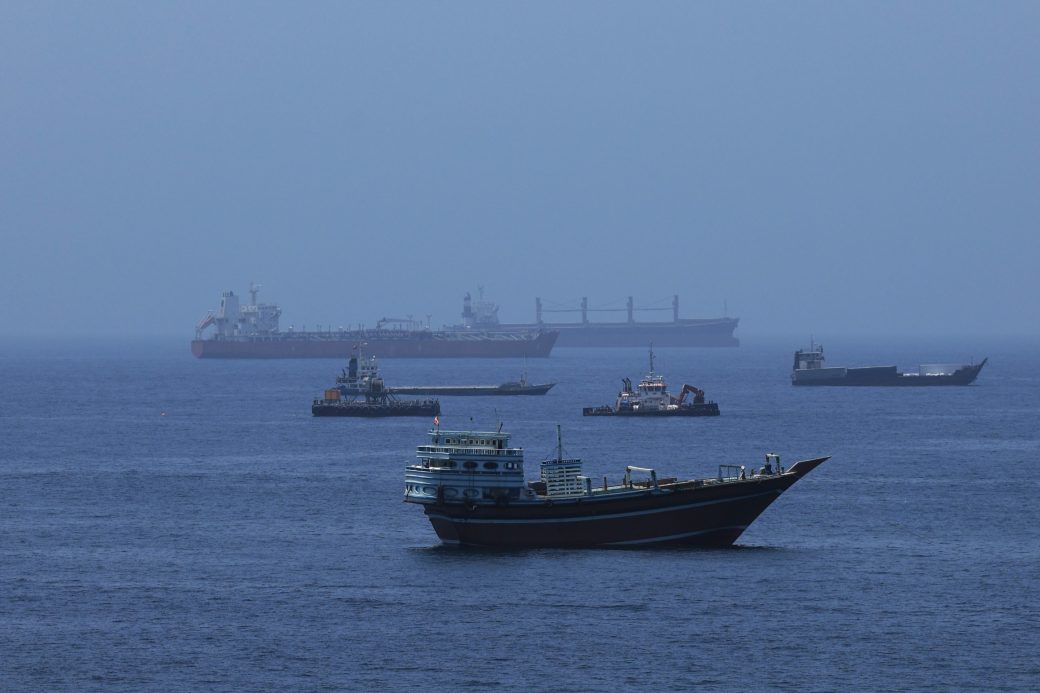
Iran and Oman say they have reached an agreement concerning shipping through the Strait of Hormuz, though the reported arrangement’s details and any US role remain unclear.
12:18 PMFortune75 stories from 8 sources
Supporting Articles
Iran and Oman say they have reached an agreement concerning shipping through the Strait of Hormuz, though the reported arrangement’s details and any US role remain unclear.
12:18 PMFortune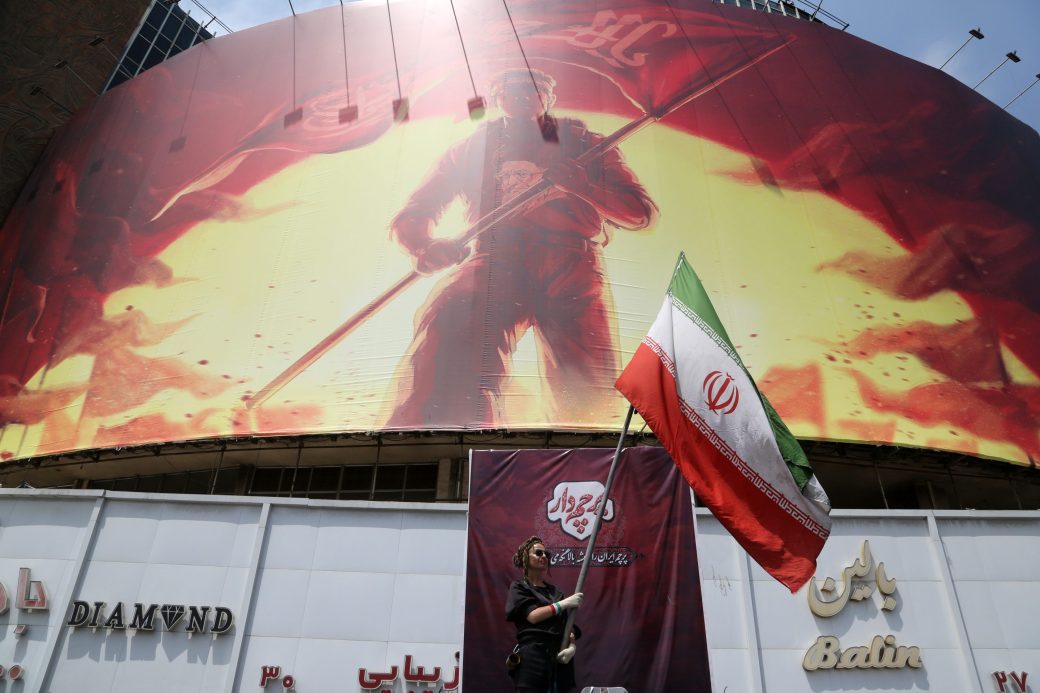
An emerging arrangement to reopen the Strait of Hormuz reportedly treats Iran as exercising control over the waterway, even without formal U.S. acknowledgment. The proposed outcome would require Washington to accept that reality to restore passage.
11:52 AMFortune
Iran’s chief negotiator accused President Donald Trump of pursuing theater diplomacy as traffic through the Strait of Hormuz approached a standstill. The confrontation is also placing Gulf energy infrastructure and other regional shipping chokepoints under renewed threat.
10:06 AMCNBC
Donald Trump said negotiations involving Iran and Oman over the Strait of Hormuz were progressing, despite Iranian lawmakers proposing a ban on US and Israeli vessels using the waterway. Oil prices rose, pushing Treasury yields higher and reviving concerns that the Federal Reserve may keep interest rates elevated.
5:59 AMBloomberg Markets
A US naval blockade appears to have halted tankers from carrying Iranian crude, leaving Kharg Island, the country’s main oil export hub, largely inactive. The disruption is constraining Tehran’s ability to monetize its primary export.
8:29 AMFinancial Times
The US Senate approved a sanctions package described as its strongest move against Russia under President Trump. The measures could also impose costs on India and China through their economic ties with Moscow.
11:20 PMAl JazeeraNew Zealand announced new sanctions on individuals and entities supporting Russia’s war against Ukraine. The measures follow a US Senate bill targeting Russian oil and gas revenues.
8:58 PMBloomberg Markets
The Senate passed a bill that would impose new sanctions on entities purchasing Russian oil, sending it to the House for consideration.
3:21 PMCNBC
A new defence pact among regional powers reflects efforts to strengthen security cooperation outside a solely US-led framework. Analysts say the partners still want US support while building additional options.
9:29 PMAl Jazeera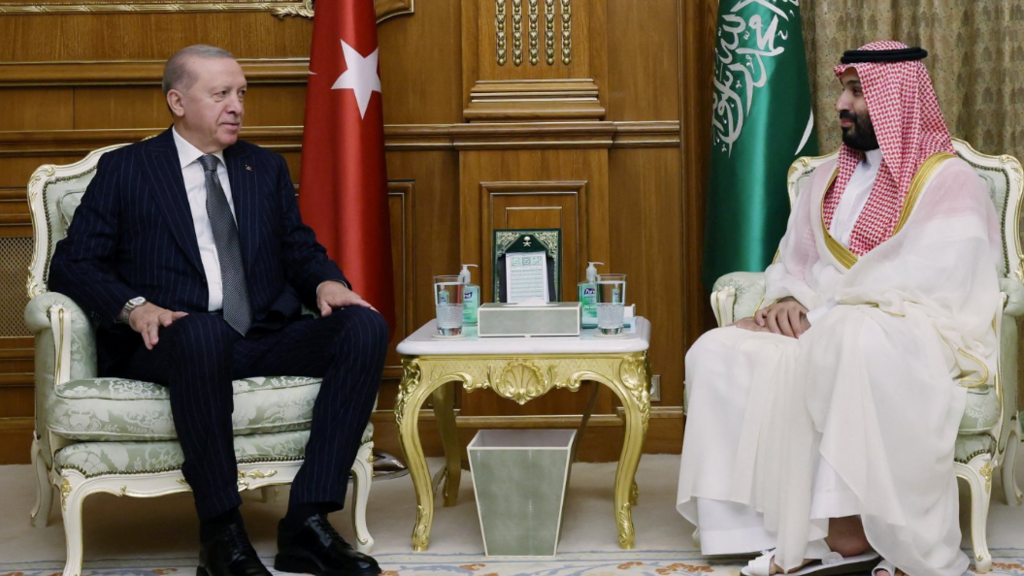
Saudi Arabia, Turkey and Pakistan signed a defence agreement declaring that an attack on one country would be treated as an attack on all three, amid heightened conflict in the Middle East.
1:42 PMBBC
The C.I.A. has created a secret task force focused on Cuba as the Trump administration increases pressure on Havana. The unit can rapidly direct financial, human, and technical resources toward efforts to divide Cuba's political elite.
9:24 PMThe New York Times
The United States is considering who could lead Cuba as pressure on the government intensifies, while some officials warn that a harder-line successor could emerge if Washington advances its plans.
6:35 PMThe New York Times
Right-wing politician Abelardo De La Espriella took office after narrowly winning Colombia’s June presidential runoff. He made the fight against armed groups and drug trafficking the central pledge of his presidency.
9:15 PMAl Jazeera
Abelardo De La Espriella was sworn in as Colombia’s president, replacing leftist leader Gustavo Petro. His inauguration extends the rightward shift visible in parts of Latin America and centers on a promised crackdown against armed groups.
8:31 PMAl JazeeraUkraine's agricultural shipments could fall by more than half this season after Russian attacks disrupted Black Sea ports. The damage threatens the country's largest source of export revenue.
10:50 AMBloomberg Markets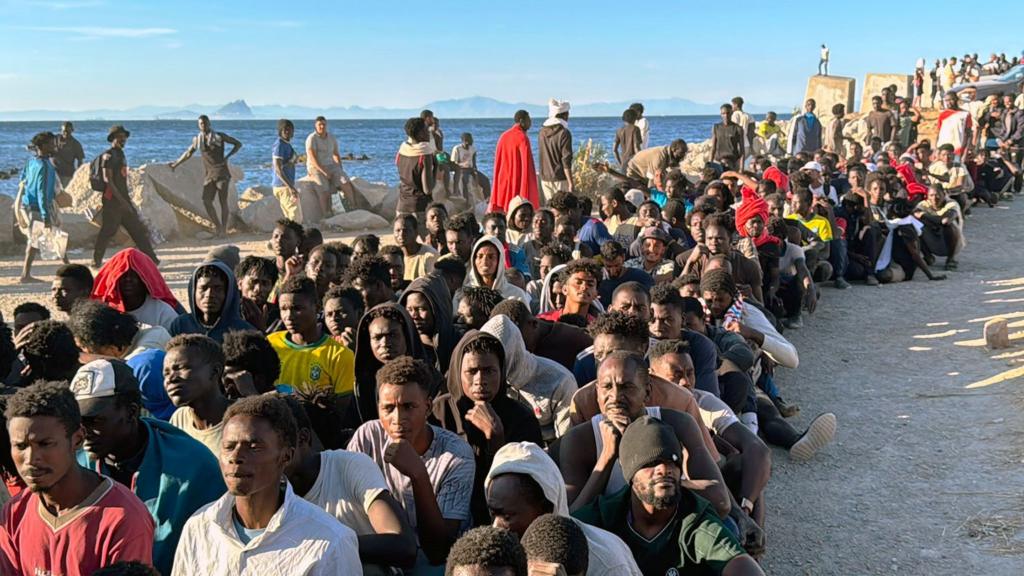
Spain has threatened retaliation if Italy does not lift border controls imposed after the mass crossing of migrants into Ceuta, while Rome rejects what it calls ultimatums.
10:25 AMBBCSummary
Iran and Oman say they have reached an agreement concerning shipping through the Strait of Hormuz, though the reported arrangement’s details and any US role remain unclear.
The announcement suggests Tehran and Muscat are trying to manage maritime risks through a regional
Unlock the full First Pass Analysis to get a better understanding of why this story mattersWhy it matters
Any reduction in Hormuz shipping risk could affect global energy markets and the scope of US involvement in Gulf security.
Summary
An emerging arrangement to reopen the Strait of Hormuz reportedly treats Iran as exercising control over the waterway, even without formal U.S. acknowledgment. The proposed outcome would require Washington to accept that reality to restore passage.
A reopening deal based on implicit Iranian control would prioritize shipping access over a direct
Unlock the full First Pass Analysis to get a better understanding of why this story mattersWhy it matters
The agreement could trade short-term energy stability for a lasting shift in regional power.
Summary
Iran’s chief negotiator accused President Donald Trump of pursuing theater diplomacy as traffic through the Strait of Hormuz approached a standstill. The confrontation is also placing Gulf energy infrastructure and other regional shipping chokepoints under renewed threat.
Near cessation of traffic shows that the dispute has already imposed economic costs before any
Unlock the full First Pass Analysis to get a better understanding of why this story mattersWhy it matters
Hormuz disruption can quickly transmit geopolitical risk into oil prices, inflation and global supply chains.
Summary
Donald Trump said negotiations involving Iran and Oman over the Strait of Hormuz were progressing, despite Iranian lawmakers proposing a ban on US and Israeli vessels using the waterway. Oil prices rose, pushing Treasury yields higher and reviving concerns that the Federal Reserve may keep interest rates elevated.
The talks now face a direct contradiction: Washington signals diplomatic progress while Iranian lawmakers consider
Unlock the full First Pass Analysis to get a better understanding of why this story mattersWhy it matters
A fragile diplomatic opening is colliding with a policy threat that could quickly become a global energy and inflation shock.
Summary
A US naval blockade appears to have halted tankers from carrying Iranian crude, leaving Kharg Island, the country’s main oil export hub, largely inactive. The disruption is constraining Tehran’s ability to monetize its primary export.
The blockade has shifted pressure from sanctions enforcement to the physical movement of oil. Prolonged
Unlock the full First Pass Analysis to get a better understanding of why this story mattersWhy it matters
A sustained halt at Kharg would turn geopolitical pressure on Iran into a direct shock for oil flows and government finances.
Summary
The US Senate approved a sanctions package described as its strongest move against Russia under President Trump. The measures could also impose costs on India and China through their economic ties with Moscow.
The sanctions broaden the pressure from Russia to countries that continue trading with it, raising
Unlock the full First Pass Analysis to get a better understanding of why this story mattersWhy it matters
The package could turn the Russia sanctions regime into a wider contest over global trade and strategic alignment.
Summary
New Zealand announced new sanctions on individuals and entities supporting Russia’s war against Ukraine. The measures follow a US Senate bill targeting Russian oil and gas revenues.
New Zealand is aligning its economic pressure with a tougher US approach to Russia’s energy
Unlock the full First Pass Analysis to get a better understanding of why this story mattersWhy it matters
The US bill is already pushing allied governments toward a broader sanctions campaign against Russia’s energy trade.
Summary
The Senate passed a bill that would impose new sanctions on entities purchasing Russian oil, sending it to the House for consideration.
The lopsided Senate vote gives the measure momentum, but House approval and presidential implementation remain
Unlock the full First Pass Analysis to get a better understanding of why this story mattersWhy it matters
The bill could tighten economic pressure on Russia and constrain the administration's flexibility on sanctions policy.
2 stories · 2 sources
Summary
A new defence pact among regional powers reflects efforts to strengthen security cooperation outside a solely US-led framework. Analysts say the partners still want US support while building additional options.
The pact signals that regional states are hedging against uncertainty about US commitments rather than
Unlock the full First Pass Analysis to get a better understanding of why this story mattersWhy it matters
Middle Eastern partners are beginning to diversify their security relationships as confidence in exclusive reliance on the US weakens.
Summary
Saudi Arabia, Turkey and Pakistan signed a defence agreement declaring that an attack on one country would be treated as an attack on all three, amid heightened conflict in the Middle East.
The pact creates a new security commitment linking three influential Muslim-majority states, though its practical
Unlock the full First Pass Analysis to get a better understanding of why this story mattersWhy it matters
The agreement signals a move toward regional security arrangements less dependent on explicit US guarantees.
2 stories · 2 sources
Summary
The C.I.A. has created a secret task force focused on Cuba as the Trump administration increases pressure on Havana. The unit can rapidly direct financial, human, and technical resources toward efforts to divide Cuba's political elite.
The task force shifts U.S. policy toward a more targeted covert effort to influence Cuba's
Unlock the full First Pass Analysis to get a better understanding of why this story mattersWhy it matters
Washington is moving beyond economic pressure toward an organized attempt to alter the balance of power inside Cuba.
Summary
The United States is considering who could lead Cuba as pressure on the government intensifies, while some officials warn that a harder-line successor could emerge if Washington advances its plans.
US pressure is now shaping not only Cuba’s present government but also the contest over
Unlock the full First Pass Analysis to get a better understanding of why this story mattersWhy it matters
Attempts to engineer a post-Castro outcome could create a less cooperative government than the one Washington seeks to replace.
Summary
Right-wing politician Abelardo De La Espriella took office after narrowly winning Colombia’s June presidential runoff. He made the fight against armed groups and drug trafficking the central pledge of his presidency.
De La Espriella’s mandate rests on a narrow victory and a promise to intensify security
Unlock the full First Pass Analysis to get a better understanding of why this story mattersWhy it matters
Colombia is shifting toward a harder security policy at a moment when the government’s room for error is limited.
Summary
Abelardo De La Espriella was sworn in as Colombia’s president, replacing leftist leader Gustavo Petro. His inauguration extends the rightward shift visible in parts of Latin America and centers on a promised crackdown against armed groups.
The transfer of power moves Colombia away from Petro’s leftist agenda and toward a security-first
Unlock the full First Pass Analysis to get a better understanding of why this story mattersWhy it matters
Colombia’s political turn could reshape its approach to security, peace negotiations, and regional alignment.
Summary
Ukraine's agricultural shipments could fall by more than half this season after Russian attacks disrupted Black Sea ports. The damage threatens the country's largest source of export revenue.
The immediate shift is from wartime logistics disruption to a major external-financing risk for Kyiv.
Unlock the full First Pass Analysis to get a better understanding of why this story mattersWhy it matters
A hit to Ukraine's grain exports would weaken its finances while adding pressure to global food markets.
Summary
Spain has threatened retaliation if Italy does not lift border controls imposed after the mass crossing of migrants into Ceuta, while Rome rejects what it calls ultimatums.
Spain is moving from diplomatic pressure toward reciprocal action, while Italy is framing the issue
Unlock the full First Pass Analysis to get a better understanding of why this story mattersWhy it matters
Retaliatory border measures could make migration disputes more disruptive across Europe.
2 stories · 2 sources
A curated list of other prominent stories from this day.

Saudi Arabia’s intelligence chief met Iraqi Prime Minister Ali al-Zaidi and renewed an invitation for him to visit Riyadh. The outreach follows al-Zaidi’s cancellation of an earlier trip after deadly US-Saudi strikes on Iraq on July 29.
11:42 PMAl Jazeera
Prime Minister Mark Carney is offering concessions to the United States in an effort to prevent 50 percent tariffs on many Canadian goods scheduled for this month. Canada is seeking a comprehensive trade agreement rather than a narrow arrangement limited to individual products.
10:39 AMThe New York Times
Ukrainian emergency workers say Russian drones are increasingly targeting hospitals, ambulances and the medics responding to attacks. The strikes are making routine rescue work itself a frontline risk.
8:02 PMBBC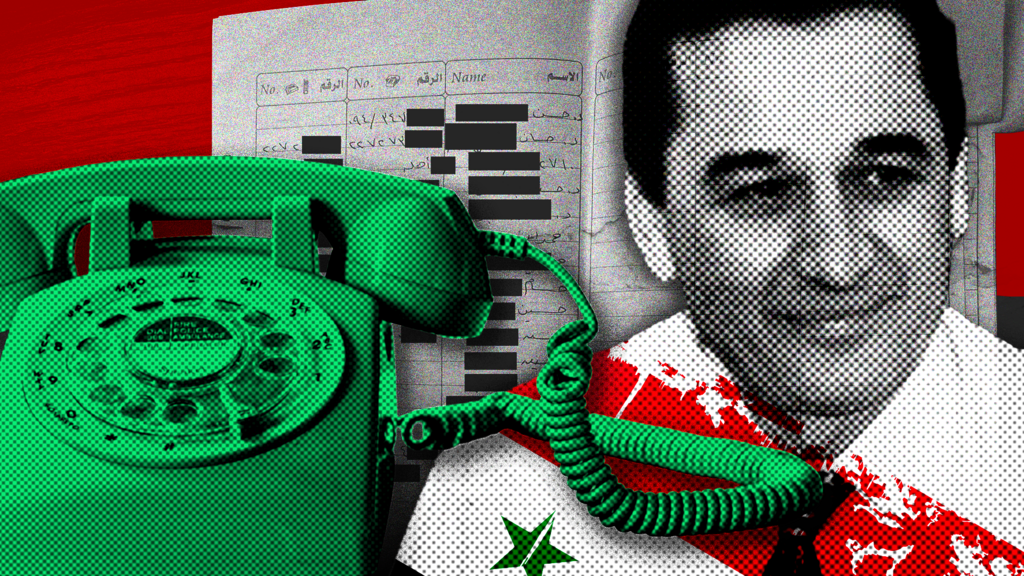
An investigation traces the hiding place of a former senior Syrian intelligence official known as The Spider, once among the regime's most feared figures. A phone book and other records helped identify his network and location.
7:23 PMBBC
The Houthis claimed responsibility for an attack on a Yemeni military camp as tensions with the government intensify. The escalation is raising fears that a truce in place since 2022 could collapse.
4:44 PMThe New York Times
As the war in Iran continues, Iranians say President Trump has failed to deliver on promises of support for protesters and a broader effort to extricate the United States from the conflict.
2:56 PMThe New York Times
Markets rallied after the Trump administration signaled possible progress toward an Iran deal, even though no agreement materialized. Analysts are questioning how long investors will continue responding to such signals as US oil and weapons inventories reportedly tighten.
1:50 PMCNBCA Chinese diplomat said the US-China trade war severely disrupted soybean flows between the two countries, describing the trade relationship as a “tortuous experience.”
12:43 PMBloomberg MarketsBrazil sharply reduced deforestation through stricter enforcement, but forest destruction has shifted across the border into Bolivia, creating a new center of pressure in the Amazon.
11:39 AMBloomberg Markets
Chinese AI companies have narrowed the performance gap with leading U.S. labs through recent advances in model development. The U.S. still holds a substantial edge in the broader infrastructure and technology ecosystem supporting frontier AI.
7:19 AMCNBC
EU candidate countries are seeking progress after years of stalled enlargement, but officials in Brussels remain divided over whether to admit new members. The debate reflects uncertainty about the bloc’s readiness to expand and the conditions candidates must meet.
12:00 AMFinancial TimesSummary
Saudi Arabia’s intelligence chief met Iraqi Prime Minister Ali al-Zaidi and renewed an invitation for him to visit Riyadh. The outreach follows al-Zaidi’s cancellation of an earlier trip after deadly US-Saudi strikes on Iraq on July 29.
The renewed invitation signals an effort to keep Saudi-Iraqi relations from deteriorating after the strikes.
Unlock the full First Pass Analysis to get a better understanding of why this story mattersWhy it matters
The exchange tests whether Saudi Arabia and Iraq can contain tensions that could widen regional instability.
Summary
Prime Minister Mark Carney is offering concessions to the United States in an effort to prevent 50 percent tariffs on many Canadian goods scheduled for this month. Canada is seeking a comprehensive trade agreement rather than a narrow arrangement limited to individual products.
The immediate risk is a sharp escalation in tariffs that could disrupt cross-border trade and
Unlock the full First Pass Analysis to get a better understanding of why this story mattersWhy it matters
The talks could determine whether North American businesses face a major new tariff shock or retain relatively stable cross-border access.
Summary
Ukrainian emergency workers say Russian drones are increasingly targeting hospitals, ambulances and the medics responding to attacks. The strikes are making routine rescue work itself a frontline risk.
The shift from attacking infrastructure to pursuing rescuers raises the cost of every Russian strike
Unlock the full First Pass Analysis to get a better understanding of why this story mattersWhy it matters
Targeting medics turns civilian rescue operations into a deliberate vulnerability and increases the human cost of each attack.
Summary
An investigation traces the hiding place of a former senior Syrian intelligence official known as The Spider, once among the regime's most feared figures. A phone book and other records helped identify his network and location.
The discovery shows how remnants of Assad's security apparatus can remain embedded through personal and
Unlock the full First Pass Analysis to get a better understanding of why this story mattersWhy it matters
Finding a feared intelligence chief shifts Syria's post-Assad reckoning from political promises toward the practical question of accountability.
Summary
The Houthis claimed responsibility for an attack on a Yemeni military camp as tensions with the government intensify. The escalation is raising fears that a truce in place since 2022 could collapse.
The reported attack puts the long-running truce under direct pressure and increases the risk that
Unlock the full First Pass Analysis to get a better understanding of why this story mattersWhy it matters
A collapse of the truce would threaten Yemen's fragile stability and revive a major regional conflict.
Summary
As the war in Iran continues, Iranians say President Trump has failed to deliver on promises of support for protesters and a broader effort to extricate the United States from the conflict.
The prolonged war has turned Trump’s promises into a credibility problem among the Iranians he
Unlock the full First Pass Analysis to get a better understanding of why this story mattersWhy it matters
The gap between US rhetoric and action is eroding influence among Iranian opponents of the government.
Summary
Markets rallied after the Trump administration signaled possible progress toward an Iran deal, even though no agreement materialized. Analysts are questioning how long investors will continue responding to such signals as US oil and weapons inventories reportedly tighten.
Markets are pricing the prospect of de-escalation before evidence of a durable agreement exists. That
Unlock the full First Pass Analysis to get a better understanding of why this story mattersWhy it matters
Investor confidence in diplomatic hints may be masking rising operational risks in a conflict-sensitive region.
Summary
A Chinese diplomat said the US-China trade war severely disrupted soybean flows between the two countries, describing the trade relationship as a “tortuous experience.”
Tariffs turned a major agricultural trade route into a source of political and supply-chain risk.
Unlock the full First Pass Analysis to get a better understanding of why this story mattersWhy it matters
The dispute showed how quickly geopolitical conflict can reshape food markets and damage industries far beyond the negotiating table.
Summary
Brazil sharply reduced deforestation through stricter enforcement, but forest destruction has shifted across the border into Bolivia, creating a new center of pressure in the Amazon.
Brazil’s progress may be displacing rather than eliminating environmental damage. Bolivia now faces greater pressure
Unlock the full First Pass Analysis to get a better understanding of why this story mattersWhy it matters
Deforestation can migrate across borders, making national enforcement gains insufficient without coordinated Amazon-wide action.
Summary
Chinese AI companies have narrowed the performance gap with leading U.S. labs through recent advances in model development. The U.S. still holds a substantial edge in the broader infrastructure and technology ecosystem supporting frontier AI.
China’s faster progress raises the competitive pressure on U.S. labs and could weaken the impact
Unlock the full First Pass Analysis to get a better understanding of why this story mattersWhy it matters
The AI race is becoming a contest over industrial capacity and supply chains, not only which country produces the best model.
Summary
EU candidate countries are seeking progress after years of stalled enlargement, but officials in Brussels remain divided over whether to admit new members. The debate reflects uncertainty about the bloc’s readiness to expand and the conditions candidates must meet.
The central shift is from long-term aspiration to a test of political commitment. Candidate governments
Unlock the full First Pass Analysis to get a better understanding of why this story mattersWhy it matters
The enlargement decision will shape the EU’s political reach and credibility with countries waiting for membership.
Make it yours
Pick your topics, set your cadence, and receive your personalized First Pass in your inbox. It’s that simple!

