
President Trump said negotiations with Iran had made progress and cited that progress when canceling a threatened weekend attack. Iran denied that any talks with the United States were currently taking place.
4:06 PMThe New York Times90 stories from 10 sources
Supporting Articles
President Trump said negotiations with Iran had made progress and cited that progress when canceling a threatened weekend attack. Iran denied that any talks with the United States were currently taking place.
4:06 PMThe New York Times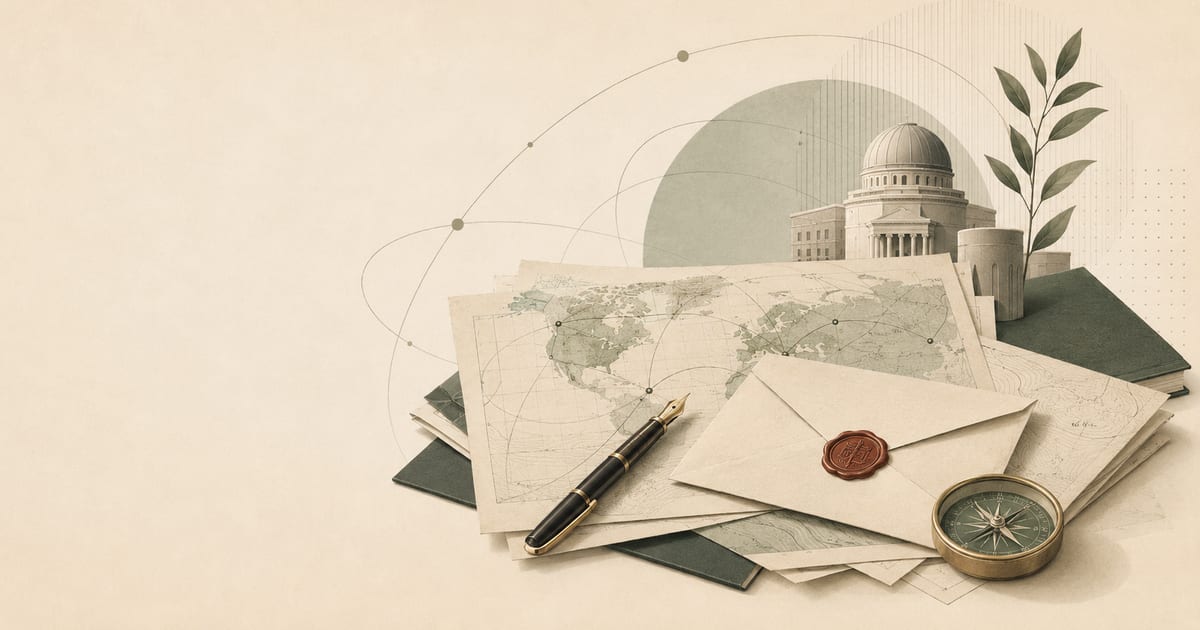
President Donald Trump described his latest offer of talks as Iran's last chance, after calling off what he characterized as a major attack on the country. He warned that Iran would face military action if it did not move quickly toward an agreement.
3:24 PMBloomberg Markets
US stocks moved close to a record high while oil prices fell after Donald Trump said talks with Iran were under way. Washington and Tehran offered conflicting accounts of the negotiations, leaving markets to price both de-escalation and renewed risk.
10:56 PMAl Jazeera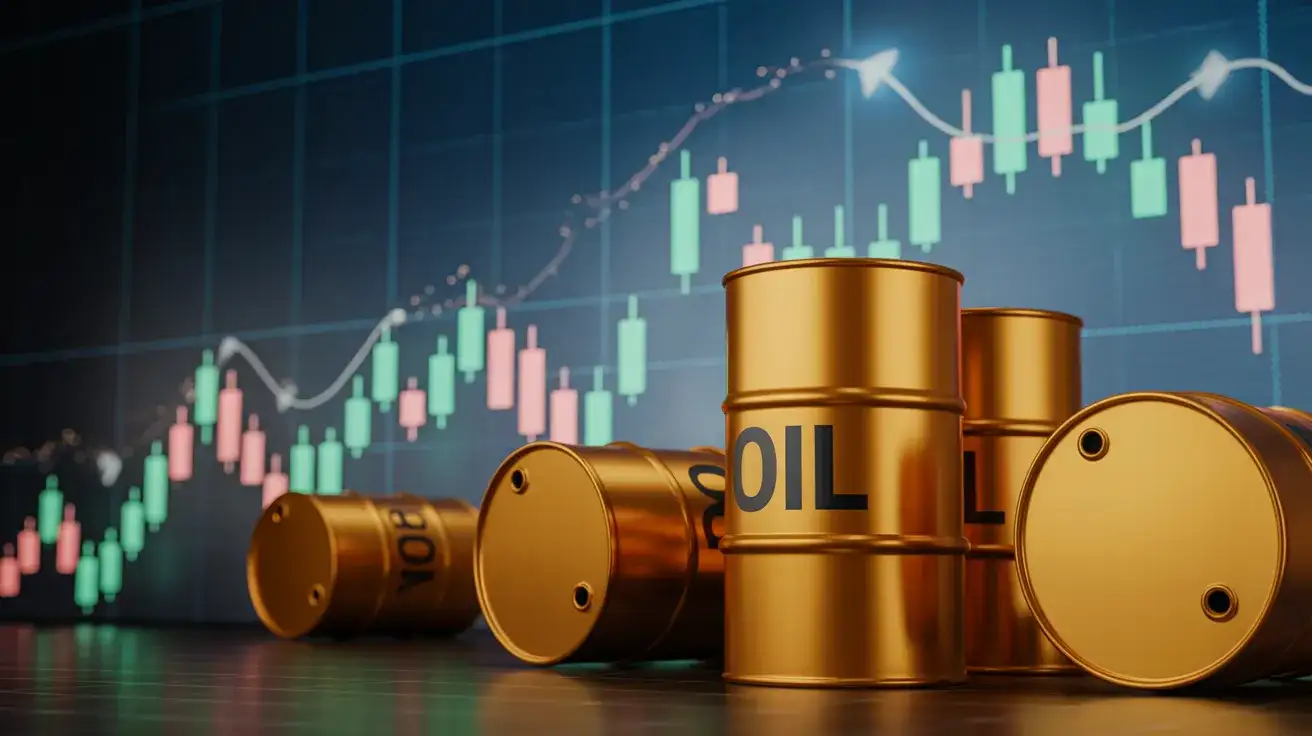
Oil prices recovered slightly after an earlier selloff as uncertainty persisted over efforts to end the US-Iran war. Risks to Middle Eastern supply remain elevated, particularly around shipments through the Strait of Hormuz.
9:42 PMEconomic TimesApollo chief economist Torsten Slok said the economic effects of the Iran war, particularly pressure on fuel inventories, remain an important risk despite greater attention on artificial intelligence and Federal Reserve policy. He also said markets will continue pricing Fed decisions even if the central bank holds fewer meetings.
3:26 PMBloomberg Markets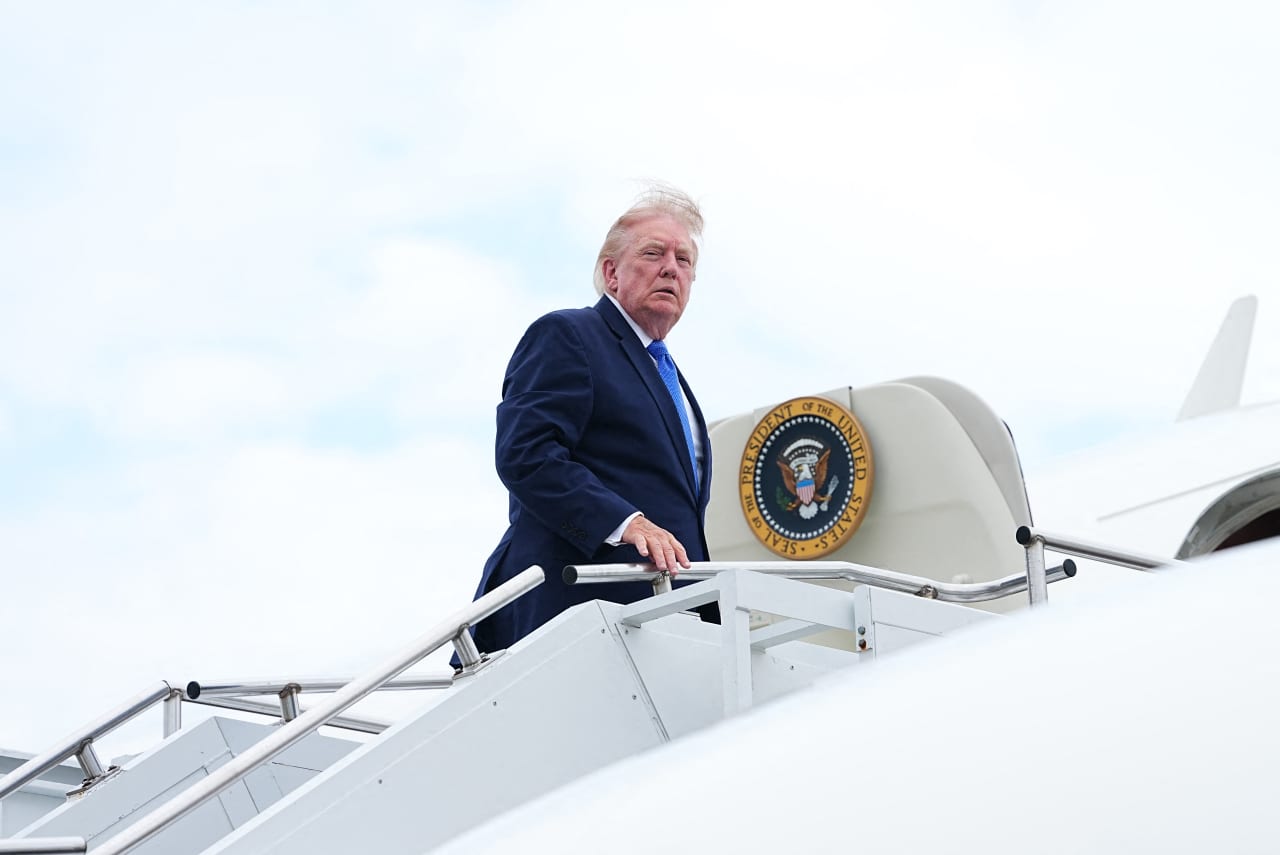
Oil prices fell sharply to a three-week low after Trump canceled a planned attack on Iran. Investors saw the decision as improving the chances of de-escalation in the conflict.
9:28 AMMarketWatch
Wall Street has largely absorbed a broader global downturn while President Trump again predicts an imminent deal with Iran. Investors appear to be treating the latest promise as a factor that could contain, rather than escalate, geopolitical risk.
6:20 AMFortune
Cyber experts assess that Iran was likely responsible for attacks on water systems in seven US states, despite President Donald Trump's denial. The available evidence points toward Iranian involvement but does not establish attribution conclusively.
10:29 PMBBC
The Board of Peace says Israel will not withdraw from Gaza before Hamas gives up its weapons. The position comes as Benjamin Netanyahu and board director Maldenov discuss a disarmament roadmap amid continued Israeli attacks.
9:43 PMAl Jazeera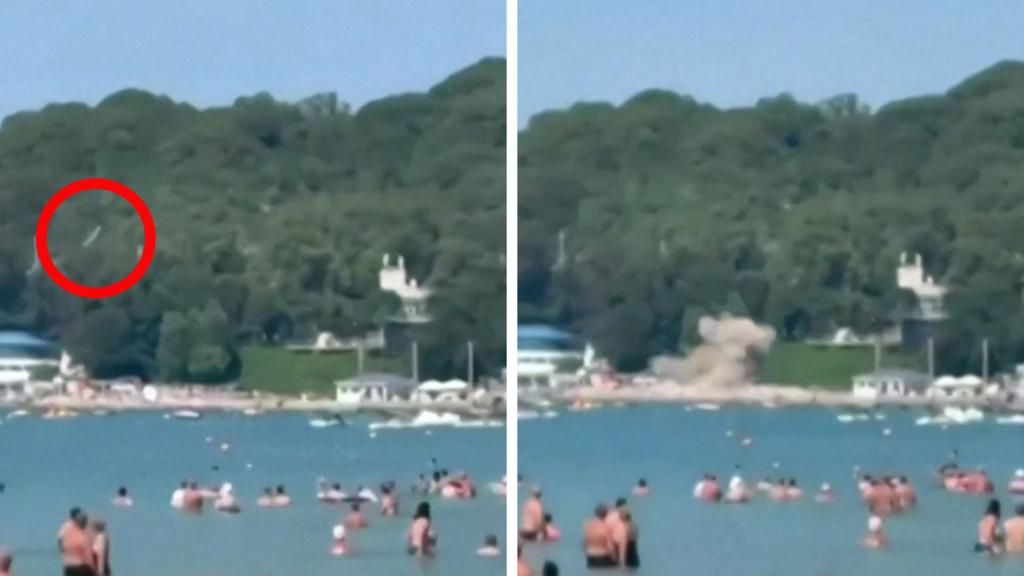
Russian authorities said a Ukrainian drone crashed at a busy Black Sea resort, killing seven people and injuring 40. Three children were among those killed.
11:37 PMBBC
Russia has increased missile strikes on Ukrainian cities, apparently targeting Kyiv’s limited supply of ballistic missile interceptors. Ukraine fears the pressure will intensify as winter approaches.
1:00 AMCNBC
Colombian President Gustavo Petro has repeated claims that programmers altered vote counts and that metadata linked to election results was withheld from review. He made the allegations days before transferring power.
11:58 PMAl JazeeraSummary
President Trump said negotiations with Iran had made progress and cited that progress when canceling a threatened weekend attack. Iran denied that any talks with the United States were currently taking place.
The conflicting accounts leave the diplomatic channel unverified and make the basis for Trump's decision
Unlock the full First Pass Analysis to get a better understanding of why this story mattersWhy it matters
The gap between the two governments' accounts keeps the risk of renewed confrontation around the Strait of Hormuz high.
3 stories · 3 sources
Summary
President Donald Trump described his latest offer of talks as Iran's last chance, after calling off what he characterized as a major attack on the country. He warned that Iran would face military action if it did not move quickly toward an agreement.
Trump's message pairs a diplomatic opening with an explicit threat of escalation, leaving Iran under
Unlock the full First Pass Analysis to get a better understanding of why this story mattersWhy it matters
The diplomacy window is narrowing while the cost of miscalculation is rising.
Summary
US stocks moved close to a record high while oil prices fell after Donald Trump said talks with Iran were under way. Washington and Tehran offered conflicting accounts of the negotiations, leaving markets to price both de-escalation and renewed risk.
Markets are treating the possibility of diplomacy as more important than the uncertainty surrounding the
Unlock the full First Pass Analysis to get a better understanding of why this story mattersWhy it matters
Investors are pricing a geopolitical thaw before either side has confirmed a durable negotiating channel.
Summary
Oil prices recovered slightly after an earlier selloff as uncertainty persisted over efforts to end the US-Iran war. Risks to Middle Eastern supply remain elevated, particularly around shipments through the Strait of Hormuz.
The modest rebound reflects fragile confidence rather than a settled market outlook. Any disruption in
Unlock the full First Pass Analysis to get a better understanding of why this story mattersWhy it matters
A diplomatic breakdown could turn a small price recovery into a major energy shock.
Summary
Apollo chief economist Torsten Slok said the economic effects of the Iran war, particularly pressure on fuel inventories, remain an important risk despite greater attention on artificial intelligence and Federal Reserve policy. He also said markets will continue pricing Fed decisions even if the central bank holds fewer meetings.
Energy disruption remains a live macroeconomic risk, even as markets focus on technology and interest
Unlock the full First Pass Analysis to get a better understanding of why this story mattersWhy it matters
A conflict-driven energy shock could revive inflation and limit the Fed's room to support growth.
Summary
Oil prices fell sharply to a three-week low after Trump canceled a planned attack on Iran. Investors saw the decision as improving the chances of de-escalation in the conflict.
The market has priced out part of the immediate risk of a wider regional war
Unlock the full First Pass Analysis to get a better understanding of why this story mattersWhy it matters
Cheaper oil could relieve inflation pressure, but the drop depends on diplomacy holding.
Summary
Wall Street has largely absorbed a broader global downturn while President Trump again predicts an imminent deal with Iran. Investors appear to be treating the latest promise as a factor that could contain, rather than escalate, geopolitical risk.
The market's muted response reflects skepticism that the Iran situation will immediately disrupt trade or
Unlock the full First Pass Analysis to get a better understanding of why this story mattersWhy it matters
Markets are relying on diplomacy to limit the economic fallout from a crisis that remains unresolved.
Summary
Cyber experts assess that Iran was likely responsible for attacks on water systems in seven US states, despite President Donald Trump's denial. The available evidence points toward Iranian involvement but does not establish attribution conclusively.
The key shift is that suspected Iranian activity has moved from an isolated cyber incident
Unlock the full First Pass Analysis to get a better understanding of why this story mattersWhy it matters
A confirmed Iranian campaign against US water systems would raise the cyber threat to essential public services and create pressure for retaliation.
Summary
The Board of Peace says Israel will not withdraw from Gaza before Hamas gives up its weapons. The position comes as Benjamin Netanyahu and board director Maldenov discuss a disarmament roadmap amid continued Israeli attacks.
The sequencing dispute has become the central obstacle to any Gaza settlement. By making withdrawal
Unlock the full First Pass Analysis to get a better understanding of why this story mattersWhy it matters
Without agreement on whether disarmament or withdrawal comes first, the roadmap is unlikely to produce a stable ceasefire.
Summary
Russian authorities said a Ukrainian drone crashed at a busy Black Sea resort, killing seven people and injuring 40. Three children were among those killed.
The reported civilian deaths give the Kremlin a powerful new basis for portraying Ukraine's campaign
Unlock the full First Pass Analysis to get a better understanding of why this story mattersWhy it matters
Civilian casualties at a popular resort could harden Russian public opinion and intensify retaliation.
2 stories · 2 sources
Summary
Russia has increased missile strikes on Ukrainian cities, apparently targeting Kyiv’s limited supply of ballistic missile interceptors. Ukraine fears the pressure will intensify as winter approaches.
The decisive vulnerability is Ukraine’s shrinking air-defense capacity, not just the number of incoming strikes.
Unlock the full First Pass Analysis to get a better understanding of why this story mattersWhy it matters
Ukraine’s ability to protect its cities and energy grid may become the central constraint on its wartime resilience.
Summary
Colombian President Gustavo Petro has repeated claims that programmers altered vote counts and that metadata linked to election results was withheld from review. He made the allegations days before transferring power.
Renewing fraud claims at the end of a presidency risks undermining confidence in the electoral
Unlock the full First Pass Analysis to get a better understanding of why this story mattersWhy it matters
Unresolved allegations from a departing president can weaken trust in Colombia’s democratic transfer of power.
A curated list of other prominent stories from this day.

Ibrahim Traore's message of sovereignty and resistance to foreign influence has attracted broad support across Africa. His domestic record, however, is coming under closer scrutiny.
10:15 PMAl Jazeera
The Trump administration has tightened restrictions on Havana while describing Cuba as a national security threat. The policy raises questions about whether economic pressure will improve US security or deepen the confrontation.
9:58 PMAl Jazeera
A US flight carrying 147 Venezuelan deportees landed in Venezuela, the first such transfer since earthquakes in June. The return comes amid criticism over the deaths of deportees housed in a building that collapsed during the disaster.
5:56 AMThe New York TimesThe Trump administration has not followed through on some of its most aggressive threats against Iran, according to Mona Yacoubian of the Center for Strategic and International Studies. That gap between rhetoric and action has led Iran's leadership to believe it holds the advantage.
8:32 PMBloomberg Markets
Nigerian migrant Richard Itoro left his wife and twin children in South Africa as he fled the country. His experience reflects the wider choices facing tens of thousands of people who have abandoned lives there.
7:14 PMBBC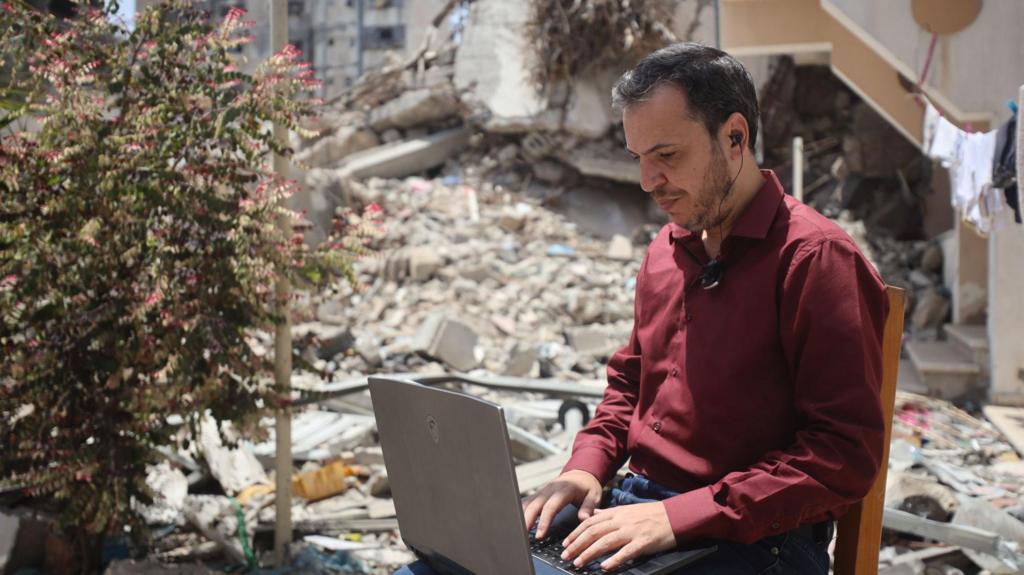
Thousands of young people in Gaza are pursuing work in the digital economy as broader recovery stalls. Their efforts offer a view of how technology could support livelihoods despite the territory’s severe constraints.
7:13 PMBBC
Russian opposition politician Boris Nadezhdin appeared in France and said he was alive and free but not yet back in Russia. His departure places him outside the country as pressure on opposition figures continues.
4:18 PMThe New York TimesChina and a cotton industry group condemned the expansion of the US import blacklist under the Uyghur Forced Labor Prevention Act. They rejected the forced-labor allegations as unsupported by fact or law.
4:00 PMWWD
Kalshi traders put the chance of a U.S.-Iran nuclear agreement before January 2027 at 29% as of early Sunday. The market reflects low expectations for a near-term diplomatic breakthrough.
3:48 PMCNBC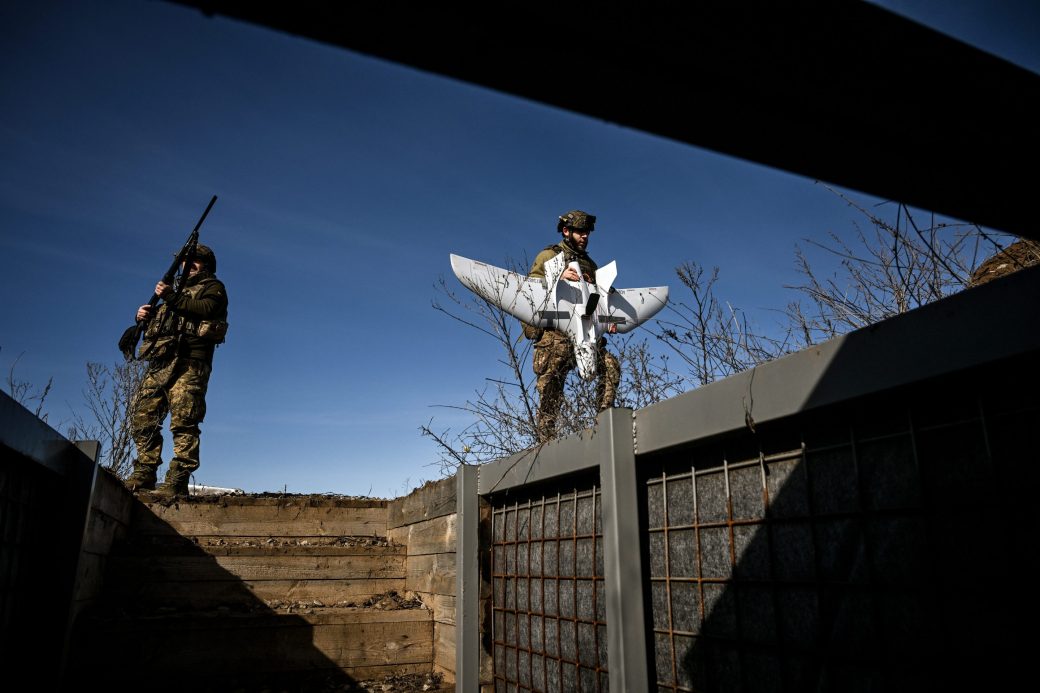
A RAND assessment says Ukraine applies corporate-style performance measures to its military campaign. The approach tracks operational output and seeks to maximize Russian casualties and economic costs while weakening Moscow's ability and willingness to continue fighting.
3:05 PMFortune
Defence Minister Israel Katz moved to oust the general responsible for Israel’s West Bank operations, announcing the decision publicly. Opposition lawmakers condemned the move as an effort to appease far-right voters.
2:51 PMFinancial TimesFormer national security aide Michael Allen said the United States has sent inconsistent signals on Iran, confusing both Americans and governments across the Middle East. He also said a proposed Gaza rebuilding agreement faces a low chance of implementation, despite crediting the administration for pursuing it.
2:45 PMBloomberg Markets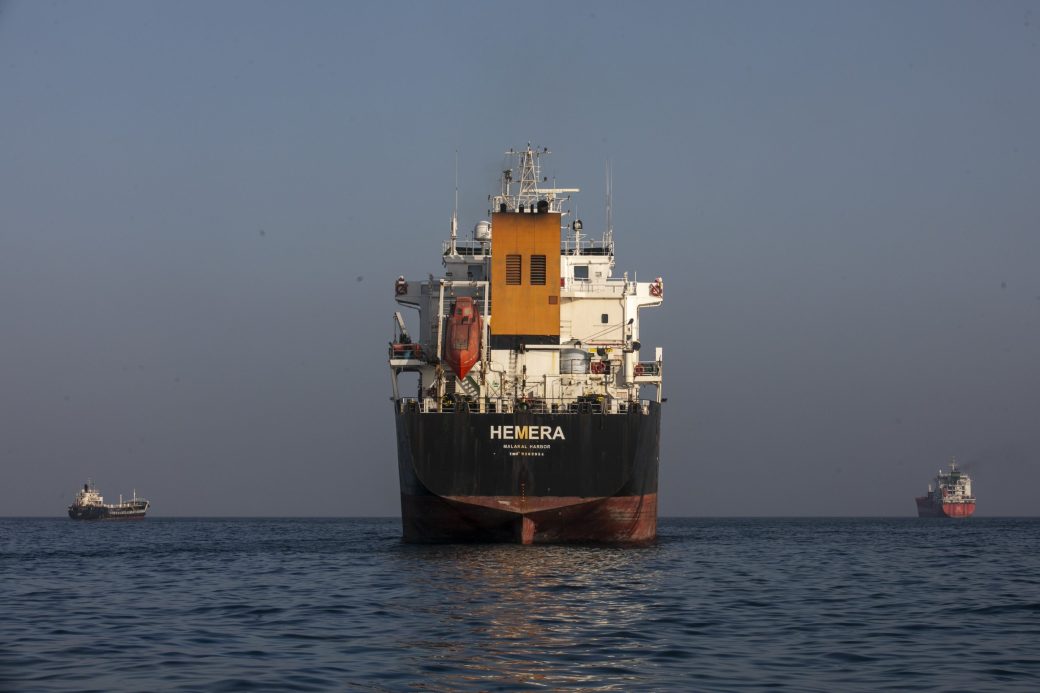
The world's largest shipbroker is reporting record earnings as exceptional volatility disrupts maritime trade around the Strait of Hormuz. The crisis has increased demand for firms that can manage rerouting, risk, and scarce shipping capacity.
2:36 PMFortune
Europe's football success has created an unusual source of geopolitical influence, with players such as Lamine Yamal and Jude Bellingham serving as prominent symbols of the continent's appeal. Their visibility gives Europe soft power beyond its formal institutions.
7:54 AMFinancial Times
Geopolitical barriers are fragmenting digital systems, trade and technology flows, threatening global economic efficiency. Europe is presented as a potential trusted connector between competing blocs.
12:00 AMFinancial TimesSummary
Ibrahim Traore's message of sovereignty and resistance to foreign influence has attracted broad support across Africa. His domestic record, however, is coming under closer scrutiny.
Traore must now convert symbolic popularity into measurable improvements in security and governance at home.
Unlock the full First Pass Analysis to get a better understanding of why this story mattersWhy it matters
Traore's domestic performance will shape whether his model becomes a durable political example across Africa.
Summary
The Trump administration has tightened restrictions on Havana while describing Cuba as a national security threat. The policy raises questions about whether economic pressure will improve US security or deepen the confrontation.
The escalation expands pressure on Cuba without establishing how the measures will reduce a specific
Unlock the full First Pass Analysis to get a better understanding of why this story mattersWhy it matters
The policy could worsen humanitarian and regional tensions without delivering a clear security gain.
Summary
A US flight carrying 147 Venezuelan deportees landed in Venezuela, the first such transfer since earthquakes in June. The return comes amid criticism over the deaths of deportees housed in a building that collapsed during the disaster.
The resumption of flights restores a deportation channel while scrutiny remains over the safety and
Unlock the full First Pass Analysis to get a better understanding of why this story mattersWhy it matters
The transfers put migration enforcement, bilateral cooperation, and responsibility for deportee safety in direct conflict.
Summary
The Trump administration has not followed through on some of its most aggressive threats against Iran, according to Mona Yacoubian of the Center for Strategic and International Studies. That gap between rhetoric and action has led Iran's leadership to believe it holds the advantage.
Iran's confidence is growing because US coercive threats have not produced decisive concessions. That weakens
Unlock the full First Pass Analysis to get a better understanding of why this story mattersWhy it matters
Perceived US hesitation could make diplomacy harder and increase the chance of further escalation.
Summary
Nigerian migrant Richard Itoro left his wife and twin children in South Africa as he fled the country. His experience reflects the wider choices facing tens of thousands of people who have abandoned lives there.
The departures show how insecurity, economic pressure or hostility toward migrants can turn long-term settlement
Unlock the full First Pass Analysis to get a better understanding of why this story mattersWhy it matters
Migration pressures are breaking families apart and exposing the human cost of deteriorating conditions for foreigners in South Africa.
Summary
Thousands of young people in Gaza are pursuing work in the digital economy as broader recovery stalls. Their efforts offer a view of how technology could support livelihoods despite the territory’s severe constraints.
Digital work is creating an economic outlet where reconstruction and conventional employment remain blocked. Its
Unlock the full First Pass Analysis to get a better understanding of why this story mattersWhy it matters
Gaza’s digital economy could preserve skilled employment and shape recovery even before physical rebuilding begins.
Summary
Russian opposition politician Boris Nadezhdin appeared in France and said he was alive and free but not yet back in Russia. His departure places him outside the country as pressure on opposition figures continues.
Nadezhdin's flight removes another prominent critic from Russia's domestic political arena and shows the narrowing
Unlock the full First Pass Analysis to get a better understanding of why this story mattersWhy it matters
A prominent opposition figure's exile further weakens organized political resistance inside Russia.
Summary
China and a cotton industry group condemned the expansion of the US import blacklist under the Uyghur Forced Labor Prevention Act. They rejected the forced-labor allegations as unsupported by fact or law.
The blacklist expansion deepens the trade conflict by turning labor-rights enforcement into another point of
Unlock the full First Pass Analysis to get a better understanding of why this story mattersWhy it matters
The dispute could convert supply-chain compliance into a broader tariff and retaliation cycle.
Summary
Kalshi traders put the chance of a U.S.-Iran nuclear agreement before January 2027 at 29% as of early Sunday. The market reflects low expectations for a near-term diplomatic breakthrough.
The central shift is that market sentiment favors prolonged deadlock over a negotiated settlement. That
Unlock the full First Pass Analysis to get a better understanding of why this story mattersWhy it matters
Low expectations for a deal increase pressure on both sides to manage escalation without a durable nuclear framework.
Summary
A RAND assessment says Ukraine applies corporate-style performance measures to its military campaign. The approach tracks operational output and seeks to maximize Russian casualties and economic costs while weakening Moscow's ability and willingness to continue fighting.
The strategy treats battlefield decisions as an optimization problem, linking military performance to the opponent's
Unlock the full First Pass Analysis to get a better understanding of why this story mattersWhy it matters
Ukraine is trying to turn resource constraints into an advantage by making Russia's war effort increasingly expensive.
Summary
Defence Minister Israel Katz moved to oust the general responsible for Israel’s West Bank operations, announcing the decision publicly. Opposition lawmakers condemned the move as an effort to appease far-right voters.
The dismissal turns military command into an overt domestic political battleground. It could weaken confidence
Unlock the full First Pass Analysis to get a better understanding of why this story mattersWhy it matters
A politically driven change in West Bank command could reshape both Israeli policy and the risk of escalation.
Summary
Former national security aide Michael Allen said the United States has sent inconsistent signals on Iran, confusing both Americans and governments across the Middle East. He also said a proposed Gaza rebuilding agreement faces a low chance of implementation, despite crediting the administration for pursuing it.
Inconsistent US messaging weakens deterrence and makes it harder for allies and adversaries to judge
Unlock the full First Pass Analysis to get a better understanding of why this story mattersWhy it matters
Credibility, not just policy substance, will determine whether US diplomacy can contain either crisis.
Summary
The world's largest shipbroker is reporting record earnings as exceptional volatility disrupts maritime trade around the Strait of Hormuz. The crisis has increased demand for firms that can manage rerouting, risk, and scarce shipping capacity.
War is creating a commercial windfall for intermediaries even as it raises costs for energy
Unlock the full First Pass Analysis to get a better understanding of why this story mattersWhy it matters
The crisis is converting geopolitical risk into revenue for maritime intermediaries and costs for the broader economy.
Summary
Europe's football success has created an unusual source of geopolitical influence, with players such as Lamine Yamal and Jude Bellingham serving as prominent symbols of the continent's appeal. Their visibility gives Europe soft power beyond its formal institutions.
Football lets Europe project cohesion and cultural influence at a time when its political leverage
Unlock the full First Pass Analysis to get a better understanding of why this story mattersWhy it matters
Europe's football ecosystem has become a rare asset for projecting influence beyond its borders.
Summary
Geopolitical barriers are fragmenting digital systems, trade and technology flows, threatening global economic efficiency. Europe is presented as a potential trusted connector between competing blocs.
The shift is from a broadly integrated digital economy toward rival standards, supply chains and
Unlock the full First Pass Analysis to get a better understanding of why this story mattersWhy it matters
Digital fragmentation could raise costs, slow innovation and turn technology access into a tool of geopolitical power.
Make it yours
Pick your topics, set your cadence, and receive your personalized First Pass in your inbox. It’s that simple!

