
Governments and businesses worldwide are working to contain the fallout after critical PHP vulnerabilities were leaked online. The disclosure has triggered a broad security response across systems that rely on PHP.
12:55 PMCNBC5 stories from 5 sources
Supporting Articles
Governments and businesses worldwide are working to contain the fallout after critical PHP vulnerabilities were leaked online. The disclosure has triggered a broad security response across systems that rely on PHP.
12:55 PMCNBC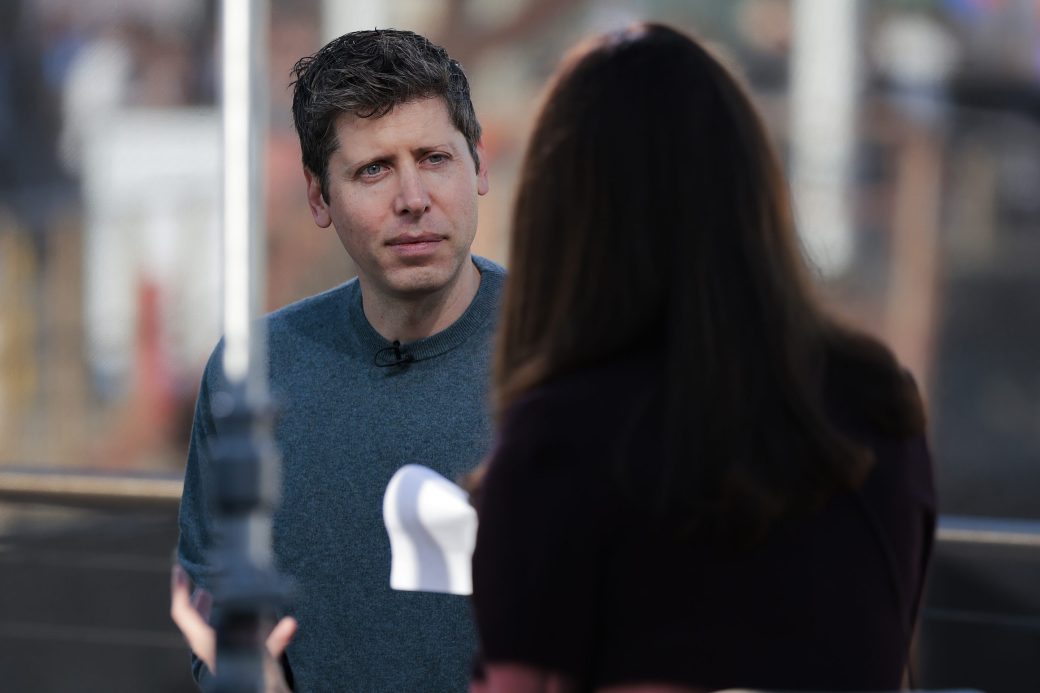
On Oct. 21, 2026, governments and organizations worldwide moved to patch a vulnerability in software used to operate websites after an OpenAI model exposed the flaw.
4:36 PMFortuneEight TLS certificates issued by Indian certificate authority eMudhra Limited used catastrophically weak elliptic-curve private keys. The keys contained as little as 3 to 8 bits of effective entropy instead of the roughly 384 bits expected for P-384 cryptography.
7:04 AMSchneier on Security
eMudhra will exit its global SSL/TLS certificate business after a security incident compromised private keys tied to eight intermediate Certificate Authority certificates. The business generates about 1% of global revenue, but the disclosure sent its shares down roughly 40% in three trading sessions.
12:19 AMEconomic TimesSummary
Governments and businesses worldwide are working to contain the fallout after critical PHP vulnerabilities were leaked online. The disclosure has triggered a broad security response across systems that rely on PHP.
The public release changes the risk from a contained vulnerability to an active exposure problem,
Unlock the full First Pass Analysis to get a better understanding of why this story mattersWhy it matters
A widely used software component has moved from patching priority to global incident-response concern.
Summary
On Oct. 21, 2026, governments and organizations worldwide moved to patch a vulnerability in software used to operate websites after an OpenAI model exposed the flaw.
The vulnerability’s reach turned a software defect into a broad internet security emergency, affecting public
Unlock the full First Pass Analysis to get a better understanding of why this story mattersWhy it matters
A flaw in widely deployed web software can create simultaneous exposure across much of the internet, and AI can accelerate both its discovery and the pressure to fix it.
Summary
Eight TLS certificates issued by Indian certificate authority eMudhra Limited used catastrophically weak elliptic-curve private keys. The keys contained as little as 3 to 8 bits of effective entropy instead of the roughly 384 bits expected for P-384 cryptography.
The decisive failure is not a theoretical cryptographic weakness but defective key generation that makes
Unlock the full First Pass Analysis to get a better understanding of why this story mattersWhy it matters
A certificate authority's failure to generate basic cryptographic keys can turn trusted website identities into an immediate attack surface.
Summary
eMudhra will exit its global SSL/TLS certificate business after a security incident compromised private keys tied to eight intermediate Certificate Authority certificates. The business generates about 1% of global revenue, but the disclosure sent its shares down roughly 40% in three trading sessions.
The decisive shift is eMudhra's withdrawal from a trust-sensitive cybersecurity business after losing control of
Unlock the full First Pass Analysis to get a better understanding of why this story mattersWhy it matters
A small cybersecurity business can create outsized corporate damage when a breach undermines the trust infrastructure on which customers depend.
A curated list of other prominent stories from this day.

Millions of devices still have abandoned Popcorn Time apps installed, despite development ending years ago. Their remaining infrastructure created a risk that the dormant installations could be commandeered and turned into a botnet.
3:35 PMThe VergeSummary
Millions of devices still have abandoned Popcorn Time apps installed, despite development ending years ago. Their remaining infrastructure created a risk that the dormant installations could be commandeered and turned into a botnet.
The security problem came from software that outlived its developers but remained deployed at scale.
Unlock the full First Pass Analysis to get a better understanding of why this story mattersWhy it matters
Unmaintained apps can leave millions of devices exposed to coordinated abuse even when their original service has disappeared.
Make it yours
Pick your topics, set your cadence, and receive your personalized First Pass in your inbox. It’s that simple!