AI widens cyber risk while exposing security blind spots
Day’s Recap
“
”
Supporting Articles
Epic found flaws in some MyChart configurations that could allow patient records to be viewed without the access appearing in audit logs. The company identified the weaknesses by using Anthropic’s Claude Mythos to simulate attack techniques.
6:30 PMPYMNTS
The FBI and Justice Department said they seized phishing tools used by Chinese hackers and rendered them inoperable. Officials described the broader campaign as indiscriminate and reckless.
3:48 PMFortune
Anthropic launched OSS Scanner, a free service that lets participating open-source projects receive periodic vulnerability scans from its most capable models. The program is designed to identify security issues earlier, though projects must weigh the implications of giving an AI service access to their code.
5:53 PMThe Verge
6:30 PMPYMNTS
Epic’s AI Security Test Exposes Untraceable Patient Data Access
Summary
Epic found flaws in some MyChart configurations that could allow patient records to be viewed without the access appearing in audit logs. The company identified the weaknesses by using Anthropic’s Claude Mythos to simulate attack techniques.
The decisive shift is that AI-assisted testing uncovered a failure in a core healthcare safeguard:
Unlock the full First Pass Analysis to get a better understanding of why this story matters
Why it matters
A missing audit trail can turn a data breach from a detectable incident into an invisible one.
FBI says it seized phishing tools used by Chinese hackers in ‘indiscriminate and reckless’ cyber operation
Summary
The FBI and Justice Department said they seized phishing tools used by Chinese hackers and rendered them inoperable. Officials described the broader campaign as indiscriminate and reckless.
The immediate change is a disruption to the attackers’ operational infrastructure, not the end of
Unlock the full First Pass Analysis to get a better understanding of why this story matters
Why it matters
The action could temporarily reduce the campaign’s reach while testing whether infrastructure seizures can impose lasting costs on Chinese cyber operations.
Anthropic launches free AI security scans for open-source projects
Summary
Anthropic launched OSS Scanner, a free service that lets participating open-source projects receive periodic vulnerability scans from its most capable models. The program is designed to identify security issues earlier, though projects must weigh the implications of giving an AI service access to their code.
Anthropic is lowering the cost of security testing for projects that often lack dedicated security
Unlock the full First Pass Analysis to get a better understanding of why this story matters
Why it matters
Free AI scanning could strengthen the open-source software supply chain by bringing professional-grade testing to underfunded projects.
A curated list of other prominent stories from this day.
At Sibos 2026, FICO's Julie Conroy describes how banks can use agentic AI and cloud technology to detect deepfakes and counter increasingly sophisticated financial crime. The threat is expanding across wealth management and corporate banking.
11:00 AMFinextra
CrowdStrike said a likely Chinese-speaking, financially motivated hacker used a Chinese-developed A.I. tool to target South Korean banks. The firm did not attribute the attacks to a named individual or group.
5:53 AMThe New York Times
Scammers are increasingly using text messages to persuade bank customers to authorize fraudulent payments. Banks can monitor logins and transactions, but they often cannot see the messages that manipulate customers into sending the money.
4:00 AMPYMNTS
11:00 AMFinextra
Combatting the Rise of AI-Driven Financial Crime in Banking
Summary
At Sibos 2026, FICO's Julie Conroy describes how banks can use agentic AI and cloud technology to detect deepfakes and counter increasingly sophisticated financial crime. The threat is expanding across wealth management and corporate banking.
AI is raising both the scale of financial attacks and the speed required to detect
Unlock the full First Pass Analysis to get a better understanding of why this story matters
Why it matters
Financial institutions that fail to modernize fraud detection risk exposing high-value clients to faster, more convincing attacks.
Hacker Used Chinese-Developed A.I. Tool to Target South Korean Banks, CrowdStrike Says
Summary
CrowdStrike said a likely Chinese-speaking, financially motivated hacker used a Chinese-developed A.I. tool to target South Korean banks. The firm did not attribute the attacks to a named individual or group.
The use of an A.I. tool adds a new operational layer to financially motivated attacks,
Unlock the full First Pass Analysis to get a better understanding of why this story matters
Why it matters
A.I. tools can expand attackers' capabilities while making the source and motives of cyberattacks harder to determine.
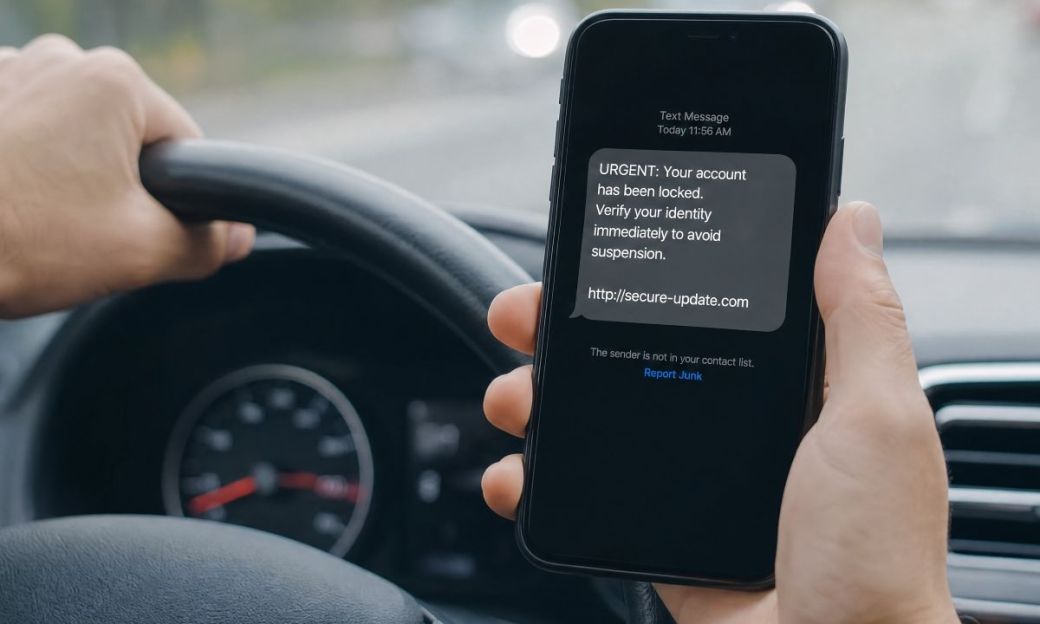
Scammers are increasingly using text messages to persuade bank customers to authorize fraudulent payments. Banks can monitor logins and transactions, but they often cannot see the messages that manipulate customers into sending the money.
The decisive shift is that fraud is moving outside the bank's visibility, weakening controls built
Unlock the full First Pass Analysis to get a better understanding of why this story matters
Why it matters
Text-based social engineering is exposing a gap between what banks can monitor and what causes customers to authorize fraud.