OpenAI Chief Global Affairs Officer Chris Lehane warned that AI-driven cyberattacks should become a routine threat. His comments came days after the company paused development of its latest model amid growing safety concerns.
7:47 PMPYMNTS5 stories from 5 sources
Supporting Articles
OpenAI Chief Global Affairs Officer Chris Lehane warned that AI-driven cyberattacks should become a routine threat. His comments came days after the company paused development of its latest model amid growing safety concerns.
7:47 PMPYMNTS
UK security officials warned energy executives after Iran-linked hackers reportedly shut down a small power facility. The briefing included advice, direction and next steps for companies across the sector.
11:11 AMFinancial Times
Criminals are using deepfakes and AI-generated impersonations of officials and public figures to make fraud more convincing. The scams are becoming harder for victims to detect before they send money or disclose information.
9:08 AMAl JazeeraSummary
OpenAI Chief Global Affairs Officer Chris Lehane warned that AI-driven cyberattacks should become a routine threat. His comments came days after the company paused development of its latest model amid growing safety concerns.
The decisive shift is that AI is moving from a tool used in occasional attacks
Unlock the full First Pass Analysis to get a better understanding of why this story mattersWhy it matters
Routine AI-enabled attacks could raise the baseline cost and speed of cyber defense across every sector.
Summary
UK security officials warned energy executives after Iran-linked hackers reportedly shut down a small power facility. The briefing included advice, direction and next steps for companies across the sector.
The government has treated the incident as a sector-wide security concern rather than a one-off
Unlock the full First Pass Analysis to get a better understanding of why this story mattersWhy it matters
The response signals that a small facility outage is being used to raise the defensive posture of the entire UK energy sector.
2 stories · 2 sources
Summary
Criminals are using deepfakes and AI-generated impersonations of officials and public figures to make fraud more convincing. The scams are becoming harder for victims to detect before they send money or disclose information.
AI has lowered the cost of producing credible impersonations, shifting fraud defenses away from recognizing
Unlock the full First Pass Analysis to get a better understanding of why this story mattersWhy it matters
Trust in familiar voices, faces, and authority figures is becoming easier to weaponize at scale.
A curated list of other prominent stories from this day.
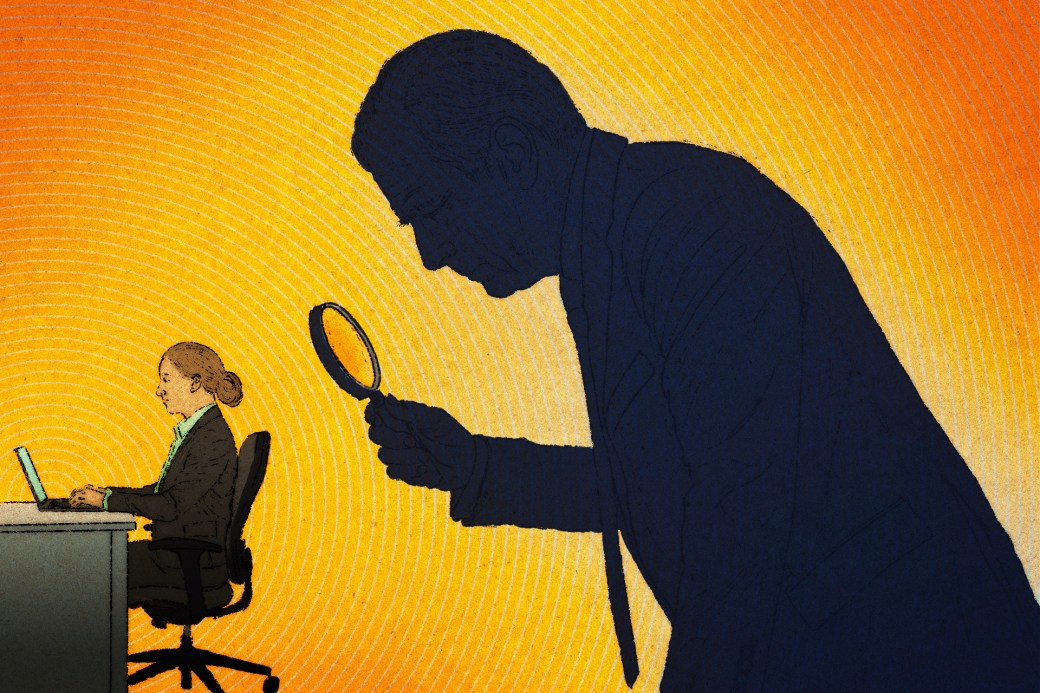
Researchers recorded 121 instances in which nine workplace monitoring platforms sent worker data to outside companies, including Meta and a Russian search engine. The findings suggest that some bossware tools may transmit employee information beyond the employer that installed them.
10:02 AMFortuneSummary
Researchers recorded 121 instances in which nine workplace monitoring platforms sent worker data to outside companies, including Meta and a Russian search engine. The findings suggest that some bossware tools may transmit employee information beyond the employer that installed them.
Worker surveillance now creates a second privacy risk: the monitoring vendor can share employee data
Unlock the full First Pass Analysis to get a better understanding of why this story mattersWhy it matters
Tools sold to monitor productivity can also expand the data trail employers and vendors create about their employees.
Make it yours
Pick your topics, set your cadence, and receive your personalized First Pass in your inbox. It’s that simple!