
Procter & Gamble’s beauty business increased organic sales by 5 percent in the first quarter, reaching $4.4 billion. Despite the gain, the company said the division still has room to improve.
4:41 PMWWD13 stories from 9 sources
Supporting Articles
Procter & Gamble’s beauty business increased organic sales by 5 percent in the first quarter, reaching $4.4 billion. Despite the gain, the company said the division still has room to improve.
4:41 PMWWD
Procter & Gamble expects raw-material, energy and transportation costs to remain elevated through fiscal 2027. The company says consumer demand has remained resilient despite the pressure on its cost base.
4:03 PMPYMNTSProcter & Gamble exceeded Wall Street expectations for quarterly earnings and revenue, with sales increasing 4%. Laundry and home products provided the main boost.
10:19 AMCNBC
L'Oreal says the growing use of GLP-1 weight loss drugs is affecting demand across beauty and skin care. The company's CEO described the trend as an important development for the business.
6:27 PMBBC
Declining birth rates are shrinking the number of babies in American households, but parents are spending more on each child. Procter & Gamble says that dynamic is supporting demand for premium diapers.
5:28 PMMarketWatch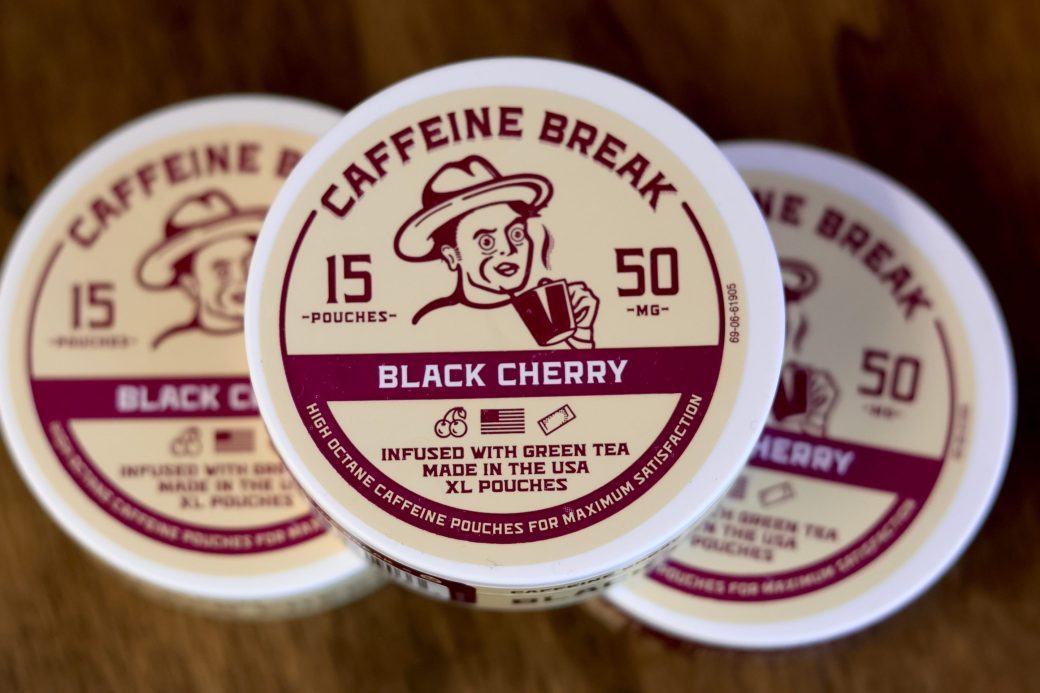
Schools are banning caffeine pouches, discreet products placed between the lip and gum, amid concerns that some deliver caffeine equivalent to two cups of coffee. The products are marketed as portable boosts for energy and focus, while critics warn of effects on students' development and mental health.
12:53 PMFortuneSummary
Procter & Gamble’s beauty business increased organic sales by 5 percent in the first quarter, reaching $4.4 billion. Despite the gain, the company said the division still has room to improve.
Beauty remains a growth engine for P&G, but management’s cautious assessment suggests that sales growth
Unlock the full First Pass Analysis to get a better understanding of why this story mattersWhy it matters
The results show growth in beauty, but also raise the bar for P&G to turn that momentum into more consistent performance.
Summary
Procter & Gamble expects raw-material, energy and transportation costs to remain elevated through fiscal 2027. The company says consumer demand has remained resilient despite the pressure on its cost base.
Higher input costs will test P&G’s ability to protect margins without weakening demand through price
Unlock the full First Pass Analysis to get a better understanding of why this story mattersWhy it matters
P&G’s outlook shows that inflationary pressure is shifting from a demand problem to a margin-management problem for major consumer brands.
Summary
Procter & Gamble exceeded Wall Street expectations for quarterly earnings and revenue, with sales increasing 4%. Laundry and home products provided the main boost.
Growth in household categories gave P&G a stronger quarter than investors expected. The result suggests
Unlock the full First Pass Analysis to get a better understanding of why this story mattersWhy it matters
P&G's results offer an early read on consumer demand for essential household goods and could influence expectations across the packaged-goods sector.
Summary
L'Oreal says the growing use of GLP-1 weight loss drugs is affecting demand across beauty and skin care. The company's CEO described the trend as an important development for the business.
GLP-1 adoption is creating a new variable for beauty companies, potentially changing demand as consumers
Unlock the full First Pass Analysis to get a better understanding of why this story mattersWhy it matters
The expansion of GLP-1 drugs is beginning to reshape demand beyond food and pharmaceuticals, including major beauty categories.
Summary
Declining birth rates are shrinking the number of babies in American households, but parents are spending more on each child. Procter & Gamble says that dynamic is supporting demand for premium diapers.
The shift is from volume growth to higher spending per child. Diaper makers can offset
Unlock the full First Pass Analysis to get a better understanding of why this story mattersWhy it matters
Fewer births are pushing baby-product companies to compete for a larger share of spending on each child.
Summary
Schools are banning caffeine pouches, discreet products placed between the lip and gum, amid concerns that some deliver caffeine equivalent to two cups of coffee. The products are marketed as portable boosts for energy and focus, while critics warn of effects on students' development and mental health.
School restrictions are turning caffeine pouches from a niche convenience product into a youth safety
Unlock the full First Pass Analysis to get a better understanding of why this story mattersWhy it matters
The products' discreet format and concentrated dose make them vulnerable to rapid backlash from schools, parents, and regulators.
A curated list of other prominent stories from this day.

Newell has appointed Guillermo Beade as chief operating officer. Beade said the company will focus on scaling its commercial and supply chain capabilities so they operate with greater speed and agility.
3:46 PMConsumer Goods TechnologyTaco Bell renewed its beverage agreement with PepsiCo, preserving the companies' longstanding U.S. partnership. The decision came shortly after sister chain KFC announced a switch to Coca-Cola.
2:51 PMCNBCSpotify shares rose after paying subscribers reached 306 million in the third quarter, beating expectations, while the company’s results and forecast pointed to improving margins. Hermès shares fell after weak China demand hurt third-quarter sales, extending a 41% decline for the year.
10:54 AMBloomberg Markets
Hatsun Agro Product's September-quarter net profit rose 5.6% to Rs 115.69 crore, while total income increased to Rs 2,902.49 crore. The company is expanding in Maharashtra and Odisha while investing in procurement, processing, distribution, and direct consumer relationships.
10:15 AMEconomic Times
A truckers' strike triggered by surging diesel prices has disrupted buffalo-milk deliveries in Italy, leaving 1 million liters stranded and halting mozzarella production. Producers reportedly lost $3.4 million in just 24 hours.
9:47 AMFortune
Colgate-Palmolive India reported a 4.3% increase in September-quarter net profit to Rs 341.57 crore, while sales rose 12.22% to Rs 1,691.57 crore. Gross margin expanded by 40 basis points, supported by cost controls and pricing actions.
8:42 AMEconomic TimesNestlé reported better-than-expected third-quarter earnings, while CEO Philipp Navratil pointed to growth in emerging markets and continued pressure on U.S. consumers. He also discussed the company's deconsolidation in Russia.
2:41 AMCNBCSummary
Newell has appointed Guillermo Beade as chief operating officer. Beade said the company will focus on scaling its commercial and supply chain capabilities so they operate with greater speed and agility.
Beade's mandate centers on integrating two capabilities that often operate separately: selling products and delivering
Unlock the full First Pass Analysis to get a better understanding of why this story mattersWhy it matters
Newell is putting operational integration at the center of its strategy to compete more effectively.
Summary
Taco Bell renewed its beverage agreement with PepsiCo, preserving the companies' longstanding U.S. partnership. The decision came shortly after sister chain KFC announced a switch to Coca-Cola.
The Yum Brands beverage portfolio is splitting rather than moving as one block. Pepsi keeps
Unlock the full First Pass Analysis to get a better understanding of why this story mattersWhy it matters
The separate deals show that restaurant beverage contracts are being negotiated at the brand level, creating uneven gains for Pepsi and Coca-Cola within the same parent company.
Summary
Spotify shares rose after paying subscribers reached 306 million in the third quarter, beating expectations, while the company’s results and forecast pointed to improving margins. Hermès shares fell after weak China demand hurt third-quarter sales, extending a 41% decline for the year.
Spotify’s subscriber growth gives investors evidence that its scale is translating into better profitability, not
Unlock the full First Pass Analysis to get a better understanding of why this story mattersWhy it matters
The divergence shows investors rewarding digital media operating leverage while punishing luxury exposure to China’s consumer slowdown.
Summary
Hatsun Agro Product's September-quarter net profit rose 5.6% to Rs 115.69 crore, while total income increased to Rs 2,902.49 crore. The company is expanding in Maharashtra and Odisha while investing in procurement, processing, distribution, and direct consumer relationships.
Sales growth is translating into only modest profit expansion, suggesting that input, distribution, or expansion
Unlock the full First Pass Analysis to get a better understanding of why this story mattersWhy it matters
Hatsun is prioritizing scale and route-to-market control as competition and operating costs pressure dairy profitability.
Summary
A truckers' strike triggered by surging diesel prices has disrupted buffalo-milk deliveries in Italy, leaving 1 million liters stranded and halting mozzarella production. Producers reportedly lost $3.4 million in just 24 hours.
The strike shows how an energy shock can quickly become a perishable-goods supply crisis, with
Unlock the full First Pass Analysis to get a better understanding of why this story mattersWhy it matters
Higher fuel costs are now threatening both food availability and margins across Italy's dairy supply chain.
Summary
Colgate-Palmolive India reported a 4.3% increase in September-quarter net profit to Rs 341.57 crore, while sales rose 12.22% to Rs 1,691.57 crore. Gross margin expanded by 40 basis points, supported by cost controls and pricing actions.
The gap between sales and profit growth indicates that Colgate is growing revenue faster than
Unlock the full First Pass Analysis to get a better understanding of why this story mattersWhy it matters
Colgate's results show that strong topline growth can coexist with only moderate profit gains in a price-sensitive consumer market.
Summary
Nestlé reported better-than-expected third-quarter earnings, while CEO Philipp Navratil pointed to growth in emerging markets and continued pressure on U.S. consumers. He also discussed the company's deconsolidation in Russia.
The U.S. consumer remains Nestlé's clearest near-term constraint, even as stronger emerging-market performance helps support
Unlock the full First Pass Analysis to get a better understanding of why this story mattersWhy it matters
Nestlé's results show how consumer-goods companies are relying on emerging markets to counter weakening purchasing power in the United States.
Make it yours
Pick your topics, set your cadence, and receive your personalized First Pass in your inbox. It’s that simple!