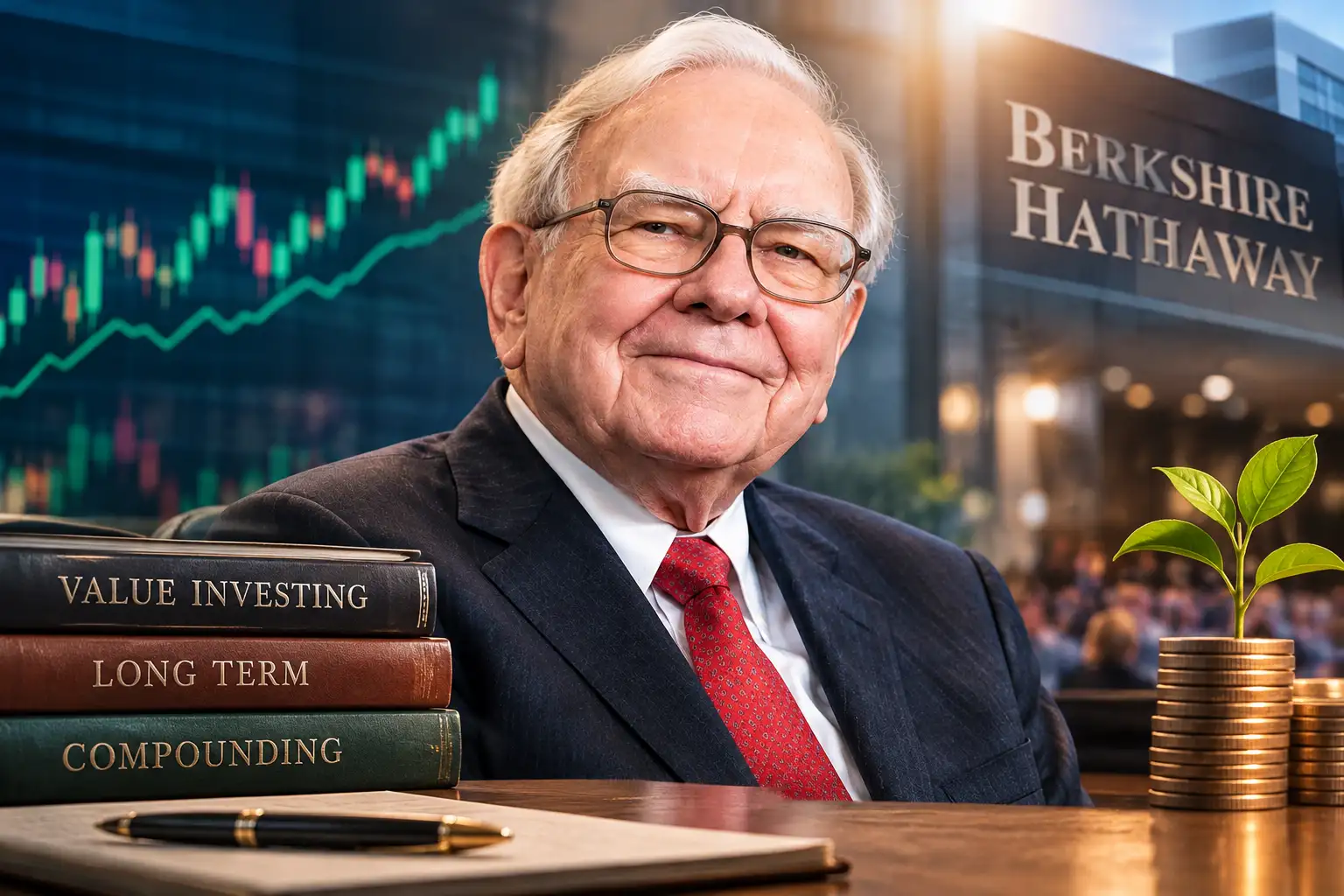
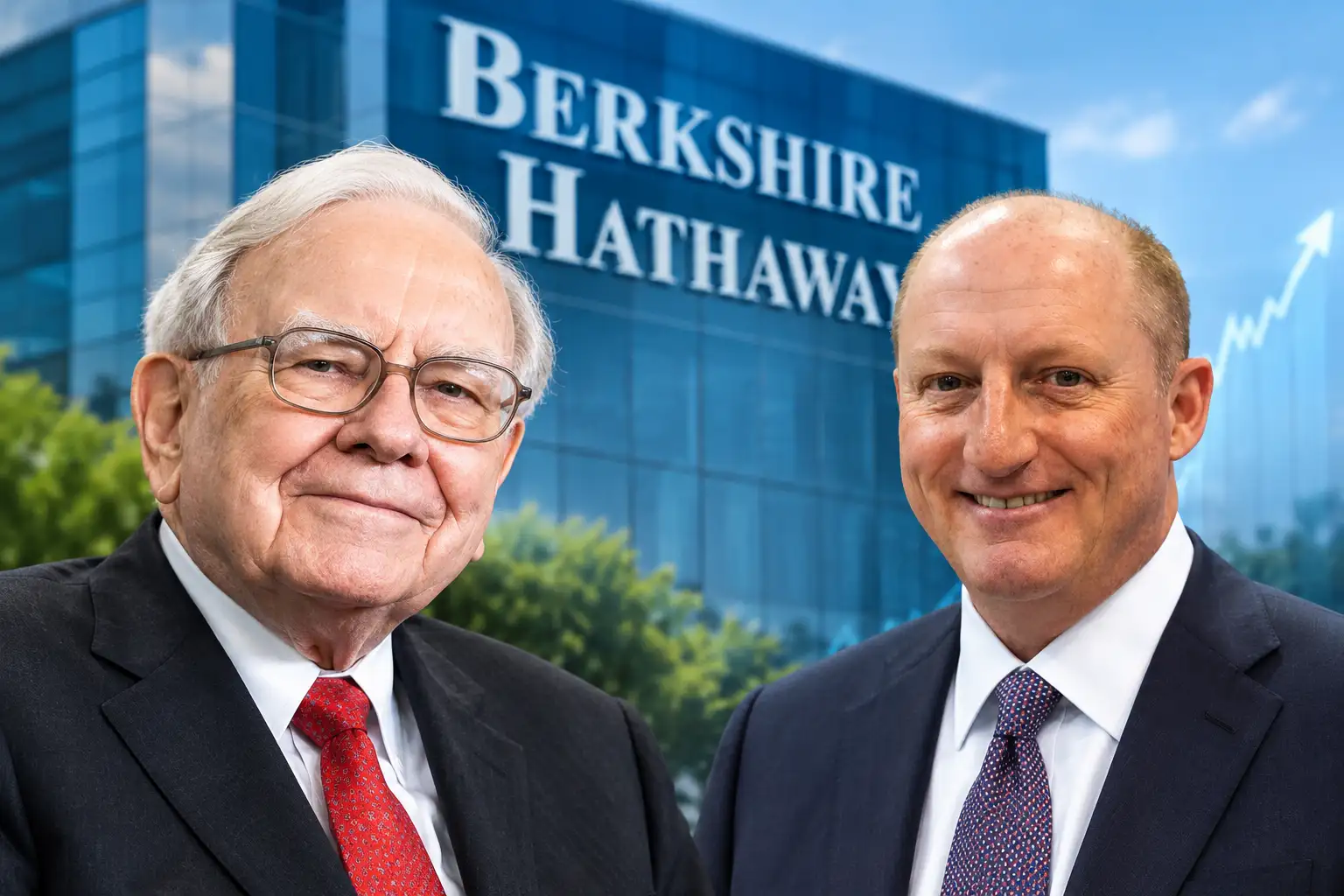
Warren Buffett has stepped down as Berkshire Hathaway’s chairman after more than six decades and become chairman emeritus. His son Howard now leads the board, while Greg Abel remains CEO and runs the company’s operations.
8:46 AMBloomberg Markets8 stories from 5 sources
Together, the moves put governance, cost discipline, and leadership stability at the center of the day’s corporate strategy news.
Supporting Articles
Warren Buffett has stepped down as Berkshire Hathaway’s chairman after more than six decades and become chairman emeritus. His son Howard now leads the board, while Greg Abel remains CEO and runs the company’s operations.
8:46 AMBloomberg Markets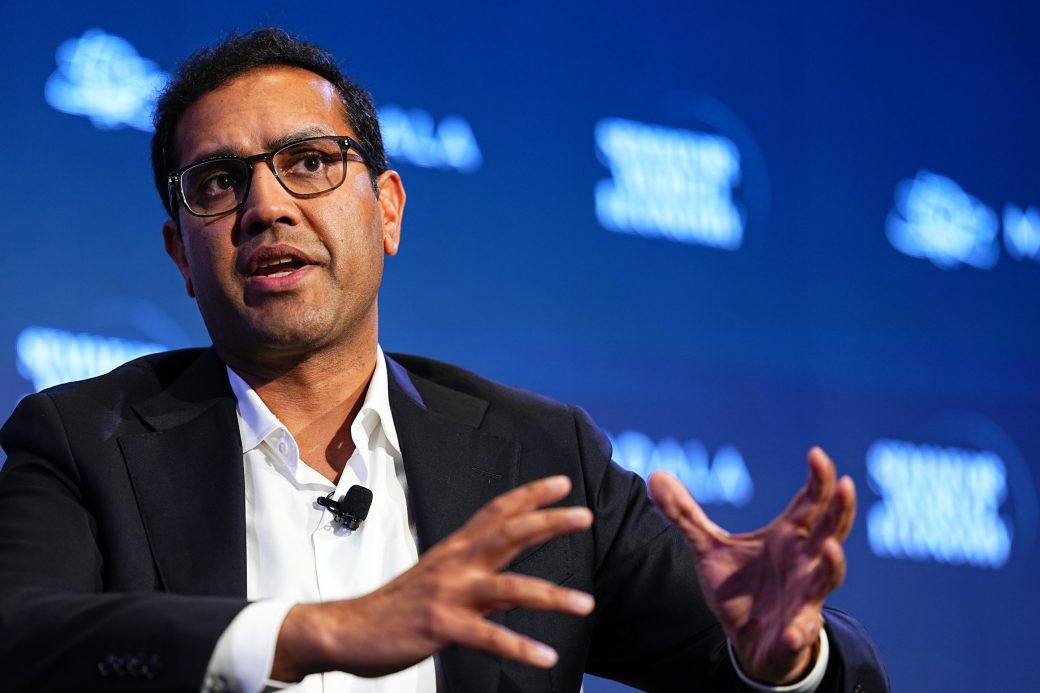
A personal dispute between Better.com founder Vishal Garg and the investor who replaced him as interim CEO has escalated into a broader fight for control of the company. The conflict now threatens to reshape leadership at the once high-flying mortgage startup.
6:04 AMFortuneFlock is reportedly offering employee buyouts to reduce its workforce. The company has indicated that it would almost certainly need layoffs if the buyout effort does not achieve its target.
4:39 PMTechCrunchSummary
Warren Buffett has stepped down as Berkshire Hathaway’s chairman after more than six decades and become chairman emeritus. His son Howard now leads the board, while Greg Abel remains CEO and runs the company’s operations.
The leadership transition is now complete, shifting Howard Buffett’s responsibility from succession planning to protecting
Unlock the full First Pass Analysis to get a better understanding of why this story mattersWhy it matters
Berkshire must now prove that its governance model can preserve Buffett’s legacy without Buffett making the key decisions.
4 stories · 3 sources
Summary
A personal dispute between Better.com founder Vishal Garg and the investor who replaced him as interim CEO has escalated into a broader fight for control of the company. The conflict now threatens to reshape leadership at the once high-flying mortgage startup.
The decisive shift is from a leadership succession dispute to a contest over corporate control.
Unlock the full First Pass Analysis to get a better understanding of why this story mattersWhy it matters
A public power struggle at the top can undermine investor confidence and distract a company already fighting to regain momentum.
Summary
Flock is reportedly offering employee buyouts to reduce its workforce. The company has indicated that it would almost certainly need layoffs if the buyout effort does not achieve its target.
Flock is shifting from voluntary cuts to potential involuntary layoffs as it seeks to reduce
Unlock the full First Pass Analysis to get a better understanding of why this story mattersWhy it matters
The outcome will show whether Flock can reduce costs without the disruption and morale damage of broad layoffs.
A curated list of other prominent stories from this day.
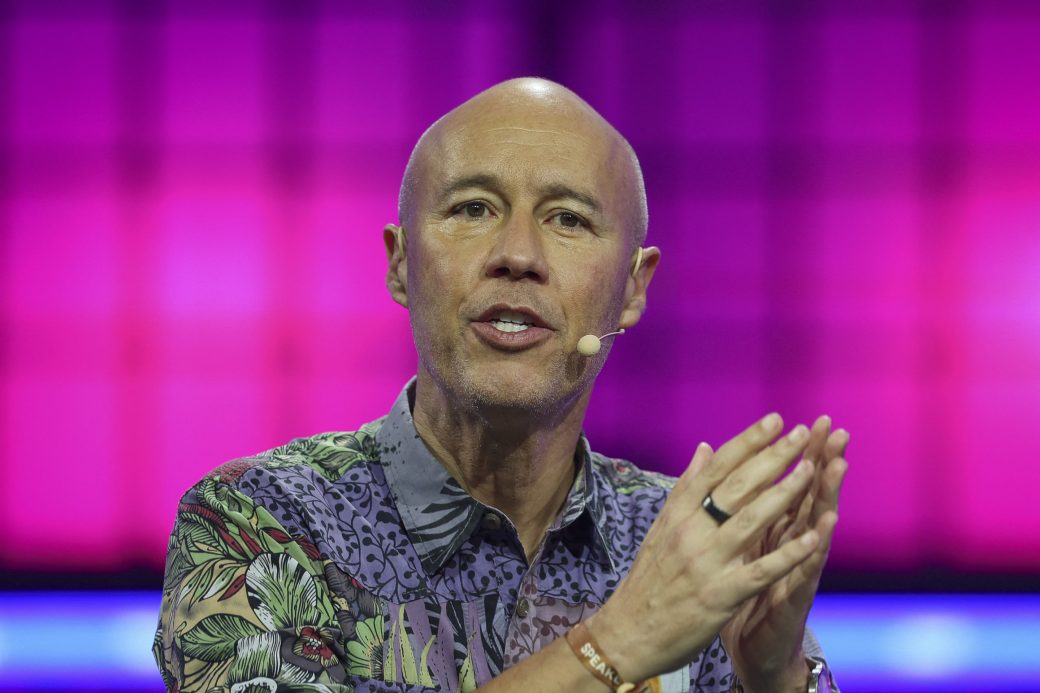
Lyft CEO David Risher says his experience as a driver shaped how he understands the company’s service and customer stakes. Driving follows a career that began with newspaper delivery and included working under Jeff Bezos at Amazon.
9:02 AMFortune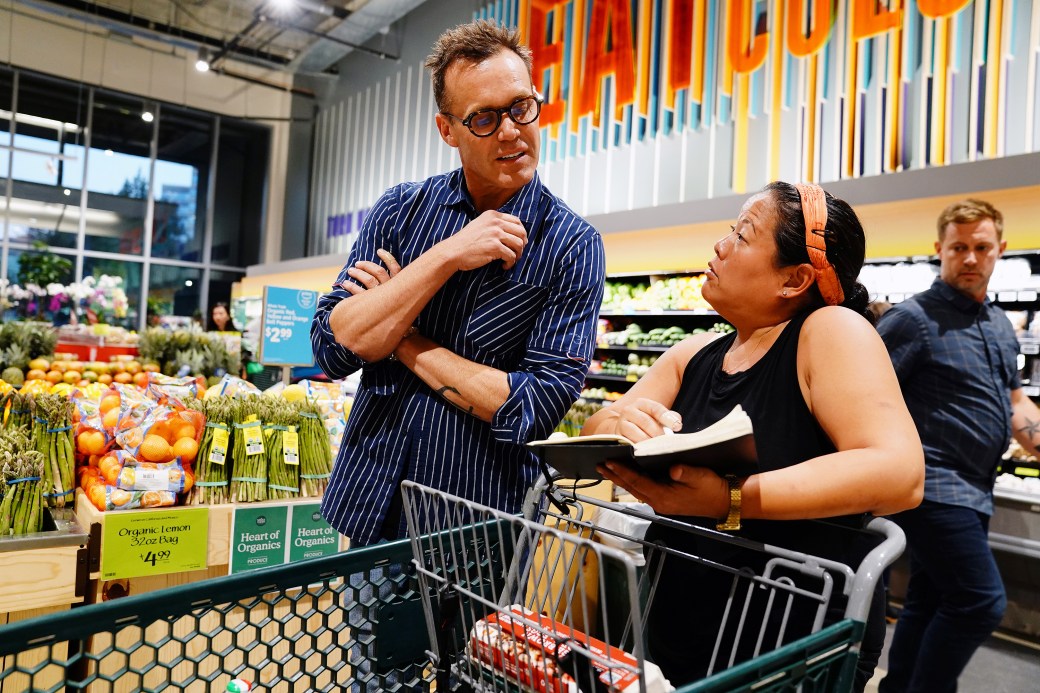
Chef and restaurateur Brian Malarkey is expanding his commitment to Portland despite doubts about the city’s business prospects. After opening 27 restaurants, he expects his Portland operations to generate $10 million in sales this year.
8:30 AMFortuneSummary
Lyft CEO David Risher says his experience as a driver shaped how he understands the company’s service and customer stakes. Driving follows a career that began with newspaper delivery and included working under Jeff Bezos at Amazon.
Risher’s firsthand experience gives Lyft’s leadership a direct view of how small service failures affect
Unlock the full First Pass Analysis to get a better understanding of why this story mattersWhy it matters
A CEO who has done the frontline work can expose operational costs that platform metrics often obscure.
Summary
Chef and restaurateur Brian Malarkey is expanding his commitment to Portland despite doubts about the city’s business prospects. After opening 27 restaurants, he expects his Portland operations to generate $10 million in sales this year.
Malarkey is treating Portland’s weakness as an opportunity to secure talent, customers, and market position
Unlock the full First Pass Analysis to get a better understanding of why this story mattersWhy it matters
His expansion tests whether local operators can turn Portland’s downturn into a competitive advantage.
Make it yours
Pick your topics, set your cadence, and receive your personalized First Pass in your inbox. It’s that simple!