
David Rubenstein bought the blue sculpture removed from the Kennedy Center last week from the artist’s foundation. He plans to put it on display at the National Gallery of Art.
3:28 PMNew York Times Arts34 stories from 12 sources
Supporting Articles
David Rubenstein bought the blue sculpture removed from the Kennedy Center last week from the artist’s foundation. He plans to put it on display at the National Gallery of Art.
3:28 PMNew York Times Arts
A video showing ceiling debris falling inside the Kennedy Center has become a political flashpoint. An activist group called the footage propaganda, while the center’s vice president for public relations said the damage shows why the building urgently needs to close for renovation and revitalization.
9:23 PMARTnews
ALIPH is expanding beyond buildings and artifacts to protect endangered film and audiovisual archives. Its new program will focus first on collections in Ukraine, Syria and Indonesia, combining emergency intervention with preservation and physical recovery.
5:00 AMVarietyGeles Cabrera, widely recognized as Mexico's first professional female sculptor, has died at 100. Her career marked a breakthrough for women in Mexican art and helped open space for future generations of sculptors.
5:14 PMARTnews
Jean-François Leroy, the founder of the Visa Pour l’Image photojournalism festival, has died at 69. The festival brought stark images of war, suffering, and global conflict to broad audiences, making him a major advocate for photography’s documentary power.
2:43 PMNew York Times Arts
An online archive documenting Tape Art's post-9/11 memorials has returned. The group created 490 firefighter and other human silhouettes across New York City in the aftermath of the attacks.
11:00 AMGothamistSt Paul’s Cathedral has teamed up with Fabric, the influential London nightclub, prompting backlash over the pairing. Critics question whether a major religious and state venue should be associated with a club known for late-night dance music.
10:24 AMARTnewsThe season ahead includes a broad survey of Roy Lichtenstein, the storytelling ambitions of the Lucas Museum of Narrative Art, and exhibitions shaped by activism. The focus stretches from Colombia and South Asia to New York.
12:43 PMNew York Times Arts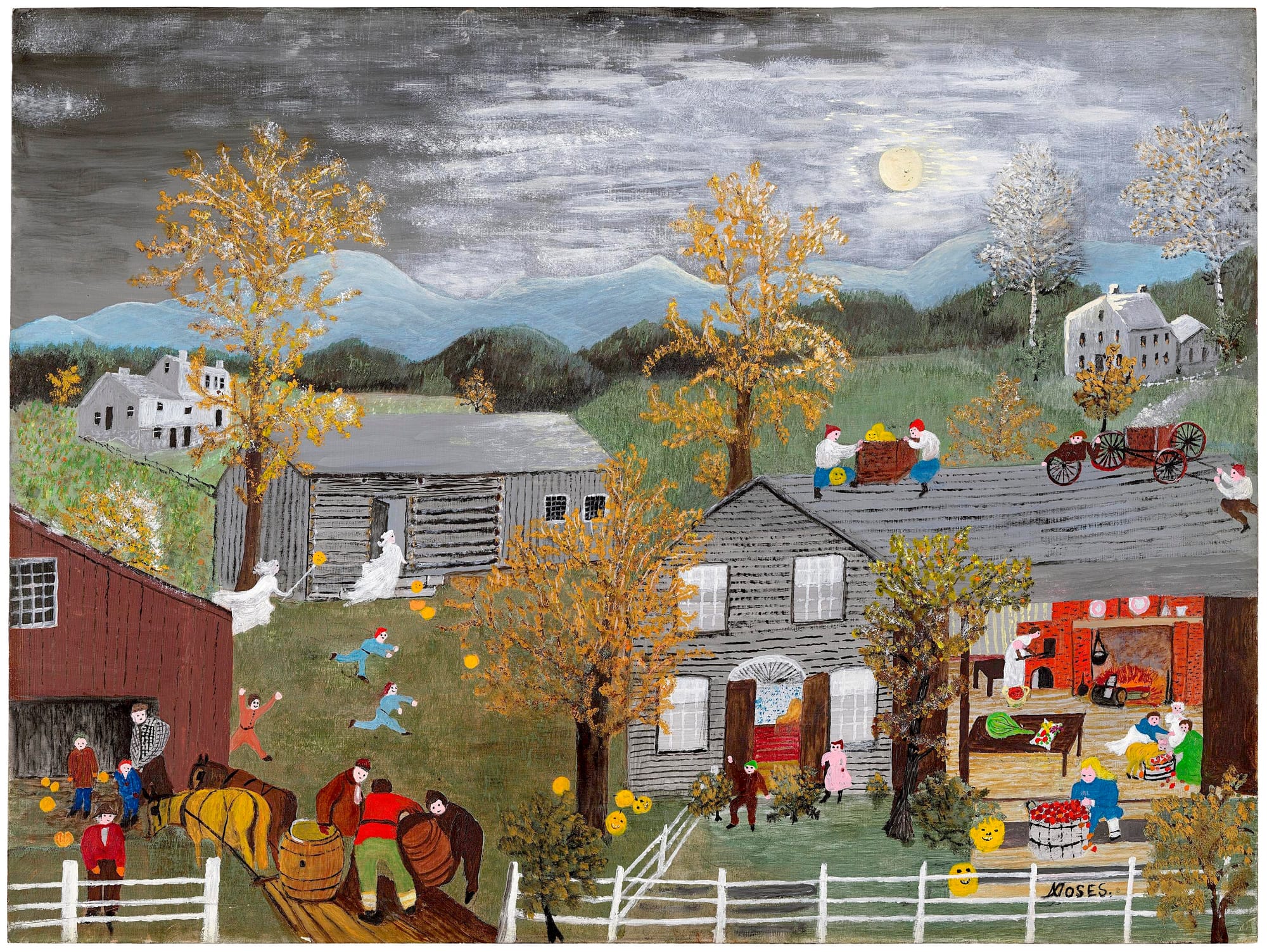
This fall’s museum lineup spans Tony Cokes’s inventive video essays, a major Grandma Moses retrospective, and Abbas Akhavan’s first US museum exhibition. The mix brings together established names, overlooked histories, and plenty of room for discovery.
2:30 PMHyperallergicSummary
David Rubenstein bought the blue sculpture removed from the Kennedy Center last week from the artist’s foundation. He plans to put it on display at the National Gallery of Art.
The sculpture’s quick move from a contentious removal to a prominent new home gives the
Unlock the full First Pass Analysis to get a better understanding of why this story mattersWhy it matters
A dismantled artwork is headed for a major museum, turning a removal into a very public cultural flashpoint.
Summary
A video showing ceiling debris falling inside the Kennedy Center has become a political flashpoint. An activist group called the footage propaganda, while the center’s vice president for public relations said the damage shows why the building urgently needs to close for renovation and revitalization.
The dispute is less about one collapsing ceiling than about who gets to define the
Unlock the full First Pass Analysis to get a better understanding of why this story mattersWhy it matters
The video is adding fresh pressure to an already heated debate over the Kennedy Center’s repairs and direction.
Summary
ALIPH is expanding beyond buildings and artifacts to protect endangered film and audiovisual archives. Its new program will focus first on collections in Ukraine, Syria and Indonesia, combining emergency intervention with preservation and physical recovery.
It is a timely reminder that cultural heritage is not only what hangs in a
Unlock the full First Pass Analysis to get a better understanding of why this story mattersWhy it matters
The effort could save film history that remains largely unprotected and at serious risk of being lost.
Summary
Geles Cabrera, widely recognized as Mexico's first professional female sculptor, has died at 100. Her career marked a breakthrough for women in Mexican art and helped open space for future generations of sculptors.
Cabrera's importance goes beyond her longevity. She entered a male-dominated field early and made sculpture
Unlock the full First Pass Analysis to get a better understanding of why this story mattersWhy it matters
Her death closes a century-long chapter in Mexican art while underscoring the barriers she helped break.
Summary
Jean-François Leroy, the founder of the Visa Pour l’Image photojournalism festival, has died at 69. The festival brought stark images of war, suffering, and global conflict to broad audiences, making him a major advocate for photography’s documentary power.
Leroy treated photojournalism as more than news coverage. He helped create a space where difficult
Unlock the full First Pass Analysis to get a better understanding of why this story mattersWhy it matters
His work helped ensure that the realities captured by photojournalists could not be easily ignored.
Summary
An online archive documenting Tape Art's post-9/11 memorials has returned. The group created 490 firefighter and other human silhouettes across New York City in the aftermath of the attacks.
The archive restores a record of a public memorial that was temporary, decentralized, and vulnerable
Unlock the full First Pass Analysis to get a better understanding of why this story mattersWhy it matters
The recovered archive safeguards an overlooked part of New York's 9/11 history before the physical artwork and firsthand memories fade further.
Summary
St Paul’s Cathedral has teamed up with Fabric, the influential London nightclub, prompting backlash over the pairing. Critics question whether a major religious and state venue should be associated with a club known for late-night dance music.
The partnership is an unmistakable clash of worlds: sacred landmark meets nightlife institution. It also
Unlock the full First Pass Analysis to get a better understanding of why this story mattersWhy it matters
The controversy highlights the tension between preserving tradition and making historic institutions feel relevant.
Summary
The season ahead includes a broad survey of Roy Lichtenstein, the storytelling ambitions of the Lucas Museum of Narrative Art, and exhibitions shaped by activism. The focus stretches from Colombia and South Asia to New York.
The big museums are balancing familiar names with harder political questions. That makes for a
Unlock the full First Pass Analysis to get a better understanding of why this story mattersWhy it matters
The lineup suggests that major exhibitions are increasingly treating art as a way to examine history, identity, and resistance.
Summary
This fall’s museum lineup spans Tony Cokes’s inventive video essays, a major Grandma Moses retrospective, and Abbas Akhavan’s first US museum exhibition. The mix brings together established names, overlooked histories, and plenty of room for discovery.
It is a useful reminder that the season’s strongest shows are not limited to the
Unlock the full First Pass Analysis to get a better understanding of why this story mattersWhy it matters
A fresh crop of exhibitions offers an easy excuse to make museums part of your fall plans.
A curated list of other prominent stories from this day.

Aiden Thomas’s supernatural romance sequel has arrived, bringing readers back into the world of Cemetery Boys. To mark the release, fans can hear an audiobook excerpt performed by Critical Role’s Vico Ortiz.
4:00 PMPolygon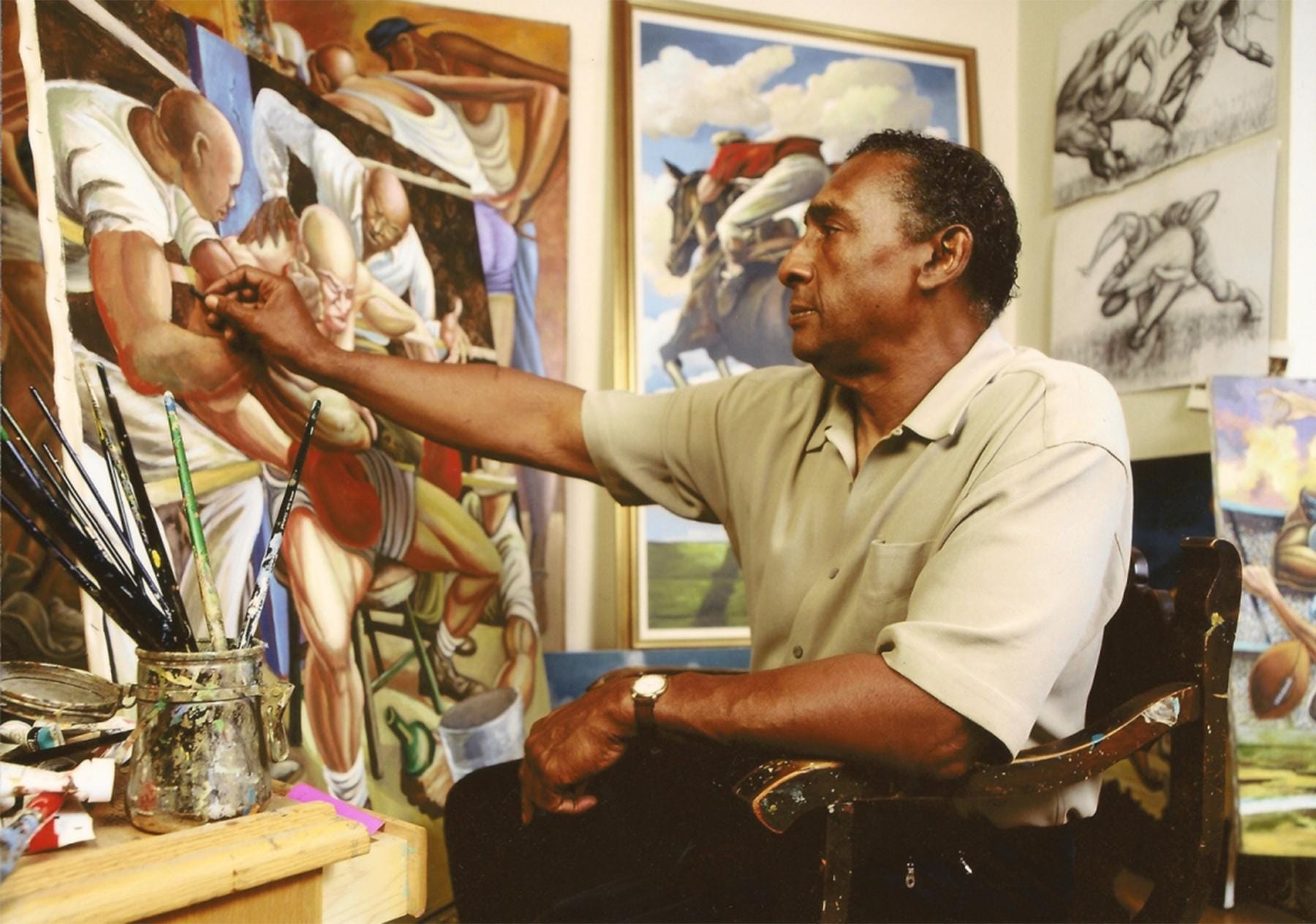
Ernie Barnes, the former football player turned painter, became known for joyful, kinetic scenes of Black life, dance, and movement. His daughter, Erin Barnes, is now working to conserve his studio, materials, and working methods as museums take a fresh look at his legacy.
2:00 PMHyperallergic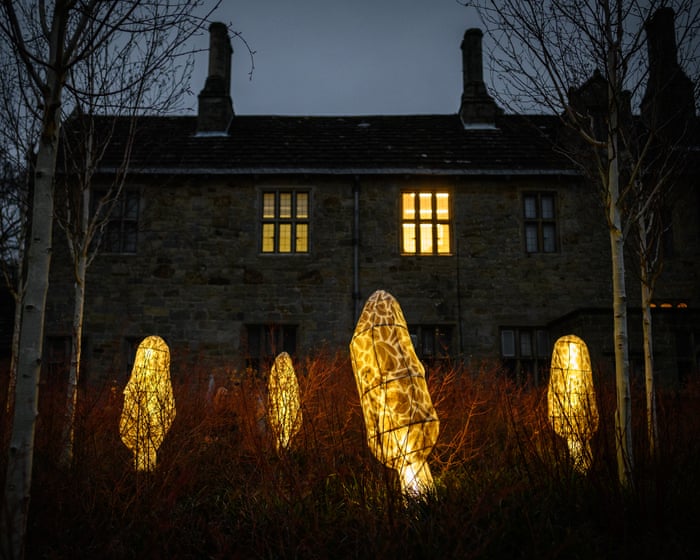
John Varah, who died at 67, helped turn community art into large-scale public celebration. He created festivals, parades, lanterns, and ingenious illuminated contraptions, including Brighton's annual Burning the Clocks procession.
12:41 PMThe Guardian Art and Design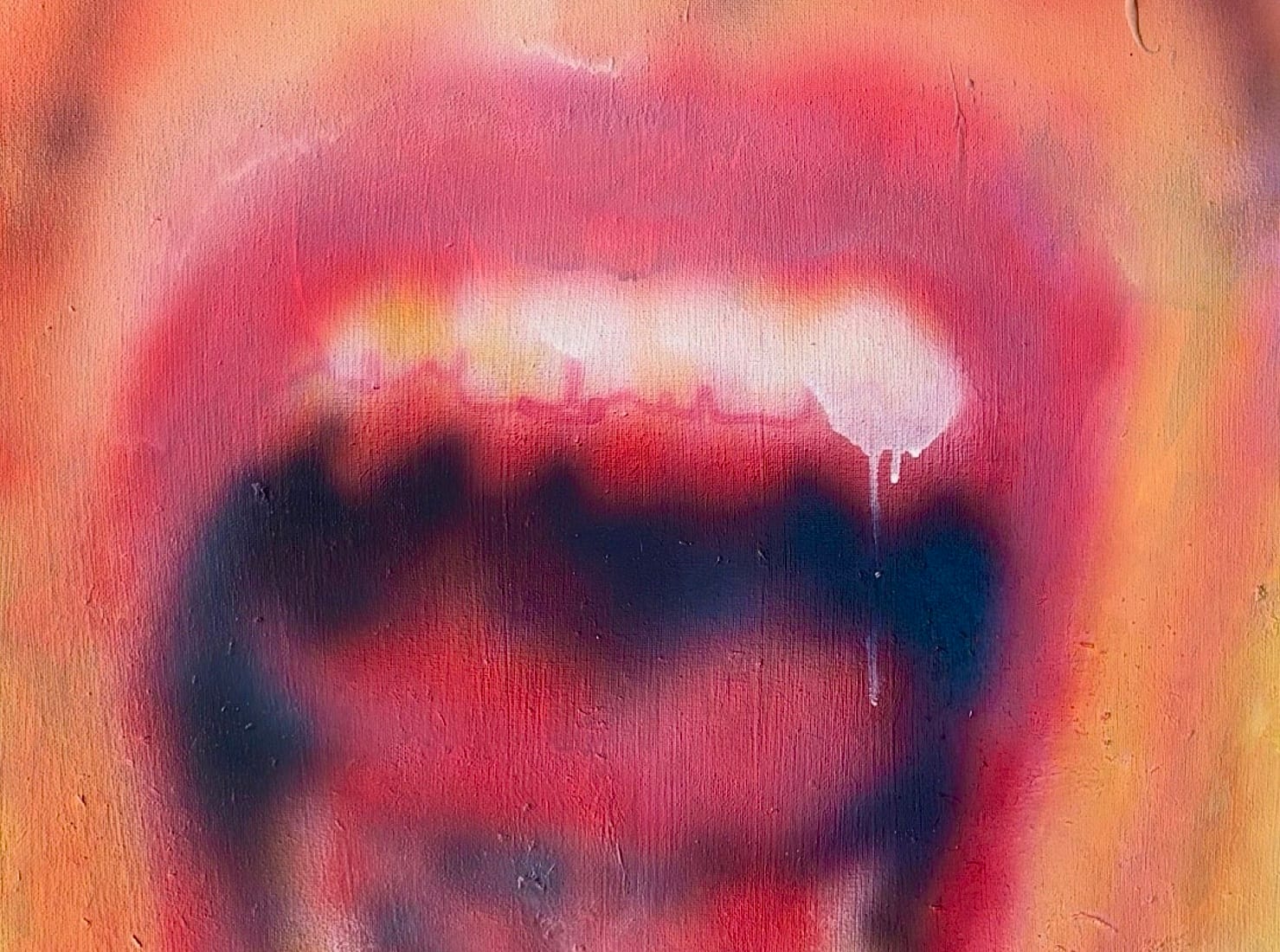
Abstract Mag invited dozens of artists to a summer residency in Georgia, but the organizers disappeared before the program began. Their social media accounts went dark, leaving artists to sort through unanswered questions about promises, planning, and accountability.
12:00 PMHyperallergic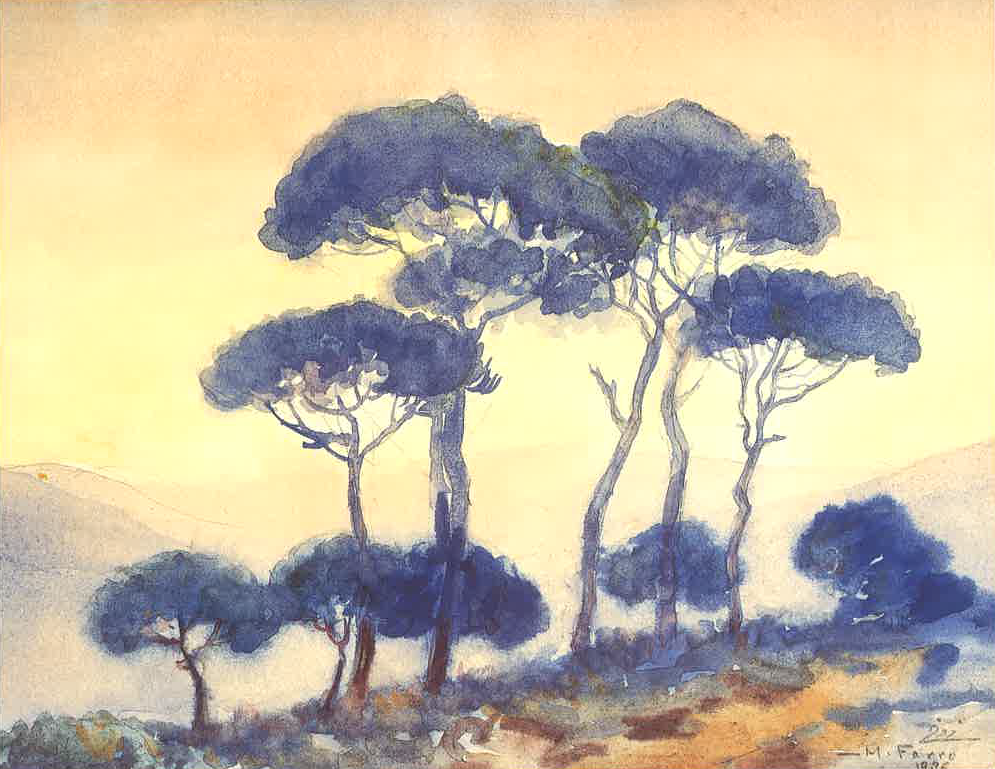
A visit to the Lebanese mountain town of Dhour El Choueir revived the memory of a painting and a poem translated two decades earlier. The piece follows how those images of pine trees lingered, resurfaced, and gathered new meaning over time.
11:30 AMHyperallergic
A new book examines how news coverage of Israel's war on Gaza helped sanitize violence, obscure Palestinian suffering, and make the campaign easier for audiences to accept. It focuses on the language, framing, and editorial choices that shaped public understanding of the conflict.
10:59 AMAl Jazeera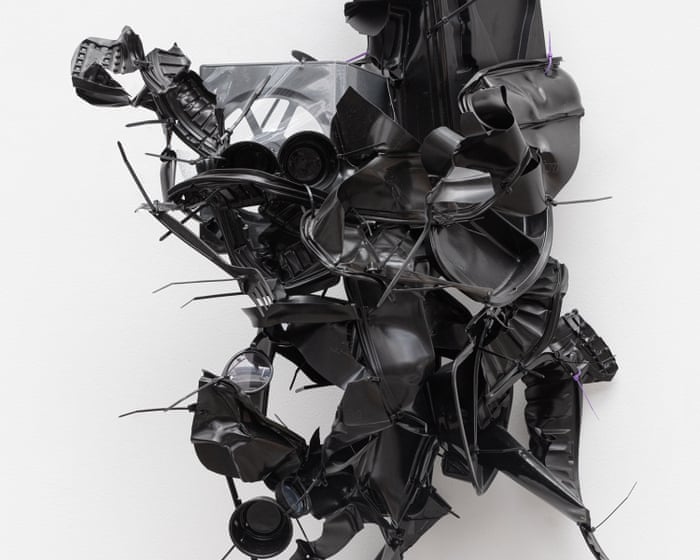
Liz Larner has spent decades turning unconventional materials, from hair and leather to bacteria grown from artists' breath, into sculpture. Her 1988 work invited artists around the world to breathe onto petri dishes, producing forms that changed from beautiful colors to murky, unsettling growths.
10:57 AMThe Guardian Art and Design
Photographer Keith Meyers spent years documenting waterfronts in and around New York City, with the twin towers repeatedly appearing in the background. His images trace how the towers became an enduring visual reference point in the city's landscape.
10:49 AMNYT New York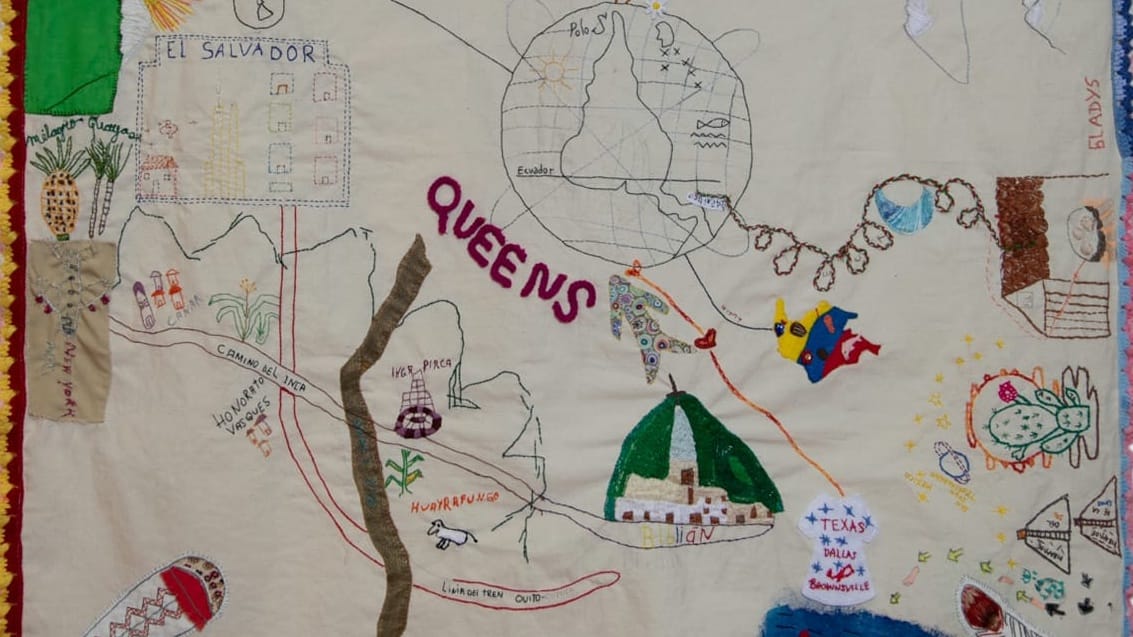
Undocumented Latin American women in New York's costureros, or needlework circles, are sewing together a record of their lives. Their work creates a countermap rooted in migration, labor, and community rather than official geography.
10:30 AMHyperallergicIssy Wood has been chosen as the first artist in the National Portrait Gallery’s new contemporary program. Her work will headline a series in the gallery’s Weston Wing, which will host three free exhibitions each year.
10:22 AMARTnewsNiels Refsgaard, the Dansk designer who helped reshape American tableware, has died at 91. His casual, modern dishware fit the late 1960s and 1970s, when formal china began to look out of step with everyday life.
10:21 AMNew York Times Arts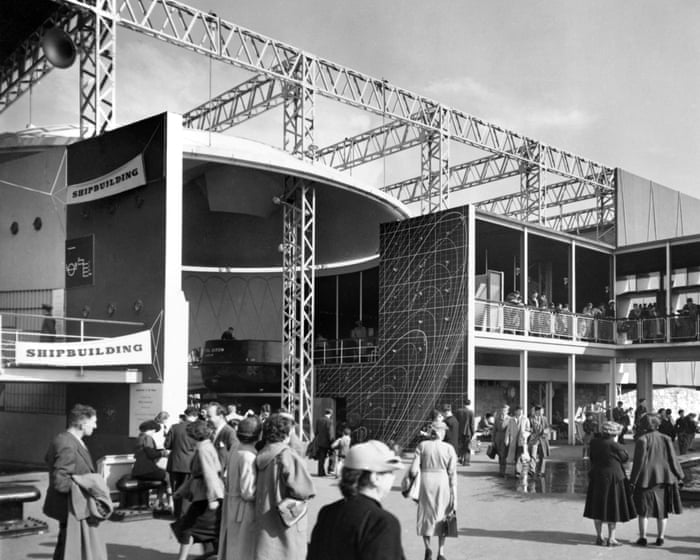
Kate Atkinson’s novel returns to 1951 and the Festival of Britain, following Harry Flynn, a former war reporter navigating a troubled postwar life. The review finds a gentle, noirish mystery packed with eccentric characters and period detail, though only occasional flashes of Atkinson’s trademark brilliance.
10:11 AMThe Guardian Books
A memorable line from Dilbert is getting a fresh look decades after the strip became a hit. The piece revisits why the joke still works while separating the comic’s enduring appeal from Scott Adams’s later controversial public views.
10:00 AMPolygonAs church attendance falls across Europe, many old religious buildings are being left empty. Artists and other community-minded thinkers see an opportunity to turn them into care centers, cultural venues, and shared public spaces.
7:51 AMNew York Times Arts
Gloria Steinem built her life around a future she knew she might never see. Her example rests on a demanding idea: progress still requires you to keep moving toward a better world, even when you will not arrive there yourself.
6:00 AMThe New Yorker — Books & Culture
Carla Lalli Cook’s new cookbook, “Food Is a Feeling,” explores the appetites and rituals that follow a marriage’s end. It joins a long tradition of writers using food to make sense of becoming newly single.
6:00 AMThe New Yorker — Books & Culture
In a new book, Grandmaster Flash recounts the early days of hip-hop from his own vantage point as one of its pioneering DJs. His story centers on the techniques, scenes, and creative energy that helped turn local experimentation into a cultural force.
6:00 AMThe New Yorker — Books & Culture
Short reviews take on four books: “The Breakup,” “All Them Dogs,” “Sex and Dissent,” and “We Want to Believe.” Together they cover fiction, culture, sexuality, and the stories people build around belief.
6:00 AMThe New Yorker — Books & Culture
The piece traces how ambition, reinvention, and social charm became part of an especially American style of sophistication. It looks at the performance of taste as something people learn, build, and use to move through the world.
6:00 AMThe New Yorker — Books & Culture
Noël Godin made a spectacle of throwing whipped cream pies at powerful and famous figures, including Bill Gates, Jean-Luc Godard and Bernard-Henri Lévy. He turned an absurd stunt into a distinctive form of protest and died at 80.
5:03 AMThe New York Times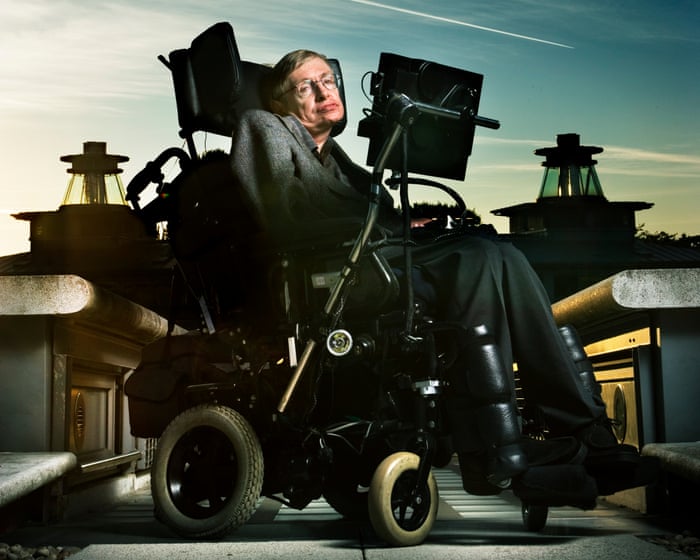
Graham Farmelo's biography presents Stephen Hawking as both a groundbreaking physicist and a fiercely determined man. It also looks past the public legend to examine accusations of bullying, selfishness and self-promotion.
2:00 AMThe Guardian BooksSummary
Aiden Thomas’s supernatural romance sequel has arrived, bringing readers back into the world of Cemetery Boys. To mark the release, fans can hear an audiobook excerpt performed by Critical Role’s Vico Ortiz.
The casting adds a fun bridge between young adult fantasy and the booming actual play
Unlock the full First Pass Analysis to get a better understanding of why this story mattersWhy it matters
The sequel is giving Cemetery Boys fans a new story and a recognizable voice to follow into it.
Summary
Ernie Barnes, the former football player turned painter, became known for joyful, kinetic scenes of Black life, dance, and movement. His daughter, Erin Barnes, is now working to conserve his studio, materials, and working methods as museums take a fresh look at his legacy.
Preserving an artist means more than saving finished paintings. The paint tubes, tools, and routines
Unlock the full First Pass Analysis to get a better understanding of why this story mattersWhy it matters
The effort helps ensure Barnes's influence survives as a living practice, not just a collection of famous images.
Summary
John Varah, who died at 67, helped turn community art into large-scale public celebration. He created festivals, parades, lanterns, and ingenious illuminated contraptions, including Brighton's annual Burning the Clocks procession.
Varah's work treated art as something people could build and carry together, not simply observe
Unlock the full First Pass Analysis to get a better understanding of why this story mattersWhy it matters
He showed how ambitious public art can belong to an entire city.
Summary
Abstract Mag invited dozens of artists to a summer residency in Georgia, but the organizers disappeared before the program began. Their social media accounts went dark, leaving artists to sort through unanswered questions about promises, planning, and accountability.
Residencies often ask artists to commit time, money, and trust long before anything is guaranteed.
Unlock the full First Pass Analysis to get a better understanding of why this story mattersWhy it matters
The episode is a reminder that artists need clear contracts and real accountability, even from seemingly reputable cultural projects.
Summary
A visit to the Lebanese mountain town of Dhour El Choueir revived the memory of a painting and a poem translated two decades earlier. The piece follows how those images of pine trees lingered, resurfaced, and gathered new meaning over time.
It is a meditation on the strange afterlife of art in memory. Sometimes a work
Unlock the full First Pass Analysis to get a better understanding of why this story mattersWhy it matters
The story shows how art can connect landscapes, language, and personal history across decades.
Summary
A new book examines how news coverage of Israel's war on Gaza helped sanitize violence, obscure Palestinian suffering, and make the campaign easier for audiences to accept. It focuses on the language, framing, and editorial choices that shaped public understanding of the conflict.
The central argument is that media framing is not a neutral backdrop to war. The
Unlock the full First Pass Analysis to get a better understanding of why this story mattersWhy it matters
It asks readers to scrutinize not only what war coverage includes, but also what it leaves unsaid.
Summary
Liz Larner has spent decades turning unconventional materials, from hair and leather to bacteria grown from artists' breath, into sculpture. Her 1988 work invited artists around the world to breathe onto petri dishes, producing forms that changed from beautiful colors to murky, unsettling growths.
Larner's work makes art feel less like a fixed object and more like a living
Unlock the full First Pass Analysis to get a better understanding of why this story mattersWhy it matters
Her sculptures stretch the definition of art while exposing the creative possibilities and discomfort of biological change.
Summary
Photographer Keith Meyers spent years documenting waterfronts in and around New York City, with the twin towers repeatedly appearing in the background. His images trace how the towers became an enduring visual reference point in the city's landscape.
The photographs preserve the towers as part of ordinary urban life, not only as symbols
Unlock the full First Pass Analysis to get a better understanding of why this story mattersWhy it matters
The photographs recover the towers as lived geography, adding everyday context to a landmark now remembered mainly through tragedy.
Summary
Undocumented Latin American women in New York's costureros, or needlework circles, are sewing together a record of their lives. Their work creates a countermap rooted in migration, labor, and community rather than official geography.
These women are turning domestic craft into a public archive, preserving experiences that formal institutions
Unlock the full First Pass Analysis to get a better understanding of why this story mattersWhy it matters
The work shows how marginalized New Yorkers can document belonging and reshape the city's historical map.
Summary
Issy Wood has been chosen as the first artist in the National Portrait Gallery’s new contemporary program. Her work will headline a series in the gallery’s Weston Wing, which will host three free exhibitions each year.
The program gives the gallery a regular platform for living artists instead of treating contemporary
Unlock the full First Pass Analysis to get a better understanding of why this story mattersWhy it matters
The initiative signals a stronger, more accessible commitment to contemporary portraiture.
Summary
Niels Refsgaard, the Dansk designer who helped reshape American tableware, has died at 91. His casual, modern dishware fit the late 1960s and 1970s, when formal china began to look out of step with everyday life.
Refsgaard understood that people wanted their homes to feel relaxed, not ceremonial. His designs helped
Unlock the full First Pass Analysis to get a better understanding of why this story mattersWhy it matters
His work captured the moment American dining traded inherited formality for modern, usable design.
Summary
Kate Atkinson’s novel returns to 1951 and the Festival of Britain, following Harry Flynn, a former war reporter navigating a troubled postwar life. The review finds a gentle, noirish mystery packed with eccentric characters and period detail, though only occasional flashes of Atkinson’s trademark brilliance.
The setting is perfectly suited to Atkinson’s taste for oddball personalities and telling details. The
Unlock the full First Pass Analysis to get a better understanding of why this story mattersWhy it matters
It is an appealing historical mystery, but not necessarily one of Atkinson’s strongest novels.
Summary
A memorable line from Dilbert is getting a fresh look decades after the strip became a hit. The piece revisits why the joke still works while separating the comic’s enduring appeal from Scott Adams’s later controversial public views.
It is a familiar cultural dilemma: a sharp piece of work can outlive the reputation
Unlock the full First Pass Analysis to get a better understanding of why this story mattersWhy it matters
The story asks how audiences should handle popular work when its creator becomes impossible to ignore.
Summary
As church attendance falls across Europe, many old religious buildings are being left empty. Artists and other community-minded thinkers see an opportunity to turn them into care centers, cultural venues, and shared public spaces.
The question is less about preserving every building exactly as it was and more about
Unlock the full First Pass Analysis to get a better understanding of why this story mattersWhy it matters
Europe’s empty churches are forcing communities to rethink what historic spaces are for.
Summary
Gloria Steinem built her life around a future she knew she might never see. Her example rests on a demanding idea: progress still requires you to keep moving toward a better world, even when you will not arrive there yourself.
That gives her legacy both its power and its weight. Steinem treated activism as a
Unlock the full First Pass Analysis to get a better understanding of why this story mattersWhy it matters
Her life is a reminder that lasting change depends on people willing to work beyond their own horizon.
Summary
Carla Lalli Cook’s new cookbook, “Food Is a Feeling,” explores the appetites and rituals that follow a marriage’s end. It joins a long tradition of writers using food to make sense of becoming newly single.
The interesting part is less the recipes than the emotional reset behind them. Cooking becomes
Unlock the full First Pass Analysis to get a better understanding of why this story mattersWhy it matters
Food can offer both comfort and a fresh start when everything else feels unsettled.
Summary
In a new book, Grandmaster Flash recounts the early days of hip-hop from his own vantage point as one of its pioneering DJs. His story centers on the techniques, scenes, and creative energy that helped turn local experimentation into a cultural force.
This is history told by someone who was not standing at the sidelines. His version
Unlock the full First Pass Analysis to get a better understanding of why this story mattersWhy it matters
The book preserves firsthand memory of how hip-hop was built before the world knew what it would become.
Summary
Short reviews take on four books: “The Breakup,” “All Them Dogs,” “Sex and Dissent,” and “We Want to Believe.” Together they cover fiction, culture, sexuality, and the stories people build around belief.
This is the literary equivalent of a sampler plate. Each review offers a quick sense
Unlock the full First Pass Analysis to get a better understanding of why this story mattersWhy it matters
The roundup gives readers a fast way to discover several new books across very different subjects.
Summary
The piece traces how ambition, reinvention, and social charm became part of an especially American style of sophistication. It looks at the performance of taste as something people learn, build, and use to move through the world.
Sophistication here is less about inherited polish than about knowing how to present yourself. That
Unlock the full First Pass Analysis to get a better understanding of why this story mattersWhy it matters
It offers a fresh way to think about American identity as a style people actively construct.
Summary
Noël Godin made a spectacle of throwing whipped cream pies at powerful and famous figures, including Bill Gates, Jean-Luc Godard and Bernard-Henri Lévy. He turned an absurd stunt into a distinctive form of protest and died at 80.
Godin’s pie attacks worked because they punctured status without pretending to be conventional politics. The
Unlock the full First Pass Analysis to get a better understanding of why this story mattersWhy it matters
His career showed how slapstick can challenge power when argument and outrage start to feel predictable.
Summary
Graham Farmelo's biography presents Stephen Hawking as both a groundbreaking physicist and a fiercely determined man. It also looks past the public legend to examine accusations of bullying, selfishness and self-promotion.
The book pushes back against the instinct to turn celebrated figures into spotless heroes. Hawking's
Unlock the full First Pass Analysis to get a better understanding of why this story mattersWhy it matters
It asks readers to reckon with the uncomfortable gap between extraordinary achievement and difficult personal behavior.
Make it yours
Pick your topics, set your cadence, and receive your personalized First Pass in your inbox. It’s that simple!