
Authorities in Florida seized more than 22,000 ancient artifacts, including Egyptian statues and Greek and Roman coins. The objects are believed to be between 1,000 and 5,000 years old.
2:47 PMThe New York Times12 stories from 7 sources
The day therefore paired threats to inherited culture with a vivid example of communities actively protecting it.
Supporting Articles
Authorities in Florida seized more than 22,000 ancient artifacts, including Egyptian statues and Greek and Roman coins. The objects are believed to be between 1,000 and 5,000 years old.
2:47 PMThe New York Times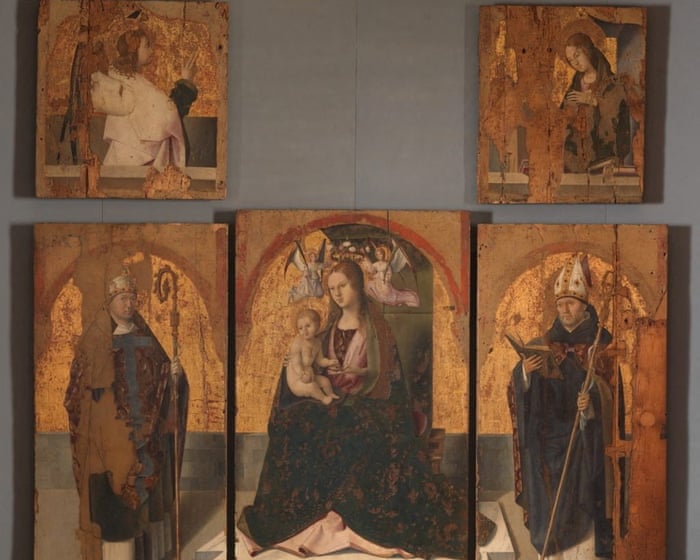
Thieves broke into a museum in Messina during a busy religious festival and went straight for Antonello da Messina’s prized Renaissance polyptych. They took some of the panels but left part of the artwork behind, raising questions about what they wanted and how the robbery was planned.
12:00 AMThe Guardian Art and Design
Thieves smashed a display case in a Vienna museum and escaped with a diamond necklace worth millions. The necklace once belonged to an Egyptian queen and was later sold to settle her creditors’ debts, adding a remarkable backstory to the latest high profile museum theft.
9:02 AMThe New York TimesSummary
Authorities in Florida seized more than 22,000 ancient artifacts, including Egyptian statues and Greek and Roman coins. The objects are believed to be between 1,000 and 5,000 years old.
That is a remarkably large haul, spanning several major civilizations and thousands of years of
Unlock the full First Pass Analysis to get a better understanding of why this story mattersWhy it matters
The collection represents an enormous piece of the ancient past, and its seizure could help keep those objects from disappearing into private markets.
Summary
Thieves broke into a museum in Messina during a busy religious festival and went straight for Antonello da Messina’s prized Renaissance polyptych. They took some of the panels but left part of the artwork behind, raising questions about what they wanted and how the robbery was planned.
The timing was clever: while the city was packed with worshippers, the museum’s surroundings were
Unlock the full First Pass Analysis to get a better understanding of why this story mattersWhy it matters
A major piece of Italy’s artistic heritage is missing, and the strange details could be key to recovering it.
Summary
Thieves smashed a display case in a Vienna museum and escaped with a diamond necklace worth millions. The necklace once belonged to an Egyptian queen and was later sold to settle her creditors’ debts, adding a remarkable backstory to the latest high profile museum theft.
The robbery highlights how vulnerable museums remain, even as stolen objects become harder to sell
Unlock the full First Pass Analysis to get a better understanding of why this story mattersWhy it matters
A historically important jewel has vanished, raising fresh questions about museum security.
A curated list of other prominent stories from this day.

The Jab Jab parade brings hundreds of revelers onto the streets of London wearing devil horns and covering their skin in motor oil. The striking tradition is a spirited part of Notting Hill Carnival, with roots in Caribbean carnival culture.
7:29 PMAl Jazeera
Jackson Pollock’s Blue Poles became far more than an abstract painting after Australia bought it in 1973. The purchase drew in Gough Whitlam, the Shah of Iran and a furious public debate, turning the work into a symbol of Australia’s push toward modernity. Now, as the painting moves from Canberra to Perth, its tangled political history is back in focus.
11:00 AMThe Guardian Art and Design
Tom Gauld turns his attention to the close of summer's book-filled season in a new cartoon. With his usual dry touch, he captures the shift from leisurely holiday reading back to the regular rhythms of autumn.
11:00 AMThe Guardian Books
More Spaniards are beginning to eat dinner earlier, challenging the country’s famous late-night mealtime. Health experts welcome the shift, but many people still see the 10 p.m. dinner as part of everyday Spanish life.
7:07 AMThe New York Times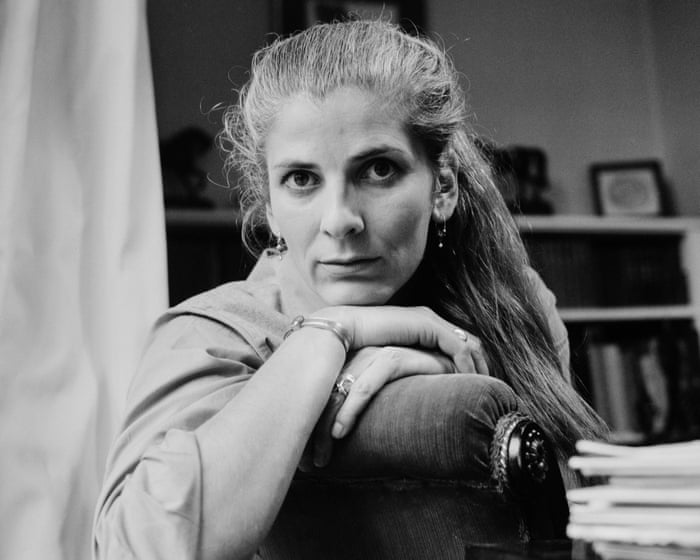
Louisa Young has taken on the daunting task of continuing her aunt Elizabeth Jane Howard’s beloved Cazalet family saga. Her new trilogy asks what became of the sprawling cast after the original novels ended, while facing the obvious question: can anyone satisfy such devoted fans?
7:00 AMThe Guardian BooksDolly Parton’s songs traveled far beyond Nashville and found a warm reception across Africa. Musicians connected with her stories of poverty, heartbreak and humble beginnings, then reshaped them through their own sounds and experiences.
6:00 AMNPR ArtsSarah Davachi’s “The Will of Tongues” favors patience over spectacle. Its quiet, carefully shaped pieces ask listeners to slow down, give the music their full attention and notice what usually slips past.
5:00 AMNew York Times Arts
Katherine Rundell’s blockbuster Impossible Creatures series is winning over readers with its sweeping fantasy world, mythic adventure, and big-hearted sense of wonder. The series has become one of the summer’s most eagerly awaited reads, and the hype appears well deserved.
4:00 AMPolygon
Around 4,000 people in Hirosaki joined forces to move part of their historic castle using ropes and rollers. The effort revived hikiya, a traditional Japanese method for shifting buildings by hand.
1:28 AMThe New York TimesSummary
The Jab Jab parade brings hundreds of revelers onto the streets of London wearing devil horns and covering their skin in motor oil. The striking tradition is a spirited part of Notting Hill Carnival, with roots in Caribbean carnival culture.
It may look chaotic at first glance, but the oil, horns and intense energy are
Unlock the full First Pass Analysis to get a better understanding of why this story mattersWhy it matters
Jab Jab shows how Caribbean traditions continue to shape and animate one of London’s biggest cultural celebrations.
Summary
Jackson Pollock’s Blue Poles became far more than an abstract painting after Australia bought it in 1973. The purchase drew in Gough Whitlam, the Shah of Iran and a furious public debate, turning the work into a symbol of Australia’s push toward modernity. Now, as the painting moves from Canberra to Perth, its tangled political history is back in focus.
Blue Poles shows how cultural arguments can quickly become political ones, especially when public money
Unlock the full First Pass Analysis to get a better understanding of why this story mattersWhy it matters
One painting helped reshape Australia’s relationship with modern art, and its next move is reopening the debate.
Summary
Tom Gauld turns his attention to the close of summer's book-filled season in a new cartoon. With his usual dry touch, he captures the shift from leisurely holiday reading back to the regular rhythms of autumn.
The joke lands in the gap between the grand expectations of summer reading and the
Unlock the full First Pass Analysis to get a better understanding of why this story mattersWhy it matters
Even the reading calendar has a changing of the seasons.
Summary
More Spaniards are beginning to eat dinner earlier, challenging the country’s famous late-night mealtime. Health experts welcome the shift, but many people still see the 10 p.m. dinner as part of everyday Spanish life.
The change reflects a broader push to align Spain’s schedule with the rest of Europe,
Unlock the full First Pass Analysis to get a better understanding of why this story mattersWhy it matters
A small change in dinner time could signal a larger shift in how Spain balances health, work, and its social culture.
Summary
Louisa Young has taken on the daunting task of continuing her aunt Elizabeth Jane Howard’s beloved Cazalet family saga. Her new trilogy asks what became of the sprawling cast after the original novels ended, while facing the obvious question: can anyone satisfy such devoted fans?
This is both a family project and a literary high-wire act. Young has to extend
Unlock the full First Pass Analysis to get a better understanding of why this story mattersWhy it matters
The revival tests whether a cherished fictional world can grow under a new author’s hand.
Summary
Dolly Parton’s songs traveled far beyond Nashville and found a warm reception across Africa. Musicians connected with her stories of poverty, heartbreak and humble beginnings, then reshaped them through their own sounds and experiences.
Parton’s appeal was never limited to country music or American geography. Her plainspoken storytelling gave
Unlock the full First Pass Analysis to get a better understanding of why this story mattersWhy it matters
The journey of her songs shows how deeply relatable stories can cross borders and musical traditions.
Summary
Sarah Davachi’s “The Will of Tongues” favors patience over spectacle. Its quiet, carefully shaped pieces ask listeners to slow down, give the music their full attention and notice what usually slips past.
This is music built for immersion rather than instant payoff. Davachi turns restraint into the
Unlock the full First Pass Analysis to get a better understanding of why this story mattersWhy it matters
In a noisy culture, the album makes a persuasive case for listening with real focus.
Summary
Katherine Rundell’s blockbuster Impossible Creatures series is winning over readers with its sweeping fantasy world, mythic adventure, and big-hearted sense of wonder. The series has become one of the summer’s most eagerly awaited reads, and the hype appears well deserved.
It blends the familiar pull of a modern children’s fantasy with the scale and strangeness
Unlock the full First Pass Analysis to get a better understanding of why this story mattersWhy it matters
Rundell’s series is emerging as a rare fantasy hit that feels both accessible and genuinely imaginative.
Summary
Around 4,000 people in Hirosaki joined forces to move part of their historic castle using ropes and rollers. The effort revived hikiya, a traditional Japanese method for shifting buildings by hand.
It is an enormous preservation project powered by community muscle rather than heavy machinery. The
Unlock the full First Pass Analysis to get a better understanding of why this story mattersWhy it matters
Hirosaki is showing how ancient techniques and collective effort can help protect historic places.
Make it yours
Pick your topics, set your cadence, and receive your personalized First Pass in your inbox. It’s that simple!