
Trump officials who have accused the Smithsonian of political bias are putting on an exhibition meant to make visual art “great” again. Several featured artists have personal ties to the people who organized the show.
1:16 PMNew York Times Arts40 stories from 7 sources
Supporting Articles
Trump officials who have accused the Smithsonian of political bias are putting on an exhibition meant to make visual art “great” again. Several featured artists have personal ties to the people who organized the show.
1:16 PMNew York Times ArtsFormer National Portrait Gallery director Kim Sajet has spoken out in support of Anthea M. Hartig, director of the National Museum of American History. Her defense follows a tense congressional hearing that put Hartig and the Smithsonian under scrutiny.
12:21 PMARTnewsKim Sajet, the Smithsonian's former leadership figure, is raising a basic but urgent question about who gets to shape the nation's understanding of history. Her concern is that political officials could gain too much influence over what museums teach and how they present the past.
10:03 AMARTnews
A much-anticipated debut crime novel by Jerry Falade has been withdrawn after questions emerged about whether AI helped write it. The book, Call Me, I’ll Hide the Body, reportedly drew a more than $2 million offer from Minotaur in a 14-way auction, but the agent said it could no longer authenticate how the manuscript evolved.
12:45 PMThe Guardian Books
The long-delayed Guggenheim Abu Dhabi now has an opening date, moving the ambitious museum project closer to reality. Its arrival remains controversial, with activists urging artists to boycott it over alleged inhumane treatment of workers.
2:47 PMHyperallergic
Workers at the V&A Storehouse have voted to strike over what they describe as Amazon-style working conditions. Staff allege they were not given enough time during the day for toilet breaks or even drinks.
1:29 PMHyperallergic
A California exhibition revisits Operation Wetback, the 1954 campaign launched under President Eisenhower to expel undocumented Mexican workers from the United States. “Help Wanted / Leave Now” connects that history to the human cost and political language of mass deportation.
4:38 PMHyperallergic
Emily Wilson, whose translation of Homer’s epic became a modern touchstone, has sharply criticized Christopher Nolan’s screenplay for his planned film adaptation. Her essay has set off debate among classicists and online commenters over who gets to reshape an ancient story for a new audience.
2:49 PMNew York Times ArtsBusiness school professors have created an AI tool to help trace artworks stolen during the Nazi era. It draws on data from the Jeu de Paume’s database of cultural plunder, giving researchers a faster way to spot links between objects, owners, and wartime seizures.
1:48 PMARTnewsBetye Saar, who died just shy of her 100th birthday, built a powerful body of work from history, memory and the Black experience. She reclaimed racist imagery, including mammy dolls, and transformed it into something defiant, complex and often warrior-like.
2:57 PMNew York Times ArtsSummary
Trump officials who have accused the Smithsonian of political bias are putting on an exhibition meant to make visual art “great” again. Several featured artists have personal ties to the people who organized the show.
The exhibition presents itself as a corrective to institutional bias, but those personal connections raise
Unlock the full First Pass Analysis to get a better understanding of why this story mattersWhy it matters
The fight over the exhibition is really a fight over who gets to set the nation’s artistic agenda.
Summary
Former National Portrait Gallery director Kim Sajet has spoken out in support of Anthea M. Hartig, director of the National Museum of American History. Her defense follows a tense congressional hearing that put Hartig and the Smithsonian under scrutiny.
The intervention highlights how political pressure is now spilling into the leadership and public mission
Unlock the full First Pass Analysis to get a better understanding of why this story mattersWhy it matters
The Smithsonian’s cultural work is increasingly being debated as a political battleground.
Summary
Kim Sajet, the Smithsonian's former leadership figure, is raising a basic but urgent question about who gets to shape the nation's understanding of history. Her concern is that political officials could gain too much influence over what museums teach and how they present the past.
That debate goes well beyond the Smithsonian. Museums are being pulled into a broader fight
Unlock the full First Pass Analysis to get a better understanding of why this story mattersWhy it matters
Who controls the story of the past also has enormous influence over how the present is understood.
Summary
A much-anticipated debut crime novel by Jerry Falade has been withdrawn after questions emerged about whether AI helped write it. The book, Call Me, I’ll Hide the Body, reportedly drew a more than $2 million offer from Minotaur in a 14-way auction, but the agent said it could no longer authenticate how the manuscript evolved.
This is one of the clearest signs yet that publishing’s AI concerns are moving from
Unlock the full First Pass Analysis to get a better understanding of why this story mattersWhy it matters
The collapse shows how quickly doubts about AI authorship can threaten a book’s money, credibility, and path to publication.
Summary
The long-delayed Guggenheim Abu Dhabi now has an opening date, moving the ambitious museum project closer to reality. Its arrival remains controversial, with activists urging artists to boycott it over alleged inhumane treatment of workers.
The museum is being presented as a major cultural landmark, but its labor record remains
Unlock the full First Pass Analysis to get a better understanding of why this story mattersWhy it matters
The museum’s launch will test whether cultural prestige can outweigh years of criticism over worker conditions.
Summary
Workers at the V&A Storehouse have voted to strike over what they describe as Amazon-style working conditions. Staff allege they were not given enough time during the day for toilet breaks or even drinks.
The dispute puts a familiar warehouse-style productivity model under the microscope, this time inside one
Unlock the full First Pass Analysis to get a better understanding of why this story mattersWhy it matters
The vote shows that labor conditions are becoming a central part of the culture sector’s accountability debate.
Summary
A California exhibition revisits Operation Wetback, the 1954 campaign launched under President Eisenhower to expel undocumented Mexican workers from the United States. “Help Wanted / Leave Now” connects that history to the human cost and political language of mass deportation.
The exhibition arrives at a moment when immigration enforcement is again dominating public life. Looking
Unlock the full First Pass Analysis to get a better understanding of why this story mattersWhy it matters
The show uses history to show how familiar today’s deportation politics really are.
Summary
Emily Wilson, whose translation of Homer’s epic became a modern touchstone, has sharply criticized Christopher Nolan’s screenplay for his planned film adaptation. Her essay has set off debate among classicists and online commenters over who gets to reshape an ancient story for a new audience.
Wilson’s criticism carries extra force because her own translation helped redefine how many readers encounter
Unlock the full First Pass Analysis to get a better understanding of why this story mattersWhy it matters
A high-profile clash over Homer reveals how fiercely people still contest ownership of foundational stories.
Summary
Business school professors have created an AI tool to help trace artworks stolen during the Nazi era. It draws on data from the Jeu de Paume’s database of cultural plunder, giving researchers a faster way to spot links between objects, owners, and wartime seizures.
The technology could help reopen cases that have stalled for decades, though identifying a likely
Unlock the full First Pass Analysis to get a better understanding of why this story mattersWhy it matters
Better research tools could bring more looted artworks back into view and, potentially, back to their rightful owners.
Summary
Betye Saar, who died just shy of her 100th birthday, built a powerful body of work from history, memory and the Black experience. She reclaimed racist imagery, including mammy dolls, and transformed it into something defiant, complex and often warrior-like.
Saar’s work did not simply reject ugly symbols from the past. It confronted them directly,
Unlock the full First Pass Analysis to get a better understanding of why this story mattersWhy it matters
Her art changed how American culture can reckon with racist images without surrendering their meaning to them.
A curated list of other prominent stories from this day.
Mildred Pitts Walter noticed that her Black kindergarten students in 1950s and 1960s Los Angeles rarely saw themselves in the books they read. She responded by writing books that put Black children, families and history at the center.
5:14 PMNew York Times Arts
Glen Hansard learned his craft on the street, where he had to win the attention of strangers one song at a time. Even after becoming a celebrated singer-songwriter, he kept that same instinct for turning a performance into a shared emotional moment.
6:41 PMThe New Yorker — Books & CultureArtist Emma Shapiro is taking legal action after Instagram permanently removed @nipeople, a project focused on gender-based discrimination online. The account was shut down on December 8, 2025, and Shapiro is challenging the decision as censorship.
4:50 PMARTnews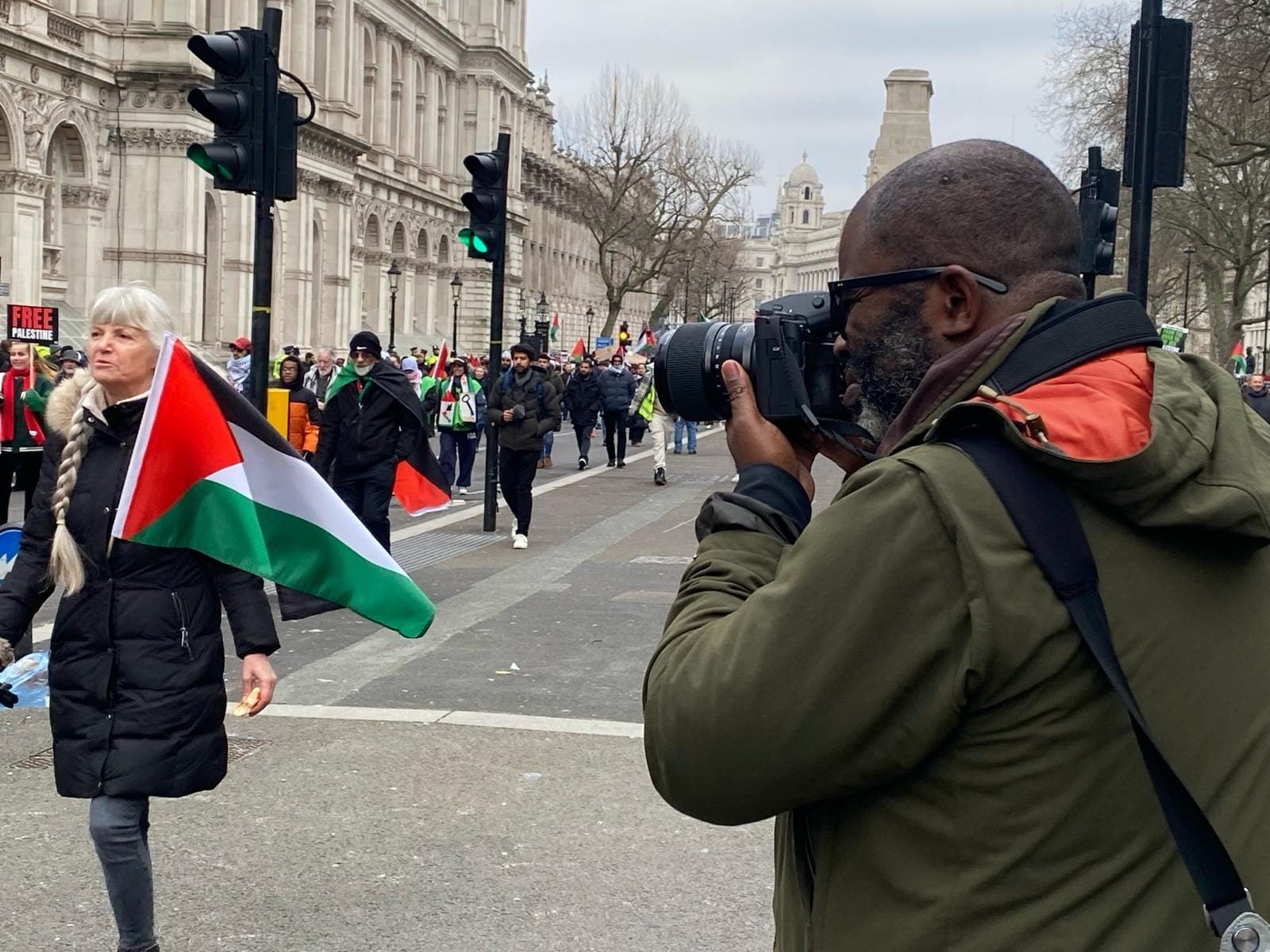
A new documentary follows activist and photographer Misan Harriman as he records protest movements. But the film also wrestles with whether powerful images of resistance can turn political struggle into something polished, dramatic, and easy to consume.
4:42 PMHyperallergicA major Guggenheim survey follows Pop Art from its beginnings through its long afterlife. The exhibition tries to find a conscience in the movement, even though its critics see that moral seriousness as something Pop Art never truly possessed.
4:22 PMNew York Times ArtsArchaeologists have found ancient Egyptian limestone grave markers decorated with human figures. The stones also feature religious symbols and images of deities carved into their sides and backs, offering a closer look at the beliefs surrounding burial practices.
4:08 PMARTnews
A guide features 15 outdoor art exhibitions and installations across New York City this summer. The works include interactive pieces, unusual public sculptures, experimental digital art, and artist-designed recreational spaces.
3:40 PMHyperallergicJohn Esposito, who died at 86, became one of the most prominent American scholars of Islam and political Islam. Beginning in the 1970s, he helped push back against simplistic and hostile portrayals of Muslims through decades of research, writing, and public commentary.
9:38 AMNew York Times Arts
Treasure Hill in Taipei has had several lives, first as a Japanese ammunition depot and later as a settlement for Kuomintang squatters. After reopening as an artist village in 2010, the site became an unusual residency shaped by its layered history.
1:43 PMHyperallergic
A collection of 20 photographs captures the past week across the globe, from wildfires in Europe and Russian missile strikes in Lviv to a tornado in Wisconsin. The set also includes Spencer Tunick’s latest work in Spain, bringing together disaster, conflict, weather, and spectacle.
1:04 PMThe Guardian Art and DesignA federal investigation found that a New York museum misused $600,000 in grant money by submitting inflated time sheets. The finding came from the US Department of the Interior’s Office of Inspector General.
12:01 PMARTnews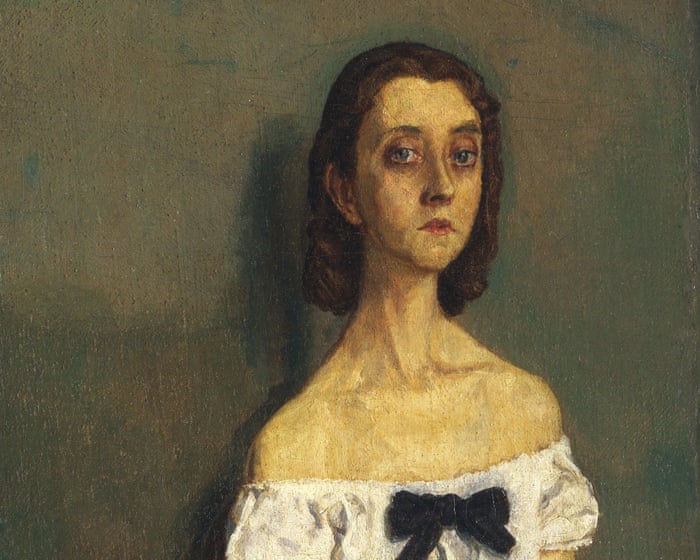
The week’s art roundup visits Gwen John’s quiet, poetic paintings, Enid Marx’s distinctive London Underground designs and the rural gothic of L.R. Vandy. It also points readers toward exhibitions that range from intimate modernist portraiture to playful, oversized folk forms.
7:00 AMThe Guardian Art and Design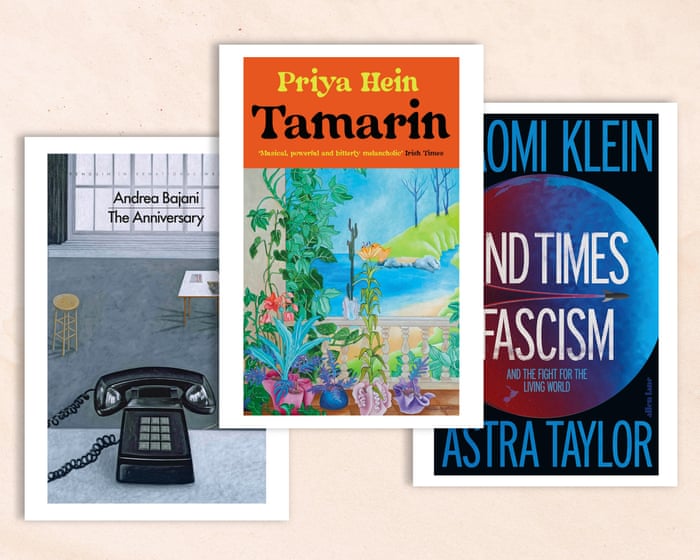
Writers including Max Porter, Daisy Johnson and Avni Doshi share the books that stayed with them in July, alongside recommendations from readers. The picks range from Joan Barfoot’s thoughtful novel about relationships and solitude to an offbeat portrait of a young drifter.
7:00 AMThe Guardian Books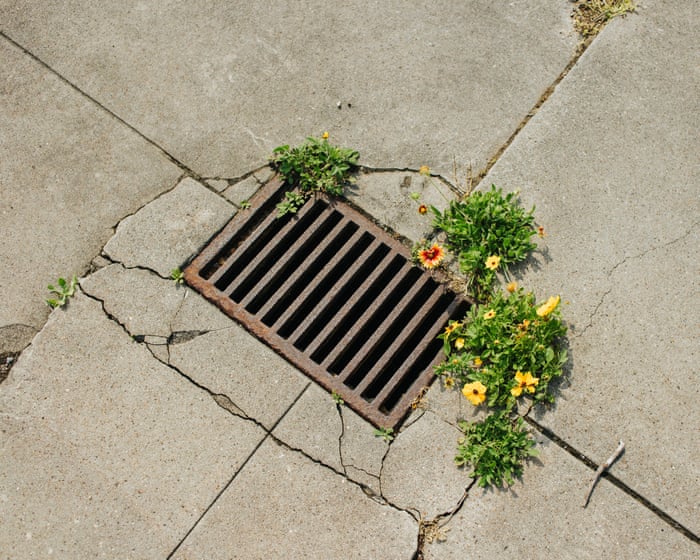
This roundup reviews new collections by Matthew Welton, Jana Prikryl, Helen Mort and Martina Evans. The poems move from weeds, wasps and frozen laundry in the city to family tension, memory and the messier corners of everyday life.
7:00 AMThe Guardian Books
The cultural roundup revisits the sharp social observations of playwright Wendy Wasserstein. It also takes in Misty Copeland’s Ballet Festival, Noname’s poetry, the films of Otar Iosseliani and other notable work across the arts.
6:00 AMThe New Yorker — Books & CultureWallKalakar’s new collection adapts Pichwai, a centuries-old Indian art tradition, into large-scale wallcoverings for modern interiors. Led by wallpaper designer T.C. Mathur, the designs aim to preserve the tradition’s storytelling, color and craftsmanship while giving it a contemporary setting.
5:19 AMThe Property Times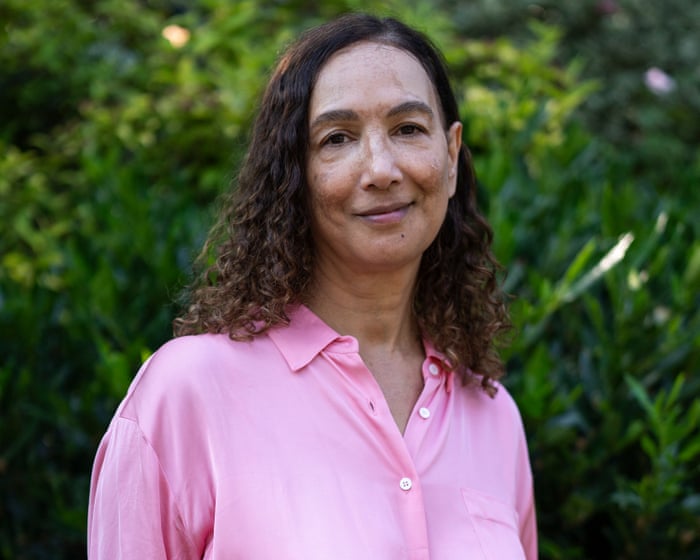
Novelist Jacqueline Crooks looks back at the books that shaped her, from Charles Kingsley’s The Water-Babies to Dickens’s David Copperfield and Toni Morrison’s fiction. She describes reading as a way to survive difficult transitions, build empathy and discover her own voice.
5:00 AMThe Guardian Books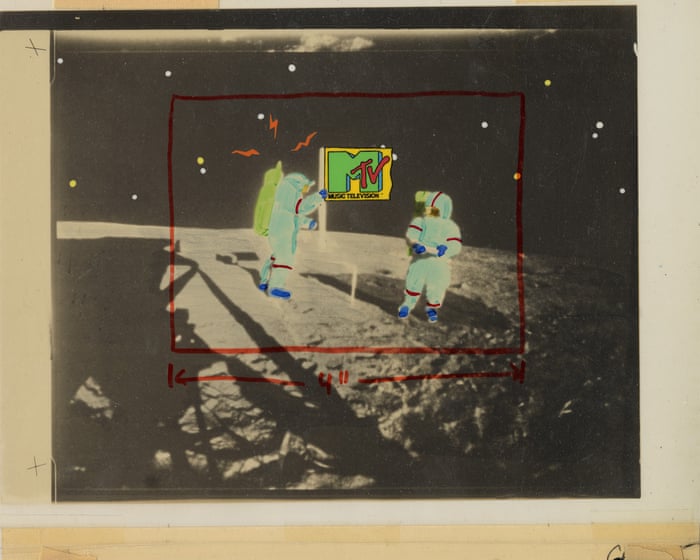
A new MoMA exhibition traces animation across the century before digital technology transformed the medium. It moves beyond familiar cartoon characters to highlight experimental work and the push to develop a more expansive visual language.
5:00 AMThe Guardian Art and Design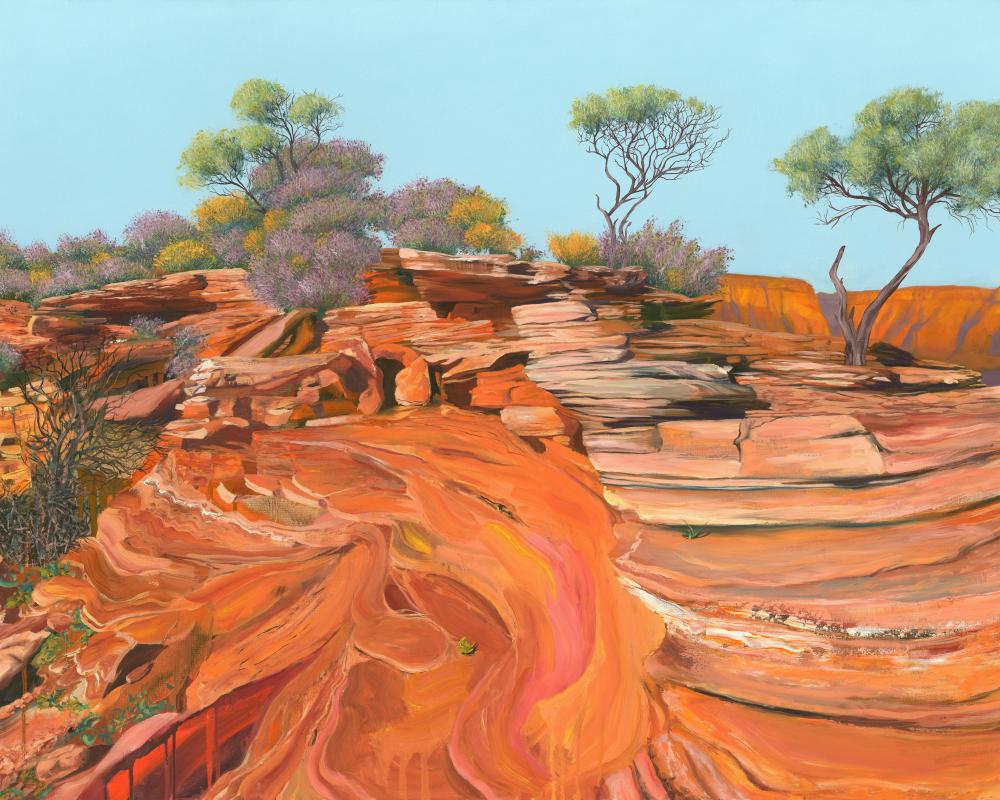
APY Lands artist Robert Fielding has won the 2026 Hadley’s art prize for a painting of stacked, wrecked cars. Judges praised it for showing a landscape that is both lived in and sacred, while the winning work joins 26 finalists at Hobart’s Hadley’s Orient hotel from August 1 to 23.
3:00 AMThe Guardian Art and Design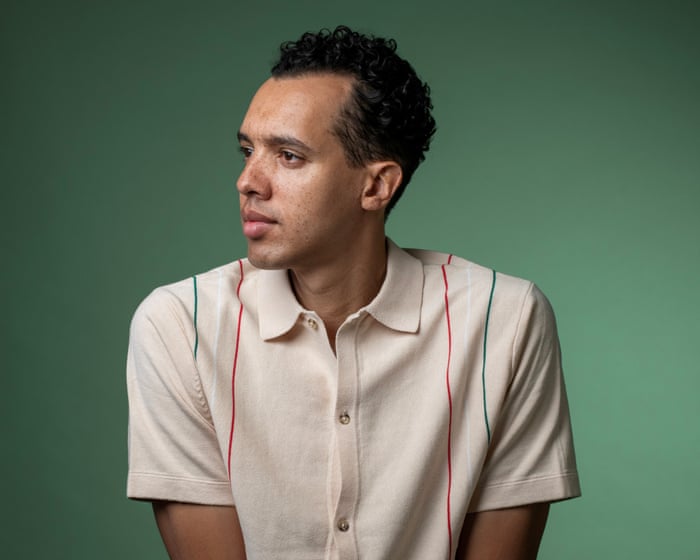
Gaël Faye’s second novel follows Milan, a boy caught between France and Rwanda, as he confronts the genocide’s lasting impact on his family and country. The story moves across generations, asking how people can seek truth and healing without pretending that the past can simply be forgiven.
2:00 AMThe Guardian BooksSummary
Mildred Pitts Walter noticed that her Black kindergarten students in 1950s and 1960s Los Angeles rarely saw themselves in the books they read. She responded by writing books that put Black children, families and history at the center.
Walter turned a classroom gap into a lifelong literary mission. Her work helped make representation
Unlock the full First Pass Analysis to get a better understanding of why this story mattersWhy it matters
Her books opened doors for generations of young readers who had been left out of the picture.
Summary
Glen Hansard learned his craft on the street, where he had to win the attention of strangers one song at a time. Even after becoming a celebrated singer-songwriter, he kept that same instinct for turning a performance into a shared emotional moment.
Hansard’s appeal comes from directness rather than polish alone. He knows how to make a
Unlock the full First Pass Analysis to get a better understanding of why this story mattersWhy it matters
His career shows how the raw connection of a busker can survive even after fame arrives.
Summary
Artist Emma Shapiro is taking legal action after Instagram permanently removed @nipeople, a project focused on gender-based discrimination online. The account was shut down on December 8, 2025, and Shapiro is challenging the decision as censorship.
The case highlights how much cultural and activist work now depends on opaque decisions by
Unlock the full First Pass Analysis to get a better understanding of why this story mattersWhy it matters
The lawsuit could test how much protection artists and activist projects have when platforms remove their work.
Summary
A new documentary follows activist and photographer Misan Harriman as he records protest movements. But the film also wrestles with whether powerful images of resistance can turn political struggle into something polished, dramatic, and easy to consume.
That tension sits at the heart of protest photography: documenting a movement can amplify it,
Unlock the full First Pass Analysis to get a better understanding of why this story mattersWhy it matters
The film asks who benefits when protest becomes an aesthetic experience.
Summary
A major Guggenheim survey follows Pop Art from its beginnings through its long afterlife. The exhibition tries to find a conscience in the movement, even though its critics see that moral seriousness as something Pop Art never truly possessed.
The tension is the point: Pop Art was built on bright surfaces, mass culture and
Unlock the full First Pass Analysis to get a better understanding of why this story mattersWhy it matters
The debate asks whether Pop Art merely reflected consumer culture or helped shape how we live inside it.
Summary
Archaeologists have found ancient Egyptian limestone grave markers decorated with human figures. The stones also feature religious symbols and images of deities carved into their sides and backs, offering a closer look at the beliefs surrounding burial practices.
The details matter because the markers were designed to be seen from more than just
Unlock the full First Pass Analysis to get a better understanding of why this story mattersWhy it matters
The discovery adds rare visual detail to what ancient Egyptians believed about death, memory, and the afterlife.
Summary
A guide features 15 outdoor art exhibitions and installations across New York City this summer. The works include interactive pieces, unusual public sculptures, experimental digital art, and artist-designed recreational spaces.
The breadth of the list shows how contemporary art is moving beyond traditional gallery settings
Unlock the full First Pass Analysis to get a better understanding of why this story mattersWhy it matters
Outdoor exhibitions give New Yorkers free or flexible ways to encounter ambitious art across the city.
Summary
John Esposito, who died at 86, became one of the most prominent American scholars of Islam and political Islam. Beginning in the 1970s, he helped push back against simplistic and hostile portrayals of Muslims through decades of research, writing, and public commentary.
Esposito entered public life when American expertise on political Islam was scarce, then became a
Unlock the full First Pass Analysis to get a better understanding of why this story mattersWhy it matters
His career shaped how generations of Americans understood Islam, especially during periods of intense fear and misinformation.
Summary
Treasure Hill in Taipei has had several lives, first as a Japanese ammunition depot and later as a settlement for Kuomintang squatters. After reopening as an artist village in 2010, the site became an unusual residency shaped by its layered history.
The story is a reminder that artist spaces often grow from places marked by conflict,
Unlock the full First Pass Analysis to get a better understanding of why this story mattersWhy it matters
Repurposing contested urban spaces can preserve history while making room for new creative communities.
Summary
A collection of 20 photographs captures the past week across the globe, from wildfires in Europe and Russian missile strikes in Lviv to a tornado in Wisconsin. The set also includes Spencer Tunick’s latest work in Spain, bringing together disaster, conflict, weather, and spectacle.
The strongest news photography often works by putting very different events side by side. Seen
Unlock the full First Pass Analysis to get a better understanding of why this story mattersWhy it matters
The gallery offers a fast, human-scale snapshot of the week’s biggest stories and striking scenes.
Summary
A federal investigation found that a New York museum misused $600,000 in grant money by submitting inflated time sheets. The finding came from the US Department of the Interior’s Office of Inspector General.
Grant funding depends on basic trust, so inflated records can put future support at risk
Unlock the full First Pass Analysis to get a better understanding of why this story mattersWhy it matters
Museums that rely on public money face real consequences when their accounting does not hold up.
Summary
The week’s art roundup visits Gwen John’s quiet, poetic paintings, Enid Marx’s distinctive London Underground designs and the rural gothic of L.R. Vandy. It also points readers toward exhibitions that range from intimate modernist portraiture to playful, oversized folk forms.
The selections move nicely between canonical artists and design that lives in everyday spaces. The
Unlock the full First Pass Analysis to get a better understanding of why this story mattersWhy it matters
The roundup rewards close looking, whether the subject is a painted figure, a transit pattern or a giant corn dolly.
Summary
Writers including Max Porter, Daisy Johnson and Avni Doshi share the books that stayed with them in July, alongside recommendations from readers. The picks range from Joan Barfoot’s thoughtful novel about relationships and solitude to an offbeat portrait of a young drifter.
This is a relaxed reading list rather than a ranked selection, which makes it useful
Unlock the full First Pass Analysis to get a better understanding of why this story mattersWhy it matters
A good reminder that the best book recommendation may come from a fellow reader, not a bestseller list.
Summary
This roundup reviews new collections by Matthew Welton, Jana Prikryl, Helen Mort and Martina Evans. The poems move from weeds, wasps and frozen laundry in the city to family tension, memory and the messier corners of everyday life.
The selection favors poets who find drama in ordinary scenes without smoothing away their strangeness.
Unlock the full First Pass Analysis to get a better understanding of why this story mattersWhy it matters
These collections show how much emotional weight poetry can pull from familiar, easily overlooked moments.
Summary
The cultural roundup revisits the sharp social observations of playwright Wendy Wasserstein. It also takes in Misty Copeland’s Ballet Festival, Noname’s poetry, the films of Otar Iosseliani and other notable work across the arts.
The Wasserstein piece anchors a broader set of recommendations about artists who bring wit, precision
Unlock the full First Pass Analysis to get a better understanding of why this story mattersWhy it matters
The lineup connects older work that still feels timely with newer artists pushing their forms forward.
Summary
WallKalakar’s new collection adapts Pichwai, a centuries-old Indian art tradition, into large-scale wallcoverings for modern interiors. Led by wallpaper designer T.C. Mathur, the designs aim to preserve the tradition’s storytelling, color and craftsmanship while giving it a contemporary setting.
The collection treats heritage art as something that can live in everyday spaces rather than
Unlock the full First Pass Analysis to get a better understanding of why this story mattersWhy it matters
It shows how Indian artistic traditions are being reimagined for contemporary homes without abandoning their cultural roots.
Summary
Novelist Jacqueline Crooks looks back at the books that shaped her, from Charles Kingsley’s The Water-Babies to Dickens’s David Copperfield and Toni Morrison’s fiction. She describes reading as a way to survive difficult transitions, build empathy and discover her own voice.
Crooks’s choices show how books can become emotional equipment, giving language to experiences that are
Unlock the full First Pass Analysis to get a better understanding of why this story mattersWhy it matters
The books that shape a writer often reveal the personal history behind the work.
Summary
A new MoMA exhibition traces animation across the century before digital technology transformed the medium. It moves beyond familiar cartoon characters to highlight experimental work and the push to develop a more expansive visual language.
The show’s central idea is that animation was never just about funny animals or studio
Unlock the full First Pass Analysis to get a better understanding of why this story mattersWhy it matters
Looking at animation before the digital era makes clear how inventive the medium was long before computers took over.
Summary
APY Lands artist Robert Fielding has won the 2026 Hadley’s art prize for a painting of stacked, wrecked cars. Judges praised it for showing a landscape that is both lived in and sacred, while the winning work joins 26 finalists at Hobart’s Hadley’s Orient hotel from August 1 to 23.
Fielding’s choice of subject stretches the idea of a landscape painting beyond sweeping scenery. The
Unlock the full First Pass Analysis to get a better understanding of why this story mattersWhy it matters
The prize is broadening the picture of what Australian landscape art can be.
Summary
Gaël Faye’s second novel follows Milan, a boy caught between France and Rwanda, as he confronts the genocide’s lasting impact on his family and country. The story moves across generations, asking how people can seek truth and healing without pretending that the past can simply be forgiven.
Faye gives the novel an ambitious structure that connects a child’s memories with the long
Unlock the full First Pass Analysis to get a better understanding of why this story mattersWhy it matters
The novel shows how historical trauma continues to shape families long after the violence itself has ended.
Make it yours
Pick your topics, set your cadence, and receive your personalized First Pass in your inbox. It’s that simple!