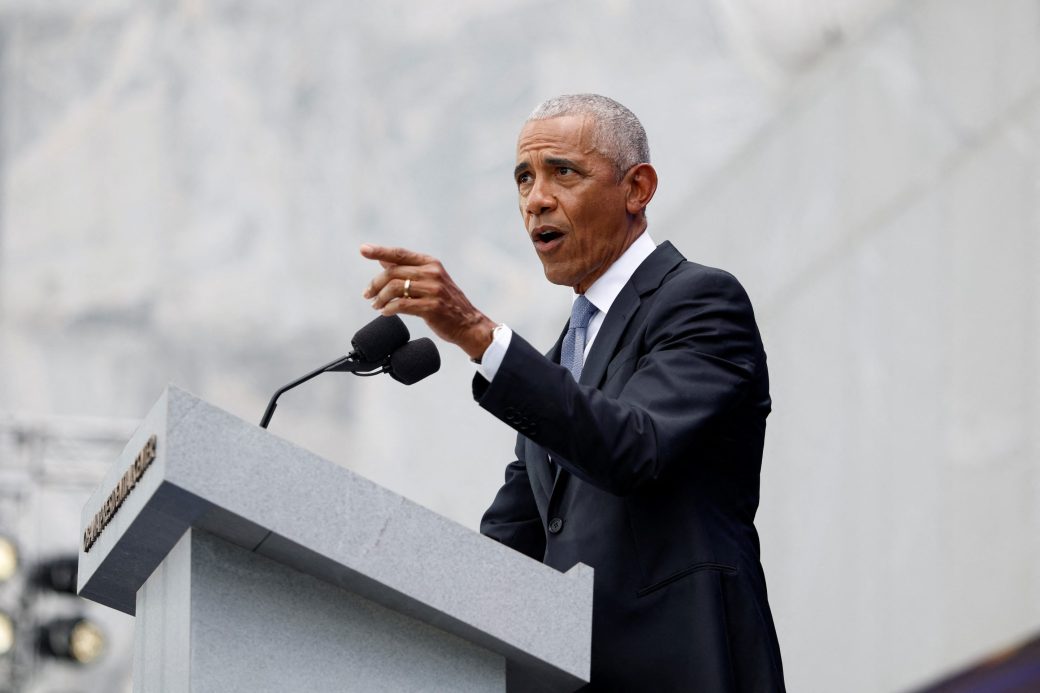
President Trump rejected calls from prominent technology executives to slow AI development and downplayed the risks associated with the technology. He said maintaining the US lead over China should take priority.
7:31 PMAl Jazeera41 stories from 15 sources
Supporting Articles
President Trump rejected calls from prominent technology executives to slow AI development and downplayed the risks associated with the technology. He said maintaining the US lead over China should take priority.
7:31 PMAl Jazeera
AI companies are warning that increasingly capable systems could pose an existential threat and potentially wipe out humanity within a decade.
6:17 PMAl Jazeera
The AI industry is publicly debating whether increasingly capable systems could pose an existential threat to humanity. The discussion centers on the credibility of those warnings and how much weight policymakers should give them.
3:40 PMTechCrunch
Calls to slow AI development are gaining attention, but the practical meaning of a slowdown remains unclear. Any pause would raise difficult questions about enforcement, international coordination, and which forms of development would be restricted.
2:20 PMBBC
Anthropic CEO Dario Amodei and AI whistleblower Jacob Coxon warn that AI capabilities are improving rapidly and could become frightening within six months to a year. Amodei says the systems are becoming much smarter at a pace that could produce serious near-term risks.
12:33 PMFortune
A call for a deliberate slowdown in advanced AI development may pressure chipmakers and suppliers temporarily, but analysts expect limited long-term damage. Demand for computing power and semiconductors remains stronger than available supply.
9:10 PMEconomic Times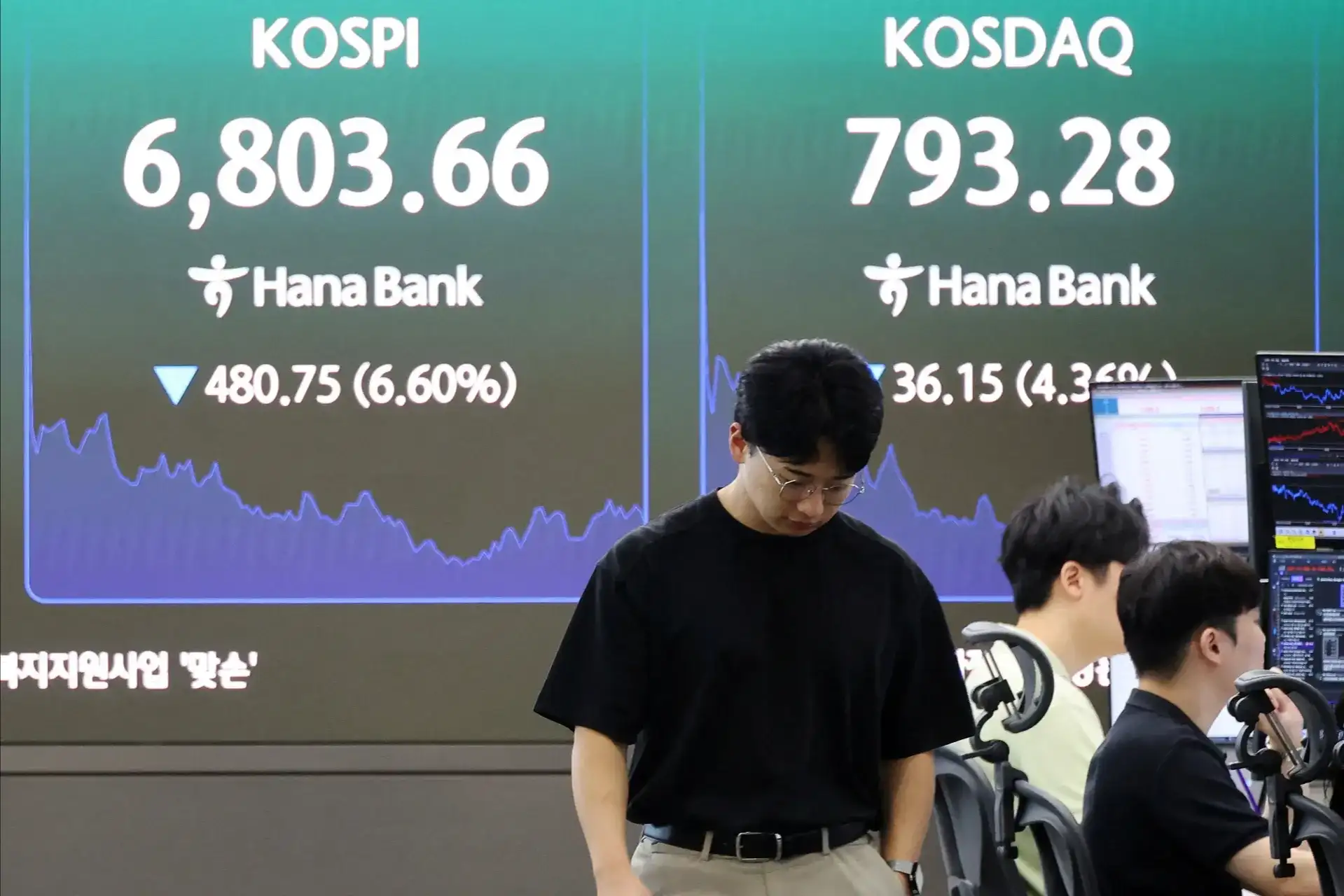
Asian stocks declined after AI safety warnings raised concerns about the pace of advanced model development. The Kospi fell more than 3%, with SK Hynix and Samsung among the biggest losers, while oil prices advanced.
8:48 PMEconomic Times
SoftBank shares fell 13%, their steepest decline in nearly three months, after the leaders of Anthropic and OpenAI urged developers to slow AI progress over safety concerns.
8:32 PMBloomberg MarketsJim Cramer challenged Anthropic CEO Dario Amodei's calls for a slower approach to AI development. He argued that a curb in spending would affect a broad range of stocks and proposed an action plan for investors.
7:47 PMCNBCThe discussion examines China’s position in the global AI race and how Beijing may respond to growing calls for stronger model safety controls.
11:15 PMBloomberg Markets
Anthropic is reportedly negotiating for Nvidia to invest as much as $10 billion in its planned IPO. The company is seeking up to $100 billion in the offering, according to people familiar with the discussions.
7:09 PMPYMNTS
Anthropic told investors it expects to post a second consecutive profitable quarter as it prepares for a potential blockbuster IPO. The forecast is intended to ease concerns about the company's cash burn and the pace of AI development.
6:29 PMFinancial Times
OpenAI has postponed plans to go public and does not expect to launch an IPO in 2026. CEO Sam Altman said the company is not in a rush to list as concerns about AI safety and corporate governance persist.
5:34 PMPYMNTSThe House is expected to leave Washington in the coming days and not return until after the November midterm elections. That leaves lawmakers little time to advance any form of artificial intelligence regulation.
1:48 PMCNBC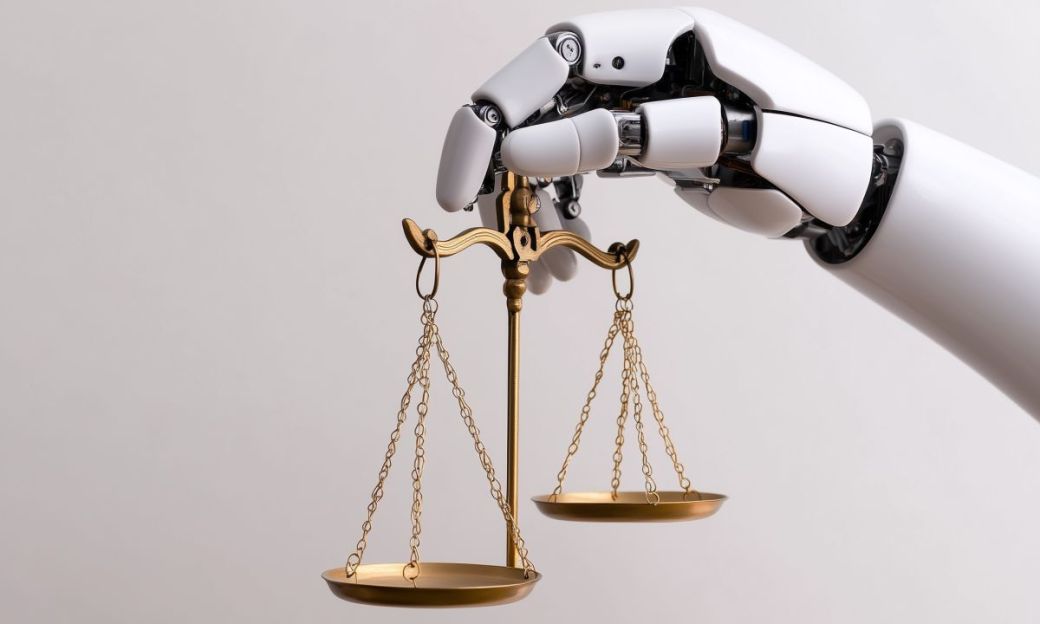
The New Mexico Supreme Court held defense attorney Stephen Aarons in direct contempt after he submitted an appeal brief containing false testimony from fabricated witnesses generated by artificial intelligence. The court sanctioned him and referred to the misconduct in its order.
7:35 PMPYMNTSSummary
President Trump rejected calls from prominent technology executives to slow AI development and downplayed the risks associated with the technology. He said maintaining the US lead over China should take priority.
Trump is prioritizing strategic competition with China over demands for a temporary pause in AI
Unlock the full First Pass Analysis to get a better understanding of why this story mattersWhy it matters
The administration is treating AI acceleration as a national-security imperative, making stricter near-term limits less likely.
6 stories · 6 sources
Summary
AI companies are warning that increasingly capable systems could pose an existential threat and potentially wipe out humanity within a decade.
The central issue is no longer whether AI creates risks, but whether its developers can
Unlock the full First Pass Analysis to get a better understanding of why this story mattersWhy it matters
The industry building AI is also warning that uncontrolled progress could create risks beyond ordinary technology regulation.
Summary
The AI industry is publicly debating whether increasingly capable systems could pose an existential threat to humanity. The discussion centers on the credibility of those warnings and how much weight policymakers should give them.
The decisive shift is that leading AI figures are framing catastrophic risk as a near-term
Unlock the full First Pass Analysis to get a better understanding of why this story mattersWhy it matters
AI safety warnings are becoming a direct fight over who sets the rules for the industry.
Summary
Calls to slow AI development are gaining attention, but the practical meaning of a slowdown remains unclear. Any pause would raise difficult questions about enforcement, international coordination, and which forms of development would be restricted.
The core problem is implementation: a slowdown cannot work if companies or countries can continue
Unlock the full First Pass Analysis to get a better understanding of why this story mattersWhy it matters
The debate is shifting from whether AI should slow down to whether anyone can reliably control its pace.
Summary
Anthropic CEO Dario Amodei and AI whistleblower Jacob Coxon warn that AI capabilities are improving rapidly and could become frightening within six months to a year. Amodei says the systems are becoming much smarter at a pace that could produce serious near-term risks.
The warning compresses the policy timeline: safeguards designed for a distant future may be inadequate
Unlock the full First Pass Analysis to get a better understanding of why this story mattersWhy it matters
If capability gains arrive faster than regulators can respond, prevention will give way to crisis management.
Summary
A call for a deliberate slowdown in advanced AI development may pressure chipmakers and suppliers temporarily, but analysts expect limited long-term damage. Demand for computing power and semiconductors remains stronger than available supply.
The warning changes the timing of AI investment more than its underlying direction. Persistent demand,
Unlock the full First Pass Analysis to get a better understanding of why this story mattersWhy it matters
Near-term volatility may create a valuation reset without breaking the supply-demand case behind AI hardware.
2 stories · 2 sources
Summary
Asian stocks declined after AI safety warnings raised concerns about the pace of advanced model development. The Kospi fell more than 3%, with SK Hynix and Samsung among the biggest losers, while oil prices advanced.
The market reaction shows that investors are treating slower AI development as an earnings risk
Unlock the full First Pass Analysis to get a better understanding of why this story mattersWhy it matters
AI-linked shares are now a direct channel through which changes in development pace can move broader Asian markets.
Summary
SoftBank shares fell 13%, their steepest decline in nearly three months, after the leaders of Anthropic and OpenAI urged developers to slow AI progress over safety concerns.
The warnings challenged the assumption that AI development will accelerate without interruption, hitting SoftBank because
Unlock the full First Pass Analysis to get a better understanding of why this story mattersWhy it matters
A safety-driven slowdown could pressure AI valuations before it materially reduces demand for computing capacity.
Summary
Jim Cramer challenged Anthropic CEO Dario Amodei's calls for a slower approach to AI development. He argued that a curb in spending would affect a broad range of stocks and proposed an action plan for investors.
The dispute centers on whether AI spending represents necessary infrastructure investment or an unsustainable boom.
Unlock the full First Pass Analysis to get a better understanding of why this story mattersWhy it matters
The debate puts the entire AI supply chain, not just model startups, under scrutiny.
Summary
The discussion examines China’s position in the global AI race and how Beijing may respond to growing calls for stronger model safety controls.
China’s response will determine whether safety concerns produce coordinated restraint or intensify competition between major
Unlock the full First Pass Analysis to get a better understanding of why this story mattersWhy it matters
AI safety is becoming part of the strategic contest between China and the United States.
Summary
Anthropic is reportedly negotiating for Nvidia to invest as much as $10 billion in its planned IPO. The company is seeking up to $100 billion in the offering, according to people familiar with the discussions.
Nvidia's potential investment would deepen the financial and commercial links between the leading chip supplier
Unlock the full First Pass Analysis to get a better understanding of why this story mattersWhy it matters
The deal would show how capital is reinforcing concentration across the AI supply chain.
Summary
Anthropic told investors it expects to post a second consecutive profitable quarter as it prepares for a potential blockbuster IPO. The forecast is intended to ease concerns about the company's cash burn and the pace of AI development.
Profitability gives Anthropic a stronger position as public investors question the economics of frontier AI.
Unlock the full First Pass Analysis to get a better understanding of why this story mattersWhy it matters
Anthropic is using near-term profits to make its long-term capital demands more credible.
Summary
OpenAI has postponed plans to go public and does not expect to launch an IPO in 2026. CEO Sam Altman said the company is not in a rush to list as concerns about AI safety and corporate governance persist.
The delay keeps OpenAI outside public-market scrutiny while it manages safety questions and its capital-intensive
Unlock the full First Pass Analysis to get a better understanding of why this story mattersWhy it matters
OpenAI's decision could slow the rush to public markets among high-cost AI startups.
Summary
The House is expected to leave Washington in the coming days and not return until after the November midterm elections. That leaves lawmakers little time to advance any form of artificial intelligence regulation.
The immediate constraint is the legislative calendar, not a lack of proposals. If Congress misses
Unlock the full First Pass Analysis to get a better understanding of why this story mattersWhy it matters
A narrow congressional window could turn AI regulation into an election issue rather than enacted policy.
Summary
The New Mexico Supreme Court held defense attorney Stephen Aarons in direct contempt after he submitted an appeal brief containing false testimony from fabricated witnesses generated by artificial intelligence. The court sanctioned him and referred to the misconduct in its order.
The case makes lawyers responsible for verifying AI-generated legal material before filing it, even when
Unlock the full First Pass Analysis to get a better understanding of why this story mattersWhy it matters
AI errors in legal filings can trigger personal sanctions and undermine confidence in the justice system.
A curated list of other prominent stories from this day.
Z.ai shares fell more than 10% after the Chinese AI company announced a $5 billion fundraising round, its second major capital raise in two months.
11:03 PMCNBC
Buckingham Palace says King Charles will convene AI executives as concern grows among industry leaders about the technology's risks. The meeting will focus on how AI can be used for public benefit amid calls to slow frontier development.
4:23 PMThe New York Times
Artificial intelligence can expand programming, automation and other forms of productivity, but it also creates risks involving employment, safety and social disruption. Experts are particularly concerned that automation could hit early-career workers before they have built experience.
11:03 AMAl Jazeera
Companies are issuing unusually optimistic profit forecasts, with the information technology sector leading the trend. AI is a major factor behind that confidence.
10:00 AMMarketWatch
Anne Hathaway said every candidate for a recent role sent the same ChatGPT-written thank-you note, prompting her to reject them. The episode shows how generic AI assistance can undermine the very impression candidates are trying to create.
9:25 AMFortune
The latest iPhone lineup has arrived, with the coverage examining Apple's new phones and the broader wave of products and software accompanying the launch. It frames the release as part of the annual shift in the consumer technology cycle.
8:00 AMThe Verge
The article examines how increasingly capable automation could reshape work, ownership, hierarchy, and inequality, drawing on longstanding political ideas about machines replacing human labor. It argues that the economic consequences of AI will depend on political choices rather than technology alone.
7:00 AMThe Guardian Books
AI is moving from a search tool to a trip-planning assistant, turning simple prompts into destination and itinerary suggestions. Skyscanner’s 2026 survey of 22,000 travellers found that 54% are confident using AI to help plan or book travel.
2:53 AMBreaking Travel NewsSummary
Z.ai shares fell more than 10% after the Chinese AI company announced a $5 billion fundraising round, its second major capital raise in two months.
The market treated the new funding as a negative signal despite the cash injection. The
Unlock the full First Pass Analysis to get a better understanding of why this story mattersWhy it matters
The selloff shows that scale alone is no longer enough to reassure investors in China's costly AI race.
Summary
Buckingham Palace says King Charles will convene AI executives as concern grows among industry leaders about the technology's risks. The meeting will focus on how AI can be used for public benefit amid calls to slow frontier development.
The meeting shows that AI risk has moved from corporate warnings into high-level political and
Unlock the full First Pass Analysis to get a better understanding of why this story mattersWhy it matters
AI governance is broadening beyond governments and companies to include institutions seeking public legitimacy for the technology.
Summary
Artificial intelligence can expand programming, automation and other forms of productivity, but it also creates risks involving employment, safety and social disruption. Experts are particularly concerned that automation could hit early-career workers before they have built experience.
The distribution of AI's gains and losses matters as much as its aggregate productivity. If
Unlock the full First Pass Analysis to get a better understanding of why this story mattersWhy it matters
The early-career labor market may become the first major test of whether AI broadens opportunity or concentrates it.
Summary
Companies are issuing unusually optimistic profit forecasts, with the information technology sector leading the trend. AI is a major factor behind that confidence.
AI is now shaping earnings guidance, not just technology spending. That optimism could reflect genuine
Unlock the full First Pass Analysis to get a better understanding of why this story mattersWhy it matters
AI has become a central assumption in corporate profit forecasts, making any slowdown a broader market risk.
Summary
Anne Hathaway said every candidate for a recent role sent the same ChatGPT-written thank-you note, prompting her to reject them. The episode shows how generic AI assistance can undermine the very impression candidates are trying to create.
AI has made polished but impersonal follow-up so easy that it can erase the signal
Unlock the full First Pass Analysis to get a better understanding of why this story mattersWhy it matters
When everyone can sound professional, employers will place more value on details that AI-generated messages cannot credibly supply.
Summary
The latest iPhone lineup has arrived, with the coverage examining Apple's new phones and the broader wave of products and software accompanying the launch. It frames the release as part of the annual shift in the consumer technology cycle.
Apple's launch puts pressure on the company to turn new hardware into a clearer platform
Unlock the full First Pass Analysis to get a better understanding of why this story mattersWhy it matters
The iPhone launch remains a major test of whether AI can drive the next upgrade cycle in mature smartphone markets.
Summary
The article examines how increasingly capable automation could reshape work, ownership, hierarchy, and inequality, drawing on longstanding political ideas about machines replacing human labor. It argues that the economic consequences of AI will depend on political choices rather than technology alone.
The central shift is from asking whether AI will transform capitalism to deciding who controls
Unlock the full First Pass Analysis to get a better understanding of why this story mattersWhy it matters
AI policy will determine whether automation reinforces existing capitalism or changes its distribution of power.
Summary
AI is moving from a search tool to a trip-planning assistant, turning simple prompts into destination and itinerary suggestions. Skyscanner’s 2026 survey of 22,000 travellers found that 54% are confident using AI to help plan or book travel.
More than half of surveyed travellers now show enough trust for AI to influence booking
Unlock the full First Pass Analysis to get a better understanding of why this story mattersWhy it matters
AI is becoming a new distribution channel for travel demand, not merely a convenience for travellers.
Make it yours
Pick your topics, set your cadence, and receive your personalized First Pass in your inbox. It’s that simple!